
Can precision farming really strengthen food security?
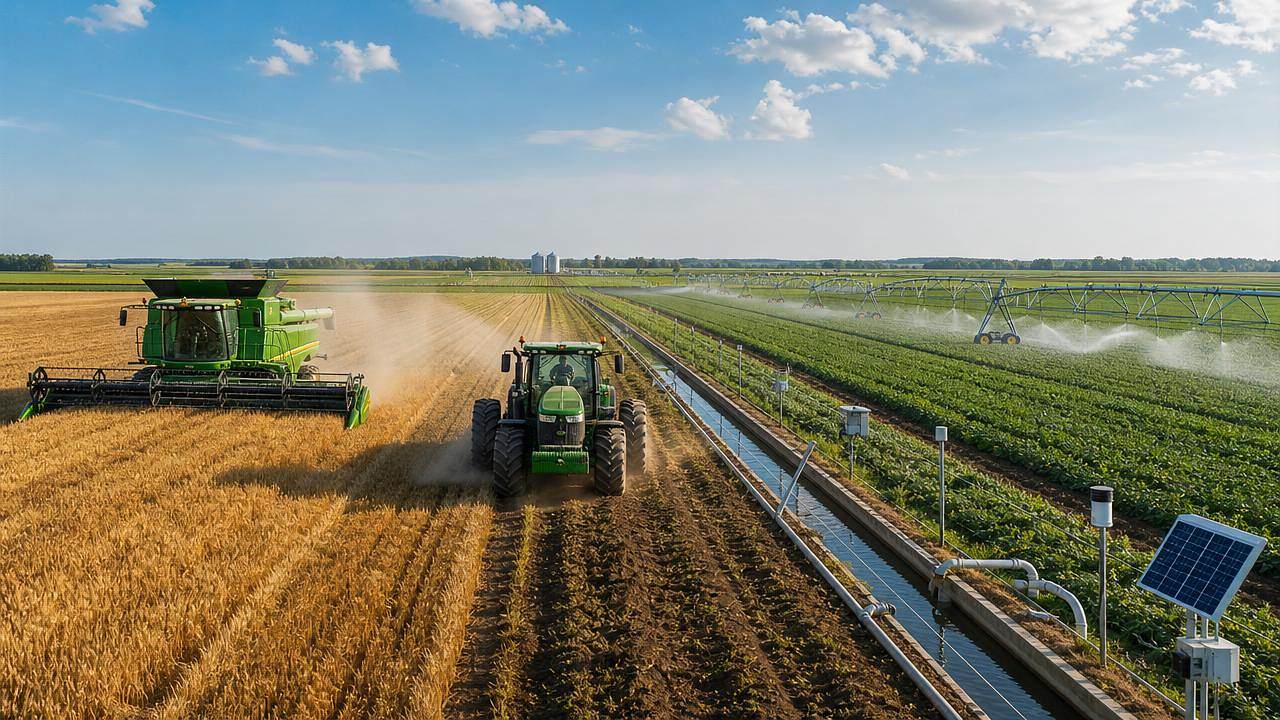




Can smarter machines, data-driven irrigation, and real-time field analytics make harvests more resilient? The answer is increasingly yes, but only when technology matches field conditions, crop risks, and operational goals.
Today, food security through precision agriculture is no longer a future concept. It is a practical response to drought, labor pressure, input inflation, yield variability, and post-harvest loss.
For AP-Strategy, the issue is not whether precision systems matter. The real question is which farming scenarios gain the most value, and what decisions turn digital capability into stable output.
Why field conditions now determine the value of food security through precision agriculture
Food security risks differ sharply across regions. Rain-fed grain zones face weather volatility. Irrigated belts face water stress. Mixed-farm operations often struggle with timing, labor coordination, and equipment efficiency.
That is why food security through precision agriculture must be judged by scenario. A satellite-guided tractor may transform one field system, while intelligent irrigation creates the biggest resilience gain elsewhere.
Precision agriculture strengthens food security when it improves three outcomes at once: yield reliability, input efficiency, and harvest consistency. If one of these is missing, the impact often stays limited.
Key signals that a farm scenario is ready for precision adoption
- Large yield differences within the same field
- Recurring water shortages or irrigation waste
- High harvesting loss in short weather windows
- Rising fertilizer, fuel, or labor costs
- Need for more predictable output across seasons
Scenario one: broadacre grain farming under weather and timing pressure
In large grain operations, small timing errors can mean large volume losses. Late planting, uneven spraying, and delayed harvesting reduce output before market conditions can help.
Here, food security through precision agriculture depends on machine coordination. Auto-steering, section control, field mapping, and telematics reduce overlap, save inputs, and improve field execution speed.
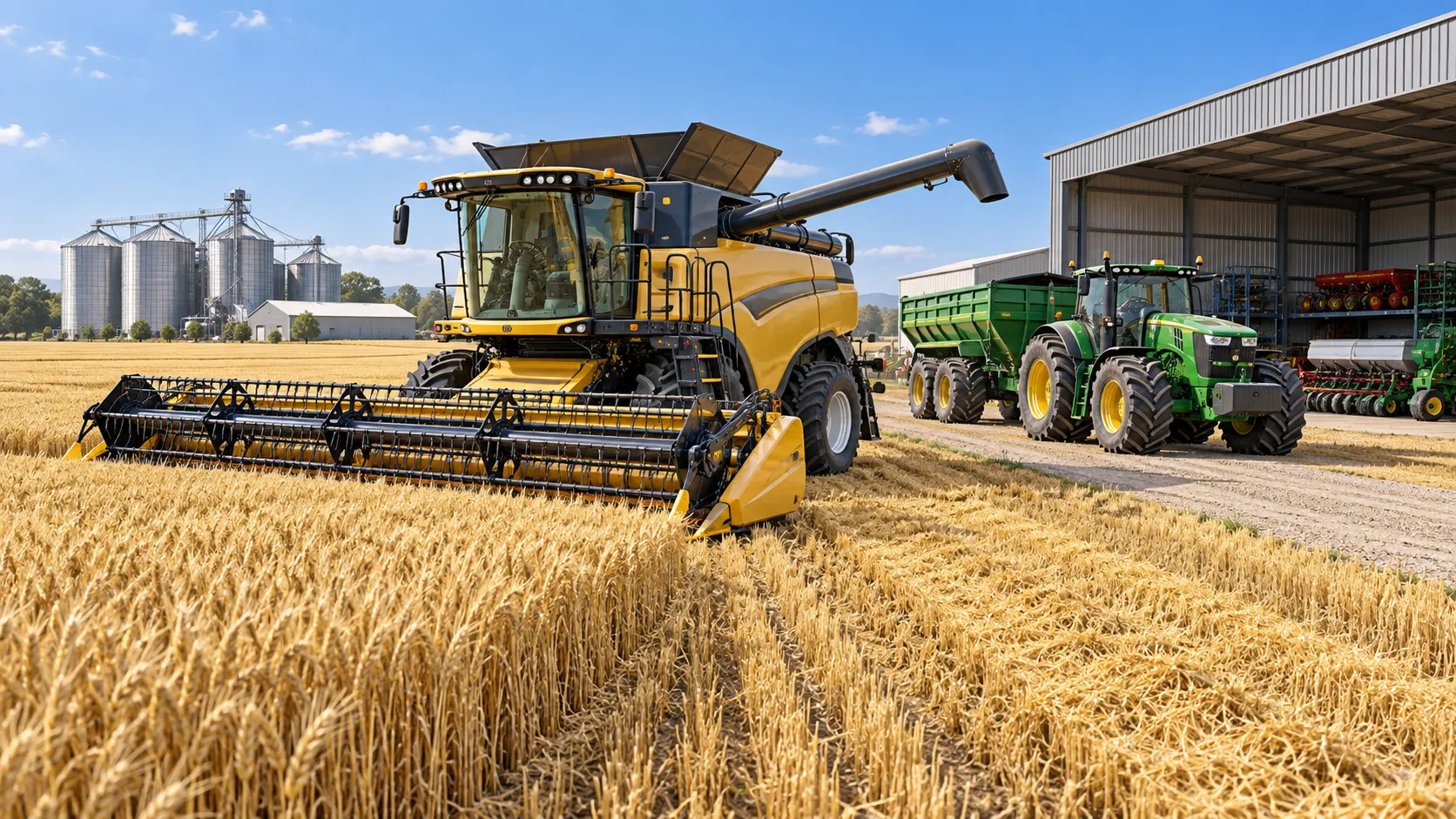
Combine harvesters are especially important in this scenario. Loss-monitoring systems, cleaning adjustments, and moisture-linked harvest planning protect grain volume during narrow weather windows.
The strongest gains appear when tractors, farm tools, and harvesters share data. A connected workflow improves traffic planning, task sequencing, and operator response to field variability.
Core judgment points for grain operations
- How much yield is lost from overlap or skips?
- How often does weather shorten the harvest window?
- Is machine capacity matched to field size and crop density?
- Can variable-rate application reduce input waste?
Scenario two: irrigated farming where every unit of water affects output stability
In water-stressed regions, the link between irrigation and food security is direct. Overwatering wastes energy and nutrients. Underwatering reduces grain filling, crop quality, and total yield.
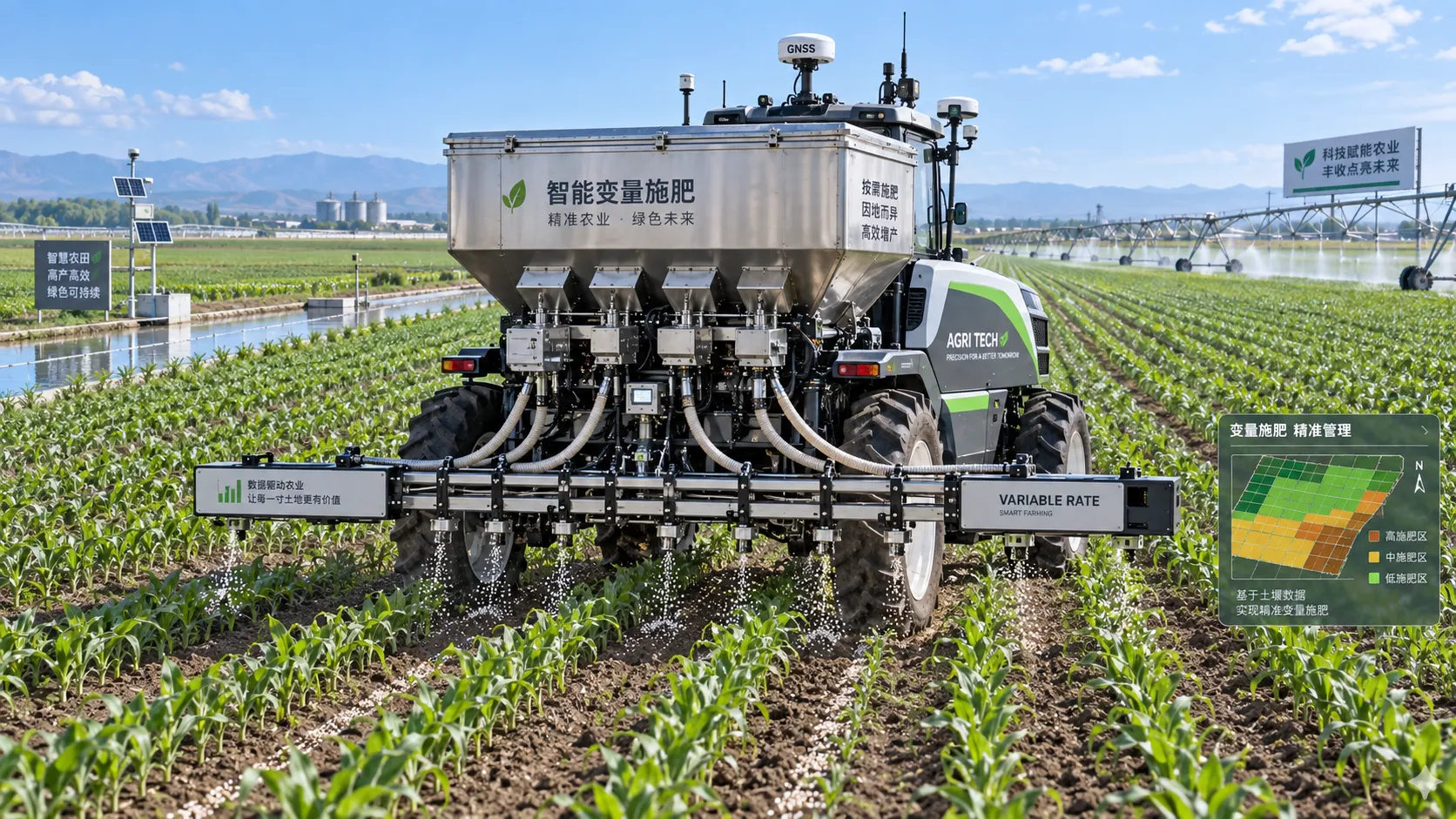
This is where food security through precision agriculture becomes measurable. Soil moisture sensors, evapotranspiration models, and smart valves can turn irrigation into a controlled, responsive system.
Intelligent irrigation works best when combined with weather forecasting and zone-based control. Instead of treating the whole field equally, managers can irrigate according to crop stage, soil type, and stress level.
Water-saving irrigation also protects resilience beyond one season. Efficient application supports groundwater preservation, energy savings, and long-term field productivity under climate uncertainty.
Core judgment points for irrigated fields
- Are water applications based on crop demand or fixed routine?
- Do different field zones dry at different rates?
- Is pumping cost rising faster than output value?
- Can leak detection or pressure control cut system losses?
Scenario three: mixed and transitional operations facing labor, scale, and decision complexity
Some operations are neither fully large-scale nor fully manual. They often combine several crops, changing field layouts, and uneven machinery utilization across the season.
In this setting, food security through precision agriculture is less about one machine. It is about better decisions across planting, crop care, irrigation, and harvest scheduling.
Entry-level precision tools can still deliver strong results. Guidance systems, yield mapping, remote equipment monitoring, and digital maintenance records reduce downtime and support more consistent output.
This scenario also benefits from strategic intelligence. Market signals, policy shifts, and weather-linked risk alerts help align field activity with both biological timing and commercial reality.
How scenario differences change precision priorities
The table shows an important truth. Food security through precision agriculture is not one uniform upgrade path. It is a tailored response to the dominant source of field loss.
Practical recommendations for matching tools to the right field scenario
A successful precision plan starts with bottlenecks, not gadgets. The most effective investments usually target the largest repeatable loss in output, water, fuel, or harvest quality.
Recommended adaptation steps
- Map where losses occur across the full crop cycle.
- Rank issues by economic impact and frequency.
- Choose one connected technology cluster first.
- Set field-level metrics before deployment.
- Review seasonal data and adjust workflows.
For example, grain operations may begin with harvesting accuracy and machine synchronization. Irrigated farms may begin with moisture visibility and automated control thresholds.
AP-Strategy’s sector focus supports this matching process. Large-scale machinery, combine harvesting technology, tractor chassis performance, intelligent tools, and smart irrigation should be evaluated as a system.
Common mistakes that weaken the promise of food security through precision agriculture
The most common mistake is buying isolated technology without workflow integration. A good sensor cannot compensate for poor timing, weak machine calibration, or inconsistent field execution.
Another mistake is treating all fields the same. Precision systems only create value when local variability is measured, interpreted, and translated into timely action.
Many operations also underestimate maintenance and operator learning. Smart equipment delivers food security gains only when data quality stays high and settings remain crop-appropriate.
Finally, some strategies focus only on peak yield. Real food security through precision agriculture is about dependable production, resource efficiency, and lower vulnerability across difficult seasons.
What the next step looks like for stronger agricultural resilience
Precision farming can strengthen food security, but the result depends on field context, equipment fit, and decision discipline. The strongest impact comes when technology directly addresses recurring operational losses.
That makes food security through precision agriculture a strategic framework, not just a technology trend. It links machines, irrigation, analytics, and intelligence into one resilience-building system.
A practical next step is to assess one production scenario in depth: harvest loss, irrigation efficiency, or execution bottlenecks. Then align data tools and equipment upgrades around that single priority.
With informed choices, precision farming does more than improve efficiency. It helps protect yield stability, conserve resources, and build a more secure agricultural future under real-world pressure.
Related News
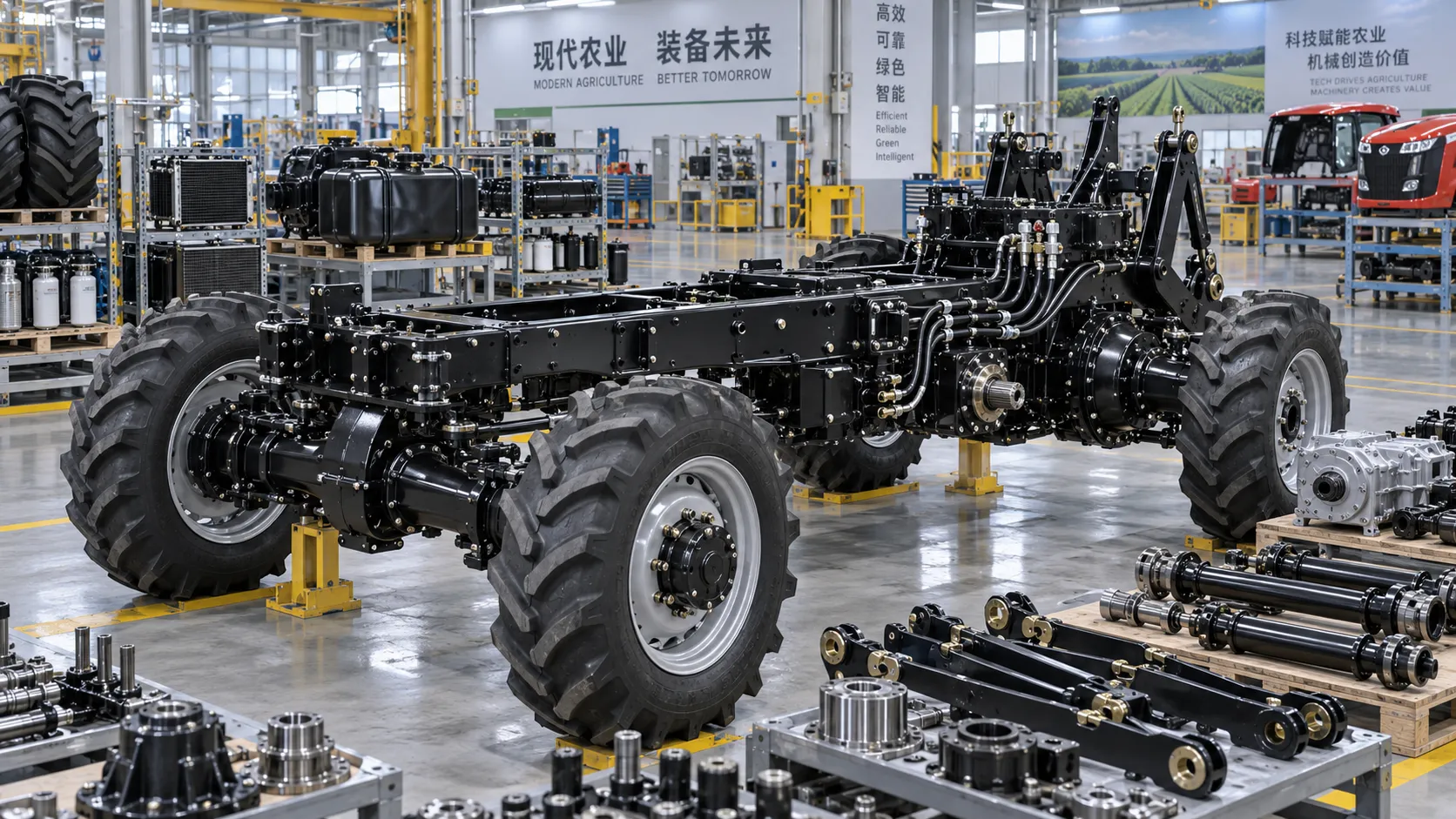
Tractor Chassis Price: What Buyers Should Compare Beyond the Initial Quote
Tractor chassis price is only the start. Compare load capacity, compatibility, durability, and lifecycle costs to choose a reliable, high-value chassis.
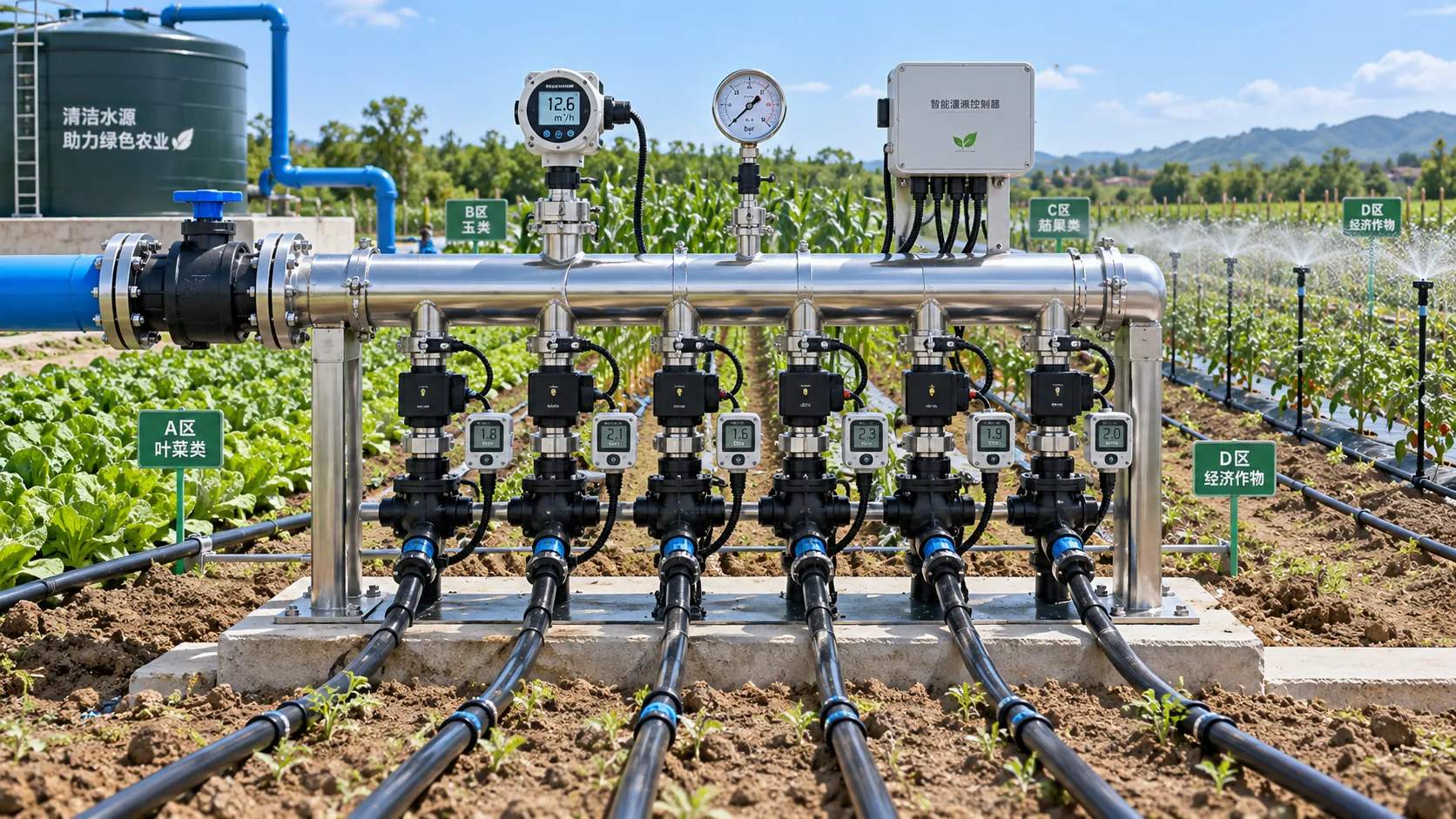
How to Select Smart Irrigation Valves for Multi-Zone Water Management?
Intelligent irrigation systems valves: learn how to match smart valves with multi-zone flow, pressure, control, feedback, and communication needs for reliable water management.
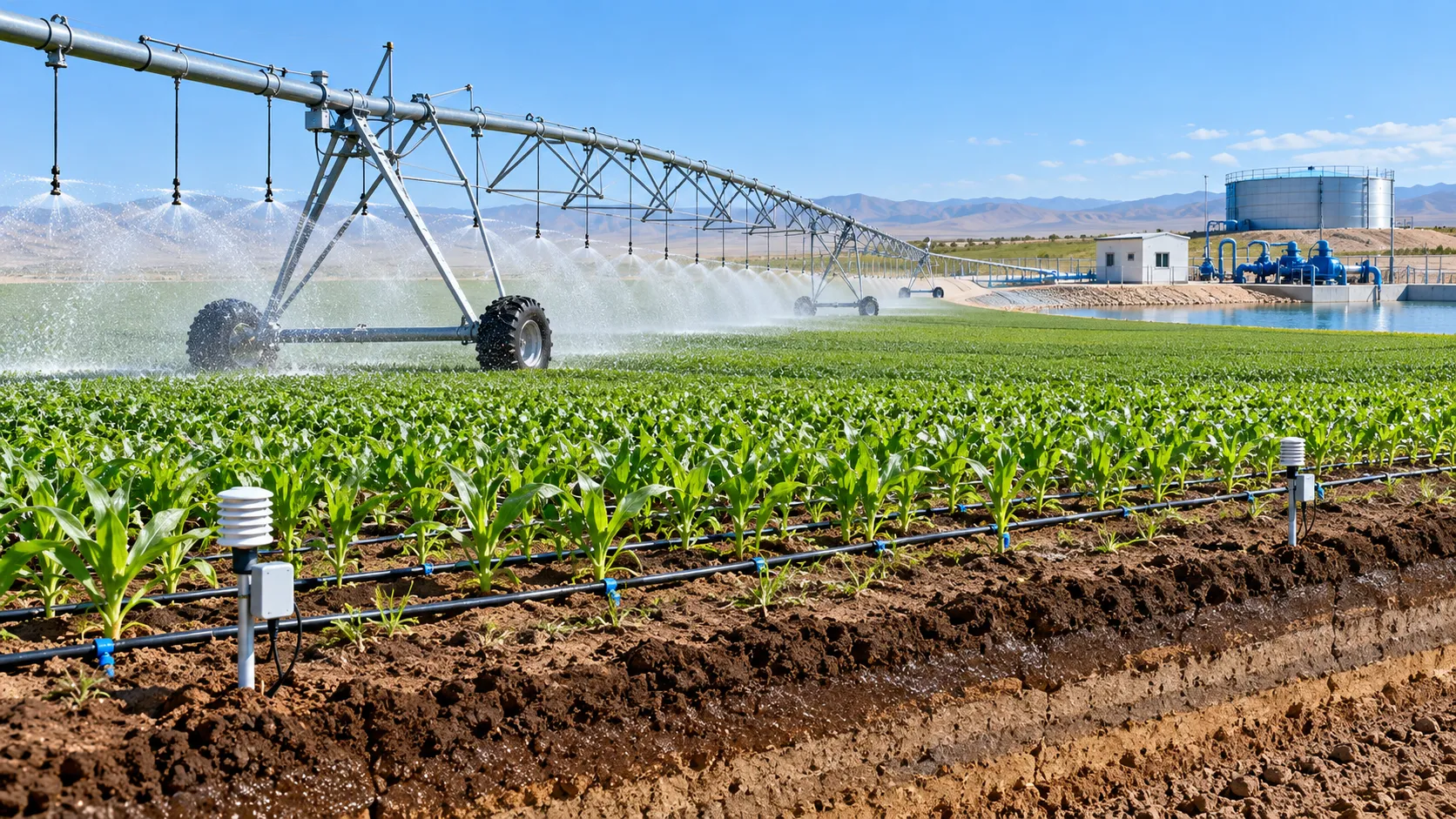
Climate-Smart Farming for Drought: A Practical Plan for Protecting Yields
Climate-smart farming for drought: build smarter water budgets, protect critical crop stages, improve irrigation uniformity, and safeguard yields with practical field-proven strategies.
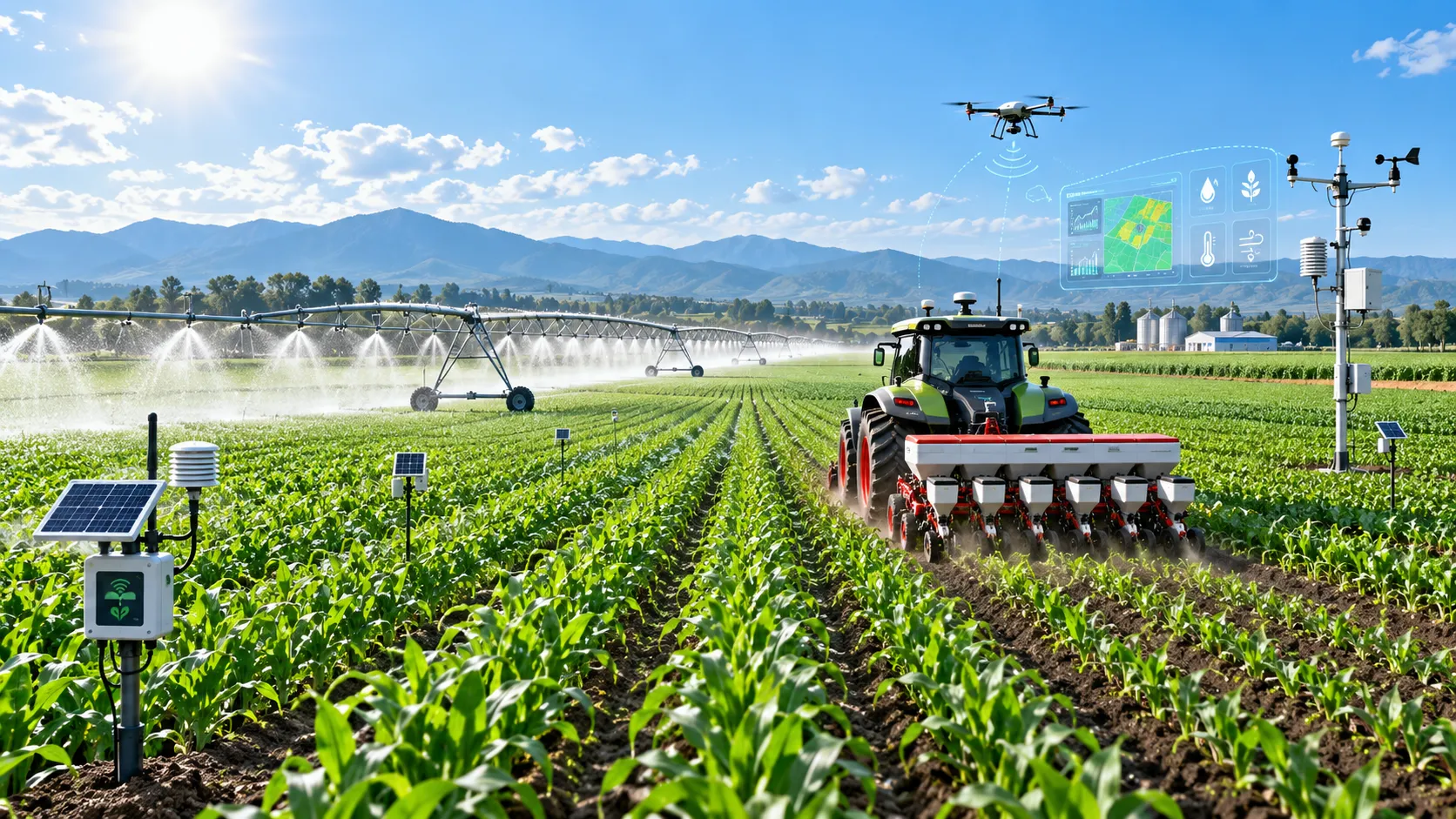
How Digital Agriculture Platforms Turn Field Data Into Better Input Decisions
Digital agriculture platforms turn field data into smarter fertilizer, water, seed, and equipment decisions—helping farms cut risk, improve margins, and scale sustainability.
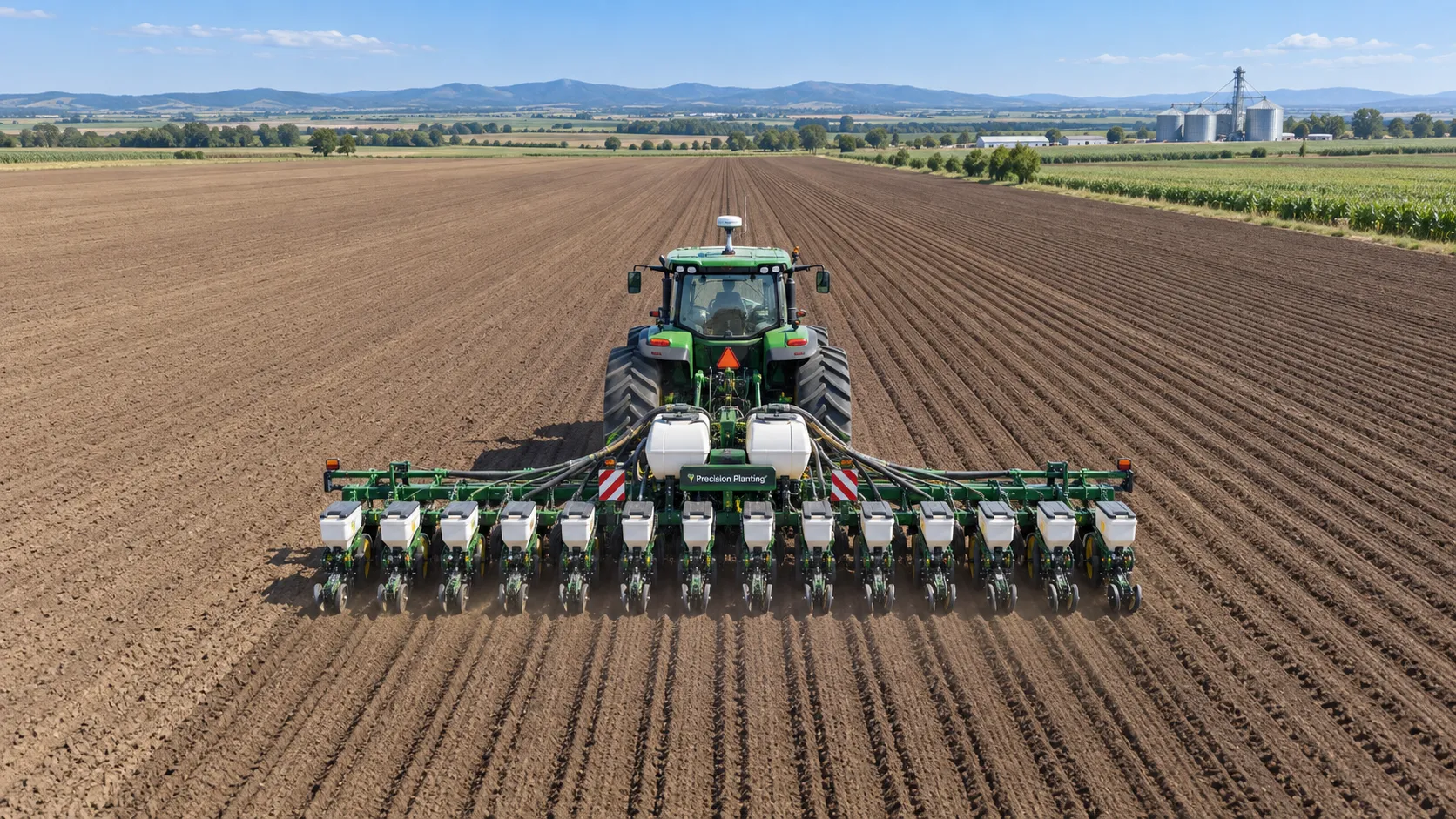
GPS-Guided Farm Machinery: Where It Delivers Measurable Field Efficiency Gains
Agri-mechanization GPS guided systems deliver measurable field efficiency gains through reduced overlap, precise planting, smarter inputs, and reliable farm data.
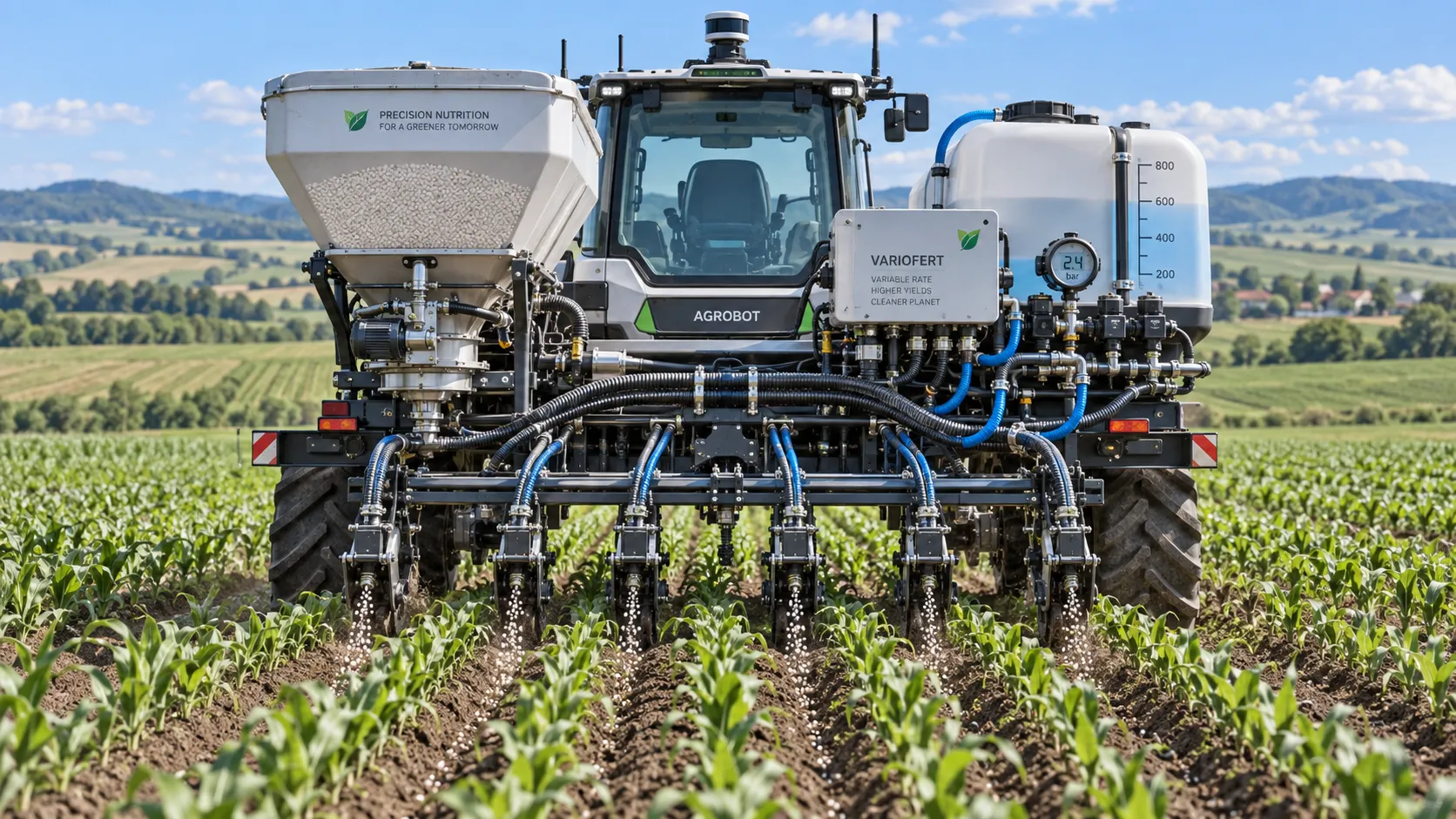
How Sensor Feedback Enables Accurate Variable-Rate Fertilization in Field Conditions
Precision fertilization systems with sensor feedback improve variable-rate accuracy by verifying flow, managing latency, and ensuring reliable field application.
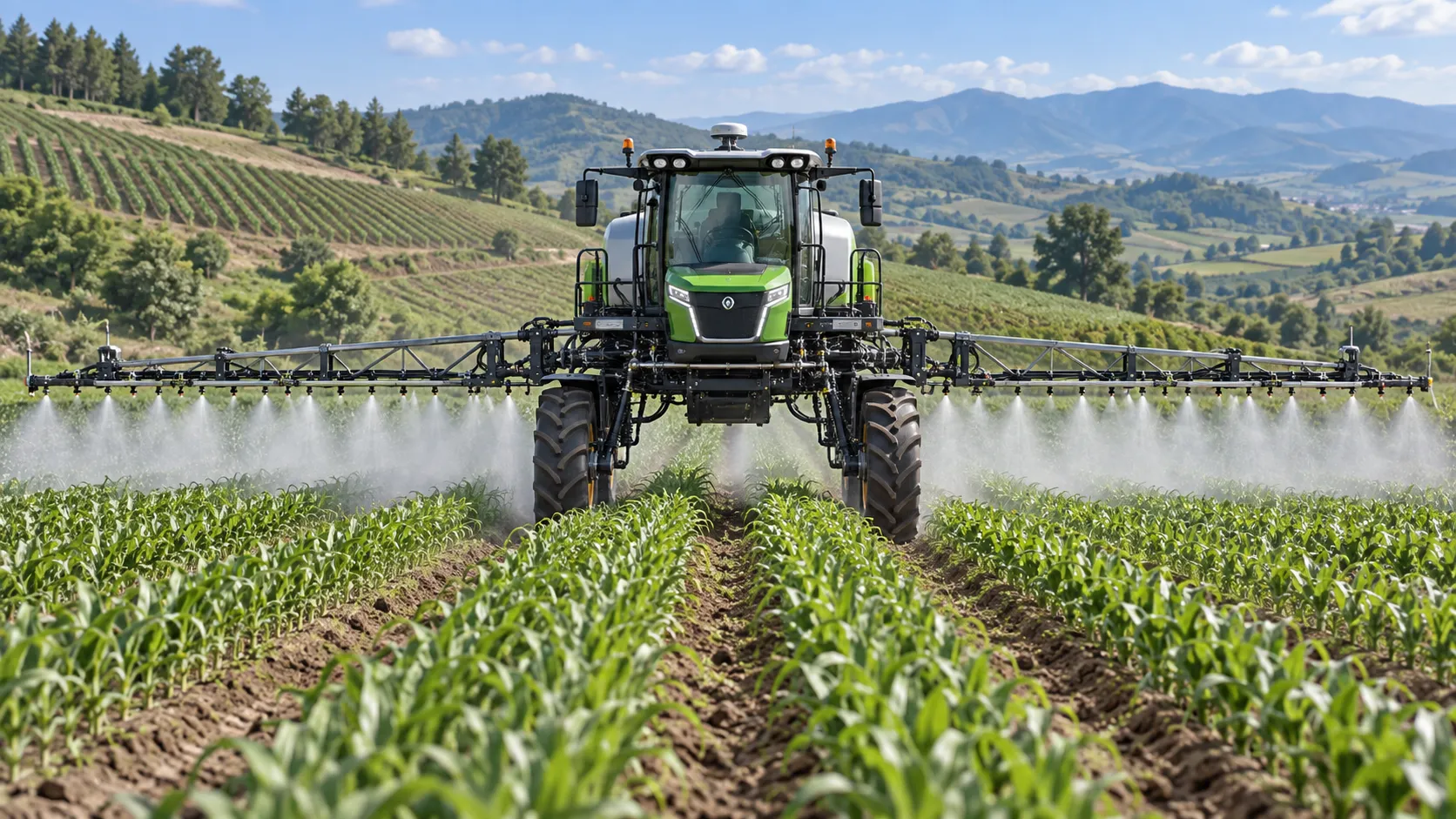
How to Select Precision Crop Protection Equipment for Variable Field Conditions
Precision crop protection equipment selection made simple: compare terrain, canopy, weather, control accuracy, and data workflows for reliable applications.
When Does Agricultural Machinery Leasing Cost Less Than Owning Equipment?
Agricultural machinery leasing can lower farm costs when use is seasonal or uncertain. Compare utilization, maintenance, cash flow, and risk to make a smarter equipment decision.
How to Evaluate Precision Fertilization System Suppliers for Farm-Scale Deployment
Precision fertilization systems suppliers: learn how to compare accuracy, integration, uptime, service, and total cost for confident farm-scale deployment.
Related News
- 00
0000-00
Tractor Chassis Price: What Buyers Should Compare Beyond the Initial Quote - 00
0000-00
How Digital Agriculture Platforms Turn Field Data Into Better Input Decisions - 00
0000-00
When Does Agricultural Machinery Leasing Cost Less Than Owning Equipment? - 00
0000-00
Selecting Grain Farm Equipment by Acreage, Crop Mix, and Harvest Window - 00
0000-00
Poultry Equipment Selection: Evaluating Durability, Cleaning, and Compatibility
Popular Tags
Ms. Elena Rodriguez
Weekly Insights
Stay ahead with our curated technology reports delivered every Monday.