
China Implements Zero Tariffs on 20 Non-LDC African Countries
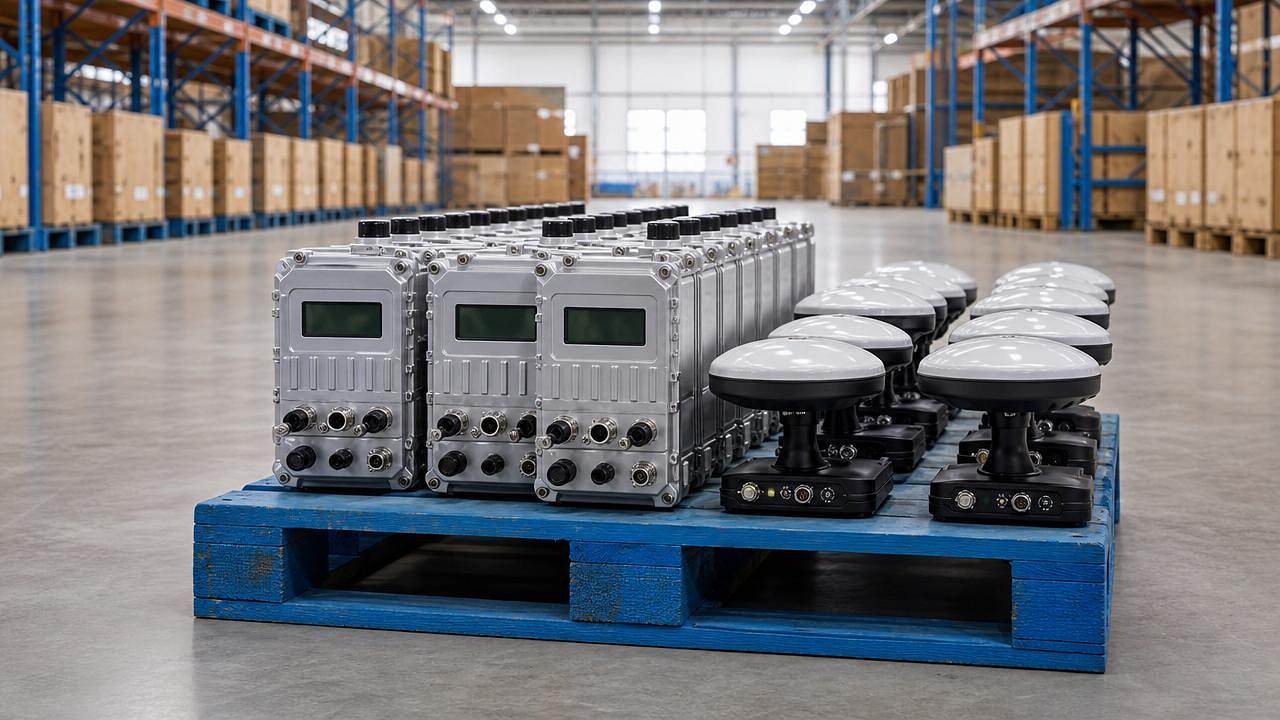




Effective May 1, 2026, China has unilaterally applied zero tariffs to all tariff lines for imports from 20 non-Least Developed Country (non-LDC) African nations with which it maintains diplomatic relations — including Algeria, South Africa, and Egypt. This policy directly impacts agricultural machinery exporters, smart irrigation equipment manufacturers, and GPS navigation terminal suppliers targeting African markets, primarily by reducing customs compliance burdens, accelerating clearance timelines, and strengthening price competitiveness in both distributor channels and government procurement tenders.
Event Overview
Starting on May 1, 2026, China grants zero-tariff market access to goods originating from 20 non-LDC African countries with which it has formal diplomatic ties. The measure is implemented under a preferential tariff regime and covers all tariff headings. It is scheduled to remain in effect for two years. China thus becomes the first major economy globally to extend unilateral, comprehensive zero-tariff treatment to all its African diplomatic partners — regardless of LDC status.
Industries Affected
Direct Trade Enterprises: Exporters engaged in cross-border sales of agricultural machinery, smart irrigation systems, and GPS-based navigation terminals to African distributors or public-sector buyers face lower landed costs and simplified customs documentation. This reduces pre-shipment risk assessment overhead and shortens order-to-delivery cycles — particularly relevant for time-sensitive tenders or seasonal farming deployments.
Raw Material Procurement Enterprises: Firms sourcing African-origin commodities (e.g., raw cotton, shea nuts, or specialty minerals) for downstream processing in China may experience improved supply chain stability and margin predictability. However, the zero-tariff arrangement applies only to exports from Africa to China; it does not alter import duties on Chinese exports to Africa. Therefore, procurement enterprises benefit indirectly — mainly through strengthened bilateral trade frameworks and enhanced policy signaling that may support longer-term logistics partnerships.
Manufacturing Enterprises: Domestic manufacturers producing export-ready agri-tech hardware (e.g., solar-powered drip controllers or GNSS-enabled tractors) gain a relative advantage over peers in jurisdictions without similar preferential access. Their ability to quote more competitive CIF or DAP prices — especially when bidding for national-level agricultural modernization programs — improves markedly. Still, manufacturing firms must verify product origin compliance (e.g., sufficient regional value content) to qualify for tariff preferences.
Supply Chain Service Providers: Customs brokers, freight forwarders, and trade compliance consultants serving China–Africa agri-tech corridors are likely to see increased demand for origin certification support, HS code verification, and preferential tariff application guidance. Unlike general import facilitation services, these tasks now require familiarity with newly activated preferential rules of origin and documentary requirements specific to each beneficiary country.
Key Considerations and Recommended Actions
Verify Origin Eligibility Before Shipment
Exporters must confirm whether their products meet the applicable Rules of Origin — including minimum regional value content or specific processing criteria — for each of the 20 beneficiary countries. A single certificate of origin may not be universally accepted; country-specific forms (e.g., Form A for some, Form F for others) may apply.
Update Pricing and Contract Terms
Companies should reassess landed cost models for African destinations and revise pro forma invoices, commercial contracts, and tender submissions to reflect revised duty assumptions. Where previously quoted FOB terms included estimated tariff buffers, shifting to DAP or DDP structures may enhance competitiveness — provided logistics partners can reliably deliver preferential clearance.
Engage Early with African Importers and Procurement Authorities
Since implementation began May 1, 2026, lead times for government procurement processes often exceed six months. Proactive outreach to African distributors and ministries of agriculture helps align product certifications (e.g., SABS, SONCAP, or local EMC standards) with new tariff eligibility windows — avoiding delays that could offset tariff savings.
Editorial Perspective / Industry Observation
Observably, this initiative signals a structural recalibration in China’s engagement with African trade governance — moving beyond project-based infrastructure cooperation toward institutionalized market access tools. Analysis shows that while the two-year duration introduces planning uncertainty, the scope (full tariff-line coverage) and unilateral nature suggest strong political commitment. From an industry standpoint, the move is better understood as a catalyst for deeper localization: it lowers entry barriers but does not eliminate non-tariff hurdles — such as technical standards, after-sales service infrastructure, or payment risk mitigation — which now assume greater strategic weight.
Conclusion
This zero-tariff policy marks a significant milestone in China–Africa economic relations — not merely as a trade concession, but as a signal of intent to anchor long-term industrial collaboration in agriculture and digital rural development. For global agri-tech suppliers, the immediate implication is heightened competition on price and speed; the longer-term implication is a stronger incentive to co-develop context-appropriate solutions with African partners — rather than adapting off-the-shelf models.
Source Attribution
Announcement issued by the Ministry of Finance, General Administration of Customs, and Ministry of Commerce of the People’s Republic of China (April 2026); WTO Regional Trade Agreements Database (Notification G/SPS/N/CHN/1278); African Union Trade Policy Monitor (Q2 2026). Note: Implementation guidelines, country-specific origin criteria, and potential extension beyond 2028 remain subject to official updates — ongoing monitoring is advised.
Related News
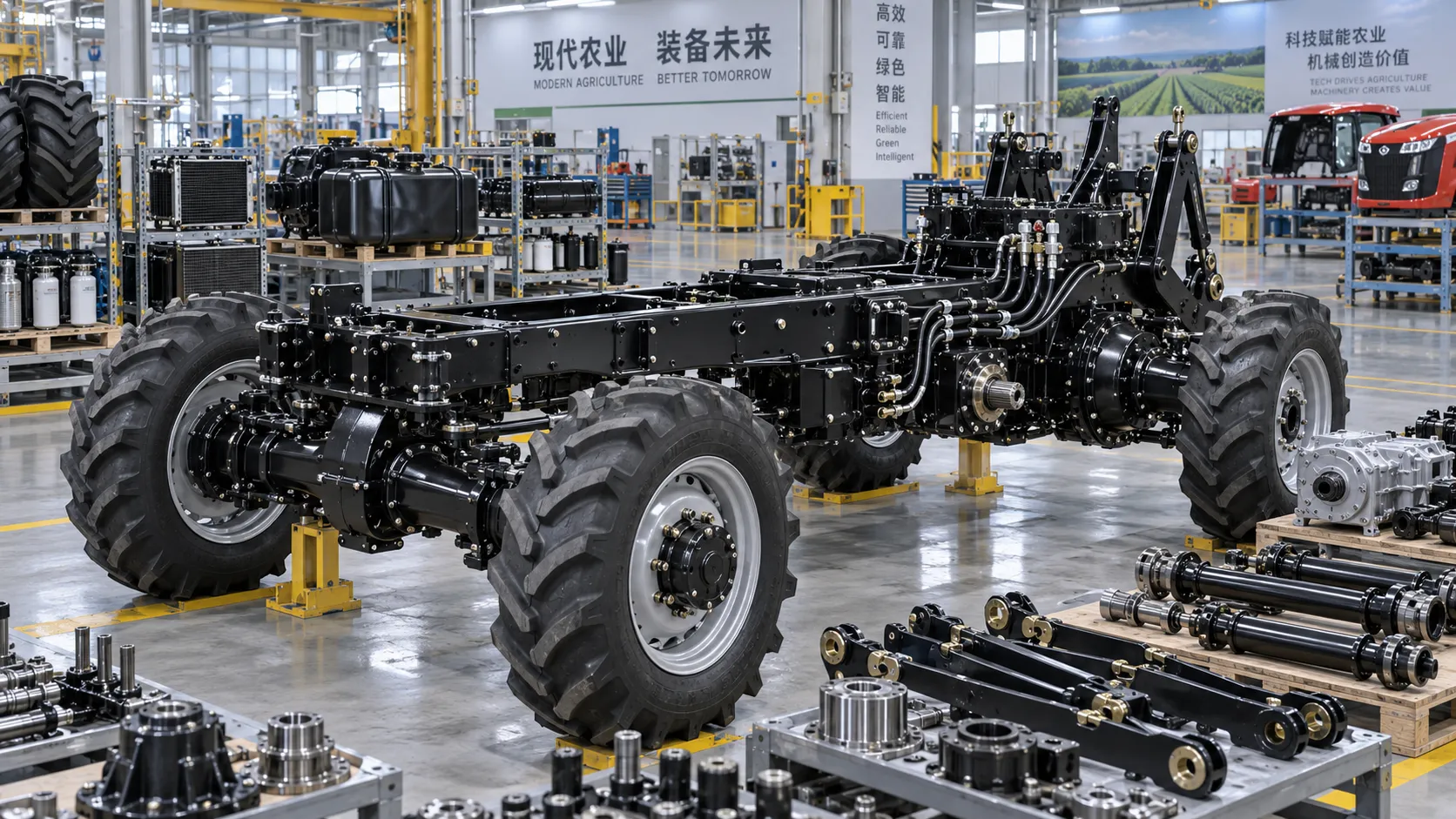
Tractor Chassis Price: What Buyers Should Compare Beyond the Initial Quote
Tractor chassis price is only the start. Compare load capacity, compatibility, durability, and lifecycle costs to choose a reliable, high-value chassis.
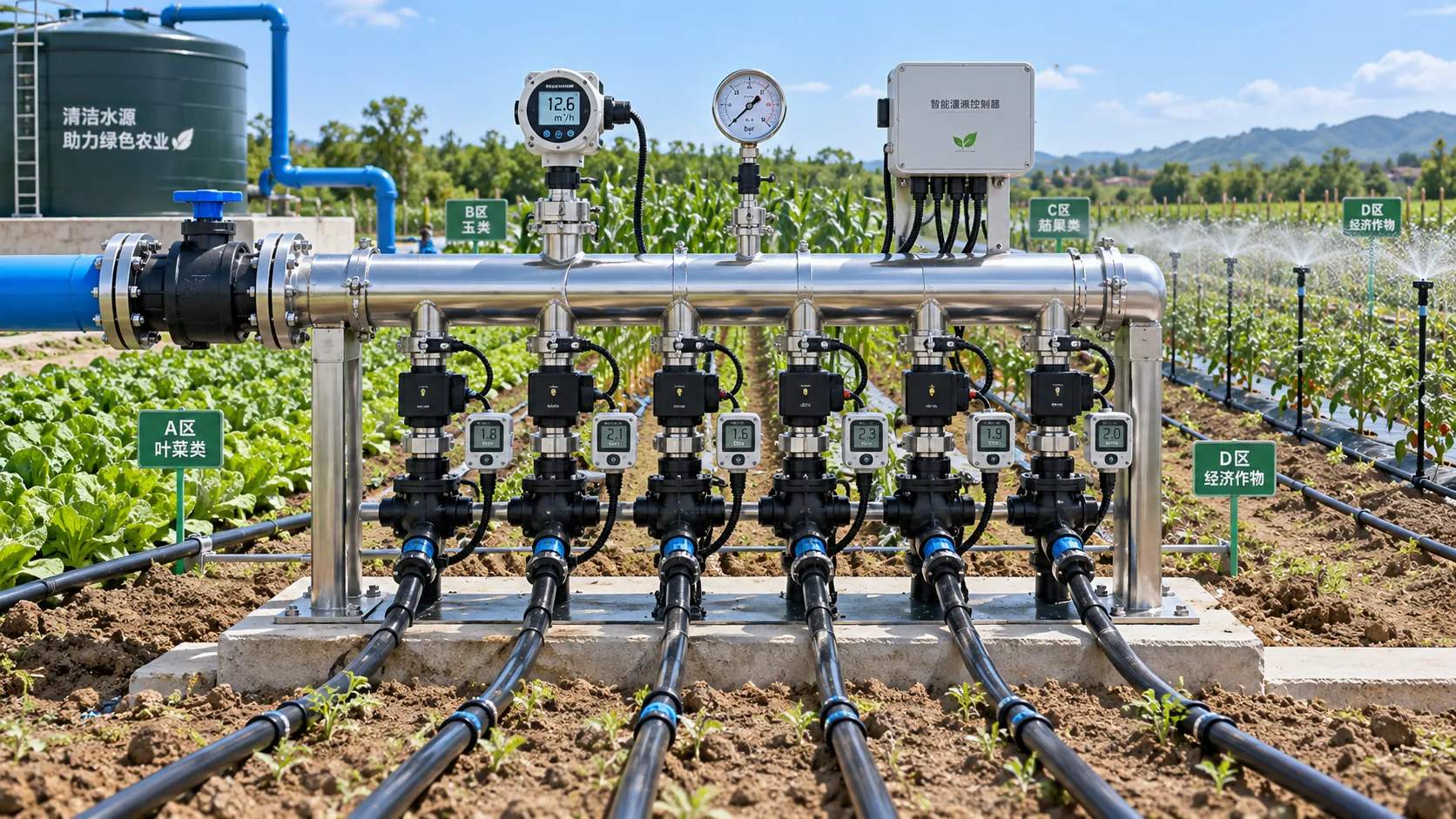
How to Select Smart Irrigation Valves for Multi-Zone Water Management?
Intelligent irrigation systems valves: learn how to match smart valves with multi-zone flow, pressure, control, feedback, and communication needs for reliable water management.
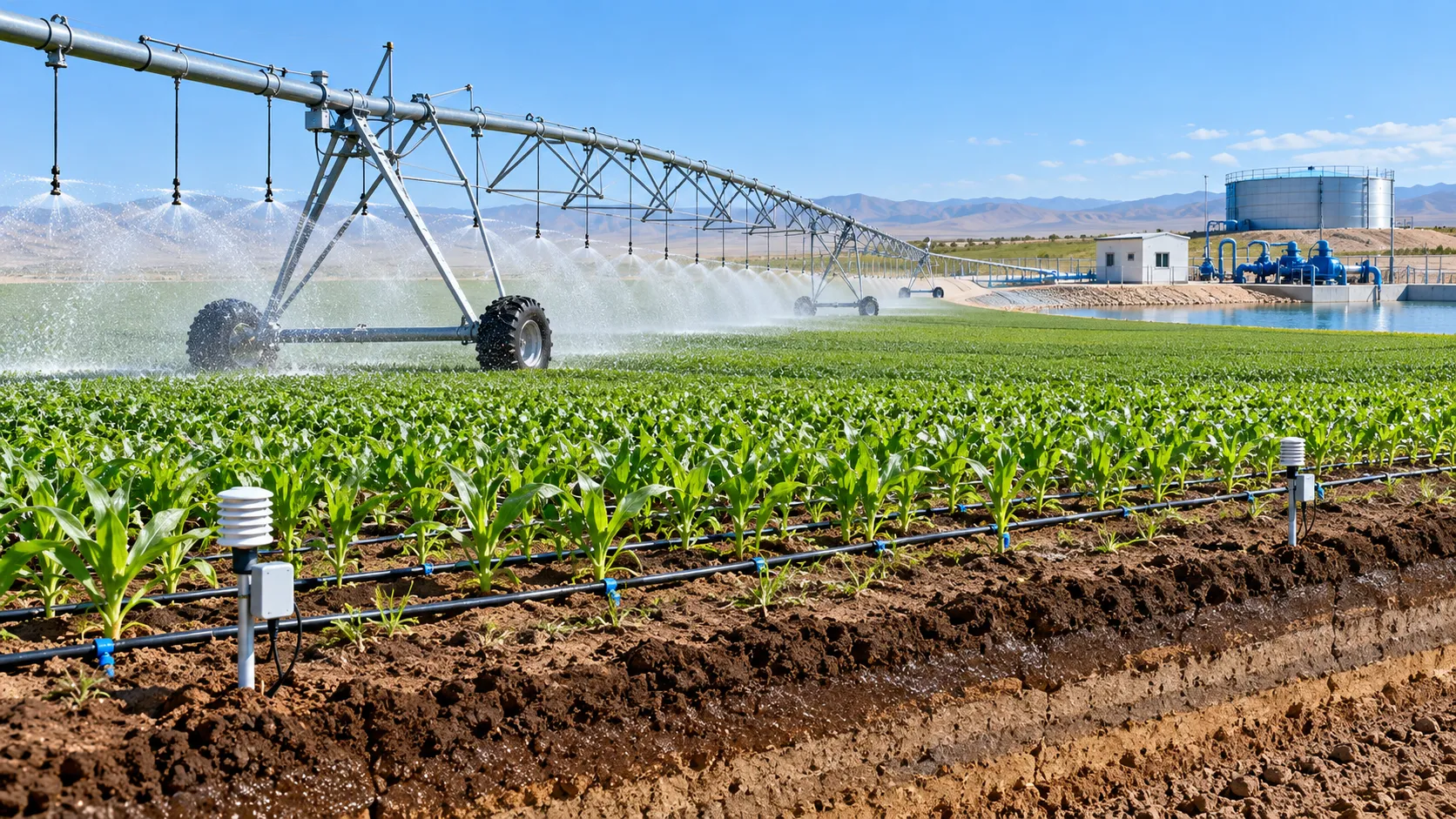
Climate-Smart Farming for Drought: A Practical Plan for Protecting Yields
Climate-smart farming for drought: build smarter water budgets, protect critical crop stages, improve irrigation uniformity, and safeguard yields with practical field-proven strategies.

How Digital Agriculture Platforms Turn Field Data Into Better Input Decisions
Digital agriculture platforms turn field data into smarter fertilizer, water, seed, and equipment decisions—helping farms cut risk, improve margins, and scale sustainability.
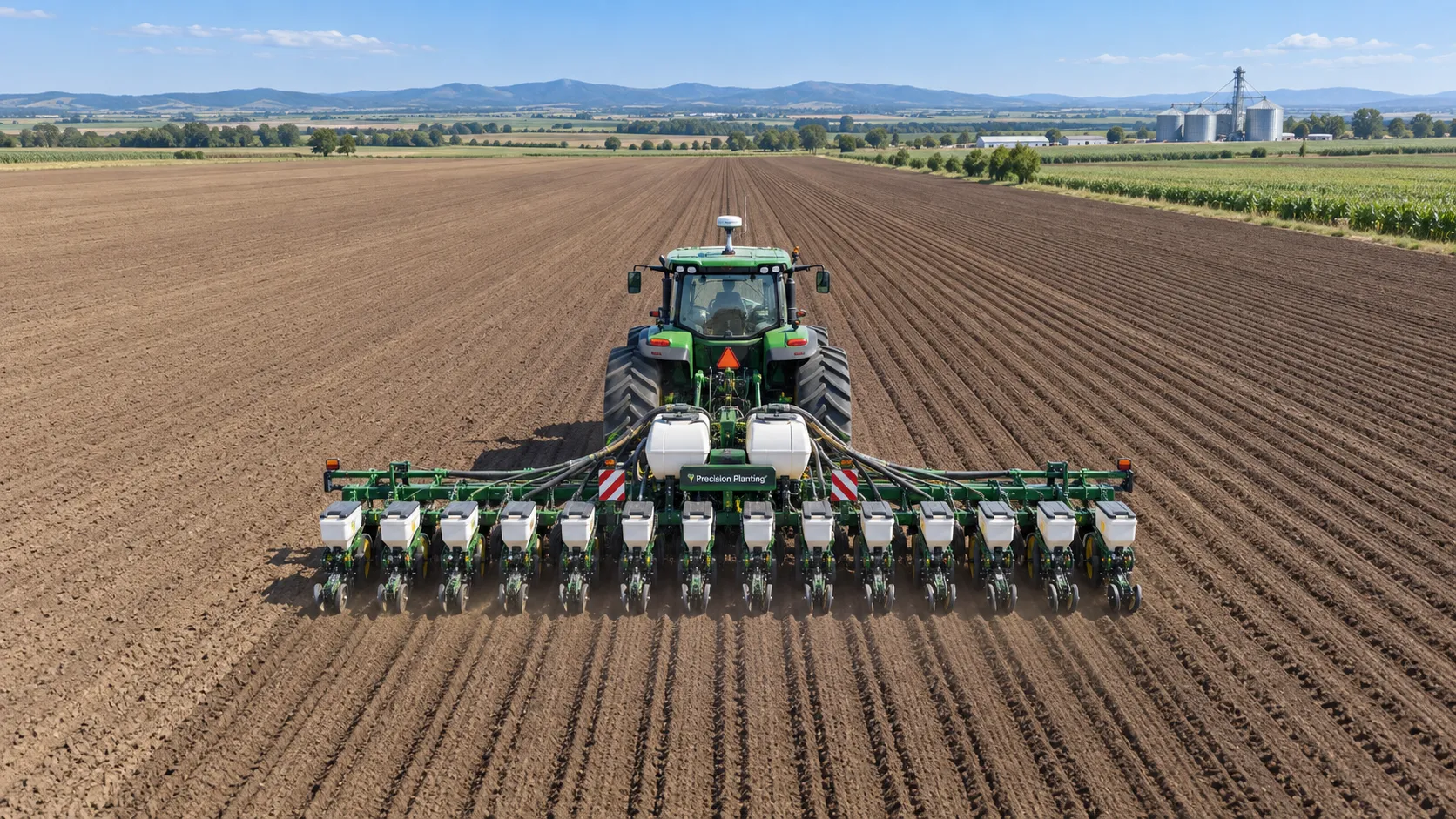
GPS-Guided Farm Machinery: Where It Delivers Measurable Field Efficiency Gains
Agri-mechanization GPS guided systems deliver measurable field efficiency gains through reduced overlap, precise planting, smarter inputs, and reliable farm data.
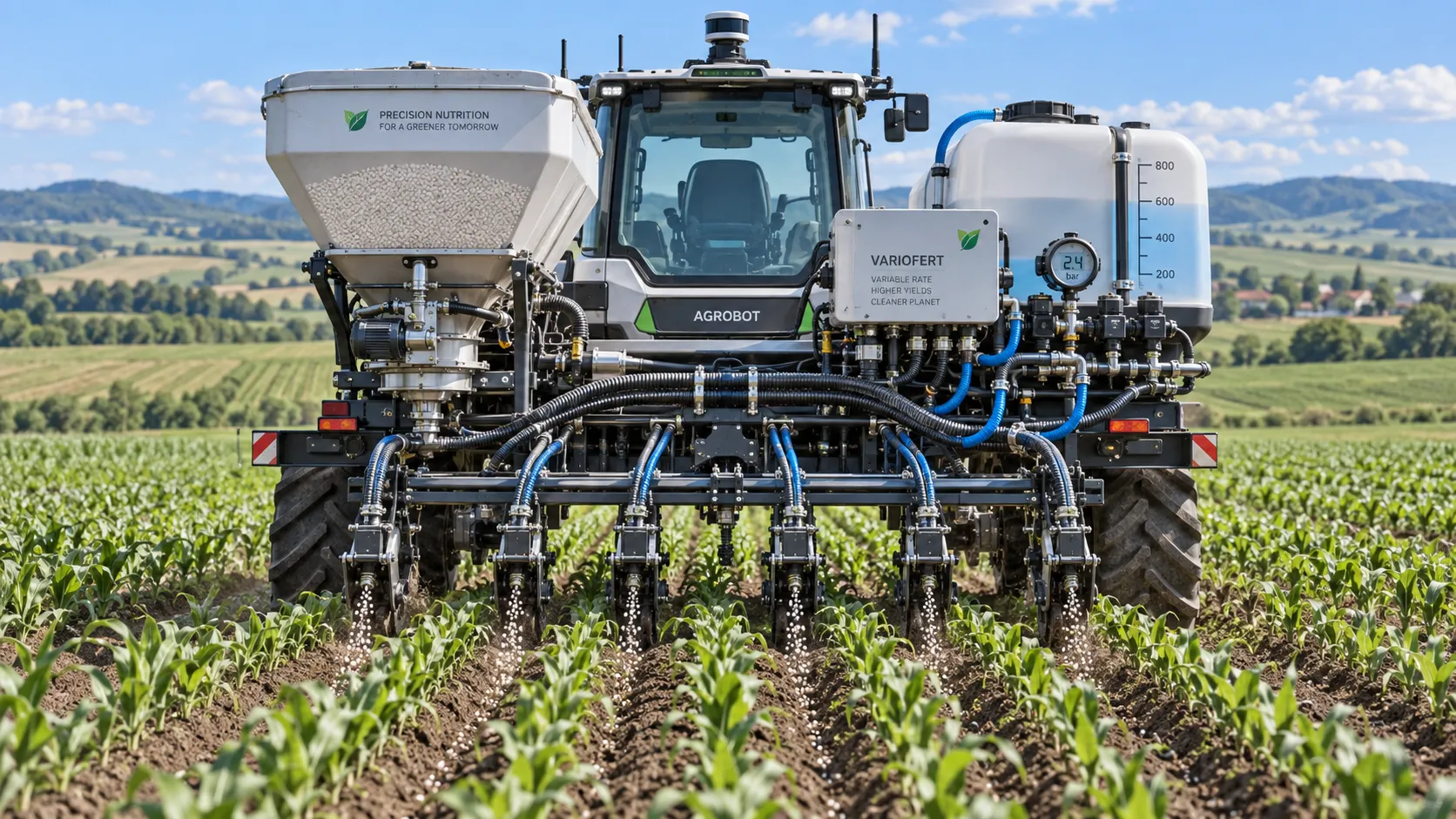
How Sensor Feedback Enables Accurate Variable-Rate Fertilization in Field Conditions
Precision fertilization systems with sensor feedback improve variable-rate accuracy by verifying flow, managing latency, and ensuring reliable field application.

How to Select Precision Crop Protection Equipment for Variable Field Conditions
Precision crop protection equipment selection made simple: compare terrain, canopy, weather, control accuracy, and data workflows for reliable applications.

When Does Agricultural Machinery Leasing Cost Less Than Owning Equipment?
Agricultural machinery leasing can lower farm costs when use is seasonal or uncertain. Compare utilization, maintenance, cash flow, and risk to make a smarter equipment decision.
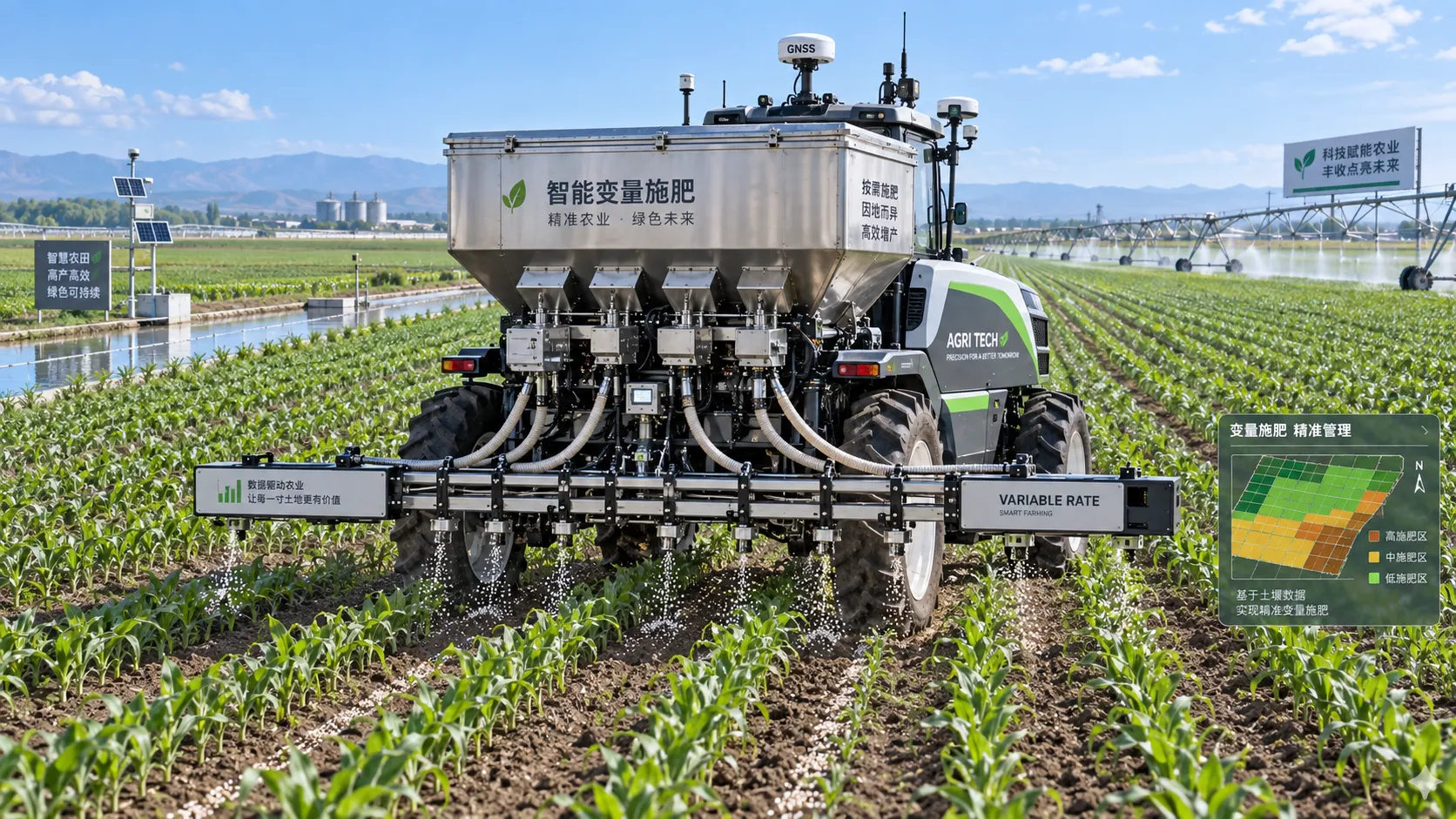
How to Evaluate Precision Fertilization System Suppliers for Farm-Scale Deployment
Precision fertilization systems suppliers: learn how to compare accuracy, integration, uptime, service, and total cost for confident farm-scale deployment.
Related News
- 00
0000-00
Tractor Chassis Price: What Buyers Should Compare Beyond the Initial Quote - 00
0000-00
How Digital Agriculture Platforms Turn Field Data Into Better Input Decisions - 00
0000-00
When Does Agricultural Machinery Leasing Cost Less Than Owning Equipment? - 00
0000-00
Selecting Grain Farm Equipment by Acreage, Crop Mix, and Harvest Window - 00
0000-00
Poultry Equipment Selection: Evaluating Durability, Cleaning, and Compatibility
Popular Tags
Ms. Elena Rodriguez
Weekly Insights
Stay ahead with our curated technology reports delivered every Monday.