
Which agricultural automation tools are easiest to adopt first?
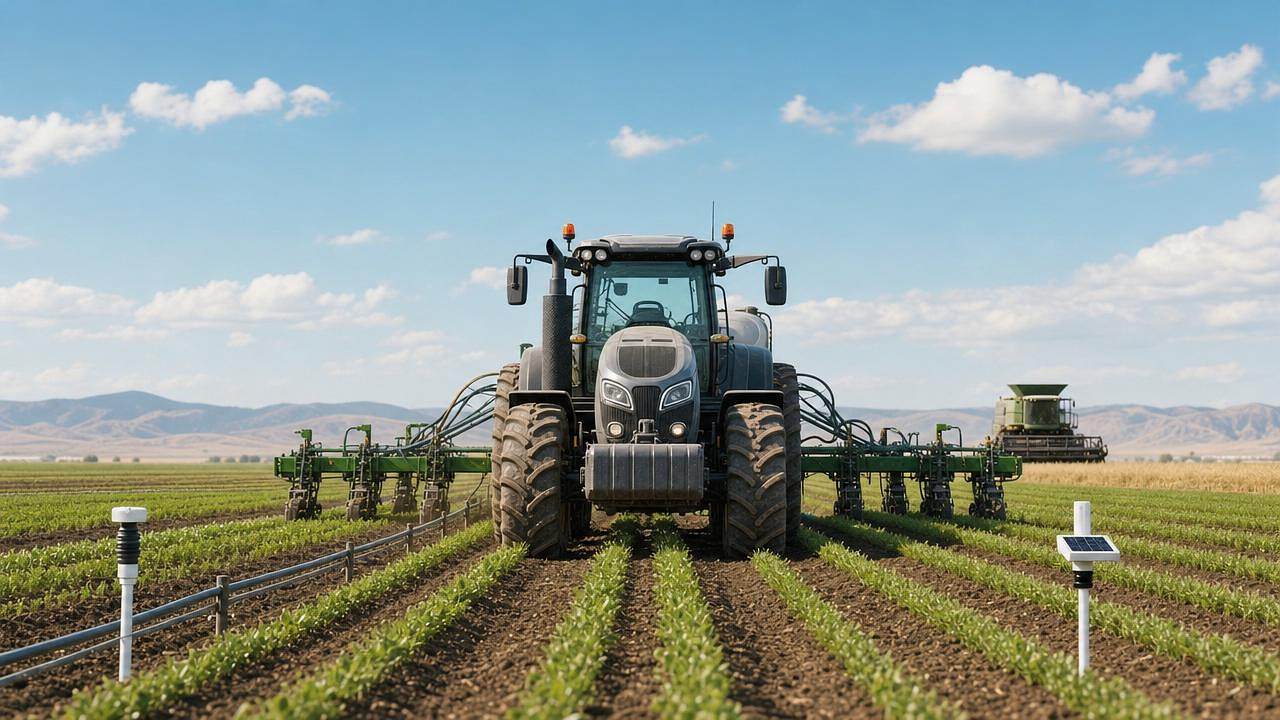




For technical evaluators, the easiest agricultural automation tools to adopt first are those that deliver fast ROI, minimal workflow disruption, and clear field-level data. From GPS guidance and auto-steering to sensor-based irrigation control and variable-rate application, these entry points help farms test automation with lower risk while building a foundation for broader Agriculture 4.0 upgrades.
Why first-step agricultural automation tools are moving to the center of farm strategy
Agriculture is entering a tighter performance cycle. Input costs remain volatile. Labor availability is uneven. Water pressure is rising across many production regions.
In that setting, agricultural automation tools are no longer viewed only as advanced upgrades. They are becoming practical risk-control instruments for daily operations.
The earliest wins usually come from tools that fit existing machinery, reduce overlaps, and create measurable operating data without requiring complete fleet replacement.
This is especially relevant across large-scale machinery, combine harvesting, tractor chassis systems, intelligent farm tools, and water-saving irrigation networks.
The clearest trend signal: adoption starts with low-friction agricultural automation tools
The market signal is clear. Farms are not always starting with fully autonomous vehicles. They are starting with modular agricultural automation tools that solve one operational pain point.
That trend matters because first-stage automation builds trust. It also improves data quality for future decisions about autonomous implements, smart irrigation, and connected harvesting systems.
Among the easiest tools to adopt first, five categories appear repeatedly in field-level evaluations:
- GPS guidance and auto-steering systems
- Section control for spraying and seeding
- Sensor-based irrigation control
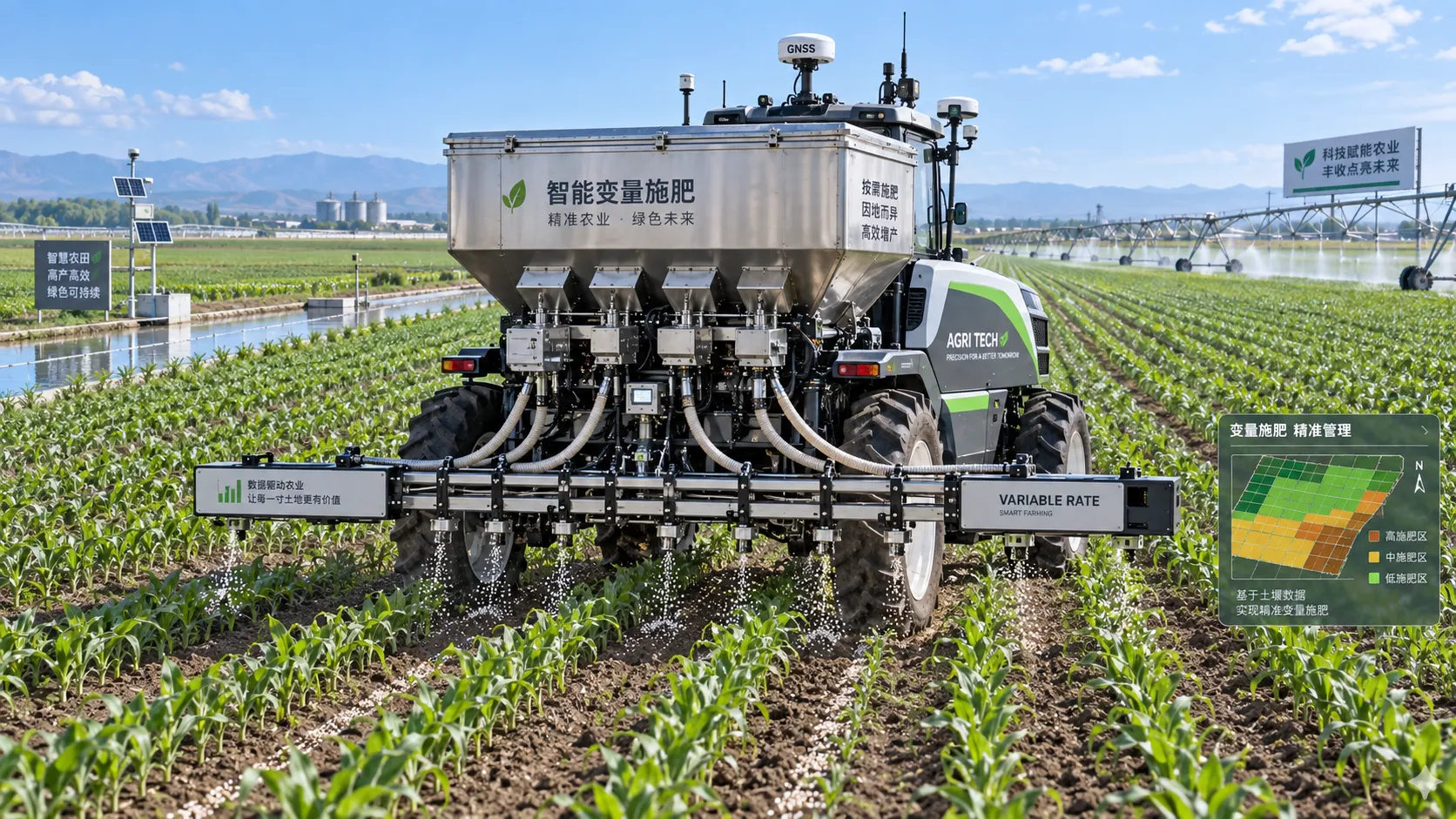
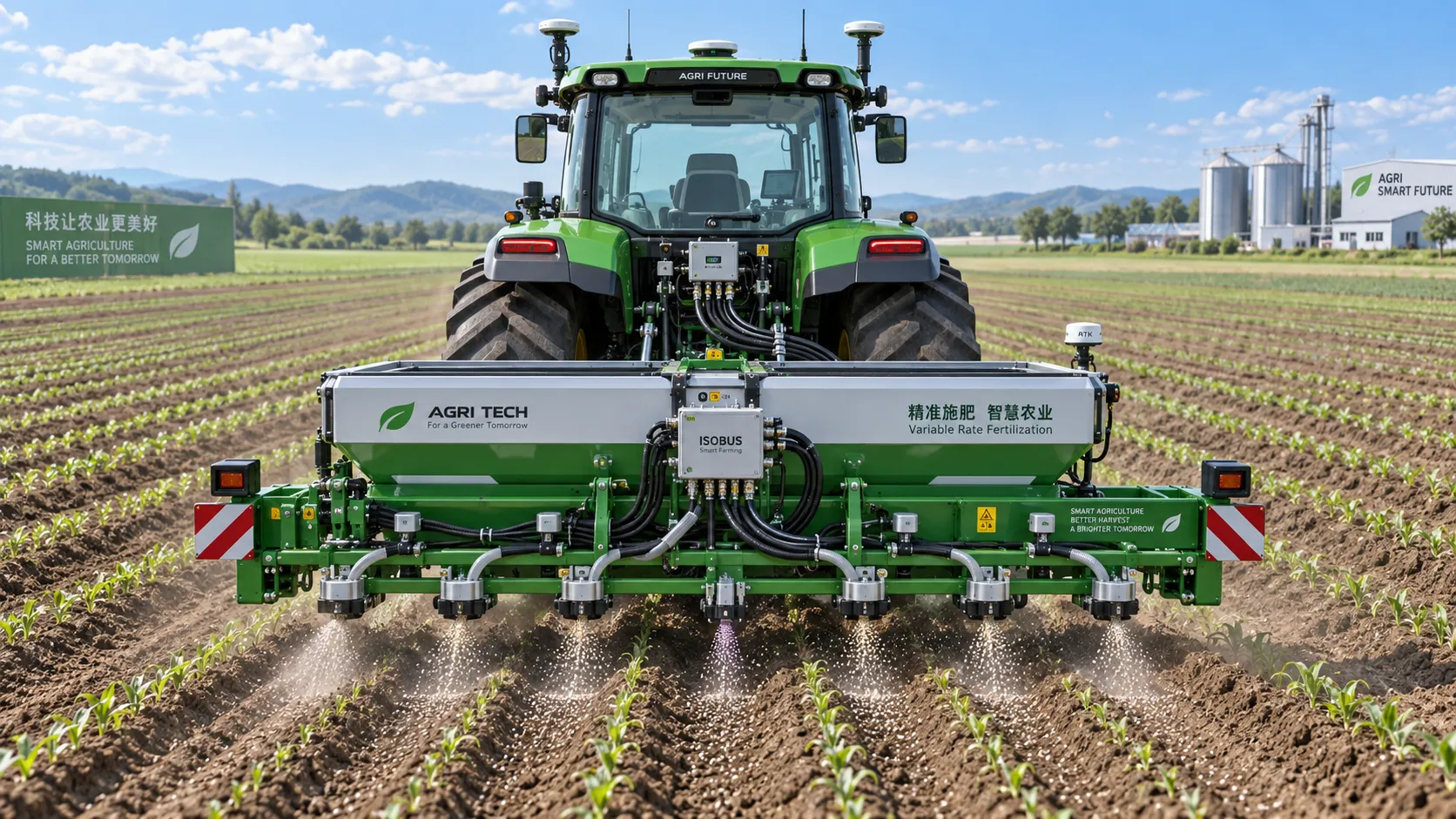
- Variable-rate application tools
- Yield monitoring and basic telematics
Each of these agricultural automation tools can produce visible operational gains before a business commits to broader platform integration.
What makes some agricultural automation tools easier to adopt than others
Ease of adoption is not just about price. It depends on installation complexity, operator learning time, compatibility, maintenance demands, and decision visibility.
The easiest agricultural automation tools share a pattern. They improve current tasks first, then open a path toward integrated digital workflows.
The most practical starting point: guidance, steering, and overlap control
For many operations, GPS guidance is the most practical first move. It reduces skips, overlaps, and fatigue during tillage, planting, spraying, and fertilizing.
Auto-steering often follows naturally. It brings repeatability across long field hours and supports more precise implement performance on tractor chassis platforms.
Section control is another strong early choice. It turns off seed or chemical flow automatically in covered areas, cutting waste with limited workflow change.
Why these tools usually rank highest
- They fit multiple field operations
- They generate visible savings quickly
- They require less agronomic data maturity
- They often integrate with existing displays
For farms testing agricultural automation tools, these systems create a measurable baseline for precision without major organizational disruption.
Water management is becoming a first-wave automation decision, not a later upgrade
Sensor-based irrigation control is moving earlier in adoption roadmaps. Climate variability and water regulation make this one of the most strategic agricultural automation tools.
Soil moisture sensors, automated valves, and weather-linked scheduling improve timing and reduce over-irrigation. They also support reporting and sustainability targets.
In regions with irrigation dependency, these tools can be easier to justify than more complex autonomy because water savings are visible and operationally important.
Main drivers behind faster irrigation automation adoption
- Higher water cost sensitivity
- Pressure from climate uncertainty
- Need for better irrigation timing
- Growing demand for resource-efficiency metrics
This explains why agricultural automation tools linked to irrigation are increasingly treated as core infrastructure, not optional innovation.
Variable-rate tools are easier when data foundations already exist
Variable-rate application can be a strong first-stage move, but only if field maps, soil zones, and machine calibration are reliable.
Where data quality is weak, VRA may feel harder than guidance or irrigation automation. The tool itself is powerful, but success depends on information discipline.
Still, in mature operations, variable-rate agricultural automation tools can quickly improve input efficiency and support site-specific crop management.
How these adoption choices affect machinery, harvesting, and field decision quality
The impact of agricultural automation tools extends beyond one machine. Guidance systems improve tractor utilization and implement precision across multiple work windows.
Yield monitoring supports better harvest analysis. It can reveal losses, field variability, and machine performance patterns that influence combine setup and future input planning.
Telematics adds another layer. It helps compare fuel use, route efficiency, idle time, and maintenance timing across equipment fleets.
Together, these agricultural automation tools shift management from reactive observation toward structured operational intelligence.
What deserves the closest attention before choosing first-stage agricultural automation tools
- Check compatibility with current tractors, implements, and irrigation assets
- Define one measurable target, such as overlap reduction or water savings
- Assess display interfaces and operator learning requirements
- Confirm service support, calibration routines, and software updates
- Plan how data will be stored, reviewed, and turned into action
The best agricultural automation tools are not necessarily the most advanced. They are the ones that fit the operating system of the farm today.
A practical decision path for the next phase of automation
A useful sequence starts with guidance or section control, then adds irrigation automation or telematics, and later expands into variable-rate and autonomous functions.
- Select one high-frequency operational pain point
- Choose agricultural automation tools with clear retrofit potential
- Track seasonal performance against a baseline
- Use results to prioritize the next connected upgrade
This staged approach reduces technology risk while building the data foundation needed for broader Agriculture 4.0 progress.
For organizations following global mechanization, smart irrigation, and precision farming trends, the message is consistent: start with agricultural automation tools that solve today’s bottlenecks and prepare tomorrow’s system architecture.
The next practical step is simple. Audit one field workflow, identify one repeated loss source, and match it with the easiest agricultural automation tools that can show measurable results within one season.
Related News
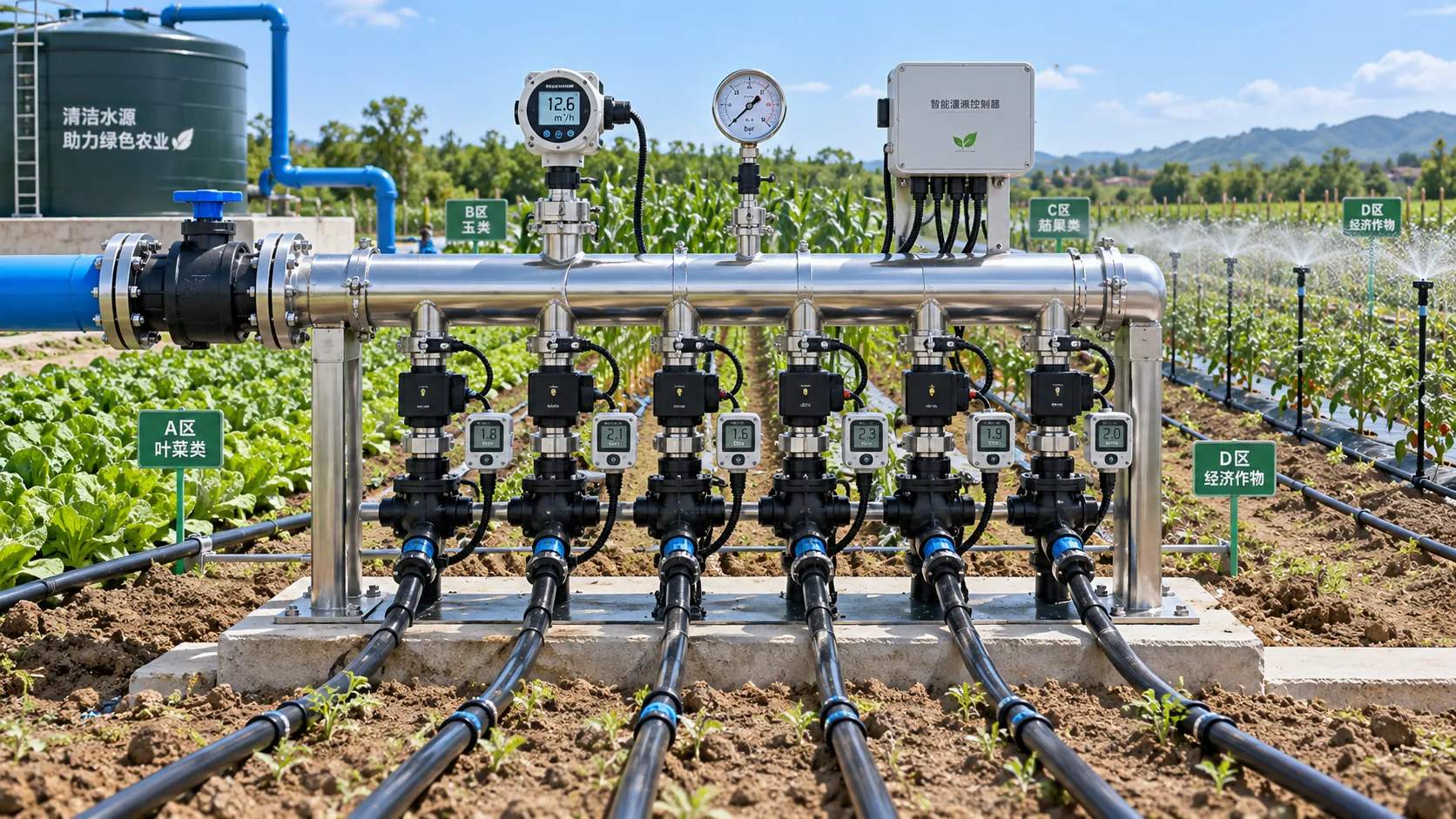
How to Select Smart Irrigation Valves for Multi-Zone Water Management?
Intelligent irrigation systems valves: learn how to match smart valves with multi-zone flow, pressure, control, feedback, and communication needs for reliable water management.
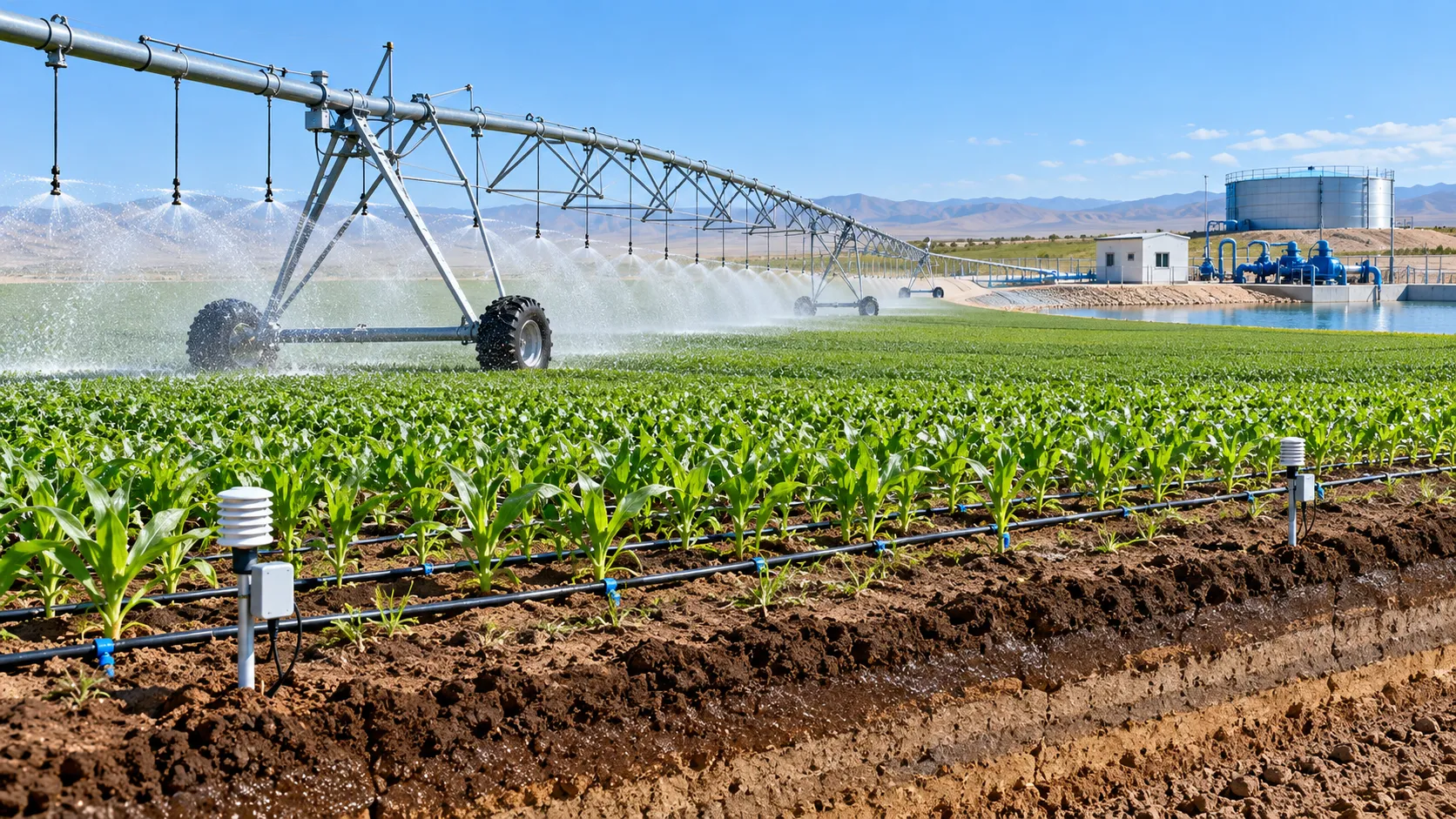
Climate-Smart Farming for Drought: A Practical Plan for Protecting Yields
Climate-smart farming for drought: build smarter water budgets, protect critical crop stages, improve irrigation uniformity, and safeguard yields with practical field-proven strategies.
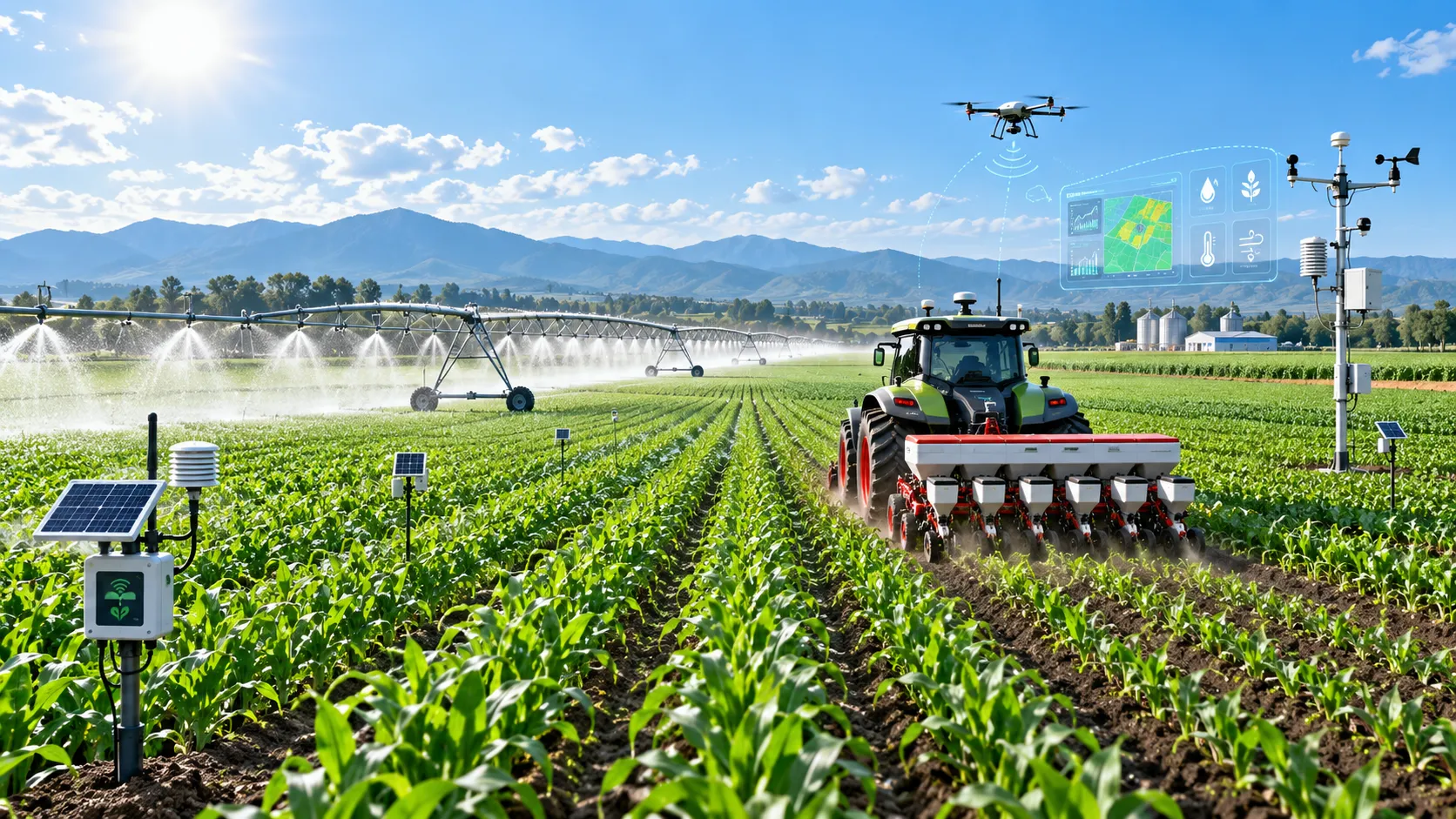
How Digital Agriculture Platforms Turn Field Data Into Better Input Decisions
Digital agriculture platforms turn field data into smarter fertilizer, water, seed, and equipment decisions—helping farms cut risk, improve margins, and scale sustainability.
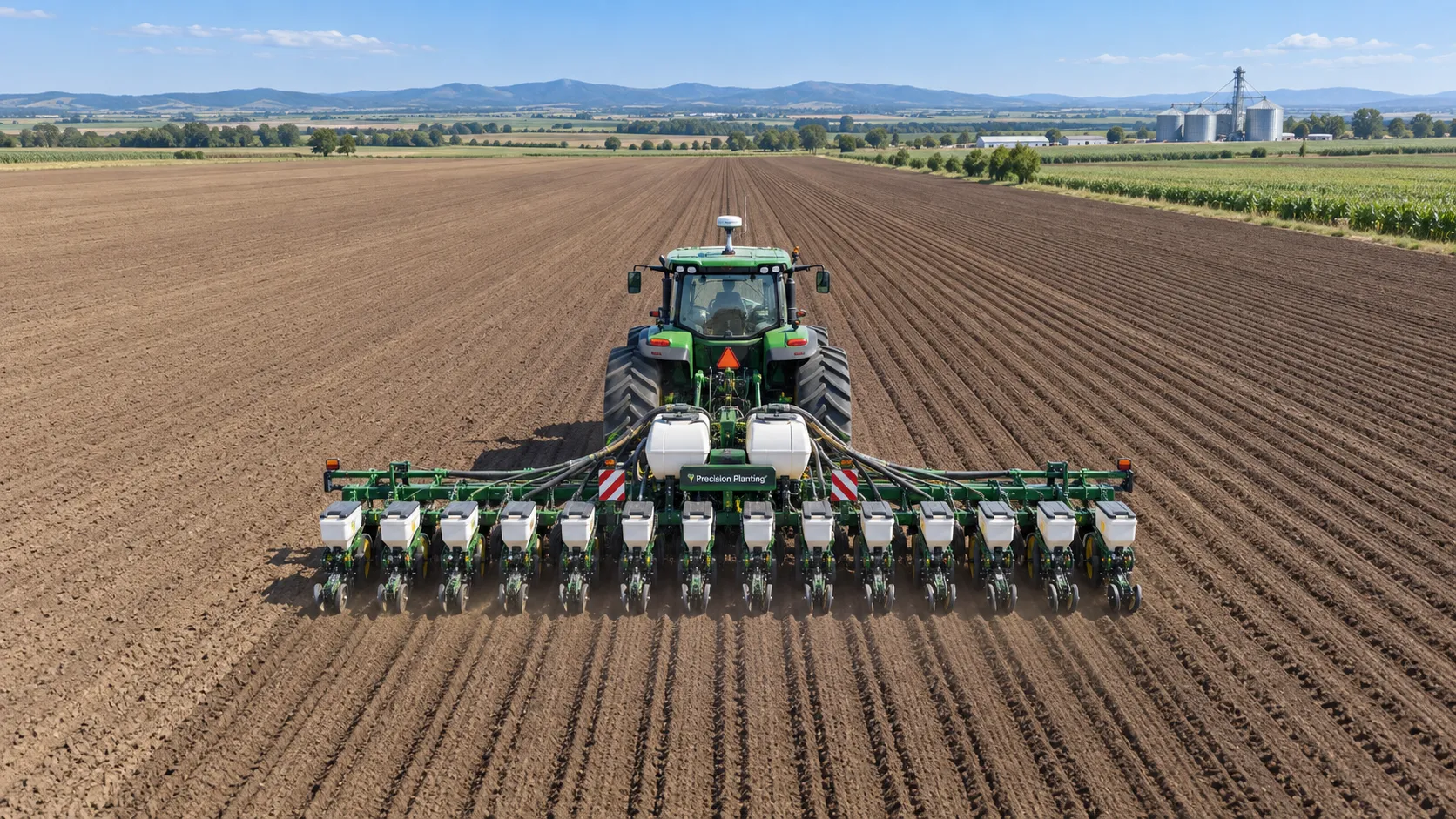
GPS-Guided Farm Machinery: Where It Delivers Measurable Field Efficiency Gains
Agri-mechanization GPS guided systems deliver measurable field efficiency gains through reduced overlap, precise planting, smarter inputs, and reliable farm data.
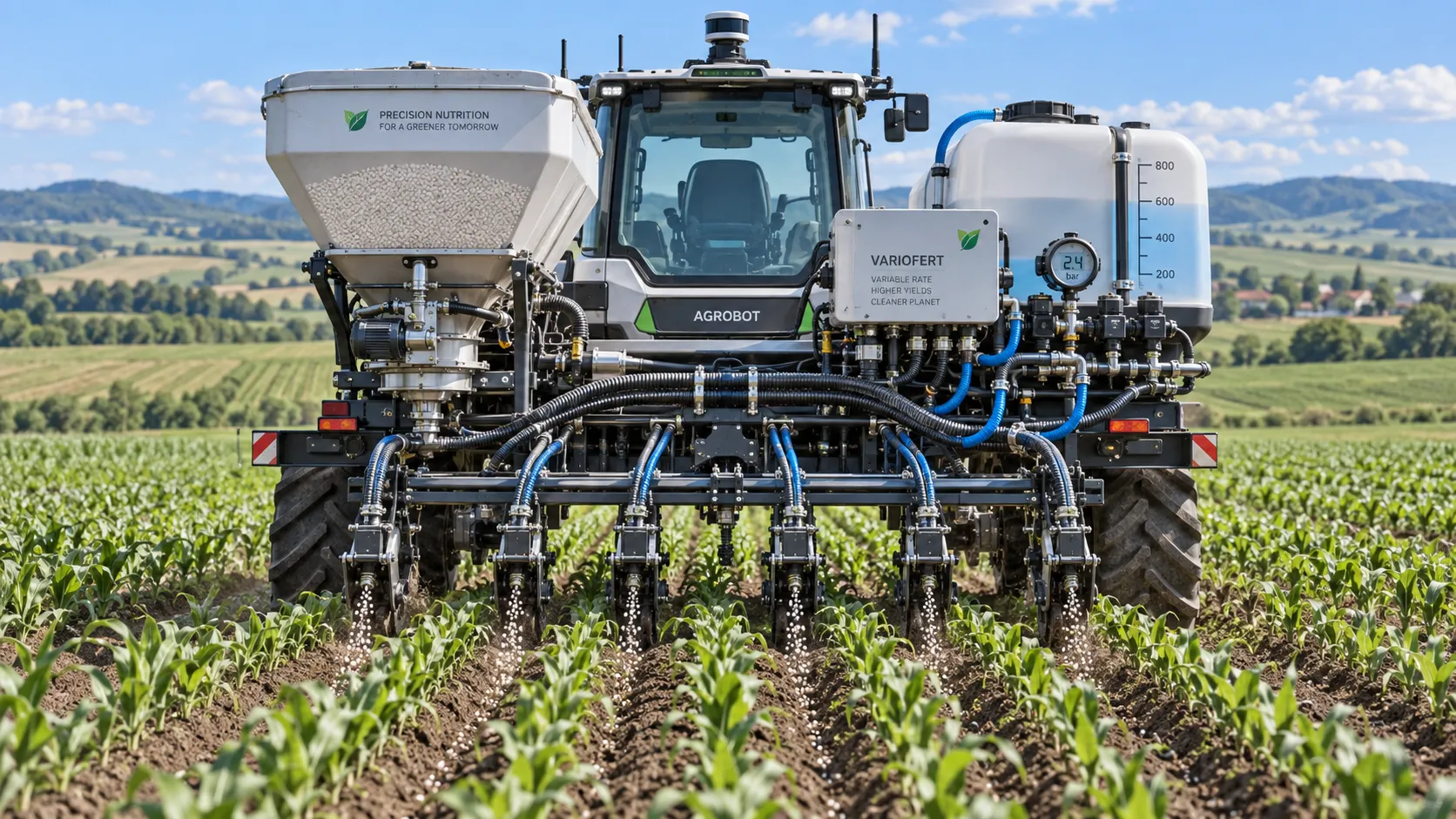
How Sensor Feedback Enables Accurate Variable-Rate Fertilization in Field Conditions
Precision fertilization systems with sensor feedback improve variable-rate accuracy by verifying flow, managing latency, and ensuring reliable field application.
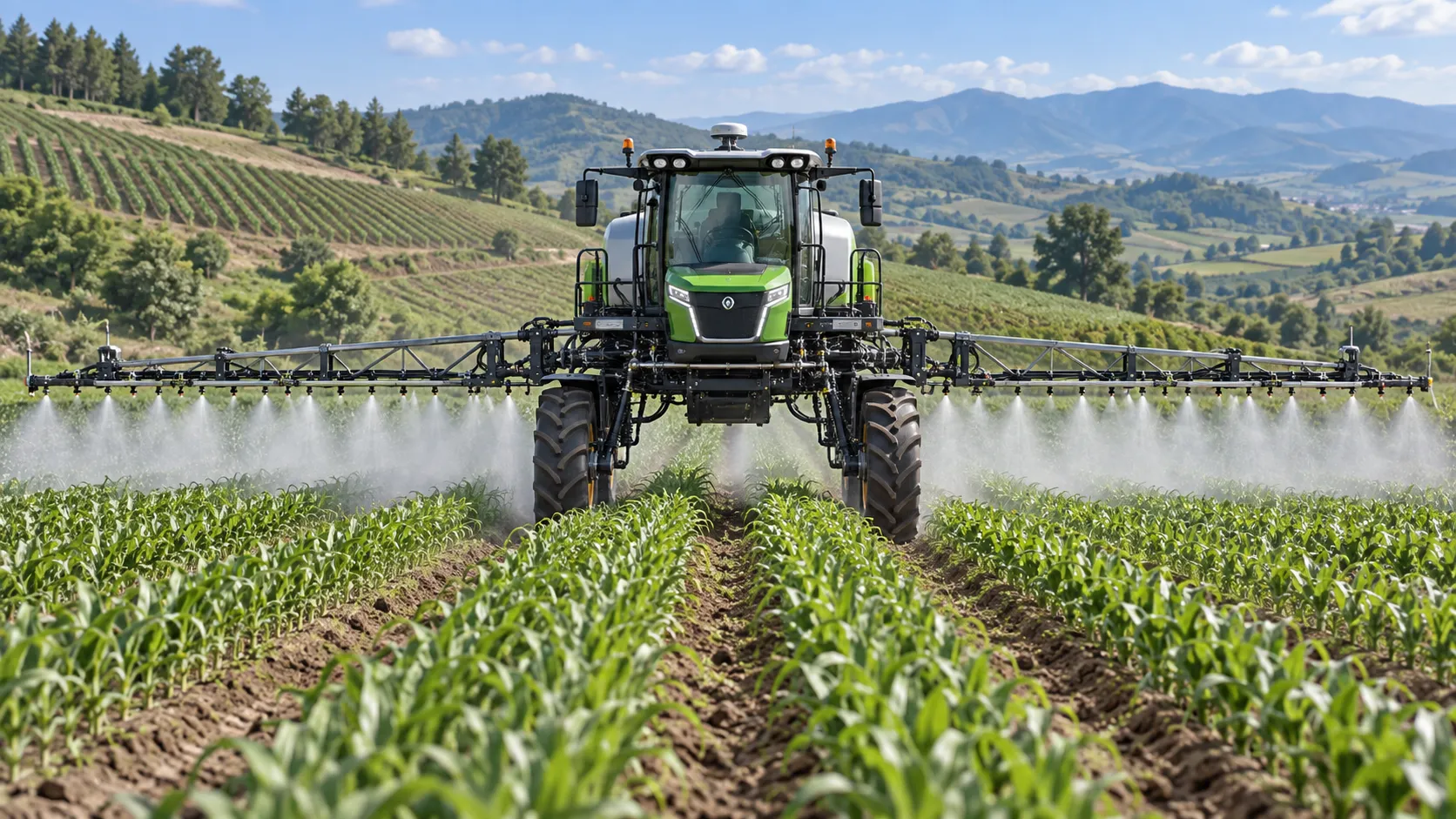
How to Select Precision Crop Protection Equipment for Variable Field Conditions
Precision crop protection equipment selection made simple: compare terrain, canopy, weather, control accuracy, and data workflows for reliable applications.
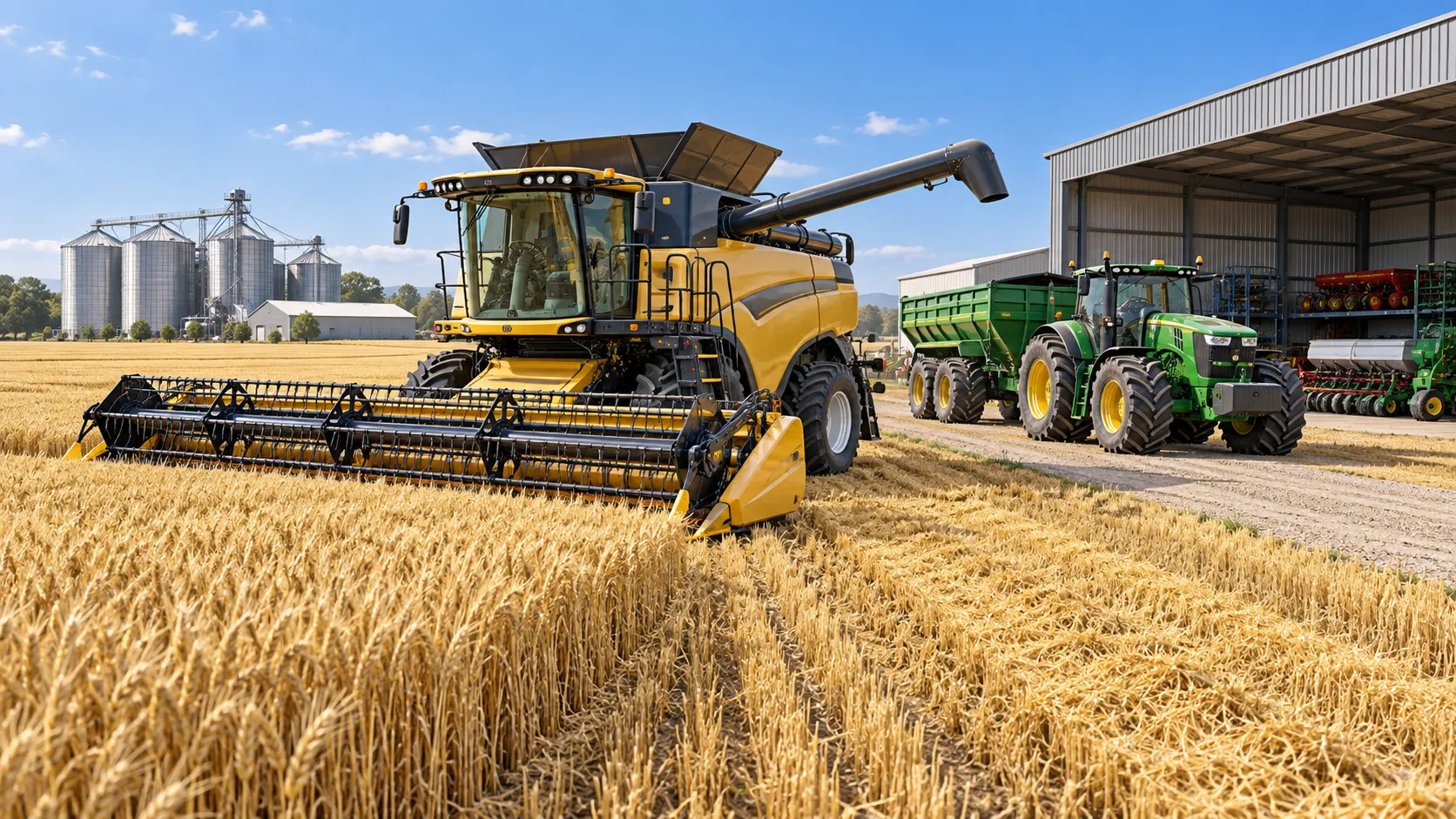
When Does Agricultural Machinery Leasing Cost Less Than Owning Equipment?
Agricultural machinery leasing can lower farm costs when use is seasonal or uncertain. Compare utilization, maintenance, cash flow, and risk to make a smarter equipment decision.
How to Evaluate Precision Fertilization System Suppliers for Farm-Scale Deployment
Precision fertilization systems suppliers: learn how to compare accuracy, integration, uptime, service, and total cost for confident farm-scale deployment.
ISOBUS for Smart Agriculture: How It Connects Tractors, Implements, and Farm Data
ISOBUS for smart agriculture connects tractors, implements, terminals, and farm data—helping growers improve precision, documentation, and smarter field decisions.
Related News
- 00
0000-00
How Digital Agriculture Platforms Turn Field Data Into Better Input Decisions - 00
0000-00
When Does Agricultural Machinery Leasing Cost Less Than Owning Equipment? - 00
0000-00
Selecting Grain Farm Equipment by Acreage, Crop Mix, and Harvest Window - 00
0000-00
Poultry Equipment Selection: Evaluating Durability, Cleaning, and Compatibility - 00
0000-00
How to Select Heavy-Duty Farm Implements for High-Acreage, High-Horsepower Operations
Popular Tags
Ms. Elena Rodriguez
Weekly Insights
Stay ahead with our curated technology reports delivered every Monday.