
How food security solutions for sustainable farming cut risk
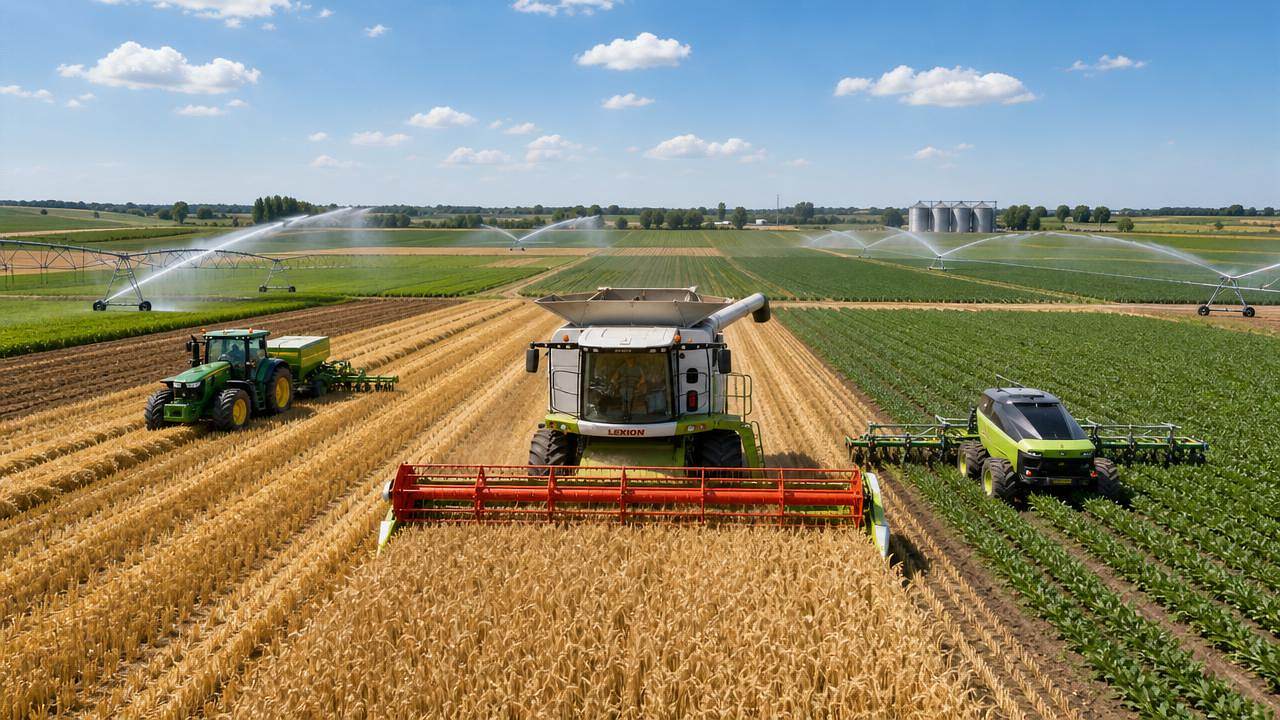




For enterprise decision-makers navigating volatile supply chains, climate pressure, and rising input costs, food security solutions for sustainable farming are no longer optional—they are a strategic necessity.
From large-scale machinery and combine harvesting efficiency to precision irrigation and intelligent farm tools, the right technology mix can reduce operational risk, strengthen resilience, and support long-term productivity in a rapidly changing global agricultural landscape.
Why food security solutions for sustainable farming have become a board-level issue
The core search intent behind food security solutions for sustainable farming is practical, not academic. Decision-makers want to know which investments actually reduce risk, protect output, and improve long-term operating resilience.
They are not looking for generic sustainability messaging. They want a clearer link between technology choices, production stability, cost control, regulatory readiness, and the ability to serve volatile domestic and export markets.
For this audience, food security means more than total crop volume. It includes harvest reliability, water availability, input efficiency, labor continuity, logistics predictability, and the capacity to absorb weather and market shocks.
Sustainable farming matters because it directly affects those variables. When farms use fewer resources per ton produced and improve precision across operations, they reduce exposure to scarcity, waste, and unstable input pricing.
That is why the issue has moved from the agronomy team to the executive table. Food security solutions now shape capital planning, supplier strategy, compliance posture, and long-range growth expectations.
What enterprise leaders actually care about before they invest
Most enterprise readers are asking four questions. Where are the biggest operational risks, which technologies address them, what is the likely return, and how quickly can benefits be scaled across different production environments.
They also want to avoid fragmented investments. Buying standalone equipment without a data strategy, service model, or integration plan often creates new inefficiencies instead of solving existing constraints.
Another major concern is timing. Leaders need to know whether to prioritize harvesting efficiency, irrigation modernization, autonomous guidance, sensor-enabled implements, or fleet renewal based on current exposure.
They are also evaluating risk transfer. A technology may look attractive in a pilot, but enterprise adoption depends on maintenance capacity, operator readiness, dealer support, spare parts access, and software interoperability.
So the most helpful article is one that connects sustainable farming tools to business decisions. It should show how food security solutions work as a system rather than as isolated pieces of hardware.
The highest-impact risks these solutions are designed to reduce
For large-scale agricultural operations, the first major risk is yield volatility. Extreme weather, delayed field access, poor water timing, and harvest losses can undermine annual output even when planted acreage stays constant.
The second is input cost instability. Fertilizer, fuel, labor, seed, and water all face price pressure. When application is imprecise or machine efficiency is low, margins erode quickly across large operating footprints.
The third is resource constraint. In many regions, water access is becoming less reliable, while soil degradation and climate stress are increasing the cost of maintaining productivity at historical levels.
The fourth is operational fragmentation. Many enterprises still run separate systems for machinery, irrigation, crop monitoring, and logistics. That limits visibility and slows decision-making during critical planting and harvest windows.
The fifth is policy and market exposure. Buyers, regulators, insurers, and lenders increasingly expect measurable progress on sustainability, resource efficiency, and traceability. Farms that cannot demonstrate progress may face commercial disadvantage.
How large-scale agri-machinery reduces food security risk
Large-scale machinery remains the foundation of resilient production because it determines timeliness. In farming, delayed operations often create larger losses than small differences in theoretical machine performance.
High-capacity tillage, planting, spraying, and hauling systems help enterprises complete fieldwork within narrower weather windows. That directly supports crop establishment, plant health, and harvestability under uncertain climatic conditions.
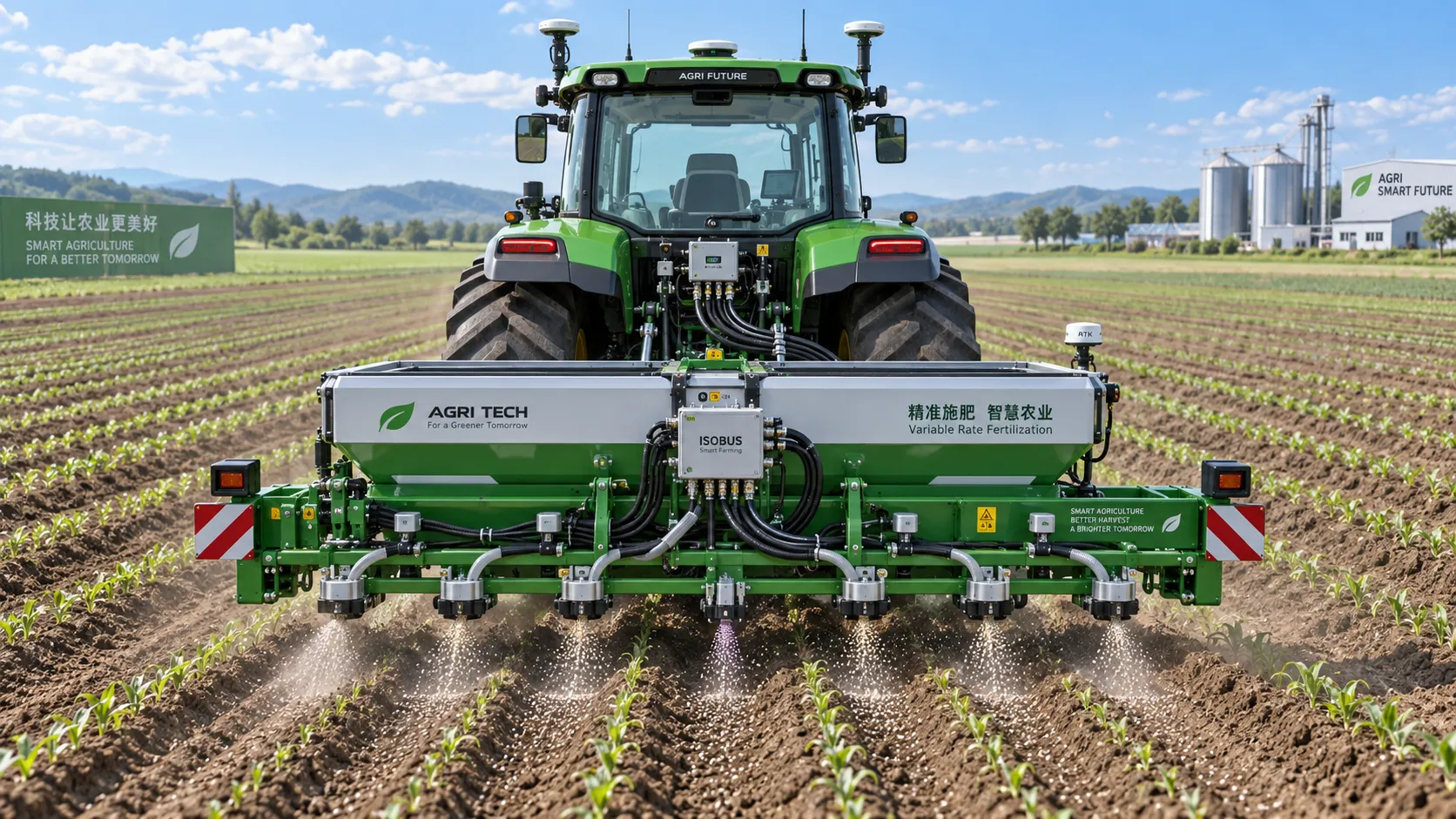
Modern machinery also improves efficiency through guidance systems, automated section control, telematics, and variable-rate application. These functions reduce overlap, cut fuel waste, and support more consistent field execution.
For enterprise buyers, the value is not simply mechanization for its own sake. It is the ability to maintain operational continuity when labor is constrained, weather conditions shift quickly, or field conditions vary across regions.
The strongest food security solutions for sustainable farming often start here: machines that can work faster, with less waste, while generating the operational data needed for better planning in the next cycle.
Why combine harvesting efficiency matters more than many investment models assume
Harvest is where months of agronomic effort become realized value. If a combine platform cannot handle crop variability, moisture differences, or narrow harvest windows, output losses become immediate and often irreversible.
Many enterprises underestimate cleaning loss, grain damage, header loss, and downtime costs. Yet these issues directly affect food availability, crop quality, contract fulfillment, and overall revenue stability.
Advanced combine harvesting technology cuts risk through better throughput control, adaptive separation, real-time loss monitoring, and more precise residue management. In difficult conditions, those features protect both yield and timing.
For decision-makers, the real question is not machine price alone. It is the cost of harvest inefficiency across thousands of hectares, especially when labor shortages, unexpected rain, or logistics delays compress the available harvest period.
In that context, combine performance becomes a food security variable. Efficient harvesting preserves usable output, improves supply consistency, and reduces the chance that climatic disruption will translate into commercial shortfall.
Precision irrigation is one of the clearest risk-reduction investments
Among all food security solutions for sustainable farming, intelligent irrigation often offers one of the most direct links between sustainability and financial resilience. Water is increasingly the limiting factor in global crop production.
Traditional irrigation approaches frequently apply water too early, too late, or too uniformly. That wastes energy, strains local water resources, and reduces yield efficiency when crop water demand changes across zones.
Smart irrigation systems use sensors, weather data, evapotranspiration models, and automated control logic to improve timing and dosage. The result is better water productivity and lower exposure to drought-related underperformance.
For enterprise operators, this matters beyond agronomy. Precision irrigation can reduce pumping costs, improve nutrient uptake, support more predictable crop development, and strengthen compliance with water-use restrictions.
Where climate variability is increasing, irrigation intelligence becomes both a productivity tool and a resilience asset. It helps enterprises produce more stable output with fewer resource inputs, which is exactly what sustainable food security requires.
Intelligent farm tools turn sustainability from a slogan into measurable control
Decision-makers often support sustainability in principle but hesitate when benefits seem hard to quantify. Intelligent farm tools solve that problem by translating precision farming into measurable operational control.
Satellite guidance, sensor-equipped implements, prescription application systems, and field analytics platforms enable more accurate seeding, fertilization, spraying, and mechanical field operations. That reduces both cost and agronomic inconsistency.
These systems are especially valuable in large or geographically diverse operations where variability is difficult to manage through manual observation alone. Data-supported execution allows better use of every pass, liter, and labor hour.
From a food security perspective, precision tools improve the reliability of output by limiting avoidable stress on crops. They also reduce waste, which makes the production model more defensible under sustainability scrutiny.
For executives, the real value is cumulative. Better micro-decisions at field level produce stronger macro outcomes in margin protection, resource stewardship, and supply reliability across the portfolio.
How to evaluate business value without falling for technology hype
Not every sustainability investment deserves immediate capital. Enterprise leaders should begin with a risk map rather than a product list. Identify where the operation loses the most value through delay, waste, scarcity, or inconsistency.
For some businesses, the highest priority will be irrigation because water access is tightening. For others, upgrading combine capacity may deliver faster payback because harvest losses exceed all other avoidable inefficiencies.
A useful framework is to evaluate each solution against five metrics: yield protection, input reduction, labor leverage, operational visibility, and resilience under adverse conditions. This keeps investment decisions tied to strategic outcomes.
It is also important to model system value. A tractor, implement, guidance package, and analytics platform may produce more value together than any one component can deliver on its own.
Finally, test scalability. Food security solutions for sustainable farming should perform beyond the pilot stage. If the service network, training support, or data integration cannot scale, the theoretical value may never be realized.
Implementation mistakes that weaken returns and increase exposure
The most common mistake is treating technology adoption as a procurement event. In reality, risk reduction comes from performance over time, which depends on maintenance, calibration, training, and management discipline.
Another error is underestimating interoperability. When irrigation systems, fleet telematics, yield data, and agronomic records do not connect, leaders lose the visibility needed to make timely enterprise-wide decisions.
Some organizations also chase visible innovation before fixing core bottlenecks. Autonomous functions can be useful, but they will not compensate for poor harvesting capacity, weak water management, or inconsistent field execution.
There is also a governance issue. Without clear ownership of data standards, performance indicators, and investment review processes, technology programs often drift into isolated experiments with limited commercial impact.
The better approach is staged deployment with clear benchmarks. Start where risk is highest, track operational outcomes, and expand only when the capability proves repeatable across teams and seasons.
What a resilient investment roadmap can look like
For many enterprises, the first phase should focus on timeliness and loss reduction. That usually means machinery reliability, combine performance, and basic precision controls that improve field execution immediately.
The second phase often centers on resource efficiency. Intelligent irrigation, variable-rate application, and sensor-based monitoring can then reduce water, nutrient, and energy waste while strengthening output consistency.
The third phase is integration. This is where data from equipment, irrigation, crop monitoring, and logistics supports coordinated decision-making, better forecasting, and more disciplined capital allocation.
Over time, the organization moves from reactive operations to predictive management. Instead of responding after losses occur, leaders can identify stress signals earlier and allocate resources where they protect the most value.
That is the strategic promise of food security solutions for sustainable farming: lower downside risk, better use of constrained resources, and stronger confidence in long-term production capacity.
Conclusion: sustainable farming solutions are really risk-management systems
Enterprise decision-makers do not need more abstract discussion about sustainable agriculture. They need practical ways to reduce volatility, improve resource efficiency, and protect production against climate, cost, and supply chain disruption.
The most effective food security solutions for sustainable farming do exactly that. Large-scale agri-machinery improves timeliness, combine harvesting protects realized output, precision irrigation reduces water risk, and intelligent tools sharpen execution.
When these capabilities are evaluated as a connected system, their value becomes much clearer. They are not just technology upgrades. They are infrastructure for resilience, profitability, and long-term competitiveness in Agriculture 4.0.
For leaders shaping future investment priorities, the key question is no longer whether sustainable farming supports food security. The real question is which solutions address your most expensive risks first, and how quickly you can scale them.
In a market defined by uncertainty, the winners will be those who treat sustainability not as compliance theater, but as a disciplined operating model for securing yield, resources, and enterprise value.
Related News
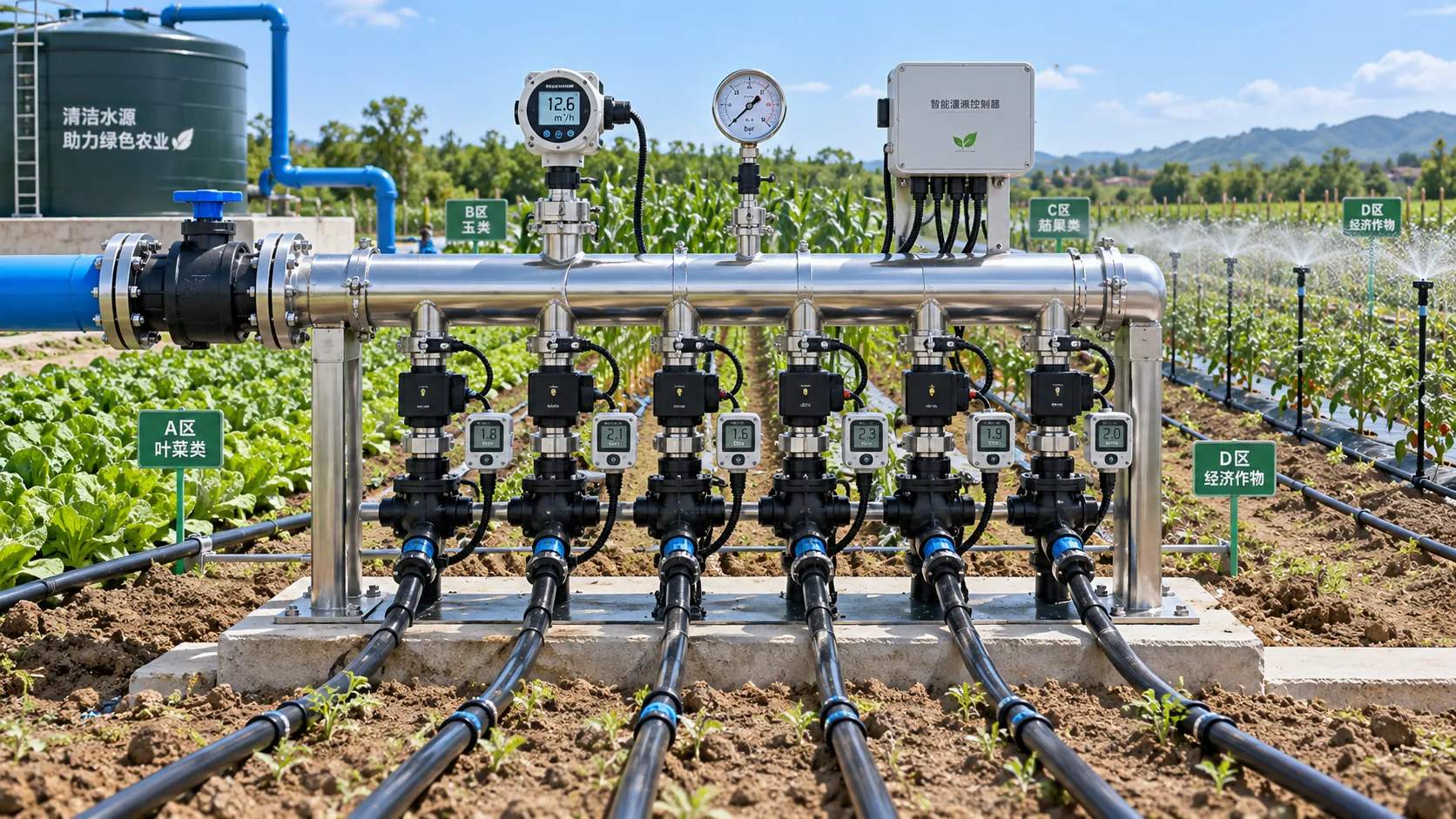
How to Select Smart Irrigation Valves for Multi-Zone Water Management?
Intelligent irrigation systems valves: learn how to match smart valves with multi-zone flow, pressure, control, feedback, and communication needs for reliable water management.
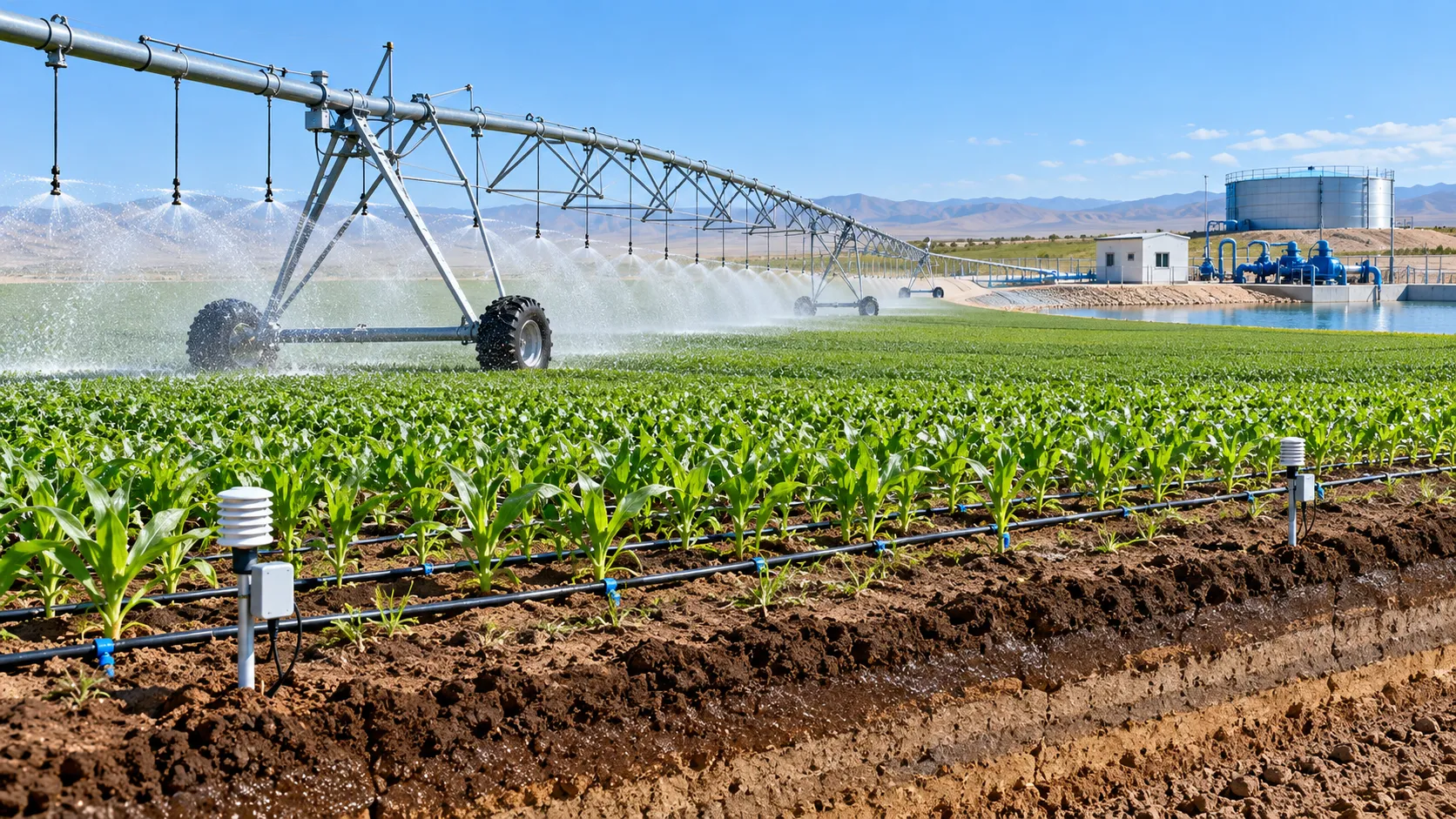
Climate-Smart Farming for Drought: A Practical Plan for Protecting Yields
Climate-smart farming for drought: build smarter water budgets, protect critical crop stages, improve irrigation uniformity, and safeguard yields with practical field-proven strategies.
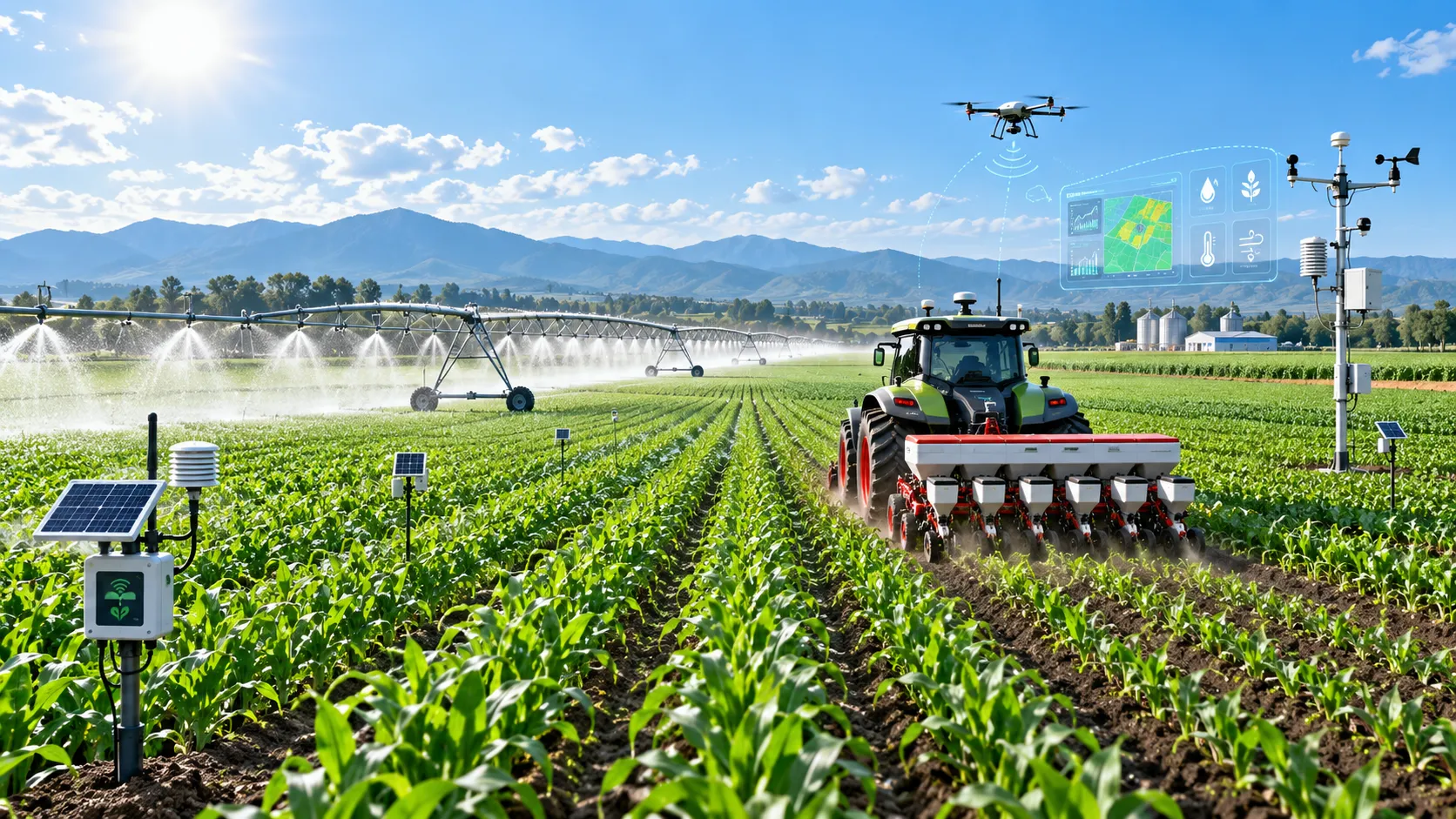
How Digital Agriculture Platforms Turn Field Data Into Better Input Decisions
Digital agriculture platforms turn field data into smarter fertilizer, water, seed, and equipment decisions—helping farms cut risk, improve margins, and scale sustainability.
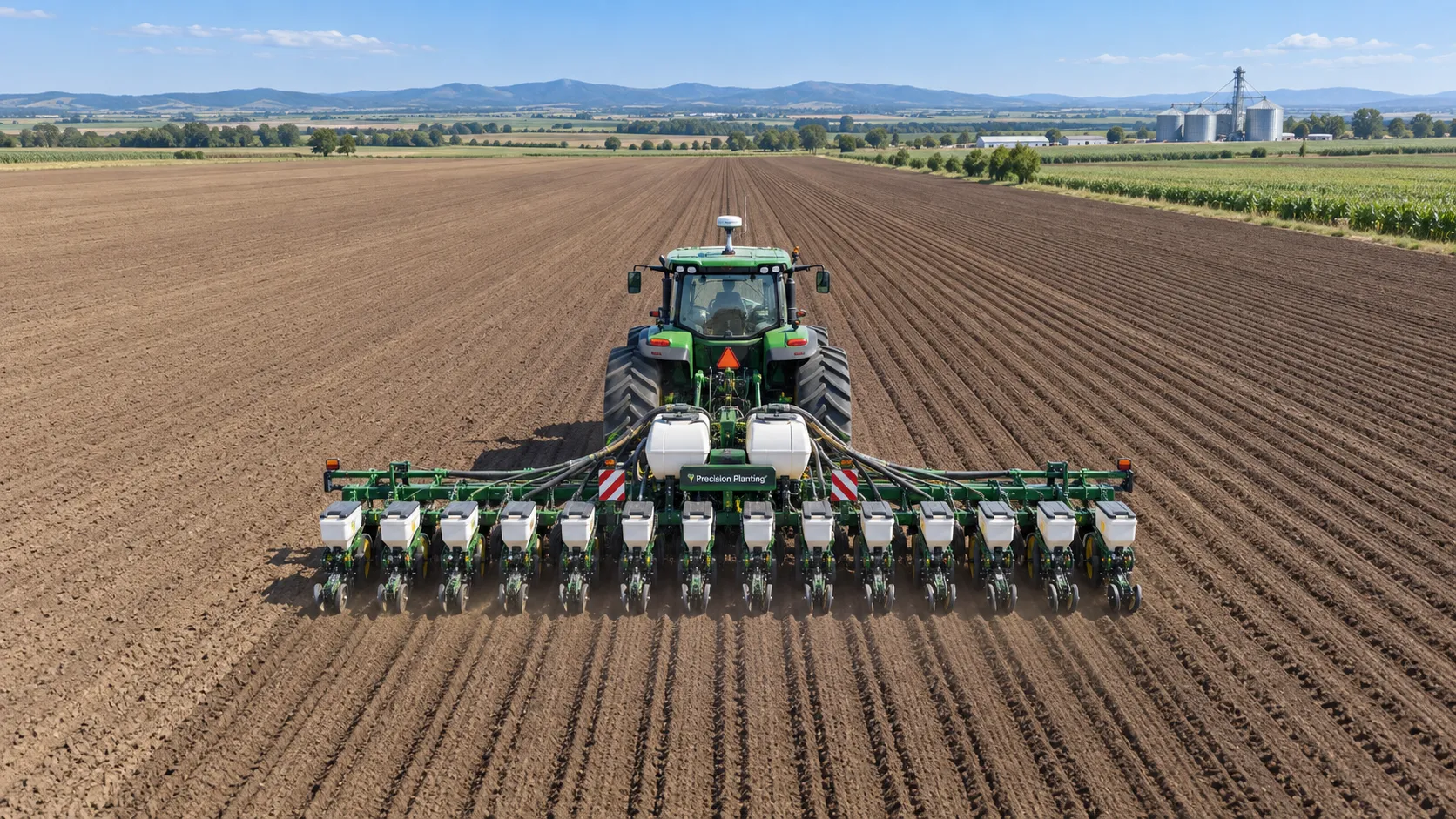
GPS-Guided Farm Machinery: Where It Delivers Measurable Field Efficiency Gains
Agri-mechanization GPS guided systems deliver measurable field efficiency gains through reduced overlap, precise planting, smarter inputs, and reliable farm data.
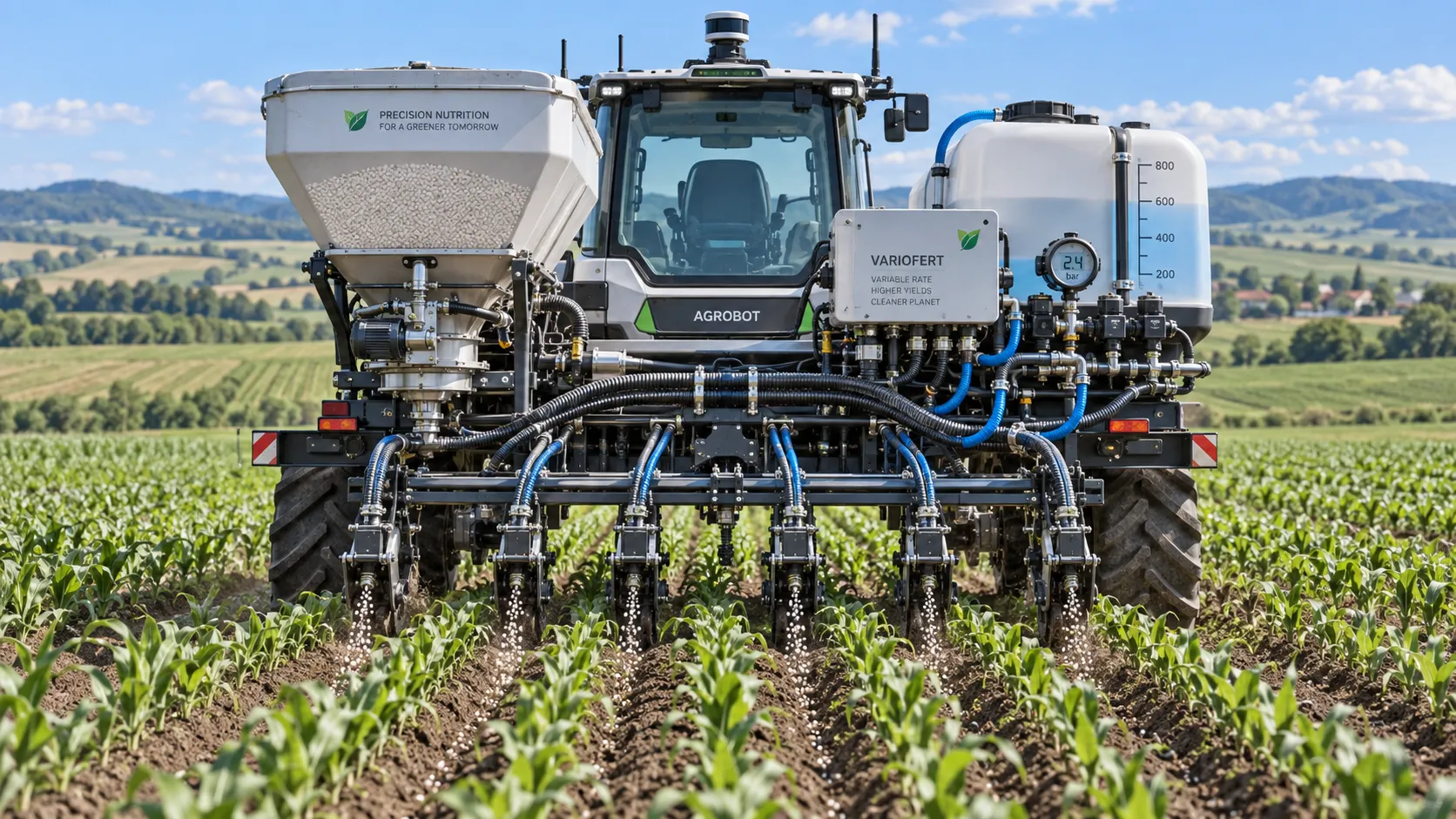
How Sensor Feedback Enables Accurate Variable-Rate Fertilization in Field Conditions
Precision fertilization systems with sensor feedback improve variable-rate accuracy by verifying flow, managing latency, and ensuring reliable field application.
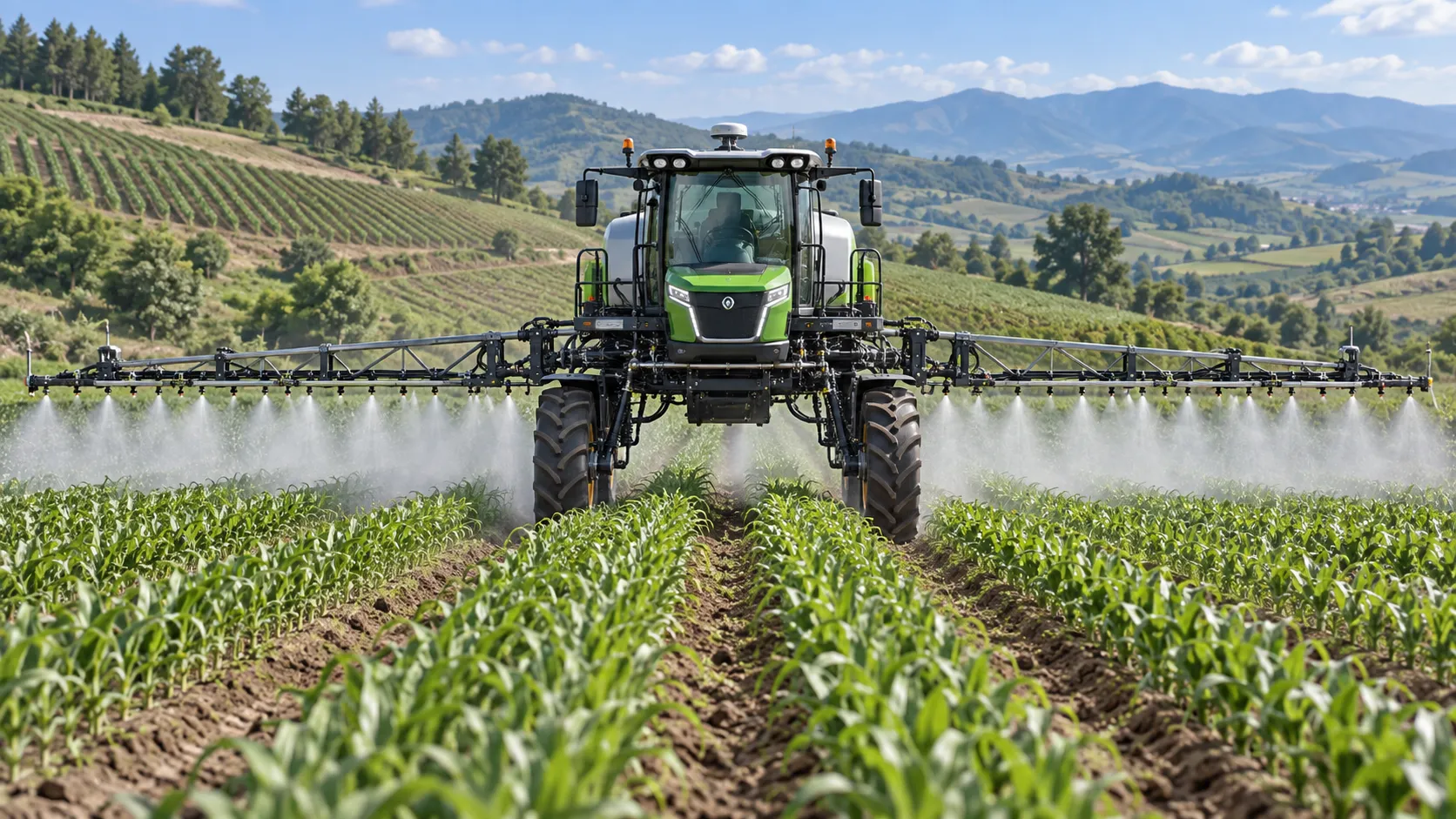
How to Select Precision Crop Protection Equipment for Variable Field Conditions
Precision crop protection equipment selection made simple: compare terrain, canopy, weather, control accuracy, and data workflows for reliable applications.

When Does Agricultural Machinery Leasing Cost Less Than Owning Equipment?
Agricultural machinery leasing can lower farm costs when use is seasonal or uncertain. Compare utilization, maintenance, cash flow, and risk to make a smarter equipment decision.
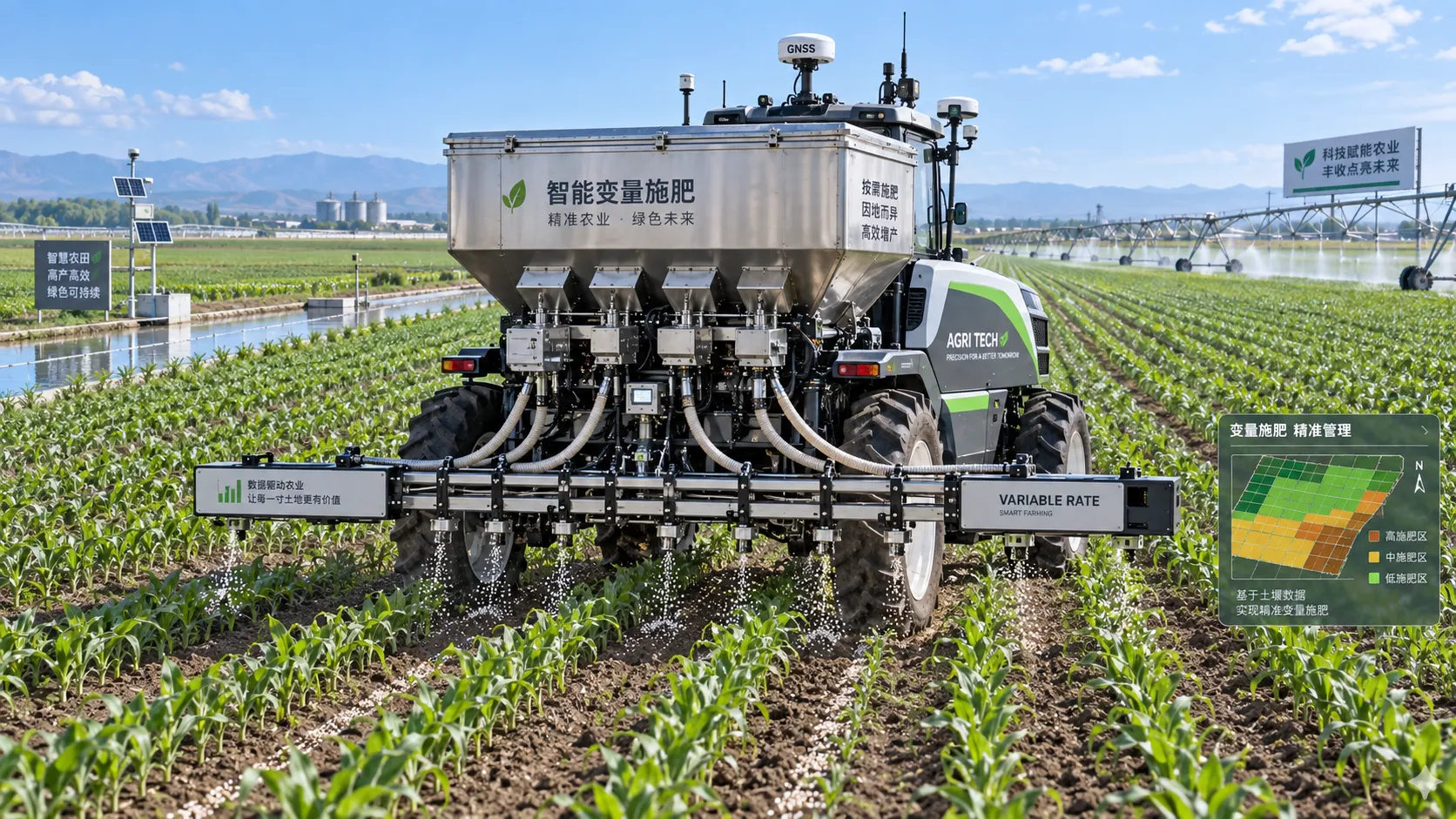
How to Evaluate Precision Fertilization System Suppliers for Farm-Scale Deployment
Precision fertilization systems suppliers: learn how to compare accuracy, integration, uptime, service, and total cost for confident farm-scale deployment.
ISOBUS for Smart Agriculture: How It Connects Tractors, Implements, and Farm Data
ISOBUS for smart agriculture connects tractors, implements, terminals, and farm data—helping growers improve precision, documentation, and smarter field decisions.
Related News
- 00
0000-00
How Digital Agriculture Platforms Turn Field Data Into Better Input Decisions - 00
0000-00
When Does Agricultural Machinery Leasing Cost Less Than Owning Equipment? - 00
0000-00
Selecting Grain Farm Equipment by Acreage, Crop Mix, and Harvest Window - 00
0000-00
Poultry Equipment Selection: Evaluating Durability, Cleaning, and Compatibility - 00
0000-00
How to Select Heavy-Duty Farm Implements for High-Acreage, High-Horsepower Operations
Popular Tags
Ms. Elena Rodriguez
Weekly Insights
Stay ahead with our curated technology reports delivered every Monday.