
Why sustainable farming equipment is gaining buyer trust
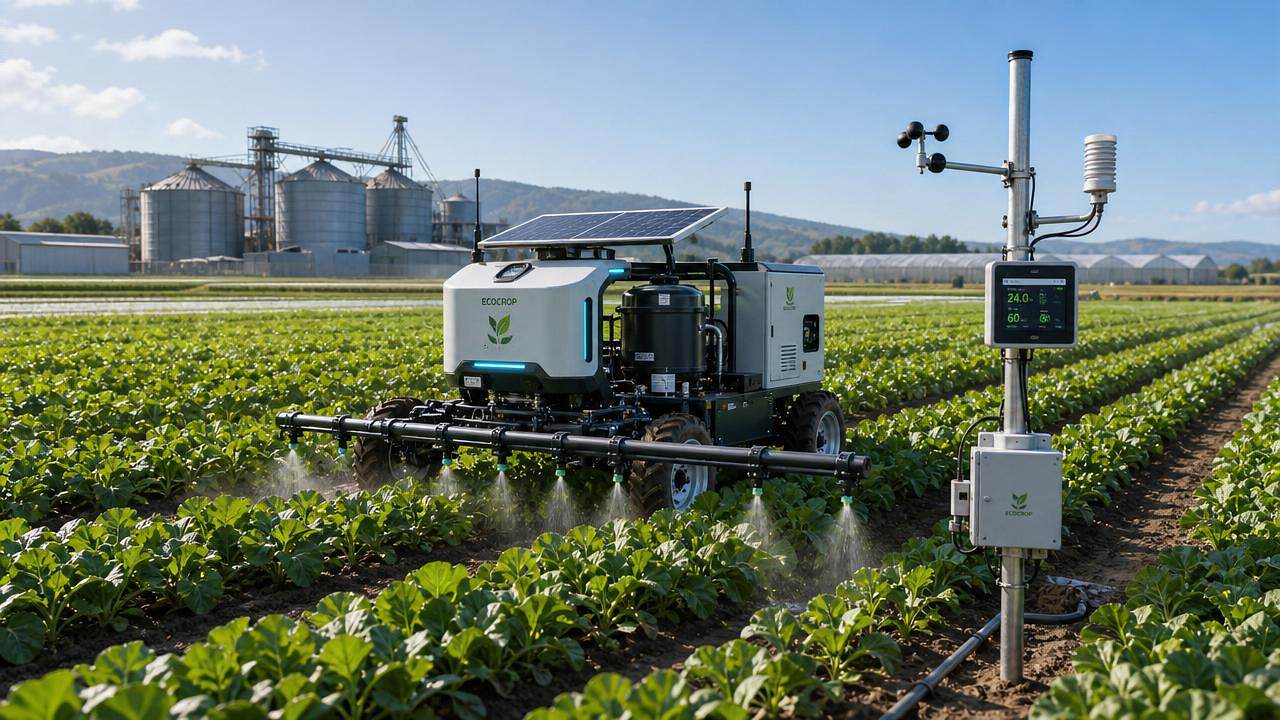




For procurement teams, buyer confidence increasingly depends on proven efficiency, compliance, and long-term value. Sustainable farming equipment is gaining trust because it aligns operational performance with fuel savings, precision output, and evolving environmental standards. As global agriculture moves toward smarter, resource-efficient systems, understanding what drives this shift helps purchasers reduce risk, strengthen supplier decisions, and invest in machinery that supports both productivity and future market expectations.
Why are procurement teams prioritizing sustainable farming equipment?
In agricultural procurement, trust is rarely built on marketing language alone. It is built on machine uptime, measurable input savings, stable parts support, and confidence that the asset will remain compliant as environmental rules tighten.
That is why sustainable farming equipment is moving from a niche preference to a mainstream purchasing priority. Buyers increasingly see sustainability not as an abstract environmental label, but as a practical indicator of efficient design, lower waste, and stronger long-cycle return.
Across large-scale agri-machinery, combine harvesters, tractor chassis, intelligent farm tools, and water-saving irrigation systems, sustainable design usually points to a more disciplined engineering approach. It often means better fuel management, reduced soil impact, lower application error, and more traceable operating data.
- Procurement risk falls when equipment delivers predictable field performance under variable crop, soil, and weather conditions.
- Compliance risk falls when machine specifications align with emissions trends, water management policies, and farm reporting requirements.
- Financial risk falls when lower fuel use, reduced crop loss, and better precision offset a higher initial purchase price.
For distributors, estate farms, contractors, and institutional buyers, the purchasing question is no longer whether sustainability matters. The real question is which sustainable farming equipment delivers operational value that can be verified before the order is placed.
What buyers actually mean by sustainable farming equipment
Procurement teams use the term in a practical way. They are usually not looking only for greener branding. They are looking for machinery and systems that support long-term farm productivity while using less fuel, water, soil disturbance, and unnecessary chemical input.
Core characteristics buyers expect
- Efficient powertrain and hydraulic performance that reduce fuel burn during heavy-duty field operations.
- Precision control systems that improve seeding, spraying, harvesting, or irrigation accuracy.
- Lower-loss crop handling, especially in combines where grain loss directly affects profitability.
- Compatibility with sensor-based agriculture, GNSS guidance, and data-driven farm management.
- Longer service life, accessible maintenance, and support for parts replacement instead of premature disposal.
In short, sustainable farming equipment combines environmental logic with operational discipline. It helps farms produce more with fewer avoidable losses, which is exactly the type of value procurement teams can defend internally.
Which factors are building buyer trust fastest?
The market is not rewarding vague sustainability claims. Trust is growing where suppliers can connect sustainability features to field economics, maintenance realities, and regulatory readiness. The table below shows the purchasing signals that matter most.
For most buyers, these factors are stronger trust builders than a general sustainability promise. They convert environmental positioning into measurable procurement logic.
How does sustainable equipment perform across key agricultural applications?
Not every farm operation needs the same sustainability profile. Procurement decisions improve when teams evaluate equipment by use case instead of by broad product category. AP-Strategy follows this application-first approach across major segments of Agriculture 4.0.
Large-scale agri-machinery
In tillage, seeding, and plant protection, sustainable farming equipment earns trust when it reduces pass count, overlap, and soil compaction. Buyers often prioritize implement compatibility, hydraulic stability, and route optimization support.
Combine harvesters
In harvesting, sustainability is closely tied to low grain loss, cleaner separation, and fuel-efficient throughput. Procurement teams should pay attention to cleaning-loss feedback logic, residue management, and adaptability across crop conditions.
Tractor chassis and power systems
For high-load tractors, buyer trust increases when chassis design supports traction efficiency, balanced weight distribution, and transmission control suited for variable field conditions. Hybrid pathways and refined hydraulic control are becoming more relevant in long-term planning.
Intelligent farm tools and smart irrigation
This is where sustainable farming equipment often shows its fastest payback. Sensor-based tools and irrigation networks can reduce water use, improve input timing, and make farm records easier to defend during audits or supply-chain reviews.
Sustainable vs conventional equipment: what changes in procurement logic?
Procurement teams frequently compare conventional machinery with sustainable alternatives under budget pressure. The right comparison should go beyond purchase price and include risk, productivity stability, and future adaptability.
The table below helps buyers compare the two approaches in a decision-ready format.
This comparison does not mean conventional equipment is always the wrong choice. It means sustainable farming equipment should be evaluated through total operational impact, not through invoice cost alone.
What should procurement teams check before shortlisting suppliers?
A sustainable equipment claim becomes credible only when buyers can verify it through technical review, service planning, and scenario matching. Procurement teams should build a shortlisting checklist before requesting final quotations.
Shortlisting checklist
- Confirm the field task. Separate requirements for harvesting, power traction, precision application, and irrigation automation.
- Request performance indicators that relate to real use, such as fuel consumption bands, application accuracy, grain loss behavior, or water-delivery consistency.
- Review compatibility with existing farm systems, including implements, telematics, positioning tools, and maintenance workflows.
- Ask for maintenance interval details, critical spare parts lead times, and service response arrangements during peak season.
- Check whether the equipment supports future upgrades, especially where automation, electrification, or water-saving controls may expand later.
This process is especially important for long-cycle agri-trade, where the wrong specification can create seasonal disruption and costly underperformance long after delivery.
How do compliance and standards influence buyer trust?
In many markets, trust in sustainable farming equipment is closely linked to compliance readiness. Procurement professionals must think beyond today’s field need and consider tomorrow’s reporting, environmental review, and import requirements.
The following table summarizes common compliance areas buyers should discuss during supplier evaluation.
Standards will vary by region and product type, but disciplined compliance review consistently strengthens supplier selection. It also helps buyers avoid choosing equipment that performs well today but becomes difficult to operate or trade later.
Where AP-Strategy adds value to sustainable equipment sourcing
Sourcing sustainable farming equipment requires more than a product brochure. It requires intelligence that connects mechanical performance, precision agriculture capability, sustainability pressure, and market timing. That is where AP-Strategy is especially useful for procurement teams.
Decision support across five equipment pillars
- Large-scale agri-machinery analysis helps buyers assess mechanization fit from soil preparation to crop protection.
- Combine harvester intelligence focuses on throughput, cleaning-loss behavior, and harvesting efficiency in complex crop environments.
- Tractor chassis insight supports evaluation of transmission trends, hydraulic control, and heavy-duty field performance.
- Intelligent farm tool coverage helps buyers compare sensor-based and satellite-guided precision task capabilities.
- Water-saving irrigation analysis supports decisions around smart network design, recycling efficiency, and climate-response planning.
Because AP-Strategy combines sector news, evolutionary technology tracking, and commercial insight, procurement teams can interpret sustainable farming equipment in a broader business context. That is critical when equipment decisions must remain defensible across seasonal, financial, and policy shifts.
Common mistakes buyers make when evaluating sustainable farming equipment
Mistake 1: treating sustainability as a branding label
The better approach is to trace each claim back to a measurable function, such as reduced overlap, lower fuel use, lower grain loss, improved water control, or easier maintenance planning.
Mistake 2: focusing only on upfront price
A cheaper machine can become more expensive if it consumes more fuel, causes more crop loss, or cannot integrate with precision systems already used on the farm.
Mistake 3: ignoring service and parts reality
Sustainable farming equipment should be durable and maintainable. If replacement parts, software support, or service technicians are uncertain, the sustainability claim loses procurement value.
Mistake 4: buying for current needs only
Agriculture 4.0 is changing specification priorities. Buyers should consider whether the equipment can support future automation, data integration, and evolving environmental expectations.
FAQ: what procurement teams ask most often
How do we know whether sustainable farming equipment will justify a higher purchase price?
Build the case around total cost of ownership. Compare expected fuel consumption, labor efficiency, crop loss, input savings, maintenance intervals, and residual usability under future standards. If those factors improve, the premium may be commercially reasonable.
Which applications usually show the fastest return?
Precision application tools, smart irrigation systems, and harvesting systems with lower loss control often show the clearest near-term value because waste reduction can be observed quickly during active seasons.
What should we ask suppliers besides product specifications?
Ask about parts lead time, training support, maintenance schedules, software update pathways, documentation quality, and whether field data can be exported or integrated into your existing management systems.
Are sustainable machines only relevant for large farms?
No. Large operations may capture scale benefits faster, but buyers of many sizes can benefit if the machine reduces recurring waste, improves field timing, and aligns with local water, fuel, or reporting constraints.
Why this trend will continue
Buyer trust in sustainable farming equipment is growing because the category now answers real procurement problems. It addresses cost pressure, regulatory uncertainty, resource efficiency, and the need for data-backed operational decisions.
As the global agricultural market moves deeper into precision management, autonomous functions, and climate-responsive resource use, equipment that can prove both productivity and sustainability will continue to gain an advantage in purchasing reviews.
Why choose us for procurement intelligence and next-step consultation?
AP-Strategy helps procurement teams move beyond generic supplier comparison. Our intelligence framework connects machine performance, precision farming algorithms, irrigation efficiency, and global sustainability demands so buyers can make clearer, lower-risk decisions.
- Request support for parameter confirmation across large-scale agri-machinery, combine harvesters, tractor chassis, intelligent farm tools, or irrigation systems.
- Discuss product selection logic based on crop type, operating scale, terrain conditions, and precision agriculture maturity.
- Ask about delivery-cycle considerations, parts planning, and service-risk factors before final supplier commitment.
- Review certification and compliance questions relevant to your target market, sourcing route, or sustainability program.
- Open a quotation discussion with a clearer technical checklist, reducing the chance of mismatch between field needs and purchased equipment.
If your team is comparing sustainable farming equipment options and needs sharper decision support, AP-Strategy can help structure the evaluation around performance, compliance, implementation risk, and long-term commercial value.
Related News
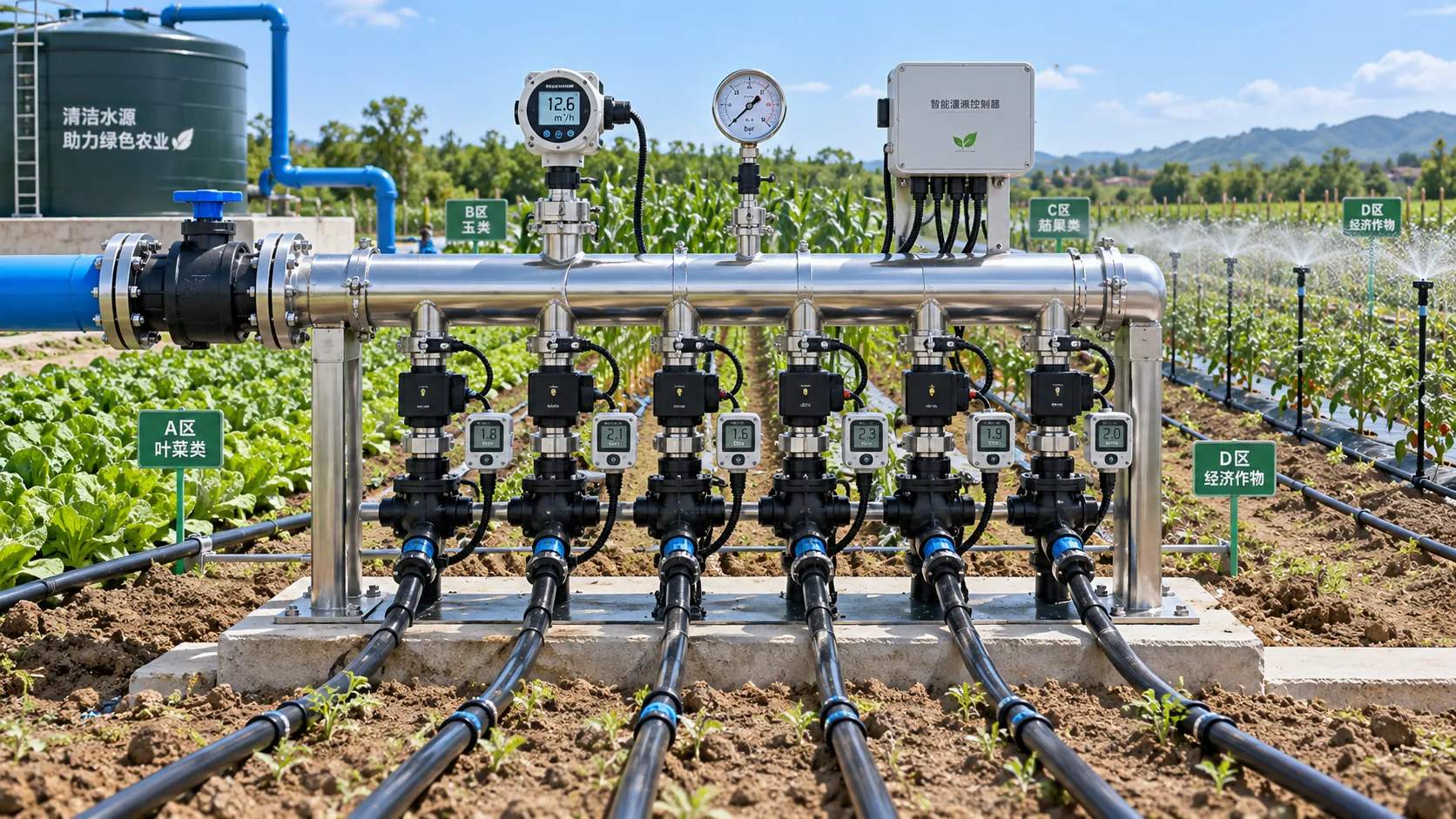
How to Select Smart Irrigation Valves for Multi-Zone Water Management?
Intelligent irrigation systems valves: learn how to match smart valves with multi-zone flow, pressure, control, feedback, and communication needs for reliable water management.
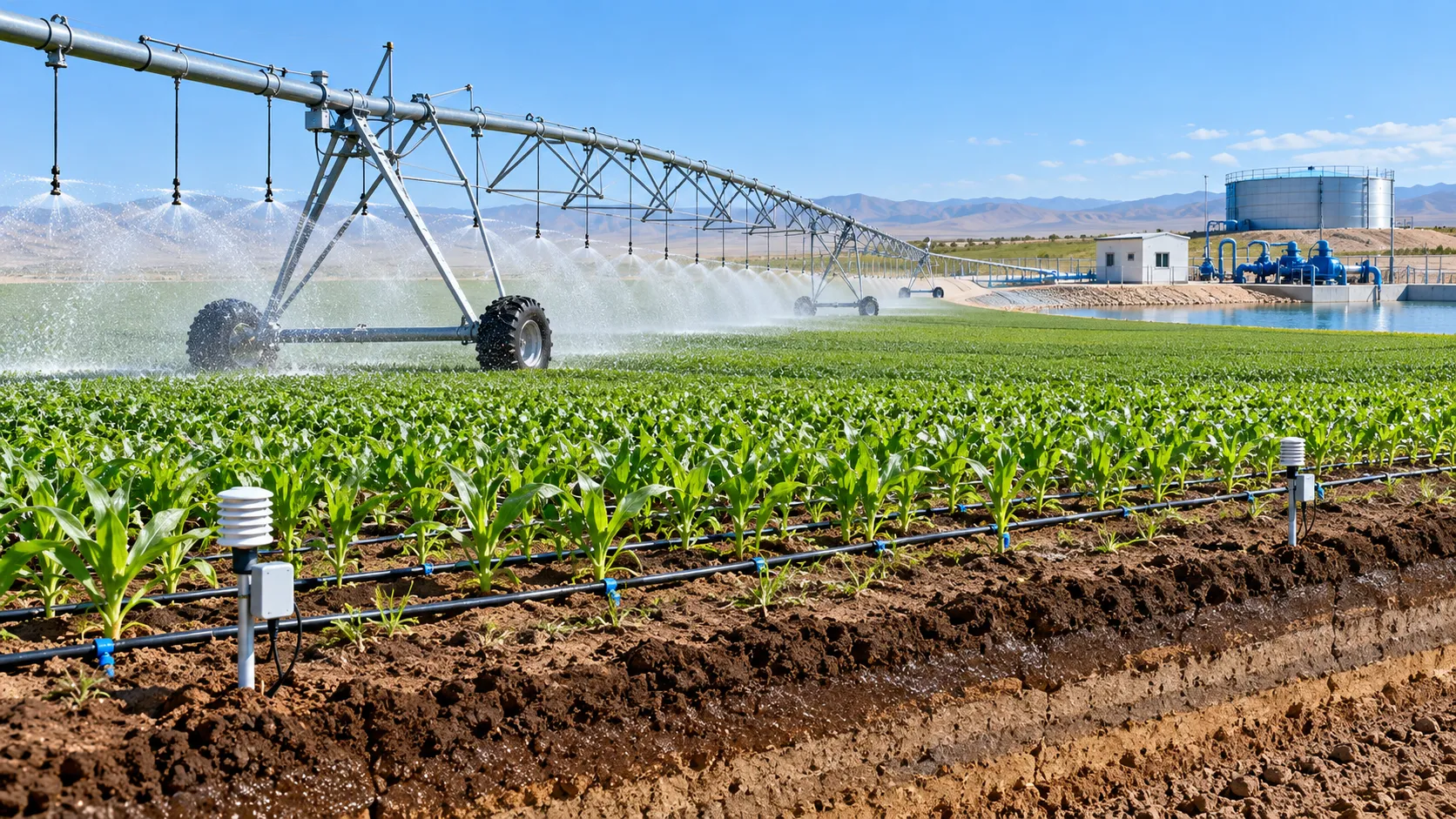
Climate-Smart Farming for Drought: A Practical Plan for Protecting Yields
Climate-smart farming for drought: build smarter water budgets, protect critical crop stages, improve irrigation uniformity, and safeguard yields with practical field-proven strategies.
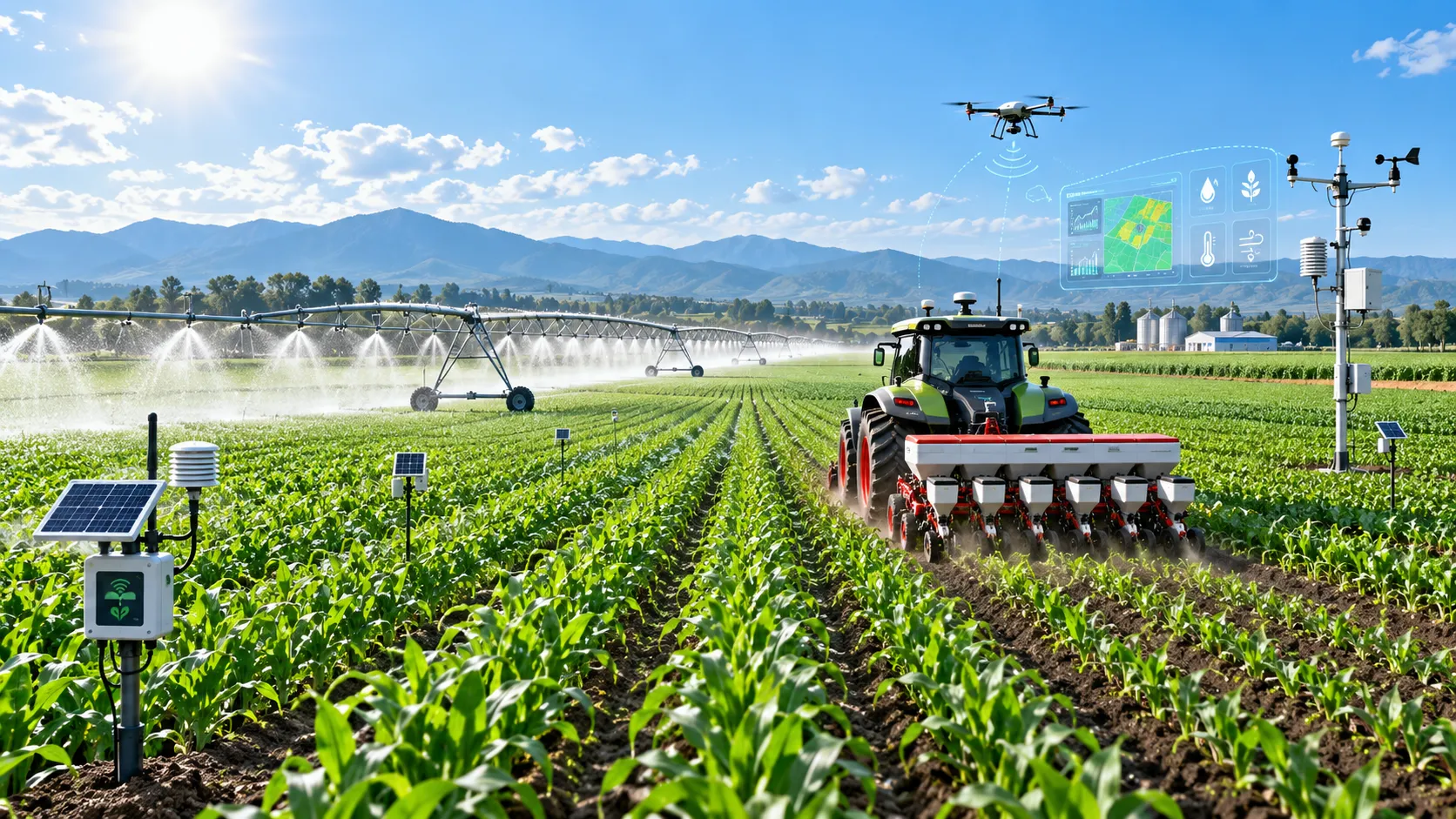
How Digital Agriculture Platforms Turn Field Data Into Better Input Decisions
Digital agriculture platforms turn field data into smarter fertilizer, water, seed, and equipment decisions—helping farms cut risk, improve margins, and scale sustainability.
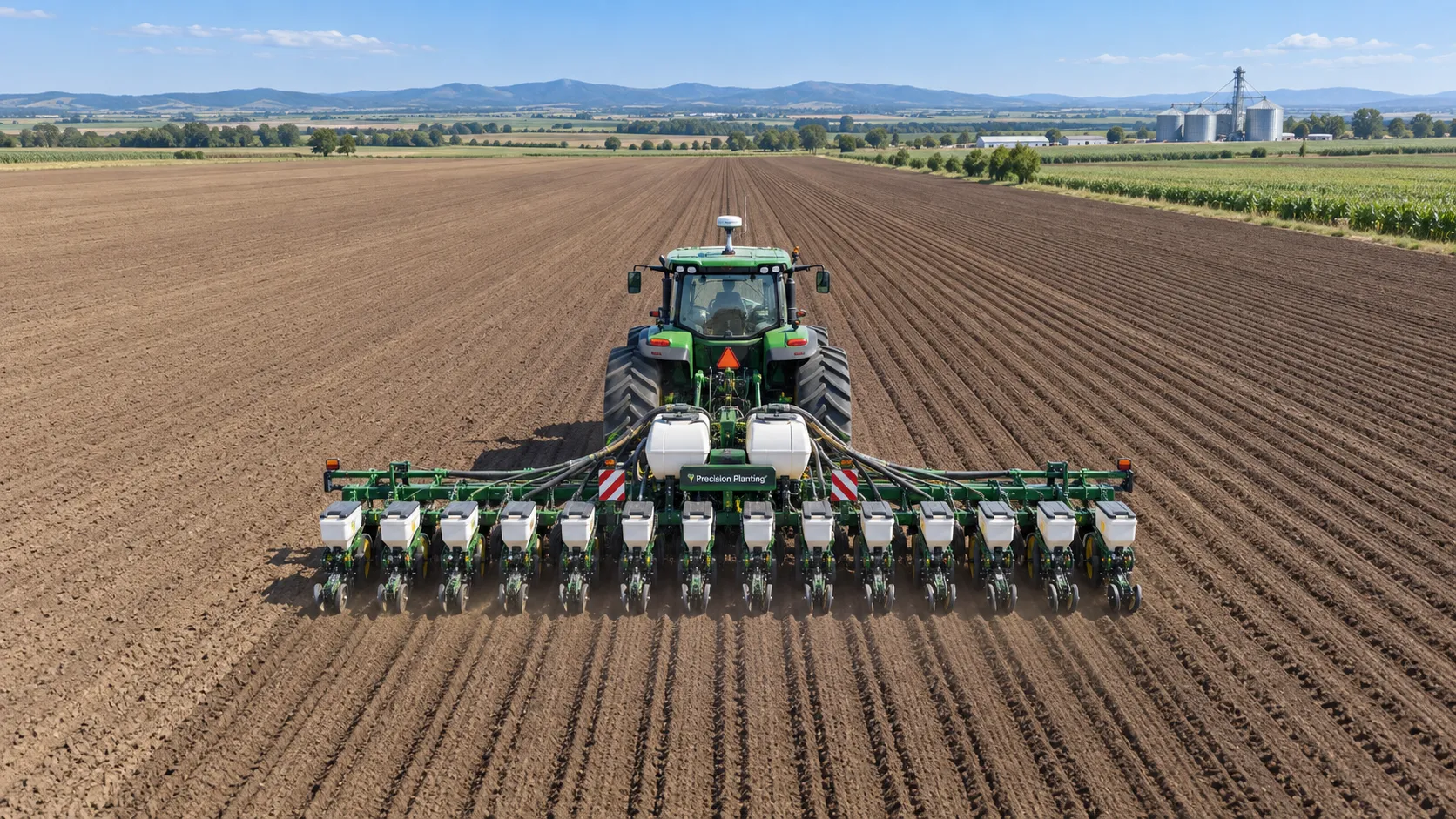
GPS-Guided Farm Machinery: Where It Delivers Measurable Field Efficiency Gains
Agri-mechanization GPS guided systems deliver measurable field efficiency gains through reduced overlap, precise planting, smarter inputs, and reliable farm data.
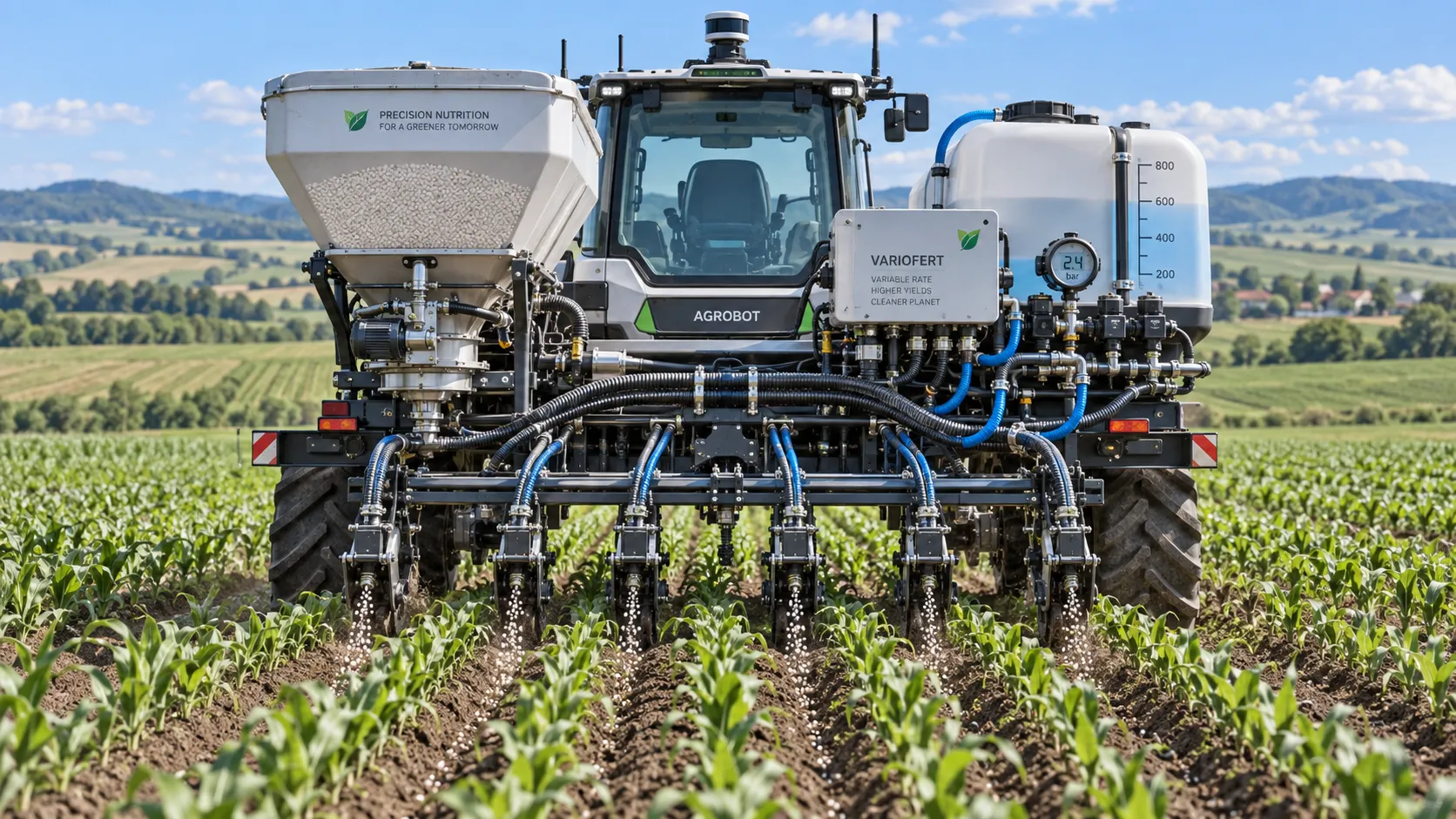
How Sensor Feedback Enables Accurate Variable-Rate Fertilization in Field Conditions
Precision fertilization systems with sensor feedback improve variable-rate accuracy by verifying flow, managing latency, and ensuring reliable field application.
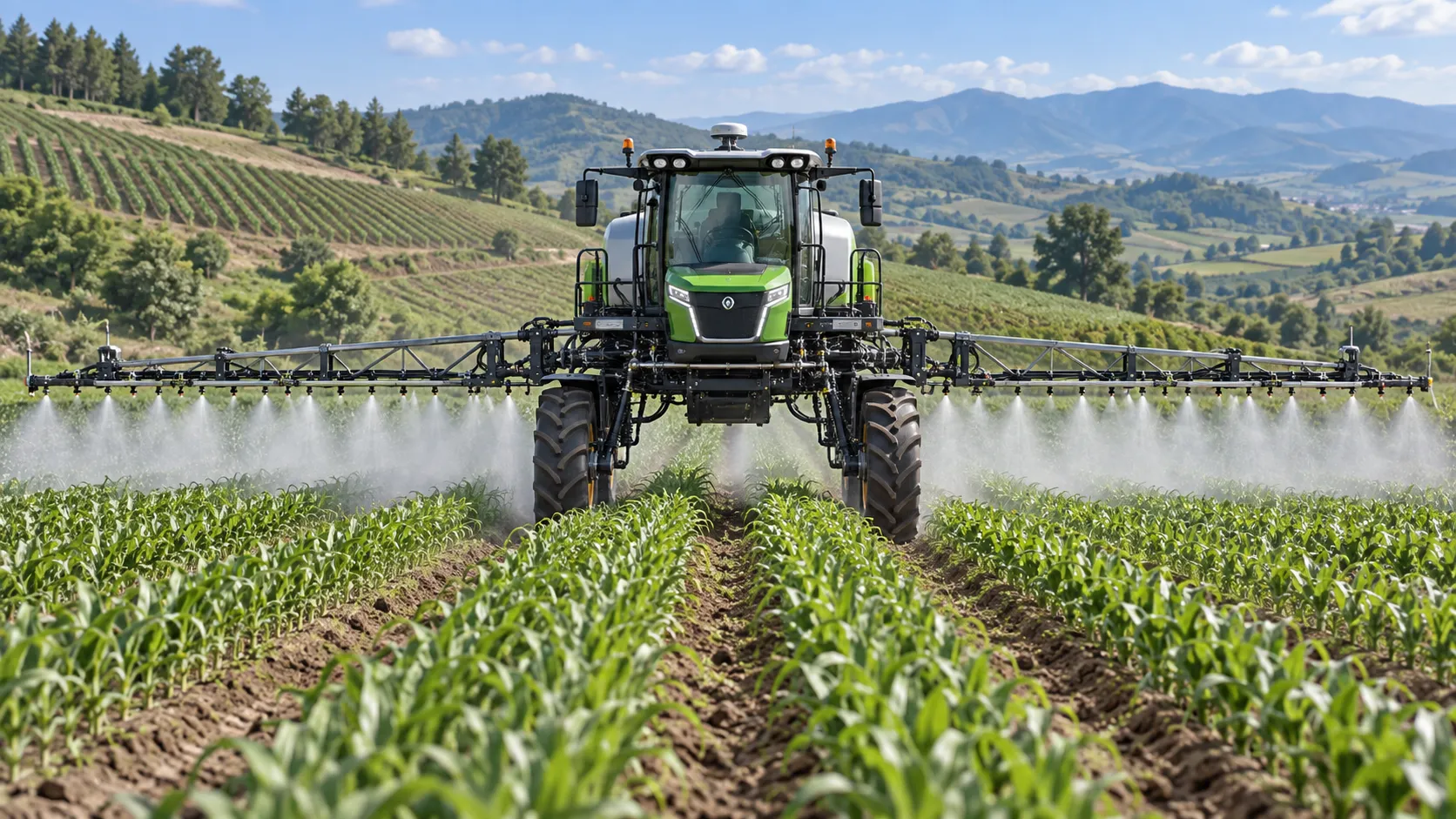
How to Select Precision Crop Protection Equipment for Variable Field Conditions
Precision crop protection equipment selection made simple: compare terrain, canopy, weather, control accuracy, and data workflows for reliable applications.
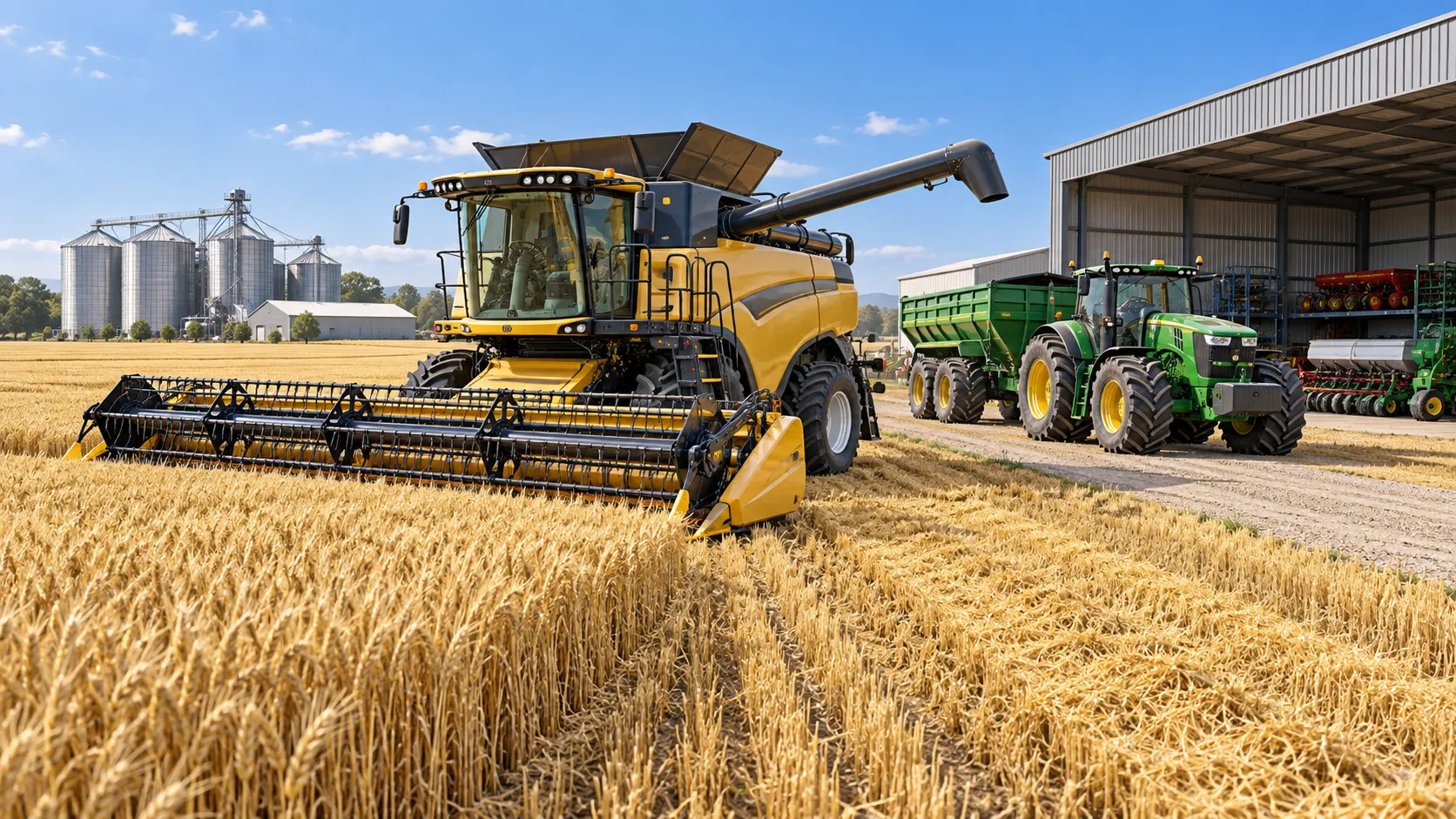
When Does Agricultural Machinery Leasing Cost Less Than Owning Equipment?
Agricultural machinery leasing can lower farm costs when use is seasonal or uncertain. Compare utilization, maintenance, cash flow, and risk to make a smarter equipment decision.
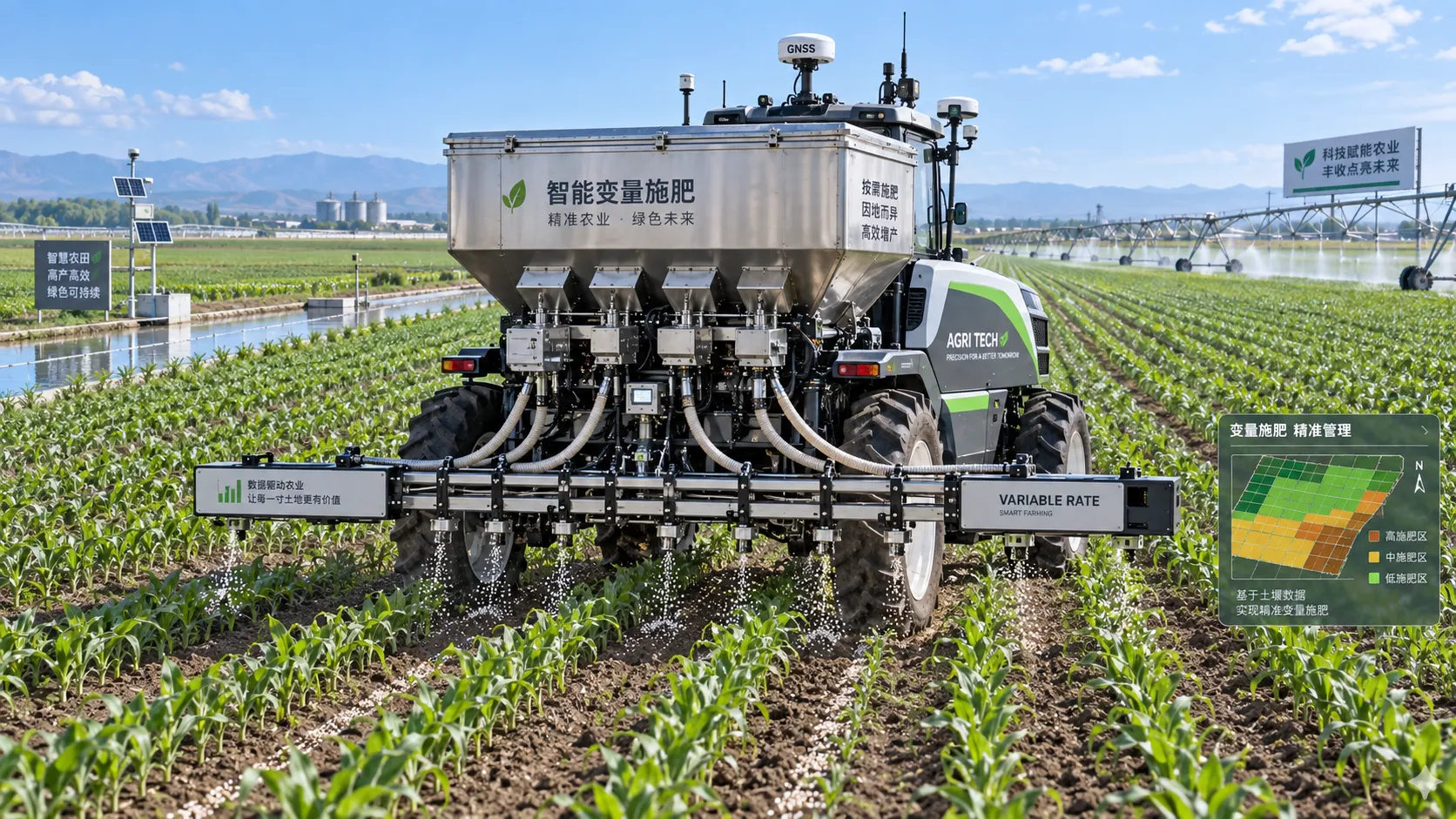
How to Evaluate Precision Fertilization System Suppliers for Farm-Scale Deployment
Precision fertilization systems suppliers: learn how to compare accuracy, integration, uptime, service, and total cost for confident farm-scale deployment.
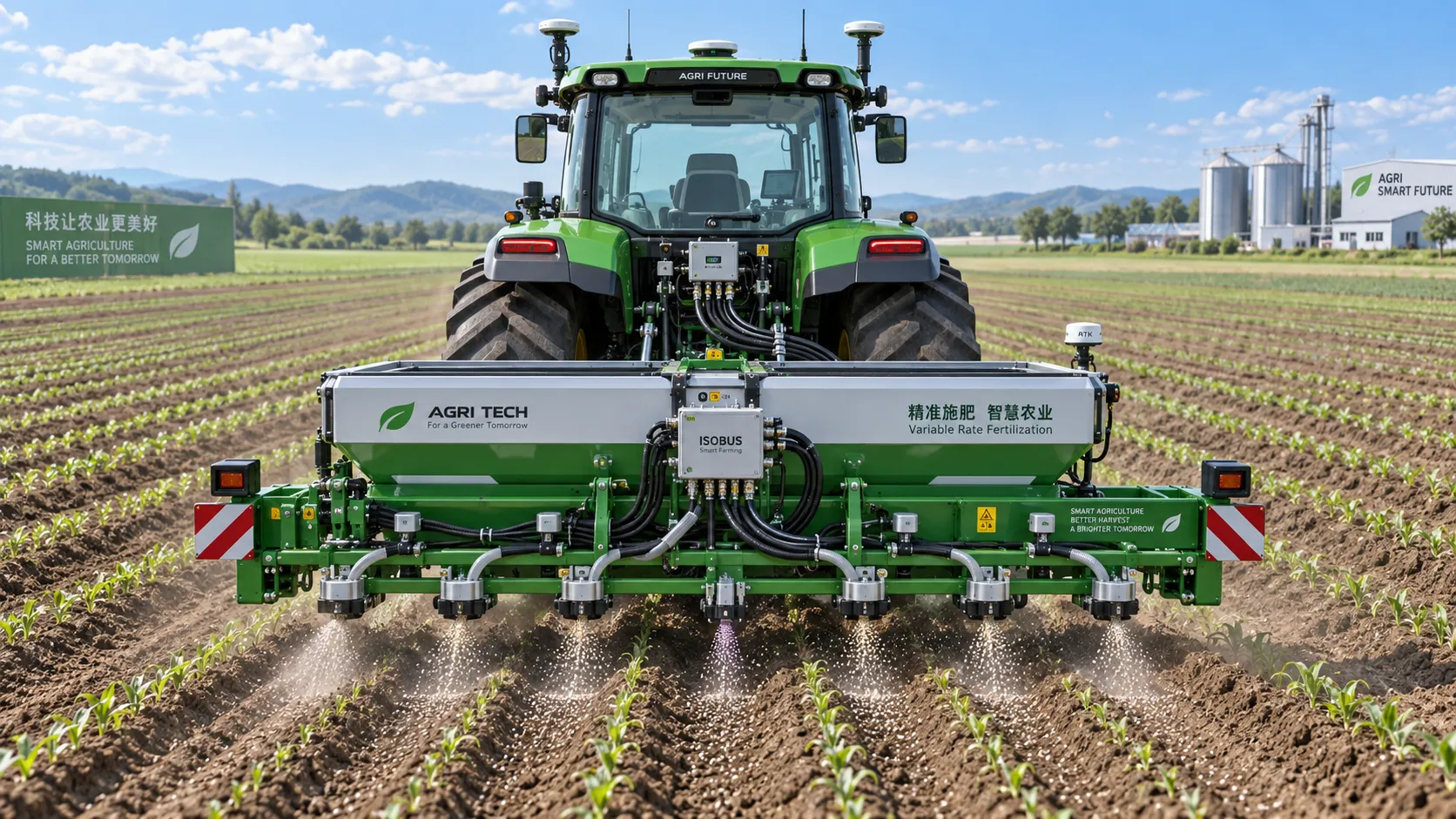
ISOBUS for Smart Agriculture: How It Connects Tractors, Implements, and Farm Data
ISOBUS for smart agriculture connects tractors, implements, terminals, and farm data—helping growers improve precision, documentation, and smarter field decisions.
Related News
- 00
0000-00
How Digital Agriculture Platforms Turn Field Data Into Better Input Decisions - 00
0000-00
When Does Agricultural Machinery Leasing Cost Less Than Owning Equipment? - 00
0000-00
Selecting Grain Farm Equipment by Acreage, Crop Mix, and Harvest Window - 00
0000-00
Poultry Equipment Selection: Evaluating Durability, Cleaning, and Compatibility - 00
0000-00
How to Select Heavy-Duty Farm Implements for High-Acreage, High-Horsepower Operations
Popular Tags
Ms. Elena Rodriguez
Weekly Insights
Stay ahead with our curated technology reports delivered every Monday.