
What climate smart tools matter most for food security?
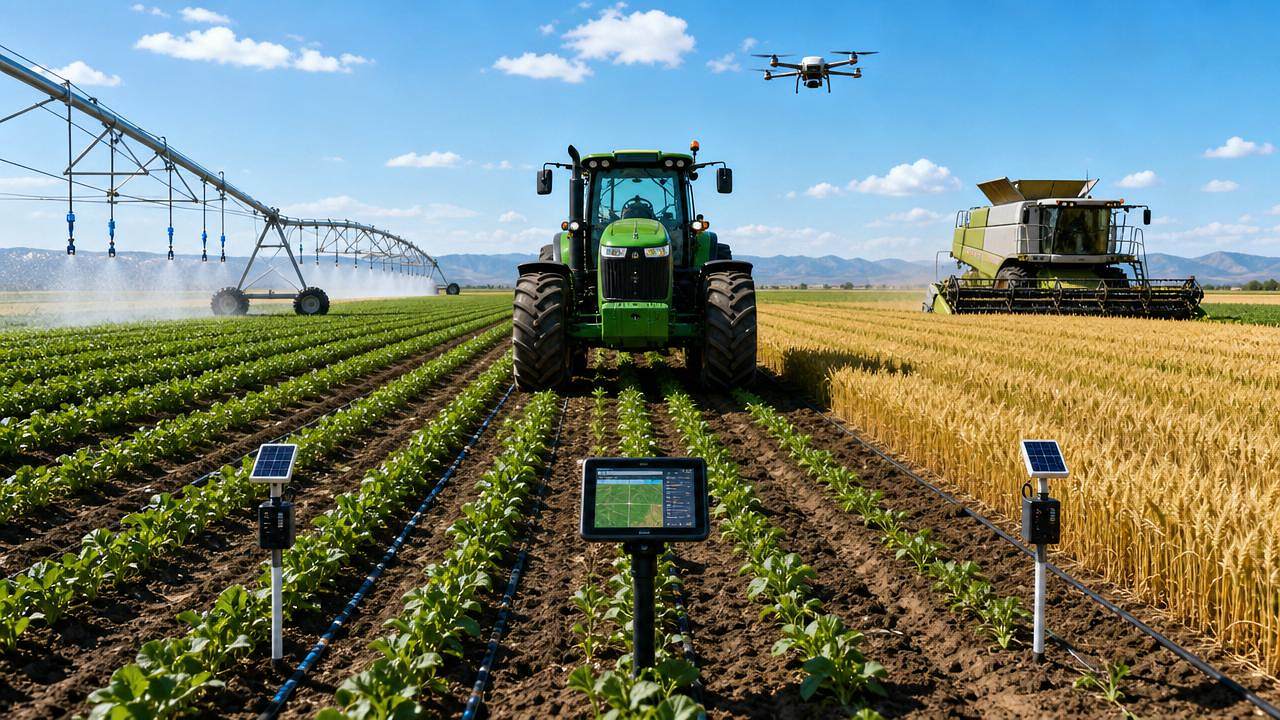




As climate volatility reshapes global agriculture, enterprise leaders must identify which technologies deliver the greatest resilience and return. From precision irrigation to intelligent machinery and data-driven field management, climate-smart agriculture solutions for food security are becoming essential strategic assets. This article explores the tools that matter most, helping decision-makers align productivity, sustainability, and long-term agricultural competitiveness.
Why a checklist approach matters for climate-smart agriculture decisions
Food security is no longer shaped by yield alone. It now depends on water efficiency, field timeliness, energy use, crop loss control, and data visibility across seasons.
That is why climate-smart agriculture solutions for food security should be assessed with a practical checklist. A structured method reduces technology hype and keeps attention on measurable outcomes.
In broad agricultural systems, the highest-value tools usually sit at the intersection of mechanization, irrigation, sensing, and decision intelligence. The right mix strengthens both resilience and margin protection.
Core checklist: the climate-smart tools that matter most
Use the following checklist to prioritize climate-smart agriculture solutions for food security across cropping systems, equipment plans, and infrastructure investment cycles.
- Deploy precision irrigation controls that match water delivery to soil moisture, crop stage, and weather risk instead of relying on fixed calendar-based irrigation schedules.
- Integrate soil moisture sensors, evapotranspiration models, and field telemetry so irrigation decisions respond to actual crop demand and changing climate conditions.
- Adopt GPS-guided tractors and smart implements to reduce overlap, save fuel, improve timeliness, and protect soil structure during narrow operating windows.
- Select combine harvesters with advanced loss monitoring, cleaning optimization, and throughput control to protect final yield under heat stress or uneven crop maturity.
- Use variable-rate application tools for seed, fertilizer, and crop protection to avoid blanket inputs and improve response under variable moisture and fertility zones.
- Build a field data layer from satellites, drones, machine sensors, and weather feeds so climate-smart agriculture solutions for food security work as a connected system.
- Prioritize water-saving irrigation systems with filtration, pressure management, and leak detection because hydraulic inefficiency can erase climate resilience gains.
- Evaluate machine uptime support, spare parts access, and service diagnostics before purchase because resilience depends on operational continuity, not only specifications.
- Measure each tool against clear indicators such as water productivity, fuel use per hectare, harvest loss, labor hours, and yield stability over multiple seasons.
- Plan interoperability early so irrigation software, telematics platforms, and agronomic dashboards share data instead of creating isolated operational silos.
How each tool supports food security in practice
Precision irrigation and water-saving networks
Among all climate-smart agriculture solutions for food security, precision irrigation often delivers the most immediate resilience benefit. Water stress is now a primary constraint in many grain, oilseed, and horticultural regions.
Smart valves, drip systems, pivots with variable-rate control, and sensor-linked scheduling reduce overwatering. They also lower pumping energy, nutrient leaching, and crop stress during critical growth stages.
Intelligent machinery and timely field operations
Climate risk often appears as shorter field windows. Excess rain delays planting, while extreme heat speeds maturity. Intelligent machinery protects timing, which is one of the most underpriced factors in food security.
Auto-steering tractors, implement control systems, and high-capacity harvest platforms help complete operations faster and with fewer passes. That improves fuel efficiency and reduces avoidable yield penalties.
Data platforms and decision intelligence
Data alone is not climate-smart. Value appears when field observations are translated into operational choices. That includes irrigation timing, harvest sequencing, input rates, and maintenance planning.
The strongest climate-smart agriculture solutions for food security combine machine telemetry, weather forecasting, and agronomic modeling. This creates a practical decision layer, not just a reporting dashboard.
Scenario-based priorities across agricultural operations
Water-limited grain production
In drought-prone grain systems, start with irrigation efficiency, drought-responsive scheduling, and variable-rate nutrition. Then align seeding speed and harvest capacity to protect yield from compressed seasonal windows.
Here, climate-smart agriculture solutions for food security should be ranked by water productivity per hectare and yield stability across hot, uneven seasons.
Large-scale mechanized row cropping
For highly mechanized systems, machinery intelligence becomes central. Guidance accuracy, implement matching, telematics, and predictive maintenance strongly influence timeliness and cost resilience.
Combine performance is especially critical. Harvest losses, grain quality decline, and delayed field clearance can undermine the entire climate adaptation strategy.
Mixed operations facing input volatility
Where fertilizer, energy, and labor costs fluctuate sharply, prioritize variable-rate application, fuel-saving field guidance, and centralized monitoring. These tools stabilize margins while improving resource efficiency.
In this setting, climate-smart agriculture solutions for food security must show both environmental performance and operating cost discipline.
Commonly overlooked risks when selecting climate-smart tools
Ignoring system compatibility
A strong sensor package loses value if it cannot connect with irrigation controllers, machinery platforms, or agronomic software. Fragmented tools create blind spots and slow decisions.
Overbuying hardware without workflow change
Many operations purchase advanced equipment but keep manual routines. Climate-smart agriculture solutions for food security only perform when operators change scheduling, application logic, and maintenance behavior.
Underestimating service and uptime risk
A climate-smart tool is not resilient if repairs are slow or parts are scarce during peak season. Support infrastructure must be evaluated as carefully as technical features.
Measuring return too narrowly
Do not evaluate tools only by one-season yield gain. Include water savings, labor reduction, harvest loss control, energy efficiency, and risk avoidance across multiple years.
Practical execution steps for stronger results
- Map the biggest climate constraint first, whether it is water scarcity, delayed field access, harvest loss, or input inefficiency.
- Audit current machinery, irrigation assets, and data systems to identify the weakest operational link.
- Choose one or two high-impact climate-smart agriculture solutions for food security instead of launching disconnected pilots.
- Set baseline metrics before deployment, including water use, overlap rate, fuel burn, downtime, and crop loss.
- Review results after each season and scale only the tools that improve resilience and operational economics together.
Conclusion: build a climate-smart toolkit, not a single purchase
The most effective climate-smart agriculture solutions for food security are not isolated devices. They form an operating system that links water management, intelligent machinery, field data, and execution discipline.
Start with the tools that protect the most fragile part of production. In many operations, that means precision irrigation, guided mechanization, combine optimization, and integrated decision intelligence.
The next step is simple: rank current risks, score available tools against measurable outcomes, and invest where resilience and productivity rise together. That is how climate-smart agriculture solutions for food security move from concept to competitive advantage.
Related News
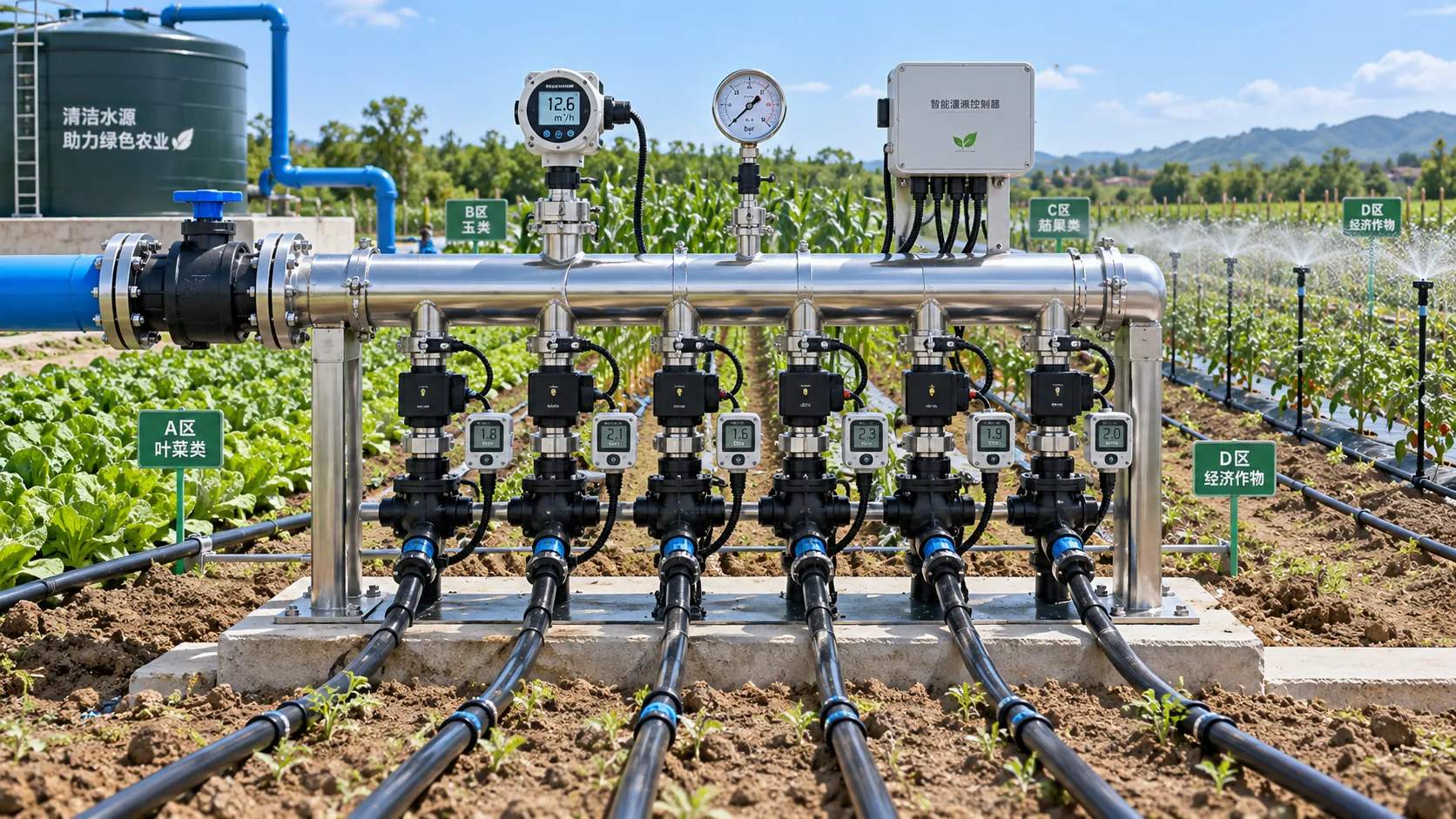
How to Select Smart Irrigation Valves for Multi-Zone Water Management?
Intelligent irrigation systems valves: learn how to match smart valves with multi-zone flow, pressure, control, feedback, and communication needs for reliable water management.
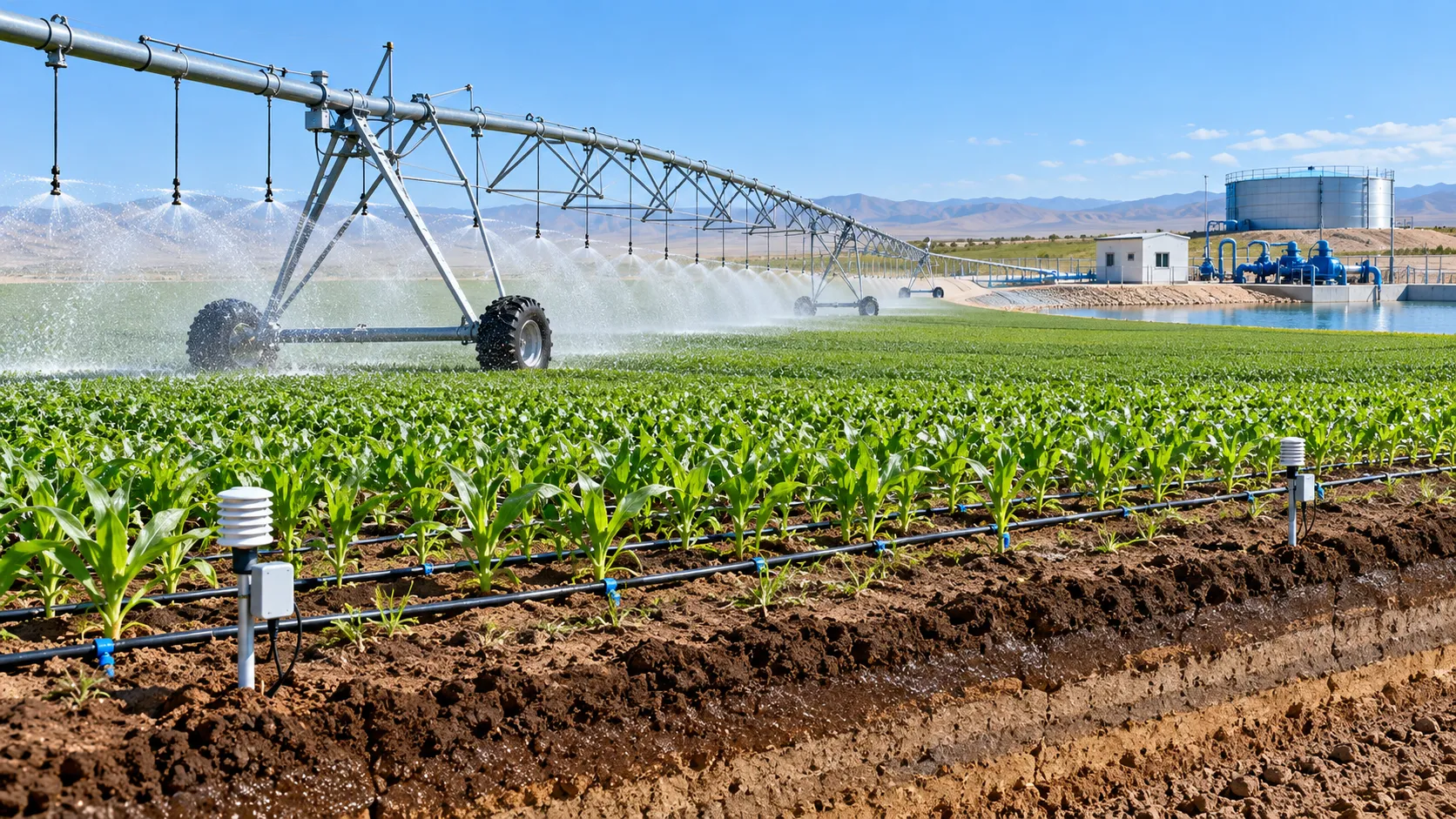
Climate-Smart Farming for Drought: A Practical Plan for Protecting Yields
Climate-smart farming for drought: build smarter water budgets, protect critical crop stages, improve irrigation uniformity, and safeguard yields with practical field-proven strategies.
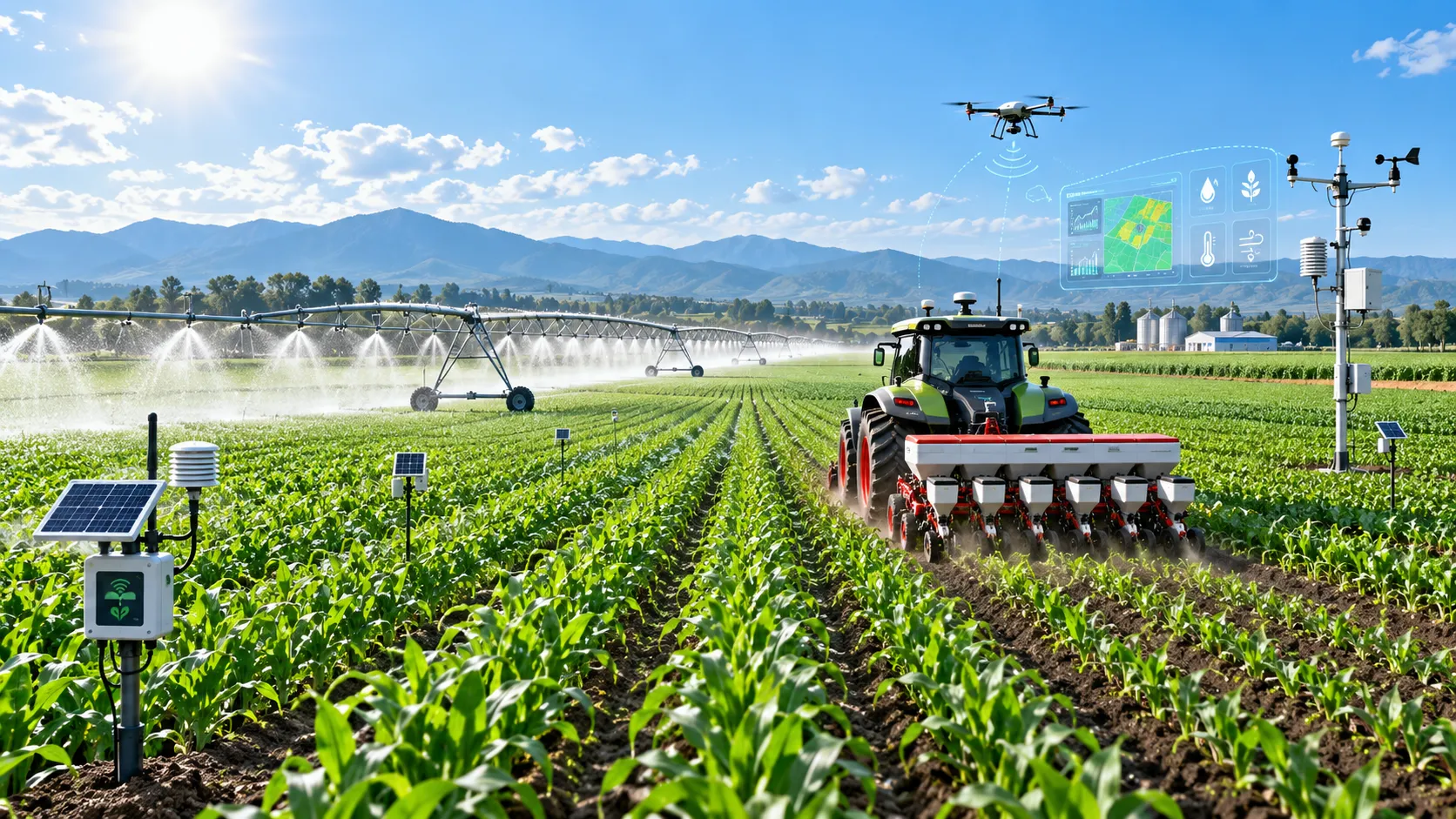
How Digital Agriculture Platforms Turn Field Data Into Better Input Decisions
Digital agriculture platforms turn field data into smarter fertilizer, water, seed, and equipment decisions—helping farms cut risk, improve margins, and scale sustainability.
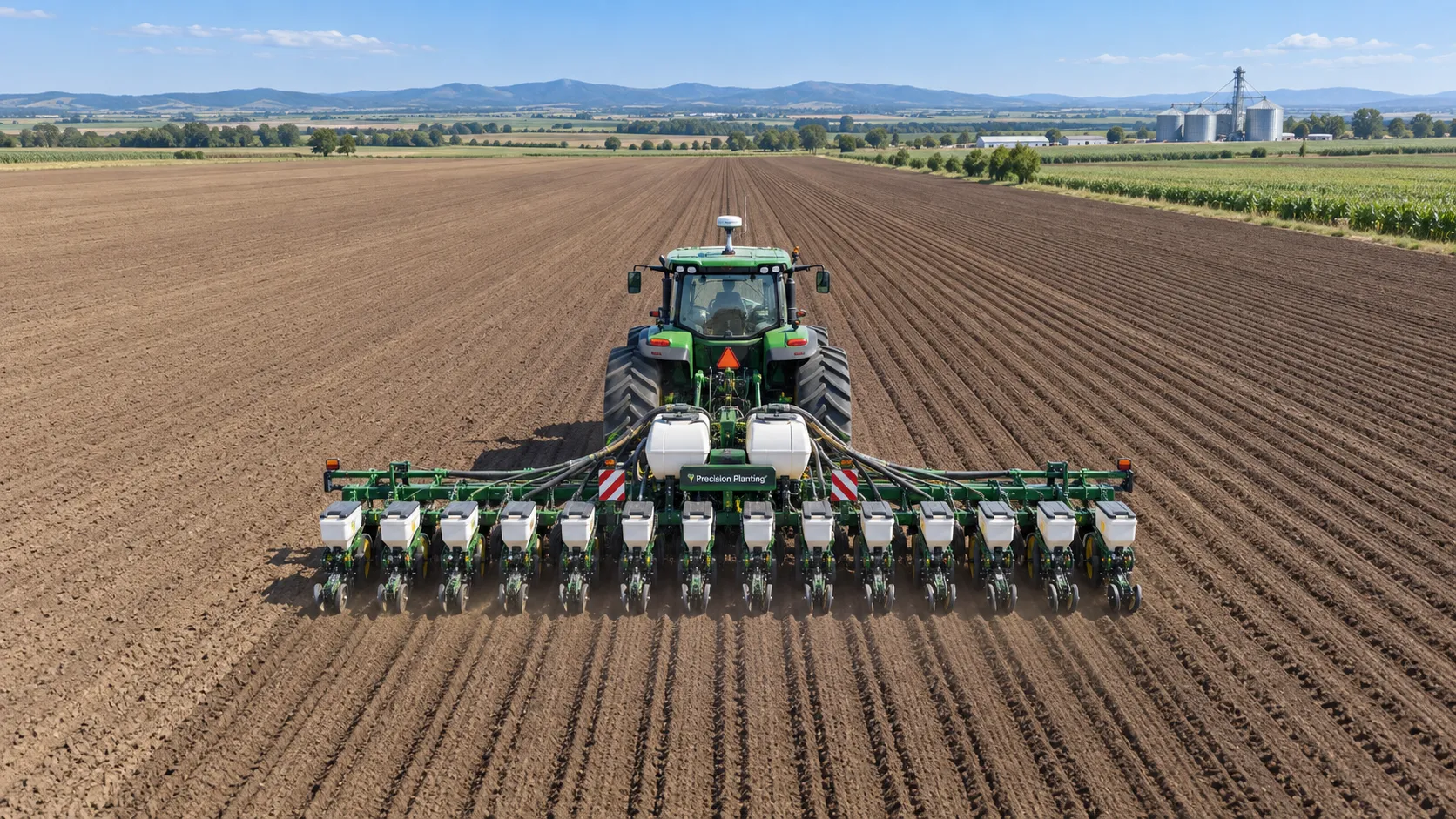
GPS-Guided Farm Machinery: Where It Delivers Measurable Field Efficiency Gains
Agri-mechanization GPS guided systems deliver measurable field efficiency gains through reduced overlap, precise planting, smarter inputs, and reliable farm data.
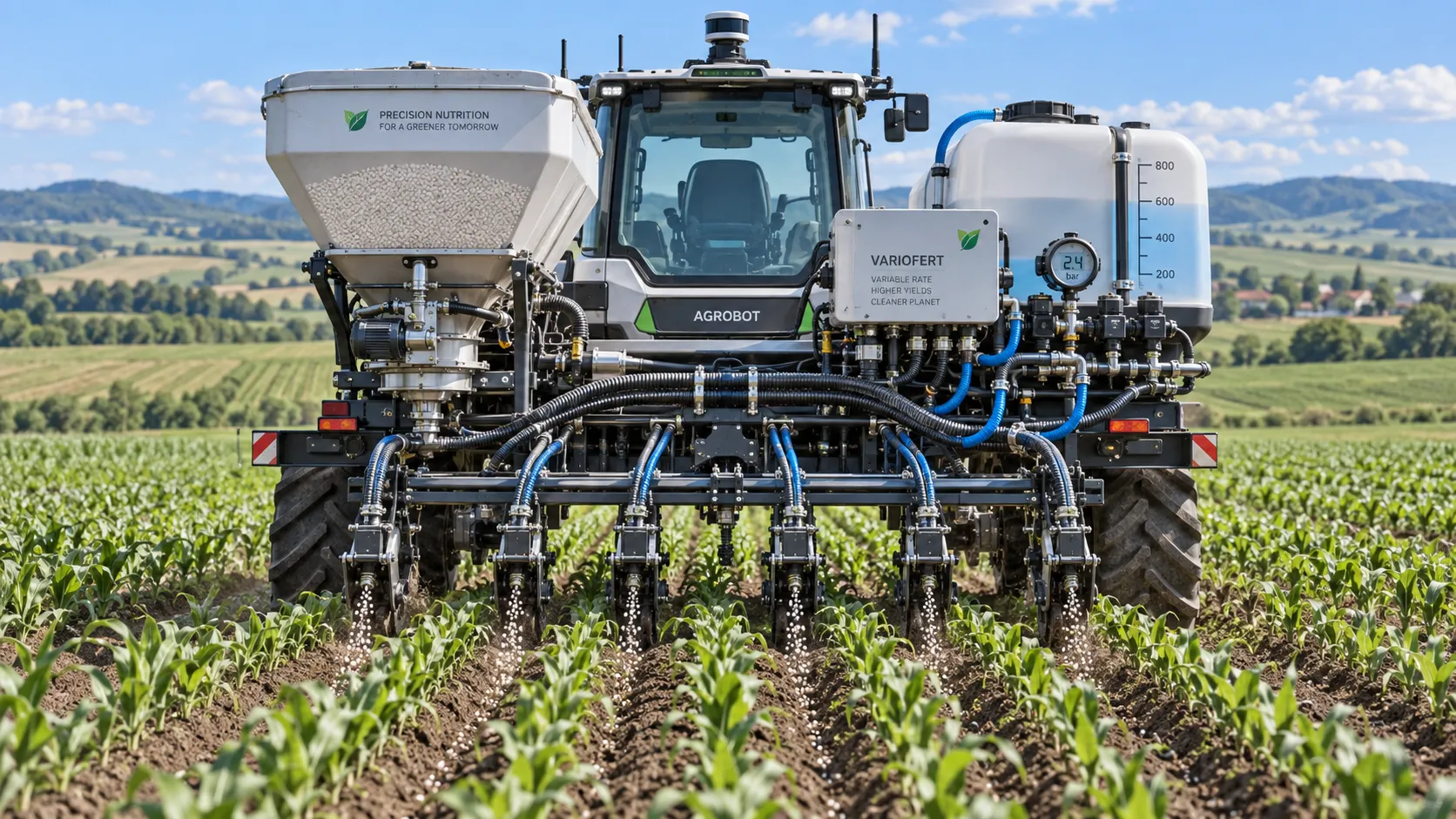
How Sensor Feedback Enables Accurate Variable-Rate Fertilization in Field Conditions
Precision fertilization systems with sensor feedback improve variable-rate accuracy by verifying flow, managing latency, and ensuring reliable field application.
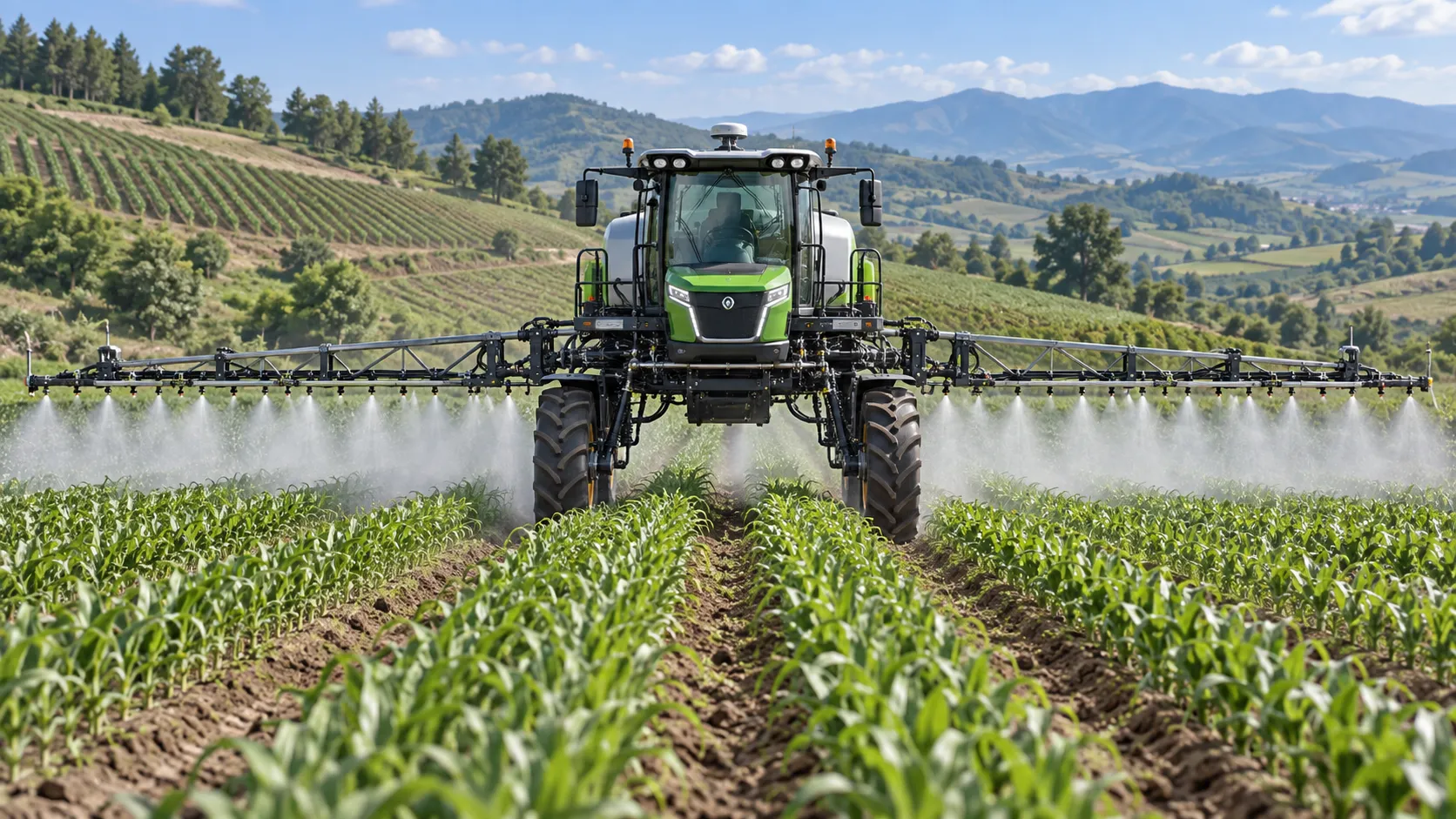
How to Select Precision Crop Protection Equipment for Variable Field Conditions
Precision crop protection equipment selection made simple: compare terrain, canopy, weather, control accuracy, and data workflows for reliable applications.

When Does Agricultural Machinery Leasing Cost Less Than Owning Equipment?
Agricultural machinery leasing can lower farm costs when use is seasonal or uncertain. Compare utilization, maintenance, cash flow, and risk to make a smarter equipment decision.

How to Evaluate Precision Fertilization System Suppliers for Farm-Scale Deployment
Precision fertilization systems suppliers: learn how to compare accuracy, integration, uptime, service, and total cost for confident farm-scale deployment.
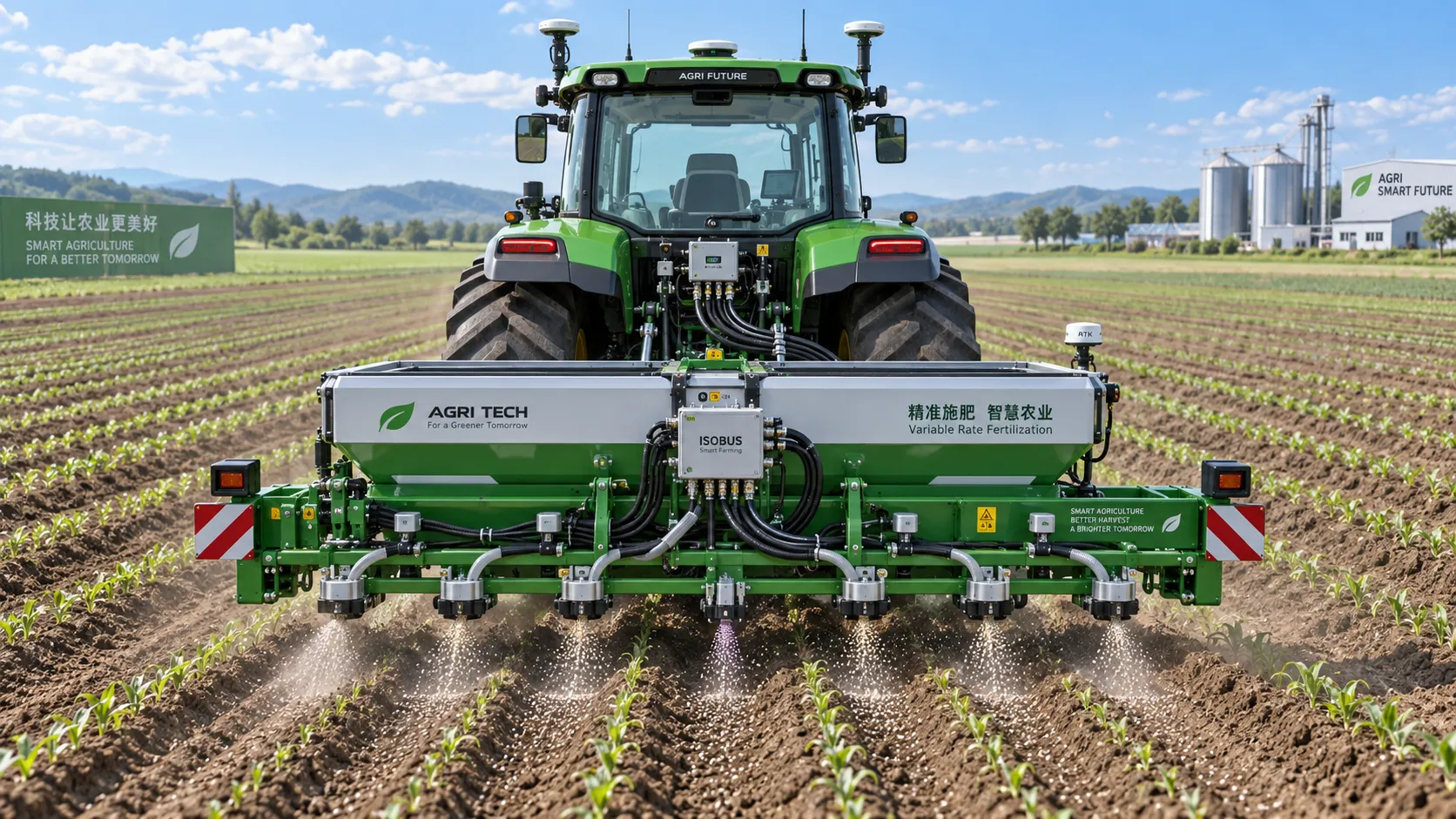
ISOBUS for Smart Agriculture: How It Connects Tractors, Implements, and Farm Data
ISOBUS for smart agriculture connects tractors, implements, terminals, and farm data—helping growers improve precision, documentation, and smarter field decisions.
Related News
- 00
0000-00
Climate-Smart Farming for Drought: A Practical Plan for Protecting Yields - 00
0000-00
Selecting Real-Time Soil Moisture Sensors for Irrigation Zone Control - 00
0000-00
How Does Climate-Smart Farming Reduce Water Use in Semi-Arid Areas? - 00
0000-00
USDA Rule Takes Effect: Dual FCC and NRCS Approval for Soil Moisture Sensors - 00
0000-00
EU Rule Takes Effect: Soil Moisture Sensors Need Revised CE-EMC Certification
Popular Tags
Hydrological Resource Strategist
Weekly Insights
Stay ahead with our curated technology reports delivered every Monday.