
How plant protection tech supports sustainable yields
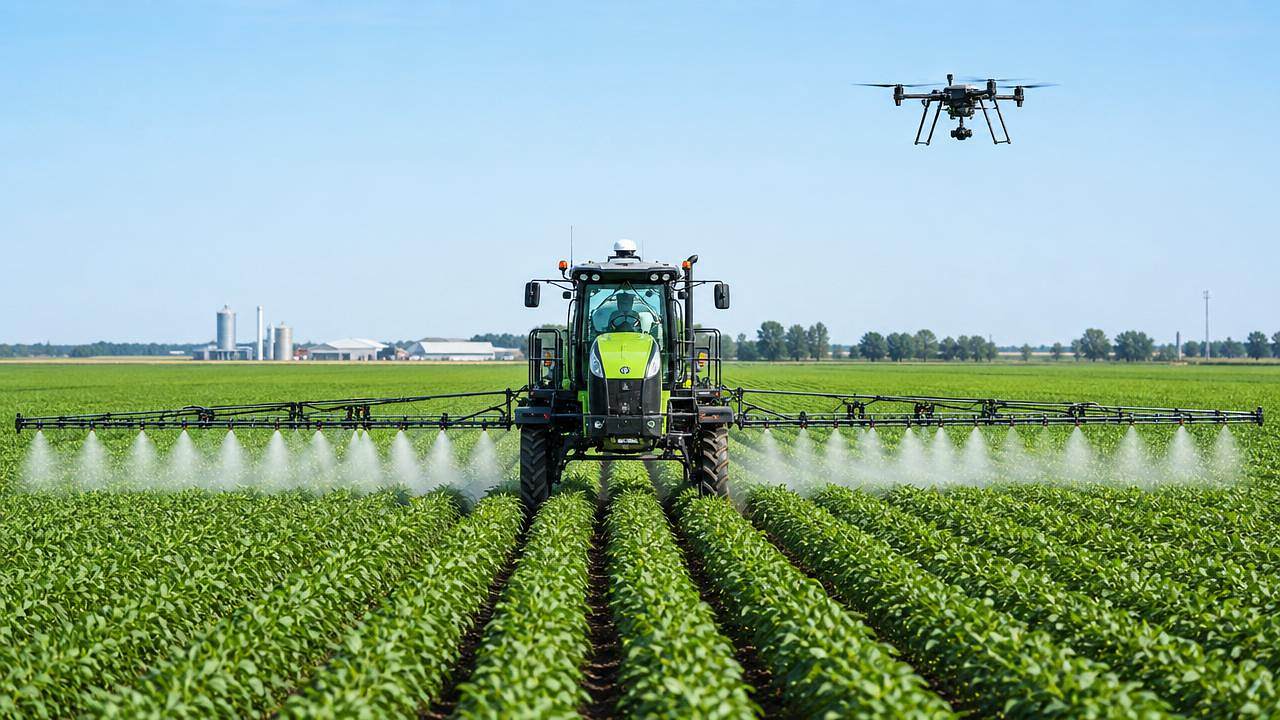




For enterprise decisions in Agriculture 4.0, plant protection technology for sustainable agriculture is no longer a narrow agronomy topic. It now connects yield stability, input control, equipment efficiency, compliance, and long-term land productivity.
Across large-scale operations, smarter crop protection helps reduce avoidable losses from weeds, insects, and disease. At the same time, it supports better use of water, chemicals, labor, and machine hours.
This matters in a market shaped by tighter residue rules, rising climate volatility, and pressure to prove sustainability performance. Plant protection technology for sustainable agriculture offers a practical path forward when chosen and managed correctly.
What does plant protection technology for sustainable agriculture actually include?
The term covers more than sprayers or pesticides. It includes the tools, data systems, and operating methods used to protect crops while limiting waste and ecological pressure.
In modern field operations, the main components often include:
- precision spraying systems with variable-rate control
- nozzle technologies for drift reduction
- sensor-based weed, pest, and disease detection
- GPS guidance and section control
- field mapping and prescription application software
- drones and remote crop monitoring platforms
- integrated pest management decision models
The sustainable value comes from precision. Instead of treating every hectare the same, systems identify where pressure exists, how severe it is, and what response is justified.
That shift changes crop protection from blanket application to targeted intervention. It lowers unnecessary doses, reduces overlap, and protects beneficial biology more effectively.
Why is this different from conventional crop protection?
Conventional programs often rely on fixed calendars and broad assumptions. Plant protection technology for sustainable agriculture relies more on field-level evidence, machine accuracy, and adaptive treatment timing.
This difference is important for large farms. Small inefficiencies in spray timing or coverage can multiply quickly across broad acreages and diverse crop zones.
How does this technology support sustainable yields instead of only reducing inputs?
A common mistake is to frame sustainability as simple input reduction. In practice, the goal is better biological protection with fewer wasted resources and fewer preventable yield losses.
Sustainable yields depend on crop health across the full season. Early detection and precise treatment can protect canopy function, root vigor, pollination, and grain filling.
The strongest performance usually appears in five areas:
- Lower disease spread through earlier intervention.
- Reduced chemical overuse from exact targeting.
- Better spray coverage through pressure and nozzle optimization.
- Less crop stress from fewer repeated passes.
- Higher operational consistency across variable field conditions.
For example, spot spraying on weed patches can preserve herbicide efficacy while cutting total volume. Sensor-driven fungicide timing can also prevent avoidable damage before symptoms become visible from the cab.
Plant protection technology for sustainable agriculture also supports stewardship goals. Reduced drift, better calibration, and traceable application records strengthen environmental performance and regulatory readiness.
Which field scenarios benefit most from advanced plant protection systems?
Not every field needs the same level of digital intensity. However, several operating conditions consistently show strong value from plant protection technology for sustainable agriculture.
1. Large and fragmented land bases
When fields vary in shape, soil, drainage, and pest pressure, generalized application becomes costly. Precision systems bring consistency without forcing uniform treatment across unequal conditions.
2. Regions with climate volatility
Erratic rainfall, wind shifts, and heat stress can narrow spray windows. Data-linked monitoring helps teams react faster and use the best available treatment timing.
3. High-value or disease-sensitive crops
Crops with narrow tolerance for infection or residue issues benefit strongly from accurate dose control, canopy penetration, and recordkeeping.
4. Operations under compliance pressure
Export-oriented production often needs stronger traceability. Digitized plant protection records support audits, market access, and clearer sustainability reporting.
In these scenarios, plant protection technology for sustainable agriculture becomes a management system, not just an equipment upgrade.
How should decision-makers evaluate different plant protection technologies?
Selection should start with operational goals, not brand claims. The right system depends on crop mix, field size, treatment frequency, labor skills, and existing machinery compatibility.
A practical evaluation framework includes the following questions:
When possible, compare technologies under real field variability. Demonstration plots, seasonal pilots, and machine data logs usually reveal more than brochures.
What signals a strong long-term fit?
Look for systems that improve decisions, not only hardware specifications. The best plant protection technology for sustainable agriculture usually combines agronomic insight, machine control, and reliable traceability.
What are the biggest implementation risks and common misconceptions?
One risk is assuming technology alone guarantees sustainability. Without calibration, training, and agronomic discipline, even advanced systems can produce drift, misses, resistance pressure, or uneven coverage.
Another misconception is that sustainable plant protection always means lower short-term cost. In many cases, the first gains appear as more stable performance, fewer losses, and better compliance.
Watch for these common mistakes:
- choosing tools without a field mapping baseline
- ignoring nozzle maintenance and spray quality checks
- treating sensor outputs as perfect without validation
- underestimating training and workflow redesign
- separating crop protection data from irrigation and nutrition data
This last point is often overlooked. In Agriculture 4.0, crop stress rarely comes from one factor. Disease pressure, water status, nutrition, and canopy density often interact.
That is why plant protection technology for sustainable agriculture works best inside a broader precision system. It should align with irrigation planning, machinery logistics, and field intelligence reporting.
How can organizations plan adoption, timing, and return on investment?
A phased approach is usually more effective than a full replacement cycle. Start with the applications where variability, waste, or disease risk is already measurable.
A simple adoption path may look like this:
- Audit current application accuracy, overlap, and loss points.
- Identify crops or zones with the highest protection volatility.
- Pilot one precision layer, such as section control or sensor scouting.
- Track yield protection, chemical use, labor time, and compliance metrics.
- Scale only after seasonal evidence confirms value.
Return on investment should include more than chemical savings. Consider reduced rework, lower drift incidents, stronger market access, equipment efficiency, and improved resilience under unstable weather.
Plant protection technology for sustainable agriculture is becoming a core capability for modern field performance. It protects yield, improves resource efficiency, and supports a more accountable production model.
The most effective strategies connect crop protection with machinery intelligence, precision agronomy, and water management. That integrated view is central to long-term resilience in global agriculture.
To move from concept to results, begin with a field-level audit, validate decision data, and prioritize technologies that fit existing operations. Sustainable yields are built through measurable precision, not assumptions.
Related News
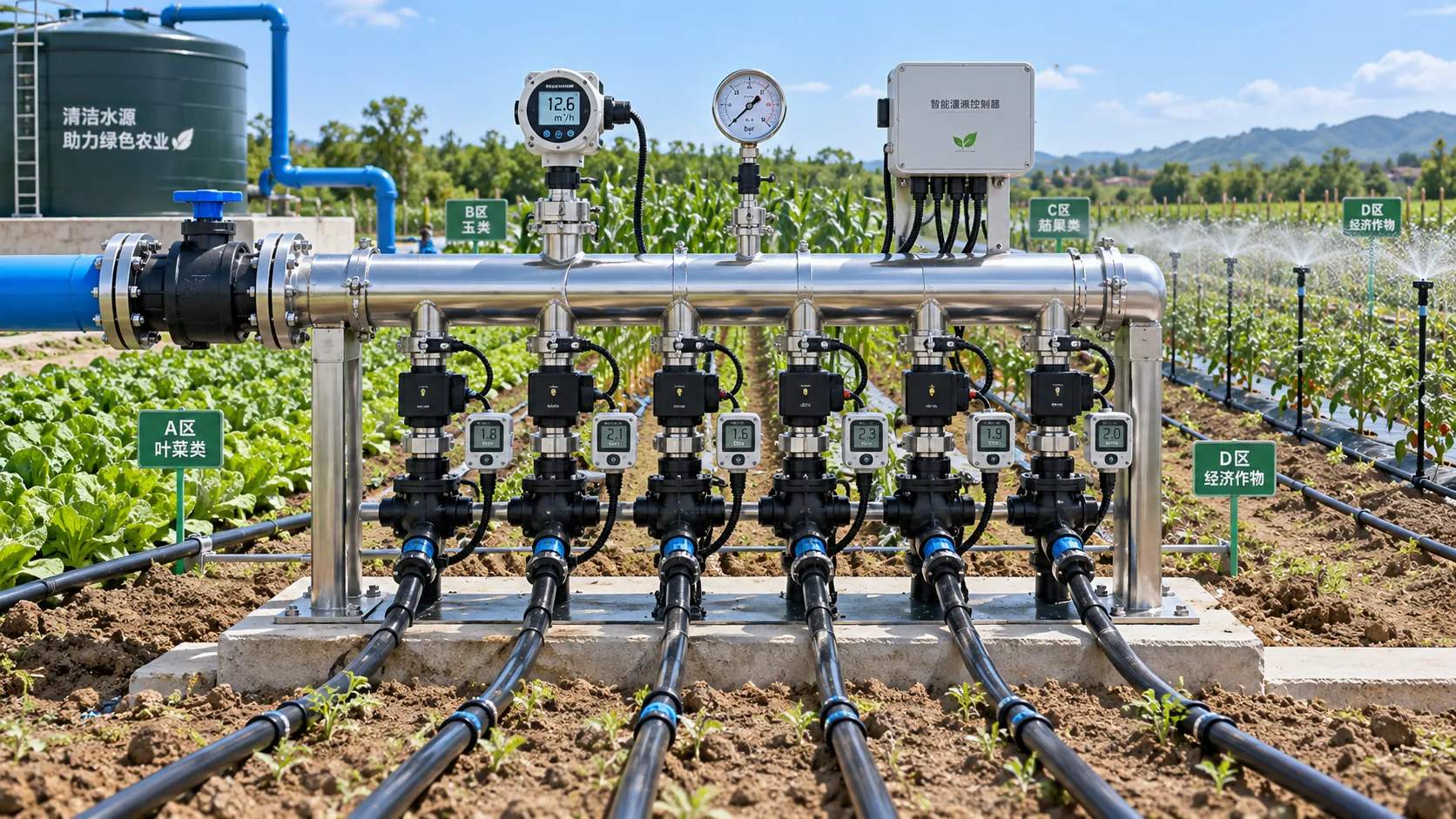
How to Select Smart Irrigation Valves for Multi-Zone Water Management?
Intelligent irrigation systems valves: learn how to match smart valves with multi-zone flow, pressure, control, feedback, and communication needs for reliable water management.
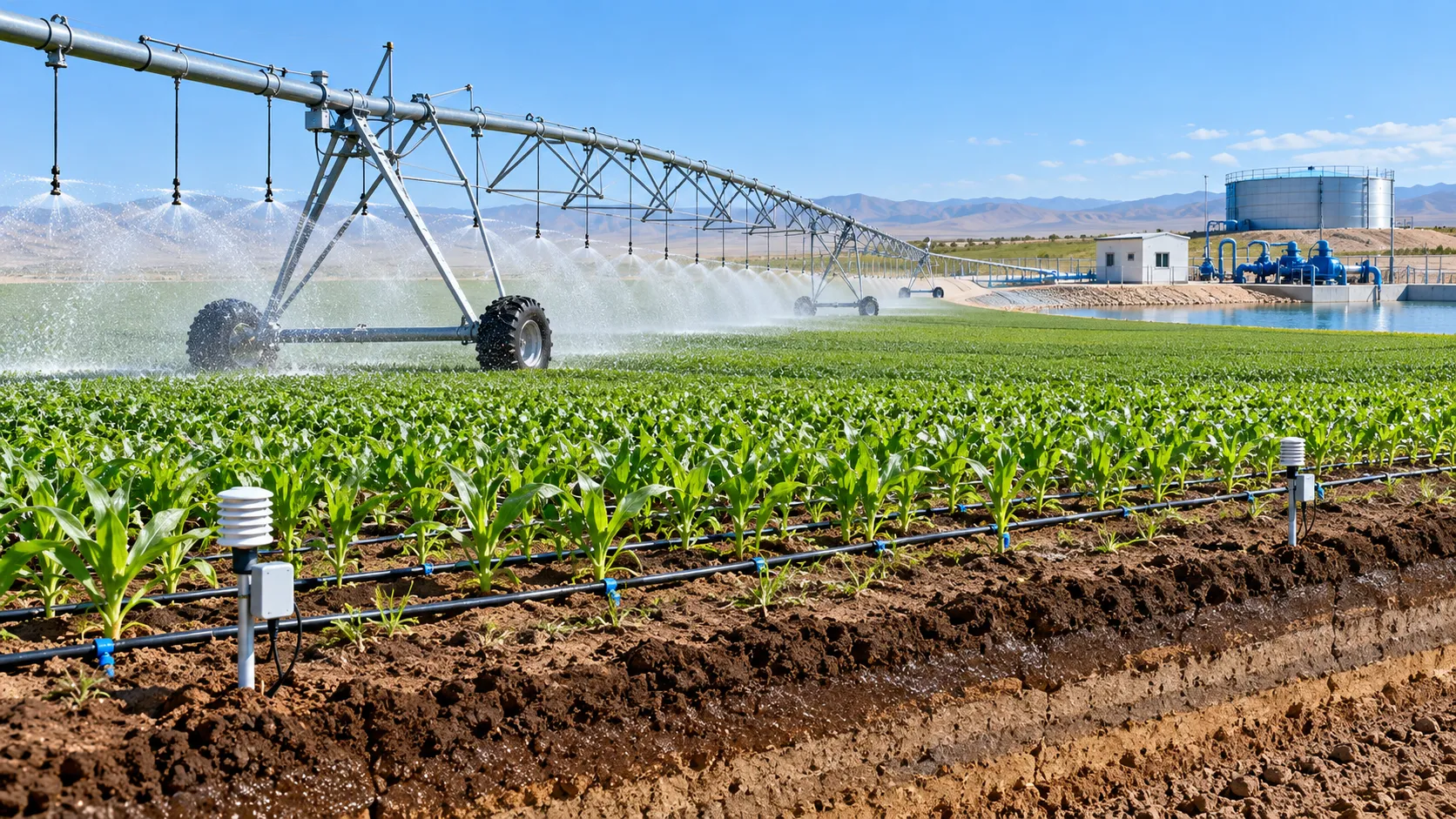
Climate-Smart Farming for Drought: A Practical Plan for Protecting Yields
Climate-smart farming for drought: build smarter water budgets, protect critical crop stages, improve irrigation uniformity, and safeguard yields with practical field-proven strategies.
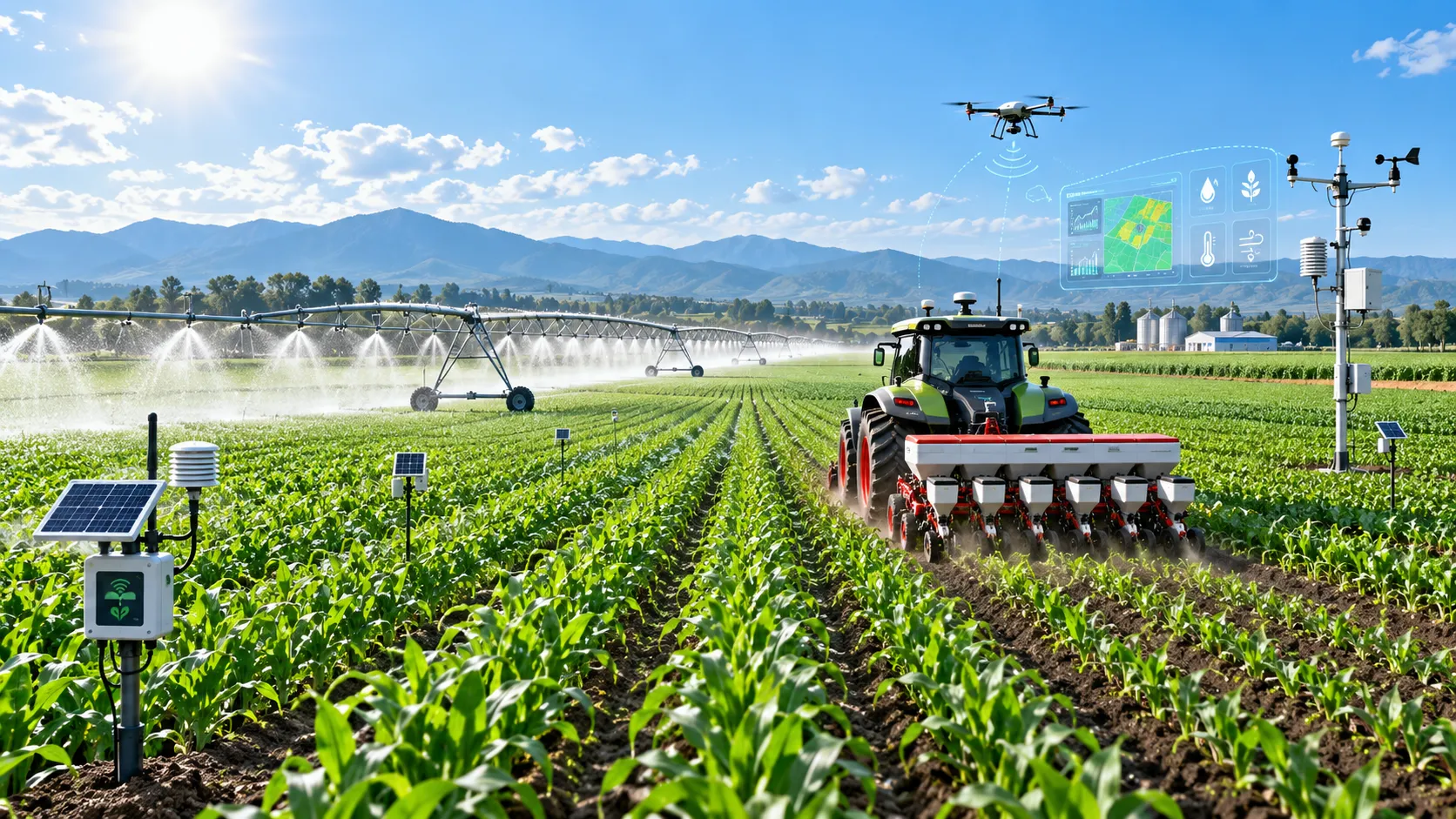
How Digital Agriculture Platforms Turn Field Data Into Better Input Decisions
Digital agriculture platforms turn field data into smarter fertilizer, water, seed, and equipment decisions—helping farms cut risk, improve margins, and scale sustainability.
GPS-Guided Farm Machinery: Where It Delivers Measurable Field Efficiency Gains
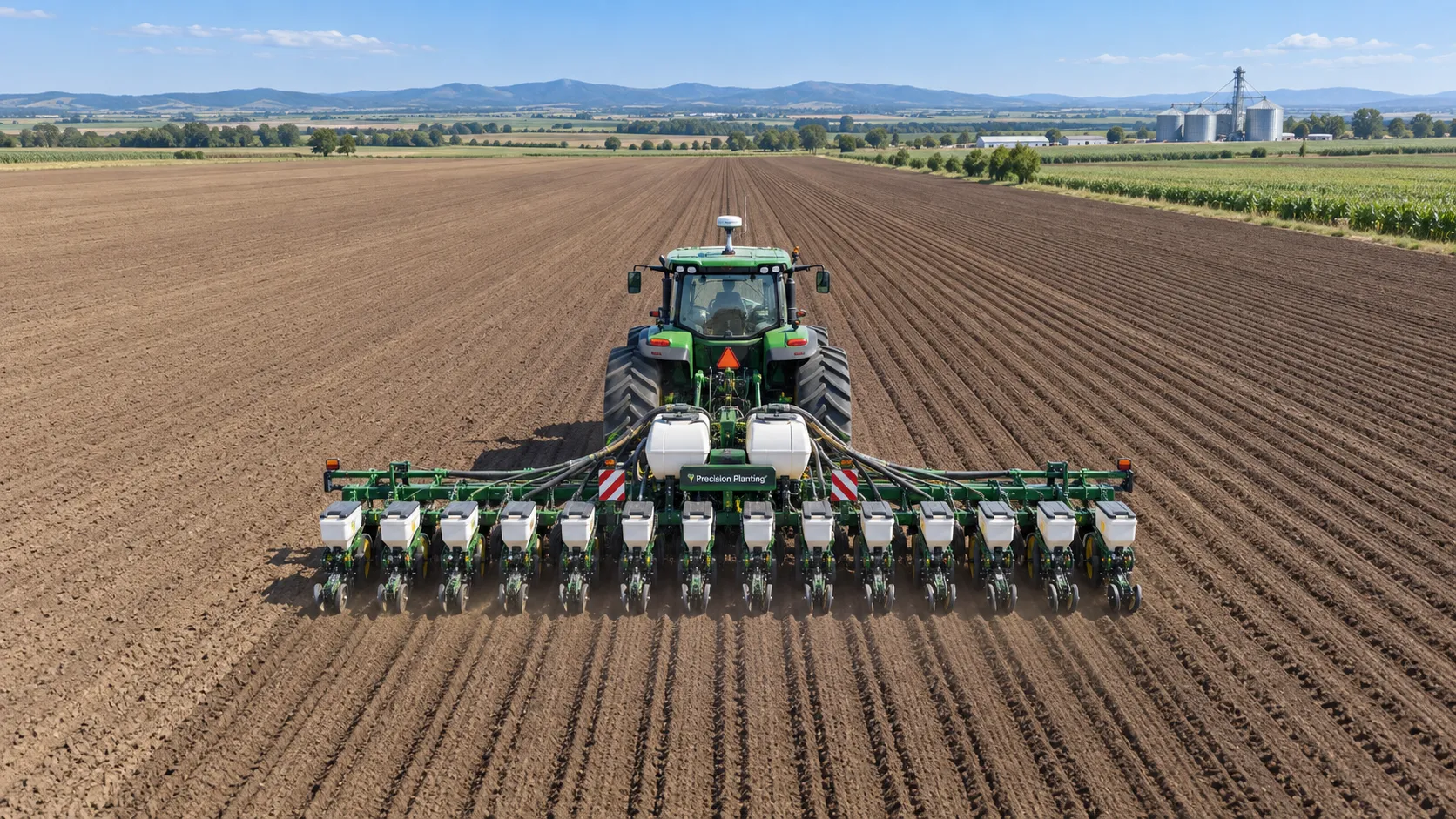
Agri-mechanization GPS guided systems deliver measurable field efficiency gains through reduced overlap, precise planting, smarter inputs, and reliable farm data.
How Sensor Feedback Enables Accurate Variable-Rate Fertilization in Field Conditions
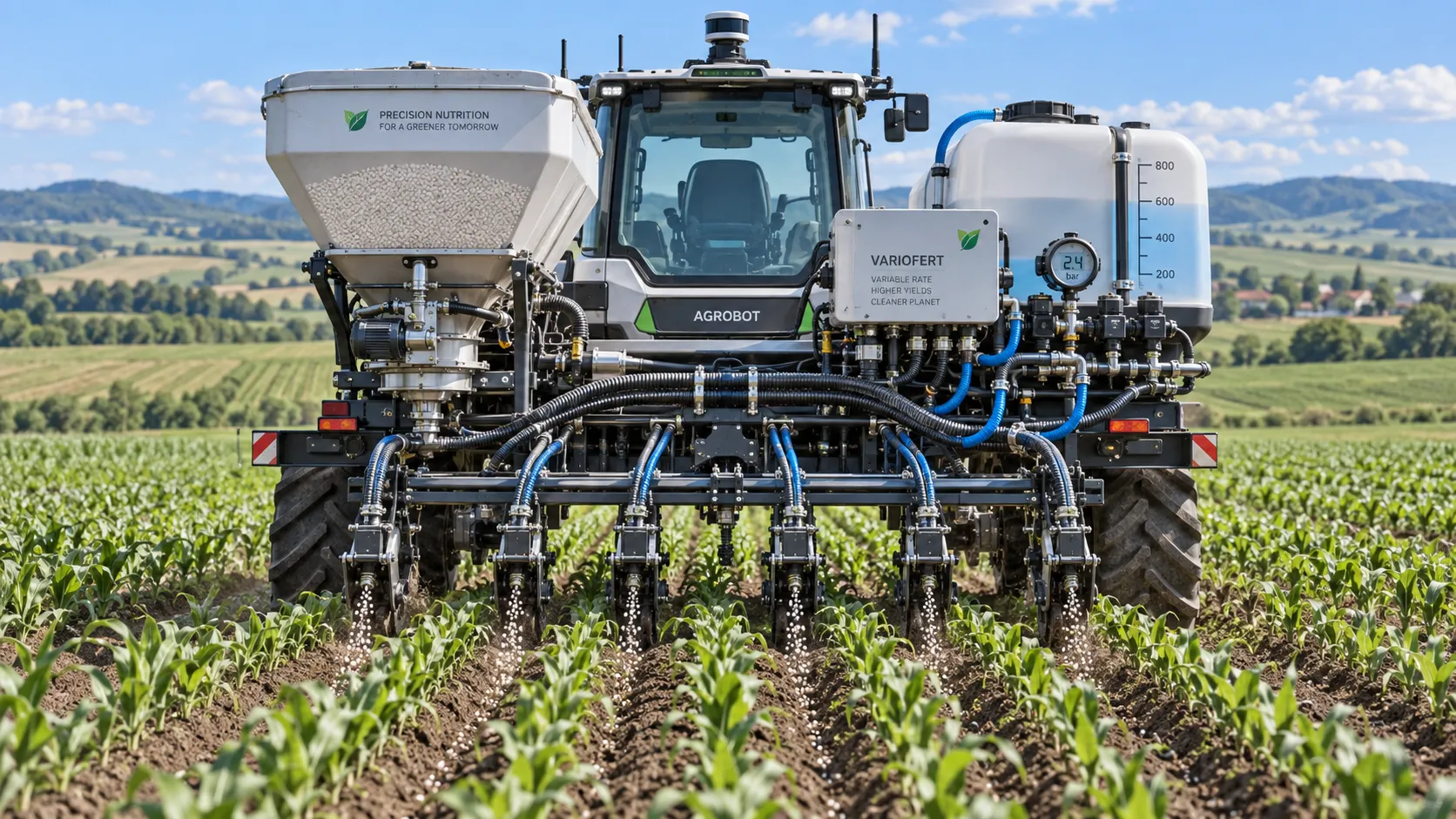
Precision fertilization systems with sensor feedback improve variable-rate accuracy by verifying flow, managing latency, and ensuring reliable field application.
How to Select Precision Crop Protection Equipment for Variable Field Conditions
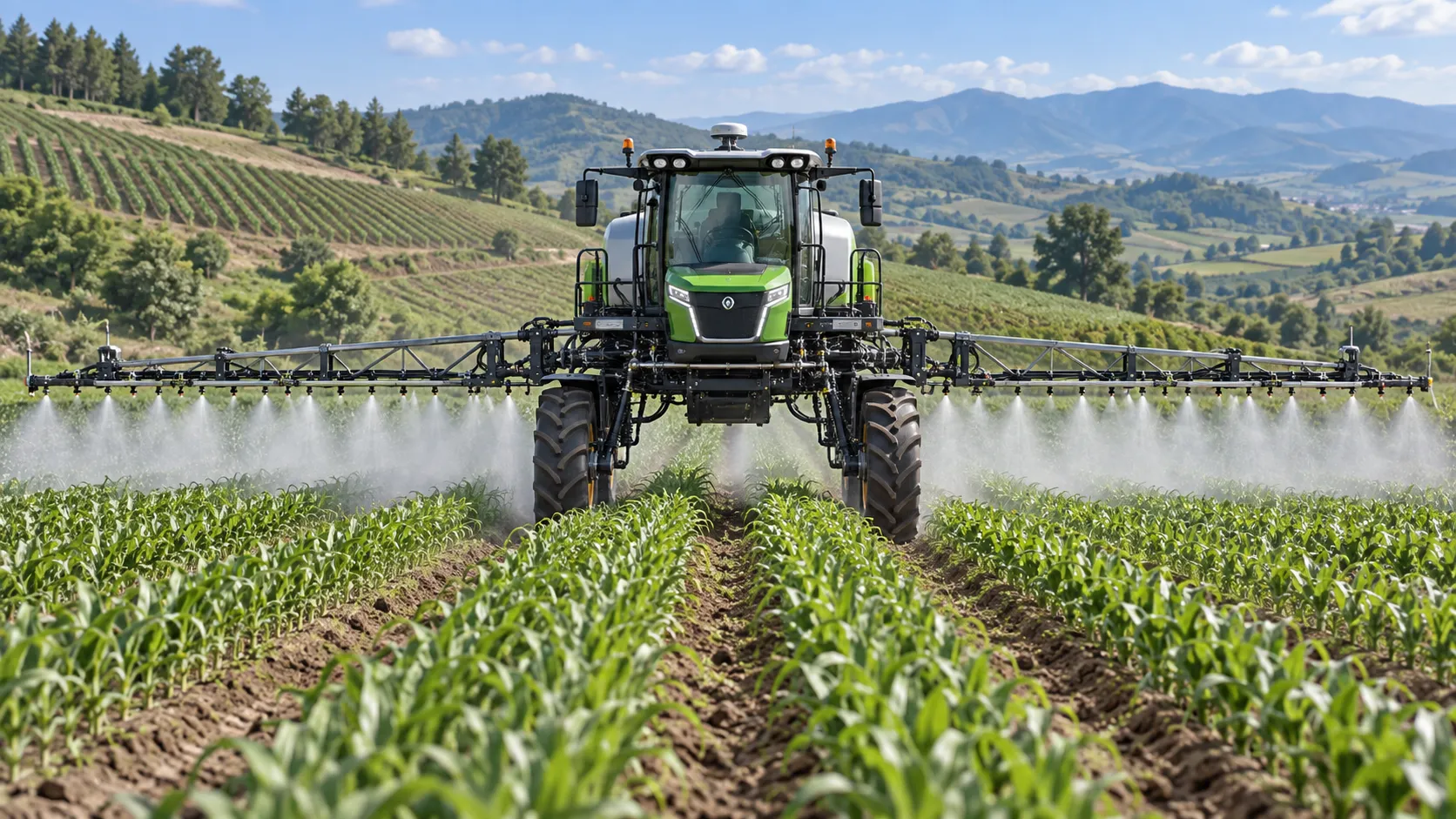
Precision crop protection equipment selection made simple: compare terrain, canopy, weather, control accuracy, and data workflows for reliable applications.
When Does Agricultural Machinery Leasing Cost Less Than Owning Equipment?
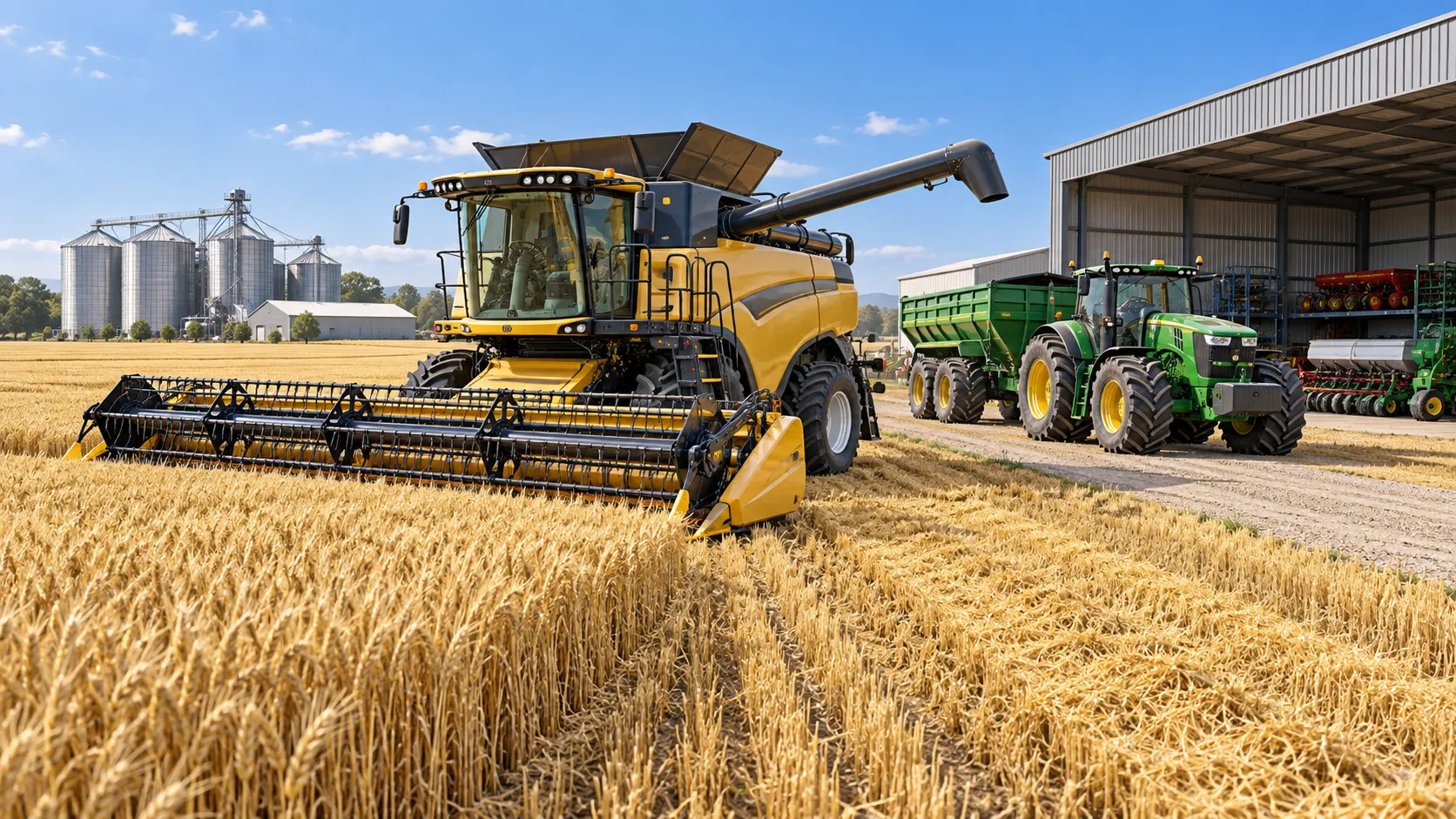
Agricultural machinery leasing can lower farm costs when use is seasonal or uncertain. Compare utilization, maintenance, cash flow, and risk to make a smarter equipment decision.
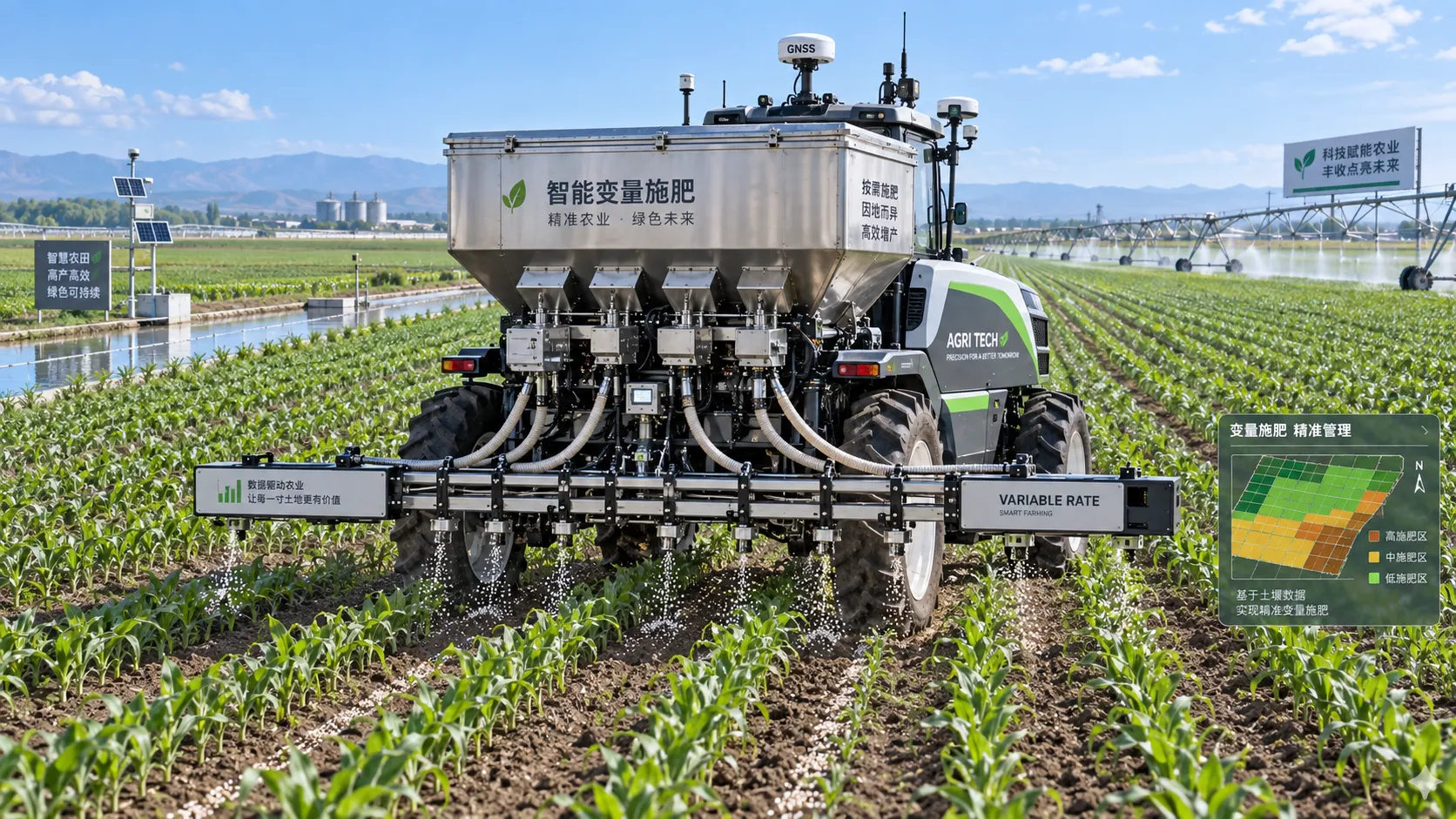
How to Evaluate Precision Fertilization System Suppliers for Farm-Scale Deployment
Precision fertilization systems suppliers: learn how to compare accuracy, integration, uptime, service, and total cost for confident farm-scale deployment.
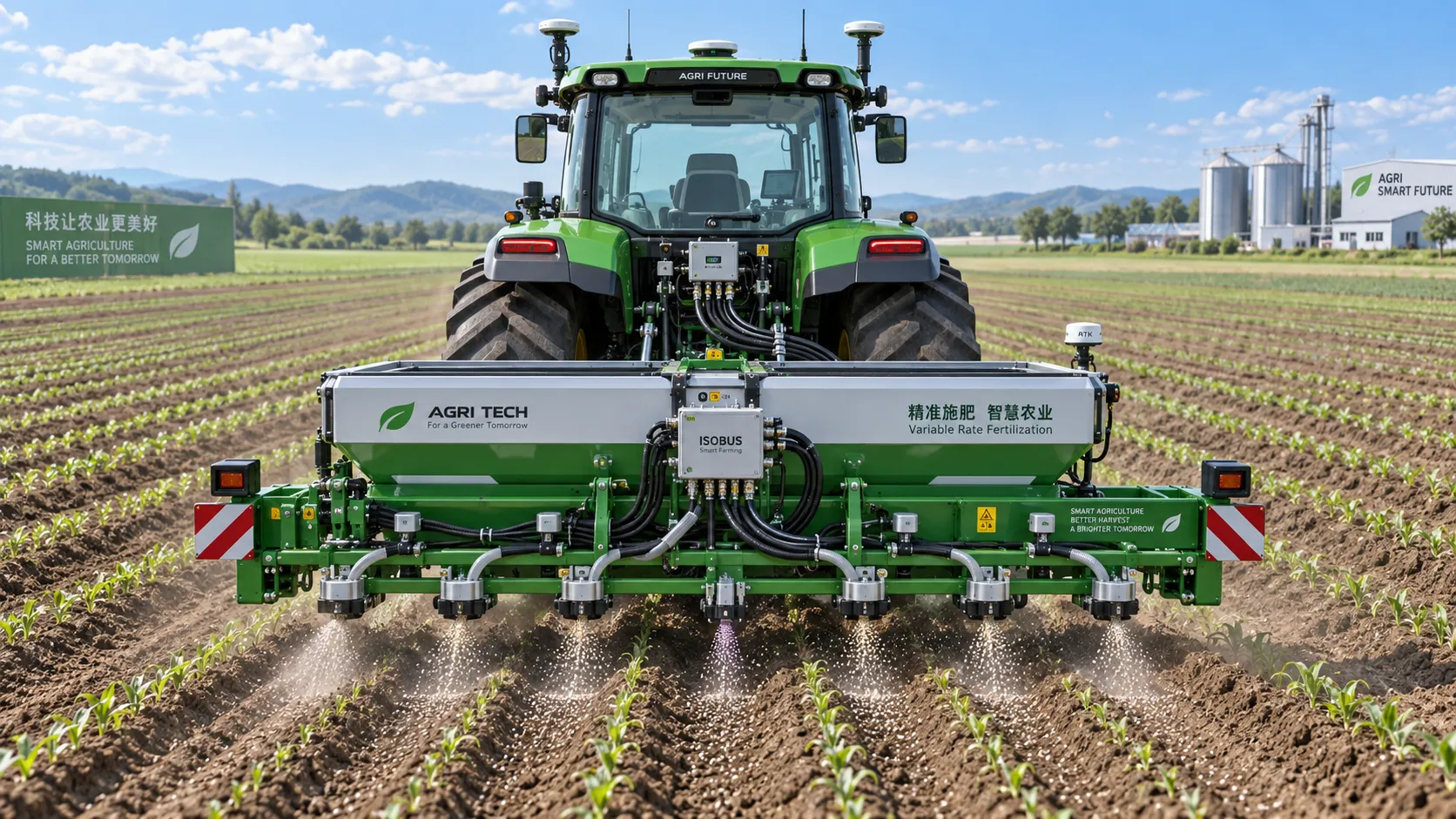
ISOBUS for Smart Agriculture: How It Connects Tractors, Implements, and Farm Data
ISOBUS for smart agriculture connects tractors, implements, terminals, and farm data—helping growers improve precision, documentation, and smarter field decisions.
Related News
- 00
0000-00
How to Choose Plant Protection Equipment for Vineyard Pests - 00
0000-00
How to Read Agricultural Equipment Specifications for Sprayers Before You Compare Models - 00
0000-00
BIS Extends Fast-Track Approval for Self-Propelled Sprayers - 00
0000-00
Intelligent Sprayer Technology: Which Functions Matter Most for Field Efficiency? - 00
0000-00
How to Choose Plant Protection Equipment for Orchards by Tree Height, Row Spacing, and Spray Drift
Popular Tags
Agri-Mechanization Fellow
Weekly Insights
Stay ahead with our curated technology reports delivered every Monday.