
GB/T 43215-2026: First National Standard for Agricultural Battery Swap Interfaces Released
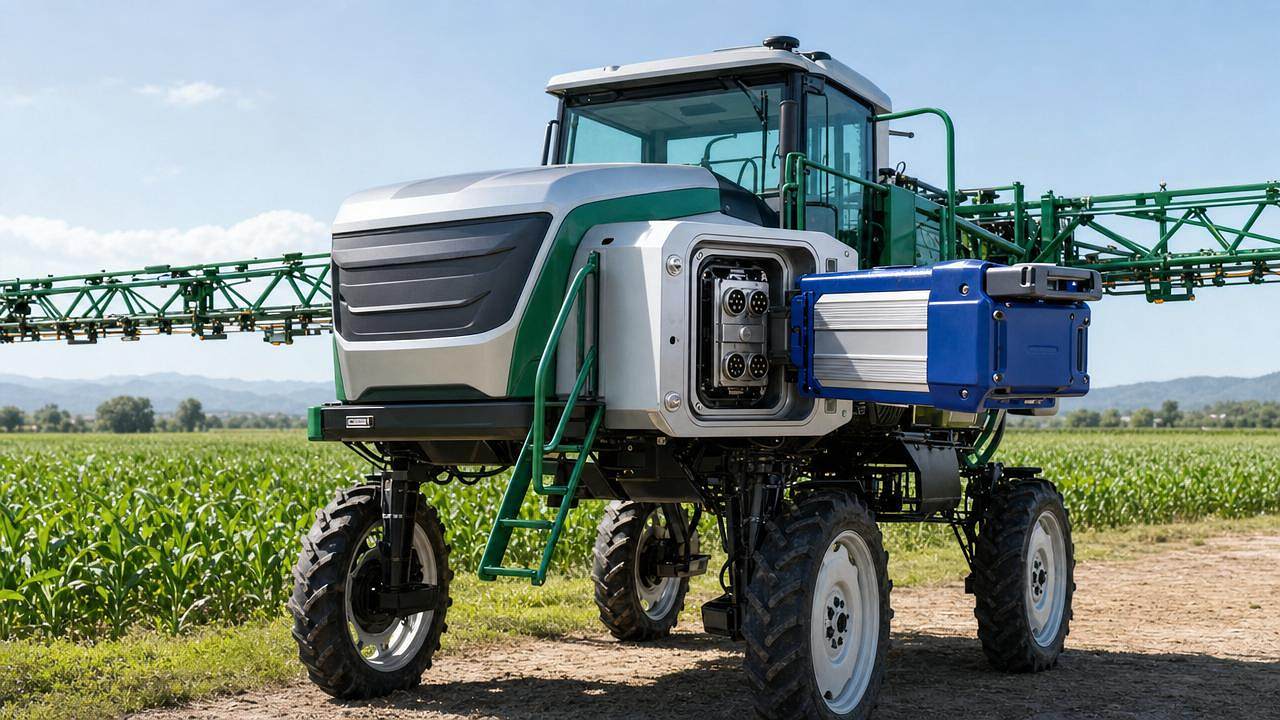




On May 17, 2026, the Ministry of Industry and Information Technology (MIIT) officially released GB/T 43215-2026 — Technical Specification for Quick-Swap Interfaces of Power Batteries for Agricultural Machinery — at the closing ceremony of the 18th Shenzhen International Battery Exhibition (BIT Show). This standard applies to self-propelled sprayers, autonomous agricultural robots, and electric tractors. It specifies physical dimensions, electrical communication protocols, and safety interlock mechanisms for battery quick-swap interfaces. As the world’s first national-level standard unifying battery interface specifications for agricultural electrification, it takes effect on November 1, 2026. Stakeholders in agricultural machinery manufacturing, battery system integration, precision farming equipment distribution, and rural EV infrastructure development should closely monitor its implementation implications.
Event Overview
On May 17, 2026, during the closing ceremony of the 18th Shenzhen International Battery Exhibition (BIT Show), the Ministry of Industry and Information Technology formally published GB/T 43215-2026. The standard defines technical requirements for quick-swap battery interfaces used in self-propelled sprayers, autonomous robots, and electric tractors — covering mechanical dimensions, electrical signaling protocols, and safety-related interlock logic. Its official implementation date is set for November 1, 2026. No further details regarding transitional provisions, conformity assessment procedures, or certification pathways have been publicly disclosed as of the release date.
Industries Affected
Electric Agricultural Machinery Manufacturers
Manufacturers of self-propelled sprayers, electric tractors, and autonomous field robots are directly affected because the standard mandates hardware and firmware compatibility for battery interchangeability. Impact manifests primarily in product redesign timelines, component sourcing constraints, and validation testing requirements ahead of the November 2026 enforcement date.
Battery Pack Integrators & Module Suppliers
Suppliers providing battery systems for agricultural applications must align cell-to-pack architecture, connector placement, thermal management layout, and CAN/FlexRay communication layers with GB/T 43215-2026. Impact includes revised mechanical interface tooling, updated BMS firmware stacks, and potential requalification of existing module designs for interlock compliance.
Distribution & Aftermarket Service Providers
Companies operating battery-swapping stations, spare-part inventories, or field service networks for electric farm equipment face operational adjustments. Impact centers on inventory standardization (e.g., phasing out non-compliant interface variants), technician training on new interlock diagnostics, and logistics planning for certified replacement packs post-November 2026.
Rural Charging & Swapping Infrastructure Developers
Developers deploying battery-swapping kiosks or modular energy hubs in agricultural zones must ensure station-level interface hardware, power-handling circuits, and safety monitoring systems conform to the standard’s mechanical and electrical specifications. Impact involves design revisions to docking mechanisms, protocol translation gateways, and fail-safe response timing calibration.
Key Considerations and Recommended Actions
Monitor official MIIT guidance on conformity assessment and certification timelines
The standard’s publication does not yet include a formal conformity assessment framework or designated certification bodies. Enterprises should track upcoming MIIT notices or announcements from the Standardization Administration of China (SAC) regarding mandatory certification scope, testing lab accreditation, and possible pilot verification programs before November 2026.
Review current platform architectures against GB/T 43215-2026’s mechanical and electrical clauses
Manufacturers and integrators should conduct gap analyses focusing specifically on connector geometry (e.g., mating force, pin count, keying features), communication protocol definitions (e.g., handshake sequence, state reporting frequency), and interlock signal latency thresholds — rather than relying on general EV or industrial battery standards as proxies.
Distinguish between regulatory signal and near-term procurement impact
Although the standard takes effect in November 2026, procurement decisions made in Q3–Q4 2026 may already reflect pre-compliance requirements. Buyers should clarify with suppliers whether newly ordered battery systems or machines are designed to meet GB/T 43215-2026, particularly where multi-year delivery schedules or long-lead components are involved.
Initiate cross-functional alignment on interface documentation and supplier communication
Engineering, procurement, and quality assurance teams should jointly define internal checklists for GB/T 43215-2026 compliance verification — including dimensional inspection plans, protocol conformance test cases, and interlock functional safety validation steps — and share these with Tier-1 suppliers by Q3 2026 to avoid delays in pilot production runs.
Editorial Perspective / Industry Observation
Observably, GB/T 43215-2026 functions primarily as a foundational interoperability signal rather than an immediate market gatekeeper. Its significance lies less in immediate enforcement and more in establishing a binding reference point for R&D roadmaps, supply chain coordination, and future subsidy eligibility criteria for electric agricultural equipment in China. Analysis shows that adoption will likely follow a phased pattern: early-mover OEMs may integrate compliant interfaces ahead of schedule to secure preferential policy treatment, while others may rely on transitional allowances — if introduced — during the six-month window before enforcement. From an industry perspective, this standard marks the beginning of formalized technical harmonization in agricultural electrification, shifting focus from isolated battery performance metrics toward system-level compatibility and serviceability.
Conclusion
This standard represents the first nationally mandated technical framework for battery interchangeability in mechanized agriculture. It does not yet mandate retrofitting of existing fleets or prohibit non-compliant sales before November 2026. Rather, it sets a clear, time-bound direction for product development, supply chain alignment, and infrastructure planning. Currently, it is more appropriately understood as a strategic coordination mechanism — one that signals growing institutional prioritization of operational efficiency and lifecycle serviceability in China’s agricultural electrification transition.
Information Sources
Main source: Official announcement issued by the Ministry of Industry and Information Technology (MIIT) at the 18th Shenzhen International Battery Exhibition (BIT Show), May 17, 2026.
Note: Details regarding conformity assessment procedures, certification body designation, and potential transitional measures remain pending and require continued observation.
Related News
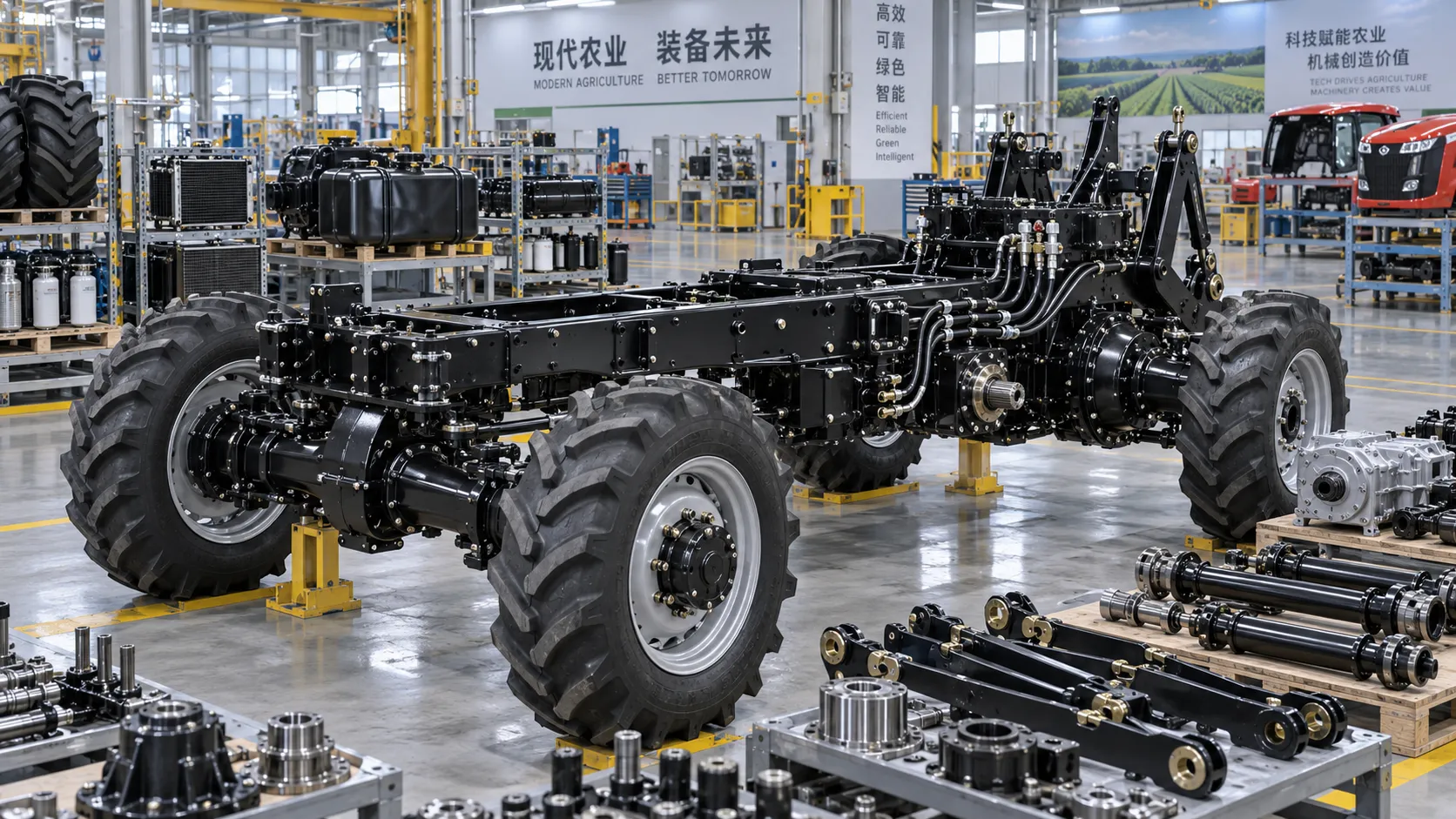
Tractor Chassis Price: What Buyers Should Compare Beyond the Initial Quote
Tractor chassis price is only the start. Compare load capacity, compatibility, durability, and lifecycle costs to choose a reliable, high-value chassis.
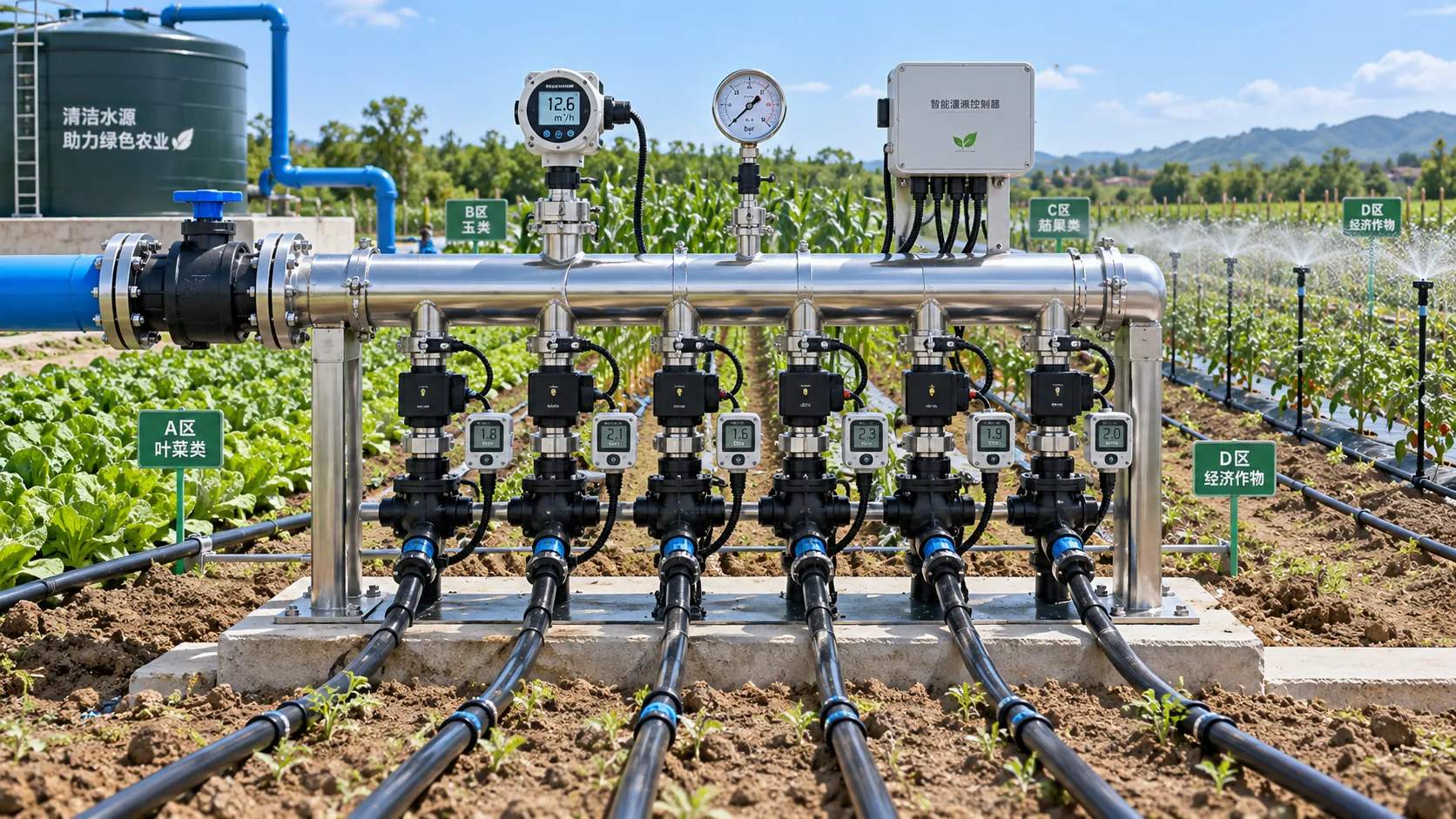
How to Select Smart Irrigation Valves for Multi-Zone Water Management?
Intelligent irrigation systems valves: learn how to match smart valves with multi-zone flow, pressure, control, feedback, and communication needs for reliable water management.
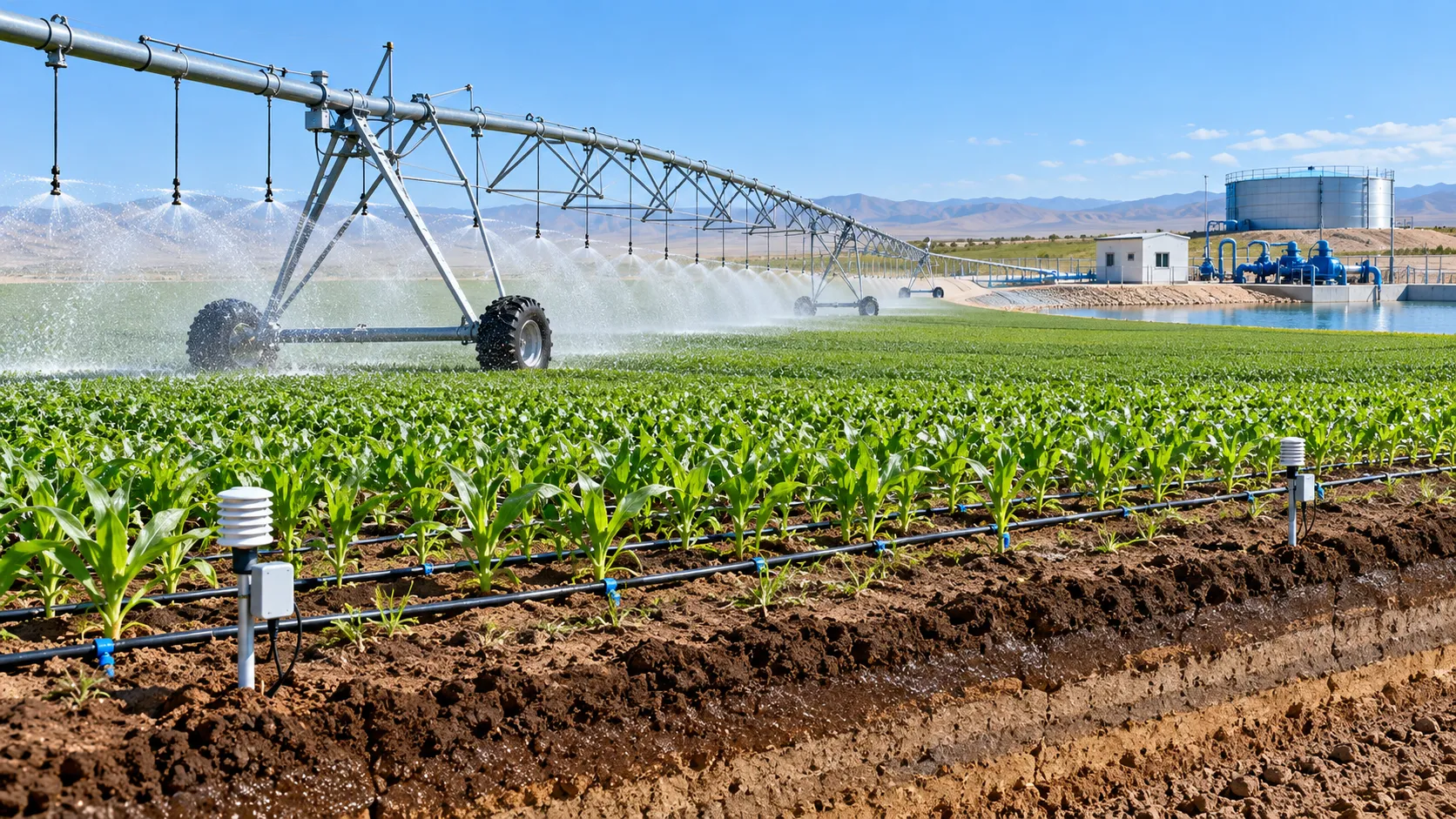
Climate-Smart Farming for Drought: A Practical Plan for Protecting Yields
Climate-smart farming for drought: build smarter water budgets, protect critical crop stages, improve irrigation uniformity, and safeguard yields with practical field-proven strategies.

How Digital Agriculture Platforms Turn Field Data Into Better Input Decisions
Digital agriculture platforms turn field data into smarter fertilizer, water, seed, and equipment decisions—helping farms cut risk, improve margins, and scale sustainability.
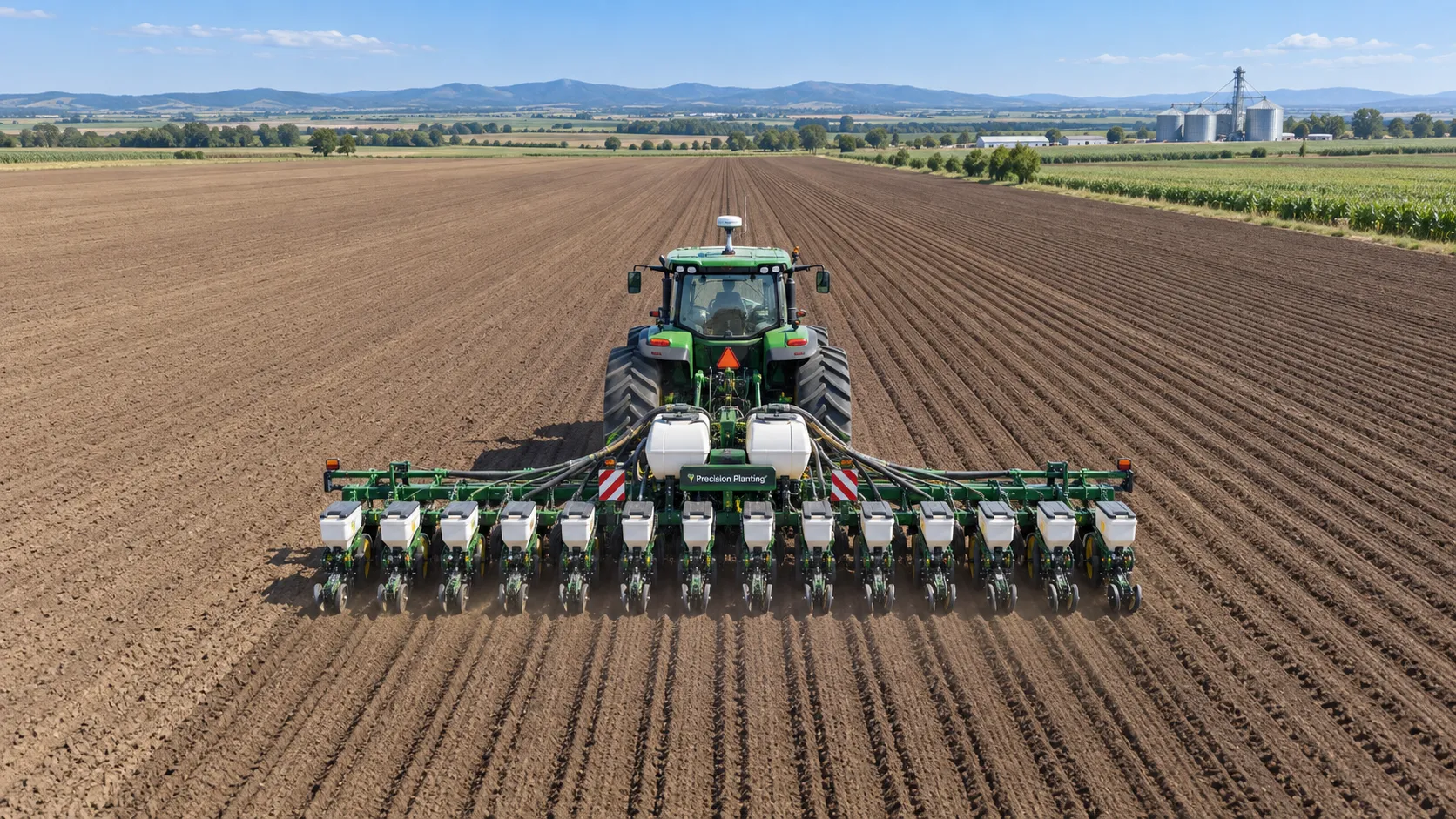
GPS-Guided Farm Machinery: Where It Delivers Measurable Field Efficiency Gains
Agri-mechanization GPS guided systems deliver measurable field efficiency gains through reduced overlap, precise planting, smarter inputs, and reliable farm data.
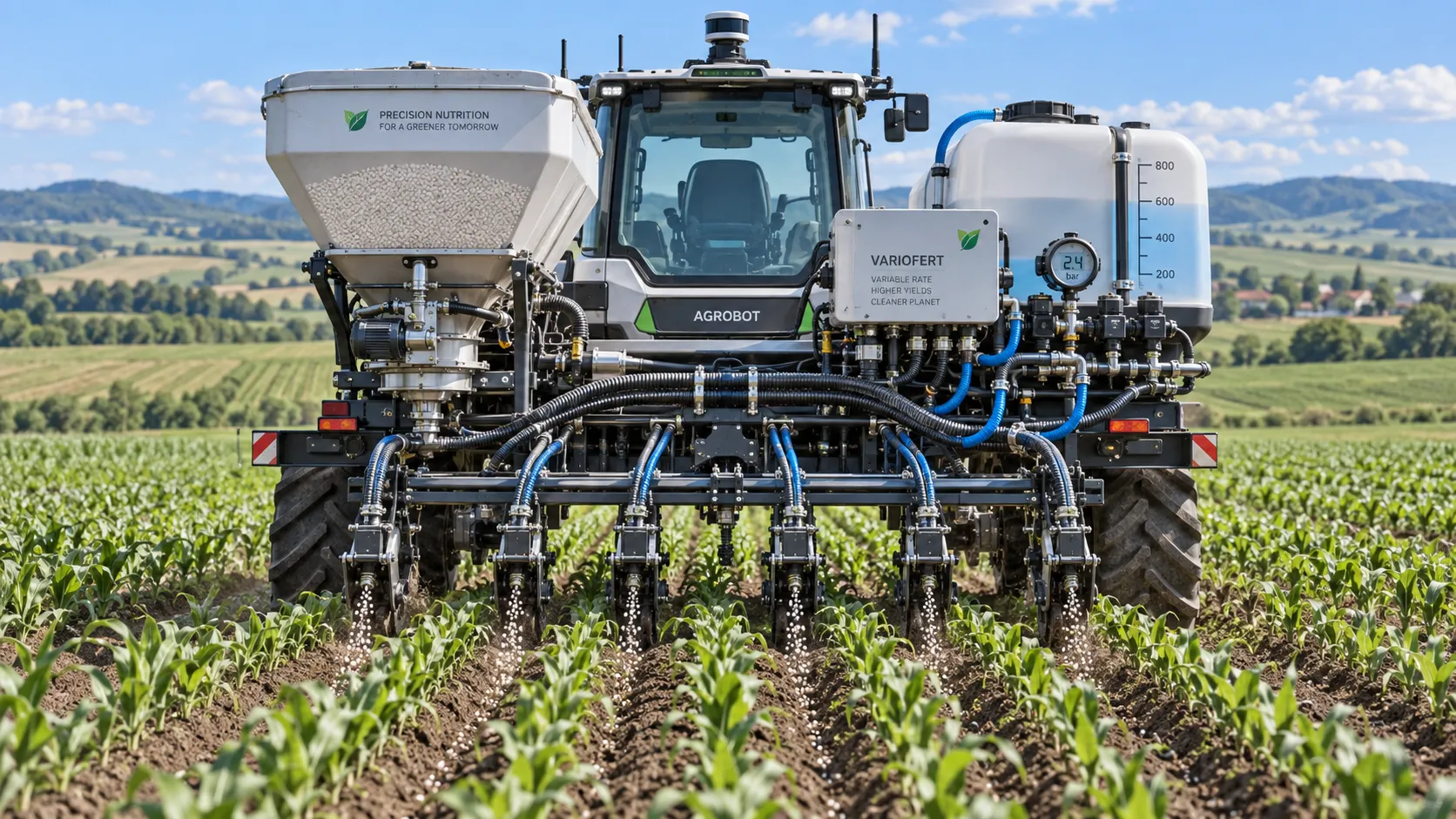
How Sensor Feedback Enables Accurate Variable-Rate Fertilization in Field Conditions
Precision fertilization systems with sensor feedback improve variable-rate accuracy by verifying flow, managing latency, and ensuring reliable field application.

How to Select Precision Crop Protection Equipment for Variable Field Conditions
Precision crop protection equipment selection made simple: compare terrain, canopy, weather, control accuracy, and data workflows for reliable applications.

When Does Agricultural Machinery Leasing Cost Less Than Owning Equipment?
Agricultural machinery leasing can lower farm costs when use is seasonal or uncertain. Compare utilization, maintenance, cash flow, and risk to make a smarter equipment decision.
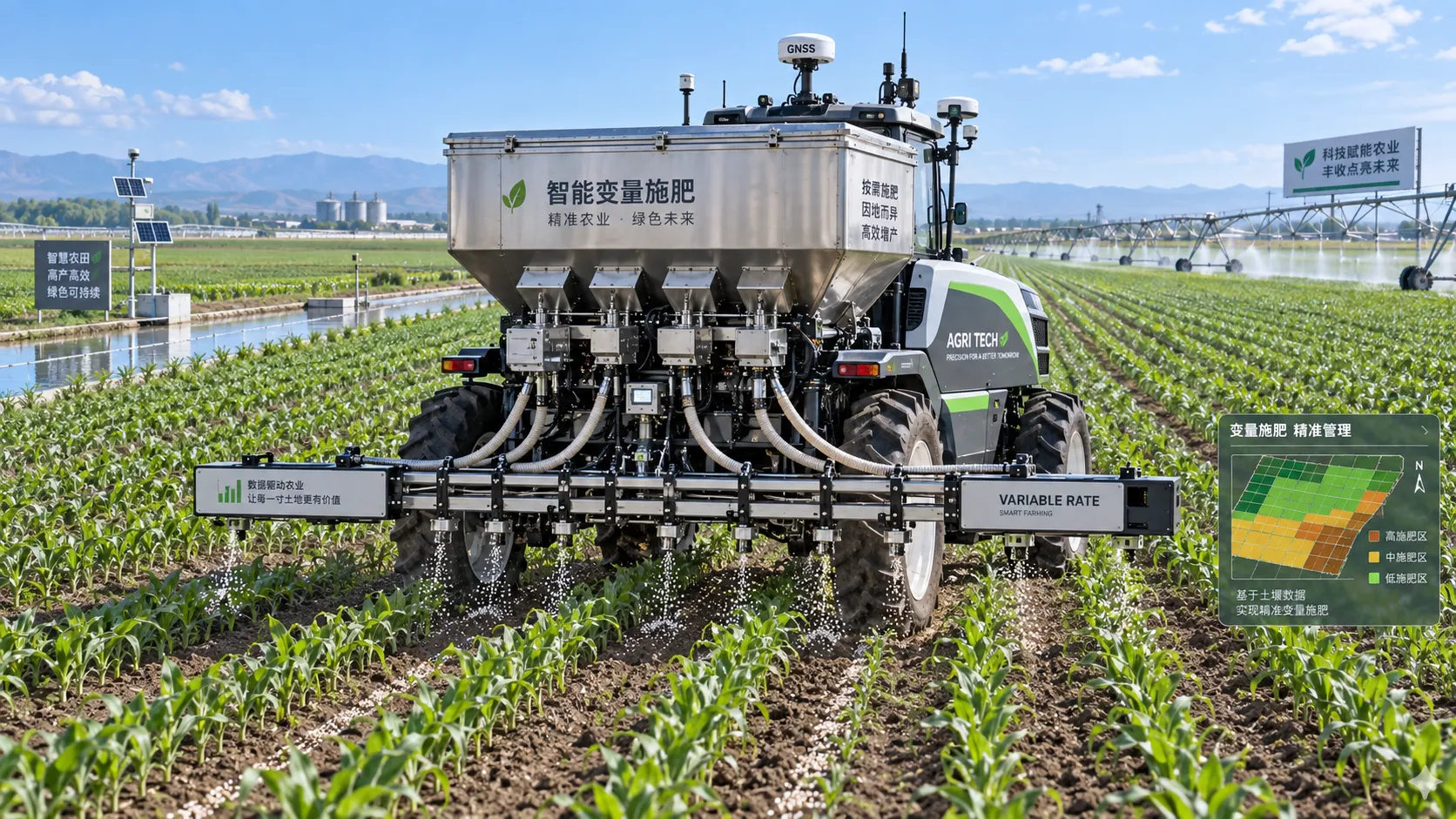
How to Evaluate Precision Fertilization System Suppliers for Farm-Scale Deployment
Precision fertilization systems suppliers: learn how to compare accuracy, integration, uptime, service, and total cost for confident farm-scale deployment.
Related News
- 00
0000-00
How to Choose Plant Protection Equipment for Vineyard Pests - 00
0000-00
How to Read Agricultural Equipment Specifications for Sprayers Before You Compare Models - 00
0000-00
BIS Extends Fast-Track Approval for Self-Propelled Sprayers - 00
0000-00
Intelligent Sprayer Technology: Which Functions Matter Most for Field Efficiency? - 00
0000-00
How to Choose Plant Protection Equipment for Orchards by Tree Height, Row Spacing, and Spray Drift
Popular Tags
Agri-Mechanization Fellow
Weekly Insights
Stay ahead with our curated technology reports delivered every Monday.