
How plant protection solutions reduce waste in precision farming
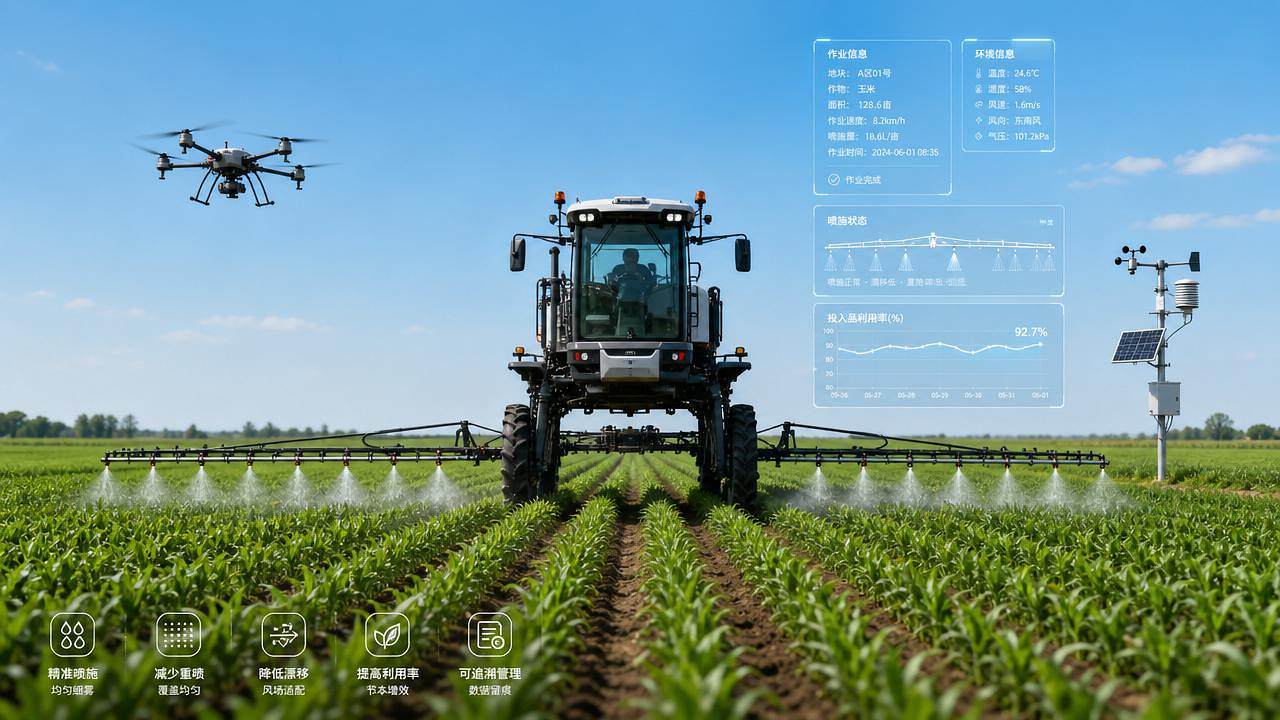




For quality control and safety managers, reducing input waste is no longer just a cost issue—it is a compliance and performance priority. Plant protection solutions for precision agriculture help farms apply the right treatment at the right time and rate, lowering chemical loss, minimizing drift, and improving traceability across operations. In precision farming, these technologies turn crop protection into a measurable, data-driven process that supports both productivity and sustainability.
What are plant protection solutions for precision agriculture?
Plant protection solutions for precision agriculture combine equipment, software, and field intelligence to manage pests, diseases, and weeds with higher accuracy.
They often include smart sprayers, GPS guidance, section control, variable-rate application, drone scouting, weather monitoring, and sensor-based crop diagnostics.
Traditional spraying treats broad areas evenly. Precision farming replaces that blanket approach with zone-specific decisions and timing.
This matters because not every hectare has the same pressure, canopy density, moisture level, or pest risk.
When treatment matches actual field conditions, farms use fewer inputs without sacrificing crop protection performance.
For AP-Strategy’s focus areas, this links directly with larger trends in Agriculture 4.0, mechanization, and intelligent field operations.
Key building blocks
- Guidance systems that reduce overlaps and skips
- Nozzle and boom control that adapts spray output
- Field mapping tools that identify treatment zones
- Data logs that support traceability and audits
- Decision support platforms using weather and crop risk signals
How do these solutions reduce waste in precision farming?
Waste in crop protection usually appears as over-application, spray drift, tank leftovers, off-target deposition, and repeated passes.
Plant protection solutions for precision agriculture address each source of loss through more controlled field execution.
1. They reduce overlaps and missed zones
GPS auto-guidance and section control prevent double treatment on headlands, irregular field borders, and narrow passes.
That lowers chemical use and avoids crop stress caused by repeated application.
2. They support variable-rate treatment
Low-pressure areas do not need the same dose as hot spots. Variable-rate systems align dosage with field variability.
This prevents routine overuse and improves active ingredient efficiency per treated hectare.
3. They improve timing
Weather-linked alerts help avoid spraying before rain, during high wind, or outside the best disease-control window.
Correct timing means fewer retreatments and less wash-off loss.
4. They improve droplet placement
Smart nozzle selection and pressure management can better match droplet size to canopy structure and target biology.
Better coverage reduces waste from drift and weak deposition.
5. They strengthen traceability
Digital records show where, when, and how each treatment was applied.
That helps identify waste patterns, improve training, and support quality assurance programs.
Which farm operations benefit most from plant protection solutions for precision agriculture?
The strongest value appears where field variability, compliance pressure, and input costs are all high.
Large-scale farms often see immediate gains because overlap losses multiply across many hectares.
Row crop systems benefit from guidance accuracy, weed mapping, and variable-rate herbicide strategies.
High-value crops can gain from more precise disease control and residue management.
Mixed operations also benefit when they need stronger documentation across diverse fields and treatment schedules.
Typical scenarios
- Fields with irregular shapes that create overlap risk
- Regions with strict drift or residue regulations
- Crops facing variable disease pressure during the season
- Operations integrating drones, tractors, and digital agronomy platforms
- Enterprises tracking sustainability metrics and input-use efficiency
Because AP-Strategy monitors large-scale agri-machinery and intelligent farm tools, the connection is clear.
Precision crop protection works best when sprayers, tractors, sensors, and software operate as one system.
How should you evaluate and choose the right solution?
Choosing plant protection solutions for precision agriculture should start with waste sources, not product features alone.
First, identify where losses happen now. Then match technology to those failure points.
Evaluation checklist
- Is overlap the main issue, or is timing the bigger problem?
- Can the system integrate with current tractors, sprayers, and farm software?
- Does it support accurate recordkeeping for compliance and audits?
- How easy is calibration, maintenance, and operator training?
- What level of connectivity is needed in remote field conditions?
- Can the platform scale from guidance to full variable-rate workflows?
What mistakes limit results or create new risks?
Precision technology does not automatically create precision outcomes.
Several common mistakes reduce the value of plant protection solutions for precision agriculture.
Common errors
- Skipping calibration and assuming factory settings fit every crop
- Using variable-rate logic without reliable field data
- Ignoring nozzle wear and boom stability issues
- Treating digital records as storage only, not as performance feedback
- Underestimating staff training and workflow discipline
Another risk is overcomplication. Some operations need staged upgrades rather than a full platform change at once.
For example, section control may deliver quick savings before advanced AI scouting becomes necessary.
A phased approach often protects return on investment and improves adoption quality.
What does implementation cost, and how long does it take to see benefits?
Costs vary by starting point. Retrofitting an existing sprayer is different from deploying a fully connected precision system.
Typical cost elements include hardware, software subscriptions, mapping services, training, maintenance, and integration support.
The payback period depends on acreage, crop value, current waste levels, and local regulatory pressure.
Operations with high overlap, expensive chemistry, or frequent retreatments often see faster returns.
Practical rollout timeline
- Audit current spray performance and records.
- Set one to three measurable waste-reduction targets.
- Deploy guidance and section control first if basics are missing.
- Add mapping, sensing, and variable-rate logic after baseline stability.
- Review seasonal data and update treatment protocols.
How plant protection solutions reduce waste in precision farming comes down to control, timing, and evidence.
The best plant protection solutions for precision agriculture do not just apply products more efficiently.
They connect machinery, agronomic insight, and traceable execution into one practical operating model.
That model fits the broader direction of intelligent farm tools, high-performance tractor systems, and sustainable mechanization.
A useful next step is to review one season of spray data, identify the largest waste source, and prioritize one upgrade.
With a clear baseline and phased adoption plan, plant protection solutions for precision agriculture can deliver measurable waste reduction and stronger field performance.
Related News
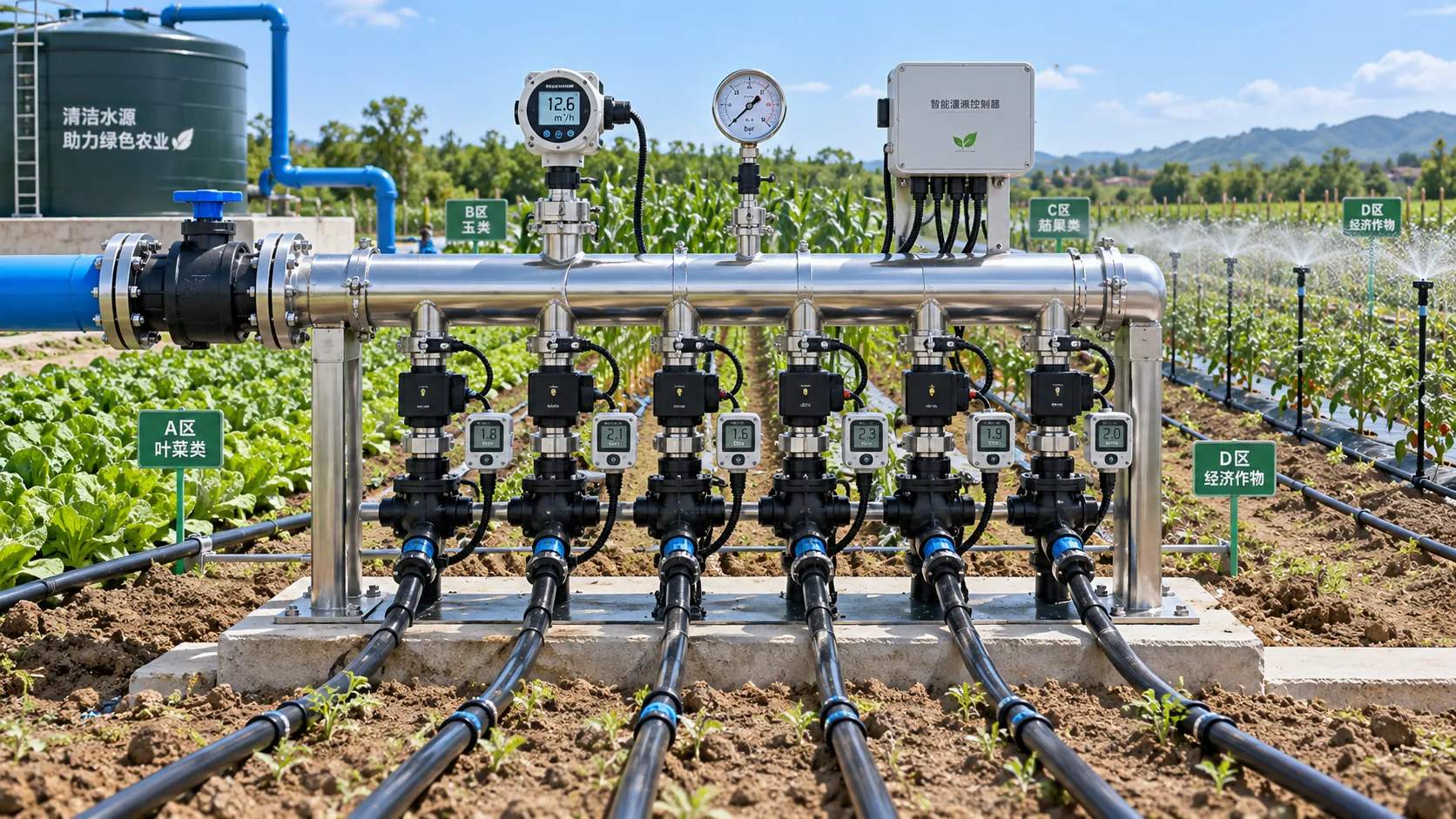
How to Select Smart Irrigation Valves for Multi-Zone Water Management?
Intelligent irrigation systems valves: learn how to match smart valves with multi-zone flow, pressure, control, feedback, and communication needs for reliable water management.
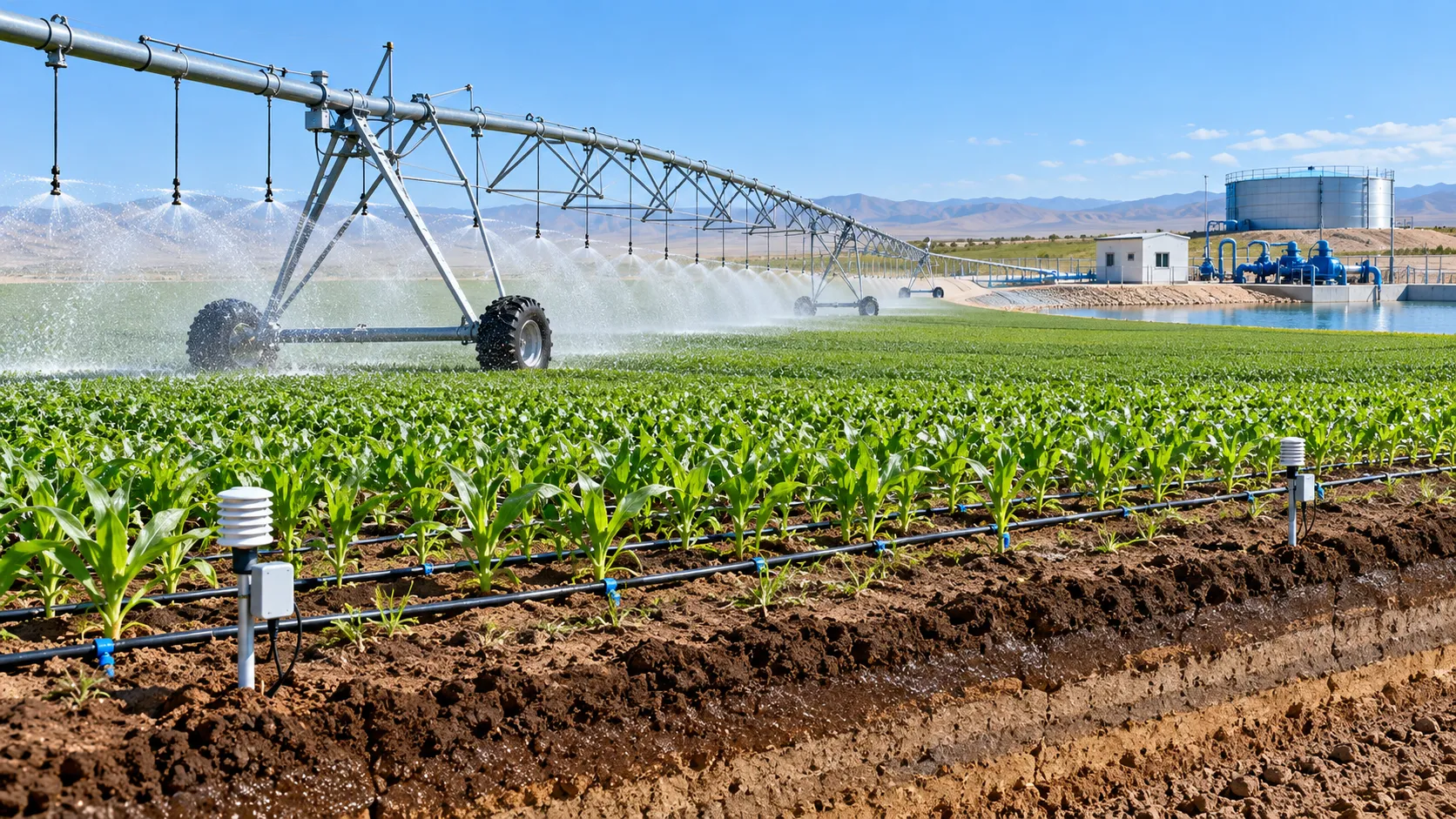
Climate-Smart Farming for Drought: A Practical Plan for Protecting Yields
Climate-smart farming for drought: build smarter water budgets, protect critical crop stages, improve irrigation uniformity, and safeguard yields with practical field-proven strategies.
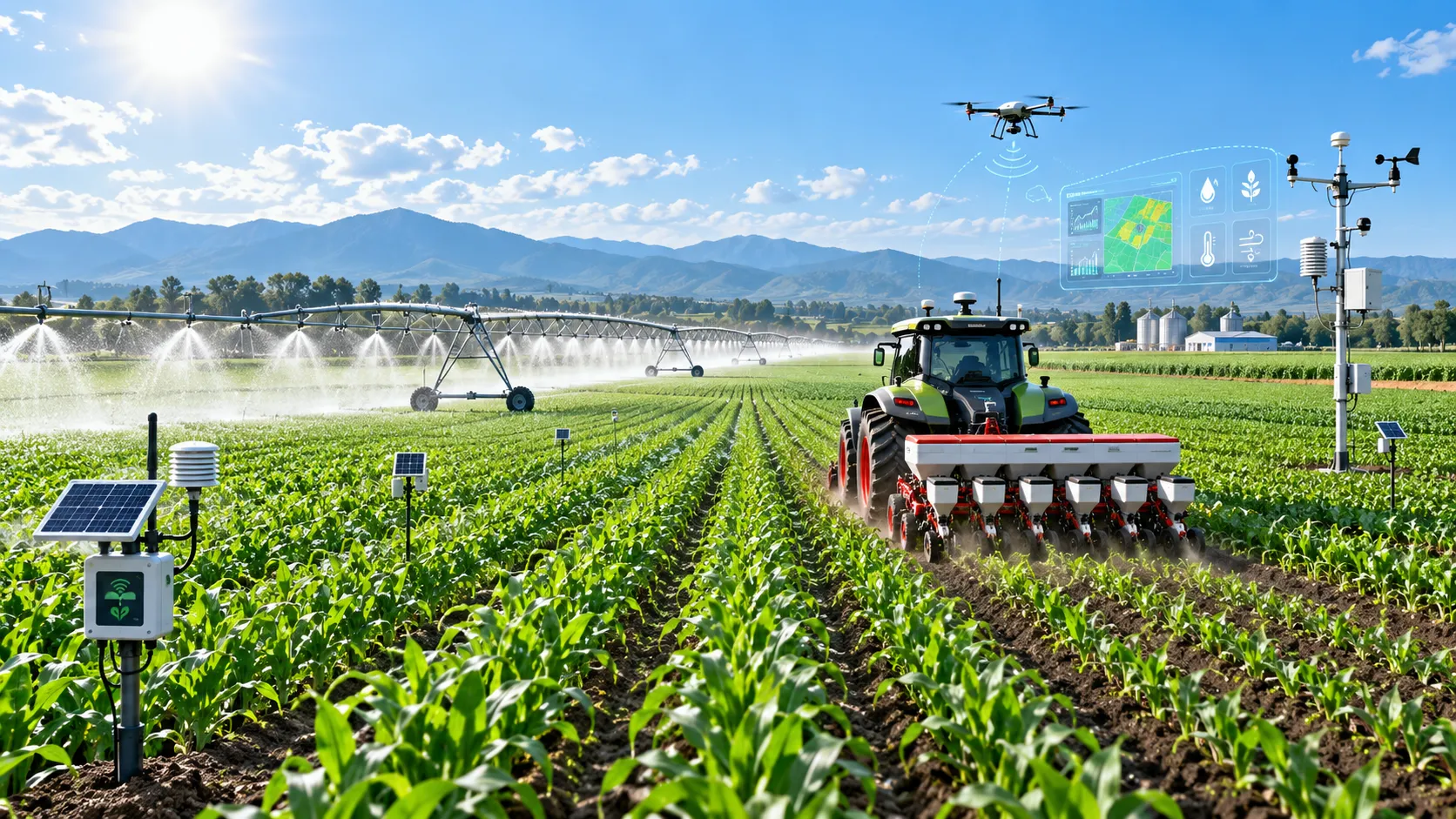
How Digital Agriculture Platforms Turn Field Data Into Better Input Decisions
Digital agriculture platforms turn field data into smarter fertilizer, water, seed, and equipment decisions—helping farms cut risk, improve margins, and scale sustainability.
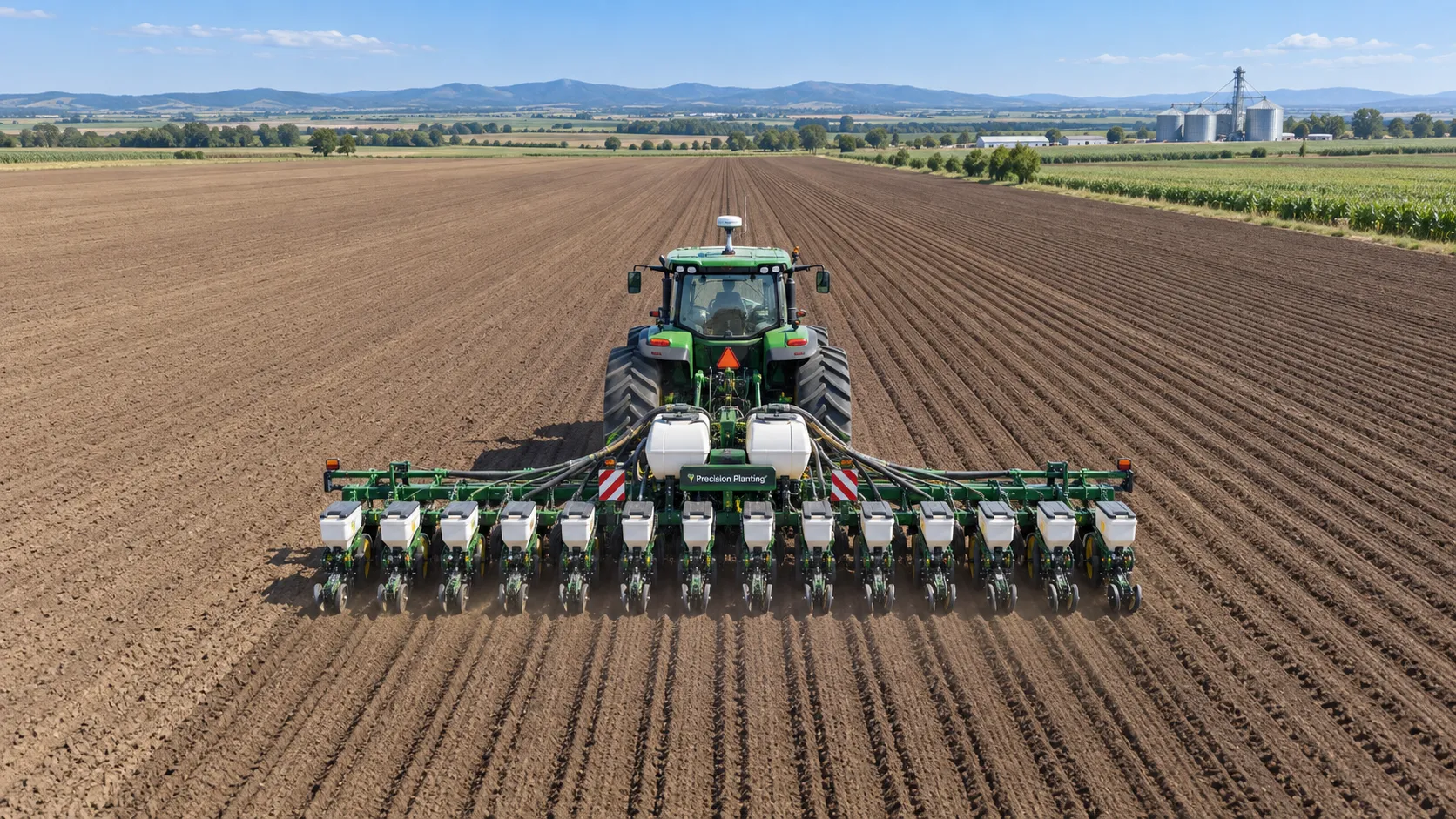
GPS-Guided Farm Machinery: Where It Delivers Measurable Field Efficiency Gains
Agri-mechanization GPS guided systems deliver measurable field efficiency gains through reduced overlap, precise planting, smarter inputs, and reliable farm data.
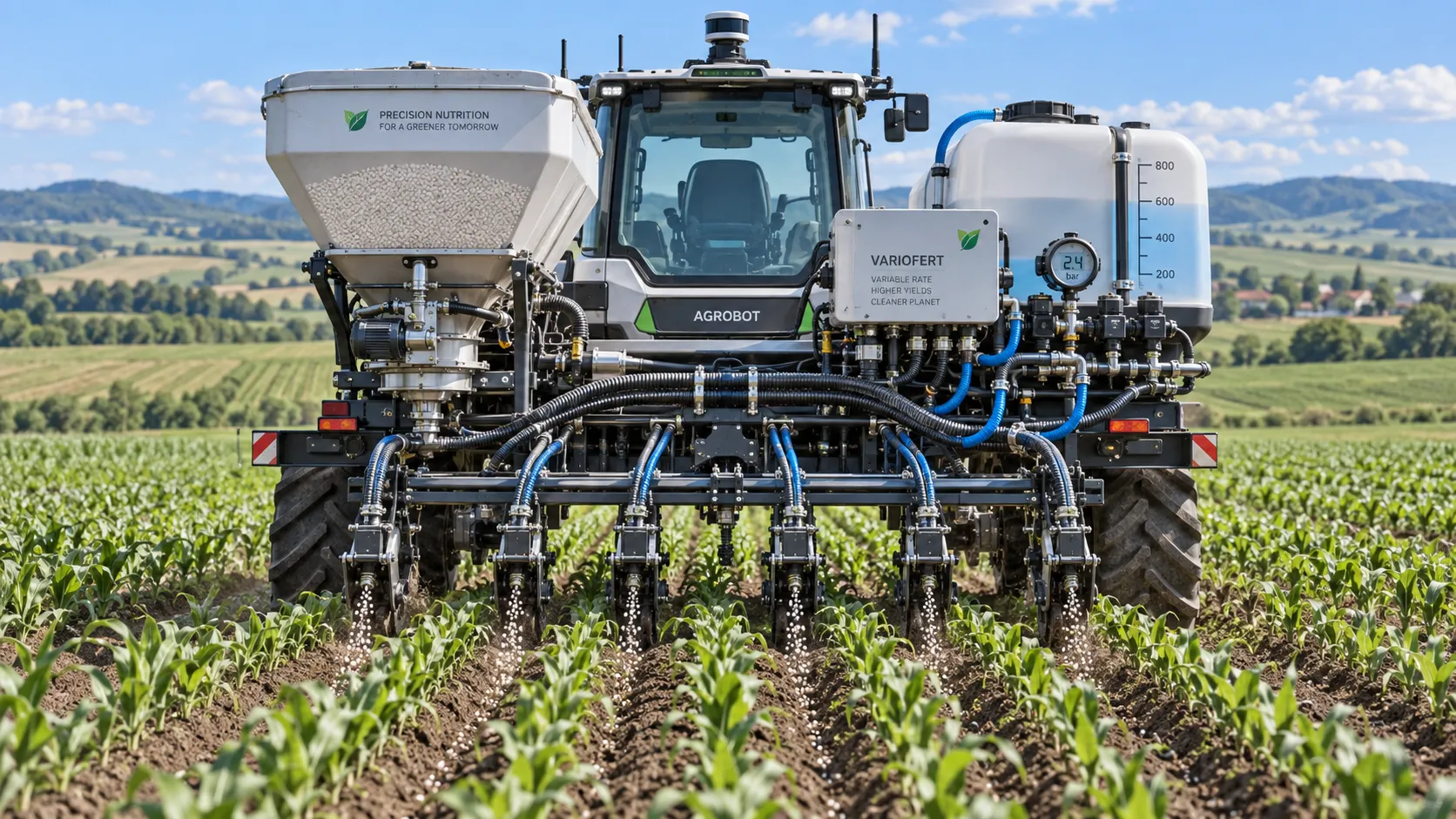
How Sensor Feedback Enables Accurate Variable-Rate Fertilization in Field Conditions
Precision fertilization systems with sensor feedback improve variable-rate accuracy by verifying flow, managing latency, and ensuring reliable field application.
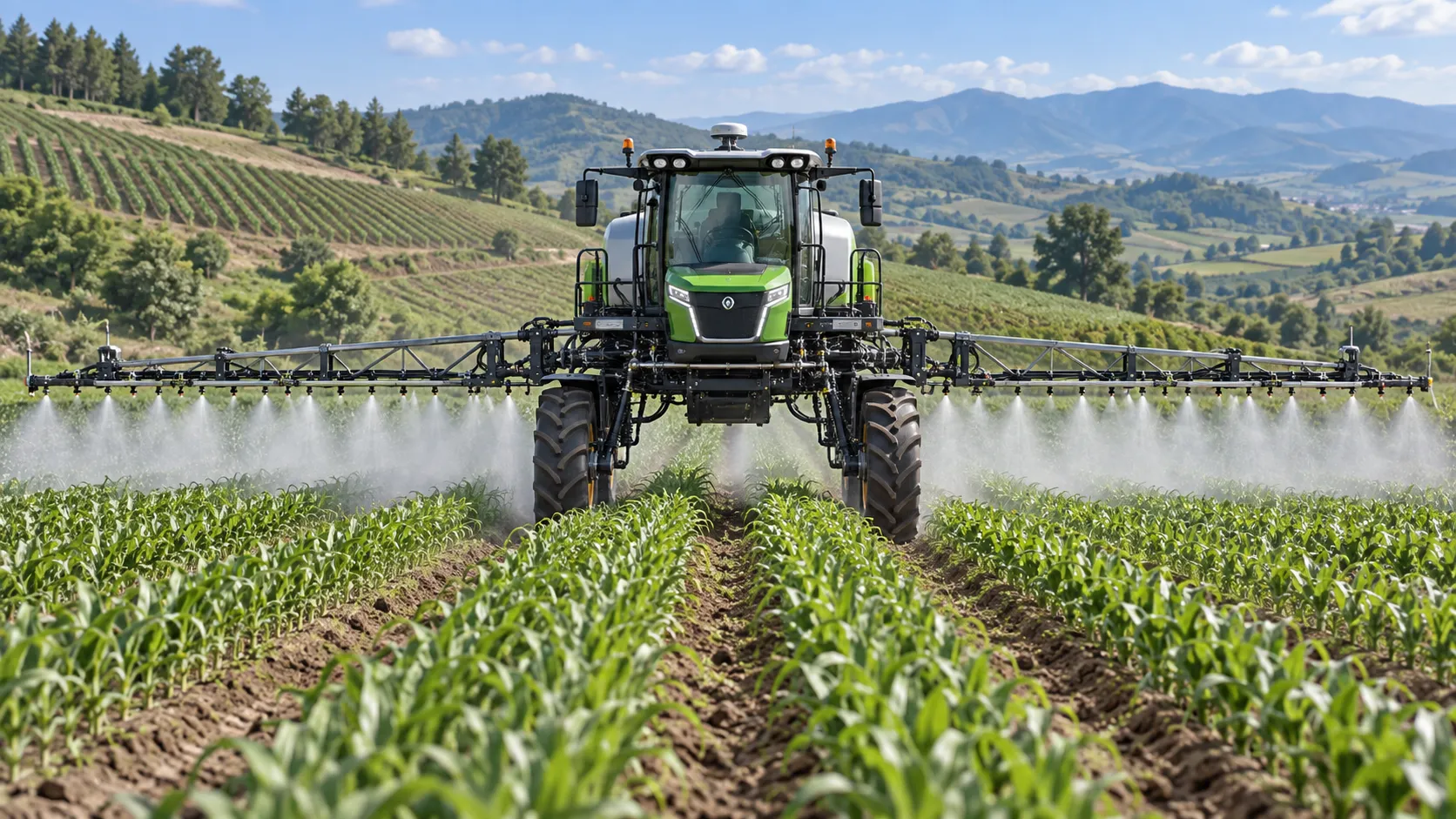
How to Select Precision Crop Protection Equipment for Variable Field Conditions
Precision crop protection equipment selection made simple: compare terrain, canopy, weather, control accuracy, and data workflows for reliable applications.
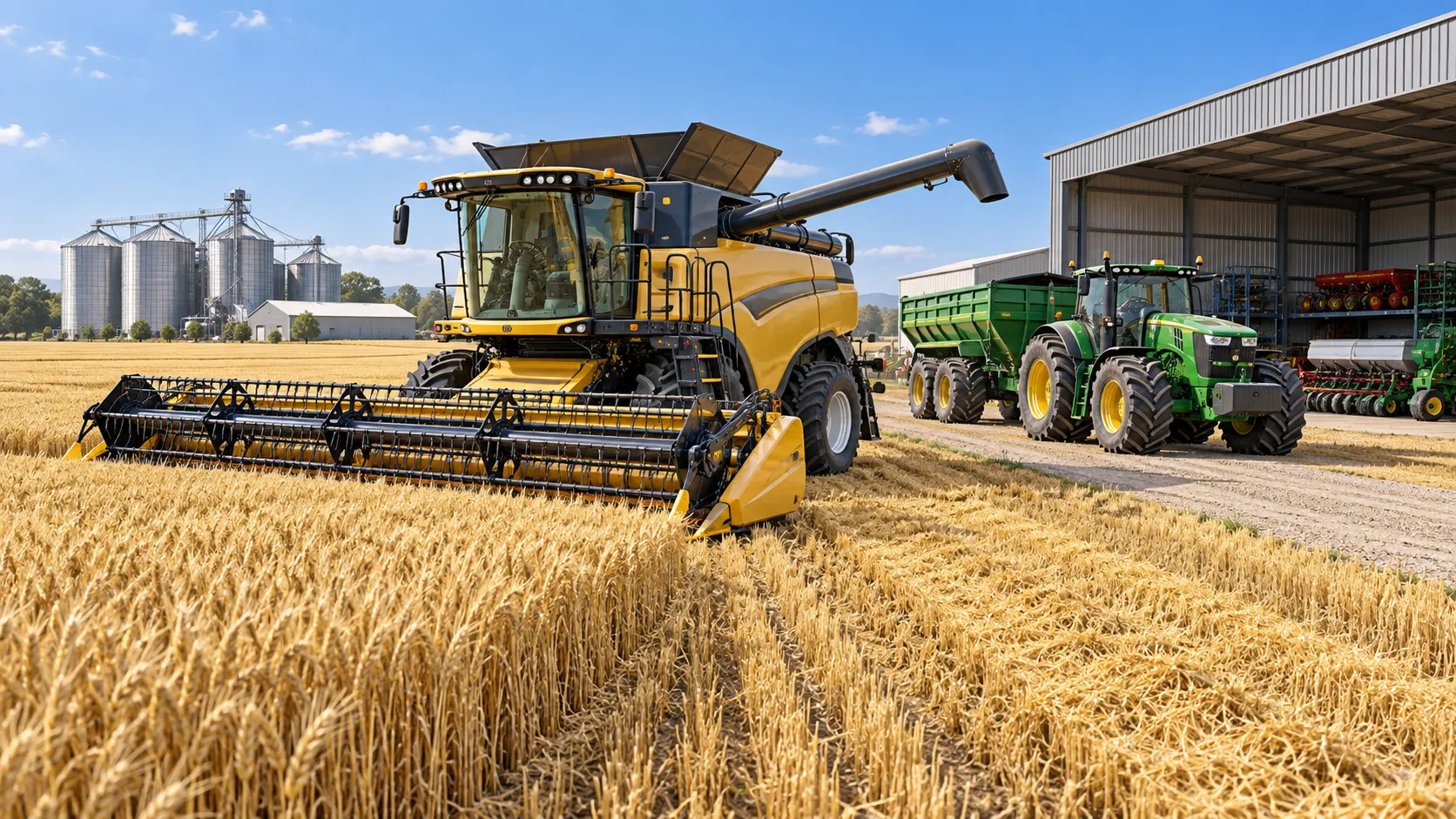
When Does Agricultural Machinery Leasing Cost Less Than Owning Equipment?
Agricultural machinery leasing can lower farm costs when use is seasonal or uncertain. Compare utilization, maintenance, cash flow, and risk to make a smarter equipment decision.
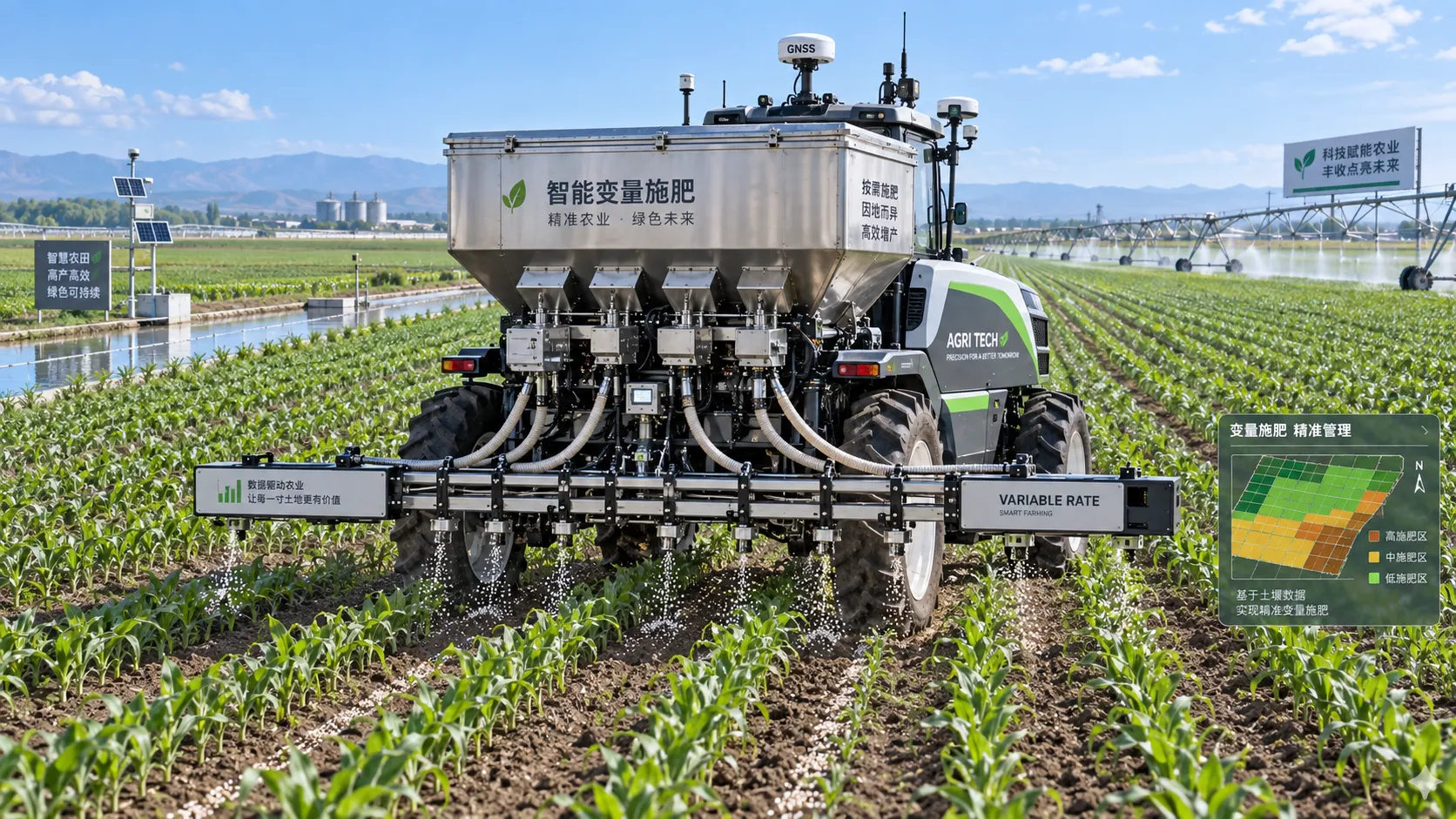
How to Evaluate Precision Fertilization System Suppliers for Farm-Scale Deployment
Precision fertilization systems suppliers: learn how to compare accuracy, integration, uptime, service, and total cost for confident farm-scale deployment.
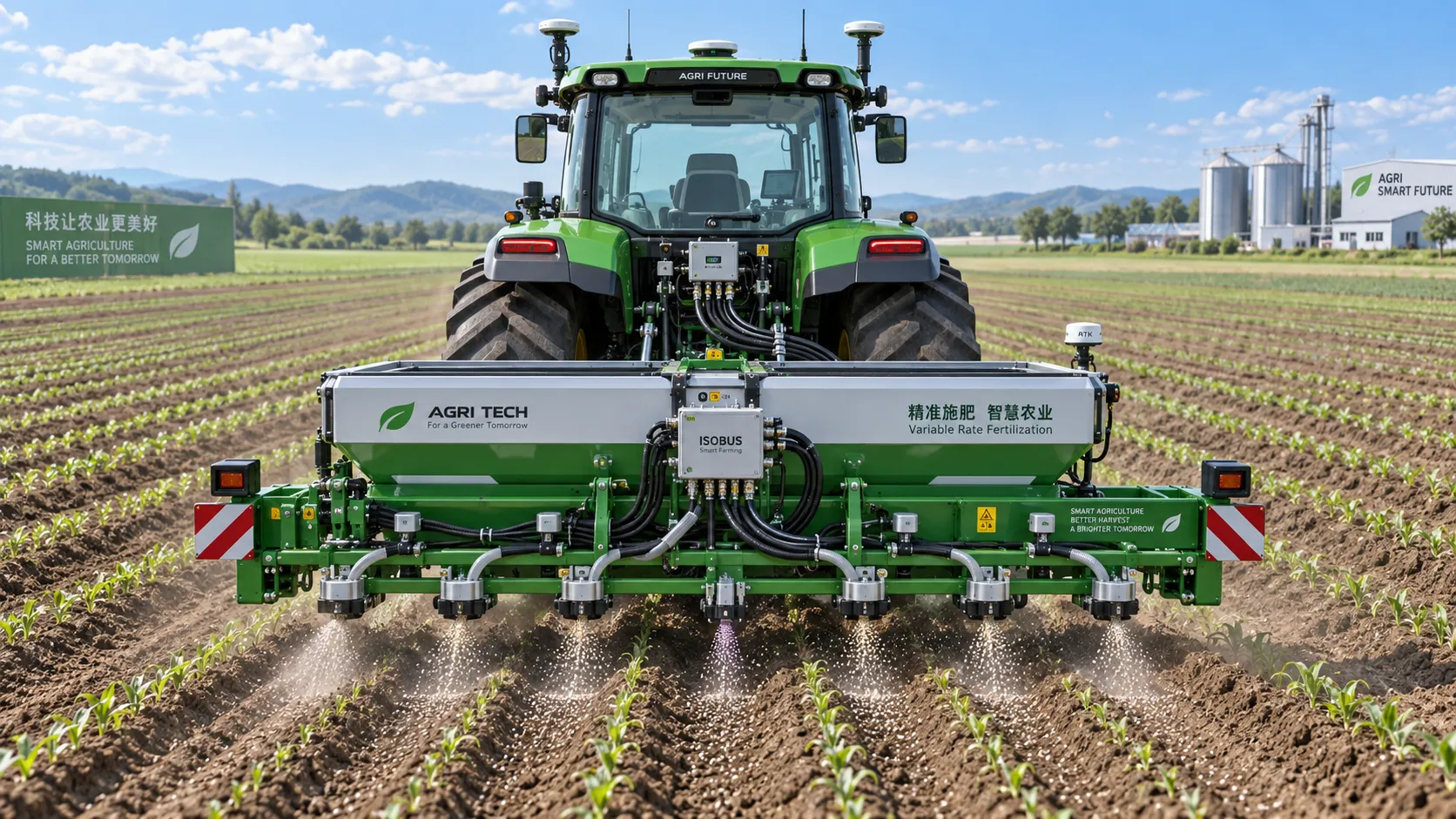
ISOBUS for Smart Agriculture: How It Connects Tractors, Implements, and Farm Data
ISOBUS for smart agriculture connects tractors, implements, terminals, and farm data—helping growers improve precision, documentation, and smarter field decisions.
Related News
- 00
0000-00
How to Choose Plant Protection Equipment for Vineyard Pests - 00
0000-00
How to Read Agricultural Equipment Specifications for Sprayers Before You Compare Models - 00
0000-00
BIS Extends Fast-Track Approval for Self-Propelled Sprayers - 00
0000-00
Intelligent Sprayer Technology: Which Functions Matter Most for Field Efficiency? - 00
0000-00
How to Choose Plant Protection Equipment for Orchards by Tree Height, Row Spacing, and Spray Drift
Popular Tags
Agri-Mechanization Fellow
Weekly Insights
Stay ahead with our curated technology reports delivered every Monday.