
Which crop protection practices cut risk and waste?
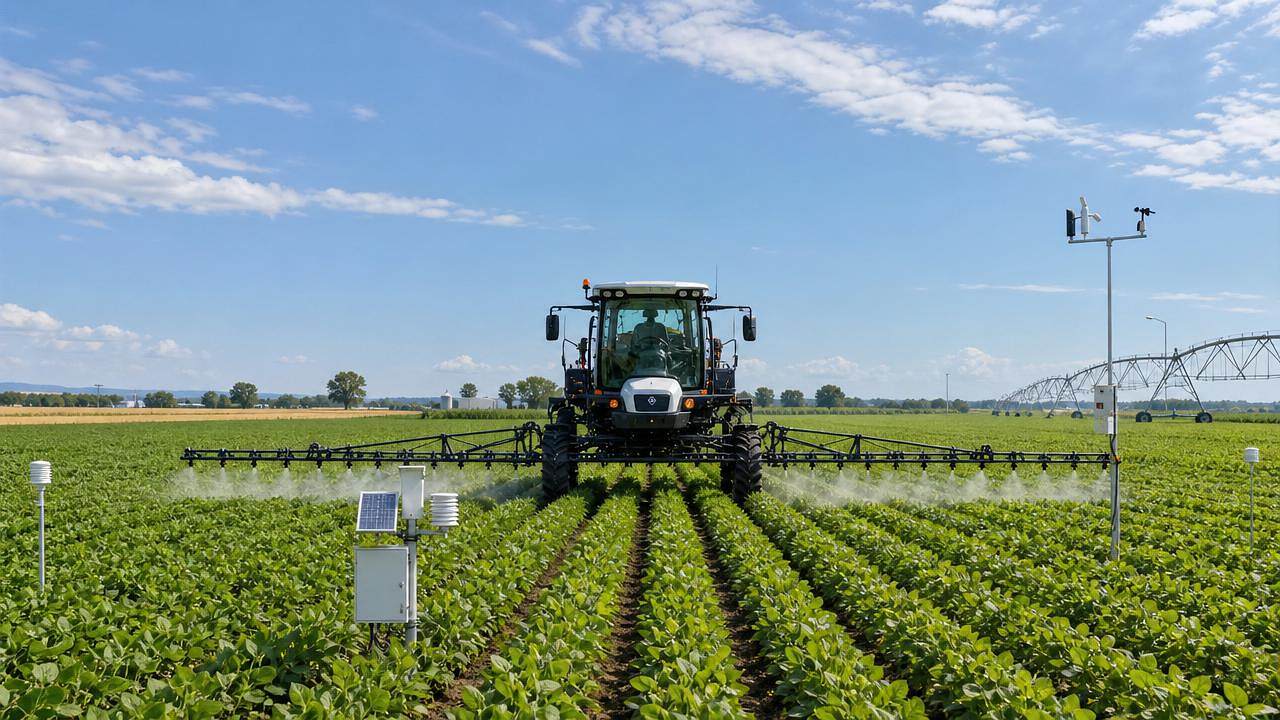




For operators under pressure to protect yields while controlling costs, the smartest answer lies in sustainable farming practices for plant protection. From precision spraying and better timing to sensor-guided decisions and equipment calibration, the right methods can reduce chemical waste, limit crop stress, and lower field risk. This article explores practical approaches that help large-scale operations improve efficiency, compliance, and long-term resilience.
What do sustainable farming practices for plant protection actually include?
Sustainable farming practices for plant protection combine agronomy, machinery accuracy, field data, and risk control. They aim to protect crops with fewer losses, less waste, and stronger environmental performance.
This approach does not mean avoiding all crop protection inputs. It means using the right input, at the right rate, in the right place, at the right time.
In large-scale farming, that often includes precision spraying, pest threshold monitoring, nozzle selection, weather-based timing, drift reduction, and machine calibration.
It also includes rotation planning, resistant variety use, soil health support, and irrigation management. Better crop protection starts before the sprayer enters the field.
AP-Strategy closely tracks how Agriculture 4.0 tools improve these decisions. Smart equipment and field intelligence can cut overlap, lower missed zones, and improve treatment consistency.
Core building blocks
- Integrated pest and disease scouting
- GPS-guided application control
- Section control and variable-rate spraying
- Water-sensitive irrigation scheduling
- Equipment maintenance and calibration routines
- Recordkeeping for compliance and learning
Which crop protection practices cut the most waste in real field conditions?
The biggest waste usually comes from over-application, poor timing, spray drift, and repeated passes. Sustainable farming practices for plant protection address each source directly.
1. Precision spraying with section control
Section control prevents double coverage on headlands, irregular edges, and overlap zones. This reduces chemical waste and lowers the chance of crop injury.
On broad-acre farms, even small overlap reductions can create meaningful savings over a season. The benefit grows with field complexity and pass frequency.
2. Variable-rate application
Not every area needs the same treatment intensity. Variable-rate systems use maps, sensors, or historical pressure zones to match dose with actual need.
This method supports sustainable farming practices for plant protection by reducing excess chemistry in low-pressure areas while preserving control where risk is higher.
3. Better timing through weather and growth-stage tracking
Applications made before rain wash off, during wind drift, or after pest pressure peaks often waste money. Weather-linked timing avoids these failures.
Matching treatment to crop stage is equally important. A correct product applied too early or too late may underperform and trigger unnecessary repeat work.
4. Nozzle and pressure optimization
Droplet size shapes coverage, retention, and drift. Selecting nozzles for target biology and canopy structure is a practical way to cut avoidable loss.
Lower drift nozzles can support compliance and protect neighboring crops. Correct boom height and pressure keep coverage uniform across the full spraying width.
5. Calibration and maintenance discipline
A worn nozzle or blocked line can quietly ruin performance. Calibration confirms output accuracy and protects the value of every tank mix.
This is one of the most overlooked sustainable farming practices for plant protection because it appears simple, yet it affects every hectare treated.
How can farms reduce risk, not just inputs?
Cutting waste matters, but risk reduction is broader. Good plant protection lowers exposure to resistance, regulatory problems, crop stress, and environmental incidents.
Resistance management
Repeated use of one mode of action creates resistance pressure. Rotating chemistry and integrating non-chemical controls slows this process.
Field scouting helps separate true outbreaks from routine assumptions. That prevents default spraying patterns that accelerate resistance without improving results.
Environmental and compliance risk
Runoff, drift, and water contamination create both reputational and legal exposure. Buffer zones, wind checks, and application records reduce those risks.
Sustainable farming practices for plant protection also support traceability. Better records make audits, market access, and internal reviews much easier.
Crop stress and hidden yield loss
Poorly timed applications can stress crops under heat, moisture deficit, or sensitive growth stages. The field may look treated, but yield potential still falls.
Linking crop protection with irrigation status, canopy condition, and field traffic planning helps avoid these hidden losses.
Which technologies make sustainable farming practices for plant protection more practical?
Technology matters most when it simplifies decisions and improves repeatability. It should help teams act faster, not create extra complexity.
Useful technologies in large-scale operations
- Auto-steer systems that reduce overlap and skips
- Boom control for stable height over uneven ground
- Remote sensing for stress mapping and treatment zones
- In-field sensors for humidity, leaf wetness, and disease risk
- Telematics for machine performance and job verification
- Digital records that connect products, rates, and conditions
AP-Strategy’s focus on intelligent farm tools and irrigation systems shows why connected data matters. Crop protection is stronger when equipment, field signals, and water management work together.
For example, disease pressure often rises with moisture patterns. Smart irrigation scheduling can reduce leaf wetness periods and lower fungicide dependency.
Likewise, stable tractor chassis performance and hydraulic control improve application consistency. Plant protection quality depends on the whole operating system, not only the chemical choice.
What common mistakes weaken sustainable farming practices for plant protection?
Many failures come from execution gaps rather than flawed strategy. Small mistakes repeated across large acreage quickly become expensive.
Frequent mistakes to avoid
- Treating every field zone the same
- Ignoring wind, humidity, or inversion conditions
- Skipping nozzle replacement schedules
- Using preventive sprays without threshold evidence
- Separating crop protection from irrigation decisions
- Keeping poor records of rates, timings, and outcomes
Another mistake is chasing technology without process discipline. Digital tools support sustainable farming practices for plant protection, but they cannot replace agronomic judgment.
A practical system starts with scouting, machine readiness, weather review, and post-application evaluation. Technology should strengthen these steps, not distract from them.
How should operations decide where to start and what delivers the fastest return?
The best starting point is usually the largest source of recurring loss. That may be overlap, drift, poor timing, repeated rescue treatments, or uneven coverage.
A phased plan often works better than a full system overhaul. Start with actions that are measurable, affordable, and easy to standardize.
Quick-win priorities
- Calibrate sprayers before each major treatment window
- Review nozzle type by crop and target problem
- Use weather thresholds for go or no-go decisions
- Map high-pressure zones from prior seasons
- Connect irrigation data with disease-risk monitoring
These steps usually require less investment than major hardware replacement. Yet they can still improve cost control and support sustainable farming practices for plant protection.
FAQ decision table
Sustainable farming practices for plant protection work best when they are treated as an operating system, not a single product choice. Precision equipment, agronomic timing, irrigation awareness, and disciplined records create the biggest gains together.
The next step is simple. Review one season of application data, identify the largest avoidable loss, and fix that first. Then build a repeatable process around it.
With the right intelligence, farms can protect yield, cut waste, and reduce exposure at the same time. That is the real value of sustainable farming practices for plant protection.
Related News
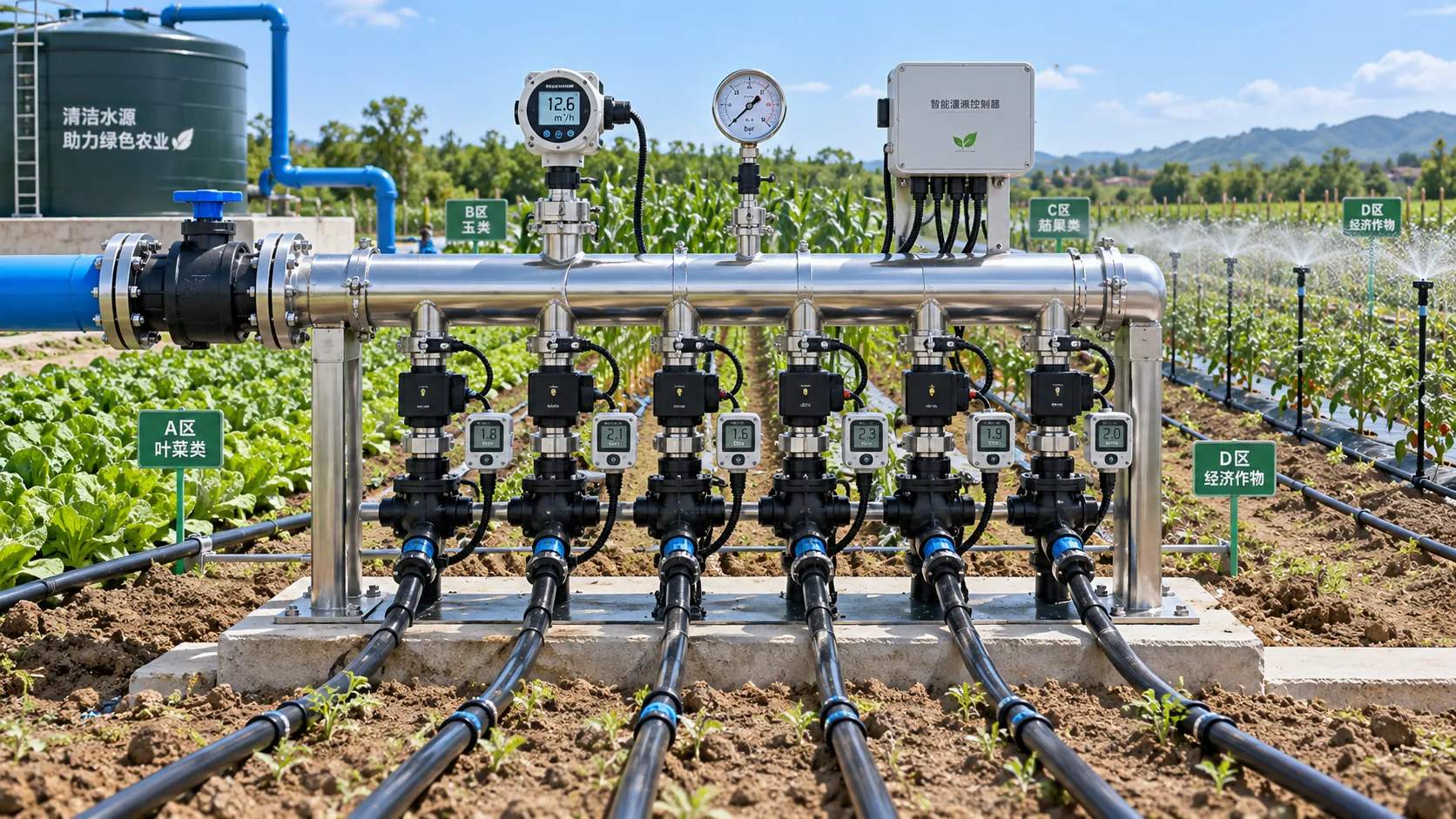
How to Select Smart Irrigation Valves for Multi-Zone Water Management?
Intelligent irrigation systems valves: learn how to match smart valves with multi-zone flow, pressure, control, feedback, and communication needs for reliable water management.
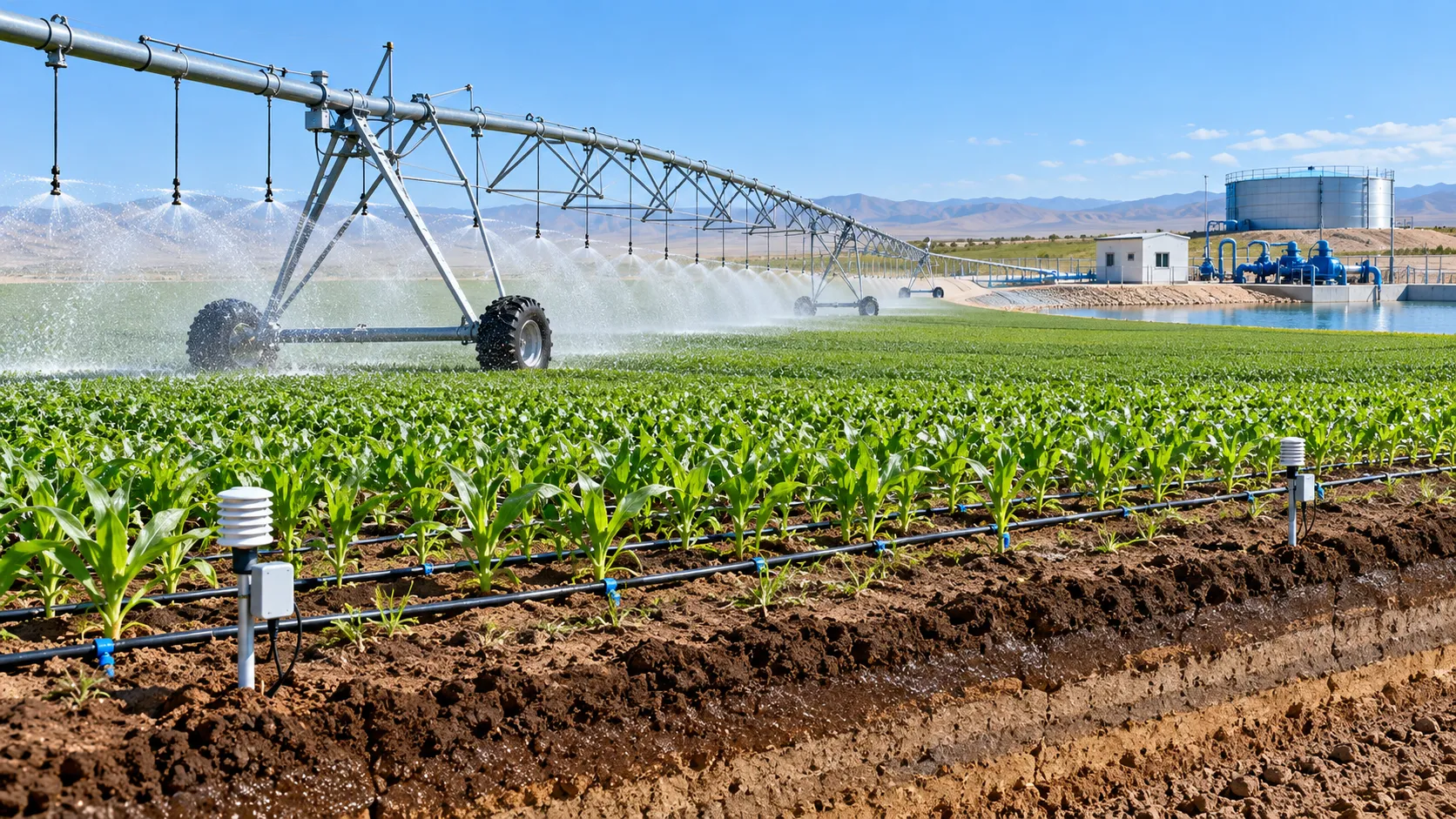
Climate-Smart Farming for Drought: A Practical Plan for Protecting Yields
Climate-smart farming for drought: build smarter water budgets, protect critical crop stages, improve irrigation uniformity, and safeguard yields with practical field-proven strategies.
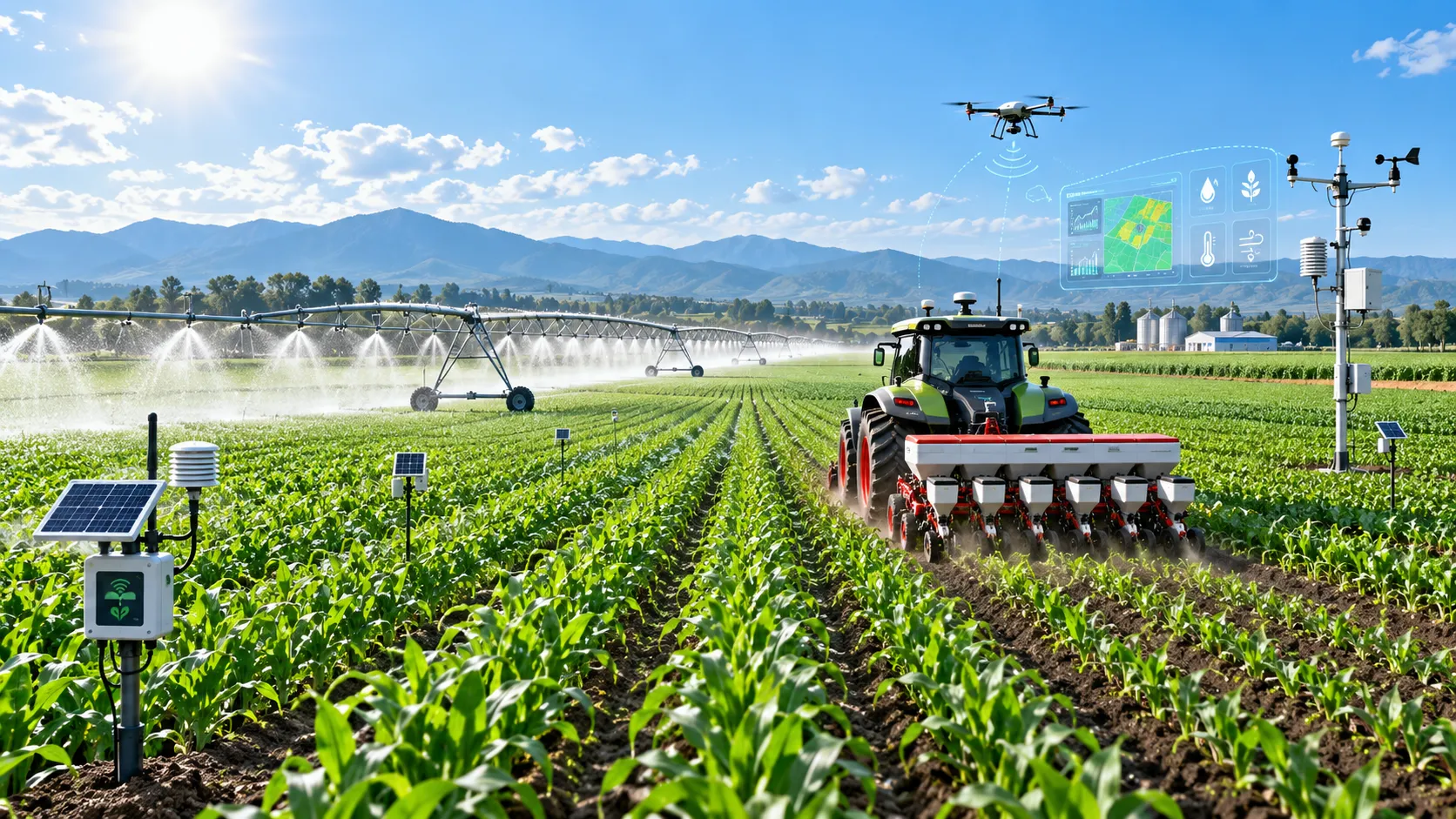
How Digital Agriculture Platforms Turn Field Data Into Better Input Decisions
Digital agriculture platforms turn field data into smarter fertilizer, water, seed, and equipment decisions—helping farms cut risk, improve margins, and scale sustainability.
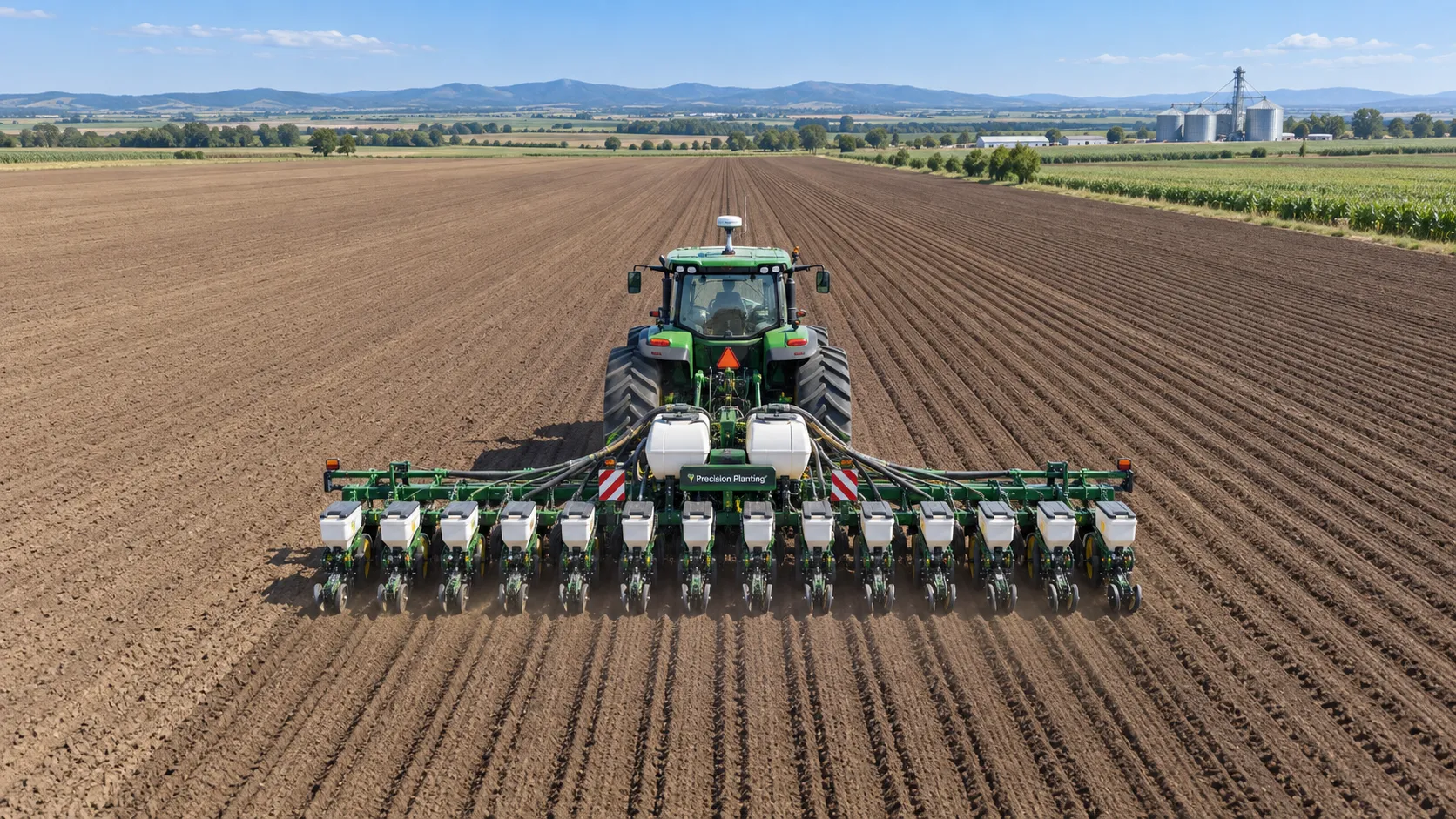
GPS-Guided Farm Machinery: Where It Delivers Measurable Field Efficiency Gains
Agri-mechanization GPS guided systems deliver measurable field efficiency gains through reduced overlap, precise planting, smarter inputs, and reliable farm data.
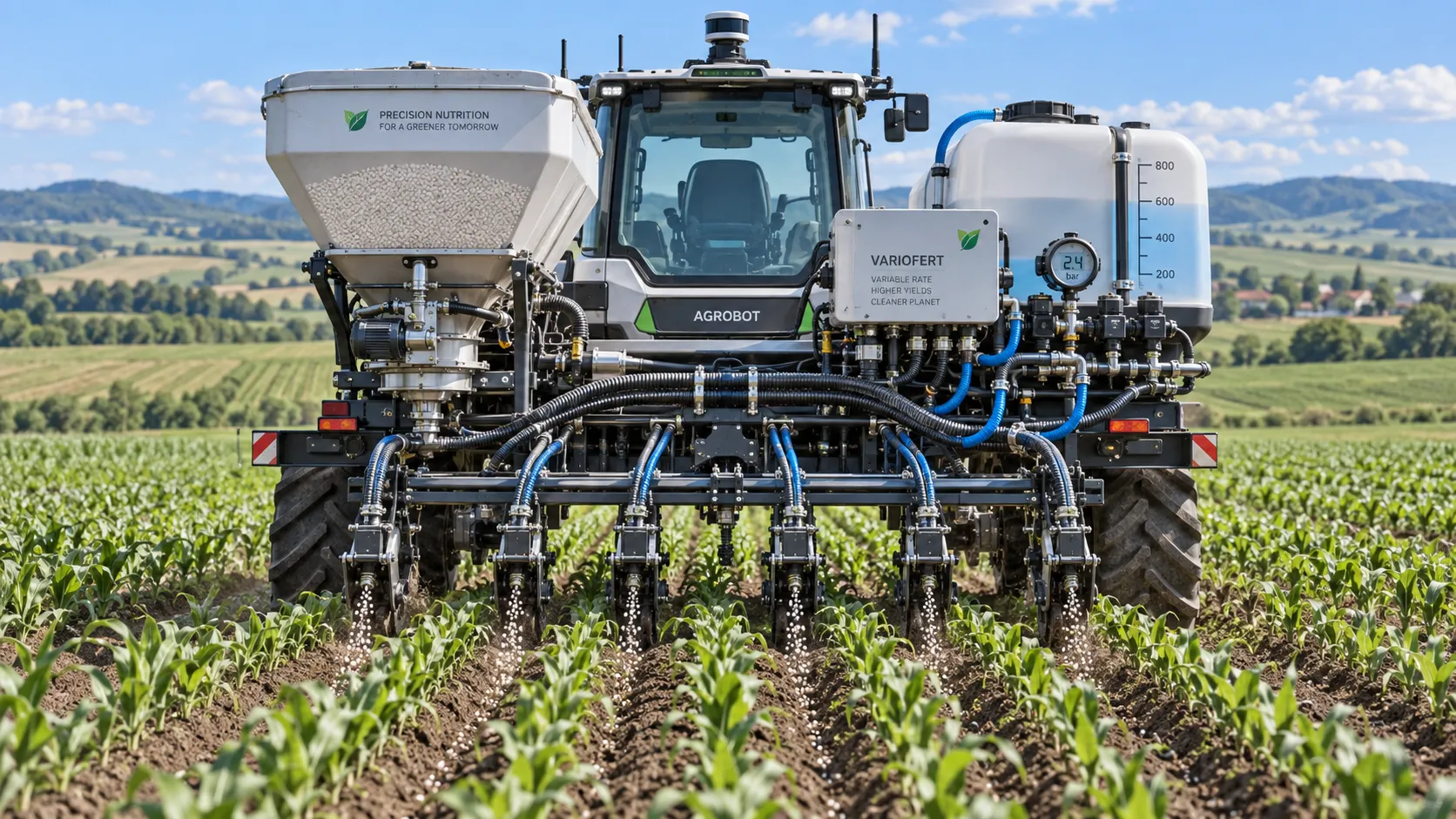
How Sensor Feedback Enables Accurate Variable-Rate Fertilization in Field Conditions
Precision fertilization systems with sensor feedback improve variable-rate accuracy by verifying flow, managing latency, and ensuring reliable field application.
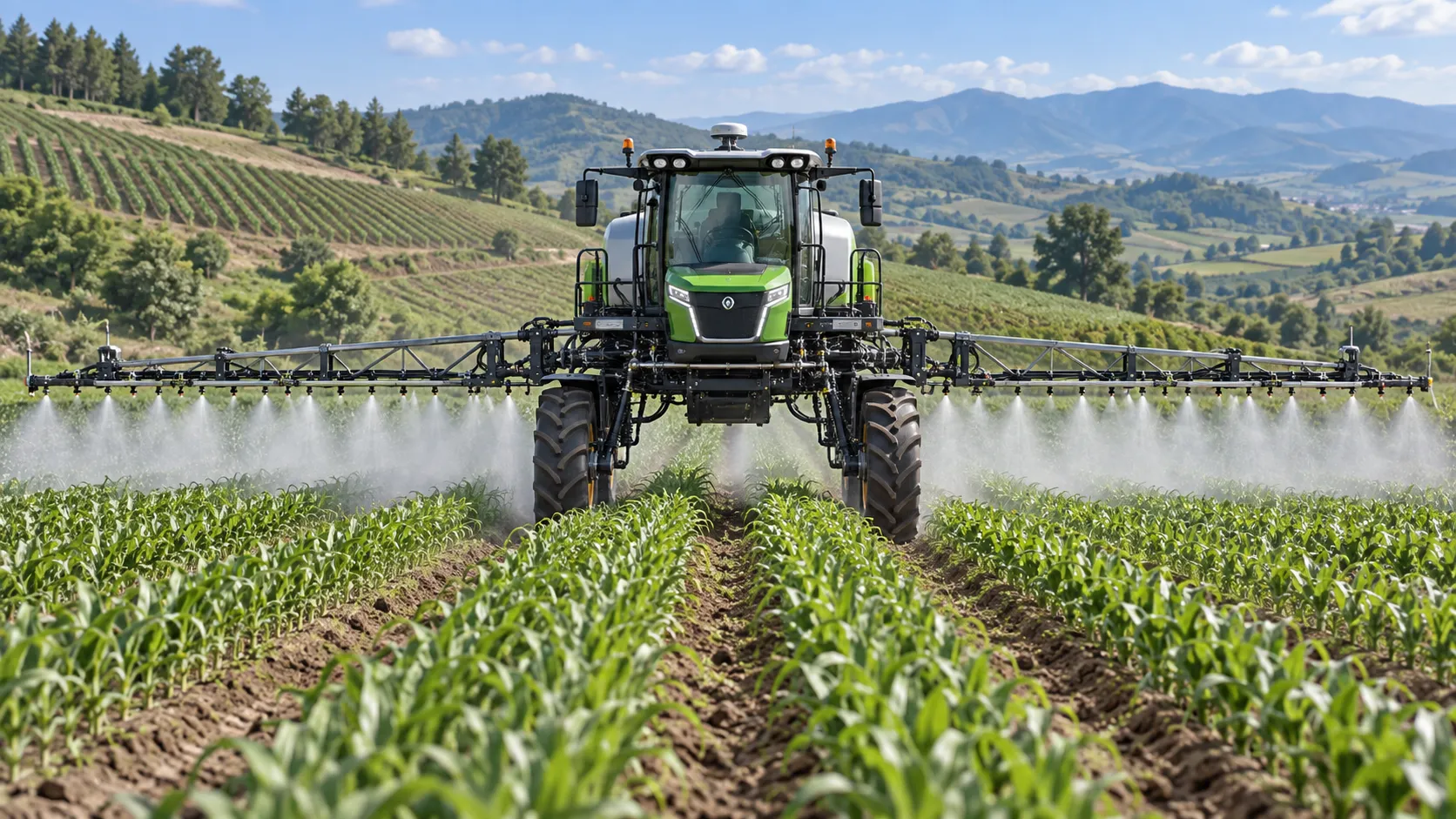
How to Select Precision Crop Protection Equipment for Variable Field Conditions
Precision crop protection equipment selection made simple: compare terrain, canopy, weather, control accuracy, and data workflows for reliable applications.

When Does Agricultural Machinery Leasing Cost Less Than Owning Equipment?
Agricultural machinery leasing can lower farm costs when use is seasonal or uncertain. Compare utilization, maintenance, cash flow, and risk to make a smarter equipment decision.

How to Evaluate Precision Fertilization System Suppliers for Farm-Scale Deployment
Precision fertilization systems suppliers: learn how to compare accuracy, integration, uptime, service, and total cost for confident farm-scale deployment.

ISOBUS for Smart Agriculture: How It Connects Tractors, Implements, and Farm Data
ISOBUS for smart agriculture connects tractors, implements, terminals, and farm data—helping growers improve precision, documentation, and smarter field decisions.
Related News
- 00
0000-00
How to Choose Plant Protection Equipment for Vineyard Pests - 00
0000-00
How to Read Agricultural Equipment Specifications for Sprayers Before You Compare Models - 00
0000-00
BIS Extends Fast-Track Approval for Self-Propelled Sprayers - 00
0000-00
Intelligent Sprayer Technology: Which Functions Matter Most for Field Efficiency? - 00
0000-00
How to Choose Plant Protection Equipment for Orchards by Tree Height, Row Spacing, and Spray Drift
Popular Tags
Agri-Mechanization Fellow
Weekly Insights
Stay ahead with our curated technology reports delivered every Monday.