
Which climate resilient practices pay off in dry years?
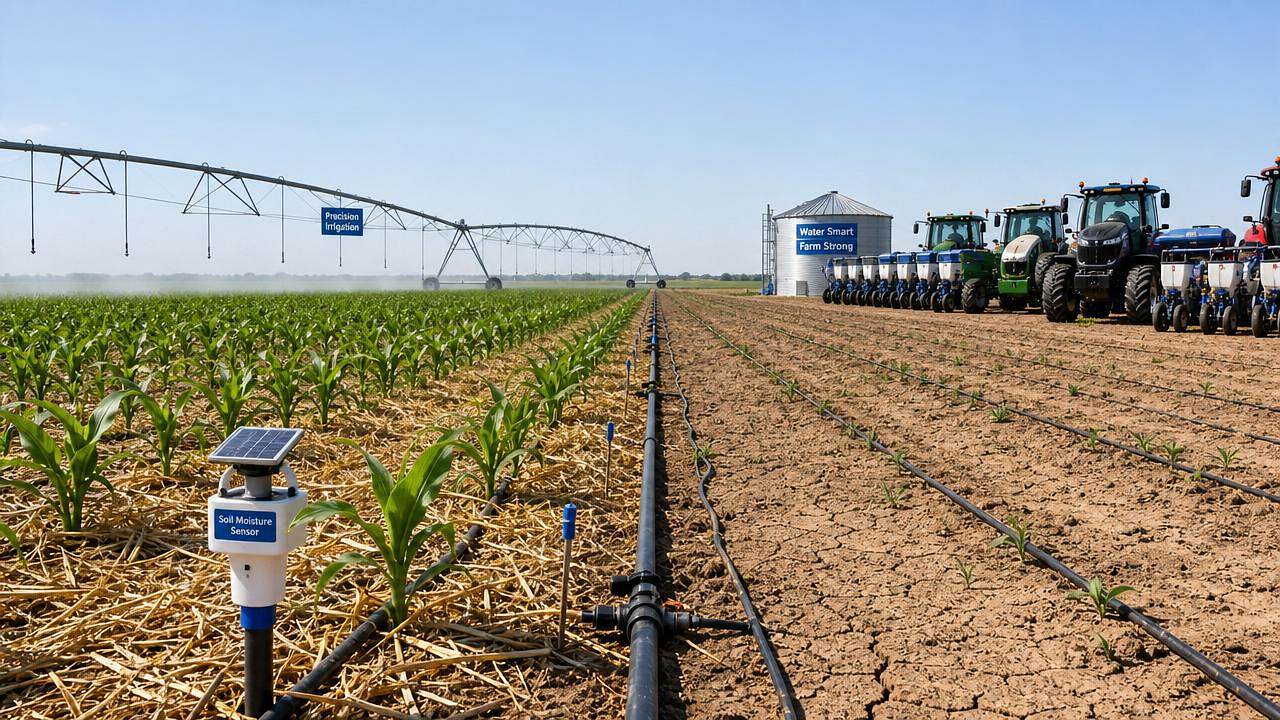




In dry years, the value of climate-resilient agriculture practices shows up quickly in yield stability, water productivity, and machine utilization. The practical issue is not whether resilience matters. It is which actions return measurable value under heat, rainfall volatility, and tighter input margins.
For large-scale operations, dry-year performance depends on agronomy, irrigation control, equipment timing, and field-by-field prioritization. The most effective climate-resilient agriculture practices reduce avoidable losses first, then improve response speed when weather turns unfavorable.
Why a checklist works better in dry-year planning
Dry-year decisions often fail because teams evaluate single technologies in isolation. A checklist forces comparison across water, soil, crop timing, power availability, and harvest risk. That structure improves capital discipline and prevents expensive but weakly connected investments.
It also helps rank climate-resilient agriculture practices by payback speed. Some practices protect yield immediately. Others mainly build medium-term resilience. In difficult seasons, the strongest returns usually come from combinations rather than standalone upgrades.
Core checklist: Which climate-resilient agriculture practices pay off first?
- Measure field water balance before investing, using soil maps, evapotranspiration data, pump records, and irrigation uniformity tests to identify where water losses exceed yield risks.
- Upgrade irrigation scheduling with sensor feedback, weather forecasts, and zone-level control so applied water matches crop stage, rooting depth, and expected heat stress.
- Protect soil cover with residue retention or cover crops to reduce evaporation, improve infiltration, and stabilize root-zone moisture during short but damaging dry periods.
- Select drought-tolerant or earlier-maturing genetics where seasonal rainfall is unreliable, especially in fields with shallow soils or weak irrigation backup.
- Recalibrate planting density and row spacing to fit realistic water availability, avoiding stand structures that promise yield only under normal rainfall patterns.
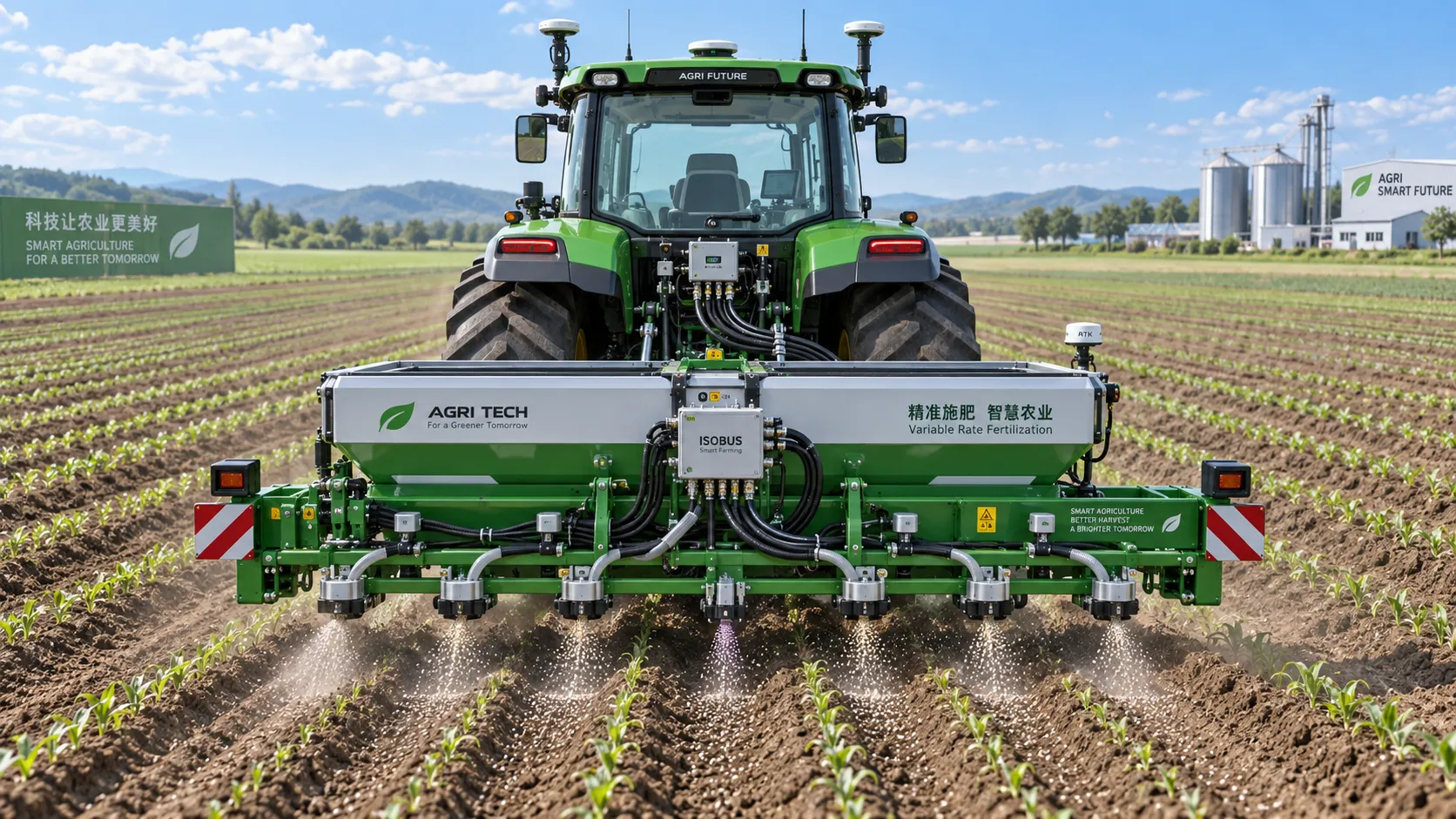
- Use variable-rate fertility to avoid overfeeding low-moisture zones, because unbalanced nitrogen programs can increase stress and waste cash in dry seasons.
- Reduce compaction through traffic planning and tire-pressure management so limited rainfall infiltrates faster and roots can access deeper stored moisture.
- Prioritize timely field operations with reliable tractors, guidance systems, and implement matching, since delayed planting or spraying amplifies dry-year losses.
- Monitor harvest loss carefully in stressed crops, because brittle plants, uneven maturity, and weak grain fill can turn poor setup into avoidable revenue leakage.
- Rank investments by margin protected per cubic meter of water, not by technology appeal, to keep climate-resilient agriculture practices tied to real returns.
Practices with the fastest payback in dry years
Smart irrigation control
Among all climate-resilient agriculture practices, intelligent irrigation often delivers the clearest short-term payoff. Better scheduling reduces overwatering, lowers energy use, and shifts scarce water toward higher-value growth stages. The financial benefit comes from precision, not simply from adding hardware.
Systems linked to moisture probes, weather data, and remote valve control outperform fixed calendar irrigation. They improve water-use efficiency and reveal underperforming zones, blocked emitters, and pressure imbalances before yield damage spreads across the field.
Soil moisture preservation
Residue management, reduced tillage, and cover cropping usually cost less than major infrastructure upgrades. Yet they can materially improve infiltration and slow evaporation. In dry years, preserving each millimeter of stored water can be more valuable than pursuing a small top-end yield increase.
These climate-resilient agriculture practices also support trafficability and root development. Their payoff is strongest where rainfall arrives in irregular bursts and soils are vulnerable to surface sealing or compaction.
Operational timing supported by machinery uptime
Dry years narrow the timing window for planting, spraying, irrigation maintenance, and harvest. Reliable tractors, well-matched implements, and low-loss combine settings protect performance when every day matters. Missed timing often destroys the value of other resilience investments.
This is where agricultural intelligence and equipment readiness intersect. A precise irrigation plan means little if pumps fail, if guidance drift causes overlap, or if harvest losses rise in fragile crops.
How priorities change by operating scenario
Rainfed broadacre systems
In rainfed systems, the highest-value climate-resilient agriculture practices usually center on water capture and stress avoidance. Residue retention, reduced compaction, realistic seeding rates, and drought-adapted varieties often pay back faster than expensive digital layers without field execution.
Harvest logistics also matter. Uneven crop maturity in dry years can increase shatter and header loss. Good machine calibration protects income already reduced by limited rainfall.
Irrigated row crops
For irrigated row crops, returns often depend on water allocation accuracy. Zone control, leak detection, pump efficiency, and pressure consistency tend to pay off before more complex platform investments. In many cases, the biggest gain comes from correcting uneven application.
Pairing irrigation data with crop-stage models improves decision quality. Water should move first toward blocks with stronger yield response, not simply toward the easiest areas to irrigate.
Mixed operations balancing crops and equipment fleets
Mixed operations often benefit from integrated planning. The best climate-resilient agriculture practices connect machine scheduling, field moisture status, fuel logistics, and harvest sequencing. Dry years expose weak coordination quickly.
A resilient system here is not only agronomic. It is operational. Machinery bottlenecks, delayed maintenance, or poor field prioritization can waste water savings created elsewhere.
Commonly overlooked risks
Ignoring field variability. Average farm-level numbers hide weak zones. Dry-year returns improve when climate-resilient agriculture practices target the least efficient fields first.
Overinvesting in hardware without management change. Sensors, valves, and software create value only when teams adjust schedules, thresholds, and maintenance routines.
Chasing maximum yield instead of protected margin. In low-moisture seasons, the right goal is stable output per unit of water, energy, and labor.
Neglecting harvest and post-stress recovery. Dry weather damage is not finished at flowering or grain fill. Poor harvesting setup can erase part of the resilience gain.
Practical execution plan
- Audit the top 20% of fields by revenue and water use, then identify where water loss, compaction, or timing failures most often reduce output.
- Install or validate basic measurement first, including moisture sensing, flow tracking, pressure checks, and machine performance records.
- Apply low-cost agronomic corrections before major capital projects, especially residue management, traffic control, planting adjustments, and fertility alignment.
- Phase digital irrigation improvements where infrastructure already exists, prioritizing zones with the highest response to timing accuracy.
- Review harvest settings for drought-affected crop conditions so quality and grain retention remain protected at the final revenue stage.
Conclusion and next action
The climate-resilient agriculture practices that pay off in dry years are usually the ones that improve water precision, preserve soil moisture, and protect timing across the full operating cycle. They work best when supported by dependable machinery and field-level intelligence.
Start with a ranked checklist, not a technology catalog. Measure current losses, fix the weakest water and soil constraints, and link every upgrade to protected margin. That is how dry-year resilience becomes a practical return, not just a sustainability goal.
Related News
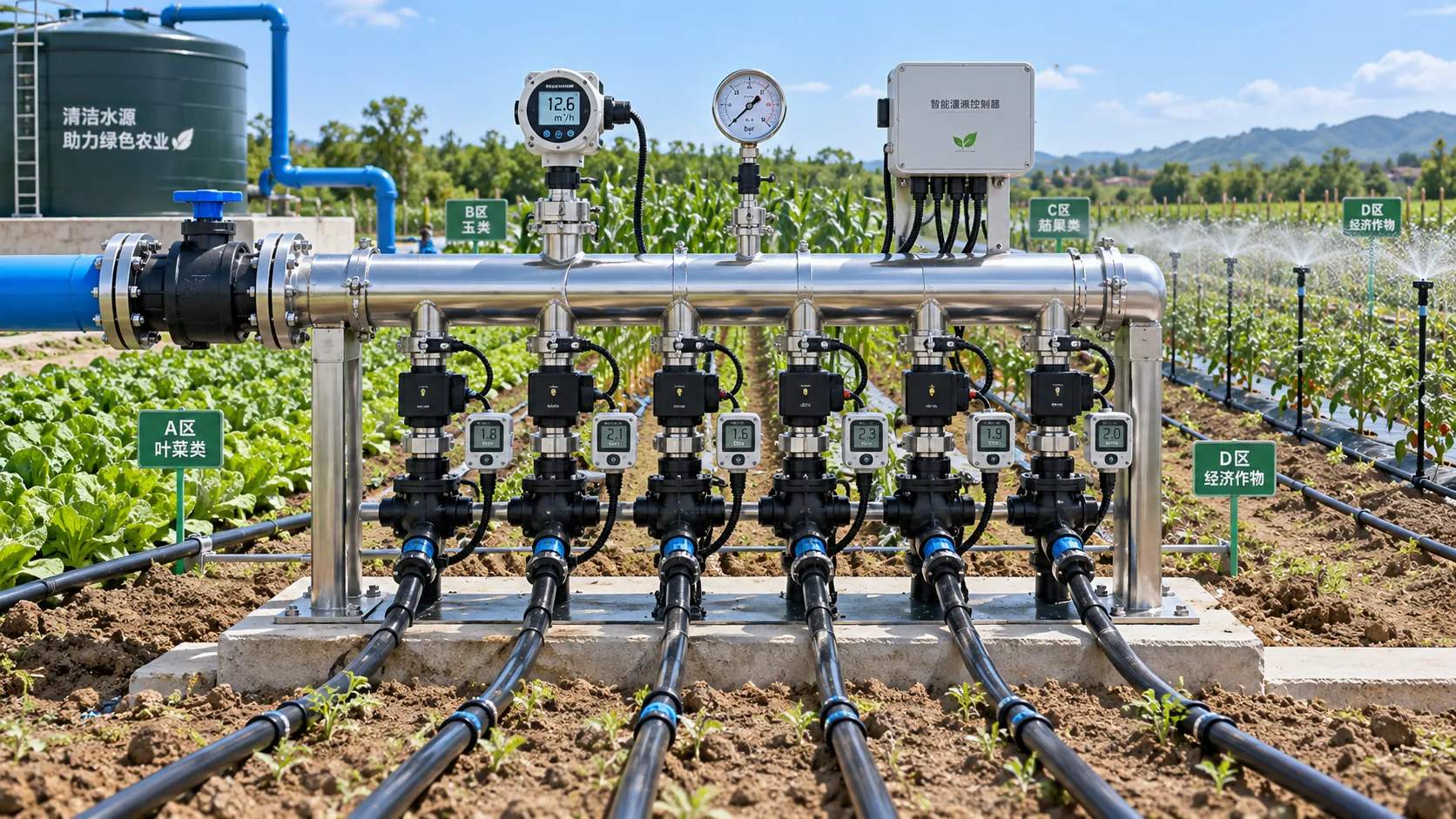
How to Select Smart Irrigation Valves for Multi-Zone Water Management?
Intelligent irrigation systems valves: learn how to match smart valves with multi-zone flow, pressure, control, feedback, and communication needs for reliable water management.
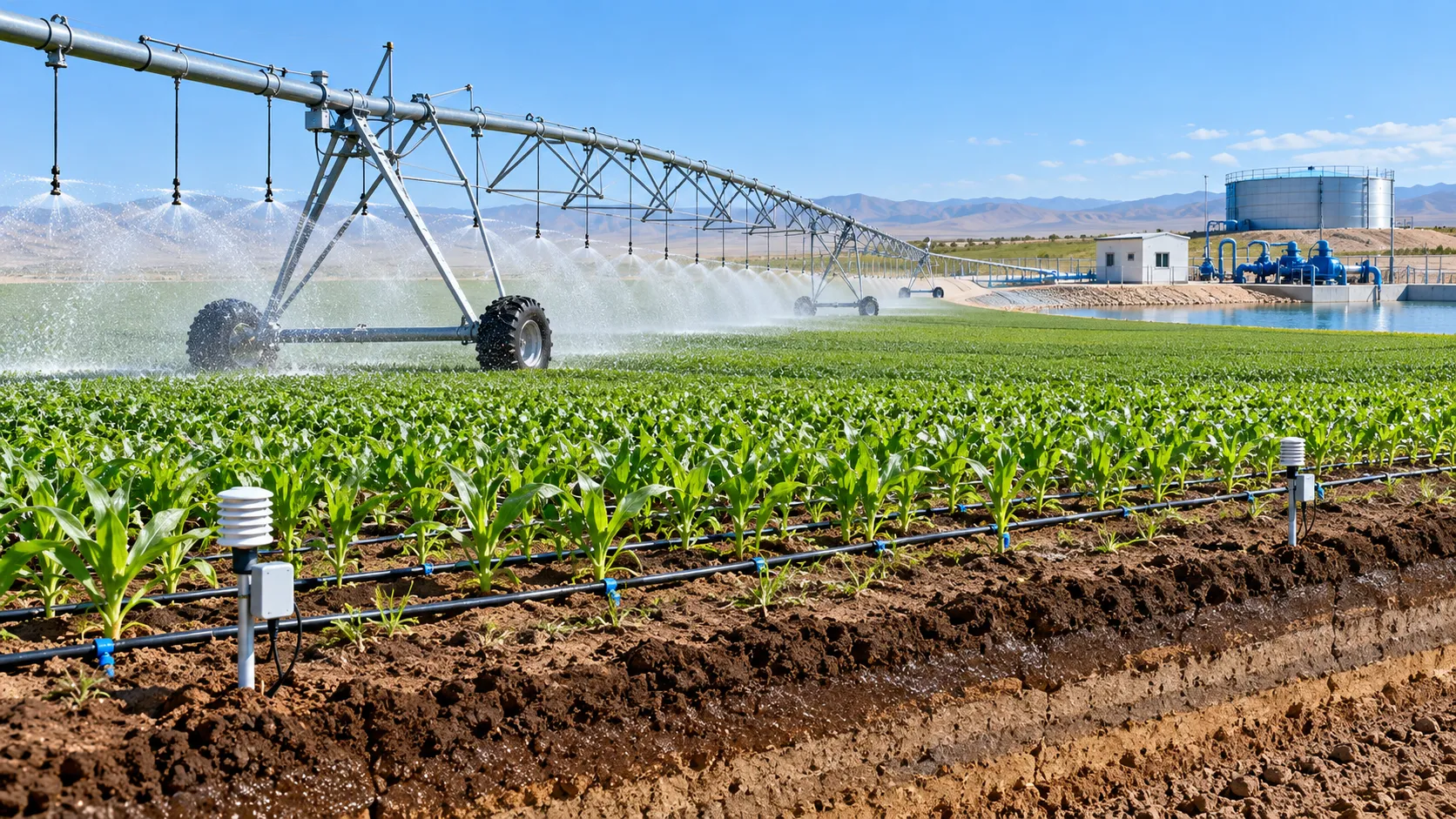
Climate-Smart Farming for Drought: A Practical Plan for Protecting Yields
Climate-smart farming for drought: build smarter water budgets, protect critical crop stages, improve irrigation uniformity, and safeguard yields with practical field-proven strategies.
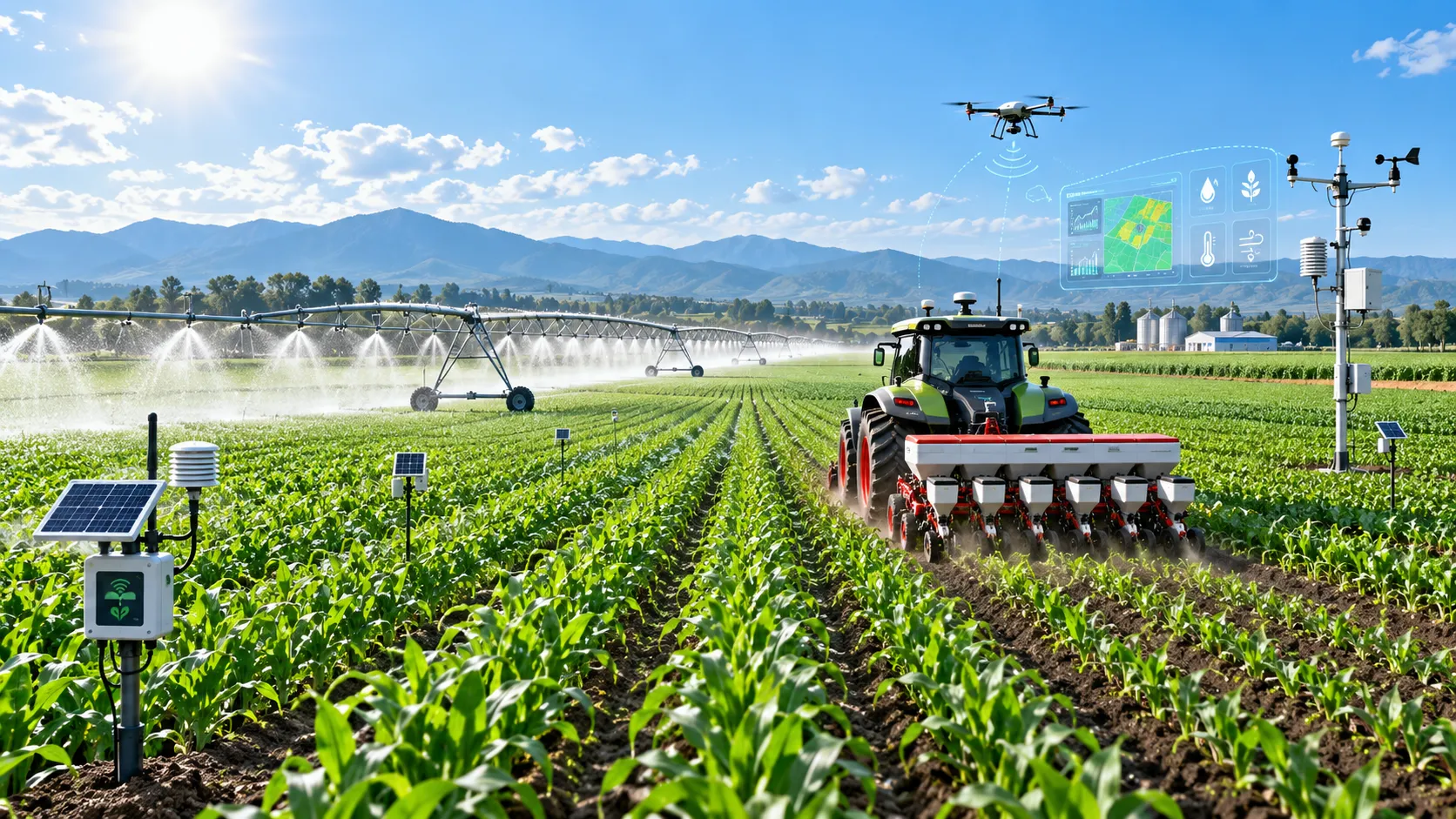
How Digital Agriculture Platforms Turn Field Data Into Better Input Decisions
Digital agriculture platforms turn field data into smarter fertilizer, water, seed, and equipment decisions—helping farms cut risk, improve margins, and scale sustainability.
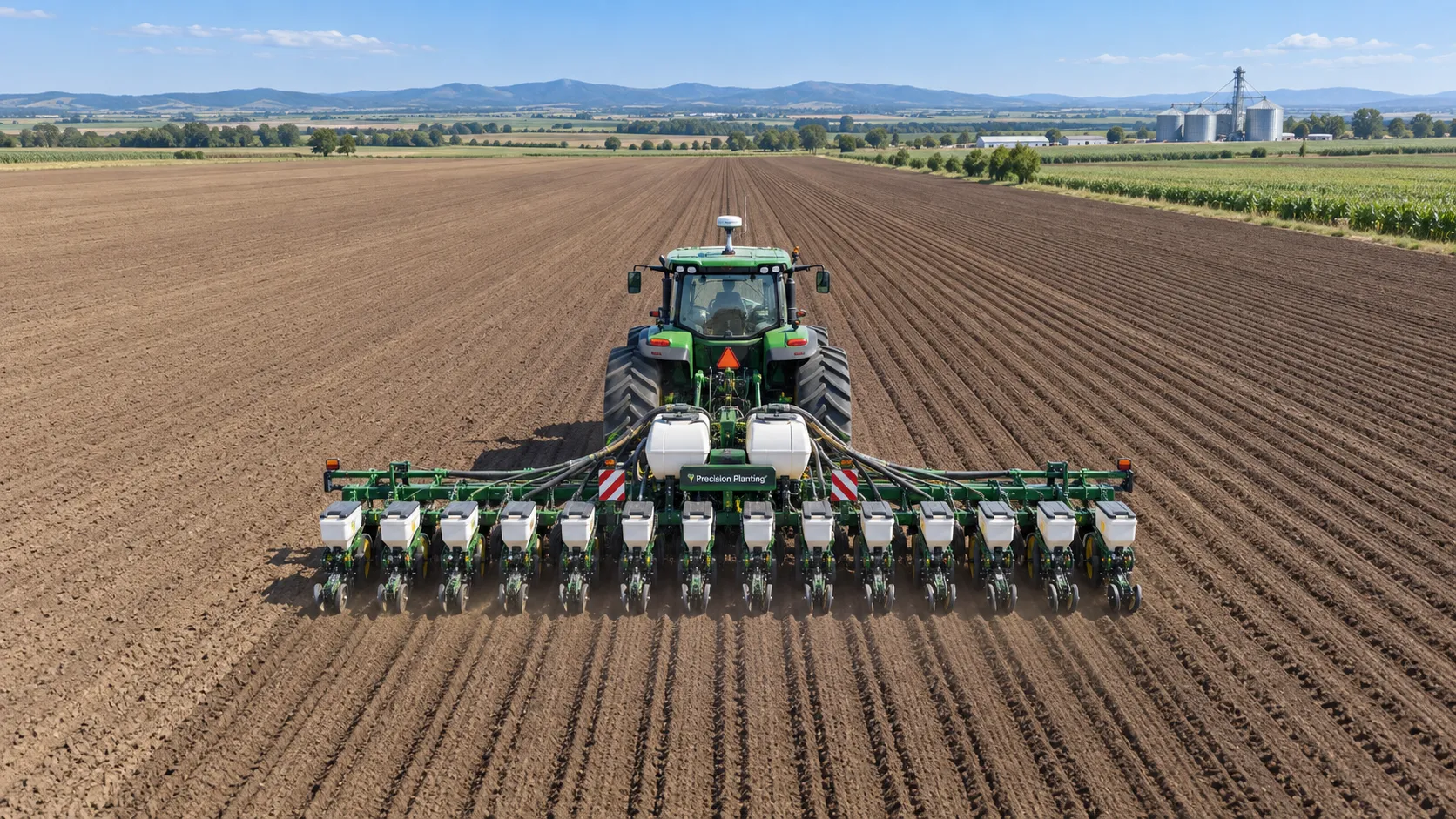
GPS-Guided Farm Machinery: Where It Delivers Measurable Field Efficiency Gains
Agri-mechanization GPS guided systems deliver measurable field efficiency gains through reduced overlap, precise planting, smarter inputs, and reliable farm data.
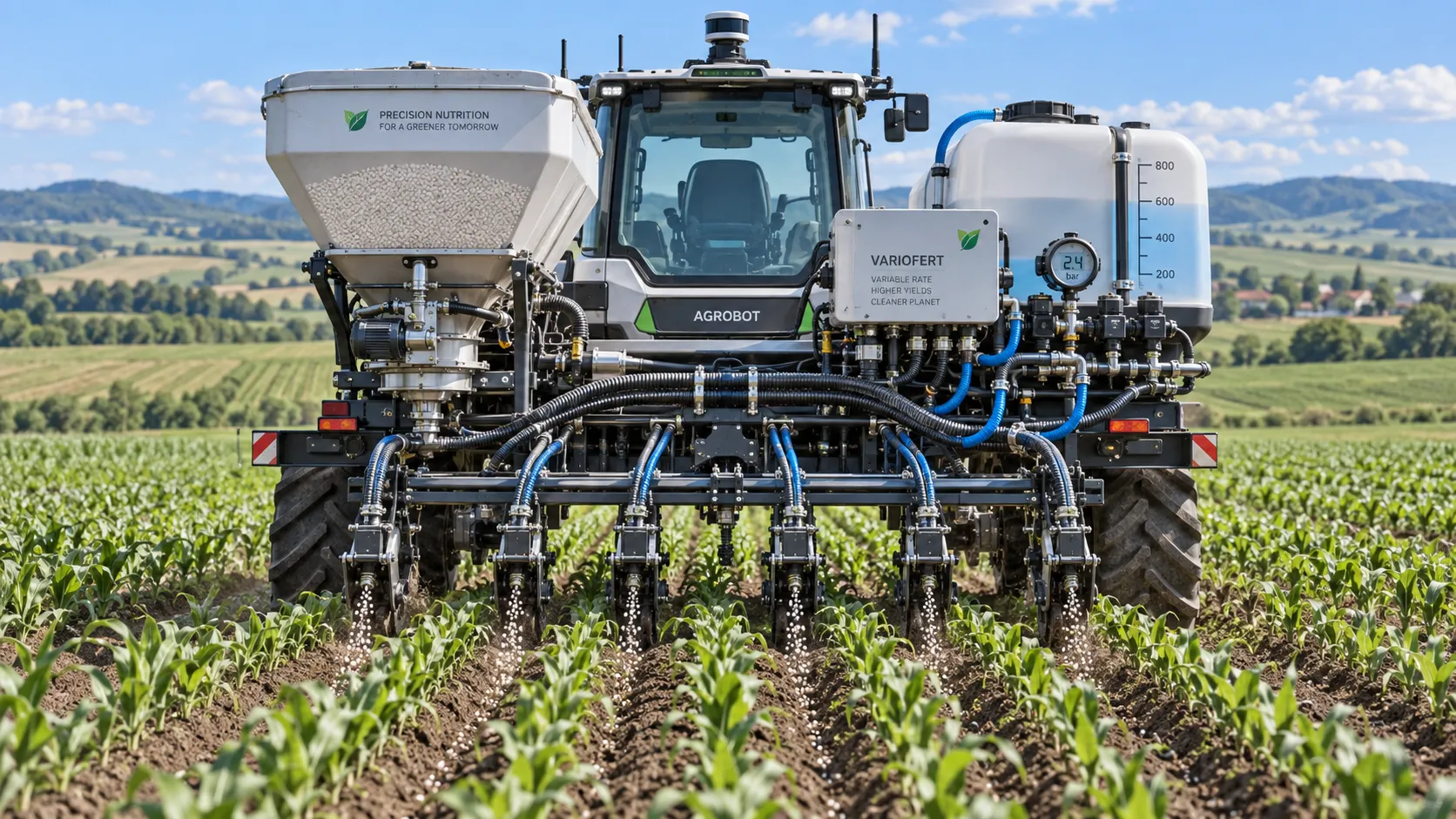
How Sensor Feedback Enables Accurate Variable-Rate Fertilization in Field Conditions
Precision fertilization systems with sensor feedback improve variable-rate accuracy by verifying flow, managing latency, and ensuring reliable field application.
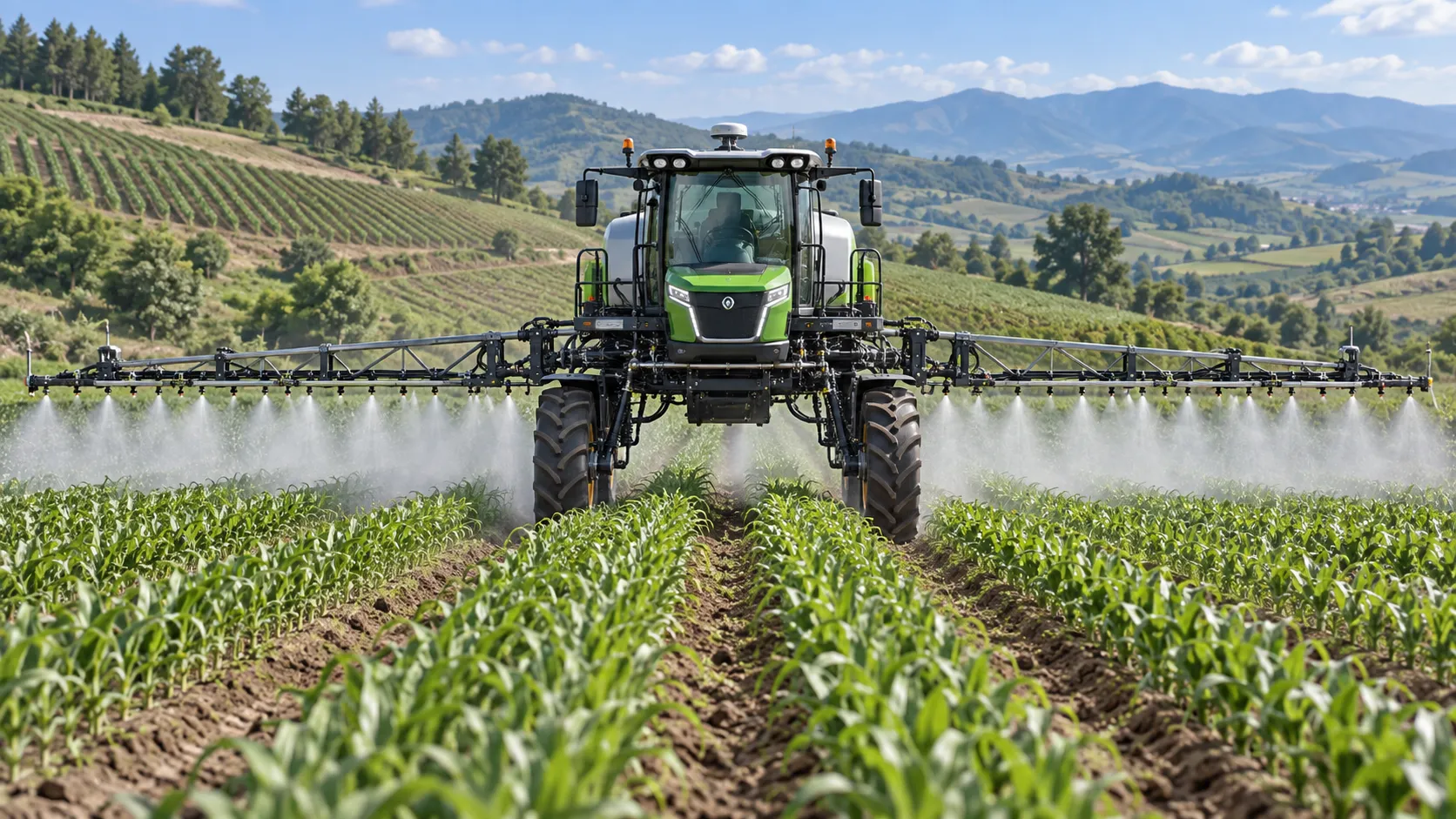
How to Select Precision Crop Protection Equipment for Variable Field Conditions
Precision crop protection equipment selection made simple: compare terrain, canopy, weather, control accuracy, and data workflows for reliable applications.

When Does Agricultural Machinery Leasing Cost Less Than Owning Equipment?
Agricultural machinery leasing can lower farm costs when use is seasonal or uncertain. Compare utilization, maintenance, cash flow, and risk to make a smarter equipment decision.
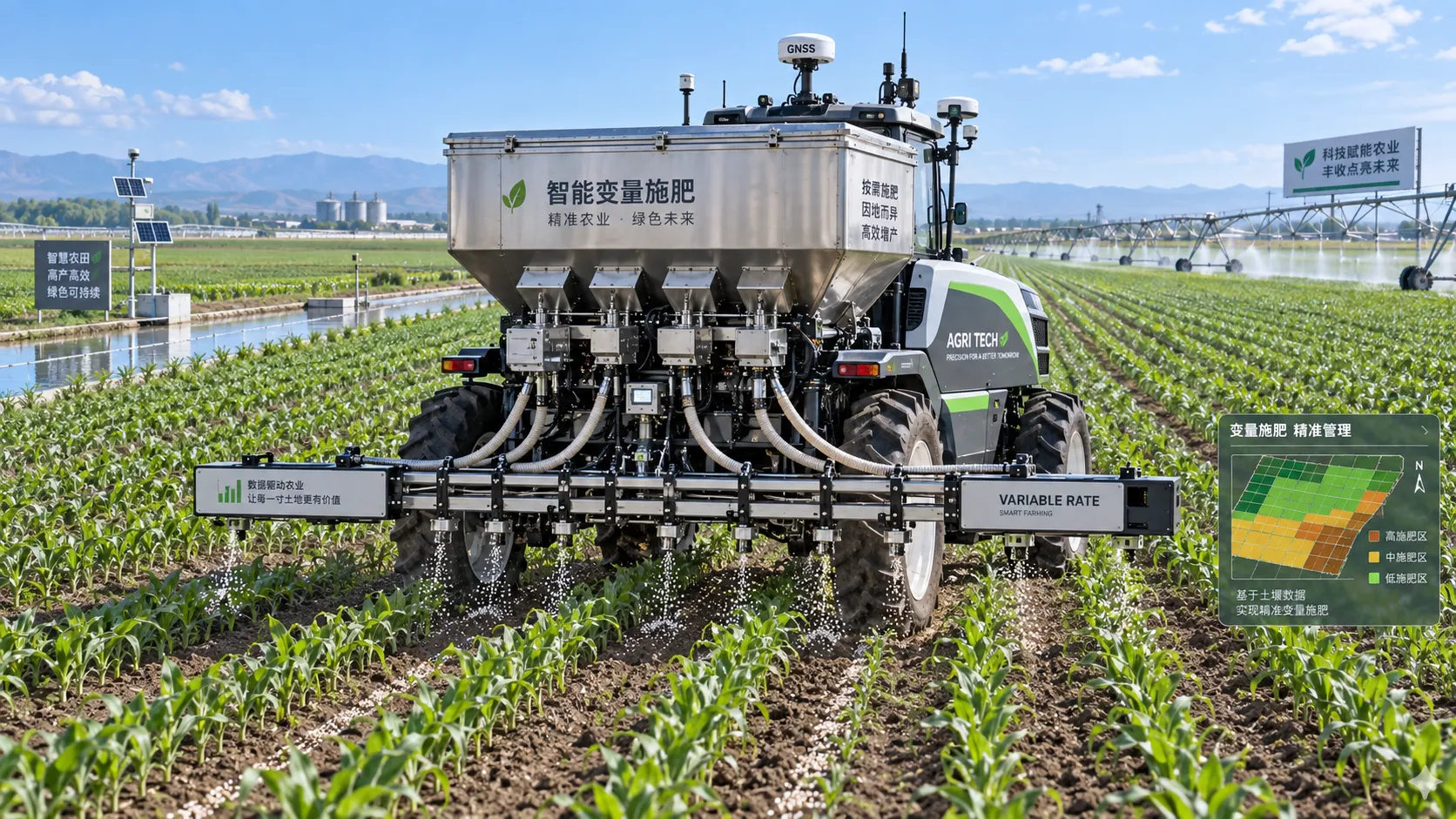
How to Evaluate Precision Fertilization System Suppliers for Farm-Scale Deployment
Precision fertilization systems suppliers: learn how to compare accuracy, integration, uptime, service, and total cost for confident farm-scale deployment.
ISOBUS for Smart Agriculture: How It Connects Tractors, Implements, and Farm Data
ISOBUS for smart agriculture connects tractors, implements, terminals, and farm data—helping growers improve precision, documentation, and smarter field decisions.
Related News
- 00
0000-00
How Does Farm Mechanization Affect Food Security in Developing Regions? - 00
0000-00
Agricultural Technology Insights by Region: Where Adoption Is Growing Fastest - 00
0000-00
How Climate-Smart Agriculture Technology Improves Yield, Soil Health, and Risk Resilience - 00
0000-00
Smart Farming Solutions in Latin America: Which Technologies Fit Large Farms Best? - 00
0000-00
Long-Cycle Agri-Trade Price Trends: How to Read Supply, Freight, and Currency Signals
Popular Tags
Prof. Marcus Chen
Weekly Insights
Stay ahead with our curated technology reports delivered every Monday.