
Why climate-smart farming practices matter for food security
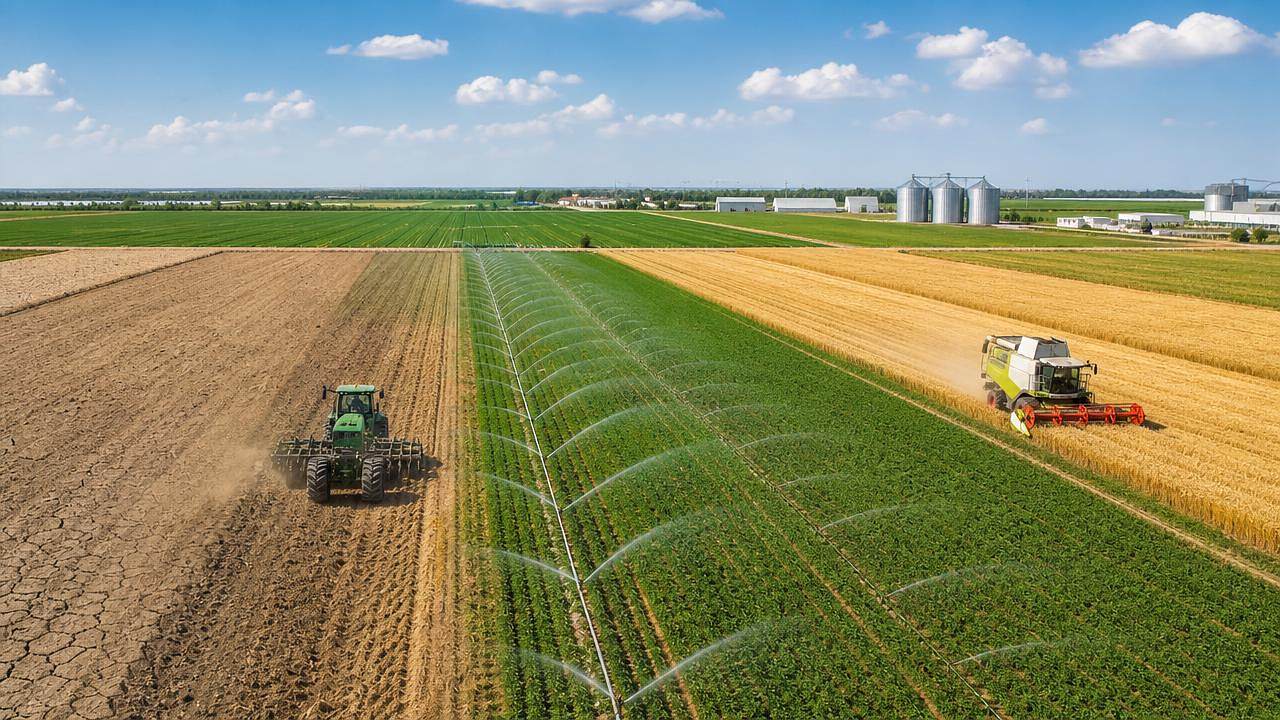




As climate volatility, water scarcity, and yield pressure intensify, climate-smart farming practices for food security are becoming essential rather than optional.
For agriculture intelligence platforms, this shift is not only environmental. It affects machinery investment, irrigation planning, field data use, and harvest resilience.
In practical terms, climate-smart farming practices for food security connect precision operations with stable output, lower resource waste, and better risk control across varied production scenarios.
Why scenario-based judgment matters in climate-smart agriculture
Not every farm faces the same climate stress. Rain-fed grain regions, irrigated zones, and mixed-crop systems require different responses and equipment priorities.
That is why climate-smart farming practices for food security should be assessed by scenario, not by generic sustainability claims.
A dryland cereal field may need water-retention tillage, drought-tolerant timing, and low-loss combine settings. A high-value crop zone may need sensor-led irrigation and disease forecasting.
AP-Strategy tracks these differences through machinery performance, precision farming algorithms, irrigation intelligence, and food security policy signals.
Scenario 1: Unstable rainfall regions need resilient field operations
In regions with delayed rains, sudden storms, or uneven seasonal distribution, timing becomes a core risk factor.
Here, climate-smart farming practices for food security focus on preserving soil moisture, reducing pass counts, and shortening operation windows.
Core judgment points
- Can tractors and implements complete soil preparation quickly after limited rainfall?
- Are seeding and fertilization adjusted to local moisture conditions?
- Can harvesting systems avoid excessive losses during compressed harvest periods?
Large-scale agri-machinery matters because delayed operations often reduce yield more than moderate input savings can recover.
Low-disturbance tillage, traffic control, and adaptive seeding depth improve moisture conservation. These are practical climate-smart farming practices for food security in unstable rainfall settings.
Scenario 2: Water-scarce zones depend on intelligent irrigation decisions
Where aquifers decline or allocation rules tighten, irrigation efficiency becomes a strategic food security issue.
Climate-smart farming practices for food security in these zones are built around precise water delivery, evapotranspiration forecasting, and leak reduction.
What matters most
- Sensor-based scheduling instead of fixed calendar irrigation
- Zone-specific application based on soil variability
- Recycling, pressure control, and network monitoring
Intelligent irrigation systems help match water use to actual crop demand. This lowers waste while protecting yield quality and harvest consistency.
For broadacre and irrigated field crops, water-saving infrastructure supports climate-smart farming practices for food security more effectively when combined with field-level data feedback.
Scenario 3: Heat stress and harvest volatility require smarter combine performance
Rising temperatures often accelerate crop maturity, narrow harvest windows, and increase shattering or moisture inconsistency.
In this context, climate-smart farming practices for food security include not only crop management but also better combine harvesting technology.
Key adaptation checks
- Can the combine maintain low-loss performance in uneven crop conditions?
- Are cleaning systems responsive to moisture changes across the field?
- Is harvest logistics fast enough to prevent field deterioration?
Dynamic adjustment of threshing, separation, and cleaning improves grain retention. That directly supports food supply stability.
For AP-Strategy, this is where mechanical performance and precision algorithms meet. Reliable harvesting is a major pillar of climate-smart farming practices for food security.
Scenario 4: Input-cost pressure makes precision application more important
Climate stress rarely comes alone. It often arrives with volatile fertilizer prices, fuel costs, and labor constraints.
That makes climate-smart farming practices for food security a business continuity issue as much as an agronomic one.
Intelligent farm tools using satellite positioning and sensor feedback reduce over-application and improve input timing.
Variable-rate fertilization, targeted crop protection, and reduced overlap protect margins while lowering environmental pressure.
How scenario needs differ across farm systems
Practical adaptation suggestions by scenario
The best climate-smart farming practices for food security usually emerge from phased upgrades rather than isolated purchases.
- Map the dominant climate risk by field, crop, and season.
- Identify where losses come from: water, timing, fuel, nutrients, or harvesting.
- Match the problem to the right machinery or digital control point.
- Use field data to verify whether the change improves yield stability.
- Scale only after operational results are measurable.
For example, an irrigation upgrade without pressure monitoring may save less water than expected.
A new combine without calibration for variable crop moisture may still deliver avoidable losses. Integration matters more than isolated modernization.
Common misjudgments that weaken food security outcomes
One frequent mistake is treating climate-smart farming practices for food security as a branding exercise instead of a system redesign.
- Focusing on single-season yield while ignoring long-term soil and water resilience
- Buying advanced equipment without data workflows or operator training
- Applying the same irrigation logic across highly variable soils
- Underestimating harvest loss in food security planning
- Ignoring policy shifts tied to emissions, water access, or input regulation
These gaps reduce the return on technology and weaken resilience during climate shocks.
What to do next for stronger climate and production resilience
Climate-smart farming practices for food security work best when field operations, machinery systems, and strategic intelligence move together.
A practical next step is to review current exposure across rainfall risk, irrigation efficiency, harvesting losses, and input-use precision.
Then compare those findings with available mechanization, digital sensing, and water-management capabilities.
AP-Strategy supports this process by connecting large-scale machinery insights, combine technology trends, tractor chassis evolution, intelligent tools, and smart irrigation analysis.
In a food system shaped by climate uncertainty, better decisions begin with clearer scenario judgment. That is why climate-smart farming practices for food security matter now more than ever.
- combine harvesting technology
- intelligent irrigation systems
- precision farming algorithms
- food security
- soil preparation
- tractor chassis
- intelligent farm tools
- satellite positioning
- smart irrigation networks
- climate-smart agriculture
- climate-smart farming
- climate-smart farming practices for food security
Related News
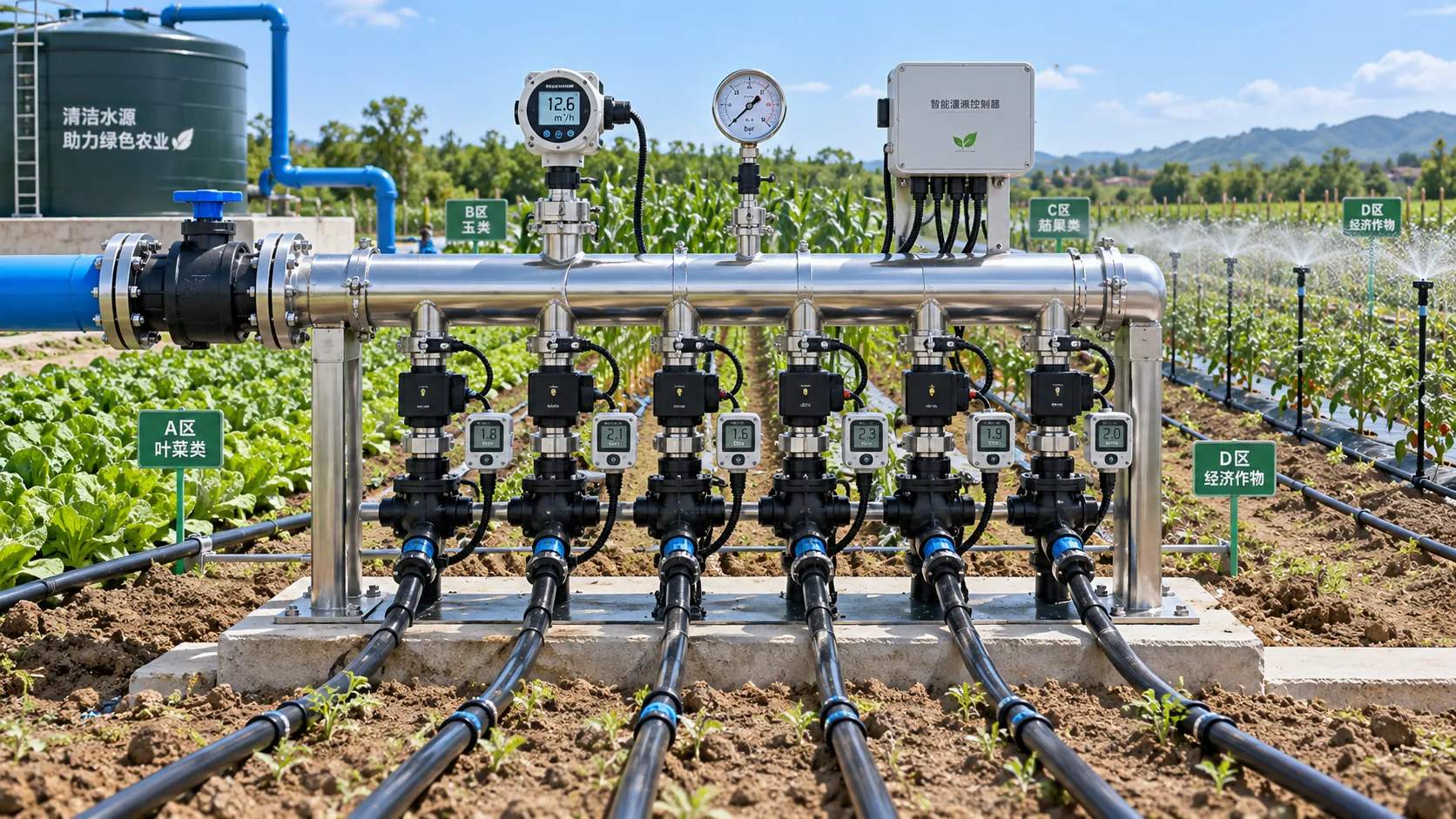
How to Select Smart Irrigation Valves for Multi-Zone Water Management?
Intelligent irrigation systems valves: learn how to match smart valves with multi-zone flow, pressure, control, feedback, and communication needs for reliable water management.
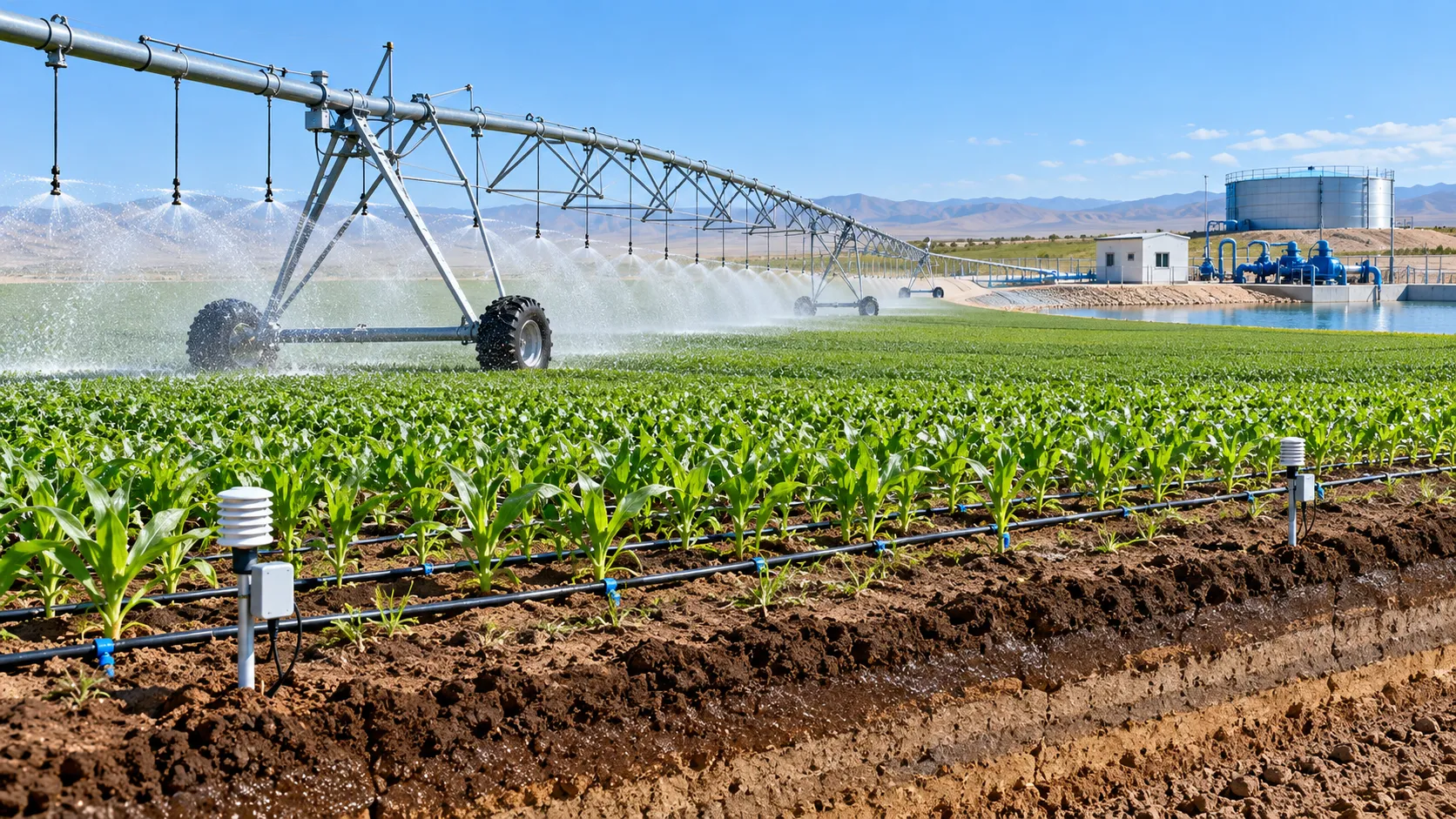
Climate-Smart Farming for Drought: A Practical Plan for Protecting Yields
Climate-smart farming for drought: build smarter water budgets, protect critical crop stages, improve irrigation uniformity, and safeguard yields with practical field-proven strategies.
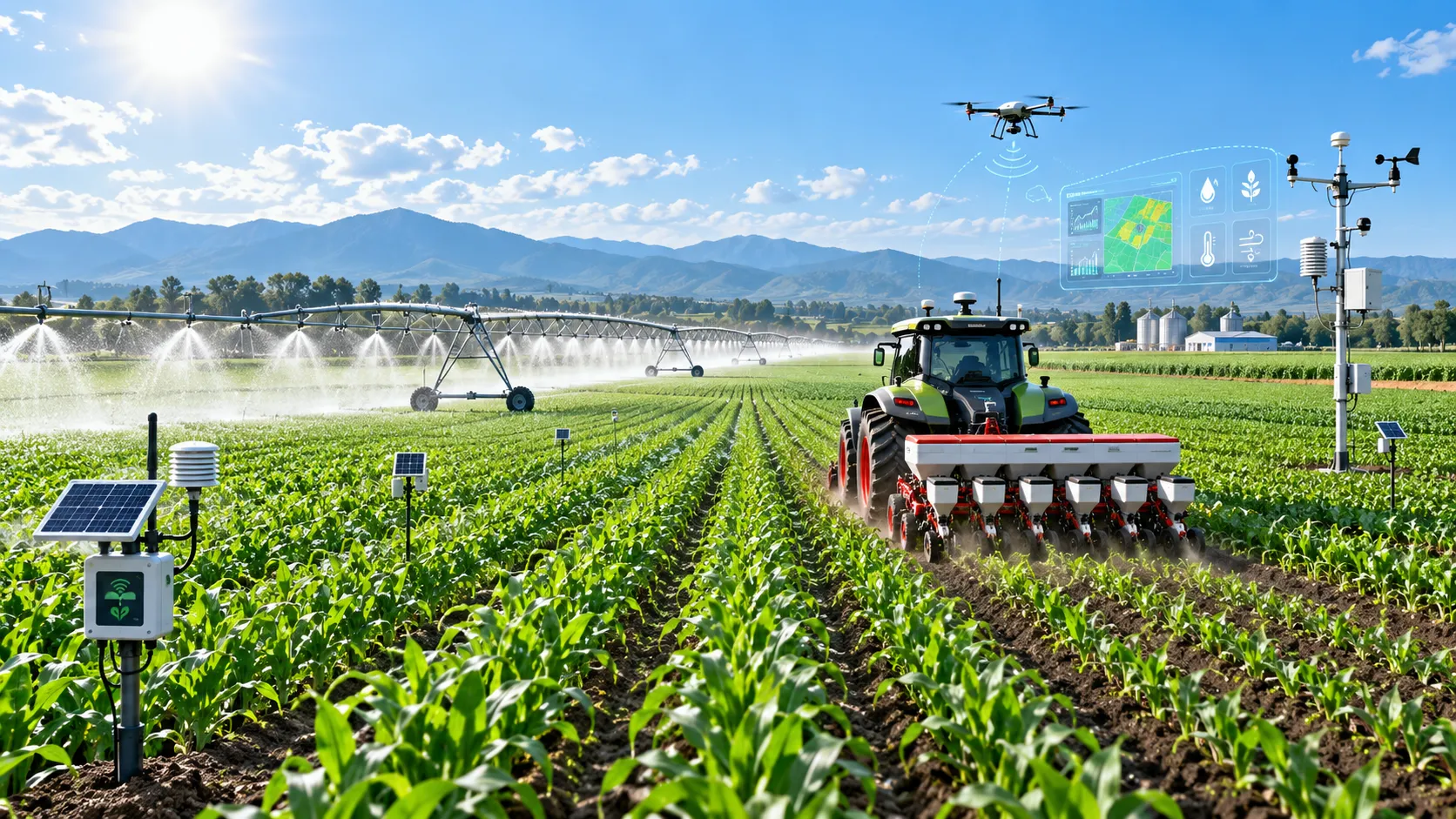
How Digital Agriculture Platforms Turn Field Data Into Better Input Decisions
Digital agriculture platforms turn field data into smarter fertilizer, water, seed, and equipment decisions—helping farms cut risk, improve margins, and scale sustainability.
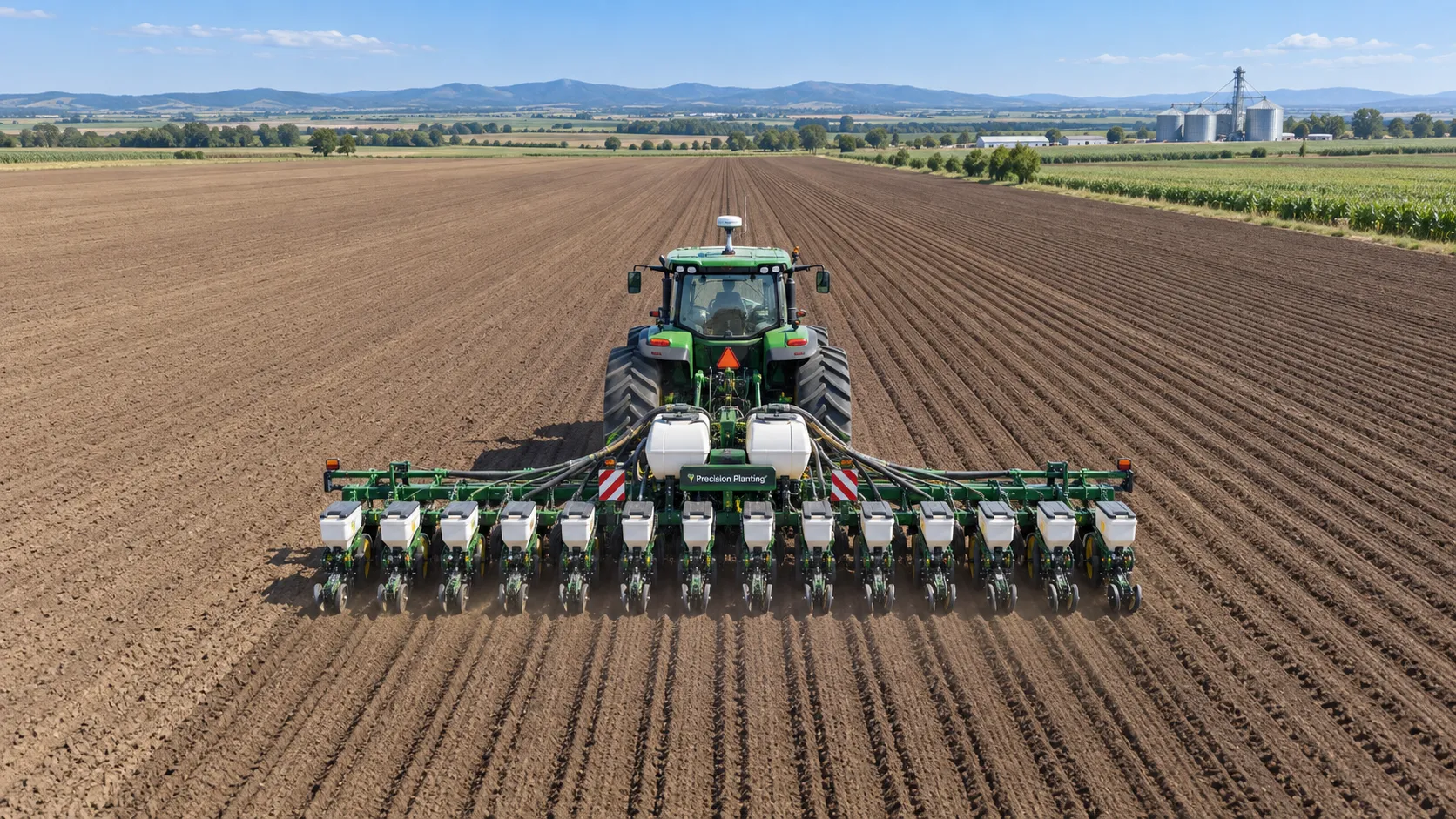
GPS-Guided Farm Machinery: Where It Delivers Measurable Field Efficiency Gains
Agri-mechanization GPS guided systems deliver measurable field efficiency gains through reduced overlap, precise planting, smarter inputs, and reliable farm data.
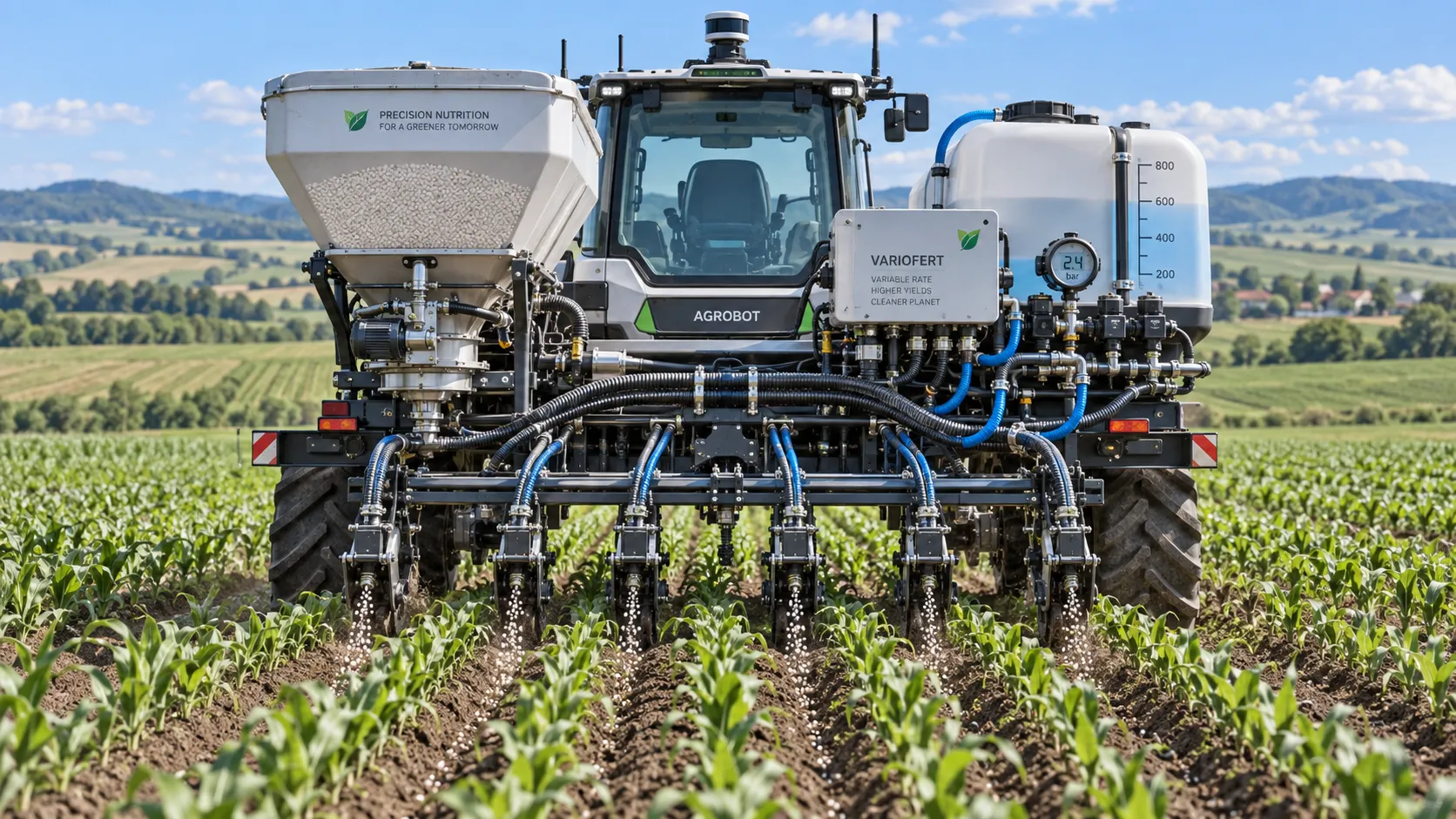
How Sensor Feedback Enables Accurate Variable-Rate Fertilization in Field Conditions
Precision fertilization systems with sensor feedback improve variable-rate accuracy by verifying flow, managing latency, and ensuring reliable field application.
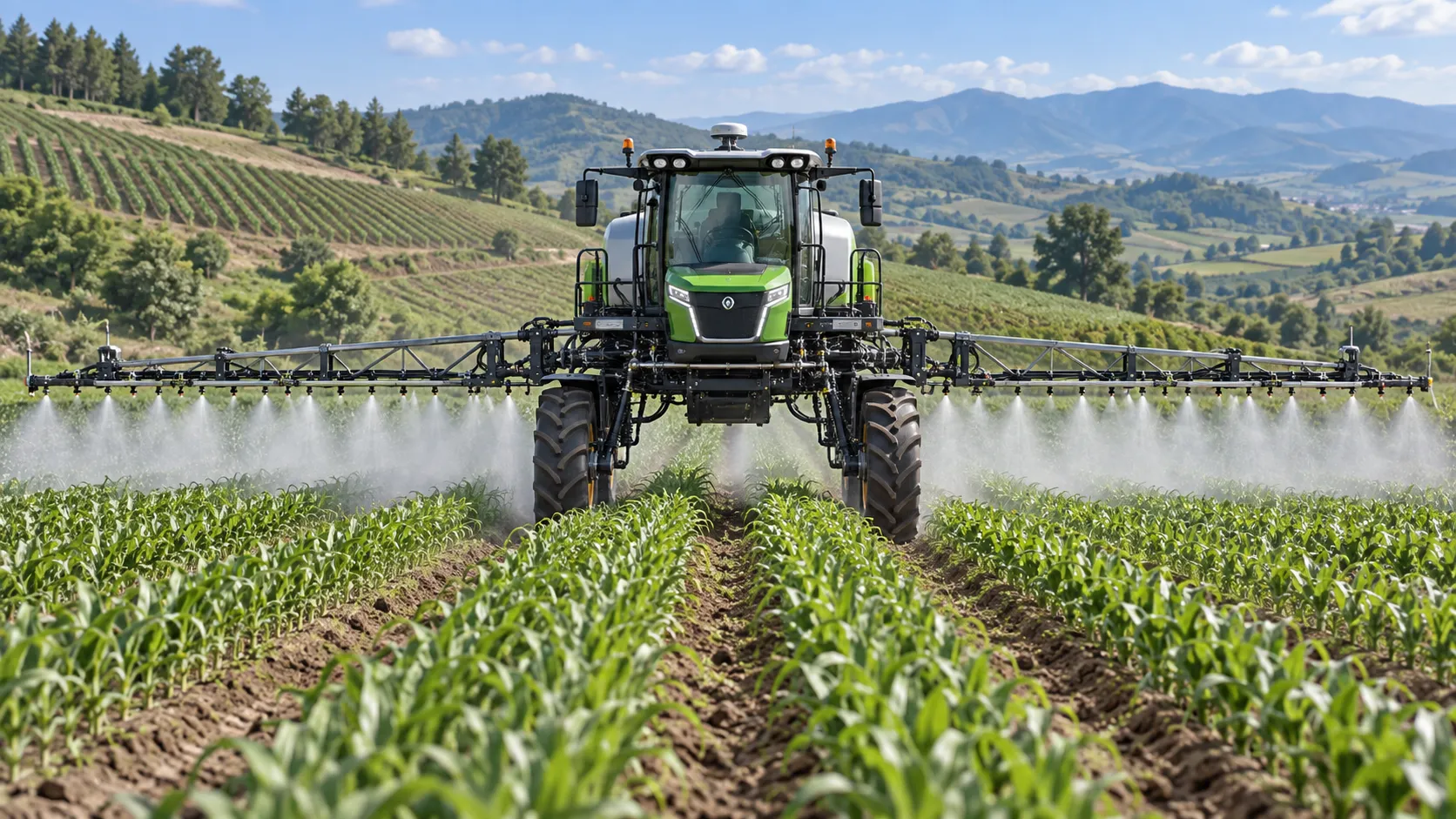
How to Select Precision Crop Protection Equipment for Variable Field Conditions
Precision crop protection equipment selection made simple: compare terrain, canopy, weather, control accuracy, and data workflows for reliable applications.

When Does Agricultural Machinery Leasing Cost Less Than Owning Equipment?
Agricultural machinery leasing can lower farm costs when use is seasonal or uncertain. Compare utilization, maintenance, cash flow, and risk to make a smarter equipment decision.

How to Evaluate Precision Fertilization System Suppliers for Farm-Scale Deployment
Precision fertilization systems suppliers: learn how to compare accuracy, integration, uptime, service, and total cost for confident farm-scale deployment.

ISOBUS for Smart Agriculture: How It Connects Tractors, Implements, and Farm Data
ISOBUS for smart agriculture connects tractors, implements, terminals, and farm data—helping growers improve precision, documentation, and smarter field decisions.
Related News
- 00
0000-00
How Does Farm Mechanization Affect Food Security in Developing Regions? - 00
0000-00
Agricultural Technology Insights by Region: Where Adoption Is Growing Fastest - 00
0000-00
How Climate-Smart Agriculture Technology Improves Yield, Soil Health, and Risk Resilience - 00
0000-00
Smart Farming Solutions in Latin America: Which Technologies Fit Large Farms Best? - 00
0000-00
Long-Cycle Agri-Trade Price Trends: How to Read Supply, Freight, and Currency Signals
Popular Tags
Prof. Marcus Chen
Weekly Insights
Stay ahead with our curated technology reports delivered every Monday.