
How sustainable farming builds climate resilience over time
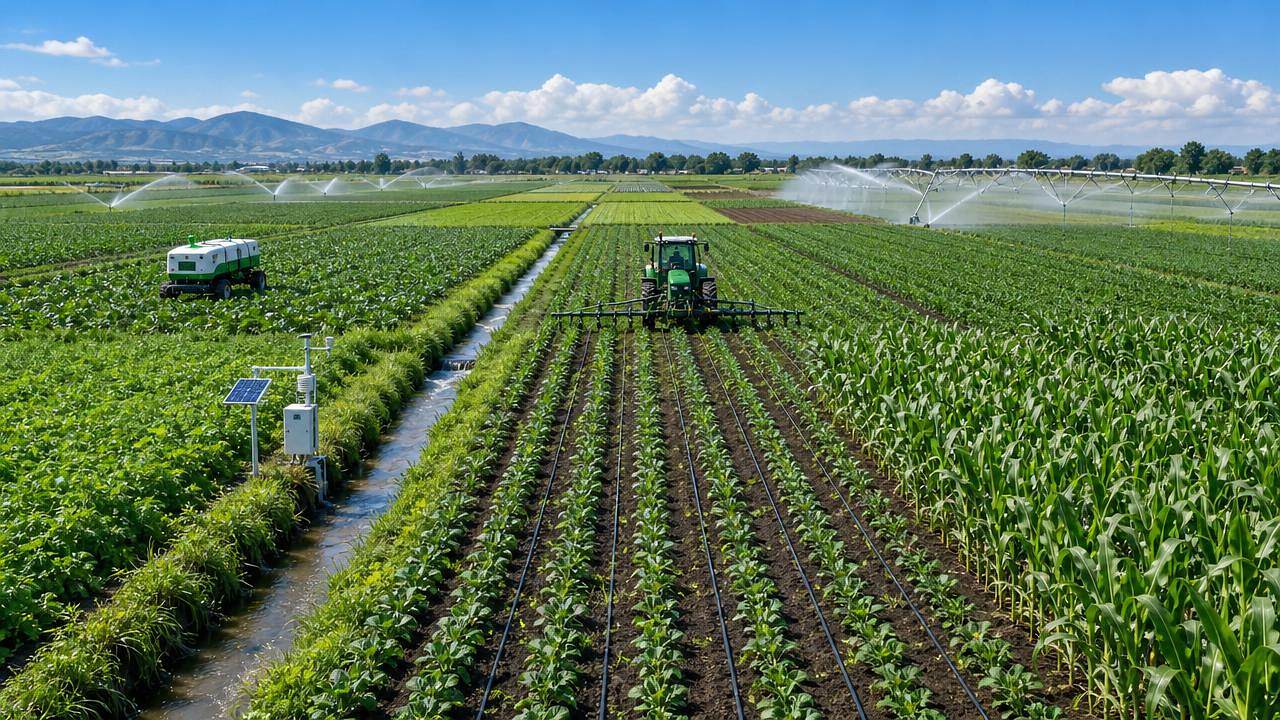




As climate volatility reshapes agricultural planning, sustainable farming practices for climate resilience are becoming essential for long-term field performance, resource efficiency, and operational risk control.
From precision irrigation to intelligent machinery deployment, resilient systems protect yields, reduce waste, and strengthen decision quality across changing weather, water, and soil conditions.
For a platform like AP-Strategy, this topic connects machinery capability, agronomic intelligence, and sustainability strategy into one practical operating framework.
Why climate resilience matters in different farming scenarios
Climate pressure does not affect every farm system equally. Rainfed regions, irrigated zones, large mechanized operations, and mixed cropping landscapes face different exposure patterns.
That is why sustainable farming practices for climate resilience should be matched to field conditions, crop cycles, equipment capacity, and local water risk.
A drought-prone grain belt may prioritize irrigation efficiency and soil moisture retention. A flood-sensitive lowland may focus on drainage, timing, and soil structure recovery.
The strongest climate-resilient systems are rarely built from one intervention. They emerge from aligned decisions in machinery, irrigation, data use, crop planning, and input timing.
Scenario 1: Water-stressed regions need precision and conservation together
In water-limited areas, the main risk is not only lower rainfall. The bigger issue is unstable water timing, rising evapotranspiration, and inefficient delivery during peak crop demand.
Here, sustainable farming practices for climate resilience begin with water accounting. Soil moisture data, weather forecasts, and crop-stage scheduling must work together.
Core judgment points for this scenario
- How variable is water supply across the season?
- Can irrigation be adjusted by field zone and crop stage?
- Is runoff or evaporation causing preventable loss?
- Are machines creating compaction that reduces infiltration?
Drip systems, variable-rate irrigation, and sensor-led scheduling can improve water productivity. Mulching, cover crops, and reduced tillage also preserve moisture between applications.
AP-Strategy’s focus on water-saving irrigation systems fits this scenario directly. Smart networks help convert climate uncertainty into measurable irrigation decisions.
Scenario 2: High-rainfall or flood-prone fields demand soil structure protection
Excess water can be as damaging as drought. Flooding delays field access, weakens roots, reduces oxygen, and increases nutrient losses through leaching and runoff.
In this setting, sustainable farming practices for climate resilience should protect the soil’s physical stability before the wettest period arrives.
What deserves attention first
- Drainage performance under repeated heavy rainfall
- Traffic patterns of tractors and harvesters
- Organic matter levels and aggregate stability
- Flexibility of planting and harvesting windows
Controlled traffic farming, lighter passes, and better chassis-hydraulic coordination reduce compaction. Cover crops and residue retention improve infiltration and erosion resistance.
Combine harvesting technology also matters. Wet harvest conditions increase loss risk, fuel waste, and soil damage if equipment setup is not adapted quickly.
Scenario 3: Large-scale mechanized farms need resilience at operational scale
On large farms, climate risk multiplies through logistics. A short weather shift can disrupt planting, spraying, irrigation, and harvest across wide acreage.
This is where sustainable farming practices for climate resilience must be embedded into operations, not treated as a separate environmental project.
Key resilience signals at scale
- Can fieldwork shift quickly when weather windows shorten?
- Do machine fleets support precise timing with lower fuel waste?
- Are input maps updated from real field feedback?
- Is harvest loss monitored under variable crop moisture?
Autonomous guidance, telematics, and precision application reduce overlap and improve timing. These tools help operations stay productive while lowering water, fertilizer, and diesel intensity.
For AP-Strategy, this scenario highlights why machinery intelligence and agronomic intelligence must be stitched together to build resilience over time.
Scenario 4: Mixed and diversified systems build resilience through flexibility
Diversified farming systems often absorb climate shocks better because biological and economic risks are spread across crops, timings, and resource pathways.
In these systems, sustainable farming practices for climate resilience depend on integration. Crop rotation, water planning, and tool selection should reinforce each other.
A rotation that includes legumes may reduce nitrogen pressure. A residue-preserving seeding strategy may improve moisture retention for the next crop.
Smart implements with sensor feedback can support this flexibility. They allow field-level adjustment instead of one fixed treatment across all zones.
How scenario needs differ across climate-resilient farming models
Practical adaptation choices that improve resilience over time
The most effective sustainable farming practices for climate resilience are usually cumulative. Small improvements compound when they influence water, soil, inputs, and machine efficiency together.
Recommended actions by priority
- Map climate exposure by field, crop, and operation window.
- Use soil and weather data to adjust irrigation and planting timing.
- Reduce unnecessary passes to limit compaction and fuel use.
- Adopt residue, cover, or reduced-tillage methods where suitable.
- Calibrate combines and implements for variable field conditions.
- Review yield, moisture, and loss data after each season.
These steps support both short-term performance and long-term resilience. They also create better data for future investment decisions in machinery and irrigation systems.
Common misjudgments that weaken climate-resilient farming plans
One common mistake is treating resilience as only a soil issue. Soil health matters, but climate adaptation also depends on machine timing, water delivery, and harvest execution.
Another mistake is copying the same response across all fields. Sustainable farming practices for climate resilience work best when adapted to local variability.
A third error is investing in technology without workflow integration. Sensors, telemetry, and smart irrigation create value only when decisions actually change.
It is also risky to judge results after one season. Climate resilience is built over time through repeated learning, seasonal comparison, and operational refinement.
A smarter next step for resilient agriculture planning
Sustainable farming practices for climate resilience are no longer optional where climate uncertainty affects yield reliability, water efficiency, and equipment utilization.
The practical path forward starts with scenario-based assessment. Identify where drought, flooding, timing pressure, or system complexity creates the biggest vulnerability.
Then align agronomy, mechanization, and irrigation strategy around that reality. This is the space where AP-Strategy delivers value through integrated agricultural intelligence.
Use field data, machinery insights, and water management analysis to shape phased improvements. Over time, that approach builds stronger productivity and stronger climate resilience together.
Related News
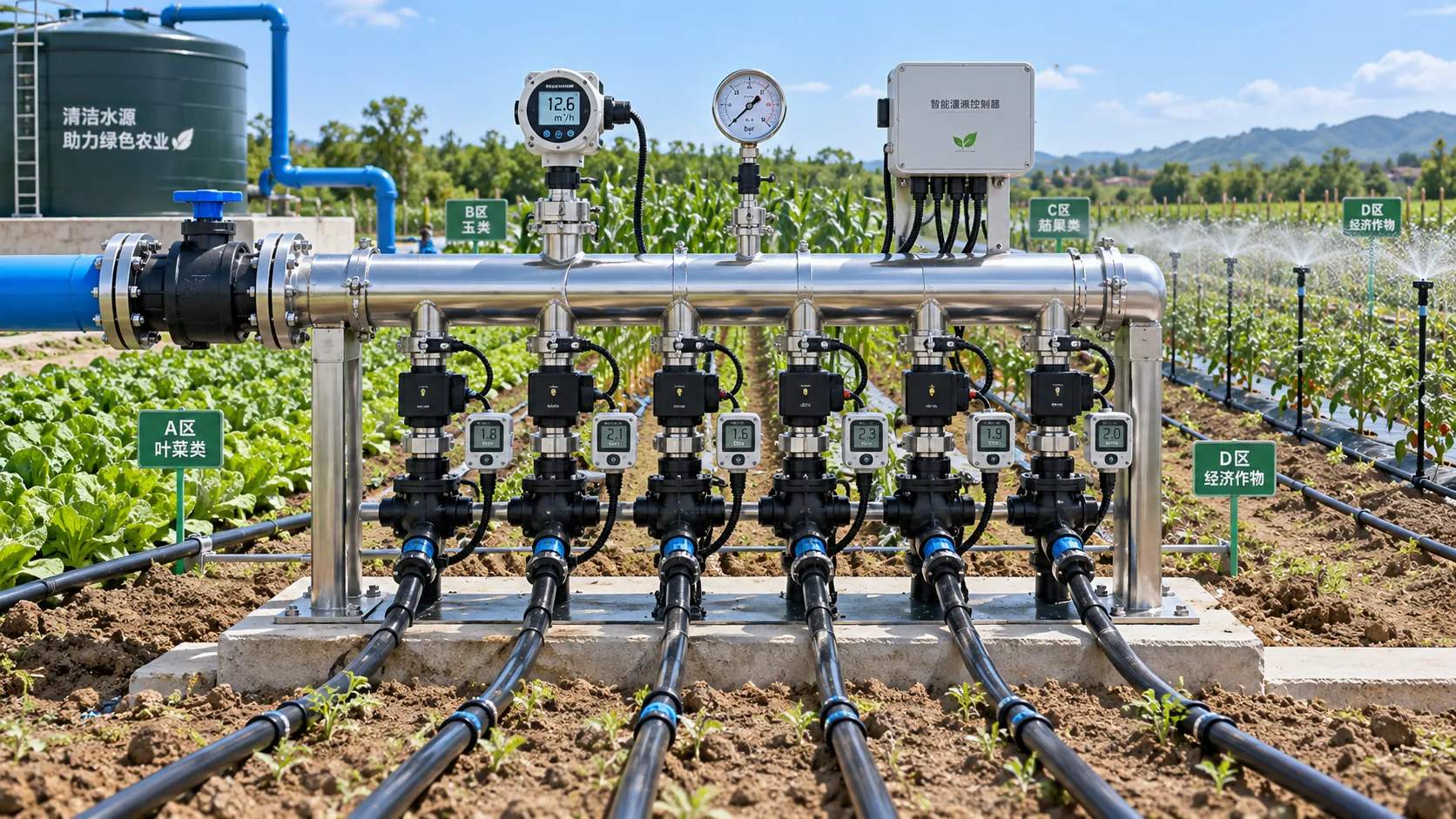
How to Select Smart Irrigation Valves for Multi-Zone Water Management?
Intelligent irrigation systems valves: learn how to match smart valves with multi-zone flow, pressure, control, feedback, and communication needs for reliable water management.
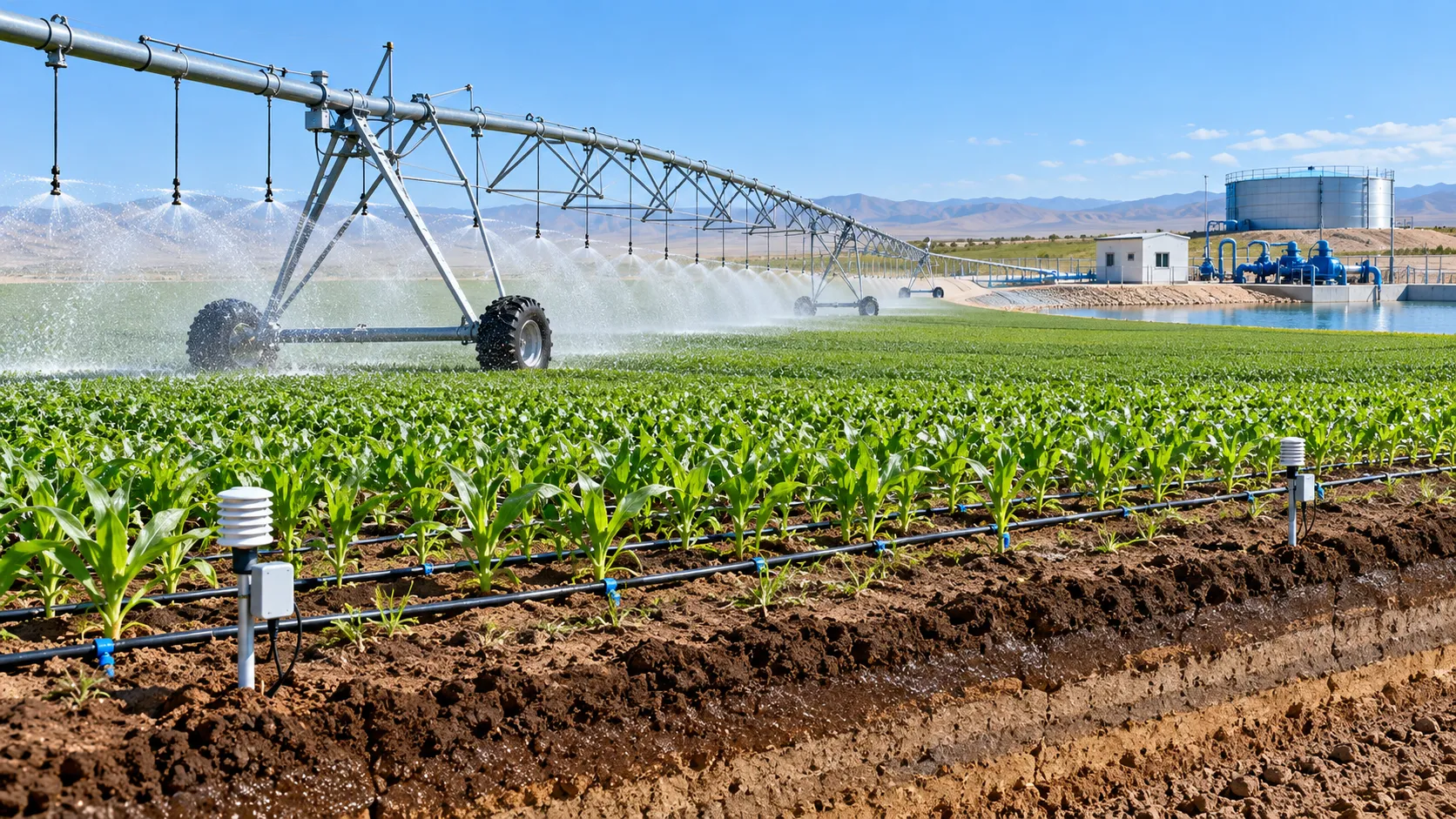
Climate-Smart Farming for Drought: A Practical Plan for Protecting Yields
Climate-smart farming for drought: build smarter water budgets, protect critical crop stages, improve irrigation uniformity, and safeguard yields with practical field-proven strategies.
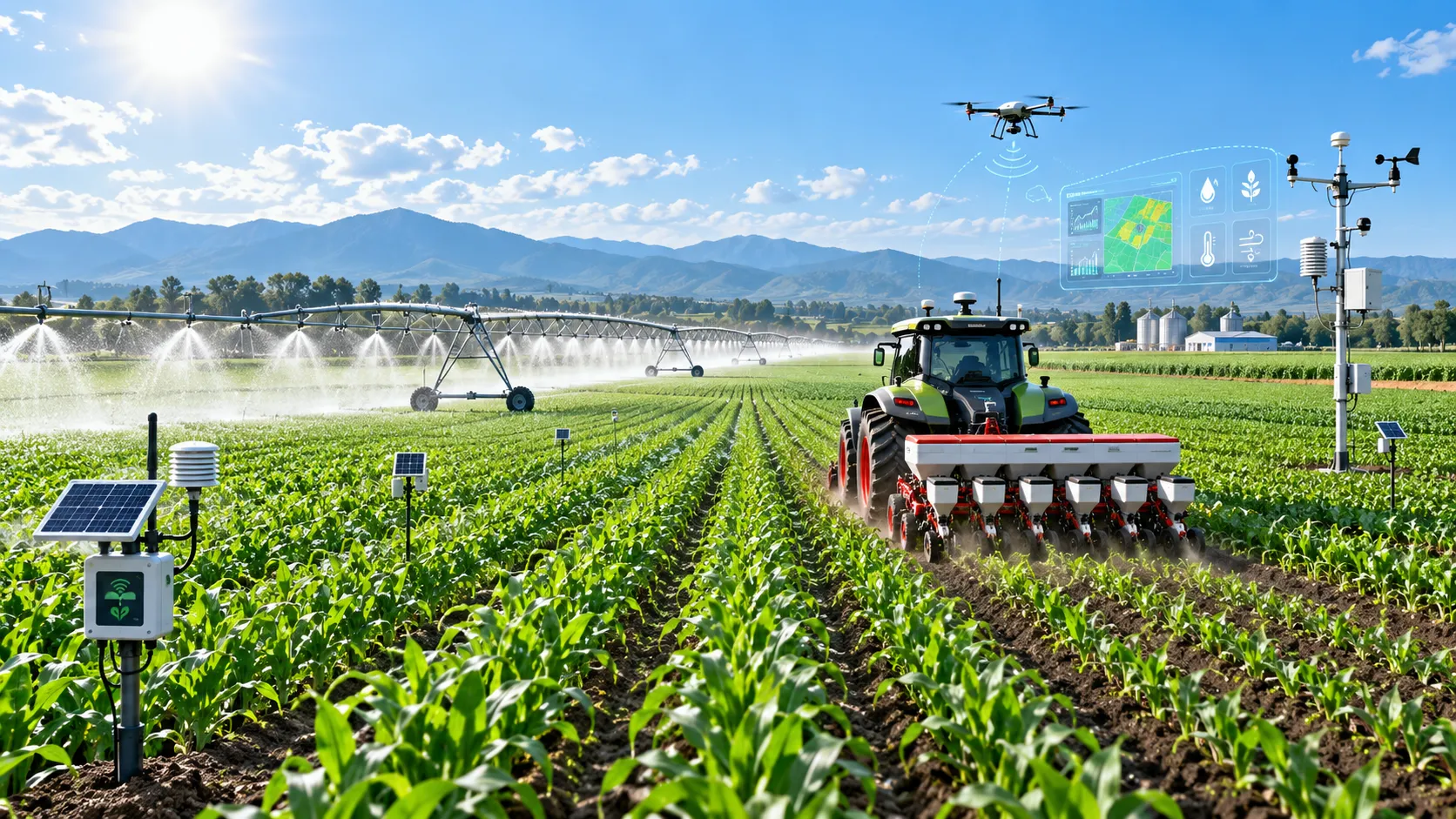
How Digital Agriculture Platforms Turn Field Data Into Better Input Decisions
Digital agriculture platforms turn field data into smarter fertilizer, water, seed, and equipment decisions—helping farms cut risk, improve margins, and scale sustainability.
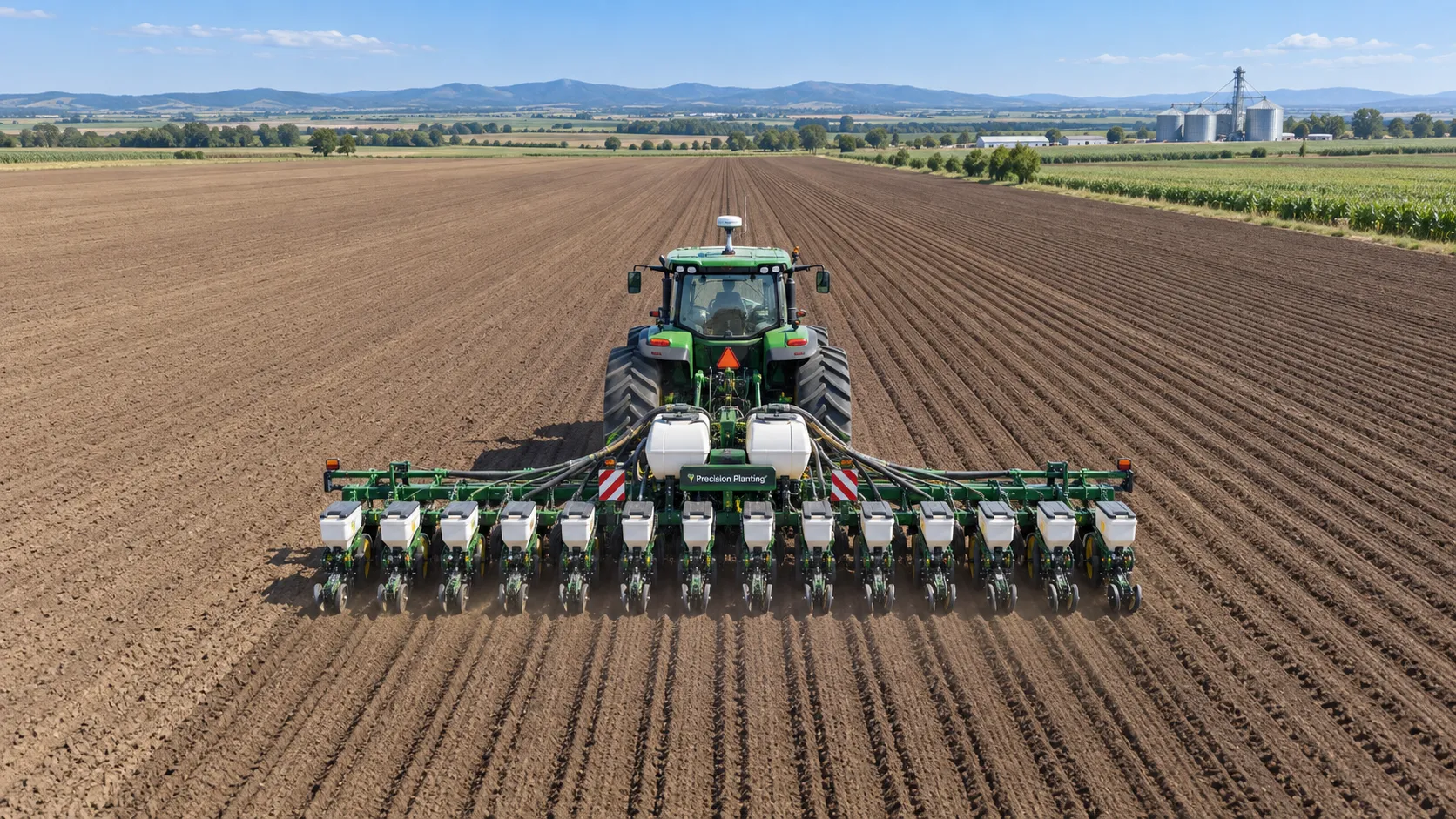
GPS-Guided Farm Machinery: Where It Delivers Measurable Field Efficiency Gains
Agri-mechanization GPS guided systems deliver measurable field efficiency gains through reduced overlap, precise planting, smarter inputs, and reliable farm data.
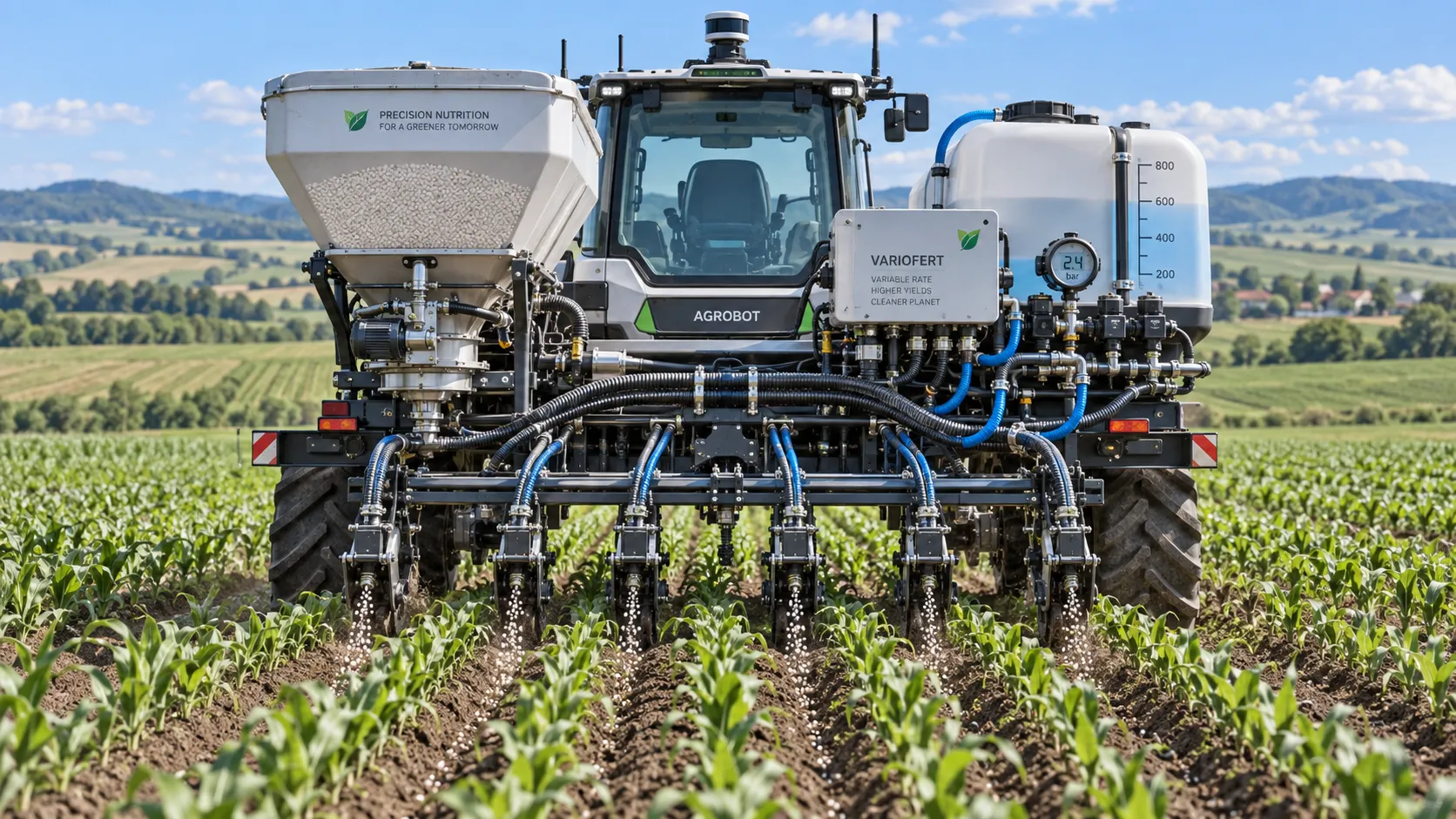
How Sensor Feedback Enables Accurate Variable-Rate Fertilization in Field Conditions
Precision fertilization systems with sensor feedback improve variable-rate accuracy by verifying flow, managing latency, and ensuring reliable field application.
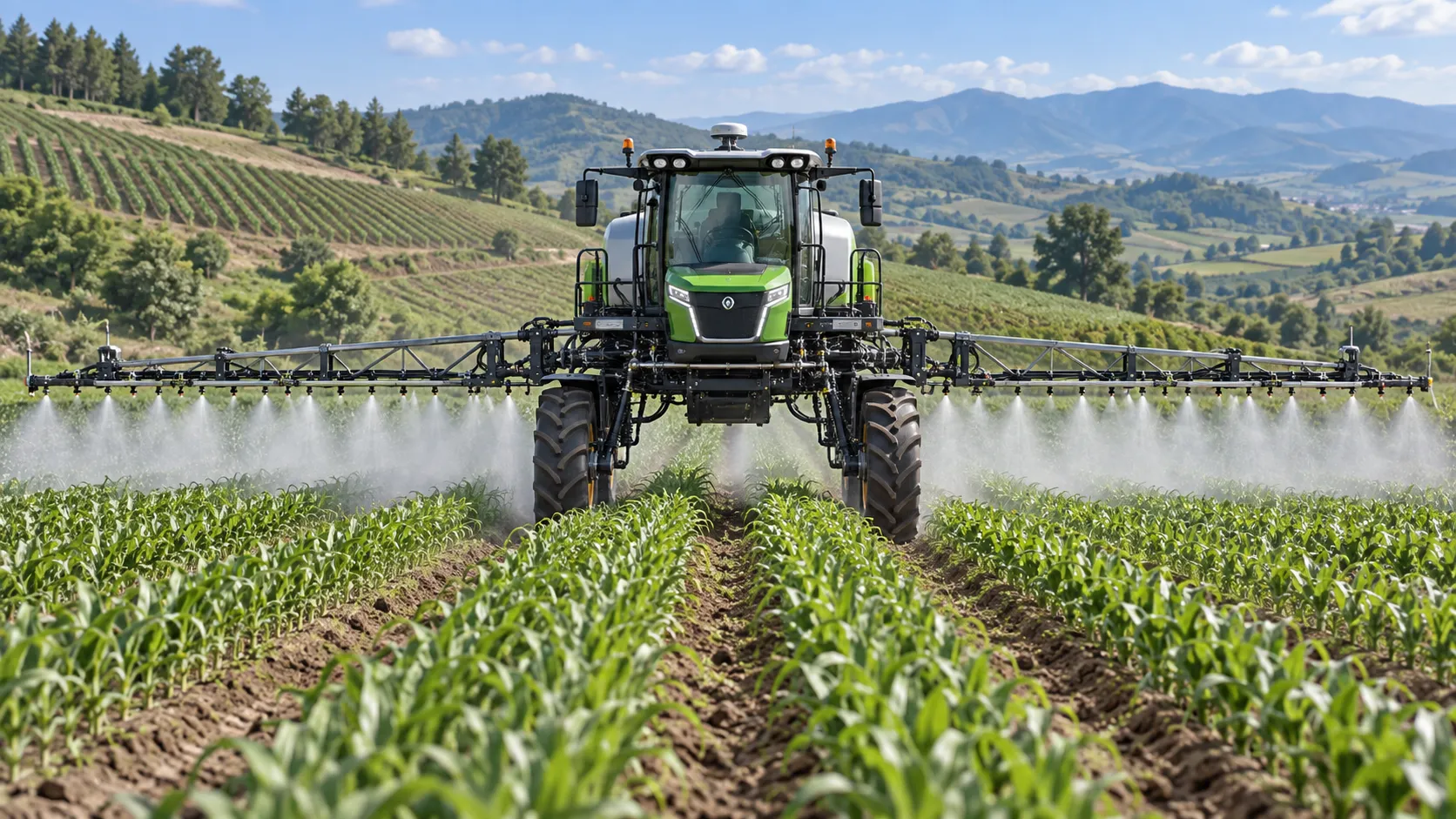
How to Select Precision Crop Protection Equipment for Variable Field Conditions
Precision crop protection equipment selection made simple: compare terrain, canopy, weather, control accuracy, and data workflows for reliable applications.
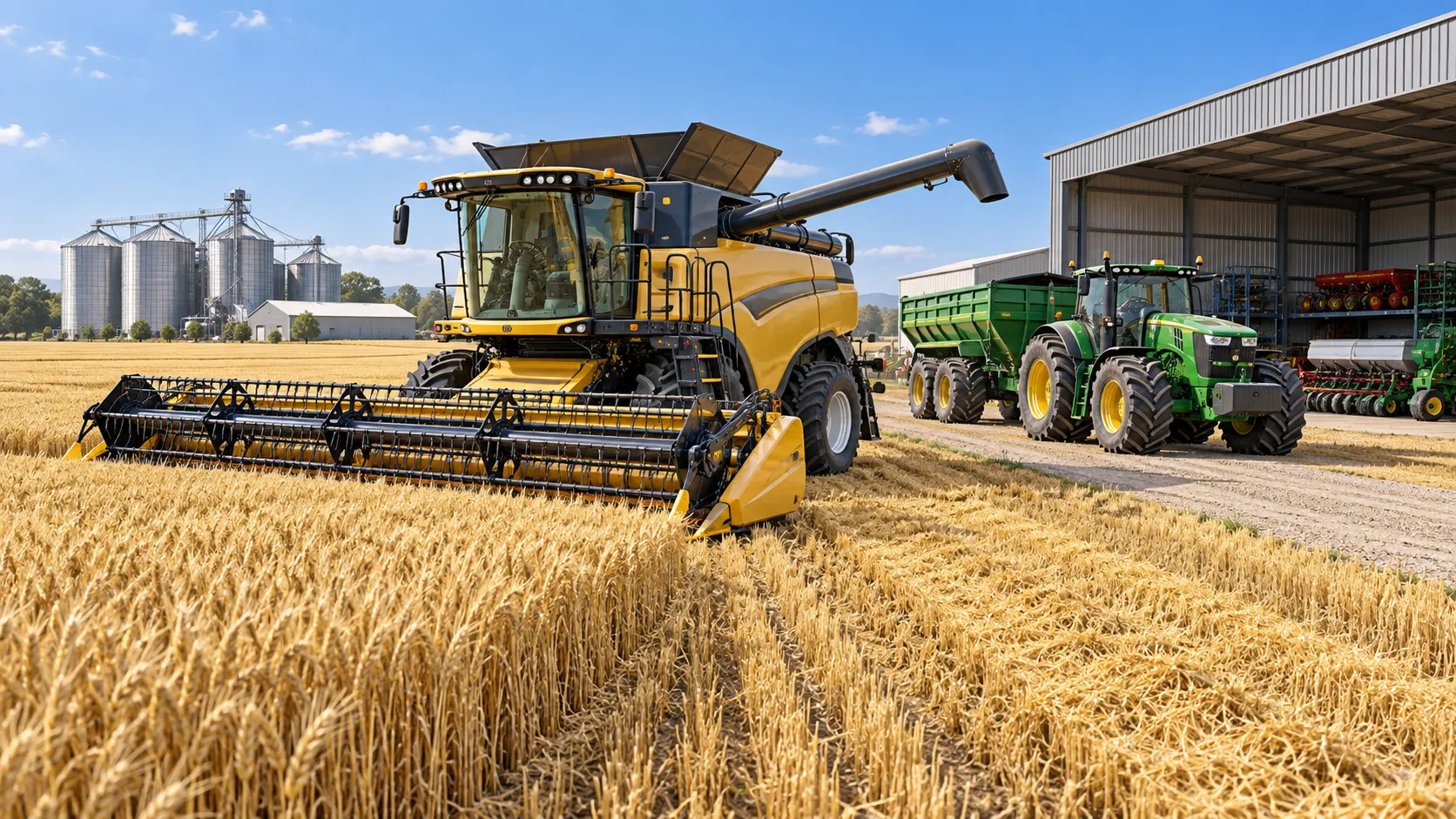
When Does Agricultural Machinery Leasing Cost Less Than Owning Equipment?
Agricultural machinery leasing can lower farm costs when use is seasonal or uncertain. Compare utilization, maintenance, cash flow, and risk to make a smarter equipment decision.
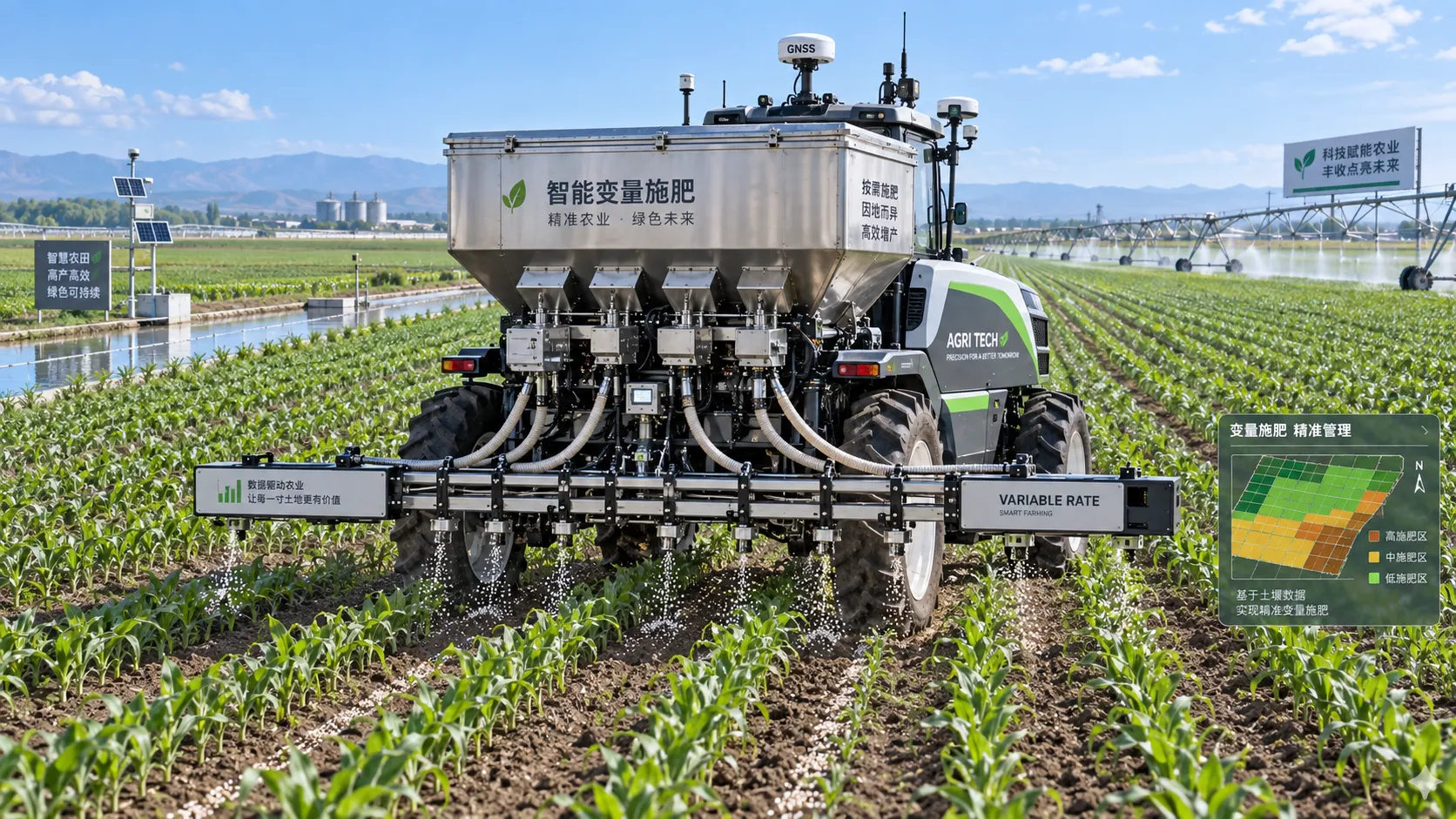
How to Evaluate Precision Fertilization System Suppliers for Farm-Scale Deployment
Precision fertilization systems suppliers: learn how to compare accuracy, integration, uptime, service, and total cost for confident farm-scale deployment.
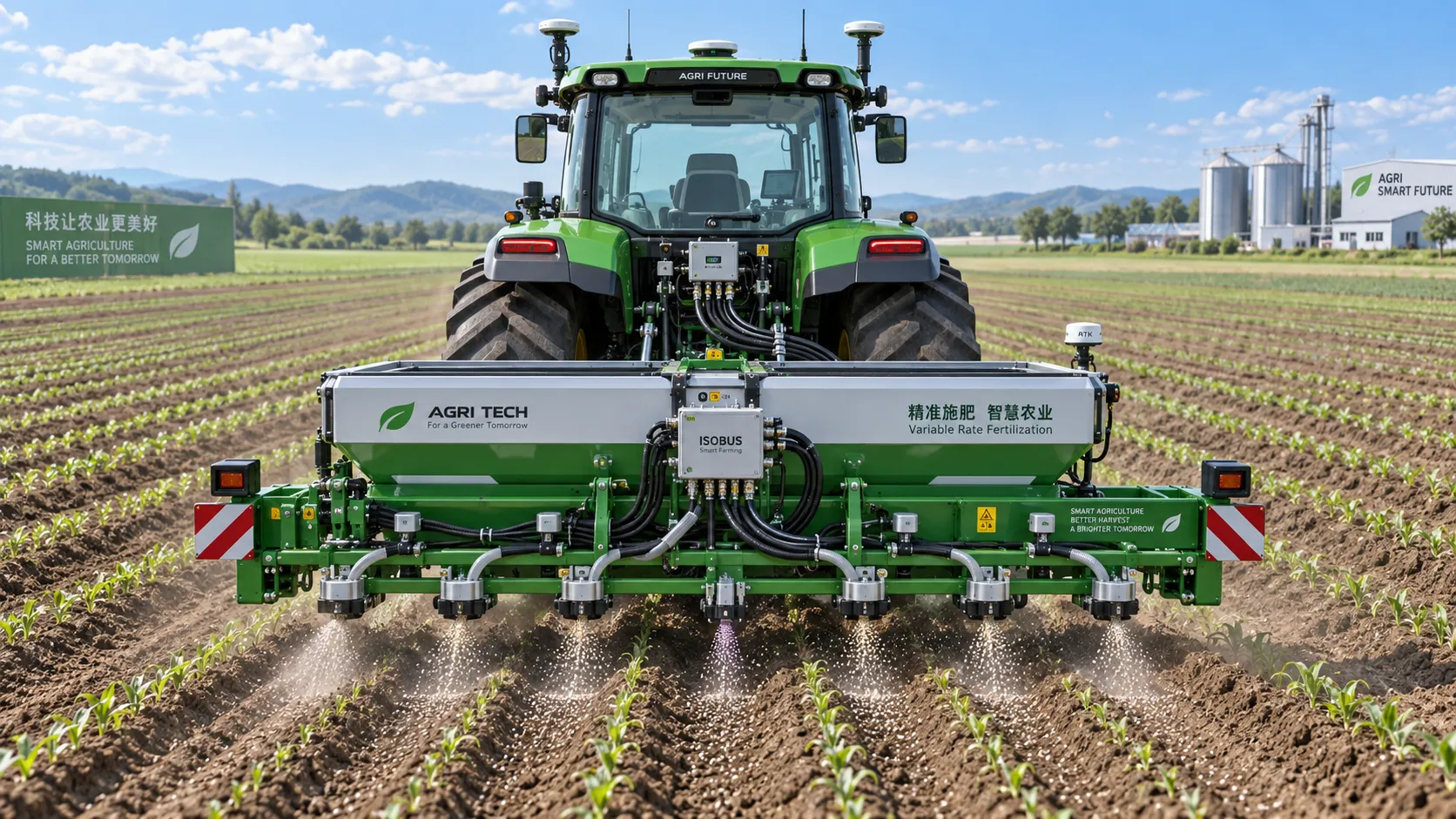
ISOBUS for Smart Agriculture: How It Connects Tractors, Implements, and Farm Data
ISOBUS for smart agriculture connects tractors, implements, terminals, and farm data—helping growers improve precision, documentation, and smarter field decisions.
Related News
- 00
0000-00
How Does Farm Mechanization Affect Food Security in Developing Regions? - 00
0000-00
Agricultural Technology Insights by Region: Where Adoption Is Growing Fastest - 00
0000-00
How Climate-Smart Agriculture Technology Improves Yield, Soil Health, and Risk Resilience - 00
0000-00
Smart Farming Solutions in Latin America: Which Technologies Fit Large Farms Best? - 00
0000-00
Long-Cycle Agri-Trade Price Trends: How to Read Supply, Freight, and Currency Signals
Popular Tags
Prof. Marcus Chen
Weekly Insights
Stay ahead with our curated technology reports delivered every Monday.