
Is hybrid farm machinery worth the higher upfront cost?
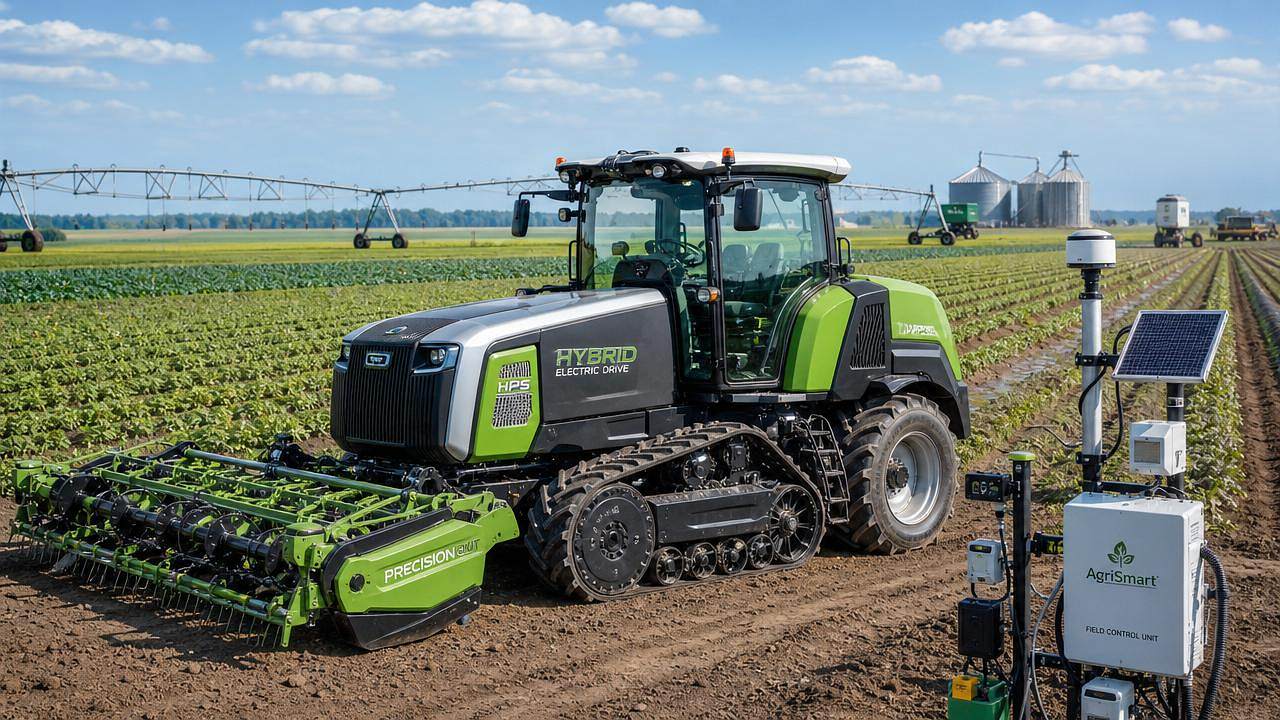




For finance approvers, the short answer is this: hybrid farm machinery can justify its higher upfront cost, but only in the right operating profile. The deciding factor is rarely the sticker price alone.
In large-scale farming, the stronger case usually appears where annual machine utilization is high, fuel prices are volatile, labor efficiency matters, and sustainability reporting is becoming commercially relevant.
That is why evaluating hybrid technology for agricultural machinery should start with total cost of ownership, not capital expenditure in isolation. A higher purchase price may be offset by lower running costs and better asset productivity.
For finance teams, the key question is practical: how quickly can the premium be recovered, and what risks could delay that payback? This article focuses on those answers.
What is the real search intent behind this investment question?
When decision-makers search “Is hybrid farm machinery worth the higher upfront cost?”, they are usually not looking for a technical definition of hybrid systems.
They want a financially grounded decision framework. More specifically, they want to know whether hybrid equipment improves cash flow, lowers operating cost, reduces risk, and supports procurement strategy.
For finance approvers, the concern is often broader than one machine category. It includes tractors, harvest-support platforms, intelligent farm tools, and power systems connected to irrigation or precision application operations.
In that context, hybrid technology for agricultural machinery is being evaluated as a capital allocation decision under pressure from margin volatility, input inflation, and sustainability expectations.
What finance approvers care about most before approving hybrid machinery
The first concern is payback period. If the cost premium takes too long to recover, the project competes poorly against other investments such as land improvement, storage upgrades, or irrigation modernization.
The second concern is operating certainty. Forecast savings are only valuable if they are repeatable across seasons, crops, field conditions, and operator behavior.
The third concern is residual value. Finance teams need confidence that hybrid machines will still be marketable in secondary channels and will not become stranded assets if support networks remain uneven.
The fourth concern is service and downtime risk. Even if hybrid systems reduce fuel consumption, unexpected repair complexity can quickly erase projected gains during critical planting or harvesting windows.
Finally, many approvers now consider compliance value. Hybrid equipment may support emissions targets, green financing eligibility, or customer-facing sustainability commitments that have commercial implications beyond direct machine economics.
When the higher upfront cost is usually worth it
Hybrid machinery is most likely to deliver value in high-utilization operations. If a machine runs many hours annually, fuel and maintenance savings have enough volume to offset the initial premium faster.
This is especially relevant for large farms, contractor fleets, and enterprises operating in multiple seasonal windows. The more consistently the asset is used, the more likely hybrid economics improve.
Machines working under variable load also tend to benefit more. Hybrid systems can recover or redistribute energy more effectively when operations involve repeated acceleration, hydraulic demand changes, or stop-start cycles.
Another favorable case is where fuel logistics are expensive or unstable. In remote regions or markets with strong diesel price volatility, even moderate efficiency gains can have meaningful budget impact.
Hybrid adoption also becomes easier to justify when the organization already uses precision farming systems. Data-driven operators can measure machine performance accurately and capture savings that less structured operations often miss.
When the premium may not pay back fast enough
Not every farm should move early. If annual usage hours are low, the machine may simply not generate enough fuel savings to recover the higher acquisition cost within an acceptable period.
That is often the case for smaller fleets with highly seasonal use, or where equipment sits idle for long intervals. In those settings, the economic advantage of hybrid systems becomes weaker.
The same caution applies in regions with limited dealer capability. If technicians, spare parts, or diagnostic tools are not readily available, the downtime risk may outweigh theoretical efficiency gains.
Finance approvers should also be careful when vendors rely on optimistic assumptions. If savings projections are based on ideal field conditions rather than actual local operations, the return case may be overstated.
In short, hybrid is not automatically better. It becomes better when usage intensity, support quality, and measurable efficiency are all present together.
How to calculate the business case correctly
The most common mistake in machinery procurement is comparing only purchase prices. A proper investment case should compare lifecycle economics across at least five dimensions.
First, estimate annual fuel savings using real operating hours, average fuel burn, and realistic efficiency improvement. Do not rely solely on brochure percentages.
Second, evaluate maintenance cost differences. Some hybrid systems reduce wear on conventional components, but they may introduce additional diagnostic or electronic service requirements.
Third, quantify productivity impact. If hybrid power management improves traction response, hydraulic efficiency, or operator comfort, the benefit may appear as more acres covered per day rather than direct fuel savings alone.
Fourth, include financing cost. A machine with better operating efficiency may still be unattractive if the capital premium materially worsens debt service during a weak commodity cycle.
Fifth, estimate residual value under more than one scenario. Conservative valuation matters because secondary-market confidence in hybrid agricultural platforms is still developing in many regions.
A useful decision model is to compare three cases: optimistic, base, and stress. If the project only works under optimistic assumptions, it is not finance-ready.
What savings categories are most realistic in hybrid farm machinery
Fuel economy is the most visible benefit, but it should not be the only one modeled. In many cases, the stronger financial outcome comes from a combination of smaller savings streams.
One category is reduced engine load peaks. Hybrid assistance can improve power delivery during demanding moments, helping the main engine operate closer to efficient ranges.
Another category is lower component wear. Depending on system design, smoother torque management may reduce stress on certain drivetrain or hydraulic elements.
There can also be operator-efficiency gains. Machines that respond more smoothly or automate power distribution better may reduce fatigue and improve consistency across long shifts.
In some operations, hybrid systems support better matching with intelligent farm tools. If power and control systems integrate more effectively with precision implements, input use and task accuracy may improve.
For enterprises with formal environmental reporting, avoided emissions may also have value. That value may be indirect today, but it increasingly affects procurement access, financing conversations, and customer positioning.
Why payback depends heavily on machine category
Finance teams should avoid treating all hybrid equipment as one investment class. Return potential varies significantly by application and duty cycle.
For tractor chassis platforms, hybrid value often depends on transport frequency, PTO demand, and hydraulic intensity. Repeated power variation creates more opportunity for efficiency improvement.
For combine harvesting support systems or grain logistics machinery, the economics may depend on seasonal concentration. High-output windows magnify the cost of downtime and improve the value of stable performance.
For intelligent farm tools, hybridization may be less about raw fuel savings and more about precision execution, controlled power delivery, and compatibility with digital farming systems.
In irrigation-linked applications, the case may center on energy optimization rather than field mobility. A hybrid power architecture can contribute to lower operating cost if pumping loads are significant and predictable.
This is why procurement reviews should be category-specific. The best hybrid opportunity in a fleet may not be the largest machine, but the machine with the clearest cost recovery pattern.
Operational risks that can weaken the return
Technology risk remains real. Hybrid agricultural platforms are improving quickly, but not all products have equal field maturity.
One risk is software dependency. If machine performance depends heavily on algorithms and diagnostics, uptime may be affected by update quality and dealer competence.
Another risk is training. Operators who do not understand how the system manages power may fail to use the machine in ways that deliver projected efficiency gains.
Battery-related concerns also require attention, even in non-fully electric systems. Thermal performance, replacement cost, warranty terms, and end-of-life handling can influence long-term economics.
Vendor stability matters too. Finance approvers should ask whether the manufacturer has a credible roadmap, service footprint, and parts commitment for the specific hybrid platform being considered.
The lesson is simple: lower operating cost on paper does not guarantee lower ownership risk in practice.
Questions finance approvers should ask vendors before approval
Ask for performance data from comparable crops, terrain, and annual usage conditions. Generic demonstrations are less useful than field results from similar operating environments.
Request a transparent cost model showing acquisition premium, expected annual savings, service intervals, warranty coverage, and residual-value assumptions.
Ask how the machine performs under stress scenarios, including extreme temperatures, long operating days, and variable load conditions. This reveals whether the return case is robust or fragile.
Require clarity on dealer support, technician training, and spare-part availability. In agriculture, response speed during peak season is often more valuable than theoretical efficiency advantages.
Also ask whether the machine integrates with existing precision agriculture systems. Hybrid technology for agricultural machinery creates more value when it fits into a broader data and automation workflow.
A practical approval framework for large-scale farming businesses
For finance leaders, the best approach is not to ask whether hybrid machinery is universally worth it. The better question is where it is worth it first.
Start with machines that have high annual utilization, measurable fuel consumption, and strong service support. These assets usually produce the clearest early economics.
Then run a pilot-based procurement strategy. Approving a limited number of units allows the business to validate savings before expanding fleet exposure.
Use KPIs such as fuel cost per hour, maintenance cost per acre, uptime during critical windows, operator productivity, and resale market response.
If those indicators meet threshold targets over a full season or more, the organization can move from experimental adoption to structured fleet planning.
This staged approach reduces capital risk while still positioning the business to benefit from the long-term evolution of Agriculture 4.0 machinery systems.
So, is hybrid farm machinery worth the higher upfront cost?
For finance approvers, the balanced answer is yes in many cases, but not by default. Hybrid equipment earns its premium when it operates enough, saves enough, and is supported well enough.
Its strongest value appears in large-scale, data-driven operations where machine hours are high and total cost of ownership is managed closely.
Its weakest case appears where usage is low, dealer infrastructure is thin, or savings assumptions are difficult to verify. In those situations, conventional equipment may still deliver better capital efficiency.
The most effective procurement mindset is disciplined rather than ideological. Evaluate hybrid technology for agricultural machinery as a business tool, not as a trend.
If your team can validate payback with realistic assumptions, protect uptime through service support, and link the investment to operational strategy, the higher upfront cost can be a rational and valuable decision.
Related News
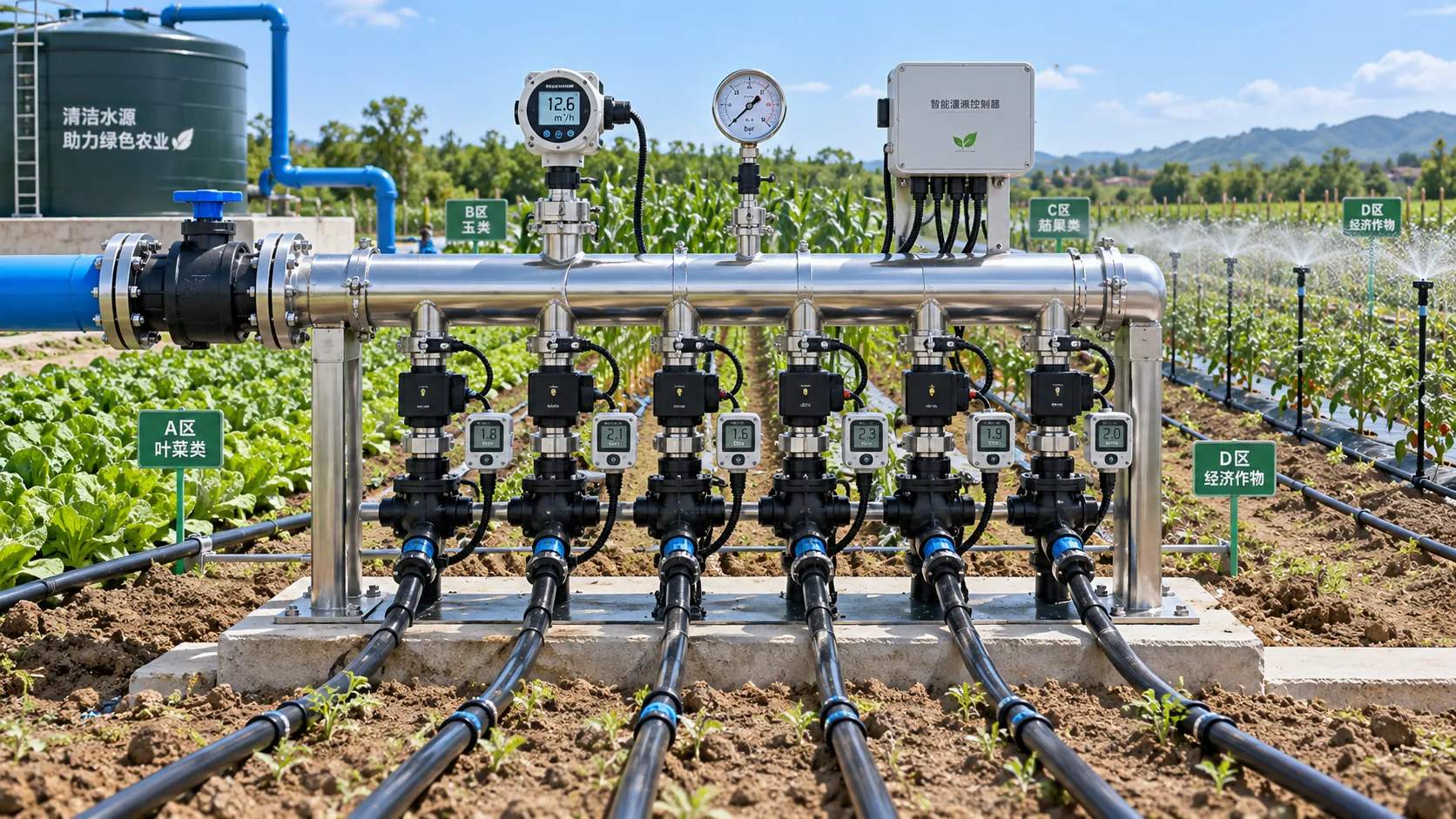
How to Select Smart Irrigation Valves for Multi-Zone Water Management?
Intelligent irrigation systems valves: learn how to match smart valves with multi-zone flow, pressure, control, feedback, and communication needs for reliable water management.
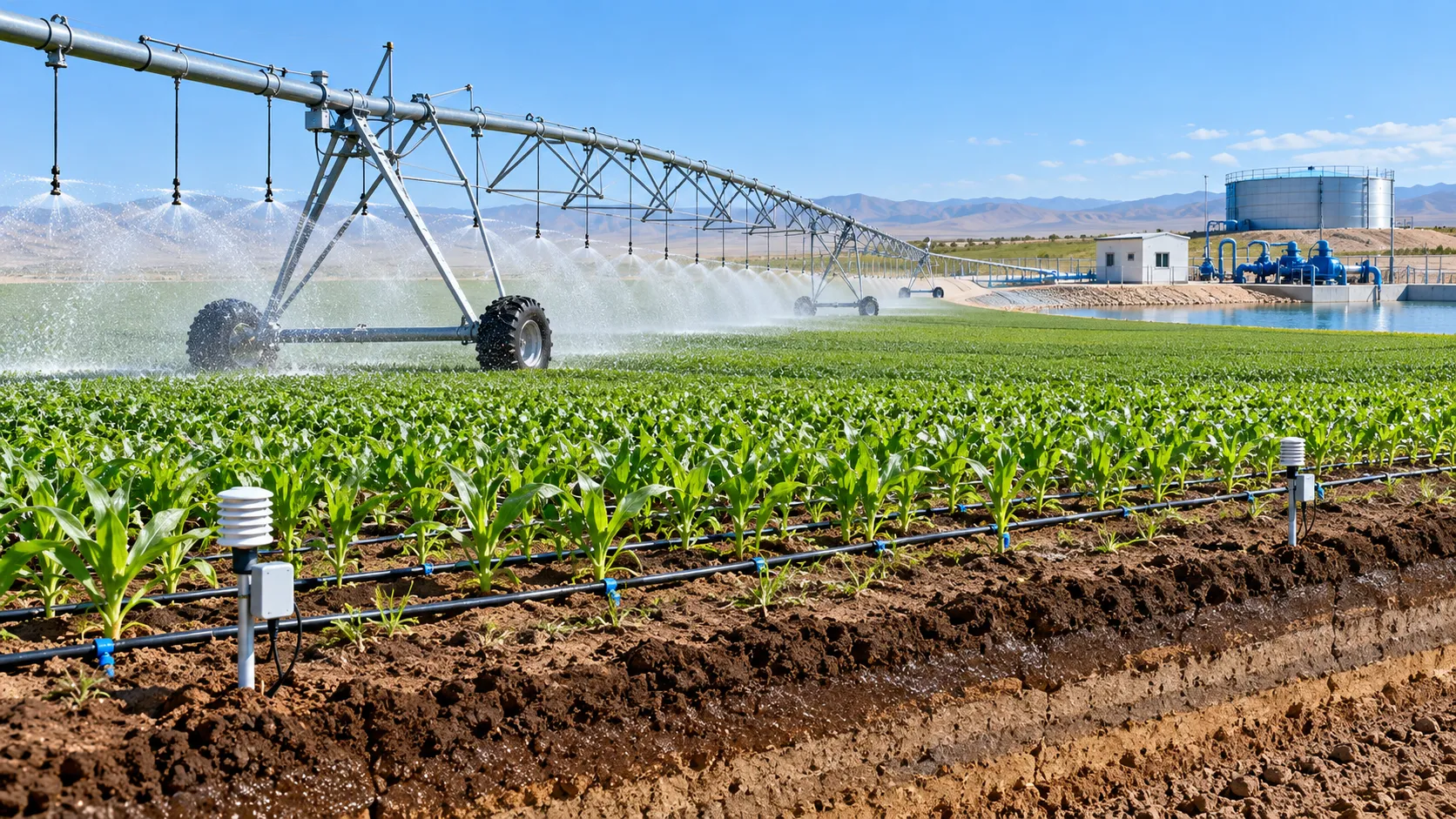
Climate-Smart Farming for Drought: A Practical Plan for Protecting Yields
Climate-smart farming for drought: build smarter water budgets, protect critical crop stages, improve irrigation uniformity, and safeguard yields with practical field-proven strategies.
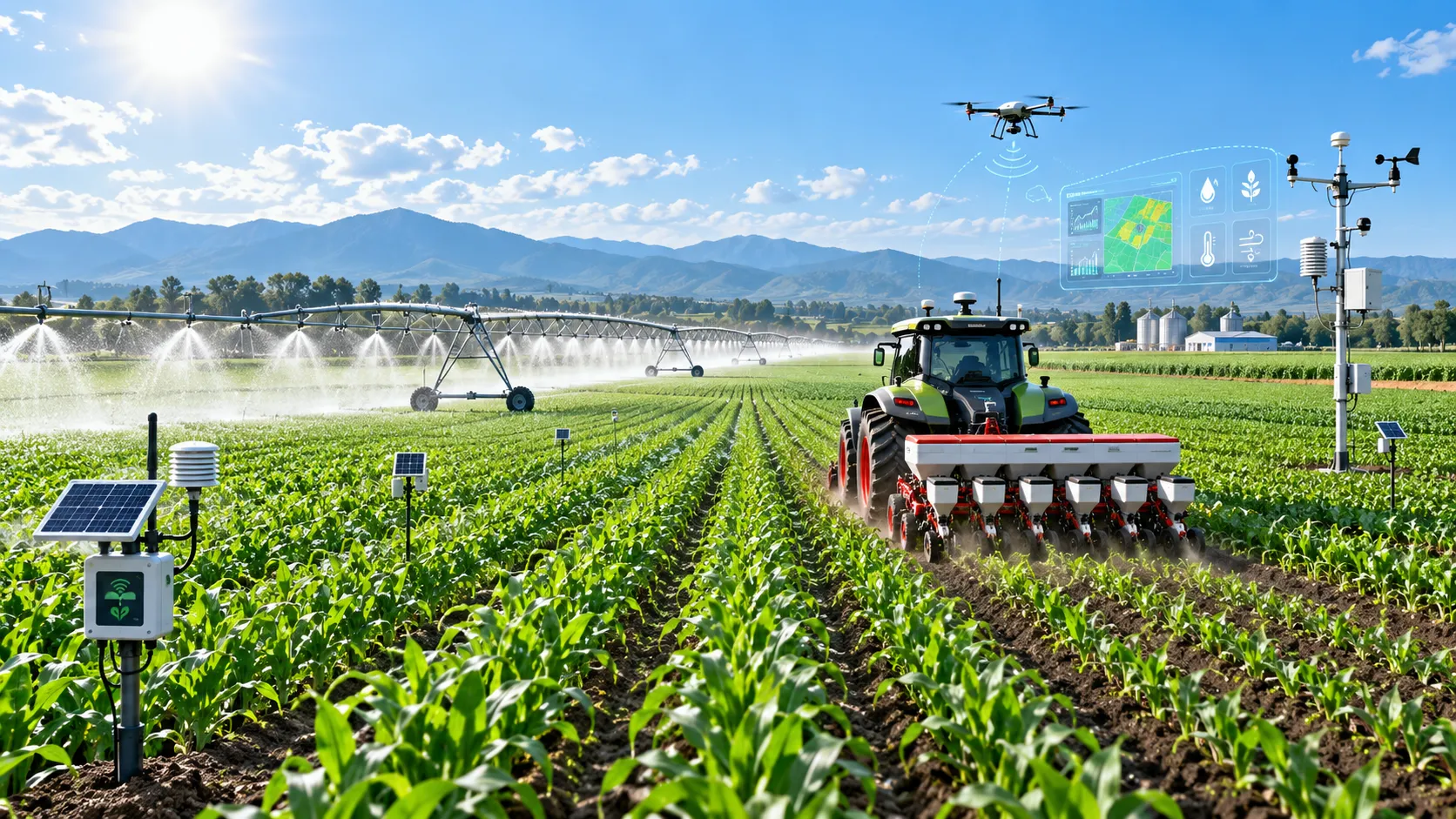
How Digital Agriculture Platforms Turn Field Data Into Better Input Decisions
Digital agriculture platforms turn field data into smarter fertilizer, water, seed, and equipment decisions—helping farms cut risk, improve margins, and scale sustainability.
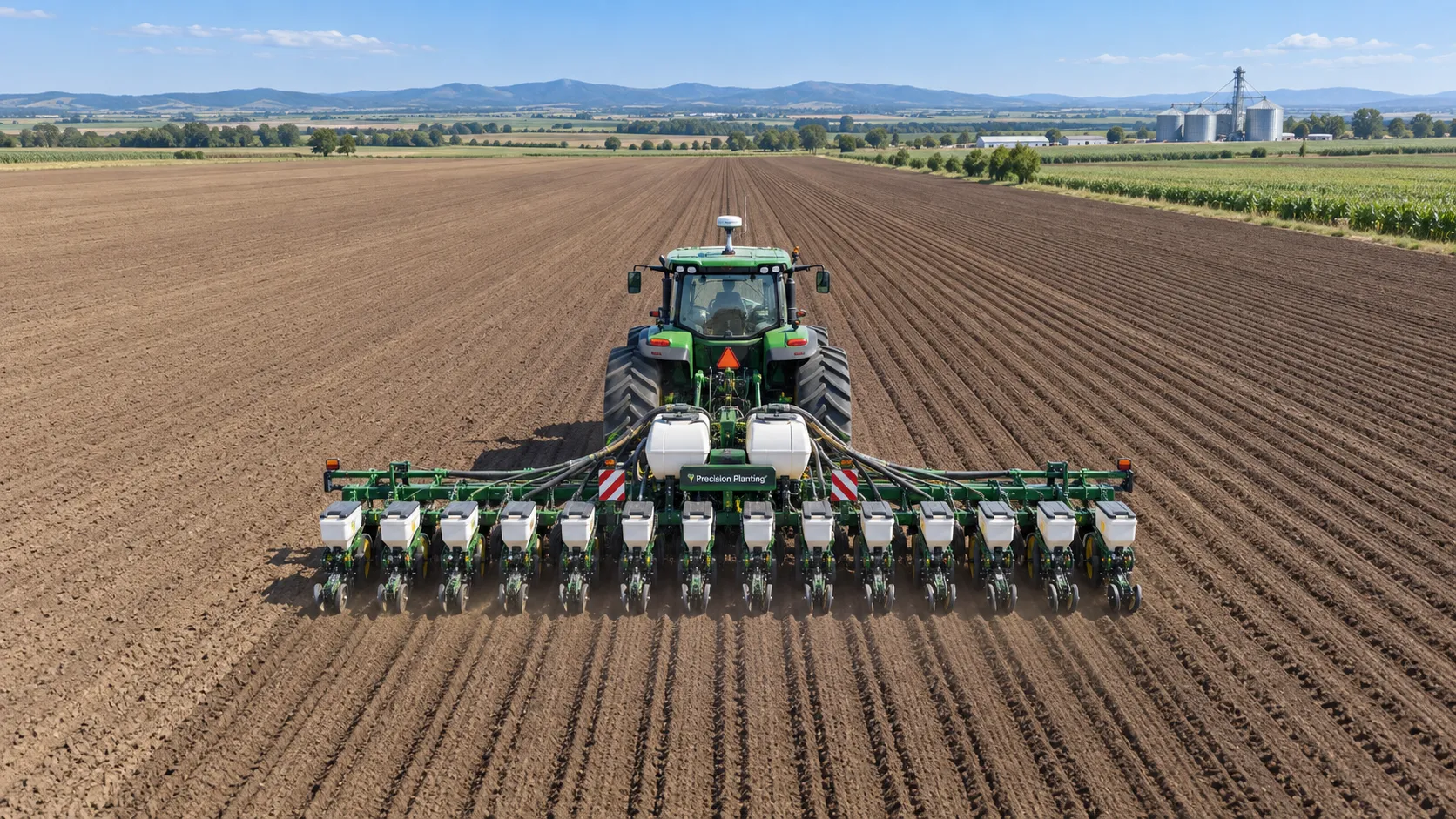
GPS-Guided Farm Machinery: Where It Delivers Measurable Field Efficiency Gains
Agri-mechanization GPS guided systems deliver measurable field efficiency gains through reduced overlap, precise planting, smarter inputs, and reliable farm data.
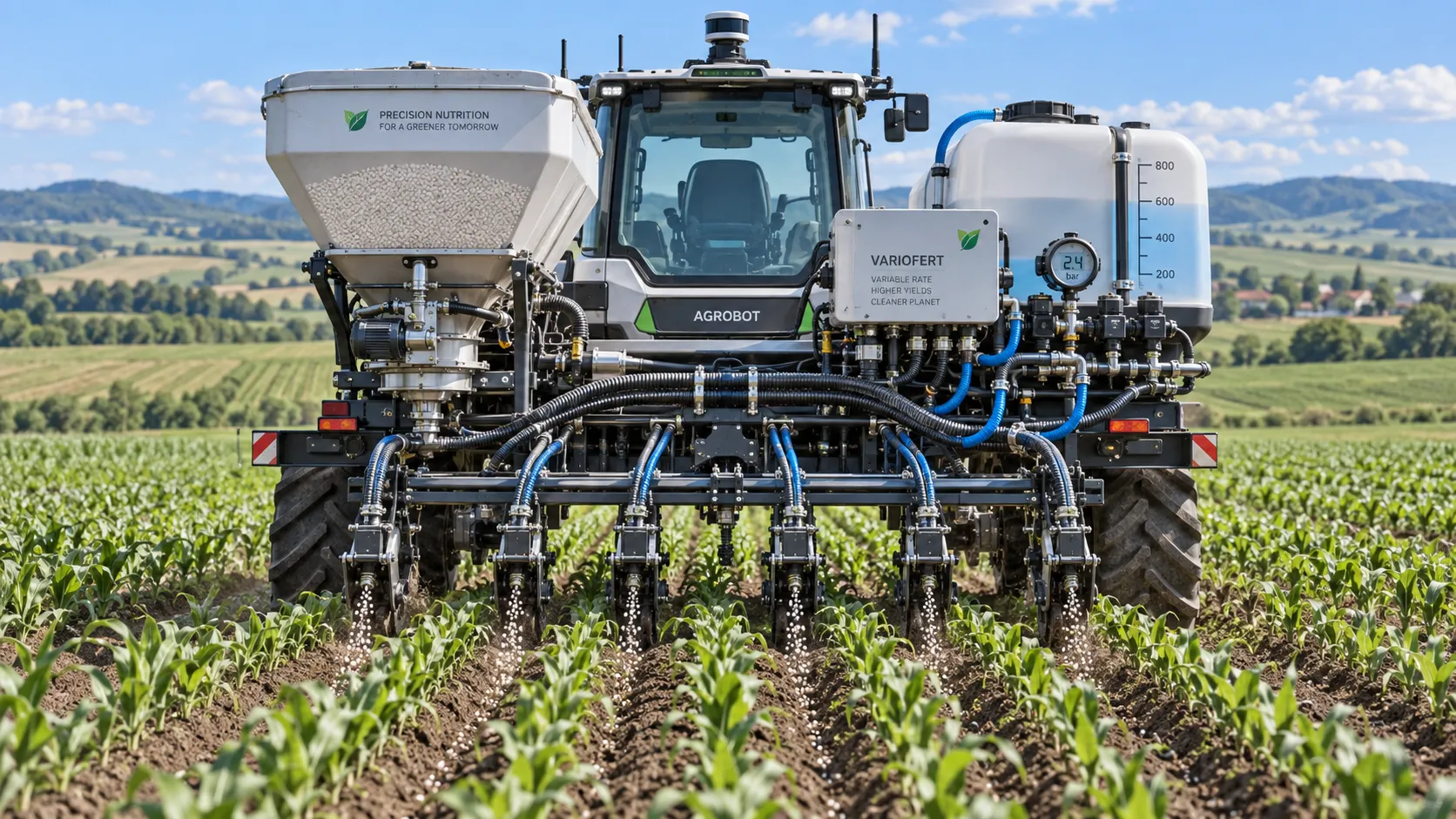
How Sensor Feedback Enables Accurate Variable-Rate Fertilization in Field Conditions
Precision fertilization systems with sensor feedback improve variable-rate accuracy by verifying flow, managing latency, and ensuring reliable field application.
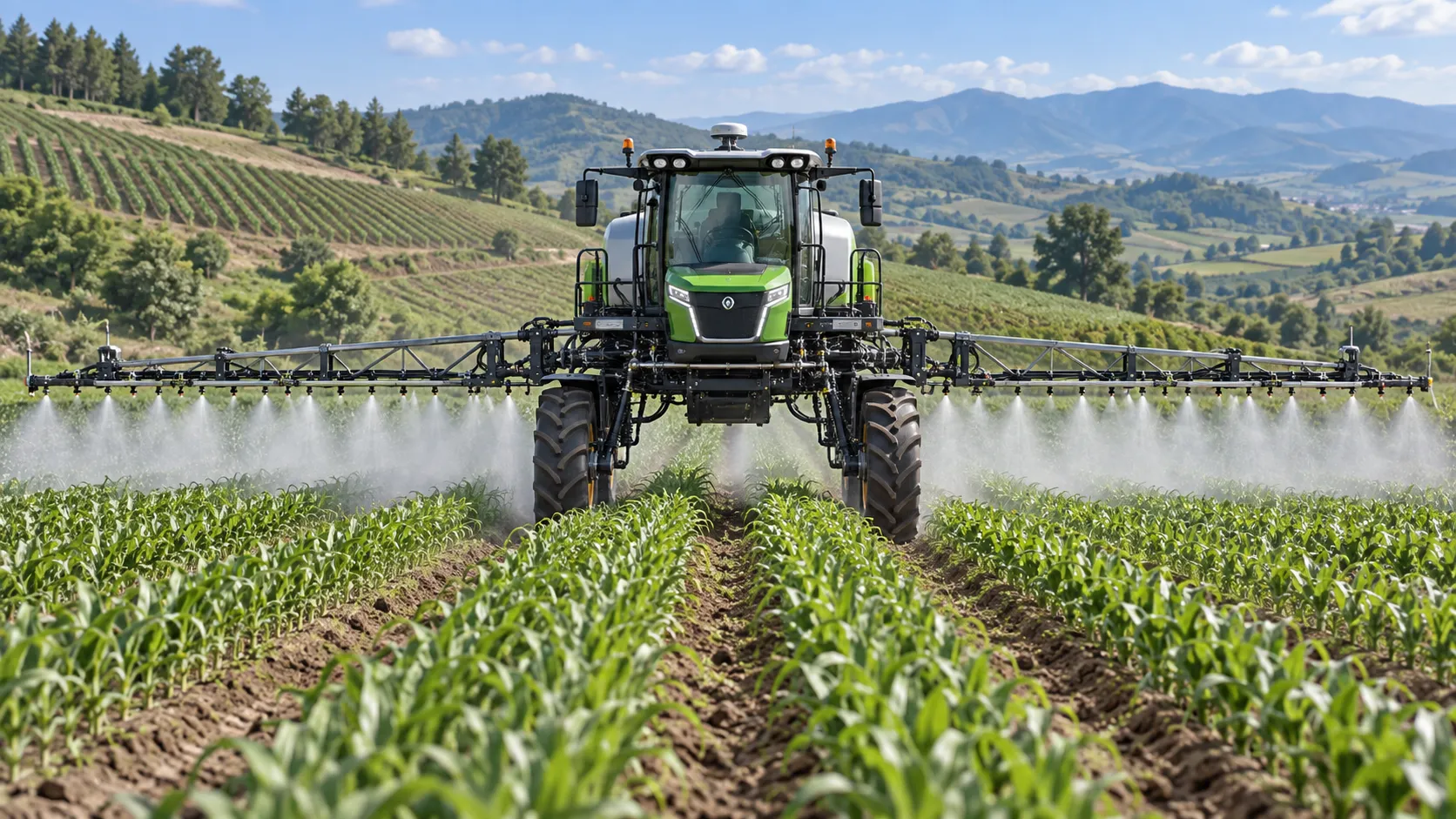
How to Select Precision Crop Protection Equipment for Variable Field Conditions
Precision crop protection equipment selection made simple: compare terrain, canopy, weather, control accuracy, and data workflows for reliable applications.
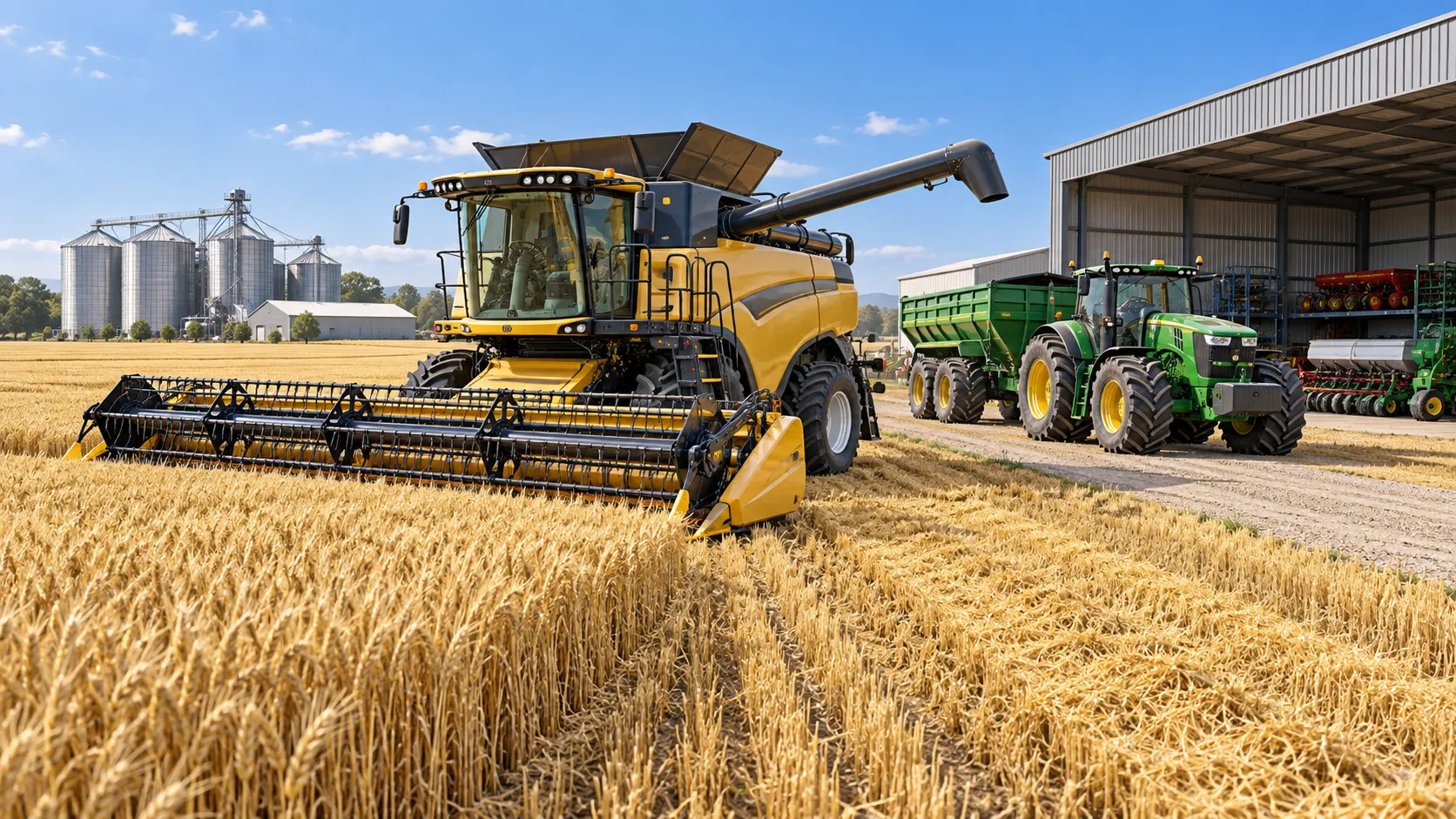
When Does Agricultural Machinery Leasing Cost Less Than Owning Equipment?
Agricultural machinery leasing can lower farm costs when use is seasonal or uncertain. Compare utilization, maintenance, cash flow, and risk to make a smarter equipment decision.
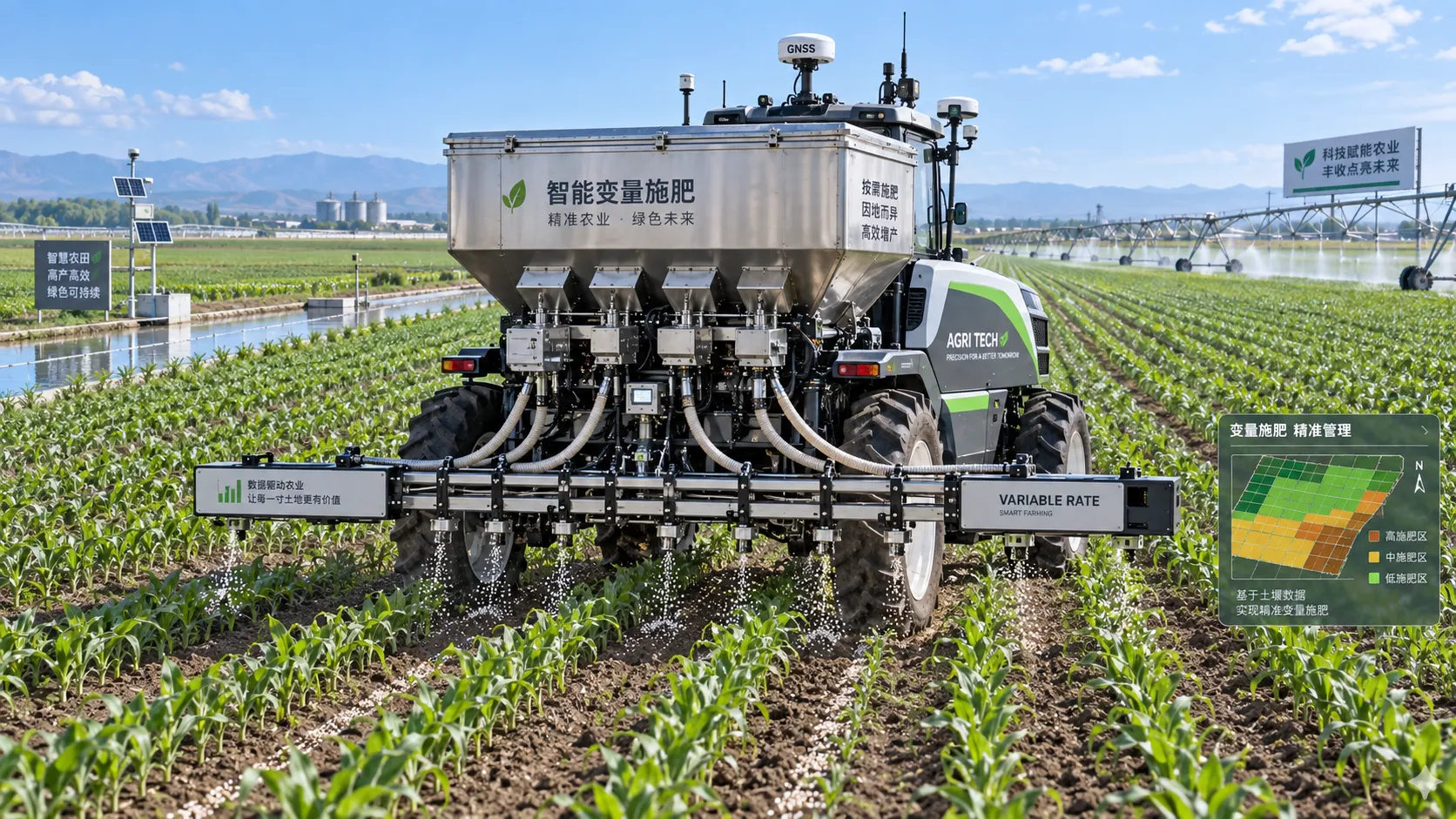
How to Evaluate Precision Fertilization System Suppliers for Farm-Scale Deployment
Precision fertilization systems suppliers: learn how to compare accuracy, integration, uptime, service, and total cost for confident farm-scale deployment.
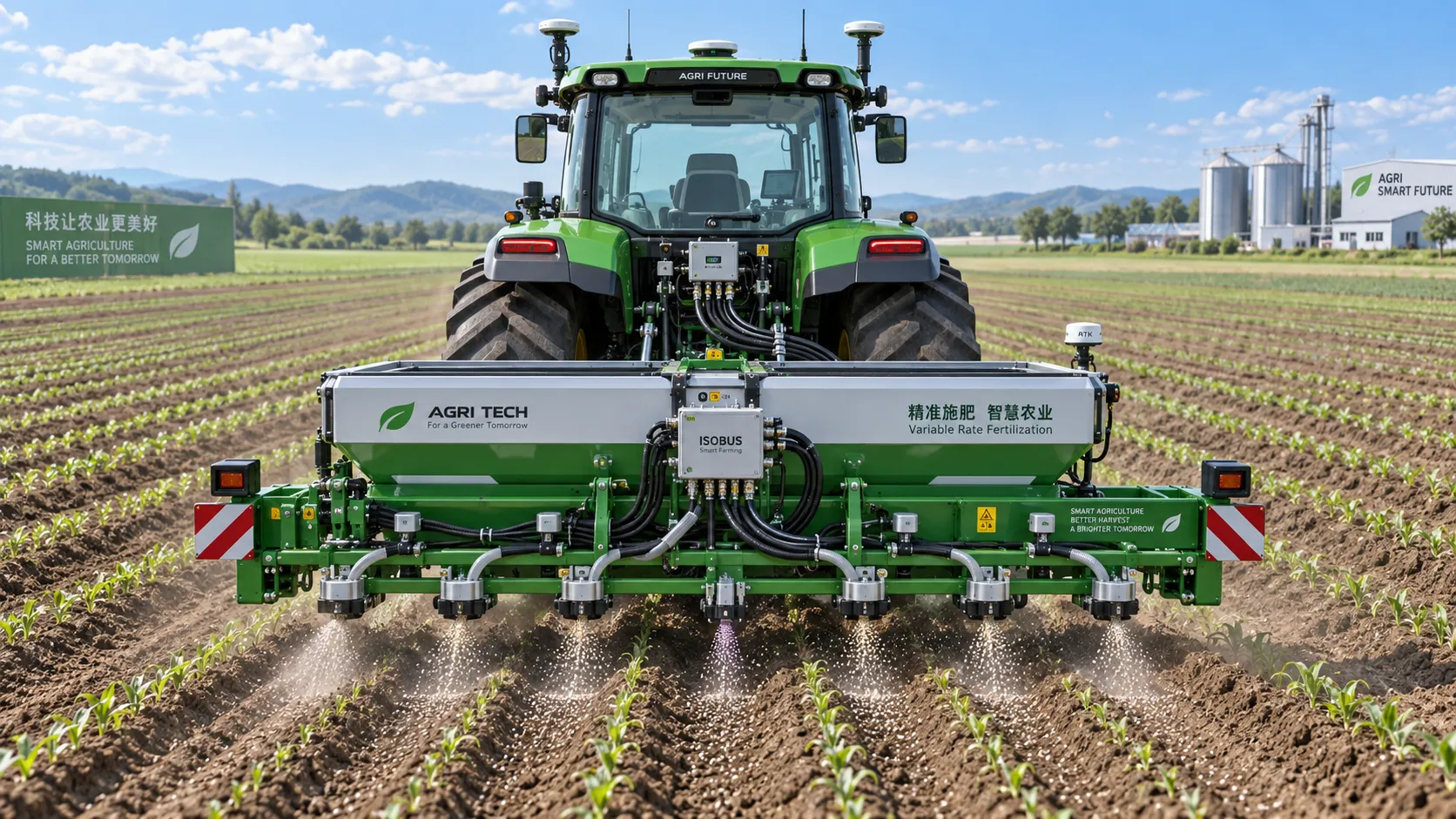
ISOBUS for Smart Agriculture: How It Connects Tractors, Implements, and Farm Data
ISOBUS for smart agriculture connects tractors, implements, terminals, and farm data—helping growers improve precision, documentation, and smarter field decisions.
Related News
- 00
0000-00
How Does Farm Mechanization Affect Food Security in Developing Regions? - 00
0000-00
Agricultural Technology Insights by Region: Where Adoption Is Growing Fastest - 00
0000-00
How Climate-Smart Agriculture Technology Improves Yield, Soil Health, and Risk Resilience - 00
0000-00
Smart Farming Solutions in Latin America: Which Technologies Fit Large Farms Best? - 00
0000-00
Long-Cycle Agri-Trade Price Trends: How to Read Supply, Freight, and Currency Signals
Popular Tags
Prof. Marcus Chen
Weekly Insights
Stay ahead with our curated technology reports delivered every Monday.