
What agri-machinery intelligence changes in daily operations
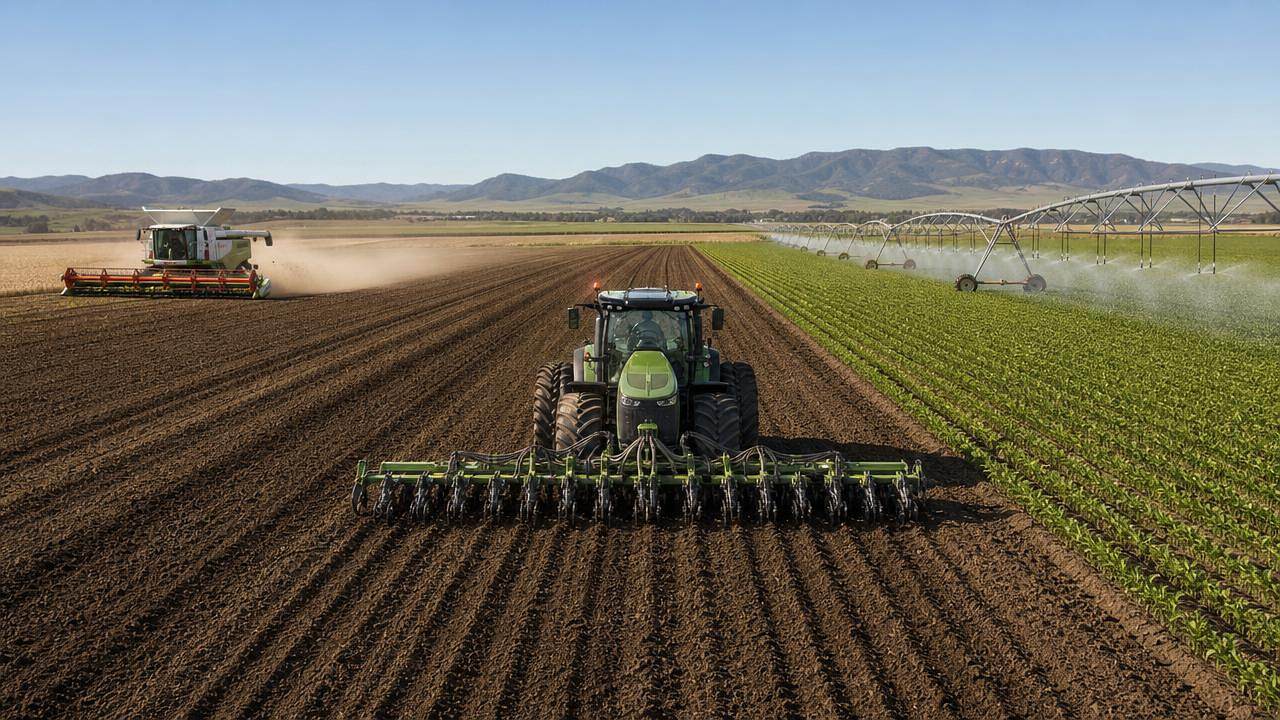




What does agri-machinery intelligence really change for operators in the field? From faster setup and smarter route planning to lower fuel waste, cleaner harvesting, and more precise irrigation, agri-machinery intelligence is reshaping daily operations in practical ways. This article explores how connected equipment, sensor-based feedback, and data-driven control help users work more efficiently, reduce errors, and respond better to changing field conditions.
Why does agri-machinery intelligence matter in daily field work?
For operators, the value of agri-machinery intelligence is not abstract. It shows up at the start of the day, when machine setup takes fewer steps, guidance lines load faster, and alerts identify issues before the machine reaches the field.
It also matters during operation. A tractor using guidance and implement feedback can reduce overlap. A combine using loss monitoring can help the operator react before grain loss rises. An irrigation system using soil and weather data can prevent unnecessary water application.
In a mixed operational environment, where weather shifts quickly and labor pressure remains high, intelligent systems support steadier decisions. They do not remove the operator from the process. They help the operator make better decisions with better timing.
- Faster calibration and setup before work begins, especially across multiple fields or crop conditions.
- Improved driving consistency through auto-guidance, headland support, and route planning.
- Better machine response to field variability through sensors, controller feedback, and task-specific algorithms.
- Cleaner records for fuel use, area covered, application rates, and machine performance.
The shift from mechanical skill alone to assisted decision-making
Traditional experience still matters. Operators still need to understand crop behavior, machine load, terrain, and timing. But agri-machinery intelligence adds another layer: live data interpreted through software and control logic.
That shift is especially important in large-scale operations, where one mistake repeated across hundreds of hectares becomes costly. AP-Strategy tracks these changes across large-scale agri-machinery, combine harvesters, tractor chassis, intelligent tools, and water-saving irrigation systems, giving operators and decision-makers a more connected view of what really improves field productivity.
What changes first for operators: setup, routing, monitoring, or control?
The first changes usually appear in four daily tasks: setup, route execution, machine monitoring, and application control. These are the areas where agri-machinery intelligence directly reduces wasted time and repetitive errors.
The table below compares how common field tasks look before and after intelligent support is added to the workflow.
For many operators, monitoring is where the benefit becomes most visible. Instead of discovering a problem after a pass is complete, the system can highlight abnormal load, crop flow imbalance, low pressure, nozzle error, or route deviation while action is still possible.
Why the daily impact is bigger on large farms and multi-machine fleets
On small fields, wasted motion may seem manageable. On large-scale farms, repeated overlap, idle runs, poor logistics, and delayed diagnostics can affect fuel use, labor scheduling, and harvest timing across an entire fleet.
This is why AP-Strategy places strong emphasis on operational intelligence, not just hardware performance. In Agriculture 4.0, machine value increasingly depends on how well mechanics, hydraulics, sensors, telematics, and agronomic logic work together in real field conditions.
How does agri-machinery intelligence improve key application scenarios?
Different equipment categories create different operational benefits. Operators should not expect the same kind of intelligence gains from a tractor, a combine harvester, and a smart irrigation network. The practical change depends on the task.
Large-scale tractors and chassis systems
In tillage, seeding, and transport, intelligent tractor systems improve traction control, route accuracy, and implement coordination. Operators spend less time correcting steering and more time managing field conditions, working depth, and time windows.
- Auto-guidance reduces fatigue during long passes and nighttime work.
- Slip and load monitoring help protect fuel efficiency and reduce unnecessary stress on the drivetrain.
- Hydraulic and implement coordination improve consistency when using advanced planters, sprayers, or precision tools.
Combine harvesters in variable crop conditions
Harvest is where agri-machinery intelligence often delivers immediate value. Crop conditions can change within the same day. Moisture, density, lodging, and field shape all influence cleaning, separation, throughput, and loss.
With better feedback from sensors and onboard control, operators can react more quickly. This supports cleaner grain, lower loss, and more stable throughput without constant trial-and-error adjustment.
Intelligent farm tools and section-based input control
Smart implements change daily work by turning broad field tasks into targeted actions. Operators can apply seed, fertilizer, or crop protection with more spatial control, especially on irregular plots, headlands, and previously covered zones.
That matters when input costs are high or when operators must document application results more carefully for internal management or external compliance review.
Water-saving irrigation systems
In irrigation, the biggest change is timing and dosage. Instead of irrigating based on routine alone, intelligent systems can combine sensor feedback, weather conditions, and crop stage assumptions to support better water allocation.
For operators, this reduces manual inspection pressure and helps avoid both under-watering and over-watering. In regions facing tighter water constraints, this is not only a cost issue but also a resource management issue.
Which functions should operators evaluate before choosing an intelligent solution?
Not every system labeled intelligent will deliver the same field value. Operators and farm managers should evaluate functions according to actual work patterns, not sales vocabulary. The right choice depends on crop type, machine fleet size, labor skill level, and the need for integration.
The table below provides a practical selection framework for agri-machinery intelligence from an operator-focused perspective.
A common mistake is choosing the most advanced feature package without checking workflow fit. If the operator cannot trust or understand the alerts, the system may be bypassed. In that case, the farm pays for intelligence but continues to operate conventionally.
A practical procurement checklist
- Define the main pain point first: overlap, fuel use, grain loss, labor shortage, or irrigation control.
- Check whether the system works across current and planned machines, not just one unit.
- Review training needs for operators on different shifts and skill levels.
- Ask how data is exported, stored, and used for operational review.
- Confirm service response expectations during peak season, especially harvest and irrigation peaks.
What costs, risks, and implementation issues should users expect?
Agri-machinery intelligence can reduce hidden operating costs, but implementation is not cost-free. There are software costs, hardware upgrade costs, training time, and possible compatibility limits between old and new equipment.
The goal is not simply to buy more digital functions. The goal is to solve field inefficiencies with a balanced return. In some cases, a focused upgrade to guidance and monitoring can create more value than a full platform replacement.
Typical risk points operators and managers should watch
- Overestimating automation and underestimating training, especially when seasonal operators are involved.
- Ignoring signal quality, mapping accuracy, or sensor maintenance needs in rough field environments.
- Buying isolated systems that do not exchange useful data with existing machinery or records.
- Assuming irrigation intelligence works equally well without local calibration, agronomic review, or weather relevance.
Standards and compatibility considerations
In procurement and implementation, operators should also pay attention to common industry frameworks such as ISOBUS compatibility, GNSS guidance support, data interchange requirements, and basic electrical and hydraulic matching. These are not theoretical concerns. They affect whether tools can communicate, whether records remain usable, and whether settings transfer cleanly between machines.
AP-Strategy’s intelligence approach is useful here because it connects machinery performance with operational context. A machine should not be evaluated only by brochure functions. It should be evaluated by field response, integration quality, crop suitability, and long-cycle support potential.
FAQ: what do operators often ask about agri-machinery intelligence?
Is agri-machinery intelligence only useful for very large farms?
No. Large farms often see faster payback because repeated tasks create more room for efficiency gains. But medium-sized operations can also benefit, especially where labor is limited, fields are irregular, or input control matters. Even one guidance upgrade or one irrigation monitoring layer can improve daily consistency.
Which function usually delivers the quickest operational benefit?
That depends on the operation, but guidance, section control, and real-time monitoring often create early visible gains. Operators can quickly notice reduced overlap, easier pass management, lower fatigue, and faster response to machine or crop changes. In harvest, loss monitoring and cleaning feedback can be especially valuable.
How should users compare intelligent irrigation with conventional scheduling?
The right comparison is not only water volume. Users should compare timing accuracy, labor input, consistency across zones, reaction to weather shifts, and the ability to document irrigation decisions. Intelligent irrigation becomes more relevant where water cost, climate variability, or crop sensitivity is increasing.
What is the most common mistake during adoption?
One common mistake is treating the system as self-explanatory. Another is focusing on a long feature list instead of the daily task that needs improvement. Strong adoption usually starts with a small number of clear use cases, solid operator training, and regular review of field results.
Why many operators now rely on intelligence-led insight before investing
The agri-equipment market is becoming more complex. Machines are more connected, but also more demanding in terms of compatibility, service planning, and data interpretation. For operators, the challenge is no longer just how to run a machine. It is how to run a machine ecosystem efficiently.
That is where AP-Strategy provides practical value. Its focus on large-scale agri-machinery, combine harvesting technology, tractor chassis performance, intelligent farm tools, and water-saving irrigation systems helps users evaluate not only what is available, but what fits real field conditions. The Strategic Intelligence Center adds context by tracking commercial trends, environmental policy pressure, hybrid chassis evolution, harvester cleaning-loss logic, and smart irrigation modeling.
For users and operators, this means clearer decisions. Instead of choosing based on isolated claims, they can compare systems through the lens of workload, field variability, fuel discipline, crop sensitivity, and long-term operational resilience.
Why choose us for agri-machinery intelligence guidance?
If you are evaluating agri-machinery intelligence for field operations, AP-Strategy can help you turn technical complexity into practical decisions. Our coverage connects machinery mechanics, precision agriculture logic, and sustainability-driven operating demands instead of treating them as separate topics.
You can consult us on specific decision points that matter to operators and fleet managers:
- Parameter confirmation for guidance, monitoring, harvesting, or irrigation-related functions.
- Product and solution selection based on crop type, field scale, and operator workload.
- Delivery-cycle discussions for seasonal deployment and peak-period planning.
- Customized intelligence pathways for mixed fleets, older equipment integration, or phased upgrades.
- General compliance and compatibility considerations, including data handling and interface alignment.
- Commercial insight support for quotation comparison, upgrade timing, and investment prioritization.
If your goal is to reduce operational waste, improve field execution, and choose intelligent systems with better fit, contact AP-Strategy with your current machinery profile, target application, and key operating constraints. A clearer selection process usually starts with the right questions.
Related News
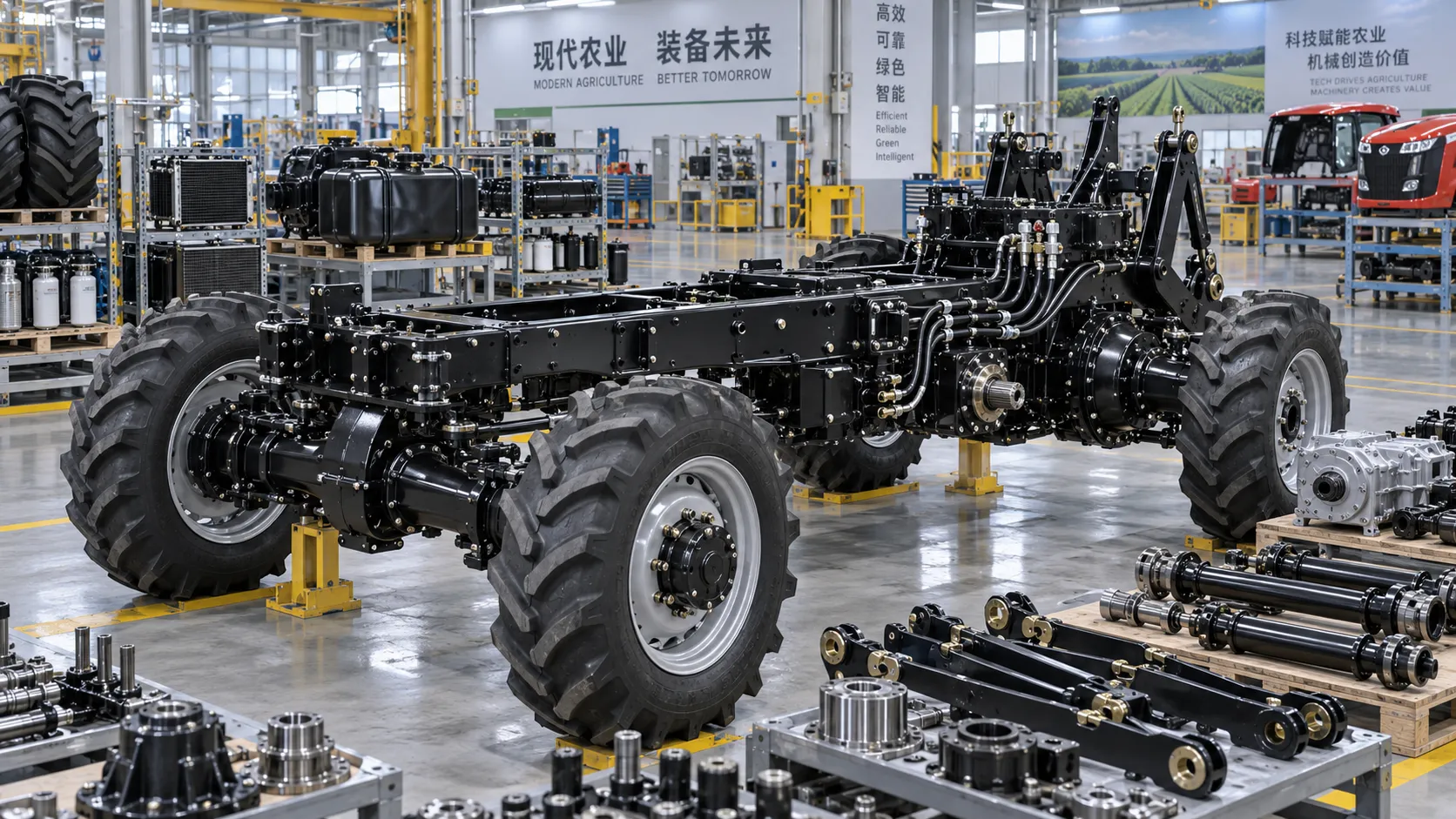
Tractor Chassis Price: What Buyers Should Compare Beyond the Initial Quote
Tractor chassis price is only the start. Compare load capacity, compatibility, durability, and lifecycle costs to choose a reliable, high-value chassis.
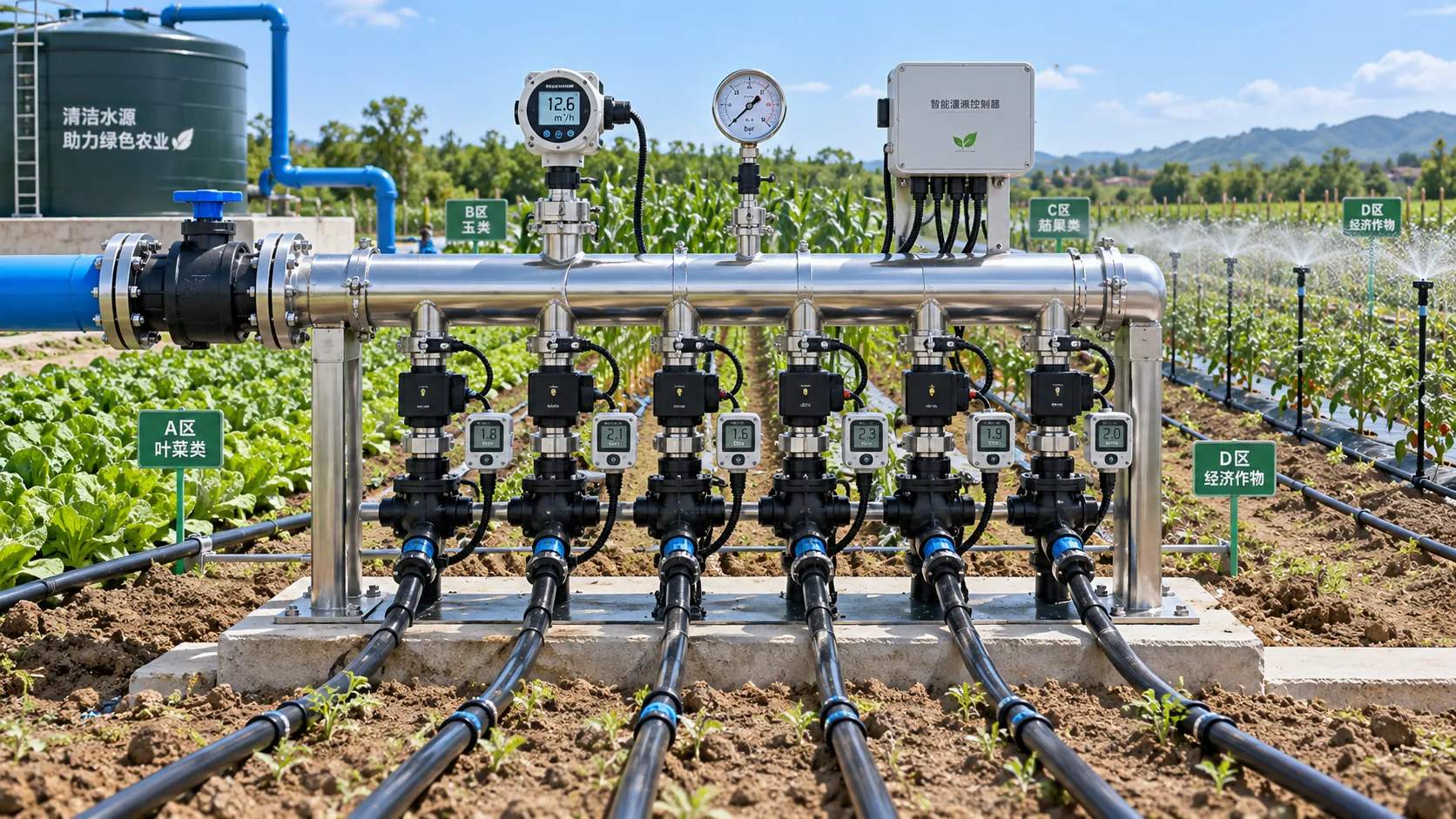
How to Select Smart Irrigation Valves for Multi-Zone Water Management?
Intelligent irrigation systems valves: learn how to match smart valves with multi-zone flow, pressure, control, feedback, and communication needs for reliable water management.
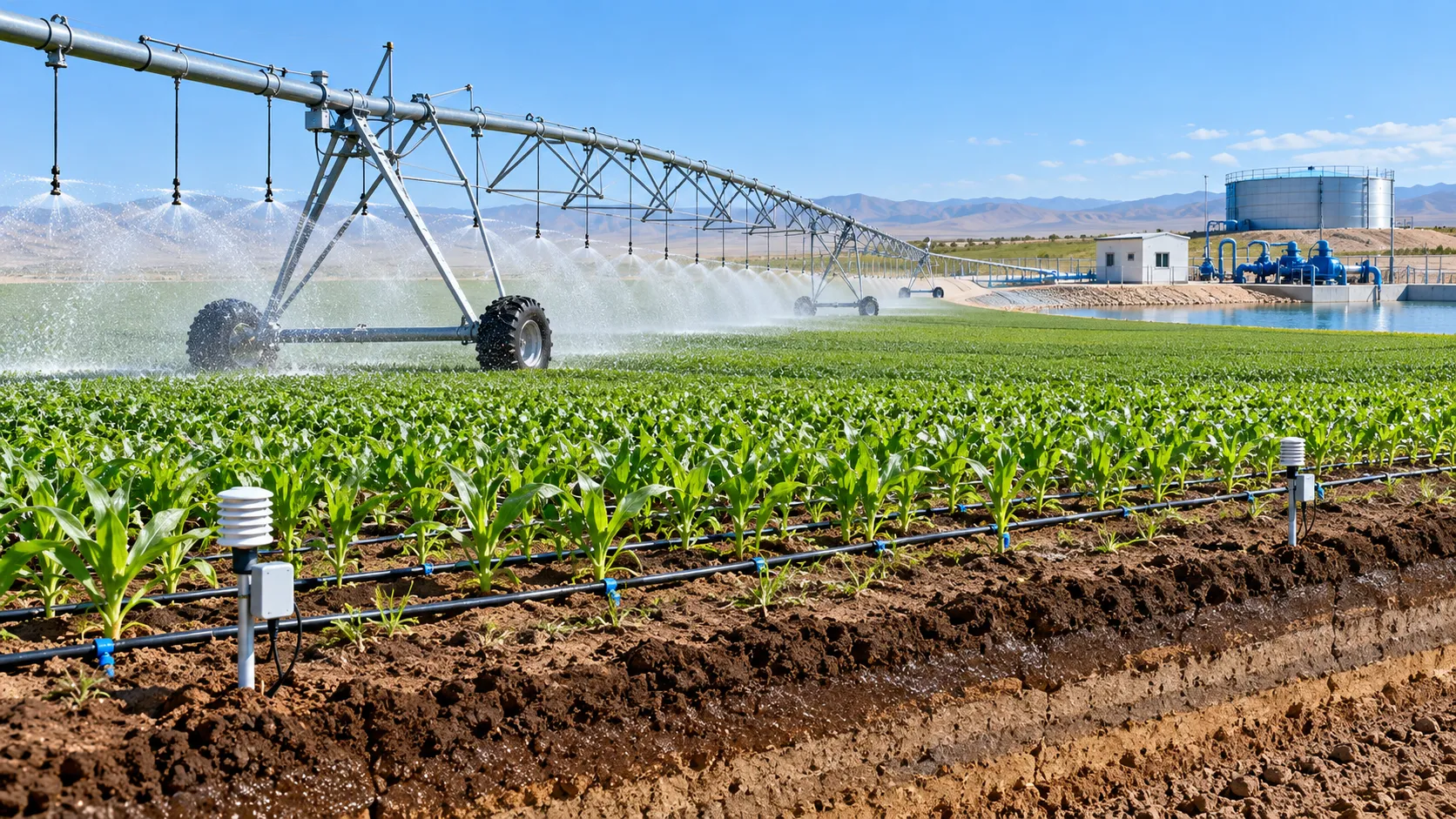
Climate-Smart Farming for Drought: A Practical Plan for Protecting Yields
Climate-smart farming for drought: build smarter water budgets, protect critical crop stages, improve irrigation uniformity, and safeguard yields with practical field-proven strategies.
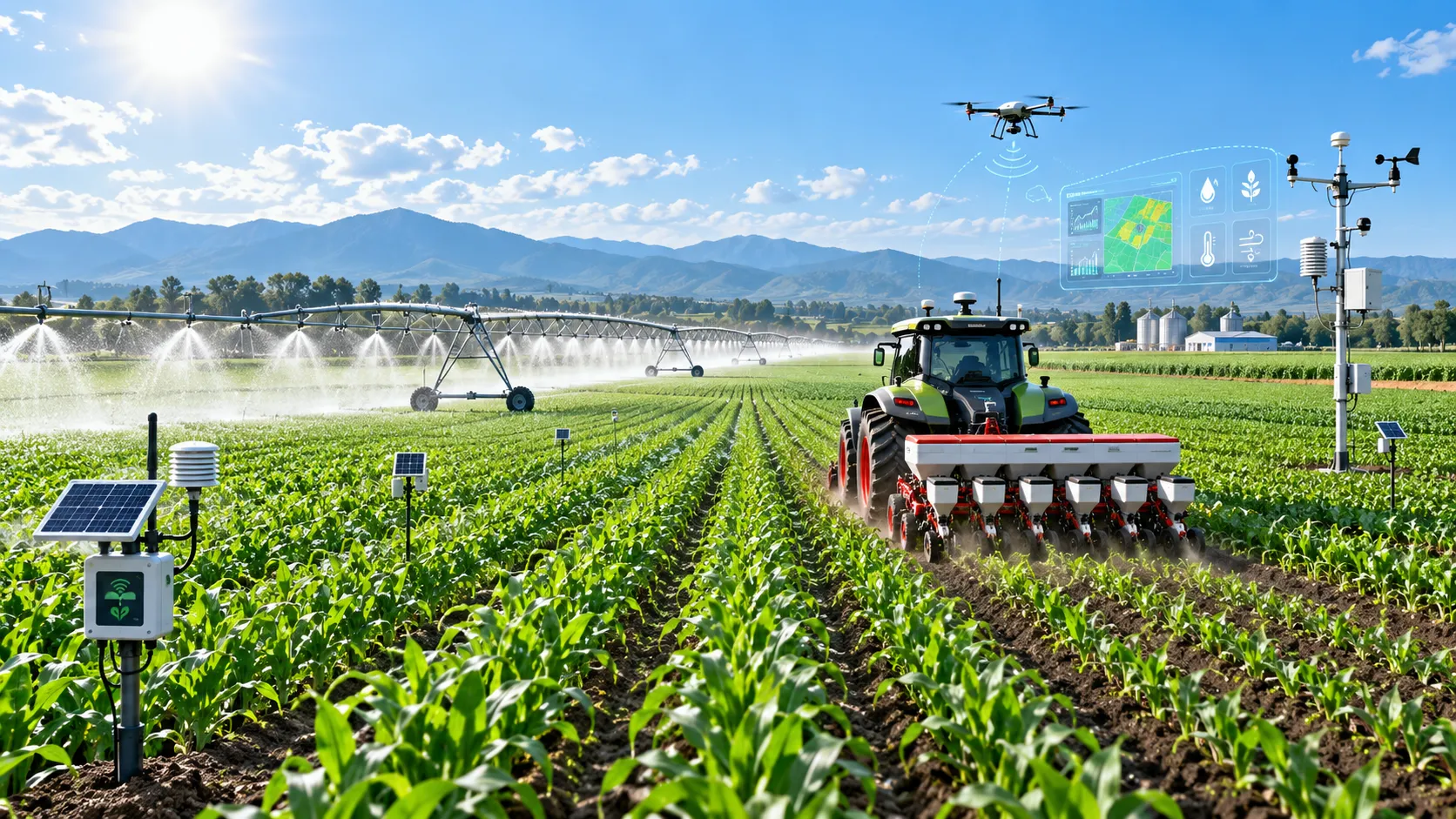
How Digital Agriculture Platforms Turn Field Data Into Better Input Decisions
Digital agriculture platforms turn field data into smarter fertilizer, water, seed, and equipment decisions—helping farms cut risk, improve margins, and scale sustainability.
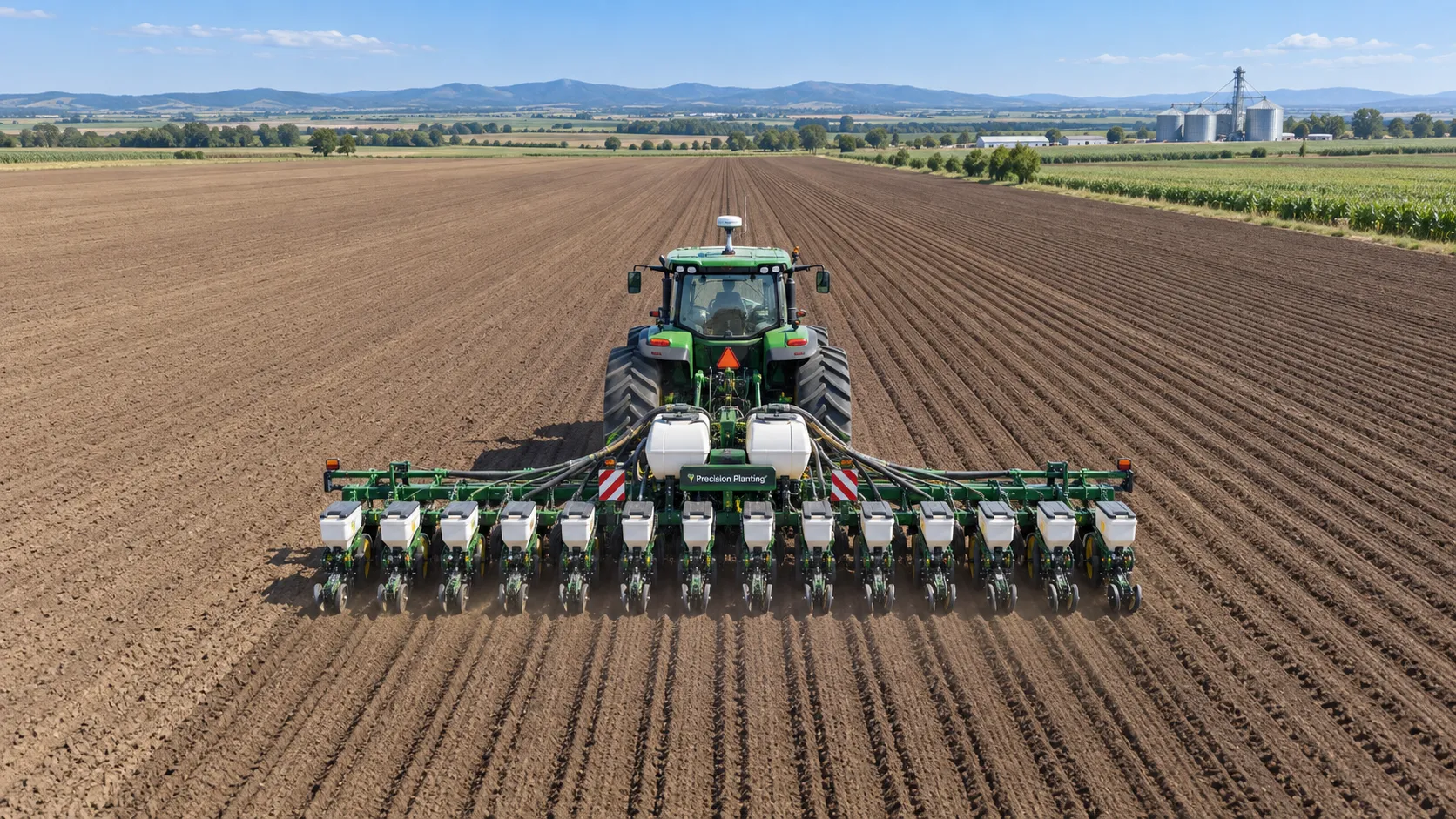
GPS-Guided Farm Machinery: Where It Delivers Measurable Field Efficiency Gains
Agri-mechanization GPS guided systems deliver measurable field efficiency gains through reduced overlap, precise planting, smarter inputs, and reliable farm data.
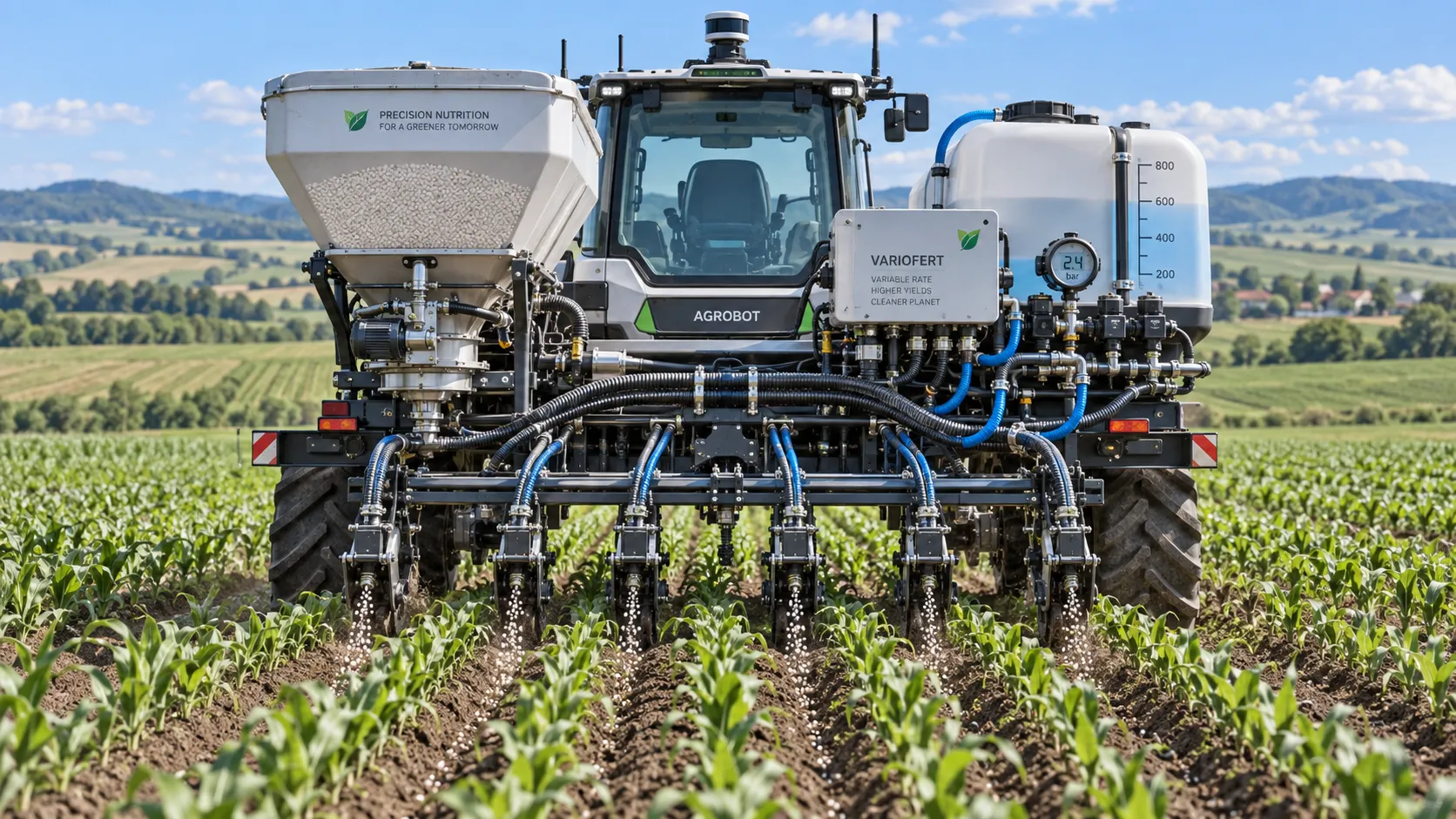
How Sensor Feedback Enables Accurate Variable-Rate Fertilization in Field Conditions
Precision fertilization systems with sensor feedback improve variable-rate accuracy by verifying flow, managing latency, and ensuring reliable field application.
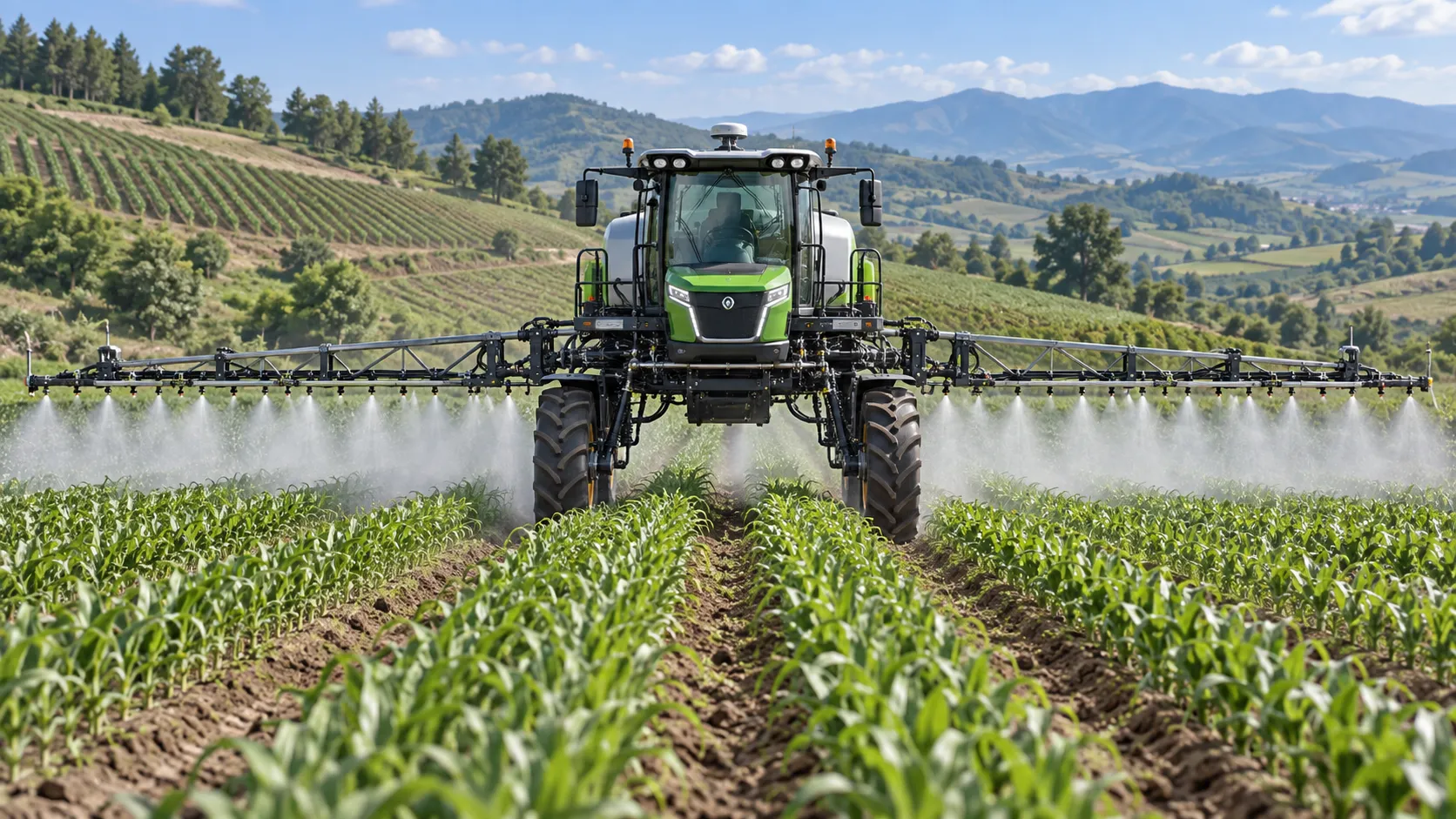
How to Select Precision Crop Protection Equipment for Variable Field Conditions
Precision crop protection equipment selection made simple: compare terrain, canopy, weather, control accuracy, and data workflows for reliable applications.

When Does Agricultural Machinery Leasing Cost Less Than Owning Equipment?
Agricultural machinery leasing can lower farm costs when use is seasonal or uncertain. Compare utilization, maintenance, cash flow, and risk to make a smarter equipment decision.

How to Evaluate Precision Fertilization System Suppliers for Farm-Scale Deployment
Precision fertilization systems suppliers: learn how to compare accuracy, integration, uptime, service, and total cost for confident farm-scale deployment.
Related News
- 00
0000-00
How Does Farm Mechanization Affect Food Security in Developing Regions? - 00
0000-00
Agricultural Technology Insights by Region: Where Adoption Is Growing Fastest - 00
0000-00
How Climate-Smart Agriculture Technology Improves Yield, Soil Health, and Risk Resilience - 00
0000-00
Smart Farming Solutions in Latin America: Which Technologies Fit Large Farms Best? - 00
0000-00
Long-Cycle Agri-Trade Price Trends: How to Read Supply, Freight, and Currency Signals
Popular Tags
Prof. Marcus Chen
Weekly Insights
Stay ahead with our curated technology reports delivered every Monday.