
How to compare hydraulic control makers for farm machines
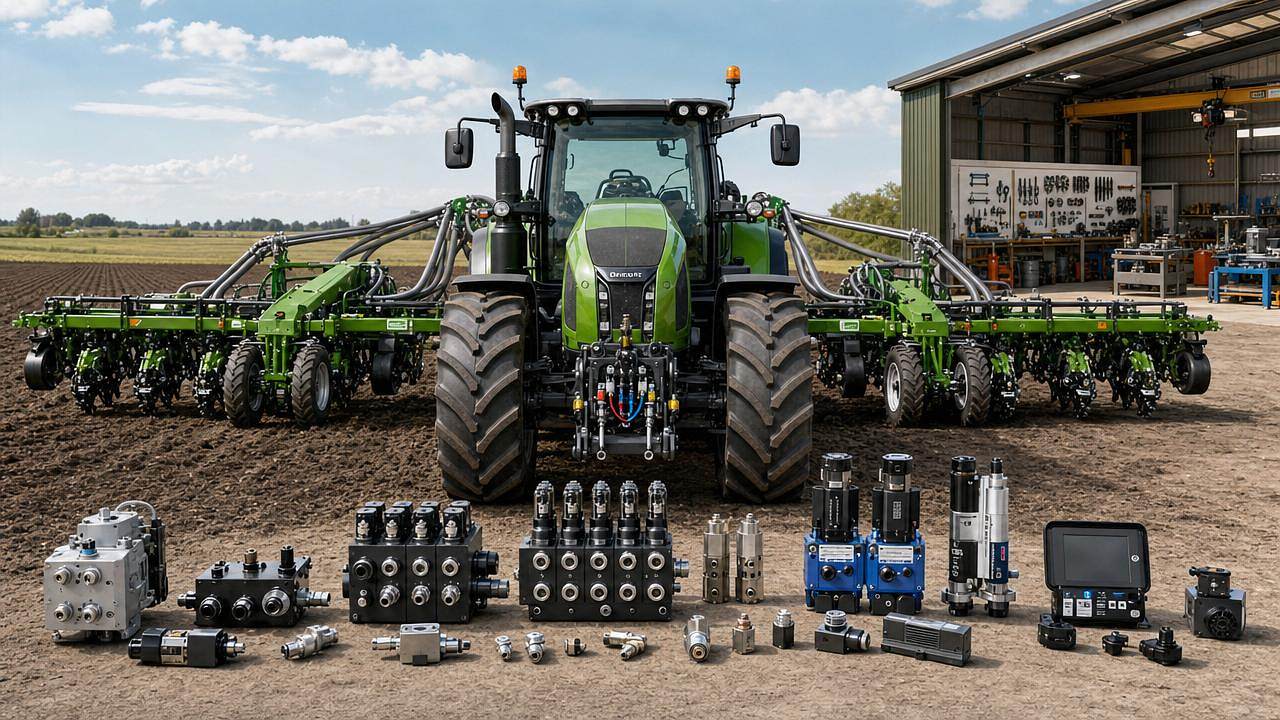




Choosing among hydraulic control manufacturers for agricultural machinery can directly shape uptime, field accuracy, repair frequency, and total equipment return. In modern farming, hydraulic control is no longer a hidden subsystem. It affects steering, lifting, braking, implement folding, header adjustment, spraying consistency, and variable-rate field work.
A strong comparison process should go beyond price sheets. It should examine product engineering, sealing quality, software readiness, contamination tolerance, supply continuity, and after-sales depth. For equipment linked to Agriculture 4.0, supplier selection also affects data integration, energy efficiency, and lifecycle stability.
Foundation: what hydraulic control makers actually supply
When comparing hydraulic control manufacturers for agricultural machinery, first define the product scope. Some suppliers focus on valves only. Others deliver full hydraulic control systems with electronics, manifolds, sensors, and software support.
Typical supply categories include directional valves, proportional valves, pressure control valves, electro-hydraulic actuators, joystick interfaces, integrated manifolds, hydraulic power units, and CAN-based control modules.
The best fit depends on machine architecture. A compact sprayer has different control priorities than a heavy tractor, combine harvester, baler, or precision seeder.
Core comparison dimensions
- Flow and pressure performance under real agricultural loads
- Response accuracy for proportional or electro-hydraulic functions
- Resistance to dust, vibration, moisture, and thermal cycling
- Compatibility with tractor chassis and implement control networks
- Availability of diagnostics, calibration tools, and software updates
- Lead time, spare parts access, and regional technical service
Industry context shaping supplier evaluation
The market for hydraulic control manufacturers for agricultural machinery is changing quickly. Farm equipment now needs more intelligence, better energy use, and stronger electronic coordination across implements and power platforms.
AP-Strategy closely observes this shift across tractors, combines, irrigation platforms, and smart field tools. Hydraulic control has become a bridge between mechanical power and precision algorithms.
In this environment, comparing hydraulic suppliers requires both engineering review and strategic risk analysis. A low initial price can become costly if software support, contamination control, or field service are weak.
Performance indicators that deserve closer attention
Not all technical data sheets tell the full story. The strongest hydraulic control manufacturers for agricultural machinery can explain how their products behave under shock loads, uneven terrain, cold starts, and extended harvesting cycles.
Mechanical and hydraulic reliability
Look for proven sealing systems, clean machining standards, and stable spool performance. Agricultural machines face dust, vibration, washdown exposure, and seasonal storage. Design margins matter.
Pressure spikes during headland turns or implement folding can damage weak components. Ask for fatigue validation, burst pressure data, and contamination tolerance standards.
Control precision and response
Precision matters in steering correction, header height, boom section movement, and planter depth control. A supplier should provide repeatability data, hysteresis limits, and response time ranges.
For smart machinery, control smoothness is equally important. Jerky actuation can reduce crop protection quality, increase grain loss, or accelerate wear in linked structures.
Electronic integration
Many hydraulic control manufacturers for agricultural machinery now offer CAN communication, sensor fusion support, and controller interfaces. This is important for autonomous functions and variable-rate applications.
Check whether the supplier supports diagnostics, firmware updates, error logging, and remote troubleshooting. These features reduce downtime and shorten service intervention cycles.
Business value beyond technical compliance
Selecting the right source among hydraulic control manufacturers for agricultural machinery creates value far beyond installation. Better control quality can improve productivity, operator comfort, fuel efficiency, and seasonal reliability.
- Reduced downtime during planting and harvest windows
- Lower service frequency through better sealing and contamination handling
- More accurate implement behavior in precision field operations
- Improved safety through predictable braking and load holding
- Longer lifecycle value through spare parts continuity
This matters especially in global agriculture, where machine utilization is high and weather windows are narrow. A small control failure can interrupt an entire field sequence.
Typical machine scenarios and supplier fit
Different equipment categories demand different strengths from hydraulic control manufacturers for agricultural machinery. Comparing by application helps avoid mismatched sourcing decisions.
Practical comparison method for supplier shortlisting
A structured process makes supplier review clearer. It also reduces bias toward familiar brands or initial quotes.
- Define operating conditions, duty cycles, contamination risk, and temperature range.
- Separate must-have specifications from optional features.
- Request validation data, not just catalog ratings.
- Check software, wiring, and communications compatibility.
- Review lead time, spare stock policy, and failure response procedure.
- Run pilot tests under field conditions whenever possible.
- Score lifecycle cost, not purchase price alone.
Questions worth asking
- What failure modes appear most often in agricultural duty cycles?
- How are contamination and water ingress addressed?
- Which communication protocols are supported today?
- How long are spare parts guaranteed after model updates?
- What regional engineering or training support is available?
Common mistakes to avoid
One frequent mistake is comparing only rated pressure and flow. Another is ignoring software support for electro-hydraulic systems. These gaps often appear only after installation.
A second mistake is overlooking service geography. Even strong hydraulic control manufacturers for agricultural machinery may be a weak fit if parts and technical support are too far from operating regions.
A third mistake is failing to match control design with machine growth plans. Future automation, sensor integration, and sustainability targets should influence the choice now.
Next-step evaluation framework
The most reliable way to compare hydraulic control manufacturers for agricultural machinery is to combine engineering evidence, field performance, and supply-chain resilience in one scorecard.
Start with three to five candidates. Build a matrix covering reliability, precision, integration, service, lead time, and lifecycle cost. Then validate the highest-ranked options through pilot operation or sample testing.
For organizations tracking Agriculture 4.0 trends, the best supplier is usually the one that supports both current machine demands and future intelligent control architecture. That approach protects uptime today and system adaptability tomorrow.
Related News
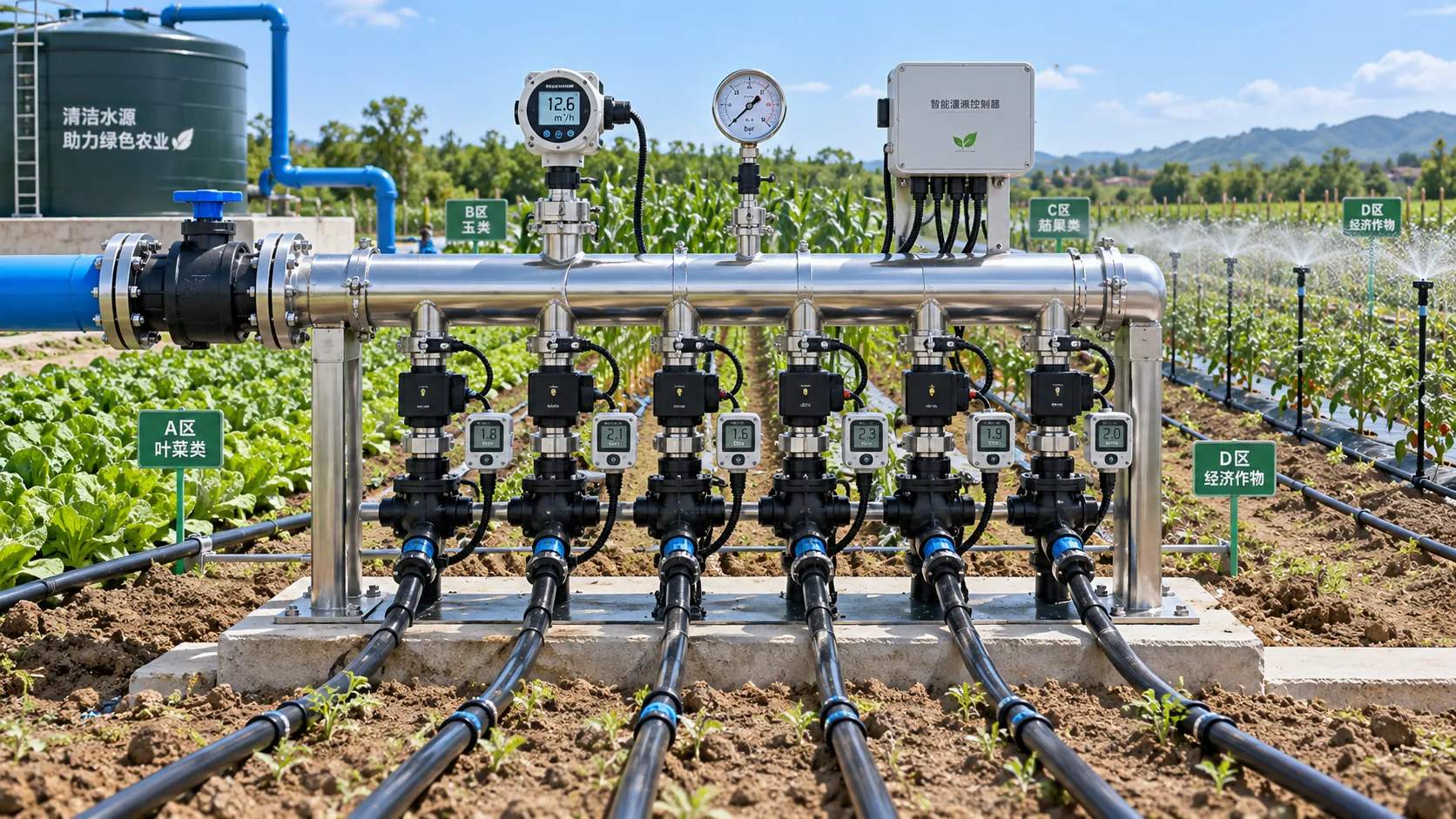
How to Select Smart Irrigation Valves for Multi-Zone Water Management?
Intelligent irrigation systems valves: learn how to match smart valves with multi-zone flow, pressure, control, feedback, and communication needs for reliable water management.
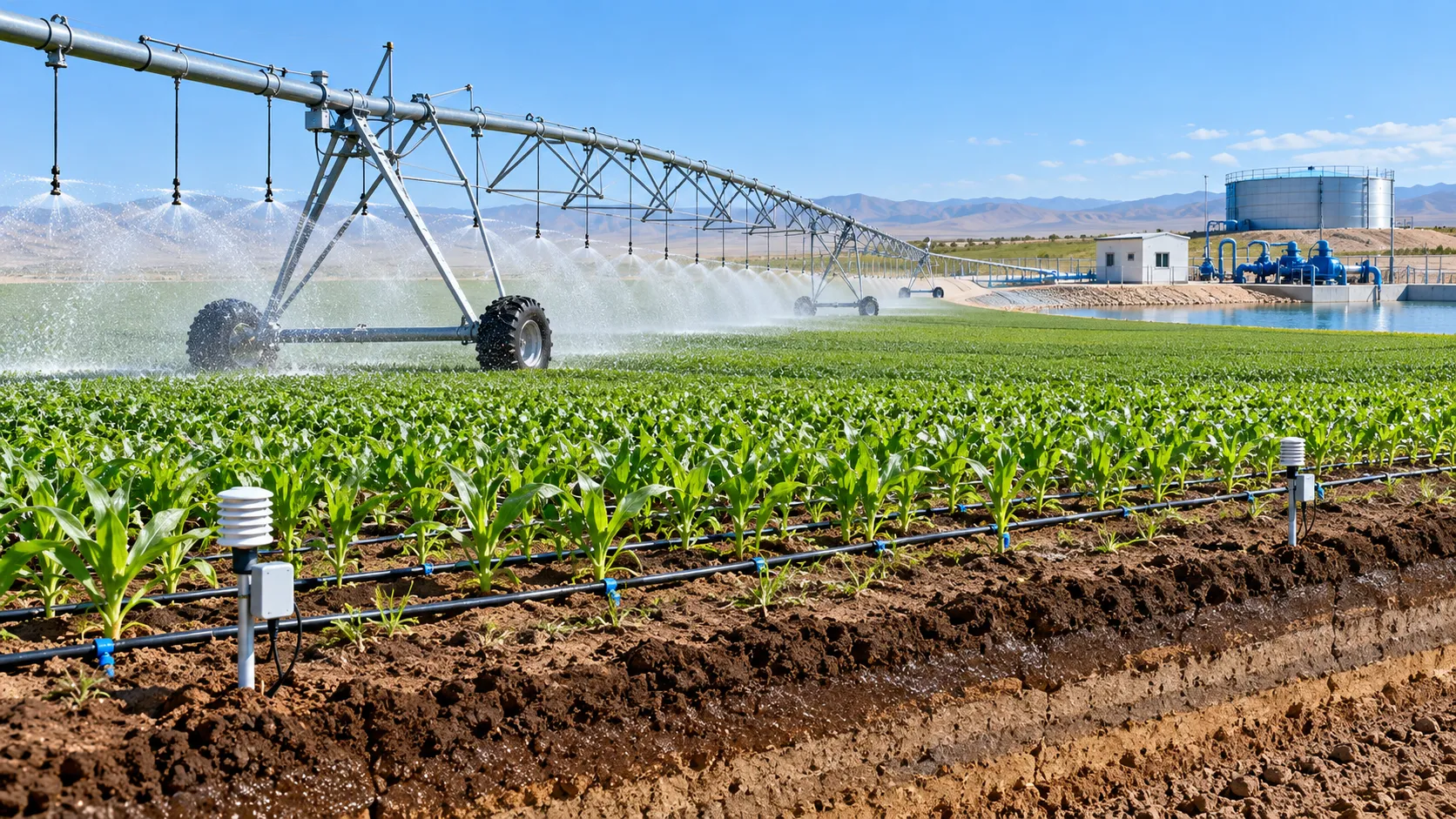
Climate-Smart Farming for Drought: A Practical Plan for Protecting Yields
Climate-smart farming for drought: build smarter water budgets, protect critical crop stages, improve irrigation uniformity, and safeguard yields with practical field-proven strategies.
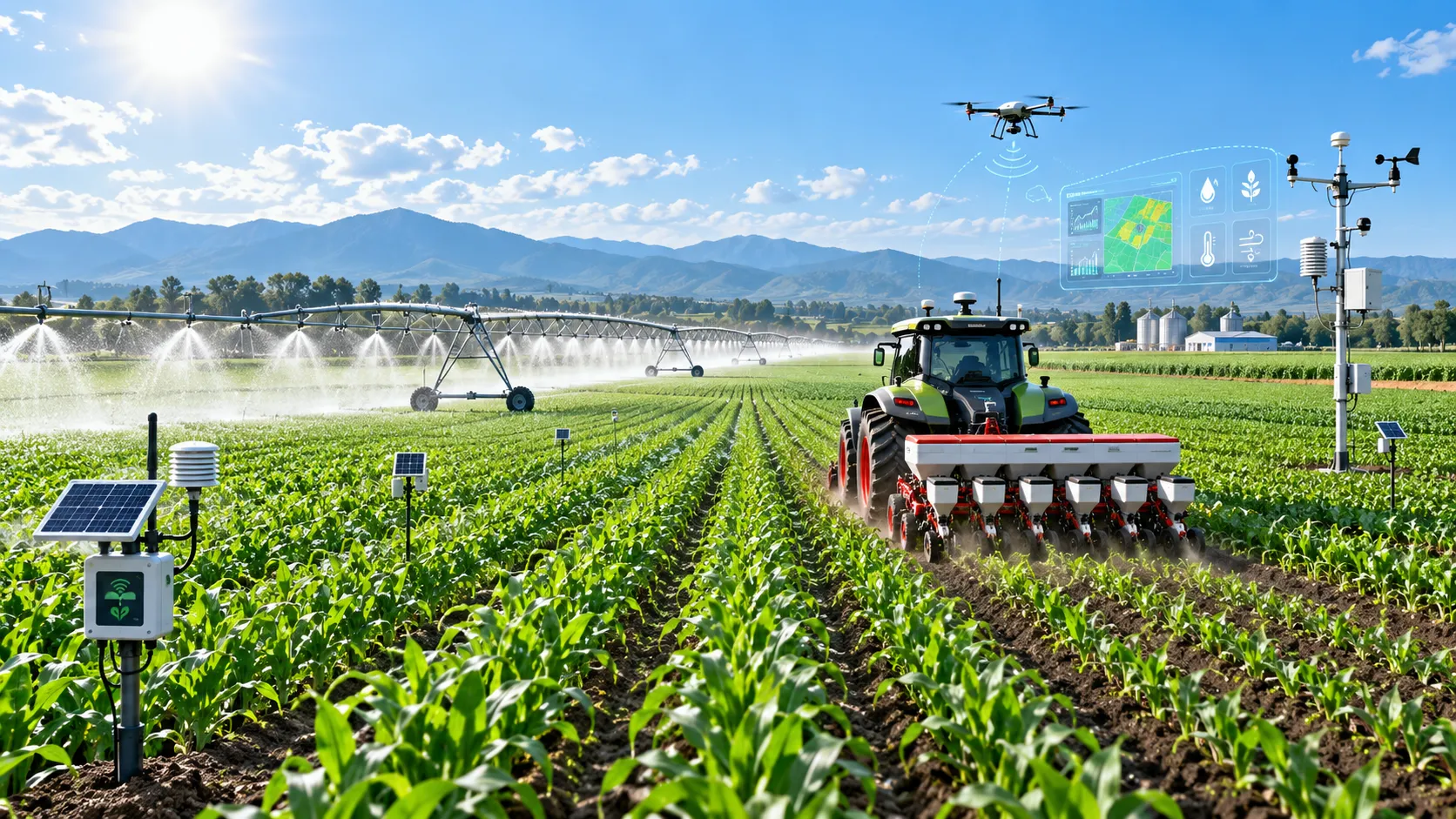
How Digital Agriculture Platforms Turn Field Data Into Better Input Decisions
Digital agriculture platforms turn field data into smarter fertilizer, water, seed, and equipment decisions—helping farms cut risk, improve margins, and scale sustainability.
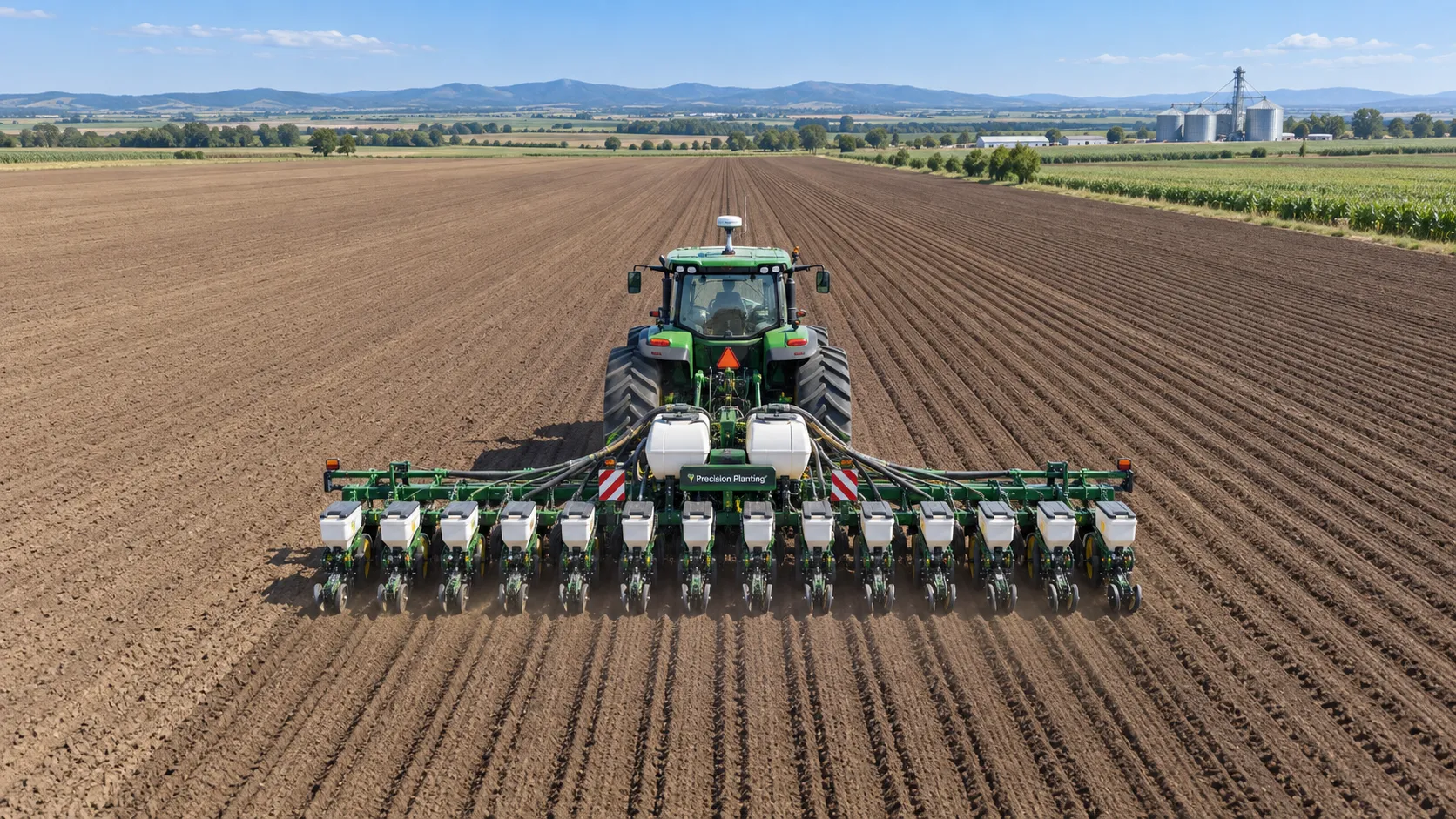
GPS-Guided Farm Machinery: Where It Delivers Measurable Field Efficiency Gains
Agri-mechanization GPS guided systems deliver measurable field efficiency gains through reduced overlap, precise planting, smarter inputs, and reliable farm data.
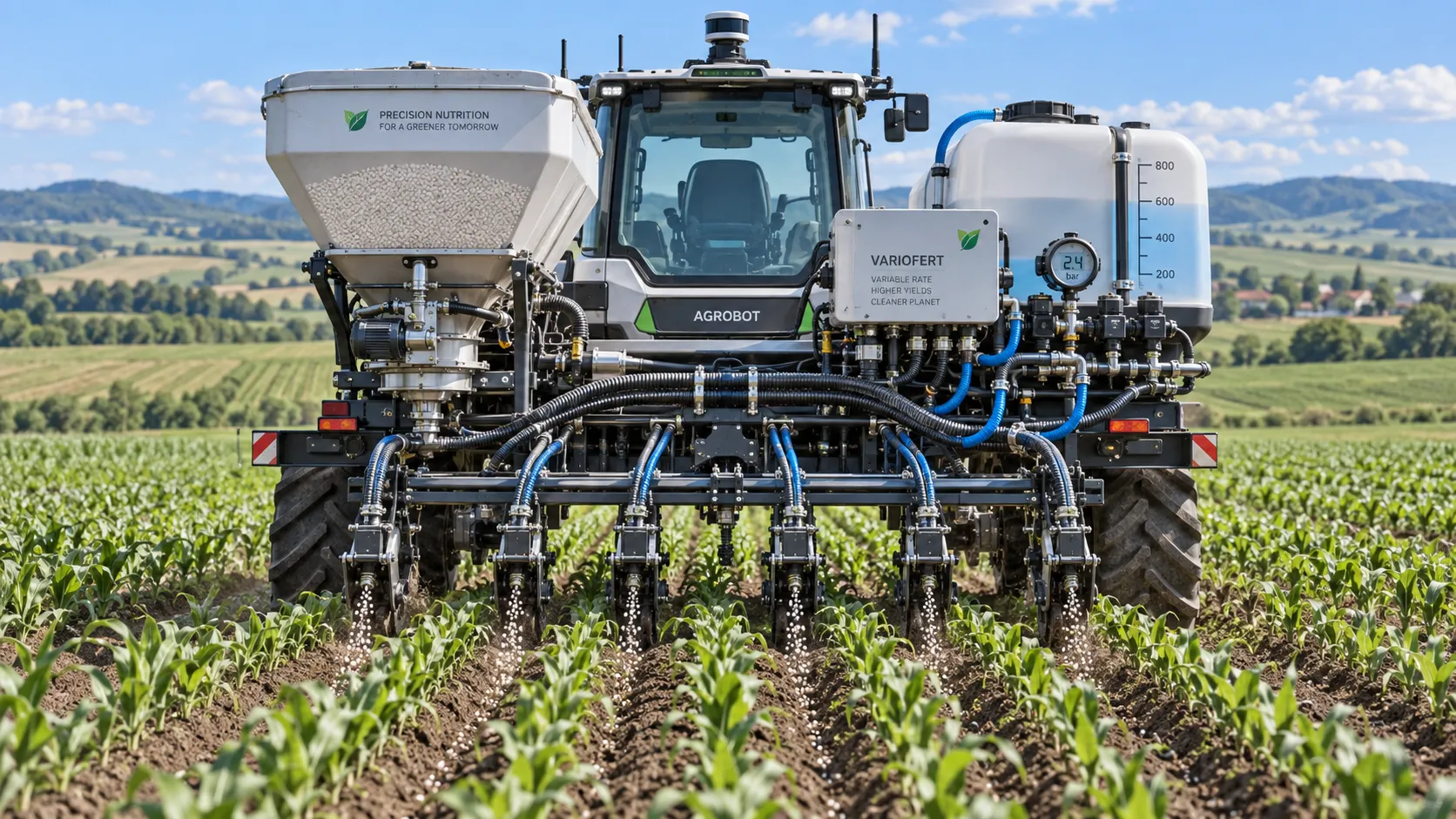
How Sensor Feedback Enables Accurate Variable-Rate Fertilization in Field Conditions
Precision fertilization systems with sensor feedback improve variable-rate accuracy by verifying flow, managing latency, and ensuring reliable field application.
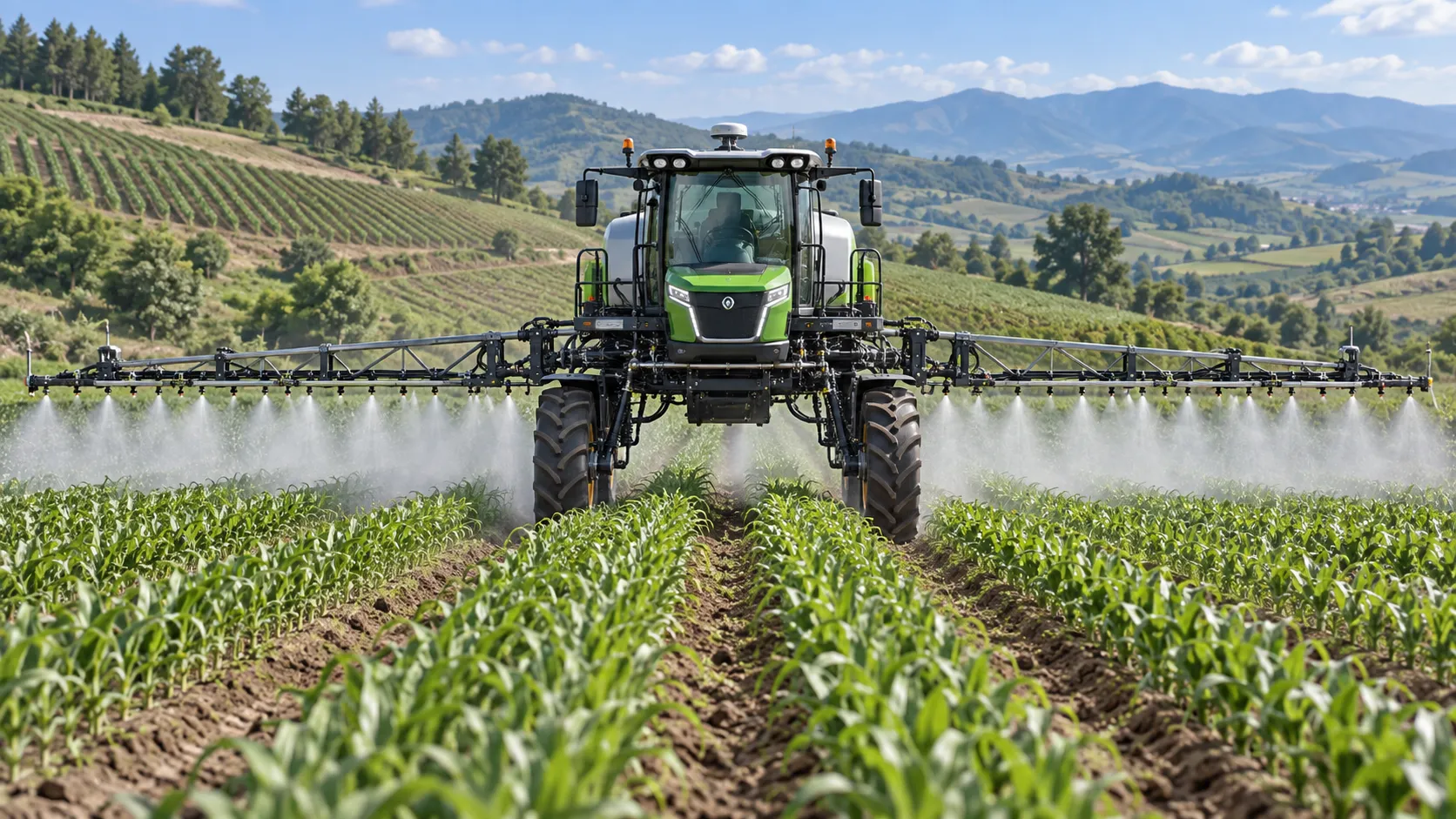
How to Select Precision Crop Protection Equipment for Variable Field Conditions
Precision crop protection equipment selection made simple: compare terrain, canopy, weather, control accuracy, and data workflows for reliable applications.
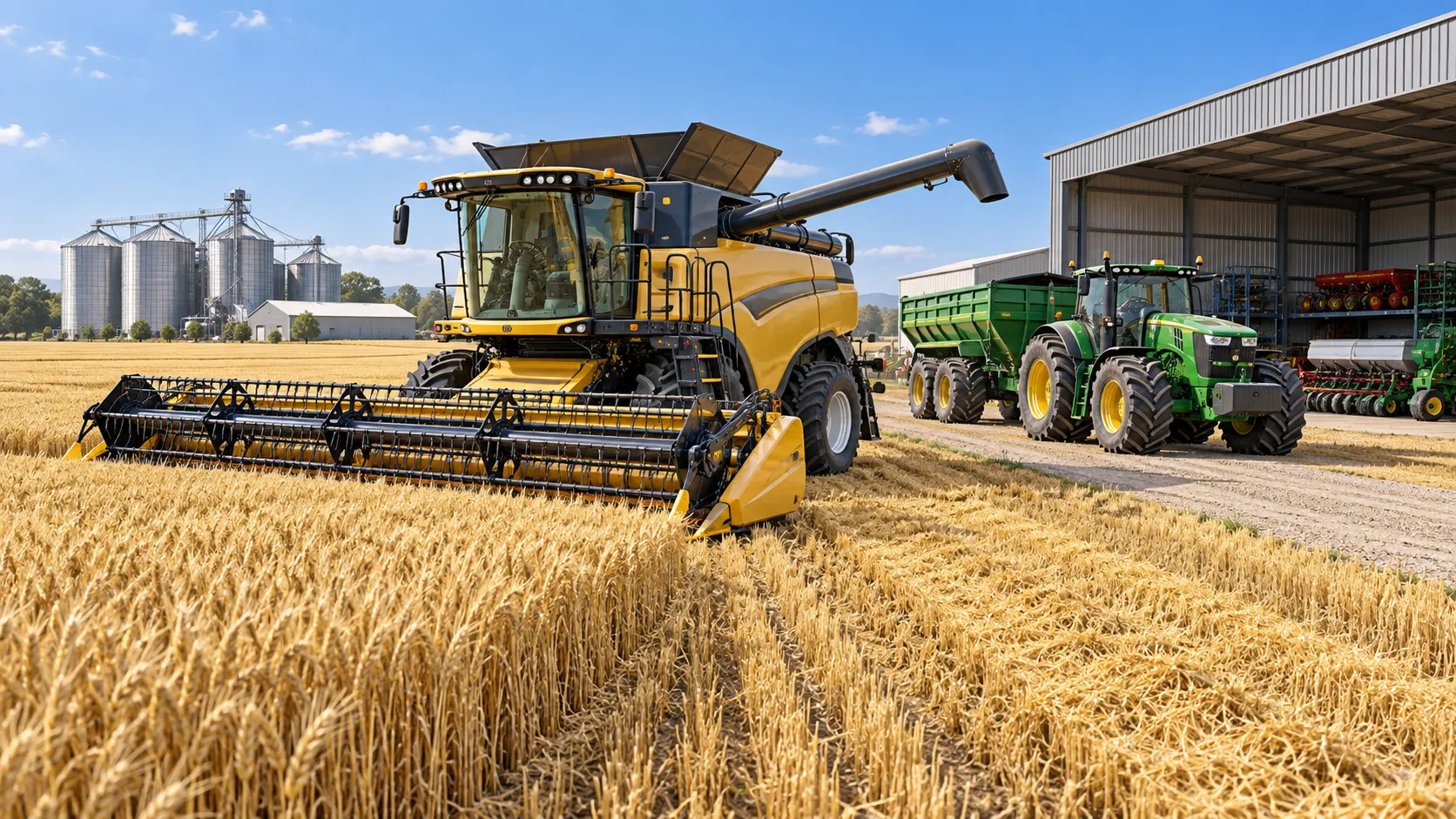
When Does Agricultural Machinery Leasing Cost Less Than Owning Equipment?
Agricultural machinery leasing can lower farm costs when use is seasonal or uncertain. Compare utilization, maintenance, cash flow, and risk to make a smarter equipment decision.
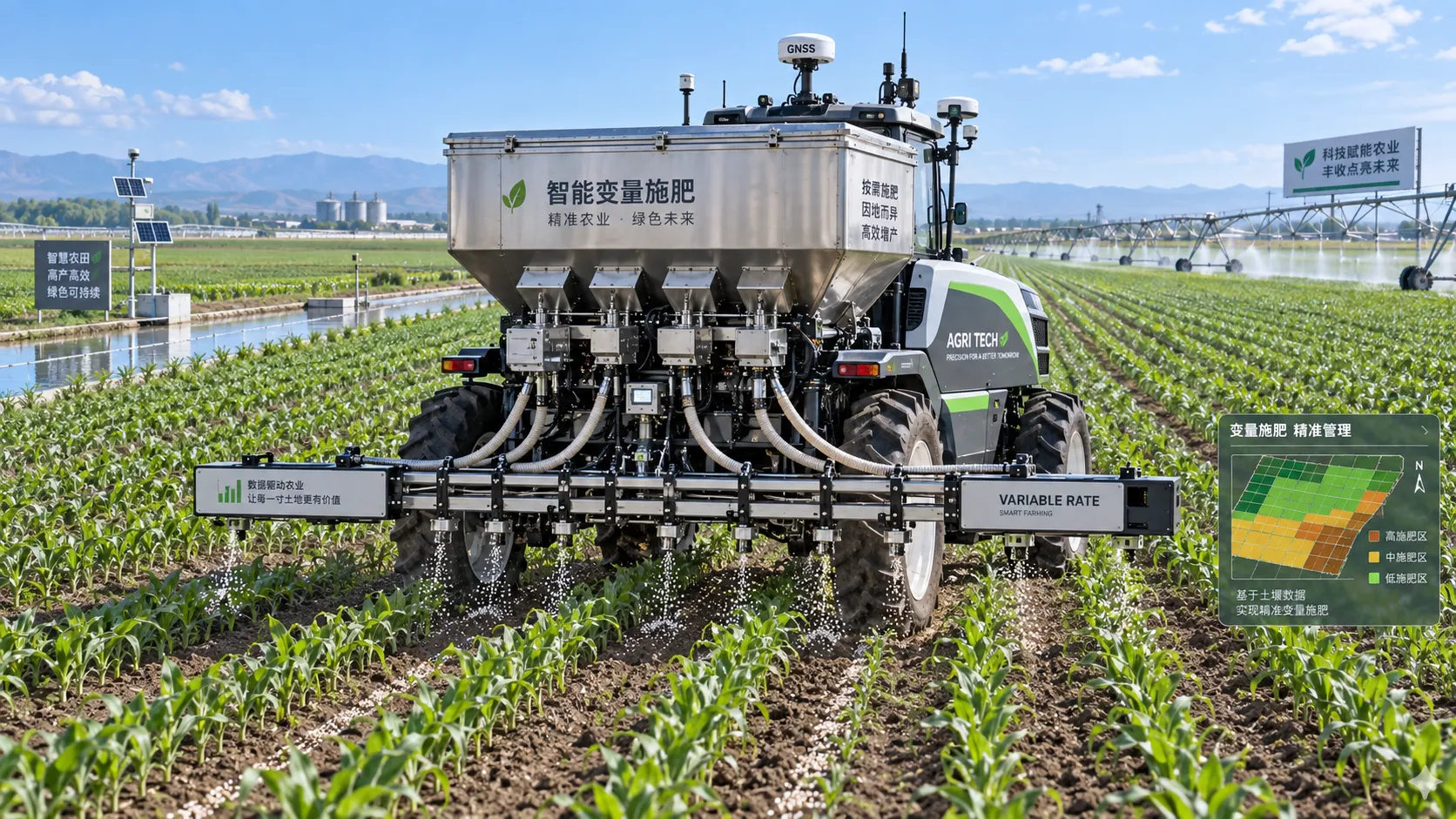
How to Evaluate Precision Fertilization System Suppliers for Farm-Scale Deployment
Precision fertilization systems suppliers: learn how to compare accuracy, integration, uptime, service, and total cost for confident farm-scale deployment.
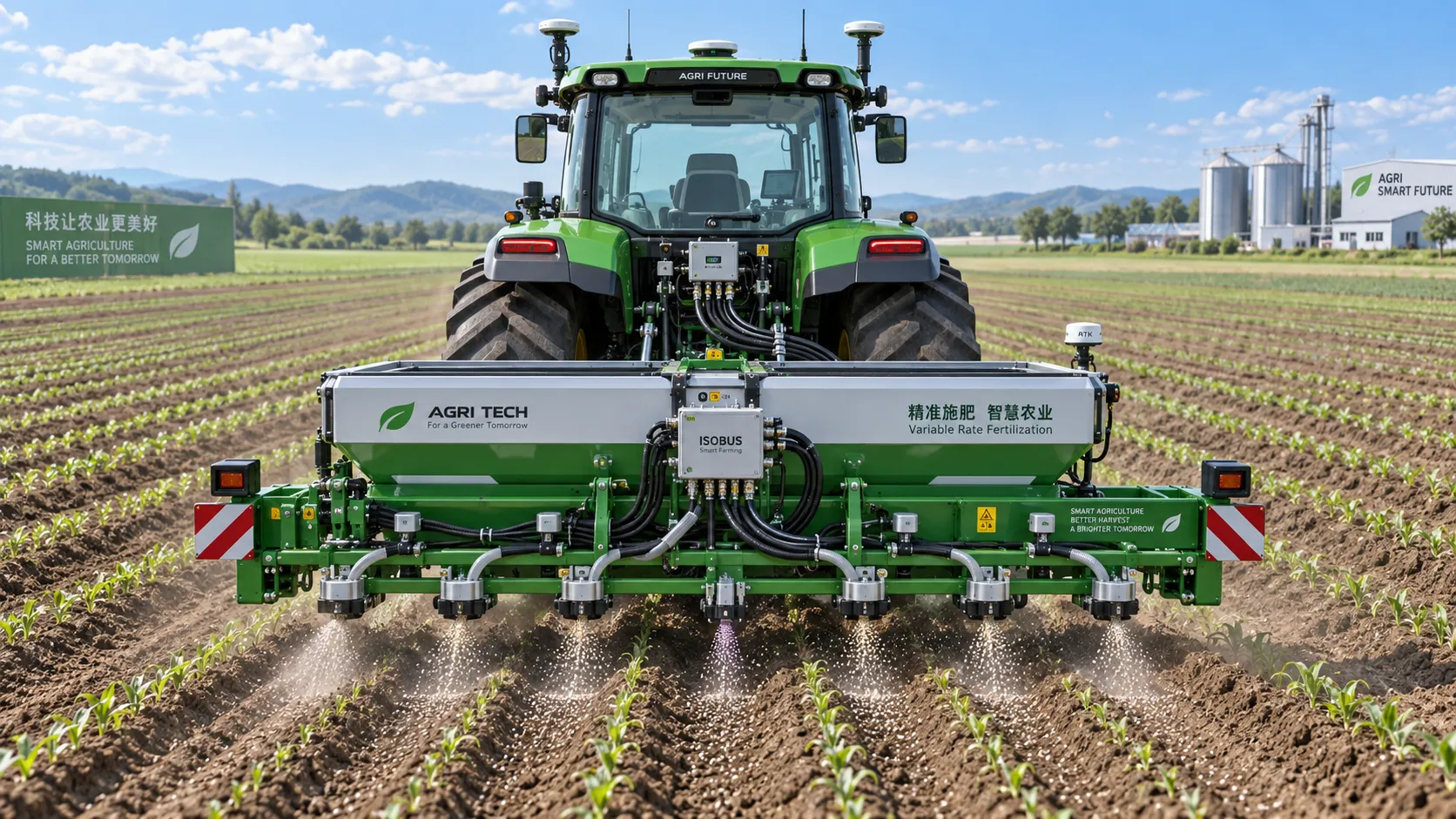
ISOBUS for Smart Agriculture: How It Connects Tractors, Implements, and Farm Data
ISOBUS for smart agriculture connects tractors, implements, terminals, and farm data—helping growers improve precision, documentation, and smarter field decisions.
Related News
- 00
0000-00
Tractor Hydraulic Systems Troubleshooting: Diagnosing Weak Lift and Slow Implements - 00
0000-00
Which Implements Are Compatible With a 200 HP Tractor for Mixed Cropping? - 00
0000-00
How to Select Agricultural Hydraulic Systems for Sprayers by Flow, Pressure, and Boom Demand - 00
0000-00
Australia Tightens Carbon Rules for Hydraulic Lift System Imports - 00
0000-00
ANATEL Sets New Rules for Wireless Hydraulic Lift Systems
Popular Tags
Tractor Power Architect
Weekly Insights
Stay ahead with our curated technology reports delivered every Monday.