
ABARES Ups AI Farm Decision Budget; Hydraulic Lifts Now Critical




Lead
Australia’s Bureau of Agricultural and Resource Economics and Sciences (ABARES) announced on 16 May 2026 a 37% increase in government subsidy funding for farm AI decision systems for the 2026–27 financial year — a policy shift with immediate implications for agricultural technology integration, hardware supply chains, and precision farming service providers across the Asia-Pacific region.
Event Overview
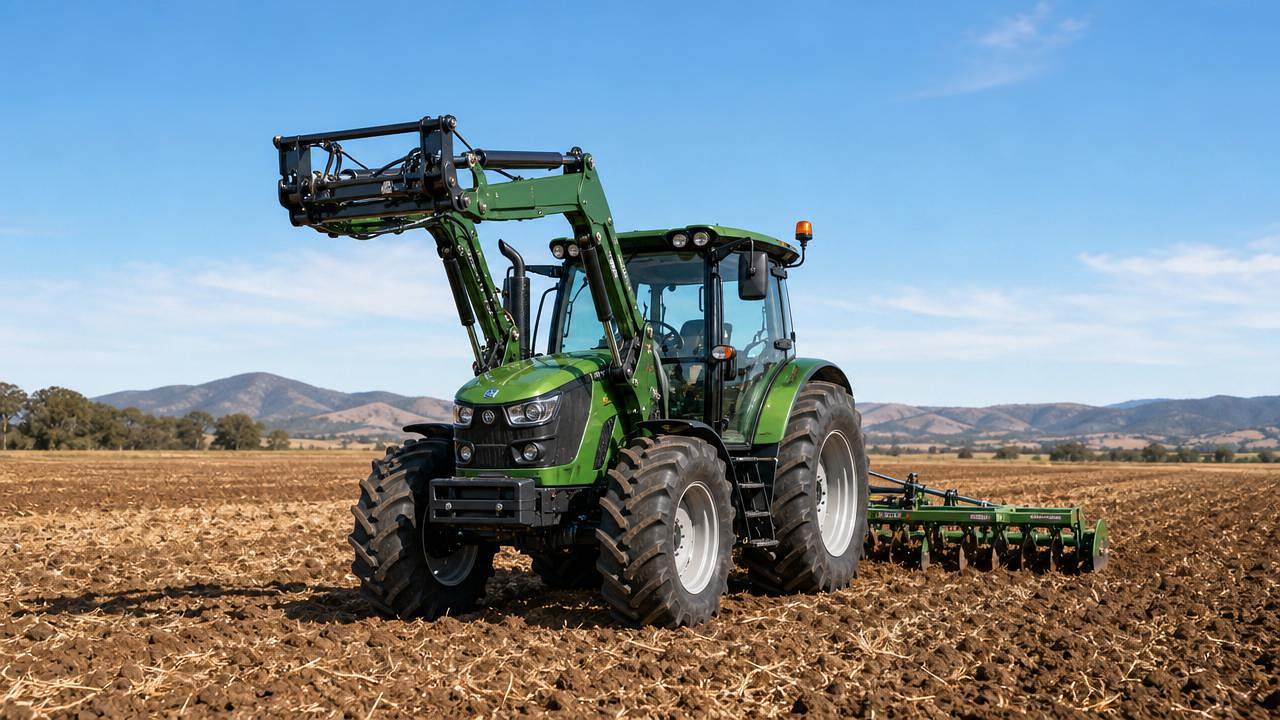
On 16 May 2026, ABARES released its 2026 Farm Digital Investment Outlook, confirming a 37% uplift in the allocated budget for subsidising on-farm AI decision systems. The report explicitly designates hydraulic lift systems as a mandatory hardware module for ‘precision variable-rate operation closed-loop control’, requiring real-time CAN FD data interoperability with certified AI platforms.
Industries Affected
Direct Trade Enterprises
Export-oriented distributors and OEM integrators supplying AI-enabled farm machinery into Australia must now align product configurations with ABARES’ new hardware mandate. Non-compliant systems risk exclusion from subsidy-eligible procurement channels — affecting tender eligibility, pricing negotiations, and after-sales support contracts tied to government co-funding schemes.
Raw Material Procurement Firms
Suppliers of high-pressure hydraulic components, CAN FD–compliant sensors, and ruggedised embedded controllers face intensified demand scrutiny. The requirement for real-time data fidelity under field conditions raises material specifications — particularly for seal longevity, thermal stability, and electromagnetic interference (EMI) resilience — prompting reassessment of sourcing tiers and certification pathways.
Manufacturing Enterprises
Original equipment manufacturers (OEMs) building smart tractors, sprayers, or seeders must revise their system architecture roadmaps to embed CAN FD–enabled hydraulic lift interfaces by Q4 2026. This entails firmware updates, hardware validation cycles, and third-party interoperability testing — compressing time-to-market windows and increasing R&D overhead for mid-tier suppliers lacking in-house CAN FD stack expertise.
Supply Chain Service Providers
Fleet management platforms, agritech-as-a-service (AgaaS) operators, and digital agronomy consultancies must adapt their service-level agreements (SLAs) to verify and document hydraulic lift–AI data handshake integrity. Failure to demonstrate verified CAN FD telemetry compliance may disqualify clients from subsidy claims — shifting liability toward service providers in audit scenarios.
Key Considerations and Recommended Actions
Validate CAN FD Interoperability Early
Manufacturers and integrators should prioritise conformance testing with ABARES-listed AI platforms before Q3 2026. Retrospective retrofitting of legacy hydraulic systems is unlikely to meet real-time latency thresholds specified in the Outlook.
Review Subsidy Claim Documentation Protocols
Trade enterprises must update installation checklists and commissioning reports to include timestamped CAN FD frame logs, hydraulic actuator response metrics, and AI platform health diagnostics — all required for subsidy verification per Section 4.2 of the Outlook.
Engage with ABARES-Certified Test Labs
Given the absence of transitional allowances, firms are advised to engage labs accredited under ABARES’ Digital Farm Hardware Verification Framework (DFHVF) — effective 1 July 2026 — to avoid delays in subsidy eligibility confirmation.
Editorial Perspective / Industry Observation
Observably, this mandate signals a structural pivot from ‘AI-enabled advisory tools’ toward ‘AI-governed physical execution’. The explicit coupling of hydraulic actuation with closed-loop control reflects growing regulatory emphasis on verifiable cause–effect traceability in automated agriculture — not just algorithmic insight. Analysis shows that hydraulic lift systems are being repositioned less as mechanical subsystems and more as bidirectional data conduits. From an industry perspective, this elevates component-level software-defined functionality over traditional hardware specs — a shift better understood as a firmware-and-interface standardisation milestone than a purely mechanical upgrade cycle.
Conclusion
This policy does not merely expand funding — it redefines technical eligibility for public–private digital agriculture investment in Australia. For global suppliers, it underscores that interoperability is no longer optional middleware but a mandated architectural layer. A rational interpretation is that Australia is accelerating convergence between industrial automation standards and farm-scale machinery — setting a precedent likely to influence similar frameworks in Canada, New Zealand, and the EU’s upcoming Smart Farming Certification Scheme.
Source Attribution
Primary source: ABARES, 2026 Farm Digital Investment Outlook, published 16 May 2026. Available at: abares.gov.au/publications/farm-digital-investment-outlook-2026.
Note: Final implementation guidelines, including DFHVF lab accreditation criteria and CAN FD latency thresholds, remain pending publication — subject to ongoing monitoring.
Related News
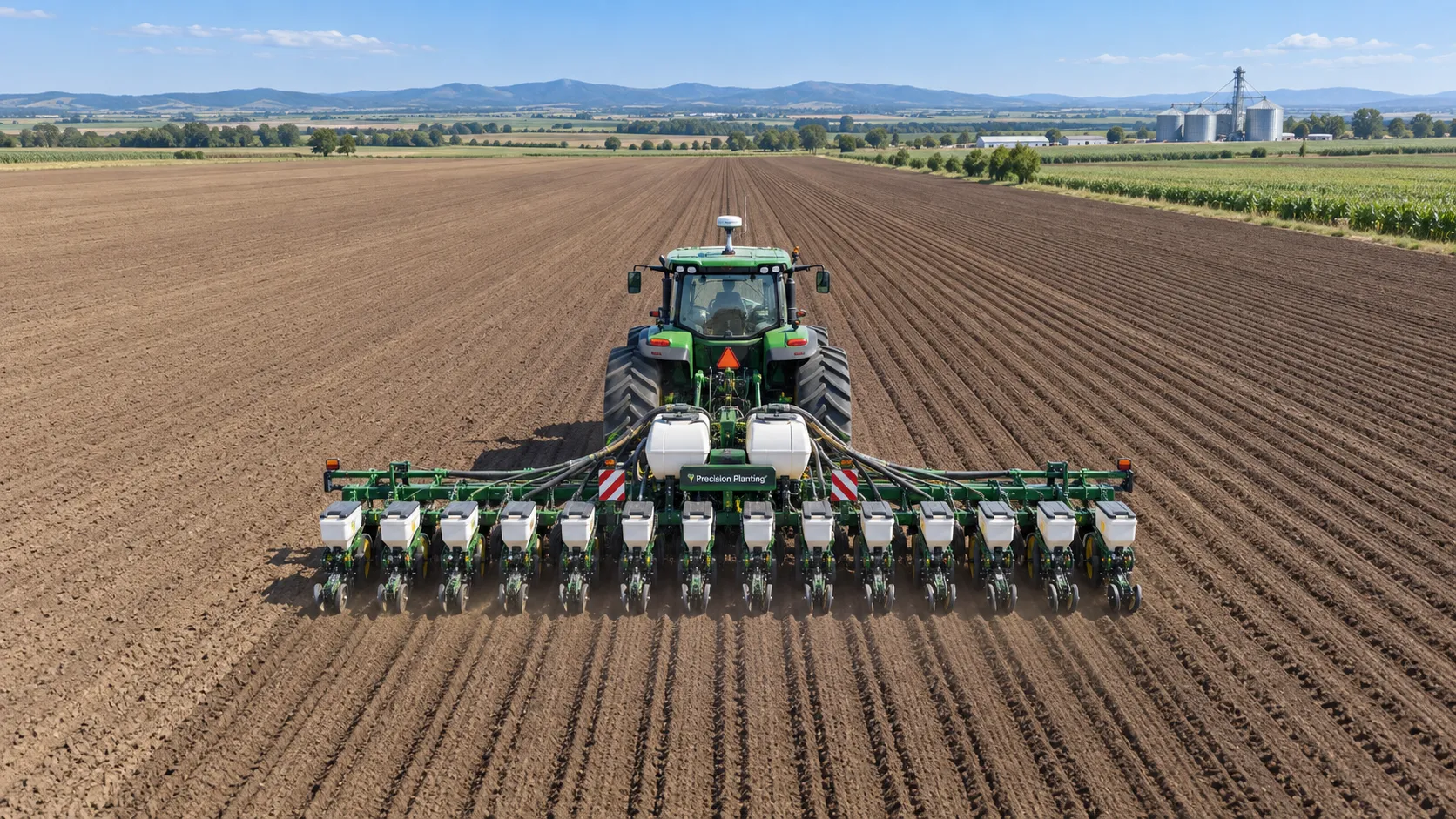
GPS-Guided Farm Machinery: Where It Delivers Measurable Field Efficiency Gains
Agri-mechanization GPS guided systems deliver measurable field efficiency gains through reduced overlap, precise planting, smarter inputs, and reliable farm data.
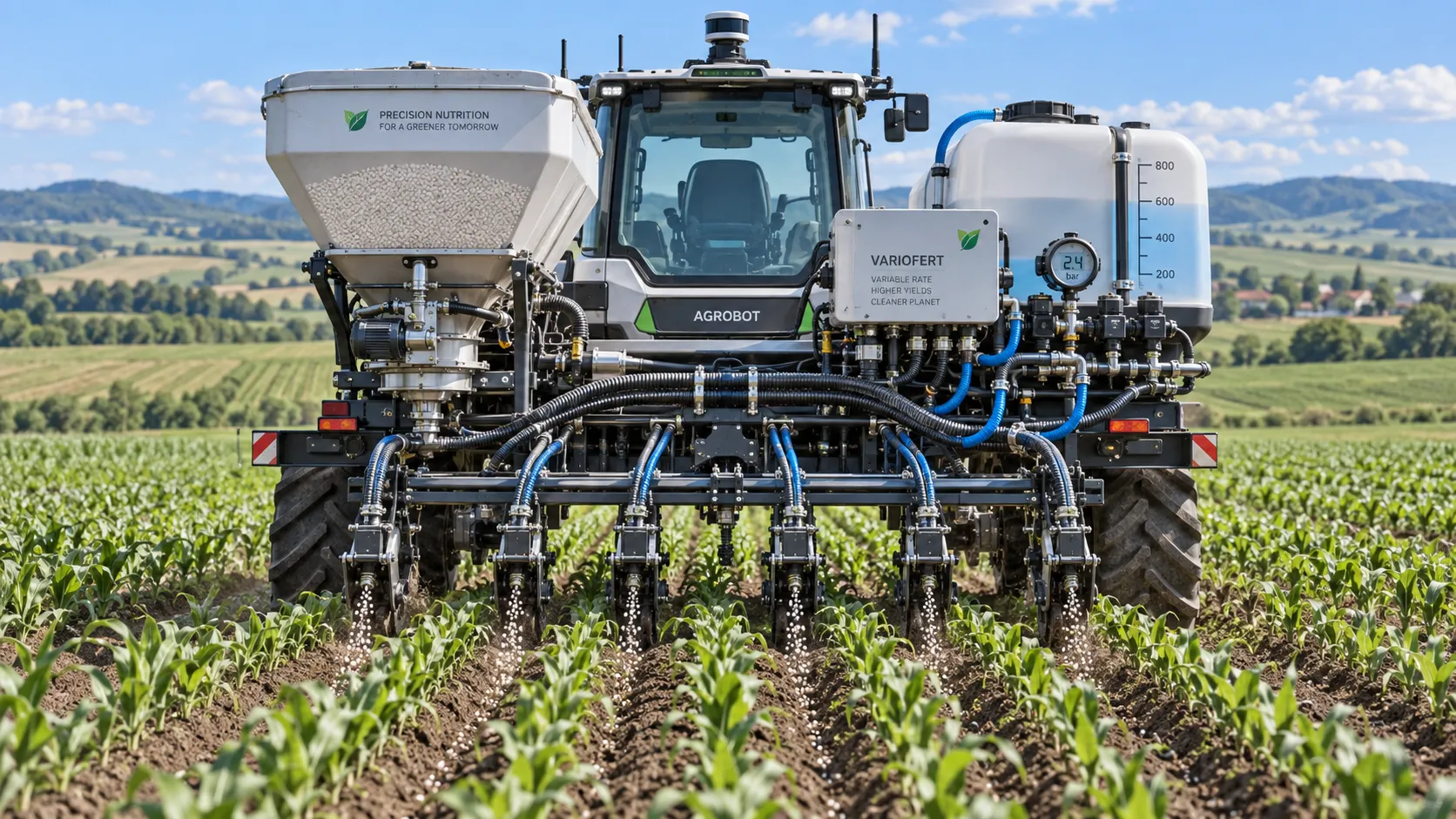
How Sensor Feedback Enables Accurate Variable-Rate Fertilization in Field Conditions
Precision fertilization systems with sensor feedback improve variable-rate accuracy by verifying flow, managing latency, and ensuring reliable field application.
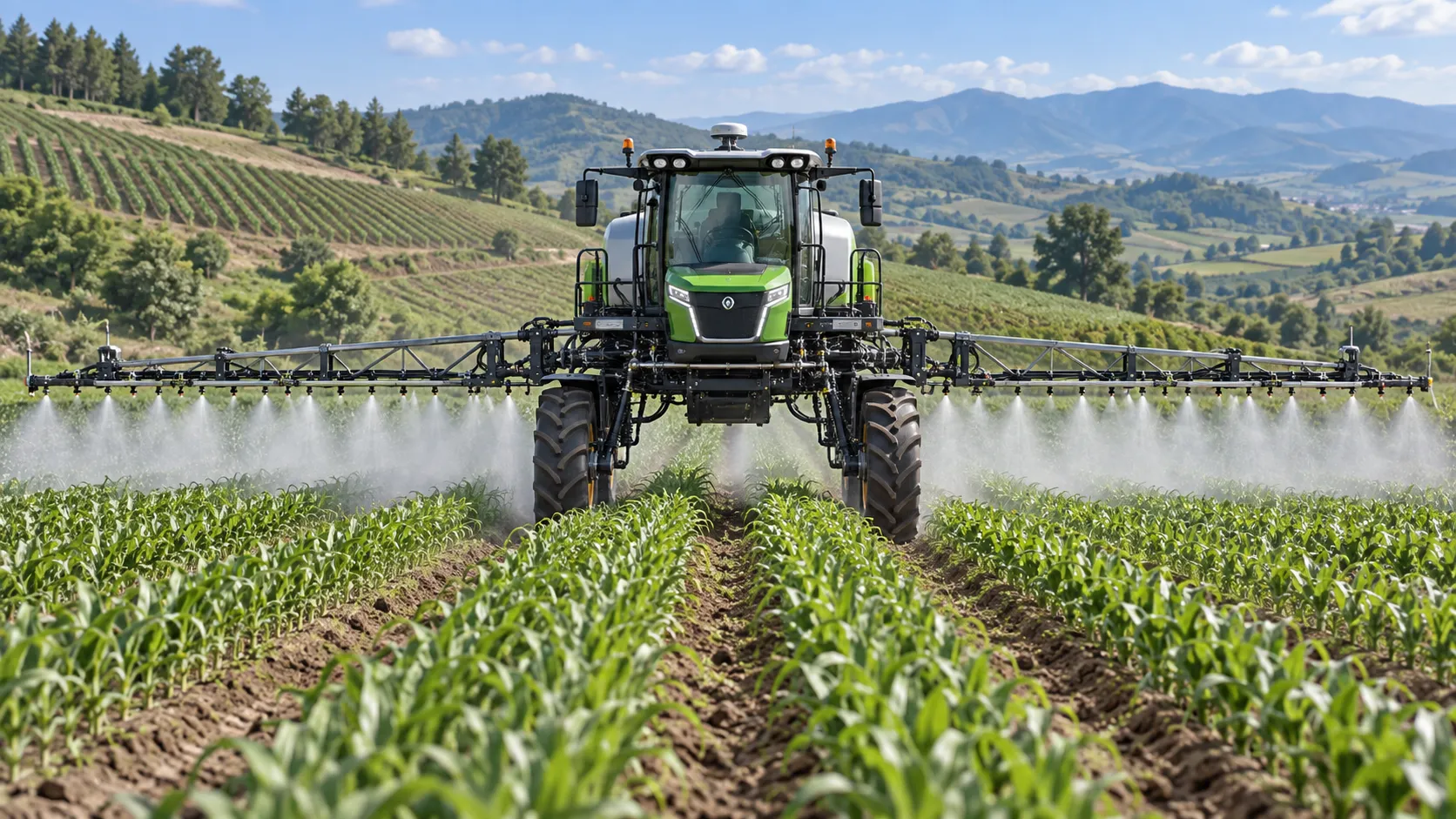
How to Select Precision Crop Protection Equipment for Variable Field Conditions
Precision crop protection equipment selection made simple: compare terrain, canopy, weather, control accuracy, and data workflows for reliable applications.

When Does Agricultural Machinery Leasing Cost Less Than Owning Equipment?
Agricultural machinery leasing can lower farm costs when use is seasonal or uncertain. Compare utilization, maintenance, cash flow, and risk to make a smarter equipment decision.
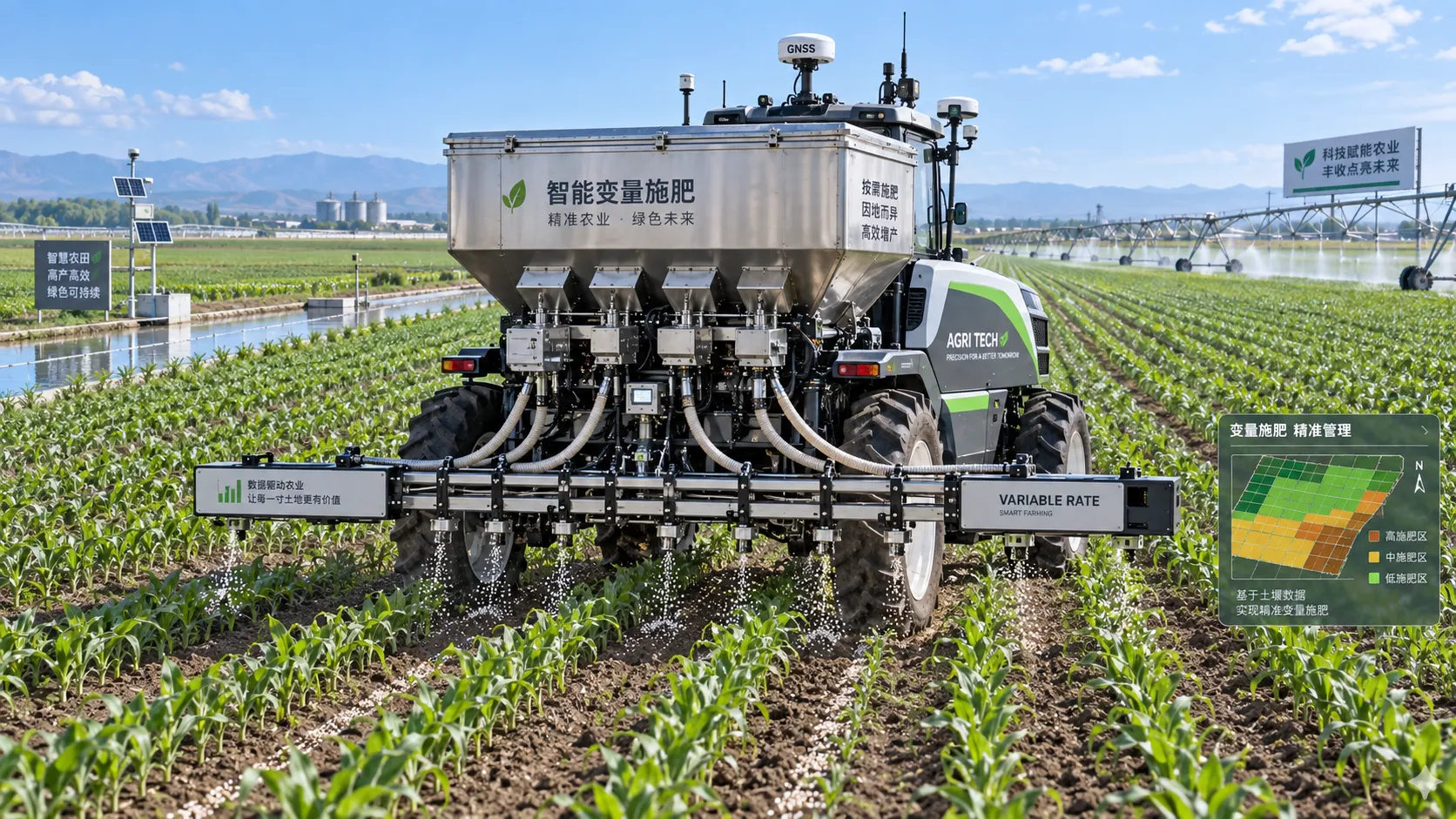
How to Evaluate Precision Fertilization System Suppliers for Farm-Scale Deployment
Precision fertilization systems suppliers: learn how to compare accuracy, integration, uptime, service, and total cost for confident farm-scale deployment.
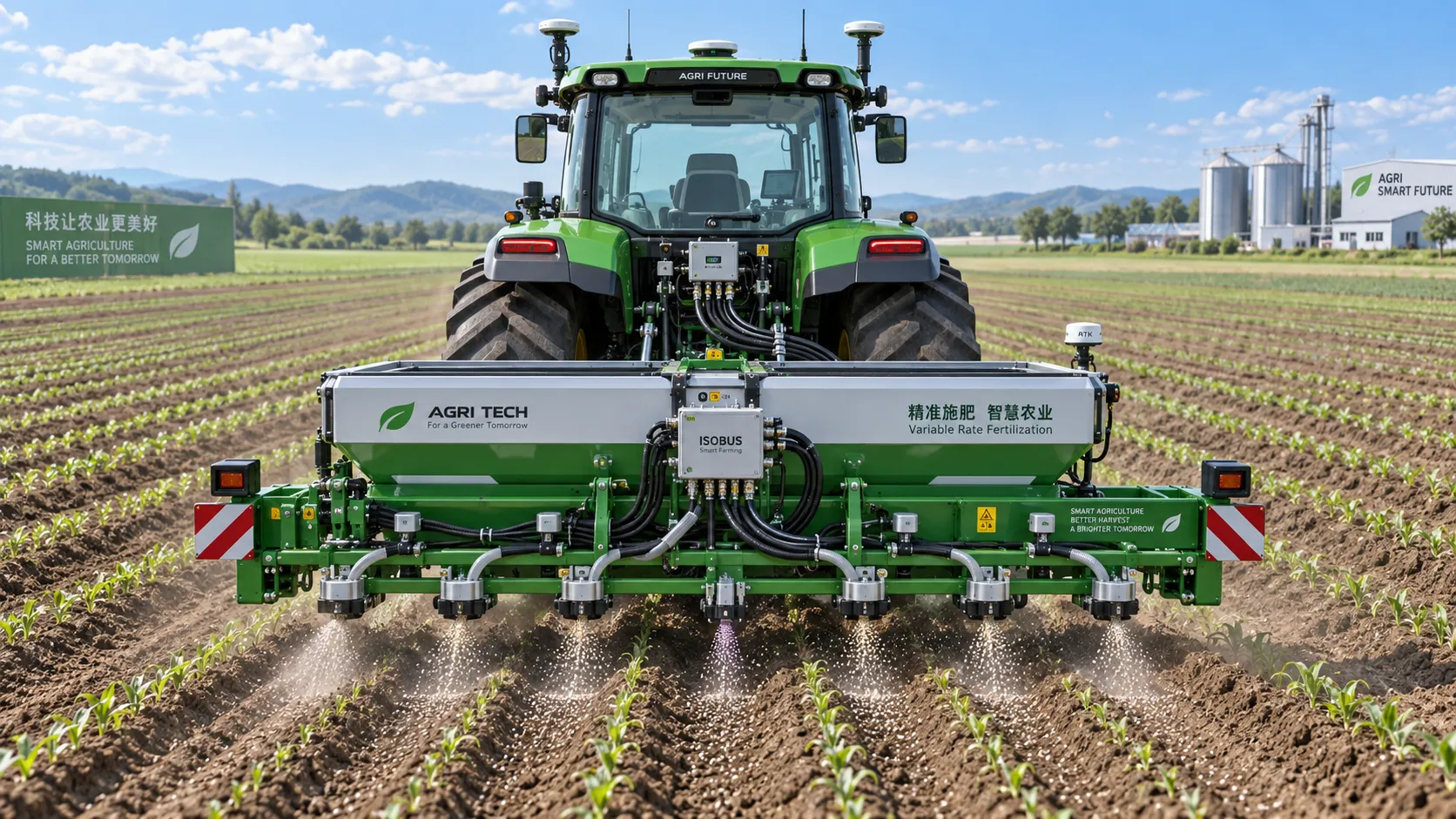
ISOBUS for Smart Agriculture: How It Connects Tractors, Implements, and Farm Data
ISOBUS for smart agriculture connects tractors, implements, terminals, and farm data—helping growers improve precision, documentation, and smarter field decisions.
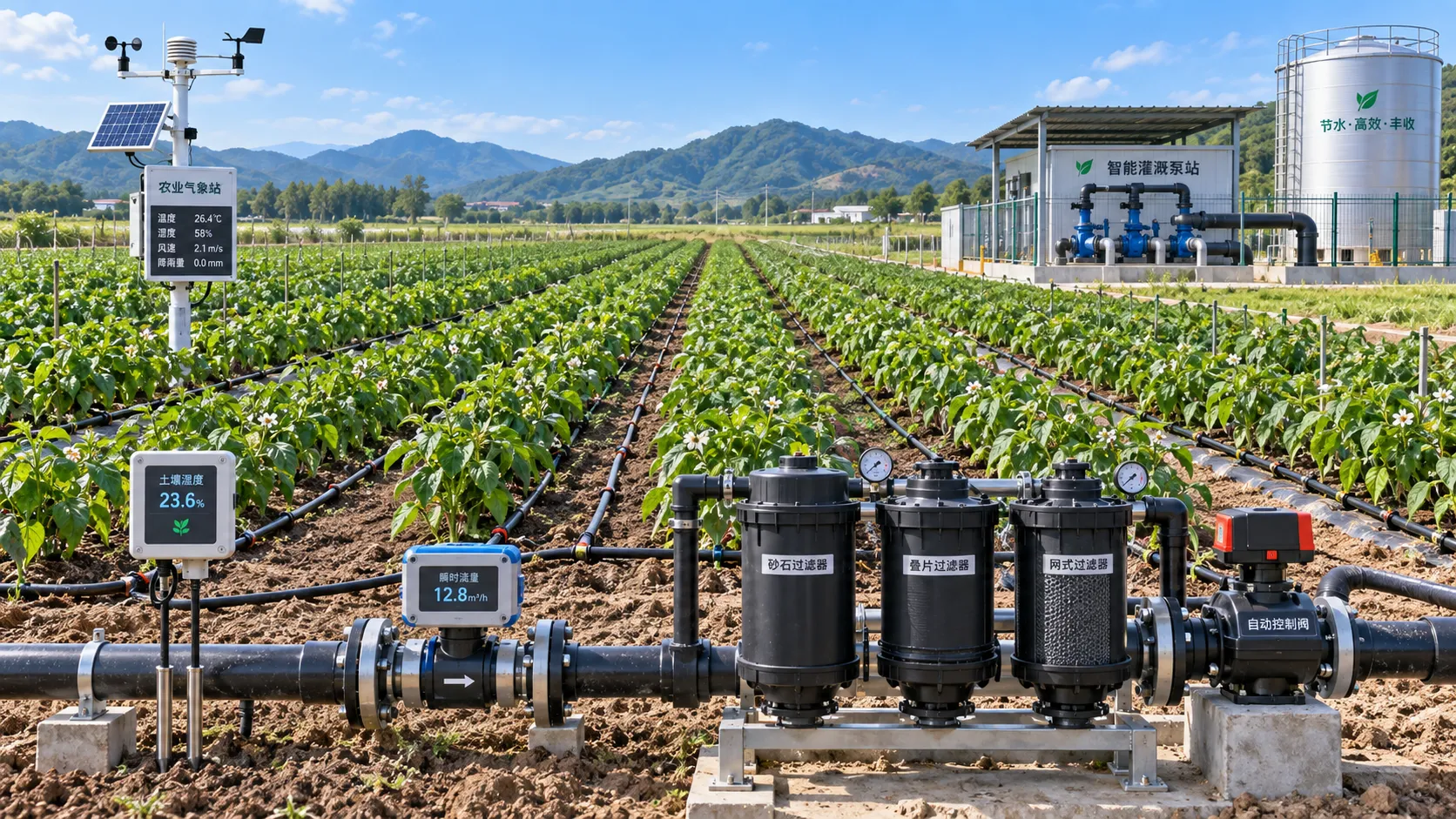
Automated Water-Saving Irrigation: How to Cut Water Use Without Reducing Crop Yields
Automated water-saving irrigation helps farms cut water use, protect crop yields, improve scheduling, and gain reliable control with sensors, flow monitoring, and smart zones.
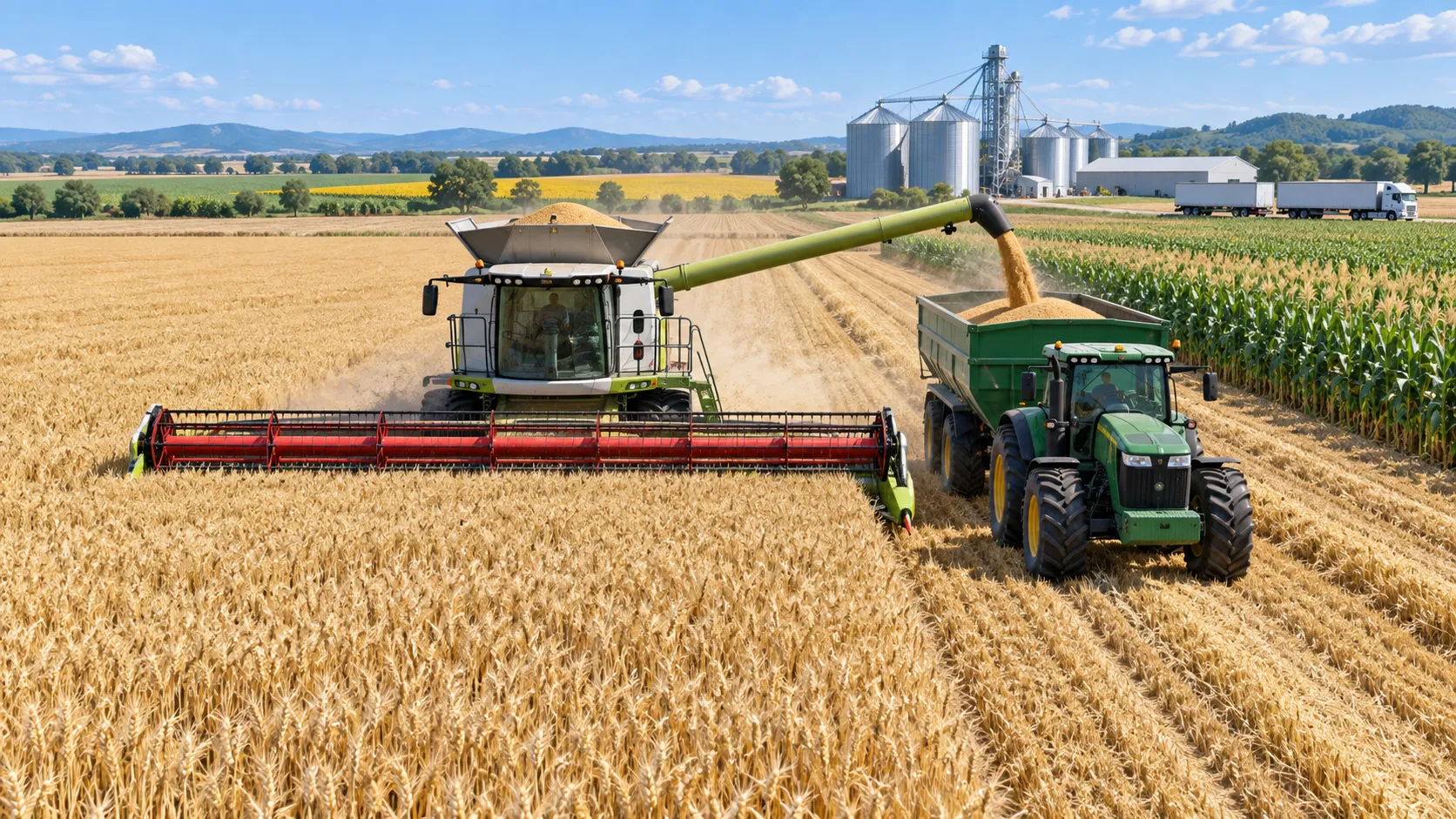
Selecting Grain Farm Equipment by Acreage, Crop Mix, and Harvest Window
Agricultural equipment selection for grain farming: match machinery to acreage, crop mix, and harvest windows to improve uptime, efficiency, and returns.
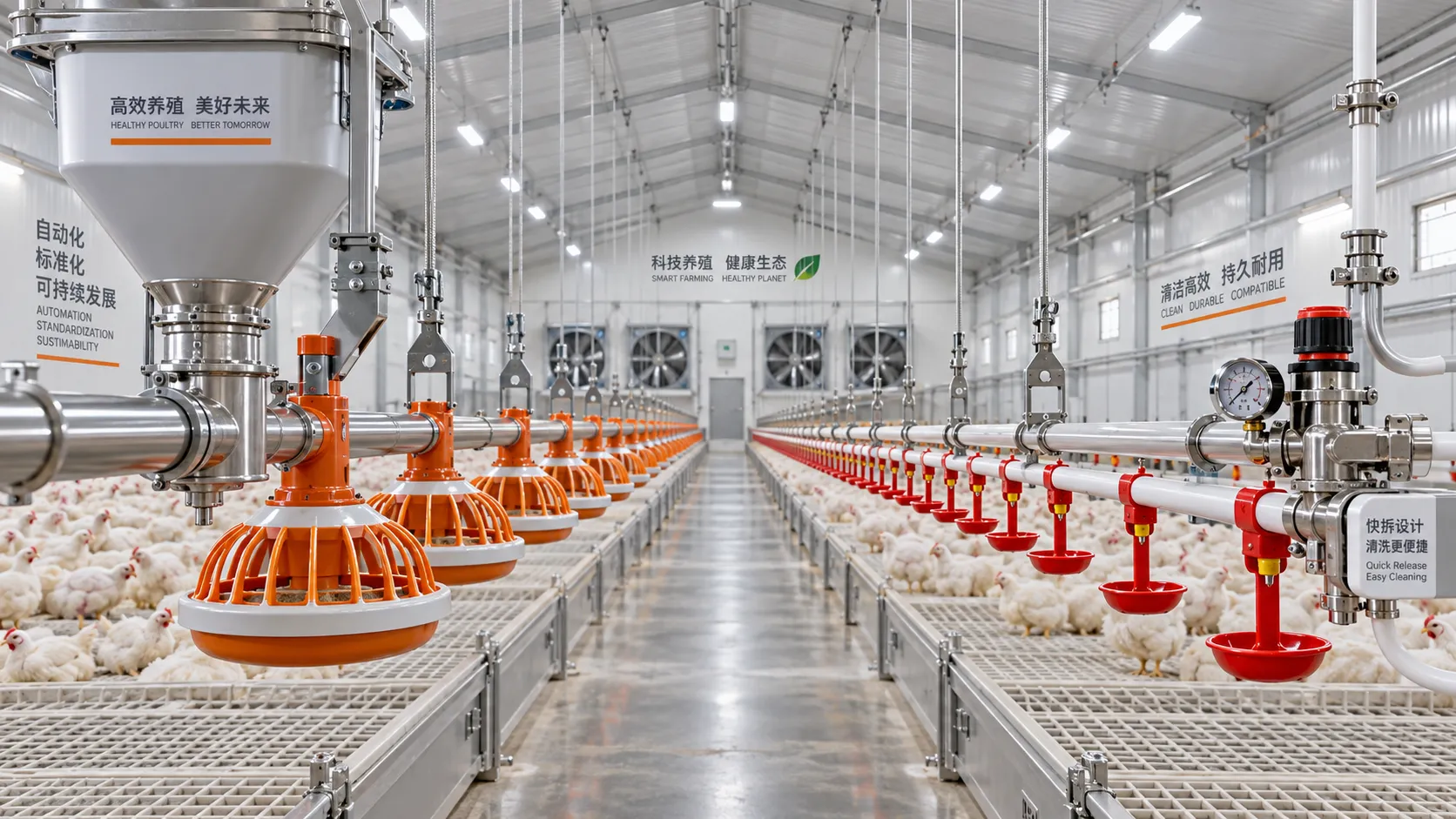
Poultry Equipment Selection: Evaluating Durability, Cleaning, and Compatibility
Poultry equipments selection guide: evaluate durability, cleaning access, and system compatibility to improve hygiene, reduce downtime, and support efficient flock management.
Related News
- 00
0000-00
Tractor Hydraulic Systems Troubleshooting: Diagnosing Weak Lift and Slow Implements - 00
0000-00
Which Implements Are Compatible With a 200 HP Tractor for Mixed Cropping? - 00
0000-00
How to Select Agricultural Hydraulic Systems for Sprayers by Flow, Pressure, and Boom Demand - 00
0000-00
Australia Tightens Carbon Rules for Hydraulic Lift System Imports - 00
0000-00
ANATEL Sets New Rules for Wireless Hydraulic Lift Systems
Popular Tags
Tractor Power Architect
Weekly Insights
Stay ahead with our curated technology reports delivered every Monday.