
ABARES Raises Farm AI Budget, Hydraulic Lift Systems Now Critical




Lead
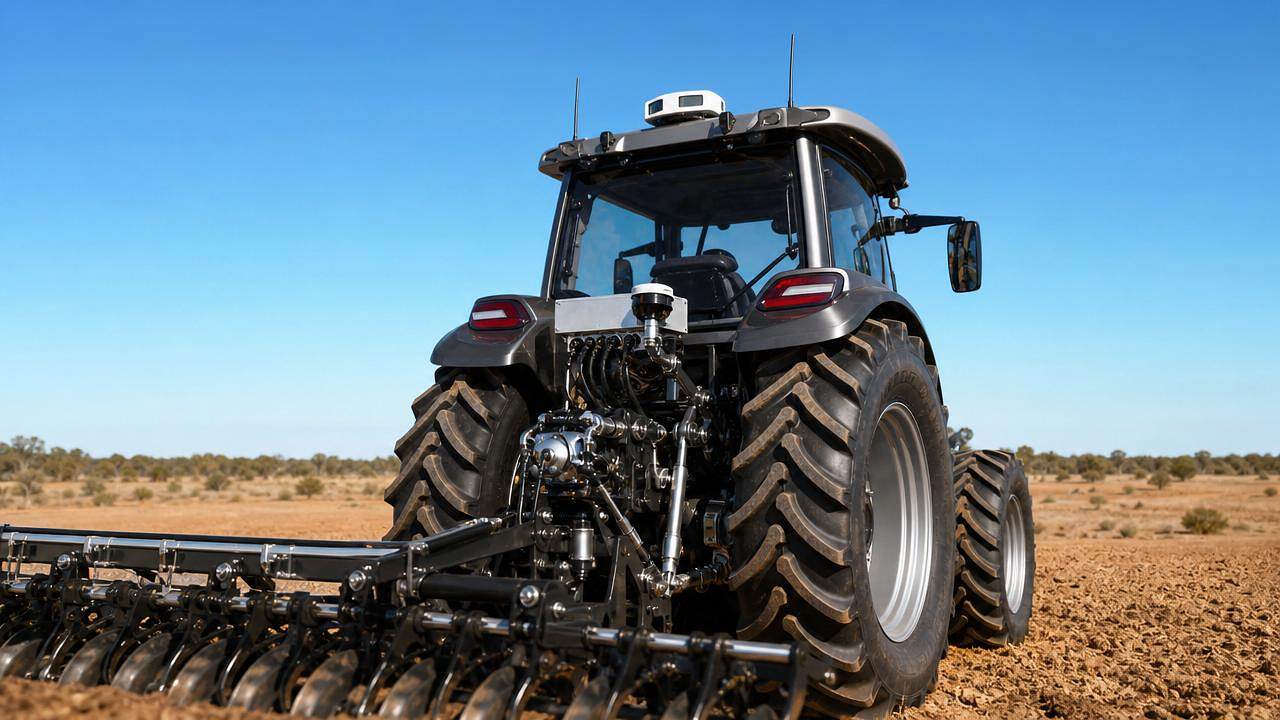
On 15 May 2026, the Australian Bureau of Agricultural and Resource Economics and Sciences (ABARES) released its 2026 Mid-Year Agricultural Technology Investment Outlook, increasing the national annual procurement budget for farm AI decision-support systems from AUD 1.62 billion to AUD 1.9 billion. This policy shift signals intensified institutional prioritisation of integrated intelligent machinery—particularly where hydraulic lift systems interface with real-time AI vision feedback loops—and is already prompting technical recalibrations among export-oriented suppliers, especially in China’s hydraulic module manufacturing sector.
Event Overview
On 15 May 2026, ABARES published the 2026 Mid-Year Agricultural Technology Investment Outlook. The report formally upgraded Australia’s annual farm AI decision system procurement budget from AUD 1.62 billion to AUD 1.9 billion. It explicitly identified ‘integration of Hydraulic Lift Systems with AI vision-based closed-loop feedback’ as a mandatory technical criterion for smart tractor and self-propelled crop protection platform procurements during 2026–2027.
Industries Affected
Direct Export Enterprises
Companies exporting hydraulic lifting modules—especially those supplying OEMs in Australia, North America, or Europe—are facing revised technical specification demands. ABARES’ mandate elevates ‘algorithm-friendly interfaces’ (e.g., standardised CAN bus protocols, deterministic latency thresholds, and on-device sensor fusion readiness) from optional enhancements to contractual prerequisites. This affects quotation cycles, certification timelines, and after-sales support architecture.
Raw Material Procurement Firms
Firms sourcing precision-machined aluminium alloys, high-cycle hydraulic seals, and embedded microcontrollers are observing upstream demand shifts. The emphasis on real-time control stability under AI-driven load modulation increases requirements for material traceability, thermal tolerance validation, and batch-level firmware compatibility documentation—factors not previously central to commodity-grade procurement decisions.
Manufacturing & Assembly Facilities
Domestic manufacturers integrating hydraulic modules into final agricultural equipment must now allocate engineering bandwidth toward interface layer development—not just mechanical integration. This includes validating time-synchronised data handshaking between lift actuators and third-party AI inference units, requiring cross-functional coordination between hydraulics, embedded software, and systems test teams.
Supply Chain Service Providers
Logistics and compliance service providers handling exports to Australia are encountering new pre-shipment verification expectations: documentation must now include interface protocol conformance reports (e.g., ISO 11783-12 compliance summaries) and evidence of interoperability testing with reference AI platforms cited in ABARES guidance. These add procedural steps without altering core freight or customs classification.
Key Focus Areas and Recommended Actions
Review Interface Protocol Documentation Against ISO 11783-12 and SAE J1939-71
ABARES’ requirement for ‘AI vision feedback闭环’ implies deterministic command-response timing and standardised message structures. Exporters should audit existing CAN-based interface specs against these standards—and where gaps exist, initiate revision before tender submissions for Australian government-backed procurement programs.
Prioritise On-Device Sensor Fusion Capabilities in Next-Gen Module Designs
The emphasis on closed-loop operation means lift systems must support concurrent ingestion of position, pressure, velocity, and external AI-derived actuation commands. Manufacturers should assess whether current modules allow for configurable interrupt-driven input handling and low-latency output arbitration—features increasingly expected in bid evaluations.
Engage Early with Australian-Based System Integrators and Certification Bodies
Given ABARES’ role in shaping procurement criteria—not enforcement—practical interpretation often flows through local integrators and notified bodies. Proactive alignment with entities such as AgriFutures Australia-accredited test labs or CSIRO-affiliated agritech consortia can help anticipate implementation nuances ahead of formal RFP releases.
Editorial Insight / Industry Observation
Observably, this budget adjustment reflects less a sudden technological leap than a formalisation of de facto industry convergence: AI decision layers are no longer add-ons but system-level dependencies. Hydraulic systems—once evaluated purely on force, speed, and durability—are now assessed as ‘control nodes’ within distributed perception-action networks. Analysis shows that the 17.3% budget increase aligns closely with projected growth in autonomous implement adoption across broadacre cropping zones, suggesting ABARES is calibrating investment to anticipated fleet renewal cycles rather than speculative innovation. From an industry perspective, the real inflection point lies not in higher spending, but in the explicit coupling of mechanical subsystem certification with algorithmic interoperability—a shift that redefines what constitutes ‘readiness’ for global agtech markets.
Conclusion
This policy update does not introduce wholly new technologies—but it materially reshapes procurement gateways. For global suppliers, it underscores that mechanical performance alone is insufficient; verifiable, standards-aligned integration readiness is now a threshold requirement. A rational interpretation is that regulatory signals like ABARES’ are accelerating the transition from component-centric to system-aware supply strategies—making interface design as critical as cylinder bore diameter.
Source Attribution
Primary source: Australian Bureau of Agricultural and Resource Economics and Sciences (ABARES), 2026 Mid-Year Agricultural Technology Investment Outlook, released 15 May 2026. Official document accessible via www.abares.gov.au.
Note: Implementation timelines for procurement mandates, vendor qualification frameworks, and potential extensions to other OECD jurisdictions remain under observation and will be updated as official guidance evolves.
Related News
How Sensor Feedback Enables Accurate Variable-Rate Fertilization in Field Conditions
Precision fertilization systems with sensor feedback improve variable-rate accuracy by verifying flow, managing latency, and ensuring reliable field application.
How to Select Precision Crop Protection Equipment for Variable Field Conditions
Precision crop protection equipment selection made simple: compare terrain, canopy, weather, control accuracy, and data workflows for reliable applications.
When Does Agricultural Machinery Leasing Cost Less Than Owning Equipment?
Agricultural machinery leasing can lower farm costs when use is seasonal or uncertain. Compare utilization, maintenance, cash flow, and risk to make a smarter equipment decision.
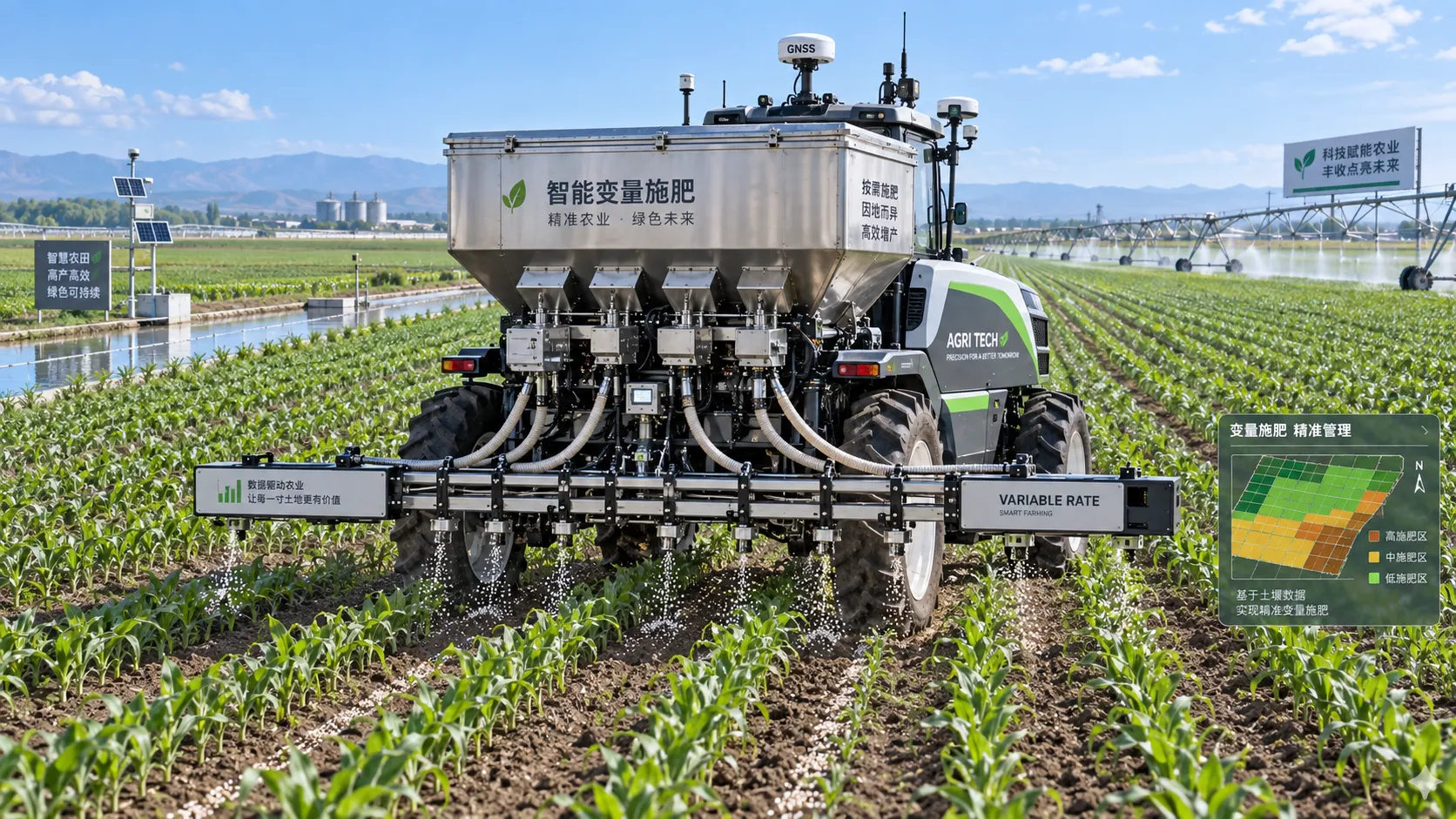
How to Evaluate Precision Fertilization System Suppliers for Farm-Scale Deployment
Precision fertilization systems suppliers: learn how to compare accuracy, integration, uptime, service, and total cost for confident farm-scale deployment.
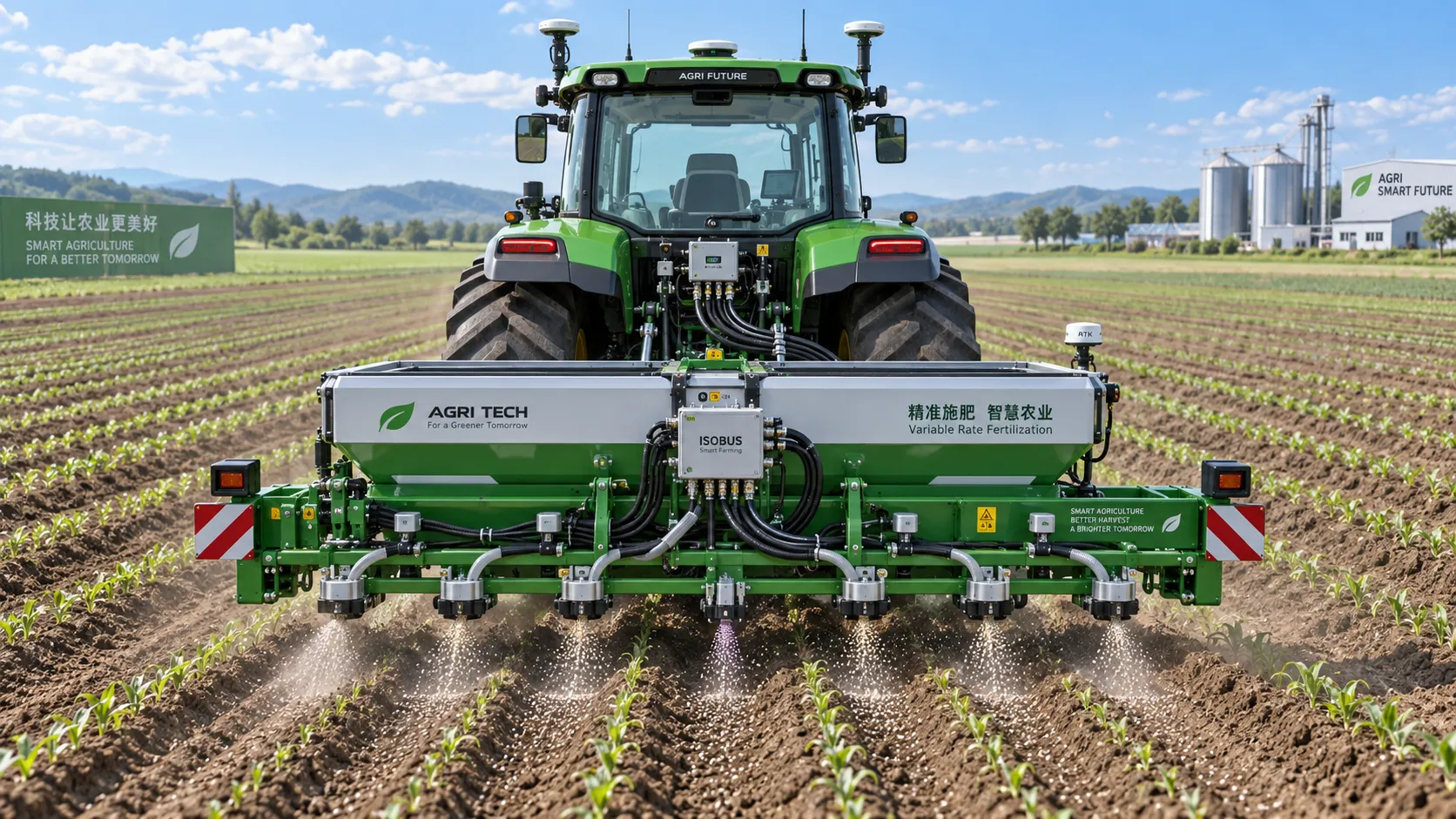
ISOBUS for Smart Agriculture: How It Connects Tractors, Implements, and Farm Data
ISOBUS for smart agriculture connects tractors, implements, terminals, and farm data—helping growers improve precision, documentation, and smarter field decisions.
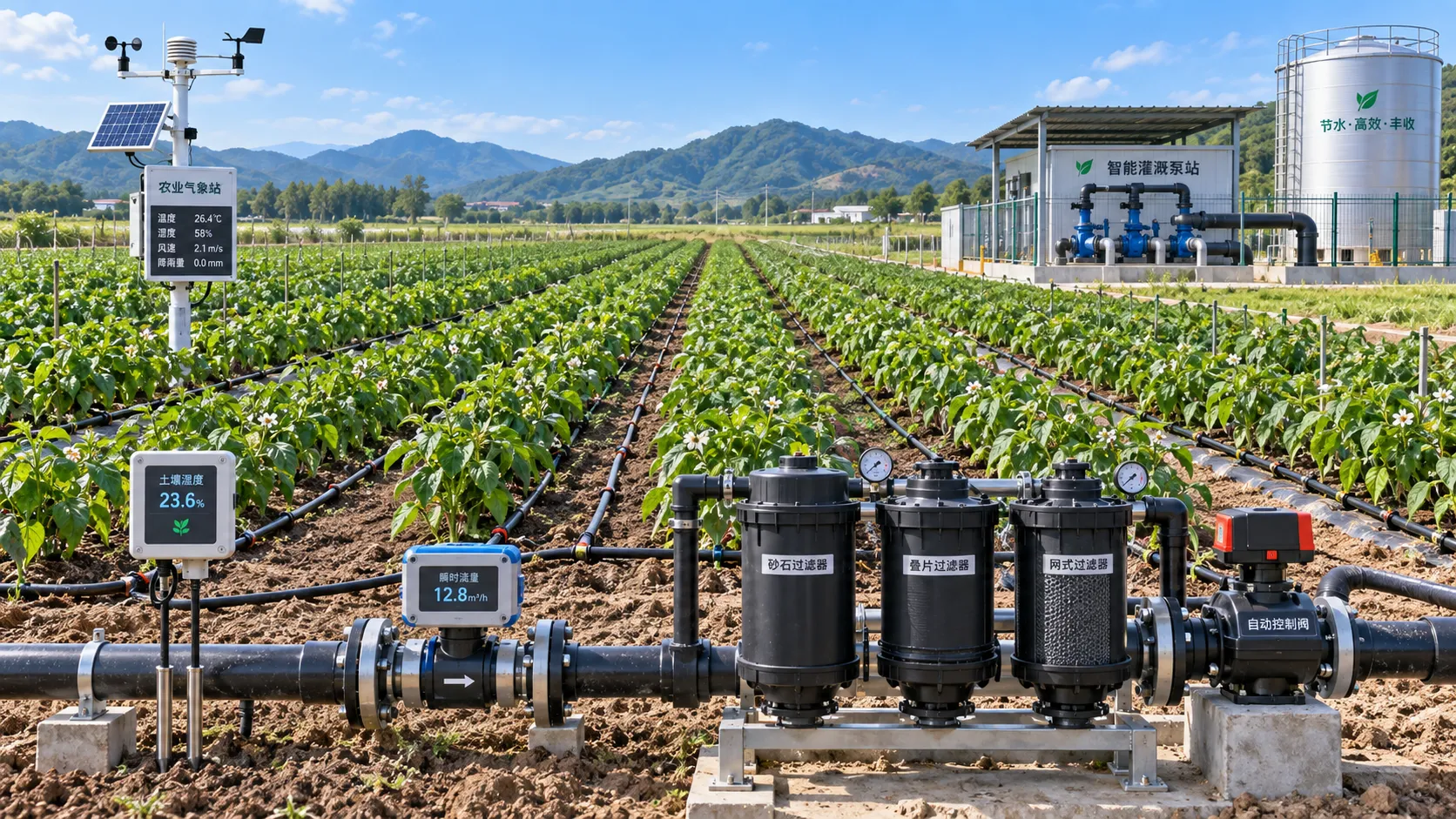
Automated Water-Saving Irrigation: How to Cut Water Use Without Reducing Crop Yields
Automated water-saving irrigation helps farms cut water use, protect crop yields, improve scheduling, and gain reliable control with sensors, flow monitoring, and smart zones.
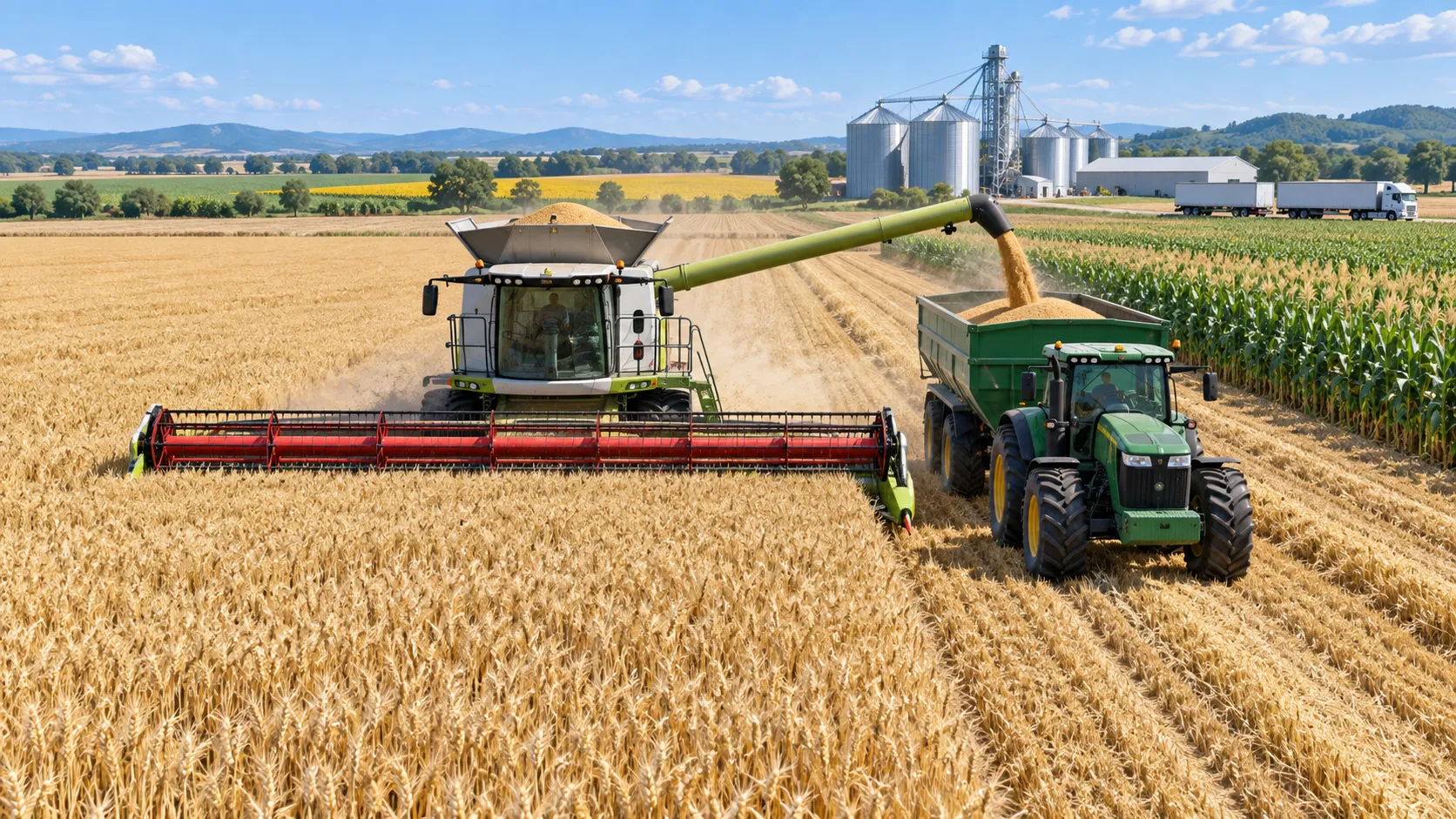
Selecting Grain Farm Equipment by Acreage, Crop Mix, and Harvest Window
Agricultural equipment selection for grain farming: match machinery to acreage, crop mix, and harvest windows to improve uptime, efficiency, and returns.
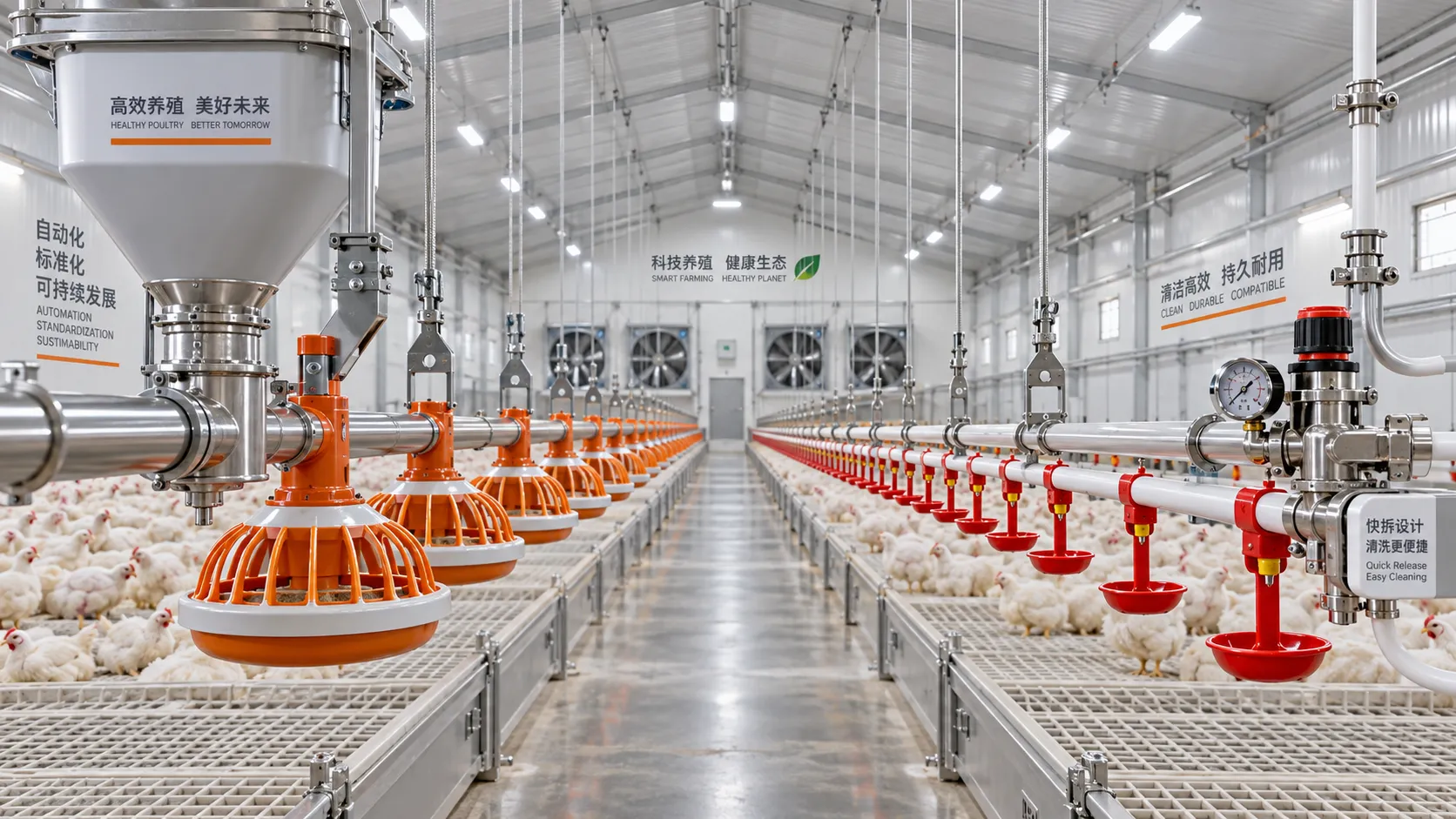
Poultry Equipment Selection: Evaluating Durability, Cleaning, and Compatibility
Poultry equipments selection guide: evaluate durability, cleaning access, and system compatibility to improve hygiene, reduce downtime, and support efficient flock management.
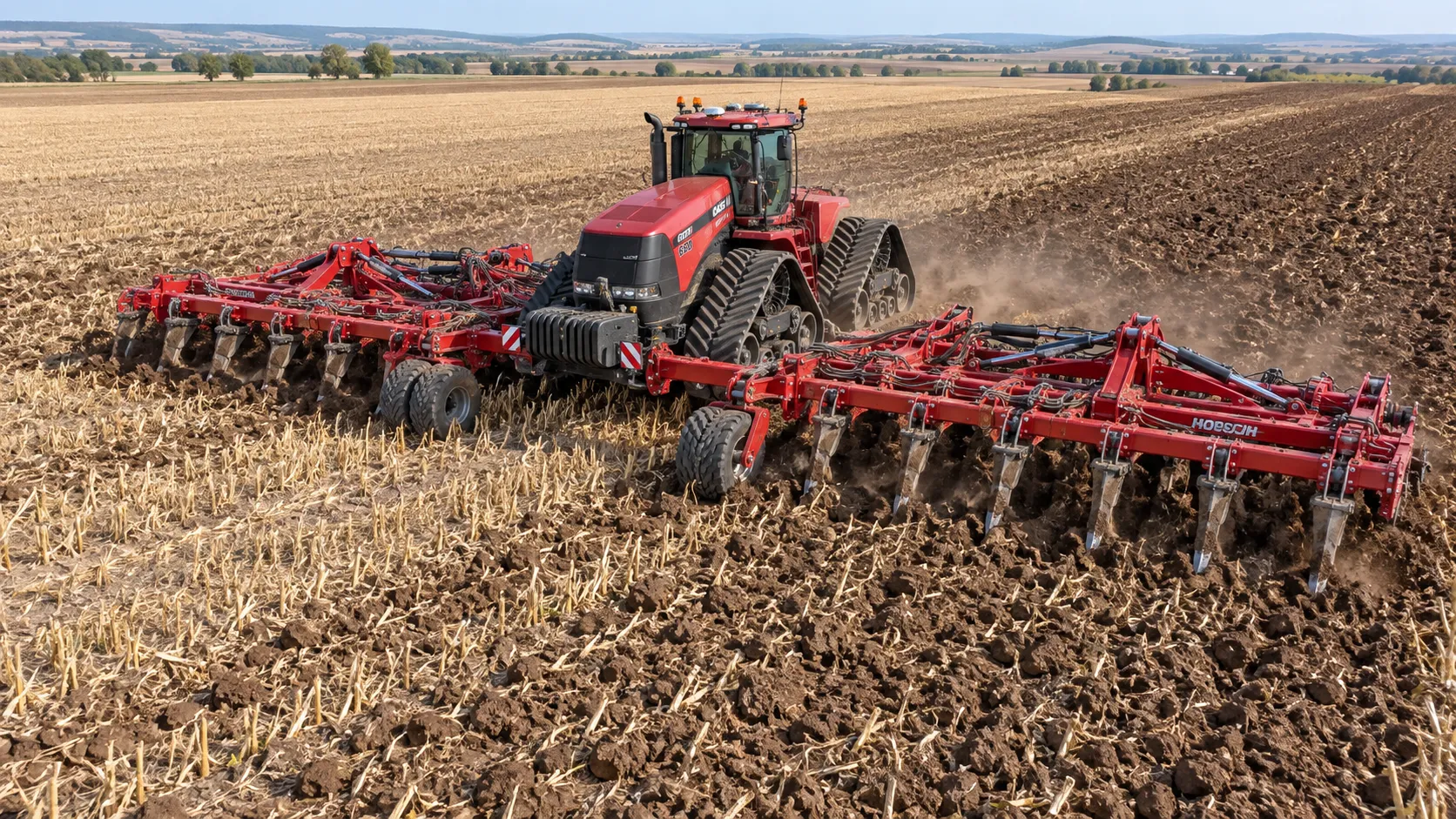
How to Select Heavy-Duty Farm Implements for High-Acreage, High-Horsepower Operations
Heavy duty farm implements: learn how to match draft, hydraulics, hitch capacity, frame strength, and field conditions for reliable high-acreage performance.
Related News
- 00
0000-00
Tractor Hydraulic Systems Troubleshooting: Diagnosing Weak Lift and Slow Implements - 00
0000-00
Which Implements Are Compatible With a 200 HP Tractor for Mixed Cropping? - 00
0000-00
How to Select Agricultural Hydraulic Systems for Sprayers by Flow, Pressure, and Boom Demand - 00
0000-00
Australia Tightens Carbon Rules for Hydraulic Lift System Imports - 00
0000-00
ANATEL Sets New Rules for Wireless Hydraulic Lift Systems
Popular Tags
Tractor Power Architect
Weekly Insights
Stay ahead with our curated technology reports delivered every Monday.