
ABARES Raises Farm AI Decision System Budget, Hydraulic Lift Systems Now Critical Integration Component
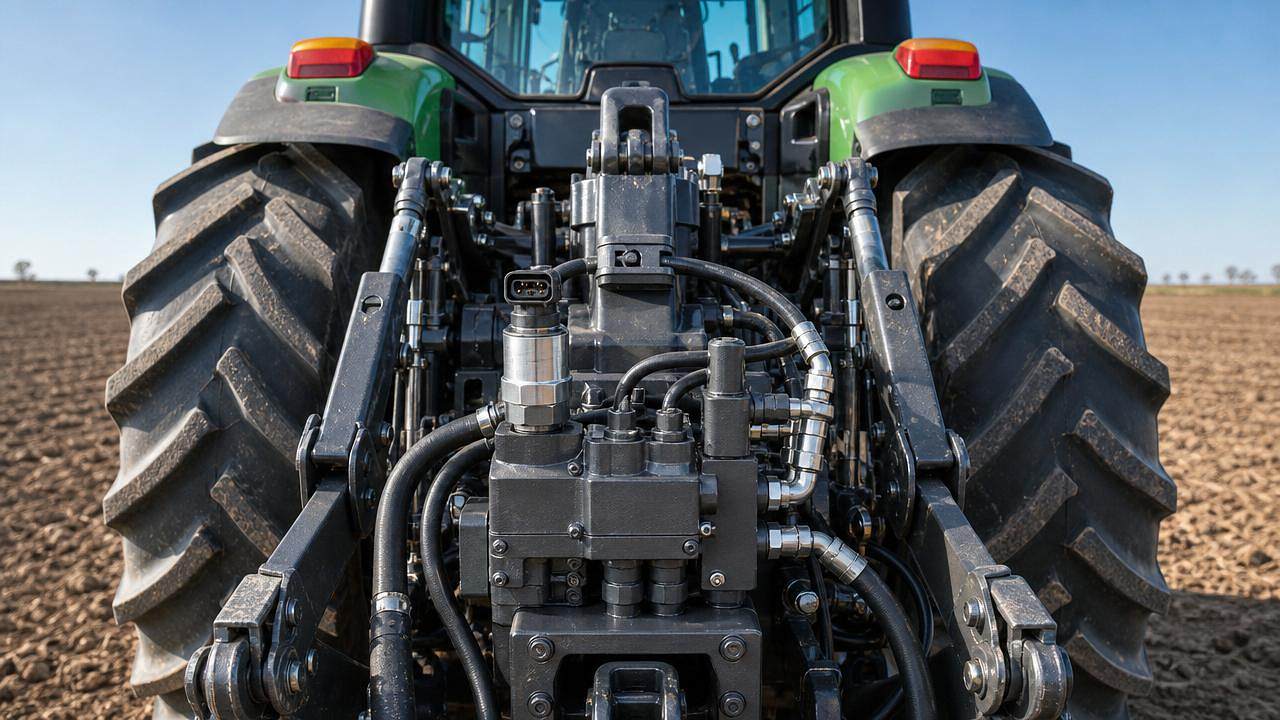




Australia’s Bureau of Agricultural and Resource Economics and Sciences (ABARES) announced on 17 May 2026 a 37% increase in the annual budget for farm AI decision systems—including variable-rate fertilisation and precision-spraying algorithm platforms. The update signals heightened regulatory emphasis on interoperability requirements for hydraulic lift systems, directly affecting equipment manufacturers, agricultural machinery importers, and precision agriculture service providers across Australia and New Zealand.
Event Overview
On 17 May 2026, ABARES released its 2026–27 Farm Technology Investment Outlook, confirming a 37% upward revision to the annual budget allocation for farm AI decision systems. The report explicitly states that hydraulic lift systems must feature real-time pressure–displacement feedback interfaces and API-based data output capabilities to integrate with mainstream AI platforms. This requirement applies to approximately 82,000 tractor hydraulic systems expected to be procured in the Australia–New Zealand market during 2026.
Industries Affected
Tractor and Implement Manufacturing Companies
Manufacturers supplying tractors or aftermarket hydraulic lift systems to the Australian and New Zealand markets will face revised technical specifications. Compliance is now a prerequisite for eligibility in government-supported technology adoption programs and may influence OEM procurement decisions.
Agricultural Machinery Importers and Distributors
Importers handling hydraulic lift systems—or integrated tractor packages—must verify whether current inventory or incoming shipments meet the newly mandated interface and API requirements. Non-compliant units risk reduced market access or delayed certification for subsidy-linked deployments.
Precision Agriculture Software and Platform Providers
AI platform vendors operating in the region must ensure their APIs accept structured hydraulic actuator data (e.g., real-time load, stroke position, pressure differentials). Systems lacking documented integration pathways for such inputs may face lower adoption rates among farms seeking ABARES-aligned technology investments.
Aftermarket Hydraulic Component Suppliers
Suppliers of replacement valves, sensors, or control modules for lift systems must assess whether their products support standardized telemetry outputs. Retrofit solutions enabling legacy systems to meet the new interface criteria may gain incremental demand—but only if validated against ABARES-specified data formats.
What Relevant Enterprises or Practitioners Should Focus On
Monitor official technical annexes and implementation guidelines
ABARES has not yet published detailed interface protocols or API schema documentation. Enterprises should track updates from ABARES and the Australian Department of Agriculture, Fisheries and Forestry for formal specifications—particularly regarding data field naming conventions, sampling frequency, and authentication methods.
Review 2026 procurement pipelines for hydraulic system dependencies
Companies with pending orders or tender submissions for tractors or implements in Australia and New Zealand should confirm whether hydraulic lift configurations align with the new integration mandate. Where gaps exist, initiate supplier engagement early—not as a compliance check, but as a specification alignment exercise ahead of delivery timelines.
Distinguish between policy signal and operational mandate
The budget increase reflects strategic prioritisation, not an immediate procurement freeze on non-compliant systems. However, public-sector-funded pilot projects and extension programs are likely to enforce the requirement first. Private-farm purchases may follow gradually, driven by financing incentives rather than regulation.
Assess internal capability for sensor integration and data handoff
Manufacturers and integrators should audit existing product development roadmaps: do current hydraulic control units include provision for calibrated analog/digital sensor inputs and secure, low-latency data export? If not, engineering resource planning for firmware and hardware updates should begin now—even before full protocol publication.
Editorial Perspective / Industry Observation
Observably, this move functions primarily as a policy signal—not yet a binding technical standard—aimed at accelerating convergence between mechanical actuation systems and AI-driven agronomic decision logic. Analysis shows ABARES is treating hydraulic lift systems less as standalone components and more as data-generating edge nodes within a broader farm intelligence architecture. From an industry perspective, the 37% budget uplift suggests stronger near-term funding availability for AI platform deployment, but the hydraulic interface condition introduces a previously underemphasised hardware dependency. It is better understood as a coordinated nudge toward unified telemetry standards, rather than a sudden regulatory barrier.
Current attention should focus on how quickly supporting documentation emerges—and whether ABARES collaborates with ISO/TC 23 or ASABE to align definitions. Without harmonised terminology or test procedures, interpretation of ‘real-time pressure–displacement feedback’ may vary across vendors, potentially delaying interoperability.
Conclusion
This budget adjustment marks a deliberate step toward embedding actionable machine data into Australia’s national farm technology strategy. It does not mandate immediate hardware recalls or retrofits, nor does it prescribe universal technical standards—at least not yet. Rather, it establishes a clear expectation: hydraulic lift systems must evolve from passive actuators to bidirectional data interfaces. For stakeholders, the priority is not reactive compliance, but proactive readiness—grounded in specification clarity, supply chain coordination, and phased integration planning.
Information Sources
Main source: ABARES 2026–27 Farm Technology Investment Outlook, released 17 May 2026.
Areas requiring ongoing observation: official publication of technical interface specifications, API schema documentation, and guidance on validation or certification pathways for compliant hydraulic lift systems.
Related News
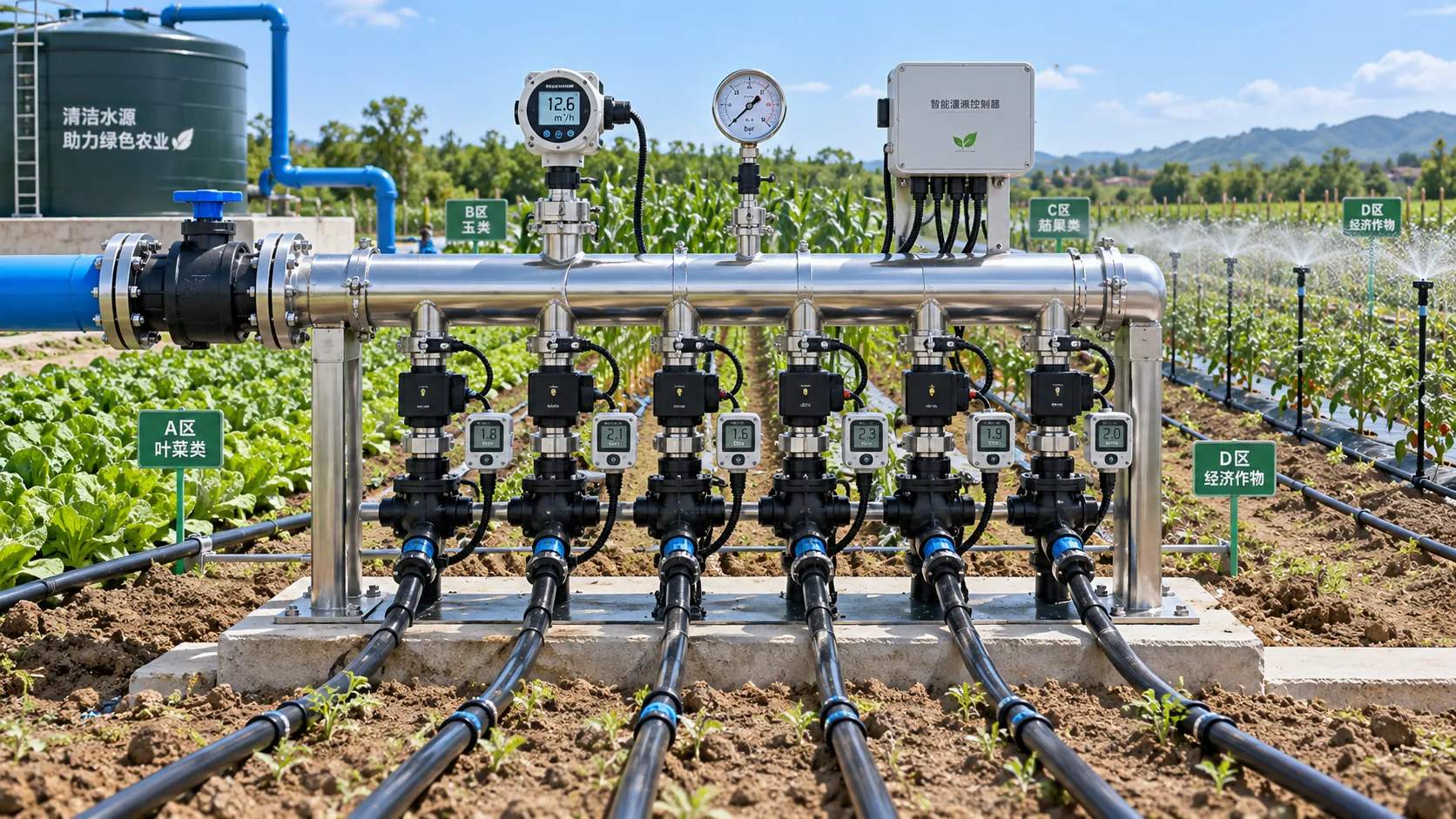
How to Select Smart Irrigation Valves for Multi-Zone Water Management?
Intelligent irrigation systems valves: learn how to match smart valves with multi-zone flow, pressure, control, feedback, and communication needs for reliable water management.
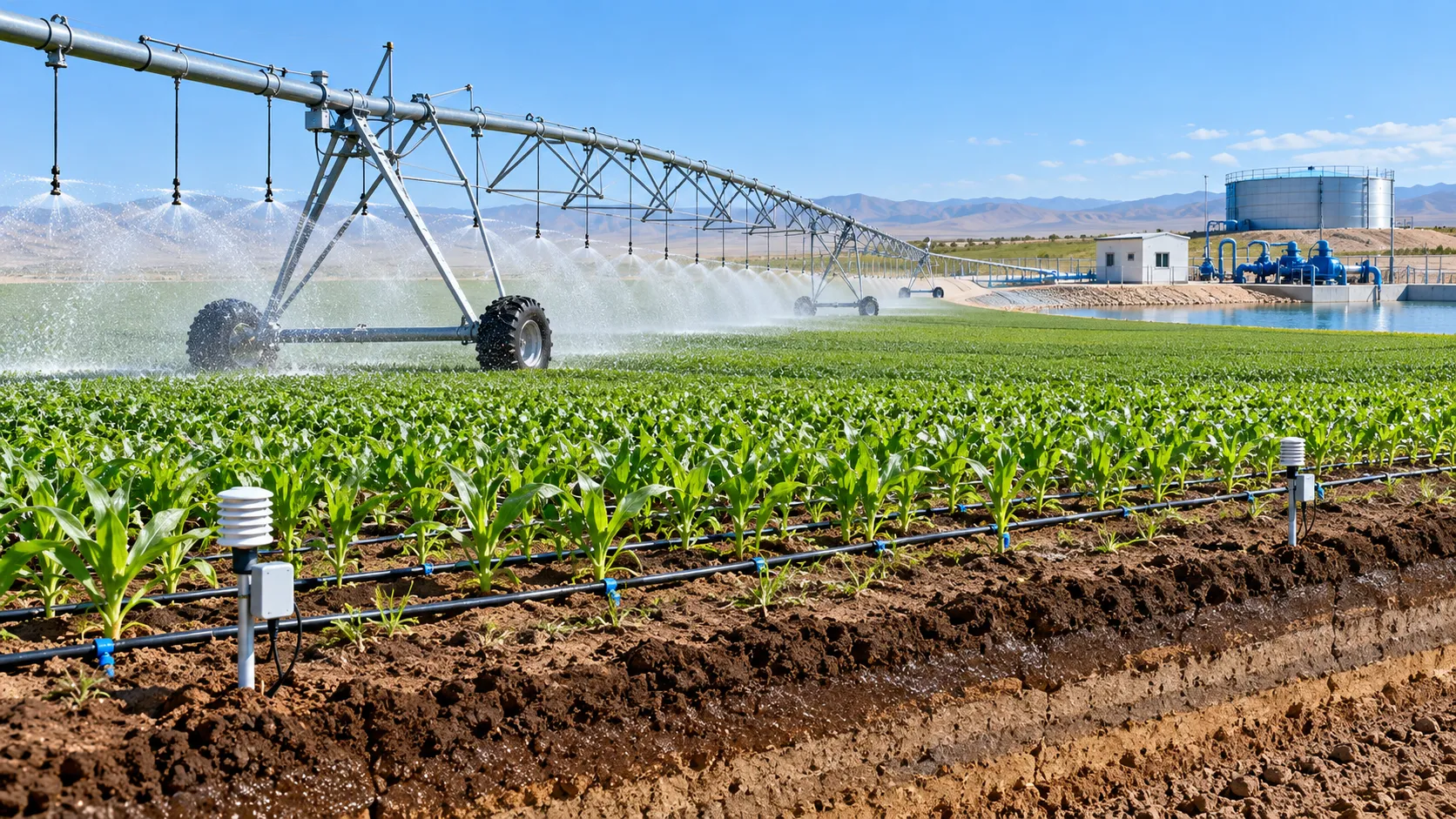
Climate-Smart Farming for Drought: A Practical Plan for Protecting Yields
Climate-smart farming for drought: build smarter water budgets, protect critical crop stages, improve irrigation uniformity, and safeguard yields with practical field-proven strategies.
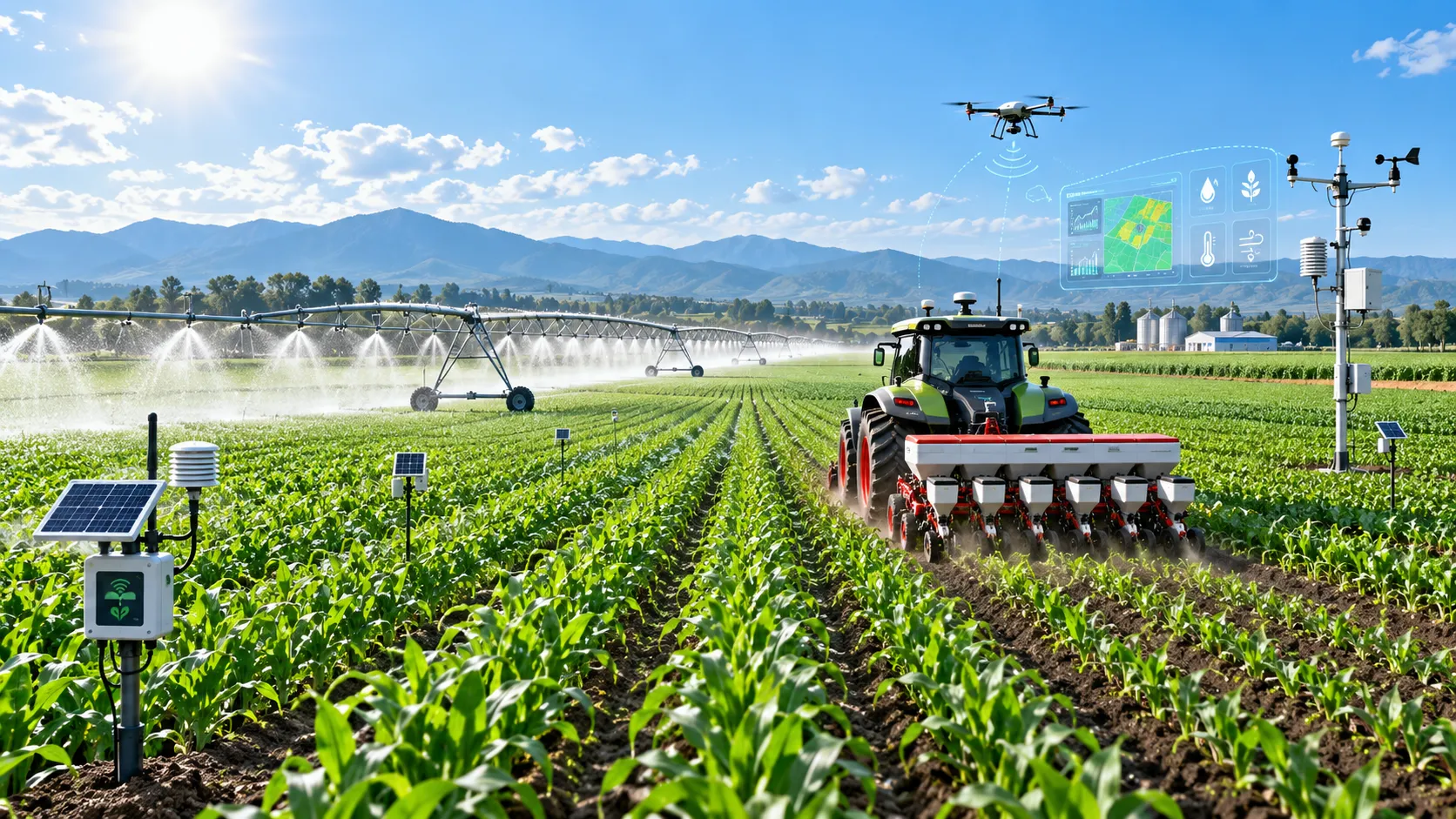
How Digital Agriculture Platforms Turn Field Data Into Better Input Decisions
Digital agriculture platforms turn field data into smarter fertilizer, water, seed, and equipment decisions—helping farms cut risk, improve margins, and scale sustainability.
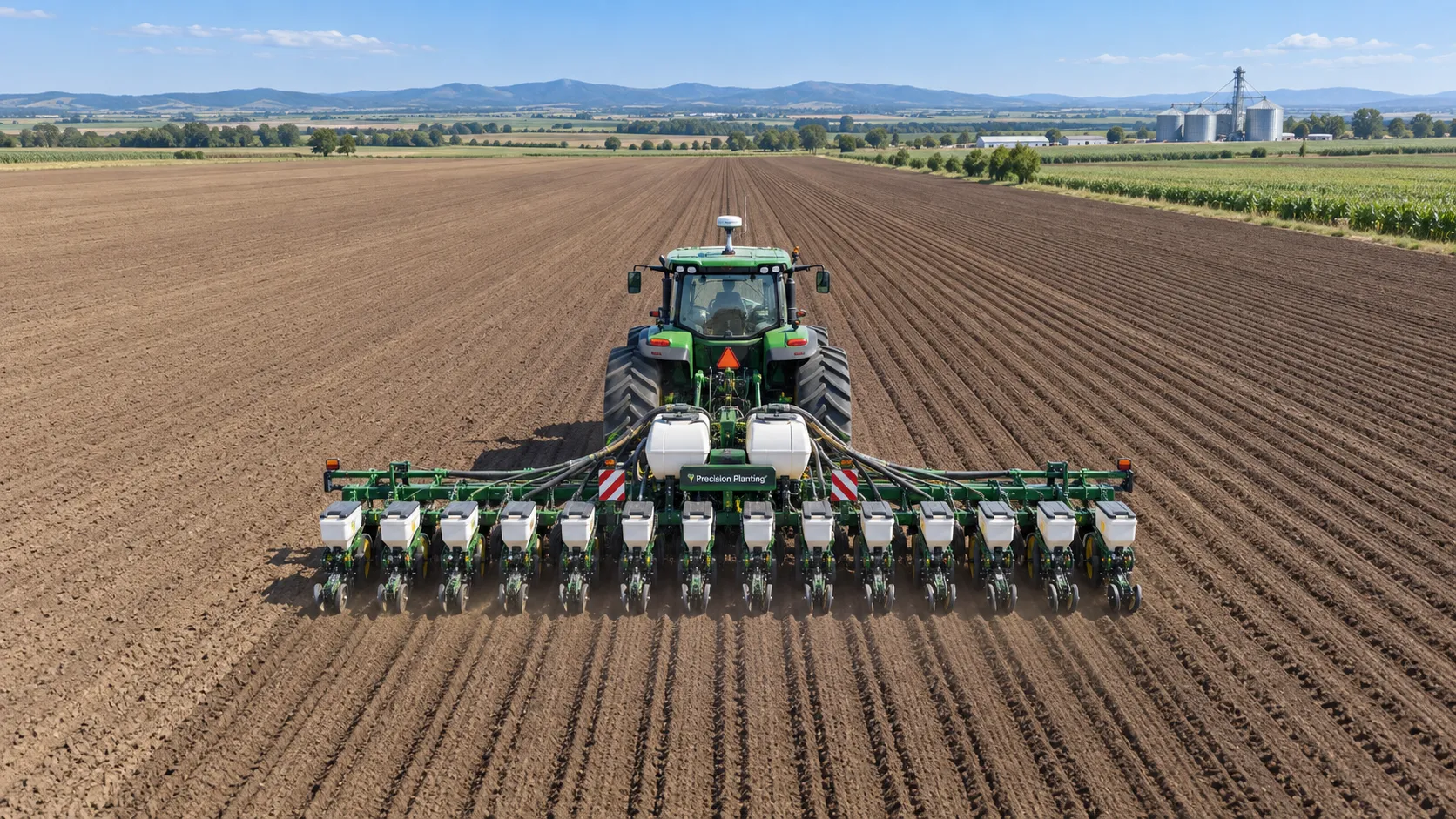
GPS-Guided Farm Machinery: Where It Delivers Measurable Field Efficiency Gains
Agri-mechanization GPS guided systems deliver measurable field efficiency gains through reduced overlap, precise planting, smarter inputs, and reliable farm data.
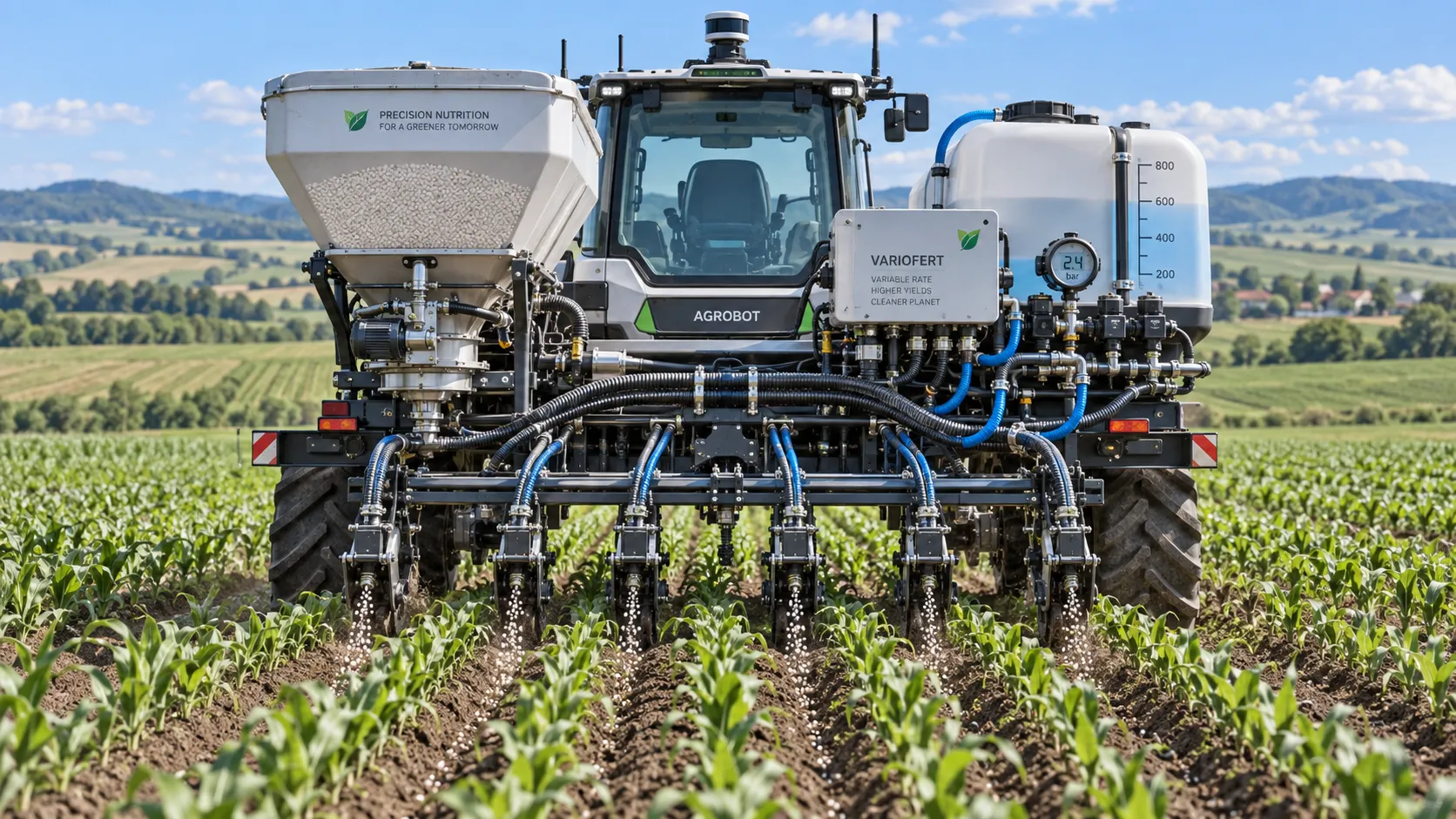
How Sensor Feedback Enables Accurate Variable-Rate Fertilization in Field Conditions
Precision fertilization systems with sensor feedback improve variable-rate accuracy by verifying flow, managing latency, and ensuring reliable field application.
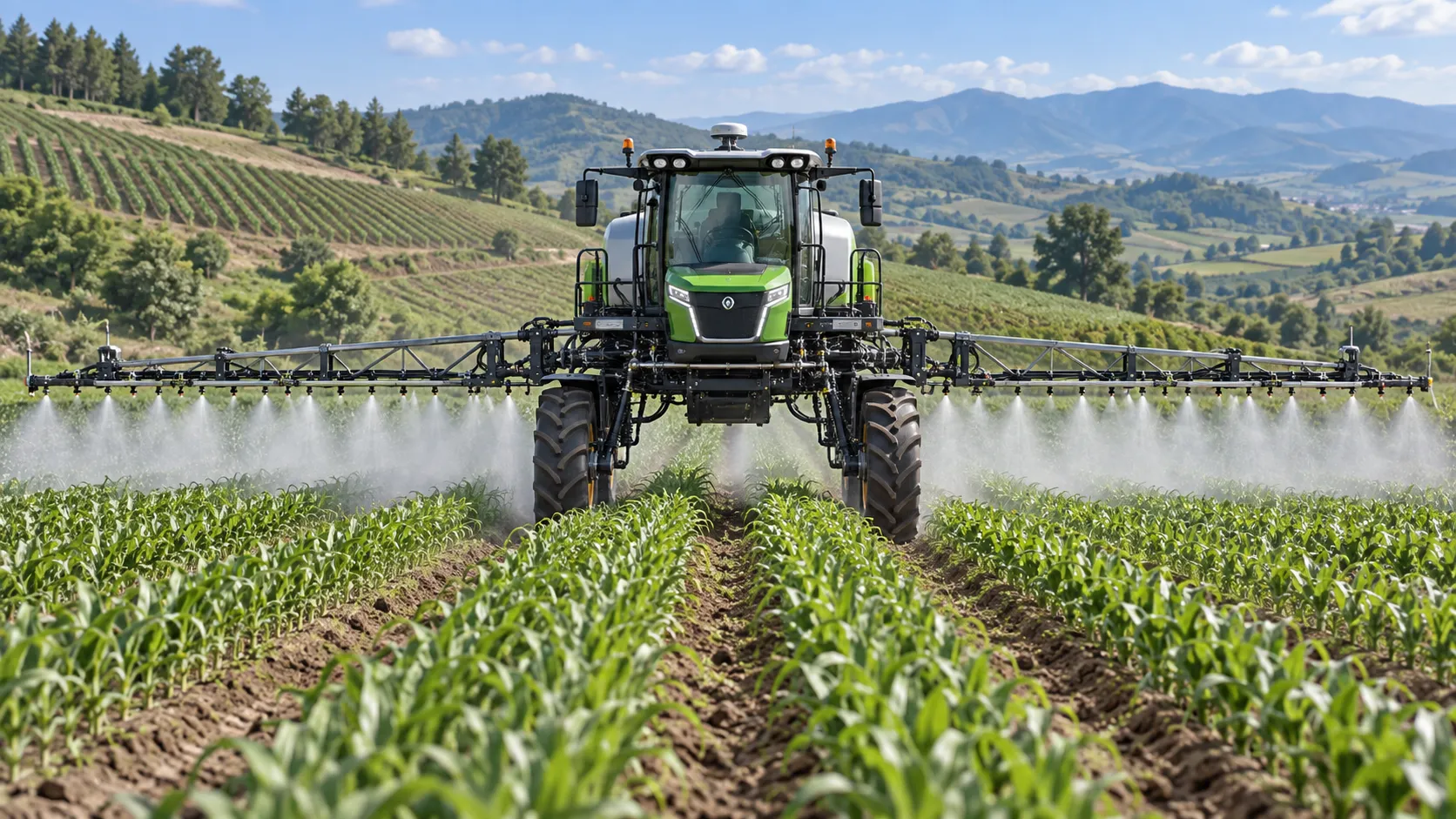
How to Select Precision Crop Protection Equipment for Variable Field Conditions
Precision crop protection equipment selection made simple: compare terrain, canopy, weather, control accuracy, and data workflows for reliable applications.

When Does Agricultural Machinery Leasing Cost Less Than Owning Equipment?
Agricultural machinery leasing can lower farm costs when use is seasonal or uncertain. Compare utilization, maintenance, cash flow, and risk to make a smarter equipment decision.

How to Evaluate Precision Fertilization System Suppliers for Farm-Scale Deployment
Precision fertilization systems suppliers: learn how to compare accuracy, integration, uptime, service, and total cost for confident farm-scale deployment.
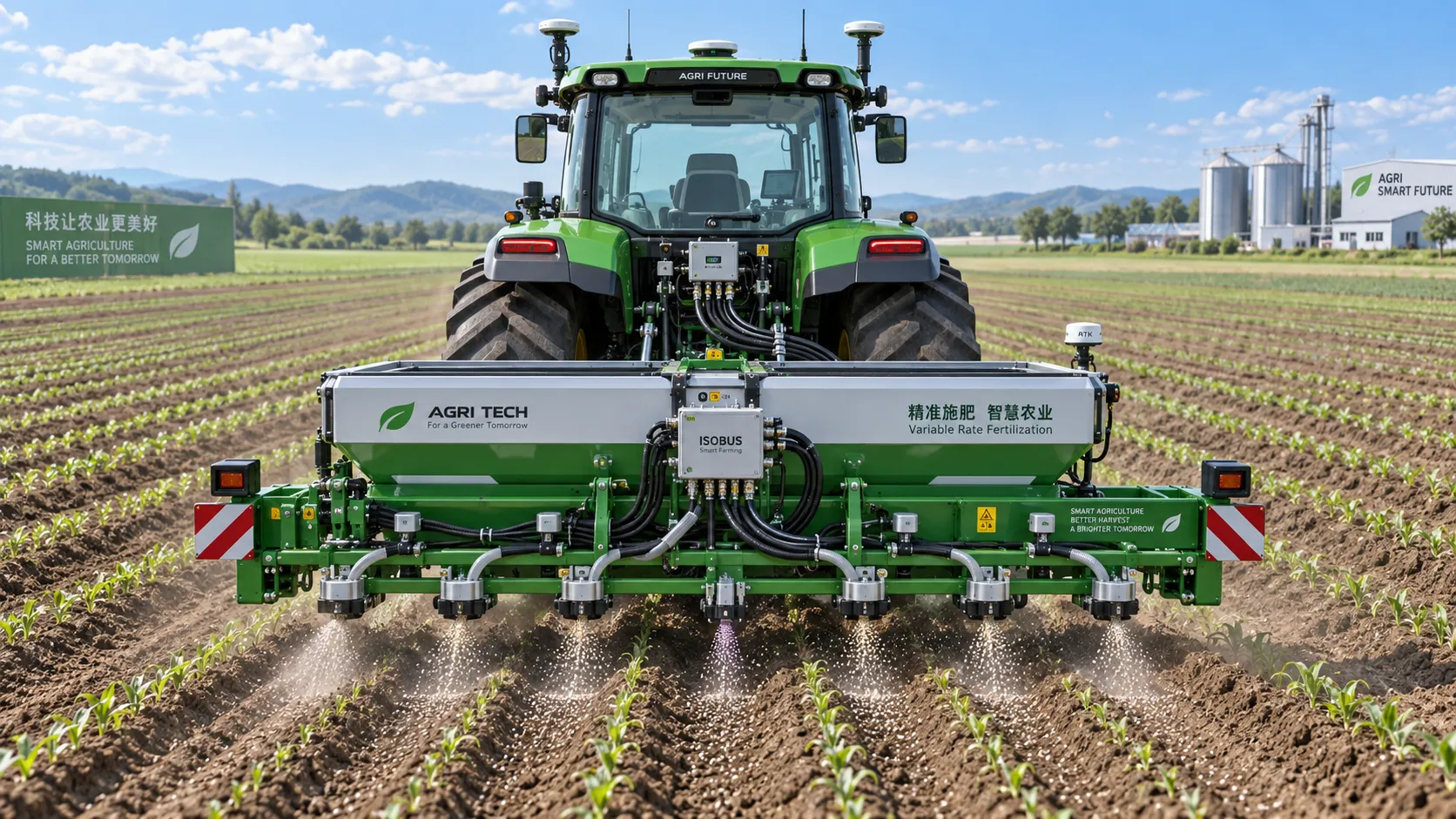
ISOBUS for Smart Agriculture: How It Connects Tractors, Implements, and Farm Data
ISOBUS for smart agriculture connects tractors, implements, terminals, and farm data—helping growers improve precision, documentation, and smarter field decisions.
Related News
- 00
0000-00
Tractor Hydraulic Systems Troubleshooting: Diagnosing Weak Lift and Slow Implements - 00
0000-00
Which Implements Are Compatible With a 200 HP Tractor for Mixed Cropping? - 00
0000-00
How to Select Agricultural Hydraulic Systems for Sprayers by Flow, Pressure, and Boom Demand - 00
0000-00
Australia Tightens Carbon Rules for Hydraulic Lift System Imports - 00
0000-00
ANATEL Sets New Rules for Wireless Hydraulic Lift Systems
Popular Tags
Tractor Power Architect
Weekly Insights
Stay ahead with our curated technology reports delivered every Monday.