
ABARES Raises Farm AI Decision System Budget, Names Hydraulic Lift Systems Critical
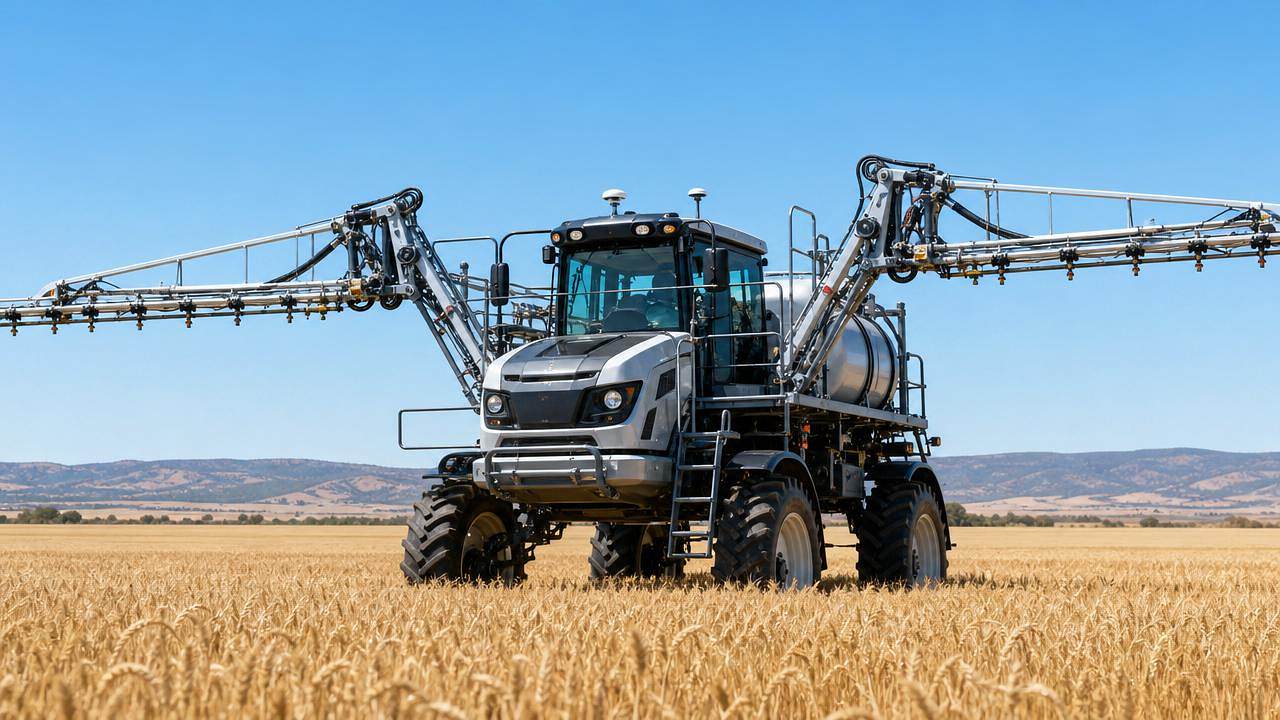




Australia’s agricultural policy landscape shifted on May 14, 2026, when the Australian Bureau of Agricultural and Resource Economics and Sciences (ABARES) released its 2026 Farm Technology Investment Outlook, increasing fiscal support for farm AI decision systems by 37% and formally designating Hydraulic Lift Systems as a core execution unit within ‘Smart Variable Platforms’. This development signals heightened near-term demand—particularly among large-scale Australian farms—for agricultural machinery or modules featuring high-precision hydraulic closed-loop control capabilities. Equipment manufacturers, component suppliers, and export-oriented technology integrators should monitor implications across procurement, integration, and market positioning.
Event Overview
On May 14, 2026, ABARES published the 2026 Farm Technology Investment Outlook. The report confirmed a 37% increase in the government’s budget allocation for farm AI decision system subsidies. It explicitly identified Hydraulic Lift Systems as a required component of the ‘Smart Variable Platform’—a category defined in the report as an integrated hardware-software system enabling real-time, site-specific agronomic decisions and actuation. No further technical specifications, implementation timelines, or eligibility criteria were disclosed in the initial release.
Industries Affected
Manufacturers of agricultural machinery (OEMs): Hydraulic Lift Systems are now codified as a mandatory functional module for subsidy-eligible Smart Variable Platforms. OEMs supplying variable-rate application equipment—including sprayers, spreaders, and seeders—may face revised certification or integration requirements to qualify for subsidized deployment in Australia.
Hydraulic component suppliers and subsystem integrators: Demand for high-accuracy, digitally controllable hydraulic actuators—and associated sensors, valves, and control software—is likely to rise as platforms must meet closed-loop performance benchmarks outlined implicitly in ABARES’s framing of ‘smart variable’ functionality.
Export-focused technology providers (AI/automation software vendors): Integration with hydraulic lift infrastructure is now a stated prerequisite for platform recognition. Vendors whose AI decision engines lack certified interfaces or validation pathways for hydraulic actuation layers may encounter reduced competitiveness in Australian tenders or subsidy-aligned deployments.
Aftermarket service and calibration providers: As hydraulic lift systems become embedded in AI-driven platforms, maintenance, recalibration, and firmware updates will require cross-domain competency—spanning hydraulics, electronics, and agronomic algorithm logic—potentially reshaping technician training and service certification expectations.
What Relevant Enterprises or Practitioners Should Monitor and Do Now
Track official implementation guidance from ABARES and state agriculture departments
The report establishes a policy signal but does not yet define technical standards, verification protocols, or vendor qualification procedures. Stakeholders should prioritize monitoring subsequent notices—especially any draft specifications for ‘hydraulic closed-loop control accuracy’, latency thresholds, or interoperability frameworks.
Assess current product architecture against the ‘Smart Variable Platform’ functional scope
Analysis shows that ABARES’s definition emphasizes coordinated sensing, decision-making, and physical response—not just AI modeling. Enterprises should audit whether their existing or planned systems include validated hydraulic actuation layers capable of receiving and executing real-time variable prescriptions without manual override or latency-induced error.
Distinguish between policy intent and near-term procurement reality
Observably, the 37% budget increase reflects strategic prioritization, not immediate spending velocity. Current procurement cycles remain subject to farm-level capital planning, financing terms, and operational readiness. Companies should avoid over-indexing on short-term order forecasts and instead align R&D and integration roadmaps with the stated functional requirement—not assumed timelines.
Prepare for interface documentation and third-party validation needs
Given ABARES’s emphasis on system-level integration, stakeholders developing or integrating hydraulic lift modules should begin compiling interface specifications (e.g., CAN bus protocols, API schemas, safety-critical response logs) and consider early engagement with Australian testing labs or certification bodies to anticipate compliance pathways.
Editorial Perspective / Industry Observation
This announcement is best understood not as an immediate procurement trigger, but as a formal alignment of national agricultural policy with hardware-software co-dependency in precision farming. From an industry perspective, ABARES has elevated hydraulic actuation from a mechanical subsystem to a first-class architectural element—on par with sensor networks and AI inference engines—in the definition of next-generation farm decision infrastructure. Analysis suggests this reflects growing recognition that algorithmic insight delivers limited value without deterministic, repeatable physical execution. However, it remains uncertain how rapidly adoption will scale beyond pilot deployments or whether the subsidy mechanism will extend to retrofits versus new-platform purchases. Continued observation is warranted as ABARES and state agencies issue technical annexes or funding guidelines later in 2026.
Concluding, this update marks a structural shift in how Australia defines and incentivizes farm intelligence—not merely as data analytics, but as integrated cyber-physical capability. It is neither a broad market acceleration nor a narrow technical footnote; rather, it is a calibrated signal that hydraulic control fidelity is now a non-negotiable layer in the stack for subsidy-eligible smart farming systems. Stakeholders are advised to treat it as a forward-looking design constraint—not a current sales catalyst—and adjust engineering, integration, and compliance planning accordingly.
Source: Australian Bureau of Agricultural and Resource Economics and Sciences (ABARES), 2026 Farm Technology Investment Outlook, released May 14, 2026.
Note: Technical definitions, certification criteria, and rollout schedules remain pending. These elements require ongoing monitoring as ABARES issues supplementary guidance.
Related News
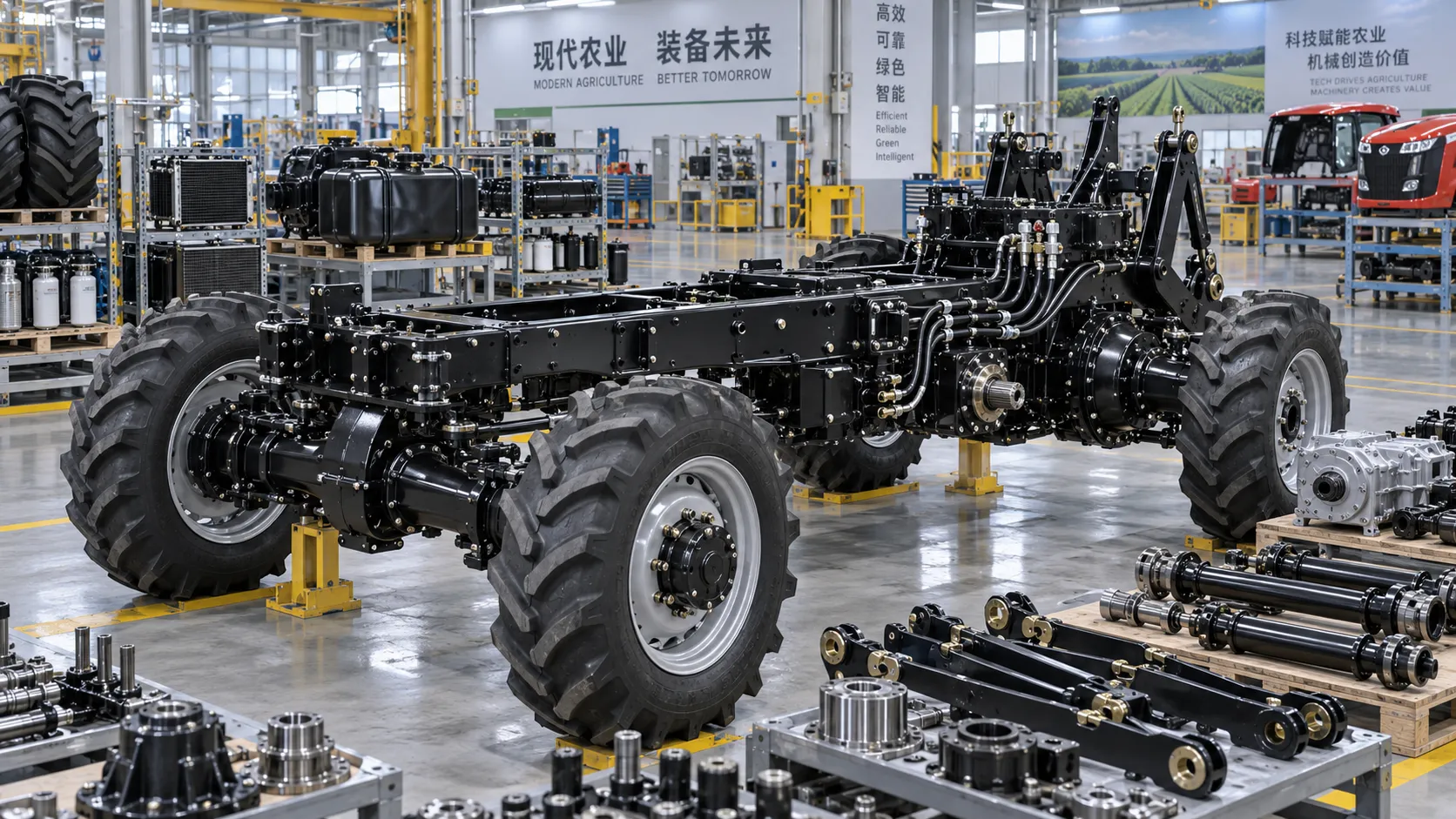
Tractor Chassis Price: What Buyers Should Compare Beyond the Initial Quote
Tractor chassis price is only the start. Compare load capacity, compatibility, durability, and lifecycle costs to choose a reliable, high-value chassis.
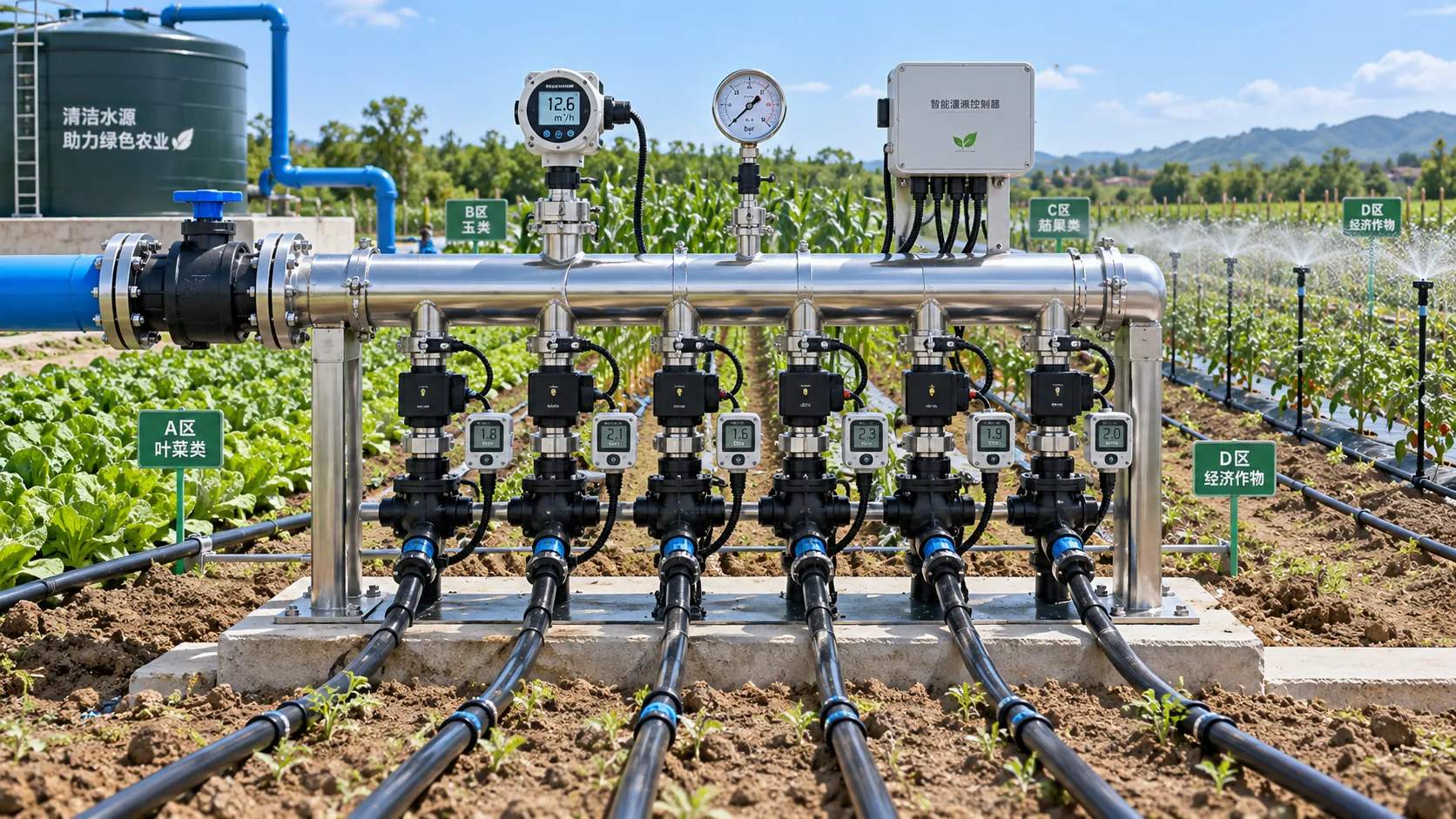
How to Select Smart Irrigation Valves for Multi-Zone Water Management?
Intelligent irrigation systems valves: learn how to match smart valves with multi-zone flow, pressure, control, feedback, and communication needs for reliable water management.
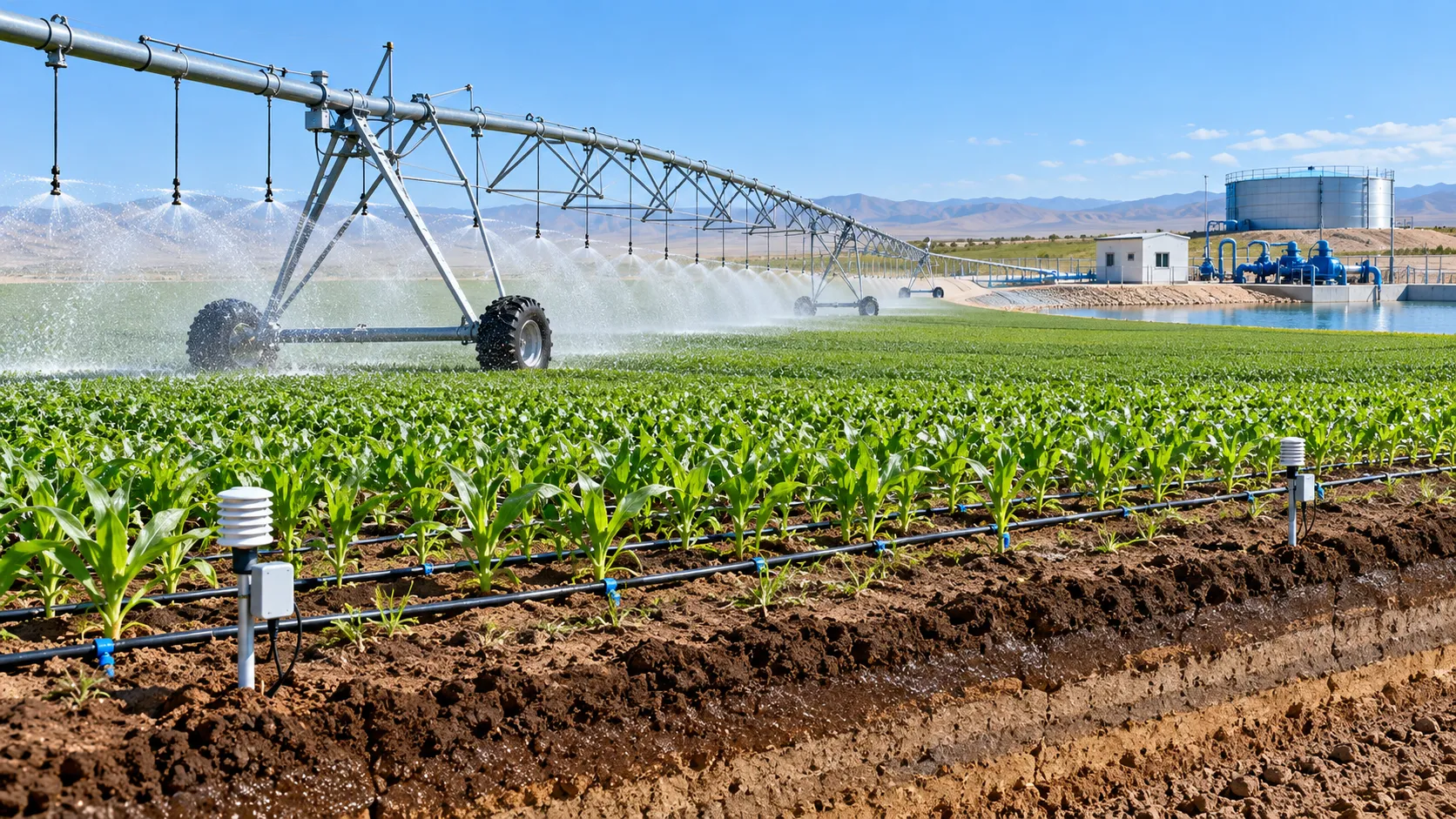
Climate-Smart Farming for Drought: A Practical Plan for Protecting Yields
Climate-smart farming for drought: build smarter water budgets, protect critical crop stages, improve irrigation uniformity, and safeguard yields with practical field-proven strategies.
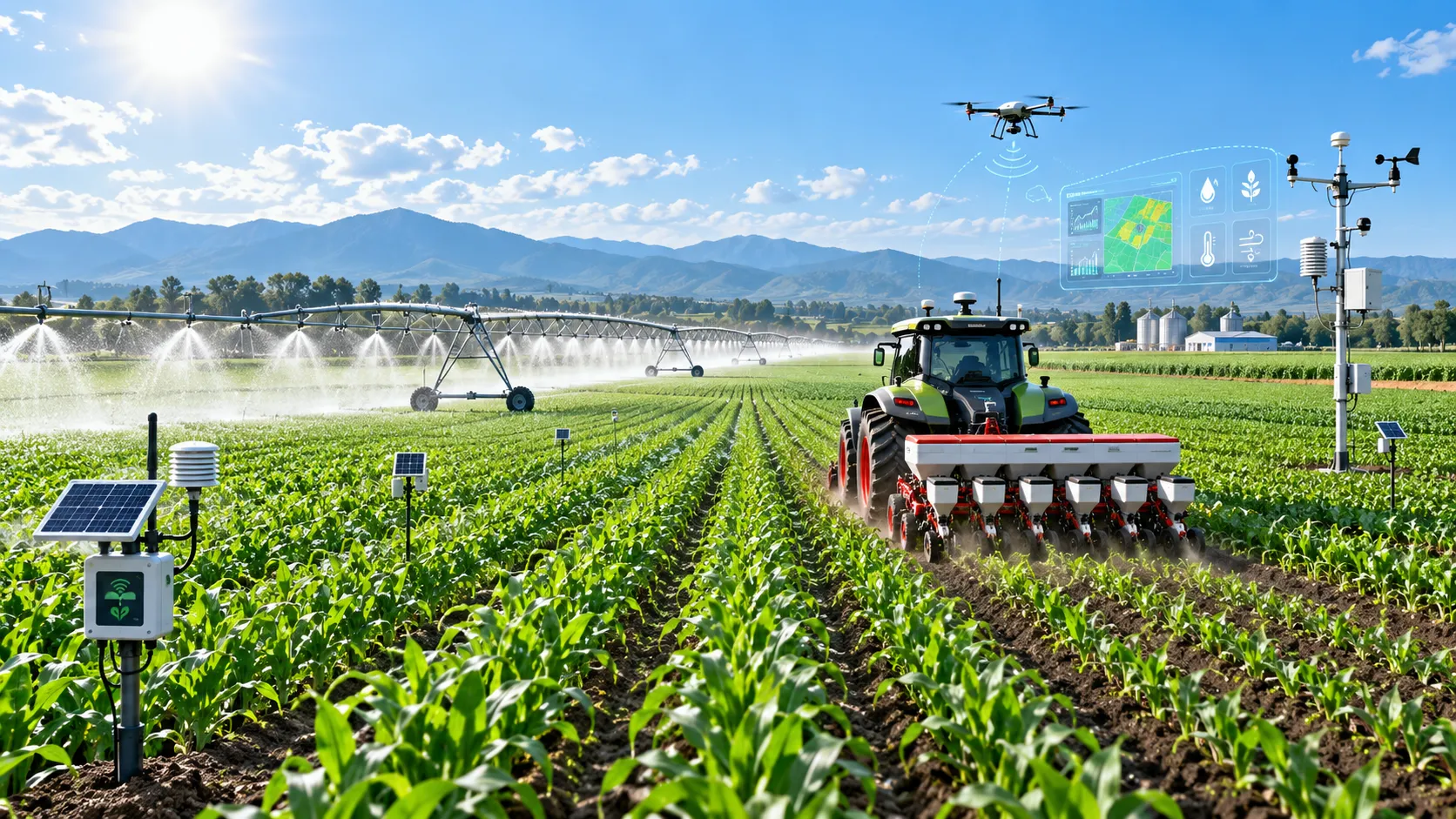
How Digital Agriculture Platforms Turn Field Data Into Better Input Decisions
Digital agriculture platforms turn field data into smarter fertilizer, water, seed, and equipment decisions—helping farms cut risk, improve margins, and scale sustainability.
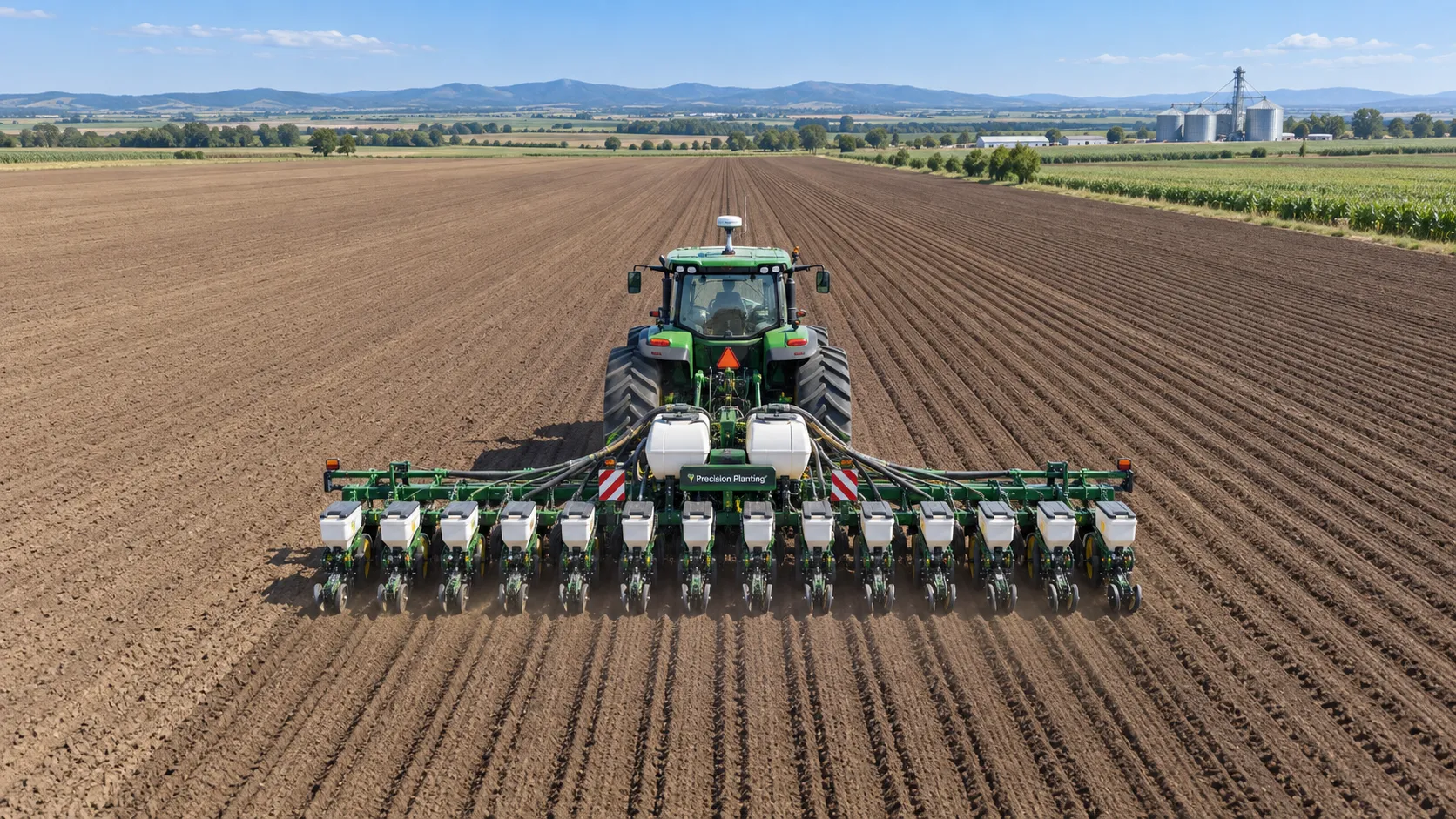
GPS-Guided Farm Machinery: Where It Delivers Measurable Field Efficiency Gains
Agri-mechanization GPS guided systems deliver measurable field efficiency gains through reduced overlap, precise planting, smarter inputs, and reliable farm data.
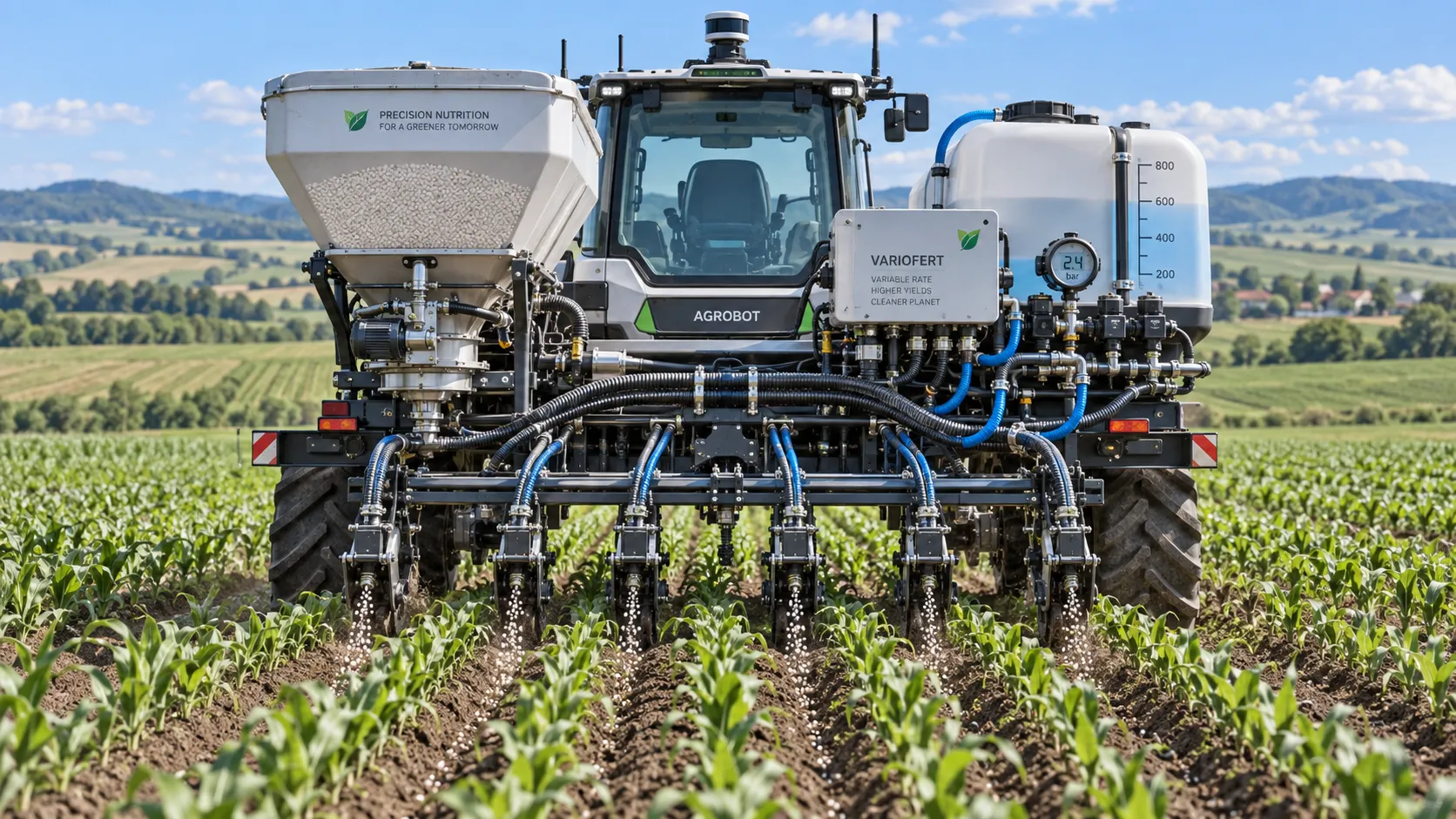
How Sensor Feedback Enables Accurate Variable-Rate Fertilization in Field Conditions
Precision fertilization systems with sensor feedback improve variable-rate accuracy by verifying flow, managing latency, and ensuring reliable field application.
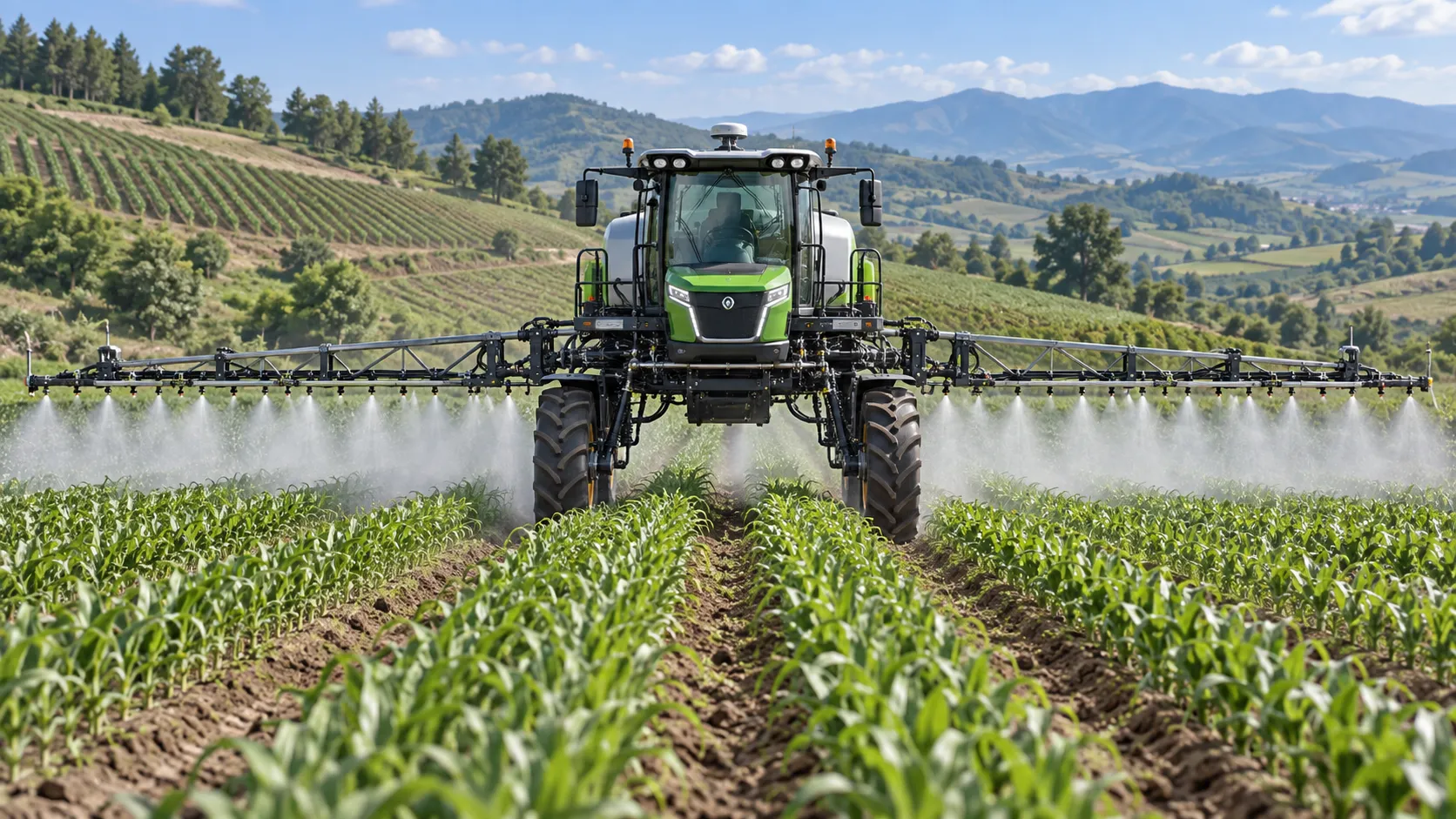
How to Select Precision Crop Protection Equipment for Variable Field Conditions
Precision crop protection equipment selection made simple: compare terrain, canopy, weather, control accuracy, and data workflows for reliable applications.
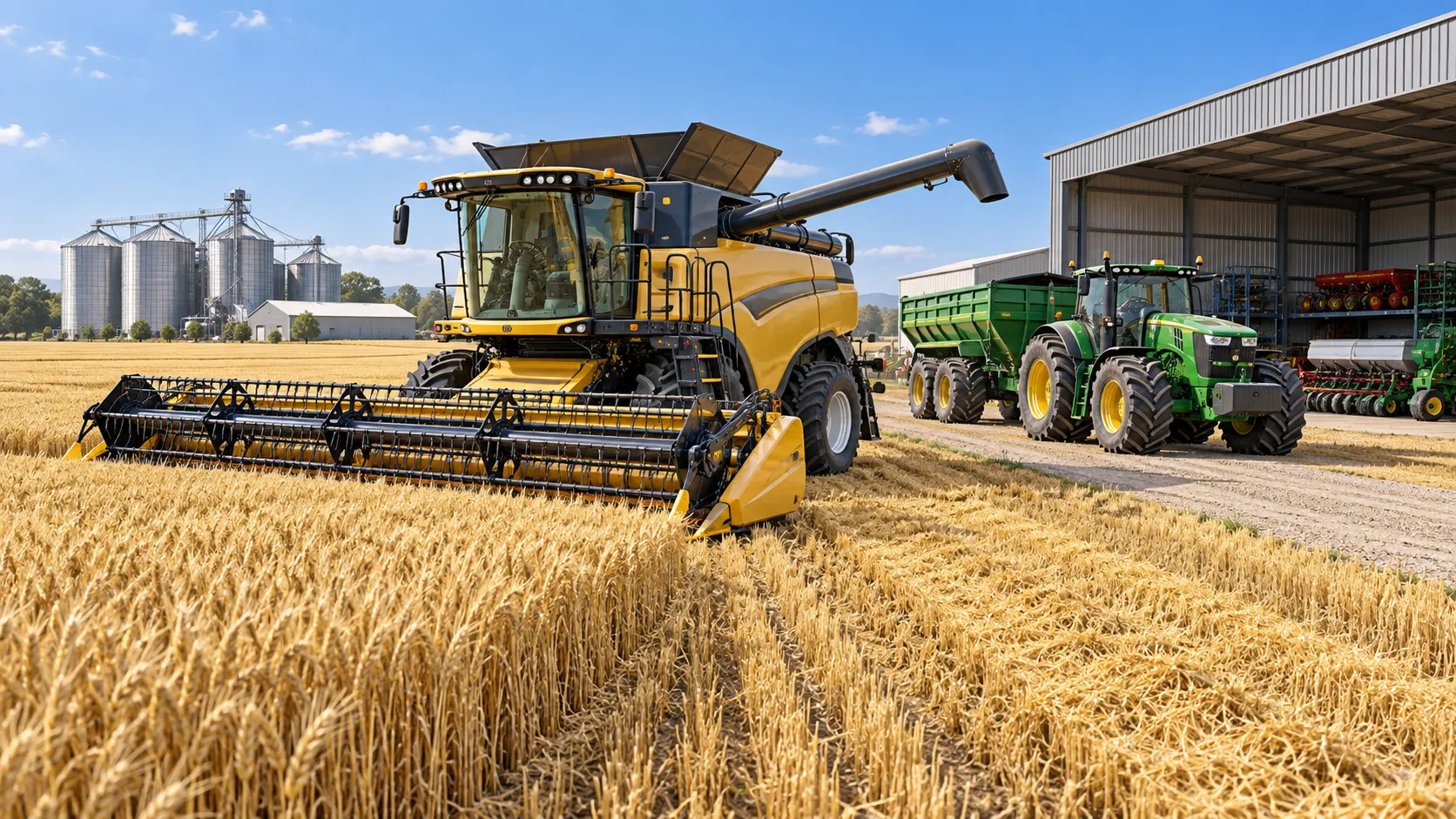
When Does Agricultural Machinery Leasing Cost Less Than Owning Equipment?
Agricultural machinery leasing can lower farm costs when use is seasonal or uncertain. Compare utilization, maintenance, cash flow, and risk to make a smarter equipment decision.
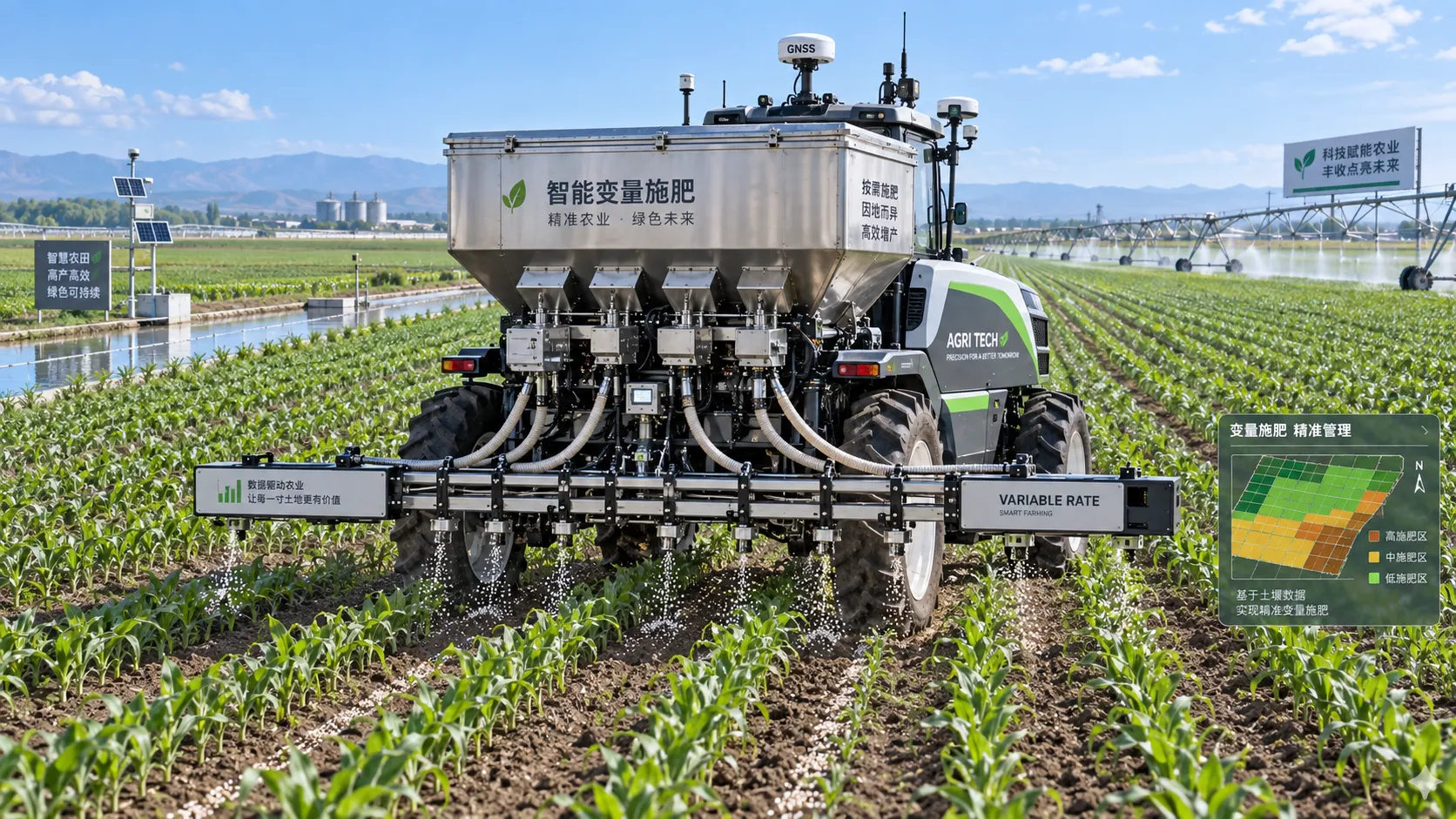
How to Evaluate Precision Fertilization System Suppliers for Farm-Scale Deployment
Precision fertilization systems suppliers: learn how to compare accuracy, integration, uptime, service, and total cost for confident farm-scale deployment.
Related News
- 00
0000-00
Tractor Hydraulic Systems Troubleshooting: Diagnosing Weak Lift and Slow Implements - 00
0000-00
Which Implements Are Compatible With a 200 HP Tractor for Mixed Cropping? - 00
0000-00
How to Select Agricultural Hydraulic Systems for Sprayers by Flow, Pressure, and Boom Demand - 00
0000-00
Australia Tightens Carbon Rules for Hydraulic Lift System Imports - 00
0000-00
ANATEL Sets New Rules for Wireless Hydraulic Lift Systems
Popular Tags
Tractor Power Architect
Weekly Insights
Stay ahead with our curated technology reports delivered every Monday.