
What causes failure in combine harvester hydraulic control?
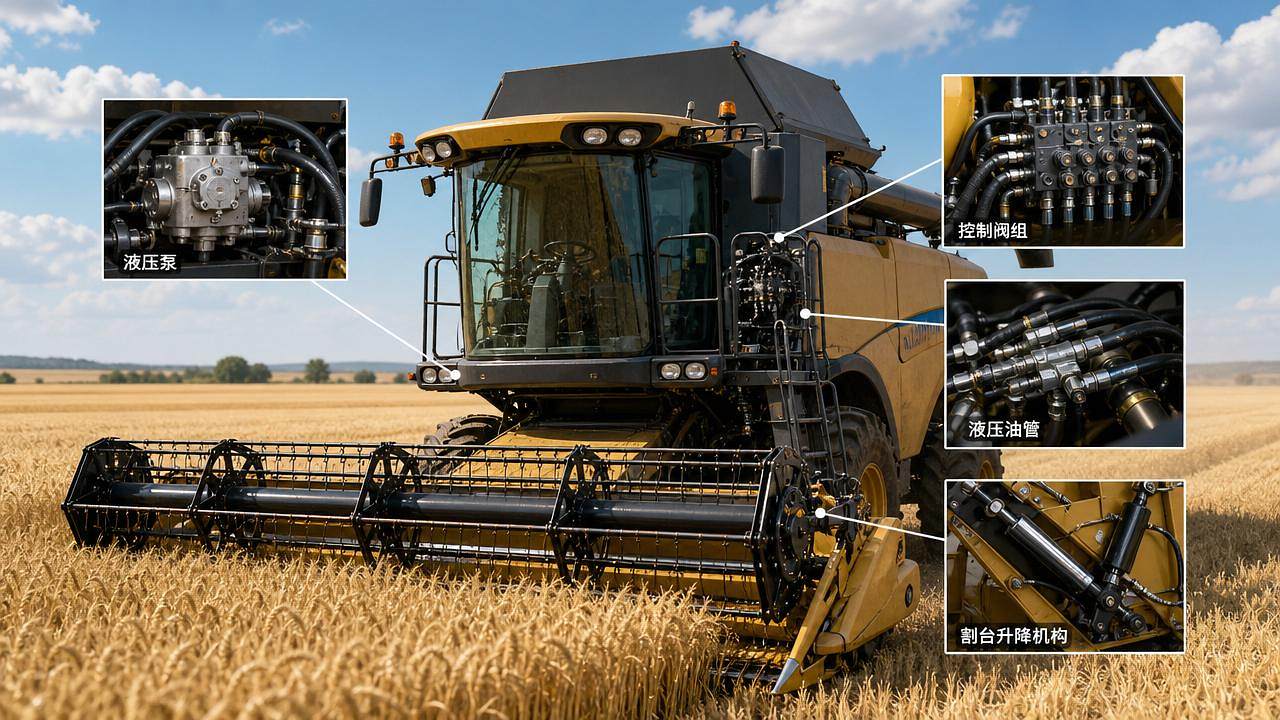




When a combine suddenly loses steering response, header lift precision, or unloading stability, the root cause often lies in hydraulic control systems for combine harvesters. For after-sales maintenance teams, understanding why these systems fail is essential to reducing downtime, preventing secondary damage, and restoring field performance quickly. This article outlines the most common failure causes, diagnostic priorities, and practical service insights in real harvesting conditions.
In modern harvest windows, a delay of even 2 to 6 hours can disrupt logistics, increase grain loss, and push service teams into high-pressure field repairs. For maintenance personnel working across mixed crops, long duty cycles, and dusty conditions, hydraulic faults are rarely caused by a single part alone. They often result from contamination, thermal stress, wear, poor adjustment, and missed inspection intervals acting together.
For AP-Strategy’s audience in large-scale agri-machinery support, the practical question is not only what failed, but why it failed at that moment, under that crop load, with that oil condition, and in that operating temperature range. A structured diagnostic approach helps service teams reduce repeat visits, improve first-time fix rates, and protect the overall reliability of hydraulic control systems for combine harvesters.
Why combine harvester hydraulic control fails under real field conditions
Hydraulic control on a combine is exposed to more variable operating conditions than many workshop assumptions allow. In one day, oil temperature may swing from 20°C in the morning to above 75°C under peak load. Steering, reel lift, header float, unloading auger functions, and hydrostatic support circuits may all compete for flow or pressure stability.
Contaminated hydraulic oil is the leading trigger
The most common cause of failure in hydraulic control systems for combine harvesters is oil contamination. Dust, metal particles, water ingress, seal fragments, and oxidized oil residues can all interfere with spool valve movement and pump efficiency. In field service, particle contamination below 25 microns may still be enough to score valve surfaces or restrict proportional response over time.
Water contamination is especially damaging during humid harvest periods or after pressure washing. Even a small moisture presence can reduce lubrication performance, accelerate corrosion, and promote additive breakdown. If oil appears milky, darkened, or has a burnt odor, service teams should treat fluid condition as a primary suspect before replacing expensive components.
Typical contamination sources
- Unsealed filler caps and breathers exposed to dust during harvesting
- Filter bypass events caused by overdue service intervals
- Improper hose replacement and poor workshop cleanliness
- Condensation buildup during day-night temperature cycling
- Seal wear that introduces rubber debris into control valves
Pressure loss from pump wear and internal leakage
A combine may still show partial movement even when hydraulic performance is declining. That can mislead technicians into chasing electrical or linkage issues first. In reality, pump wear, internal leakage across spools, worn cylinder seals, or cracked manifolds may gradually reduce available pressure by 10% to 30%, enough to affect header response and steering consistency.
Internal leakage is often heat-sensitive. A machine that functions normally for the first 30 minutes may become unstable once oil viscosity drops. This pattern is a key diagnostic clue. If control accuracy degrades after warm-up, measure pressure and flow at both cold and hot states rather than relying on a single static reading.
The table below summarizes common hydraulic failure causes, field symptoms, and first-check priorities for after-sales maintenance teams.
For service teams, the key lesson is that symptoms overlap. A weak header lift does not automatically mean a bad cylinder, and unstable steering does not automatically mean a bad orbital unit. In hydraulic control systems for combine harvesters, contamination and pressure loss often create secondary symptoms that resemble component failure elsewhere.
Overheating shortens control accuracy and seal life
Continuous harvesting under heavy crop load can push hydraulic oil into an unfavorable temperature band. Once oil runs too hot, viscosity falls, internal leakage increases, and control damping weakens. Seal hardening also accelerates. In many service cases, a 10°C to 15°C rise above normal operating temperature is enough to expose marginal pumps, worn valves, or restricted coolers.
Blocked oil coolers, fan inefficiency, wrong fluid grade, or overloaded auxiliary functions are common causes. Maintenance teams should always inspect the cooling side, not just the pressure side. A machine with normal pressure at idle may still fail under load if heat rejection is poor.
Air ingress, cavitation, and suction-side faults
Air ingress can cause foaming, noise, irregular movement, and false pressure readings. Unlike external leaks, suction-side leaks may not leave visible oil traces. Loose clamps, cracked suction hoses, hardened O-rings, and restricted strainers can all trigger cavitation. This is especially common on older combines after 1,500 to 3,000 operating hours.
If the hydraulic reservoir shows foam or the pump emits a high-pitched noise during steering or lift demand, inspect suction integrity immediately. Prolonged cavitation damages pump surfaces quickly and can spread metallic debris through the entire circuit.
How after-sales teams should diagnose hydraulic control problems
Efficient diagnosis is not about testing everything at once. In harvest season, service teams need a 4-step sequence that isolates the highest-probability failures first. This saves parts, avoids unnecessary disassembly, and improves machine return-to-field time.
Step 1: Confirm the complaint under load, not only at idle
Many hydraulic issues only appear when multiple functions are demanded together. Steering may seem normal in the yard, then fail when the header is raised and unloading is engaged. Reproduce the fault with realistic load conditions, warm oil, and normal engine speed. A 15 to 20 minute operational test often reveals patterns hidden during short inspections.
Step 2: Check fluid, filters, and temperature before replacing parts
This is where many repeat repairs begin. If a valve is replaced without correcting contaminated fluid or a bypassed filter, the new component may fail again in a short cycle. Inspect fluid level, fluid appearance, service interval history, return filter condition, and cooler cleanliness first. For hydraulic control systems for combine harvesters, these baseline checks often explain 40% or more of recurring field complaints.
Priority inspection checklist
- Reservoir level and visible contamination
- Filter differential or service age
- Oil temperature after normal field operation
- Suction hose condition and clamp tightness
- External leaks at cylinders, manifolds, and fittings
- Pressure and flow readings at test points
Step 3: Separate hydraulic faults from electrical and sensor faults
Modern combines may use electrohydraulic valves, load-sensing controls, and operator interface modules. A no-response condition can come from low pilot pressure, stuck solenoids, damaged wiring, or controller interlocks. However, teams should avoid assuming the issue is electronic simply because a warning appears. Hydraulic weakness can trigger electronic alarms indirectly.
Check solenoid resistance, connector corrosion, and command voltage, but always compare them with actual mechanical response and system pressure. A clean electrical signal cannot compensate for a sticking spool or worn pump.
The following table helps maintenance teams align symptoms with likely test priorities during field service visits.
This symptom-based method improves service efficiency because it narrows the fault tree early. Instead of changing parts in sequence, technicians can test the most likely zone first and document findings in a way that supports future warranty analysis or maintenance planning.
Step 4: Verify root cause before machine release
A repair should not end when movement returns. The technician should confirm stable pressure, acceptable operating temperature, no abnormal noise, and repeatable control over at least 2 to 3 full functional cycles. If hydraulic oil was contaminated, flushing and filter replacement should be considered part of the root-cause correction, not optional follow-up work.
High-risk components and failure patterns in hydraulic control systems for combine harvesters
Not all components fail at the same rate. In high-duty seasonal equipment, a few specific parts account for a large share of hydraulic complaints. Knowing where failure clusters occur helps after-sales teams stock the right service items and prepare faster field interventions.
Control valves and proportional sections
Control valves are sensitive to contamination, varnish formation, and poor oil quality. In electrohydraulic systems, a valve can receive correct electrical input but still fail mechanically because of spool drag or internal scoring. Fine debris may not stop movement completely, but it can reduce control repeatability, especially in functions needing precise modulation such as header height and reel positioning.
Pumps, relief valves, and load-sensing circuits
Main pumps face wear from contamination, overheating, and suction restrictions. Relief valves may also drift or stick, causing unstable pressure ceilings. In load-sensing systems, small pilot or feedback line faults can create major response issues. A blocked or leaking signal line may lead to delayed output even when the main pump is still mechanically healthy.
Cylinders, hoses, and seals
Cylinders often fail gradually. The first sign may be drift, uneven movement, or the need for repeated operator correction. Hoses exposed to heat, vibration, and chafing may shed internal material before external damage is visible. Seal kits that are correct in size but wrong in compound can harden early if oil temperature stays elevated for repeated 8 to 12 hour shifts.
Frequent maintenance mistakes
- Replacing a pump without cleaning the full circuit
- Ignoring hot-oil performance loss after a cold test passes
- Mixing hydraulic fluids without confirming compatibility
- Changing filters but not checking for bypass valve issues
- Overlooking breather condition and reservoir sealing
Preventive service strategies that reduce repeat failures
The best way to manage hydraulic control failures is to reduce them before harvest peaks begin. For distributors, fleet managers, and after-sales workshops, prevention is usually less expensive than field recovery. Even a basic pre-season program can cut unplanned hydraulic repairs during harvest by identifying weak points early.
Build a pre-harvest inspection routine
A practical routine should include 6 key checks: oil condition, filter age, hose integrity, test-point pressure, cooler cleanliness, and functional hold tests. These checks can usually be completed in 60 to 90 minutes per machine. For high-use combines, adding an oil sample review before the season starts provides extra protection against contamination-driven failures.
Use condition patterns, not only calendar intervals
Machines operating in rice, maize, wheat, and high-dust environments do not age hydraulics in the same way. A combine working long unloading cycles and frequent header adjustments may need earlier hydraulic attention than one with lighter field loads. Instead of relying only on fixed intervals, service teams should track oil color change, hot-operation weakness, noise development, and recurring drift patterns.
Improve parts planning for harvest season
For after-sales support operations, stocking the right consumables matters. Filters, suction hoses, seal kits, selected pressure sensors, O-rings, and common valve repair items often deliver more practical value than carrying too many complete assemblies. A 24 to 48 hour delay for a basic seal or filter can immobilize a machine just as effectively as the failure of a major component.
Recommended service focus areas
- Pre-season oil and filtration review
- Mid-season hot-performance checks
- End-of-season contamination control and storage protection
- Fault-record documentation by symptom and operating hours
For organizations supporting large-scale agri-machinery fleets, hydraulic reliability is not only a repair issue but also an uptime strategy. Better diagnosis, cleaner oil management, and more disciplined verification can significantly improve the performance of hydraulic control systems for combine harvesters across demanding field conditions.
If your team is evaluating service workflows, spare-parts planning, or hydraulic troubleshooting standards for harvesting equipment, AP-Strategy can help you align technical maintenance practice with broader equipment intelligence and operational decision-making. Contact us to discuss field-ready service insights, request a tailored support framework, or explore more solutions for combine harvester hydraulic reliability.
Related News
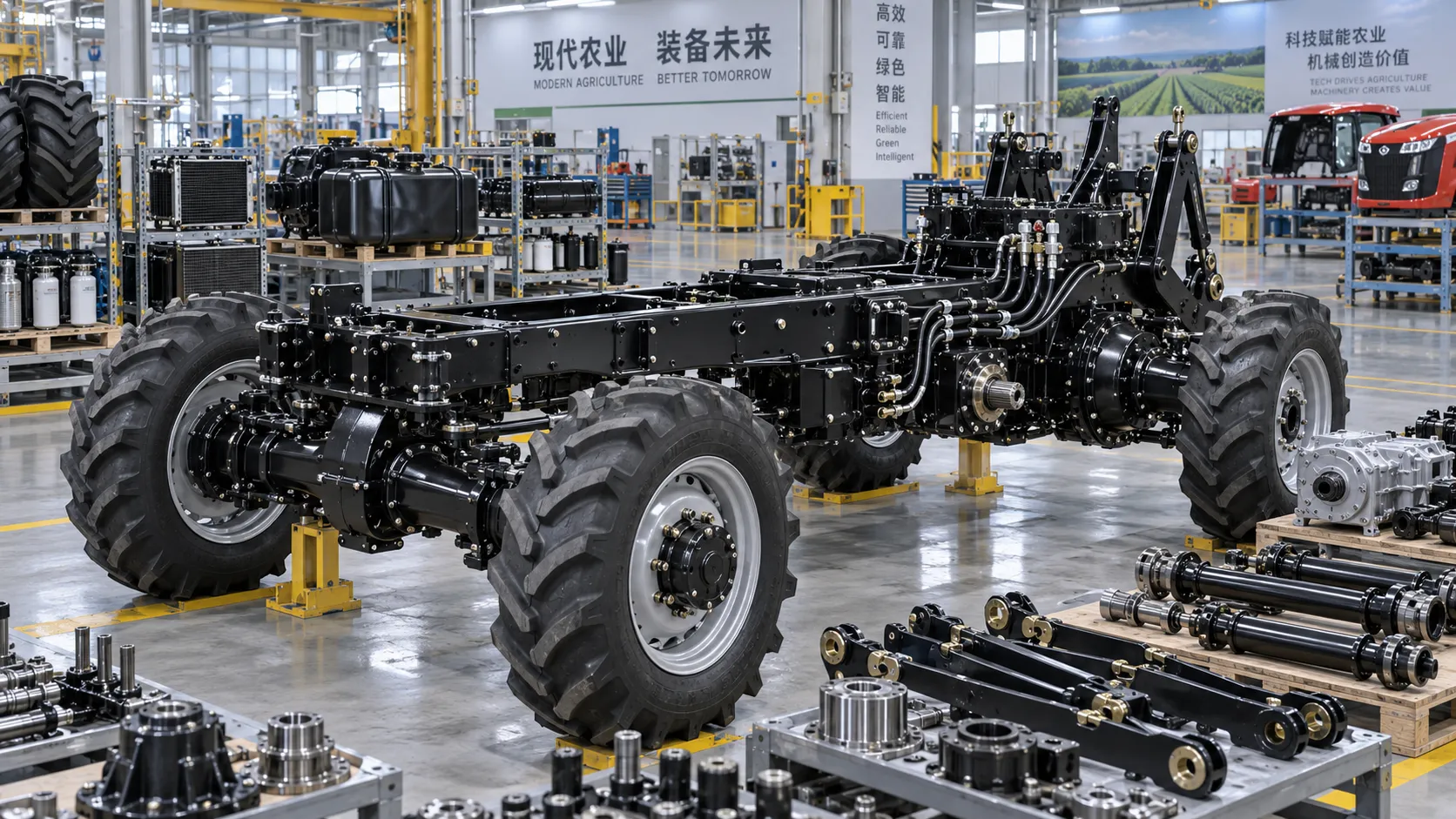
Tractor Chassis Price: What Buyers Should Compare Beyond the Initial Quote
Tractor chassis price is only the start. Compare load capacity, compatibility, durability, and lifecycle costs to choose a reliable, high-value chassis.
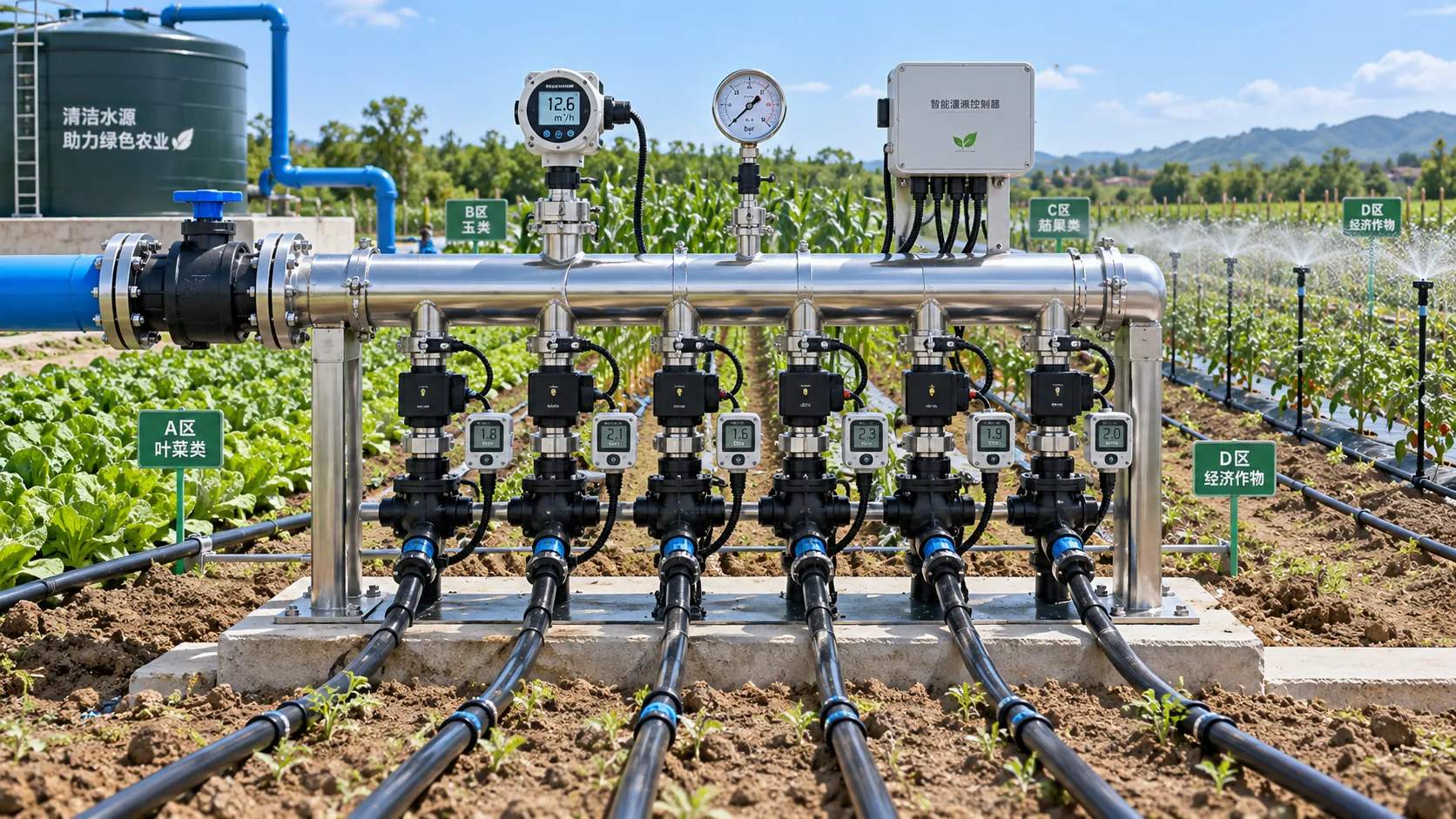
How to Select Smart Irrigation Valves for Multi-Zone Water Management?
Intelligent irrigation systems valves: learn how to match smart valves with multi-zone flow, pressure, control, feedback, and communication needs for reliable water management.
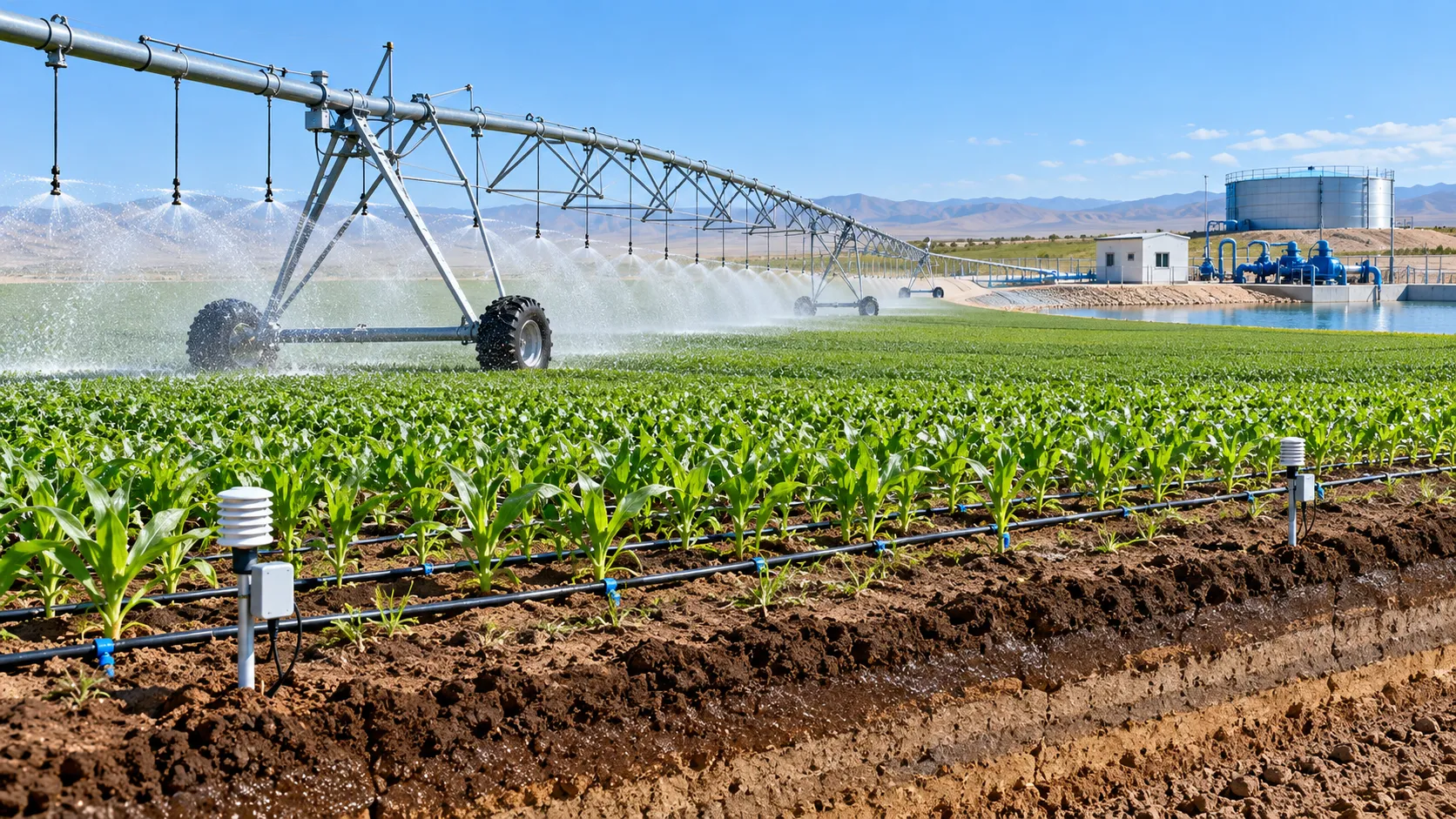
Climate-Smart Farming for Drought: A Practical Plan for Protecting Yields
Climate-smart farming for drought: build smarter water budgets, protect critical crop stages, improve irrigation uniformity, and safeguard yields with practical field-proven strategies.

How Digital Agriculture Platforms Turn Field Data Into Better Input Decisions
Digital agriculture platforms turn field data into smarter fertilizer, water, seed, and equipment decisions—helping farms cut risk, improve margins, and scale sustainability.
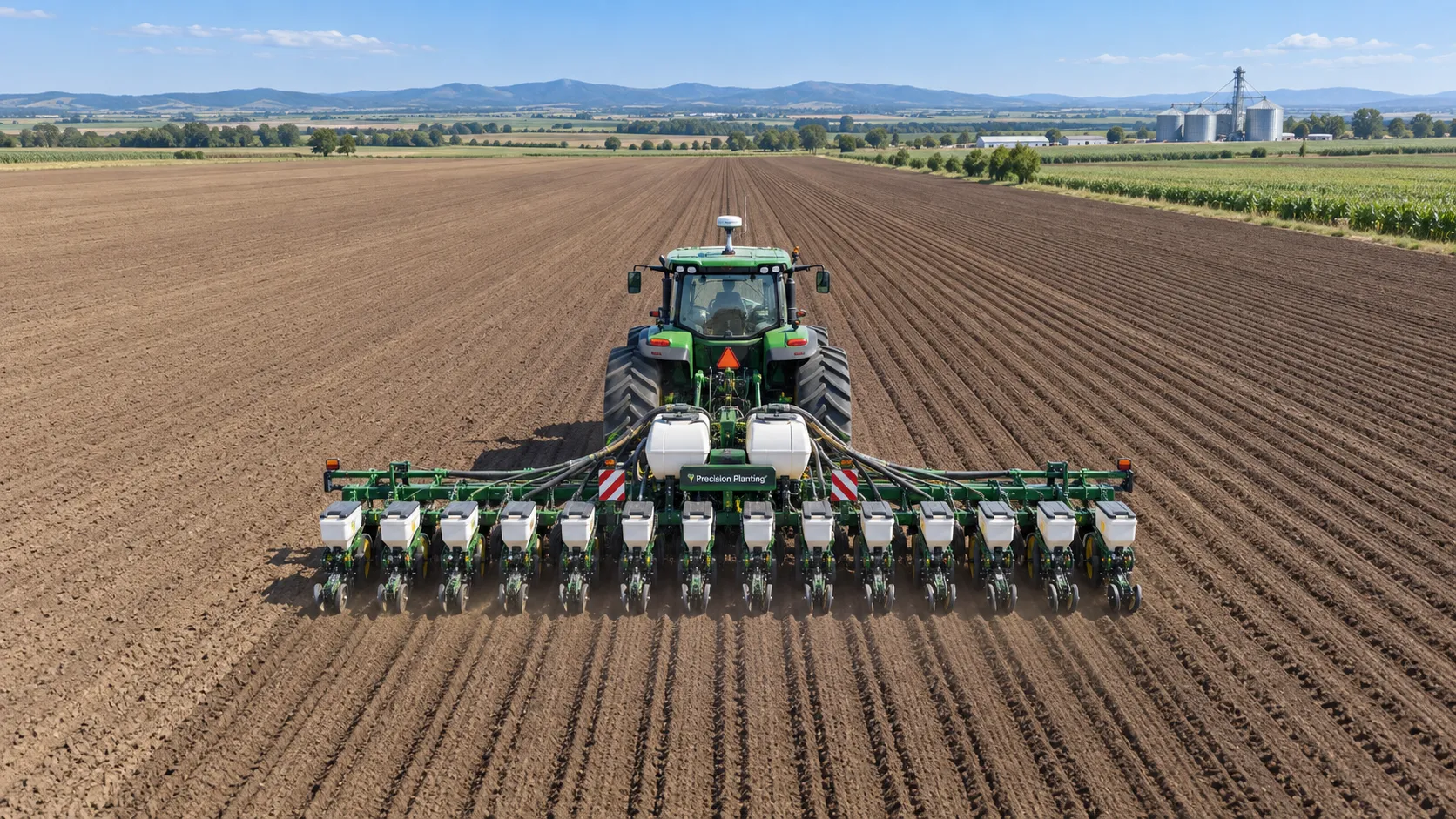
GPS-Guided Farm Machinery: Where It Delivers Measurable Field Efficiency Gains
Agri-mechanization GPS guided systems deliver measurable field efficiency gains through reduced overlap, precise planting, smarter inputs, and reliable farm data.
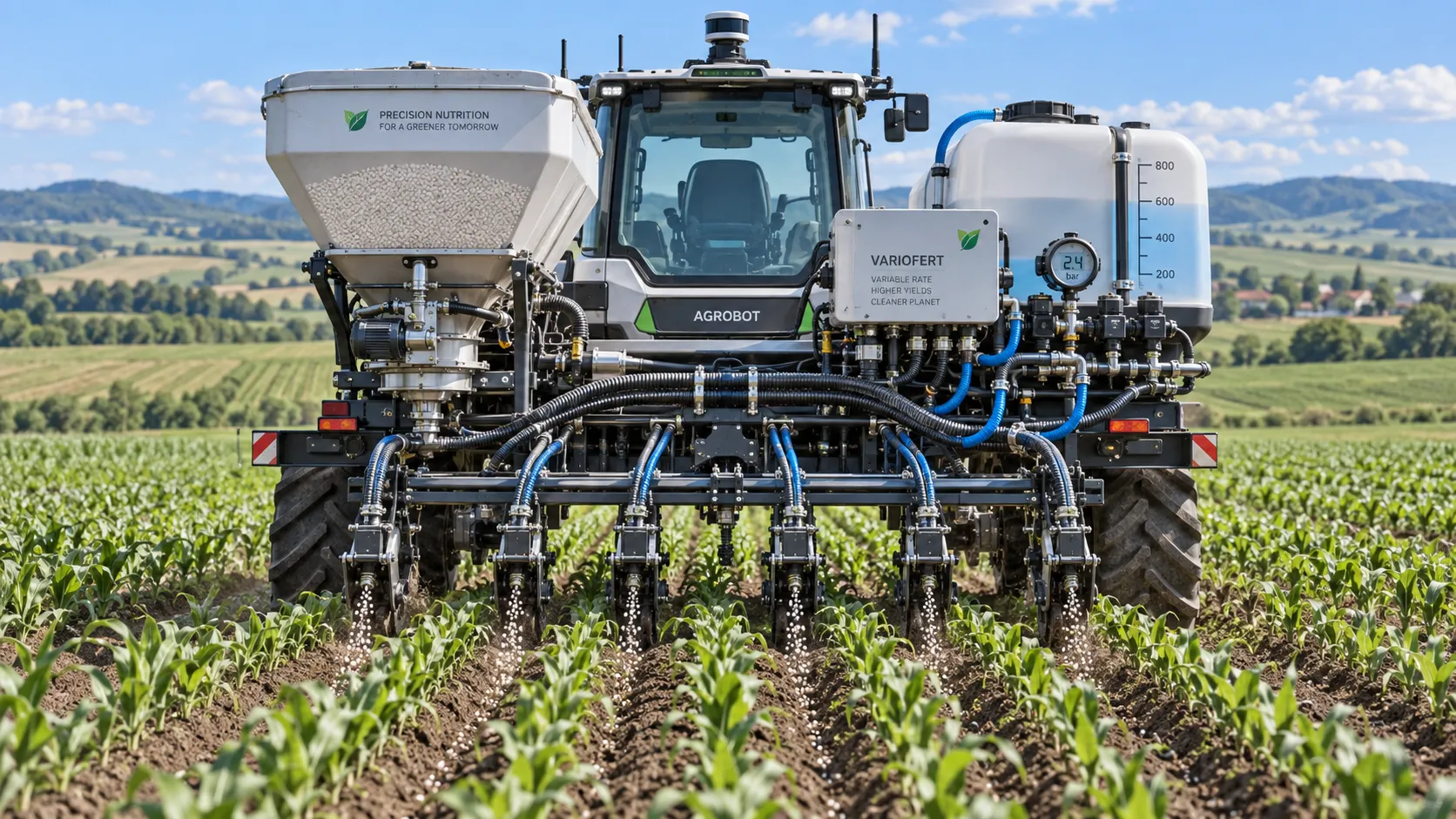
How Sensor Feedback Enables Accurate Variable-Rate Fertilization in Field Conditions
Precision fertilization systems with sensor feedback improve variable-rate accuracy by verifying flow, managing latency, and ensuring reliable field application.
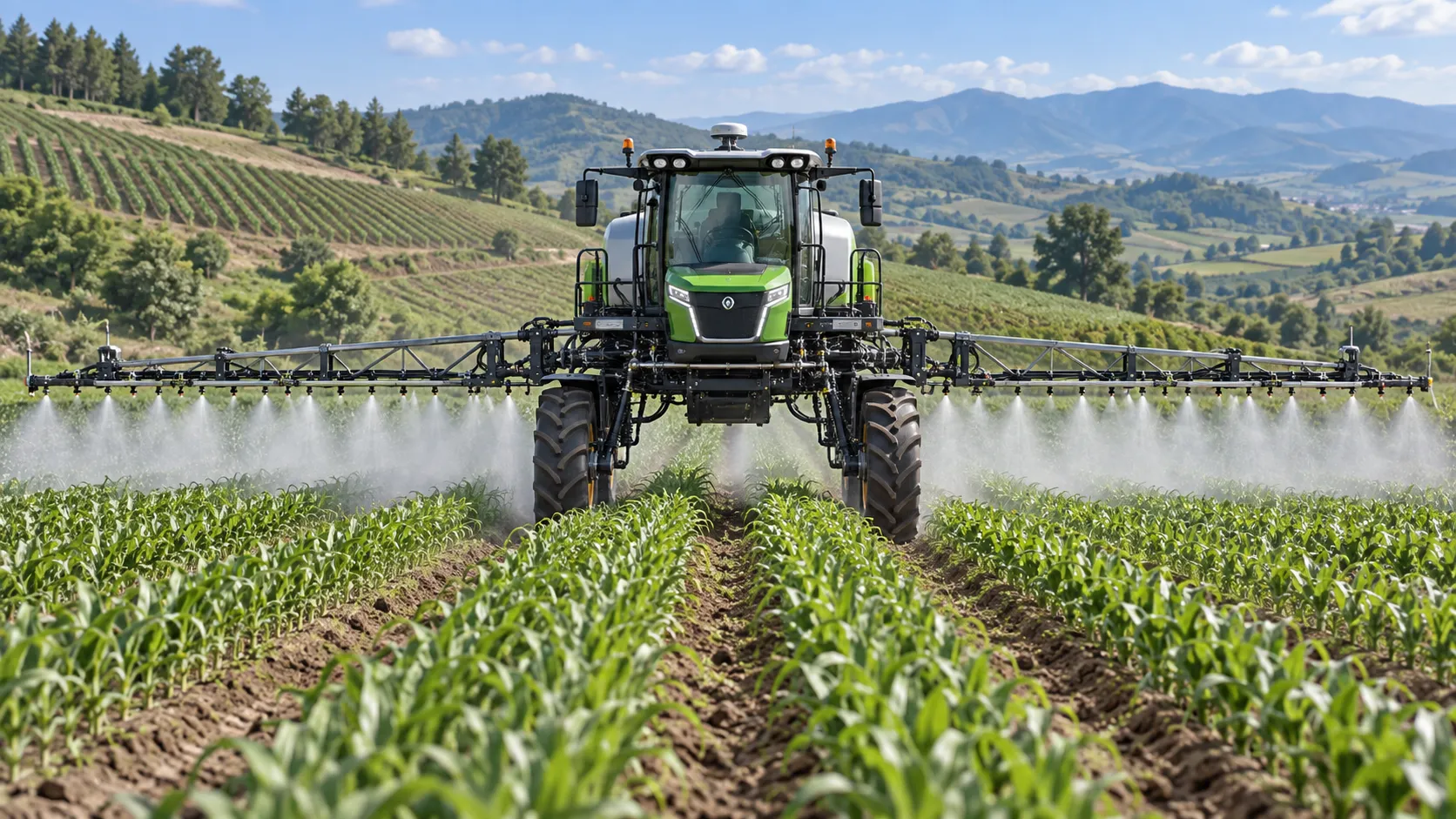
How to Select Precision Crop Protection Equipment for Variable Field Conditions
Precision crop protection equipment selection made simple: compare terrain, canopy, weather, control accuracy, and data workflows for reliable applications.

When Does Agricultural Machinery Leasing Cost Less Than Owning Equipment?
Agricultural machinery leasing can lower farm costs when use is seasonal or uncertain. Compare utilization, maintenance, cash flow, and risk to make a smarter equipment decision.
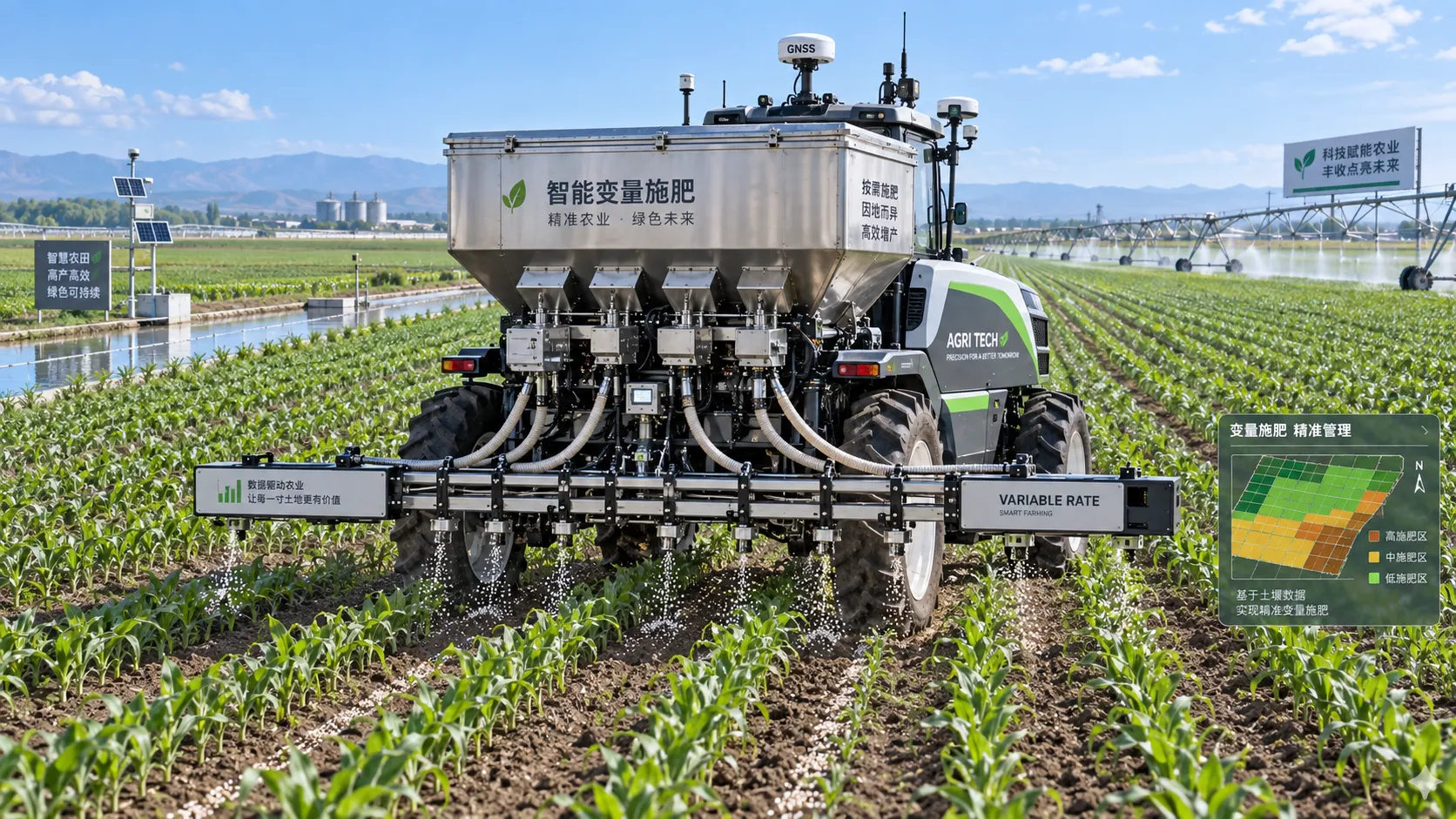
How to Evaluate Precision Fertilization System Suppliers for Farm-Scale Deployment
Precision fertilization systems suppliers: learn how to compare accuracy, integration, uptime, service, and total cost for confident farm-scale deployment.
Related News
- 00
0000-00
Tractor Hydraulic Systems Troubleshooting: Diagnosing Weak Lift and Slow Implements - 00
0000-00
Which Implements Are Compatible With a 200 HP Tractor for Mixed Cropping? - 00
0000-00
How to Select Agricultural Hydraulic Systems for Sprayers by Flow, Pressure, and Boom Demand - 00
0000-00
Australia Tightens Carbon Rules for Hydraulic Lift System Imports - 00
0000-00
ANATEL Sets New Rules for Wireless Hydraulic Lift Systems
Popular Tags
Tractor Power Architect
Weekly Insights
Stay ahead with our curated technology reports delivered every Monday.