
Canton Fair Phase III Closes: New Energy Farm Machinery, Smart Irrigation Lead Deals
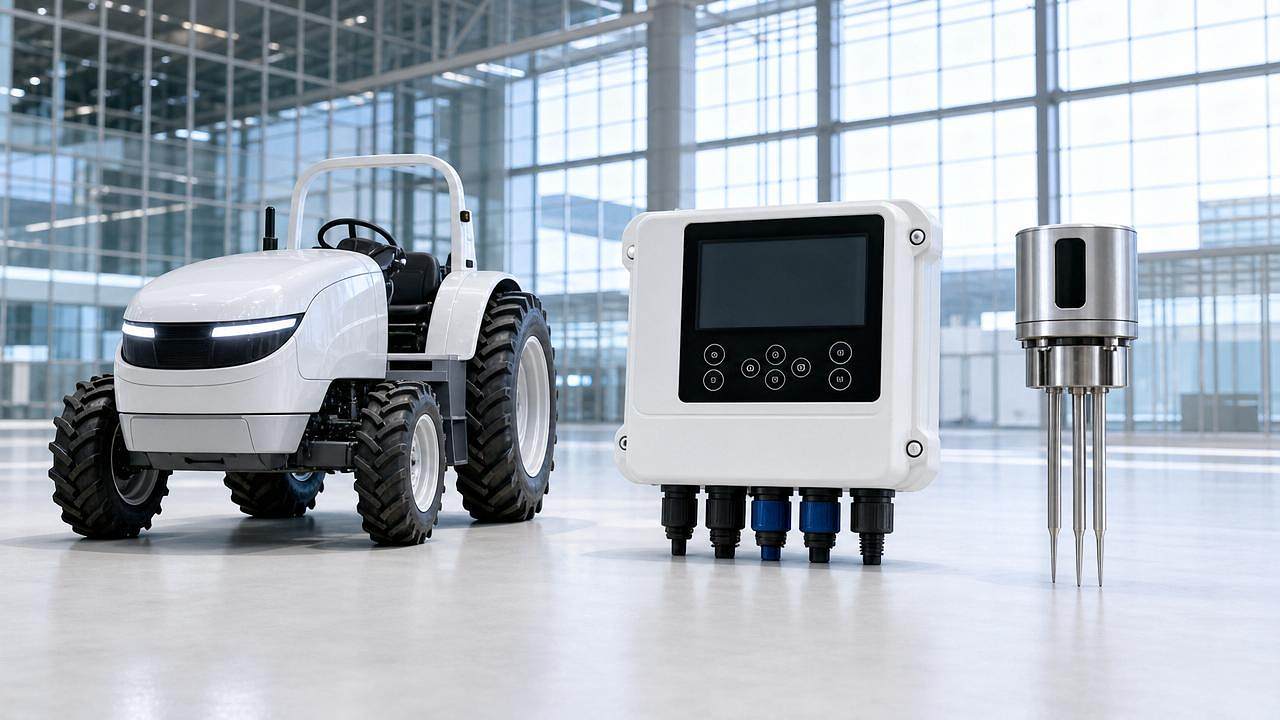




From May 1–5, 2026, the third phase of the 139th Canton Fair concluded with notable transaction activity in new energy agricultural machinery and smart irrigation systems — including electric tractors, intelligent irrigation controllers, and soil moisture sensing terminals. This development signals growing international demand for low-carbon, digitally enabled farm equipment, particularly among buyers from Belt and Road Initiative (BRI) countries, which accounted for 45.3% of the 250,000 overseas buyers. The event’s AI-powered matching system facilitated over 120,000 supplier–buyer connections for such products, while its online platform recorded more than 100 million visits.
Event Overview
The third phase of the 139th Canton Fair took place from May 1 to May 5, 2026. While officially themed around consumer electronics and home & gift products, transaction data revealed strong commercial traction for new energy tractors, smart irrigation controllers, and soil moisture sensing terminals. A total of 250,000 overseas buyers attended, with 45.3% originating from Belt and Road Initiative countries. The fair’s AI-based matchmaking system generated over 120,000 supply–demand matches specifically for agricultural machinery and irrigation equipment. Online platform traffic exceeded 100 million visits.
Industries Affected
Export-Oriented Trading Enterprises
These enterprises are directly exposed to shifting buyer composition and product demand. The 45.3% share of BRI buyers indicates a structural shift toward emerging markets where regulatory frameworks, after-sales infrastructure, and technical support expectations differ significantly from traditional export destinations. Impact manifests in longer sales cycles, higher pre-shipment technical documentation requirements, and increased need for localized service partnerships.
Manufacturers of Agricultural Machinery & Irrigation Equipment
Manufacturers face intensified pressure to align product specifications — especially on battery compatibility, voltage standards, connectivity protocols (e.g., LoRaWAN vs. NB-IoT), and multilingual UI — with regional deployment conditions. The high volume of AI-matched transactions reflects demand for interoperable, modular, and field-deployable hardware; this affects R&D prioritization and certification timelines.
Supply Chain Service Providers (Logistics, Certification, Localization)
Service providers must adapt to fragmented regulatory landscapes across BRI countries — for example, varying CE-equivalent certification pathways, customs tariff codes for hybrid vs. fully electric units, and language-specific labeling mandates. The 120,000+ AI-matched deals imply rising demand for bundled services: pre-shipment compliance verification, on-ground technical training delivery, and post-installation remote diagnostics support.
What Relevant Enterprises or Practitioners Should Focus On and How to Respond Now
Monitor official updates on BRI-related trade facilitation mechanisms
Analysis shows that national-level trade agreements under the BRI framework increasingly include annexes on mutual recognition of agricultural equipment testing reports. Enterprises should track announcements from China’s Ministry of Commerce and partner country customs authorities — not as policy forecasts, but as triggers for internal readiness assessments on certification harmonization.
Validate demand signals against actual shipment data, not just match counts
Observably, the 120,000+ AI matches reflect intent, not confirmed orders. Enterprises should cross-reference these figures with real-time customs export declarations (e.g., via China’s Single Window system) for similar HS codes — especially 8701.20 (electric tractors) and 8424.89 (smart irrigation nozzles/controllers) — to distinguish market interest from execution capacity.
Prepare for tiered technical support configurations by region
Current more actionable insight is that BRI procurement delegations increasingly request localized technical documentation (e.g., Arabic/French/Portuguese operation manuals) and offline firmware update capabilities — due to limited stable connectivity in rural deployment zones. Firms should pilot lightweight, offline-capable diagnostic tools and modular translation kits before scaling regional rollout.
Assess inventory and production planning against lead-time volatility
From industry perspective, the surge in matched deals correlates with observed delays in battery module imports and microcontroller unit (MCU) allocations — both critical components for new energy tractors and smart controllers. Enterprises should stress-test current safety stock levels against 90-day lead-time scenarios for key electronic subassemblies, rather than relying solely on historical averages.
Editorial Perspective / Industry Observation
This outcome is better understood as an early-stage demand signal — not yet a consolidated market shift. Analysis shows that while BRI buyer share exceeded 45%, average order size per transaction remained below 60% of the global average, suggesting price sensitivity and phased adoption. The AI matching volume reflects algorithmic exposure, not necessarily finalized contracts; sustained growth will depend less on exhibition participation and more on verifiable field performance data, spare parts availability, and local technician certification programs. Industry observers note that the real inflection point will be when >30% of matched deals convert into repeat orders within 12 months — a metric yet to be disclosed by fair organizers.
Conclusion: The 139th Canton Fair’s third phase does not confirm a wholesale pivot in global agri-tech trade, but it does validate that emerging-market procurement priorities are now structurally aligned with decarbonization and digitalization. For stakeholders, this is best interpreted not as a trend to follow, but as a regional capability gap to measure — and address — through localized engineering, compliance, and service infrastructure.
Source: Official press release from China Foreign Trade Centre (CFTEC), May 5, 2026. Data on buyer nationality breakdown, AI match volume, and online platform traffic were publicly reported. Conversion rates, order value distribution, and repeat-purchase metrics remain unreported and require ongoing monitoring.
Related News
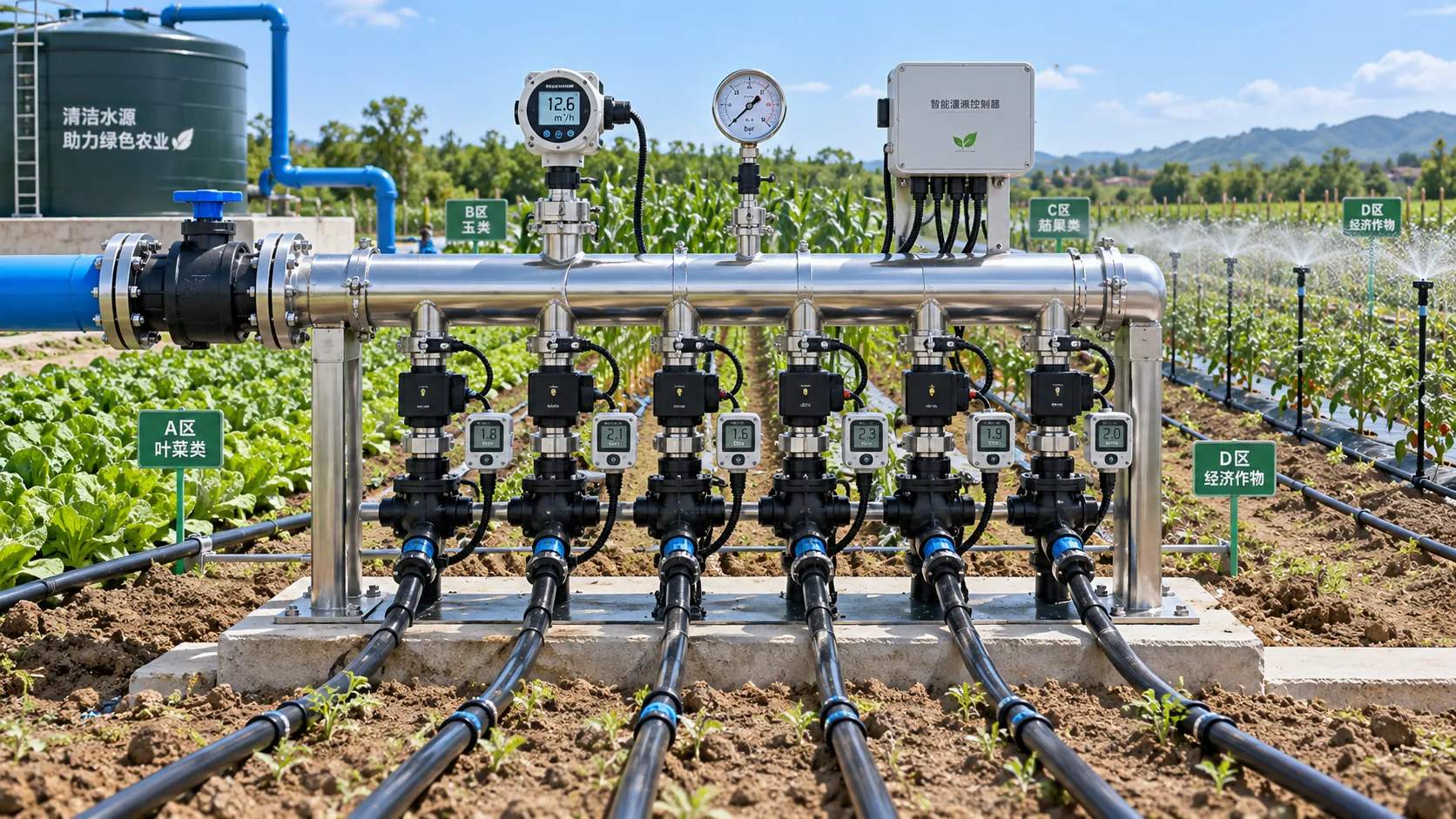
How to Select Smart Irrigation Valves for Multi-Zone Water Management?
Intelligent irrigation systems valves: learn how to match smart valves with multi-zone flow, pressure, control, feedback, and communication needs for reliable water management.
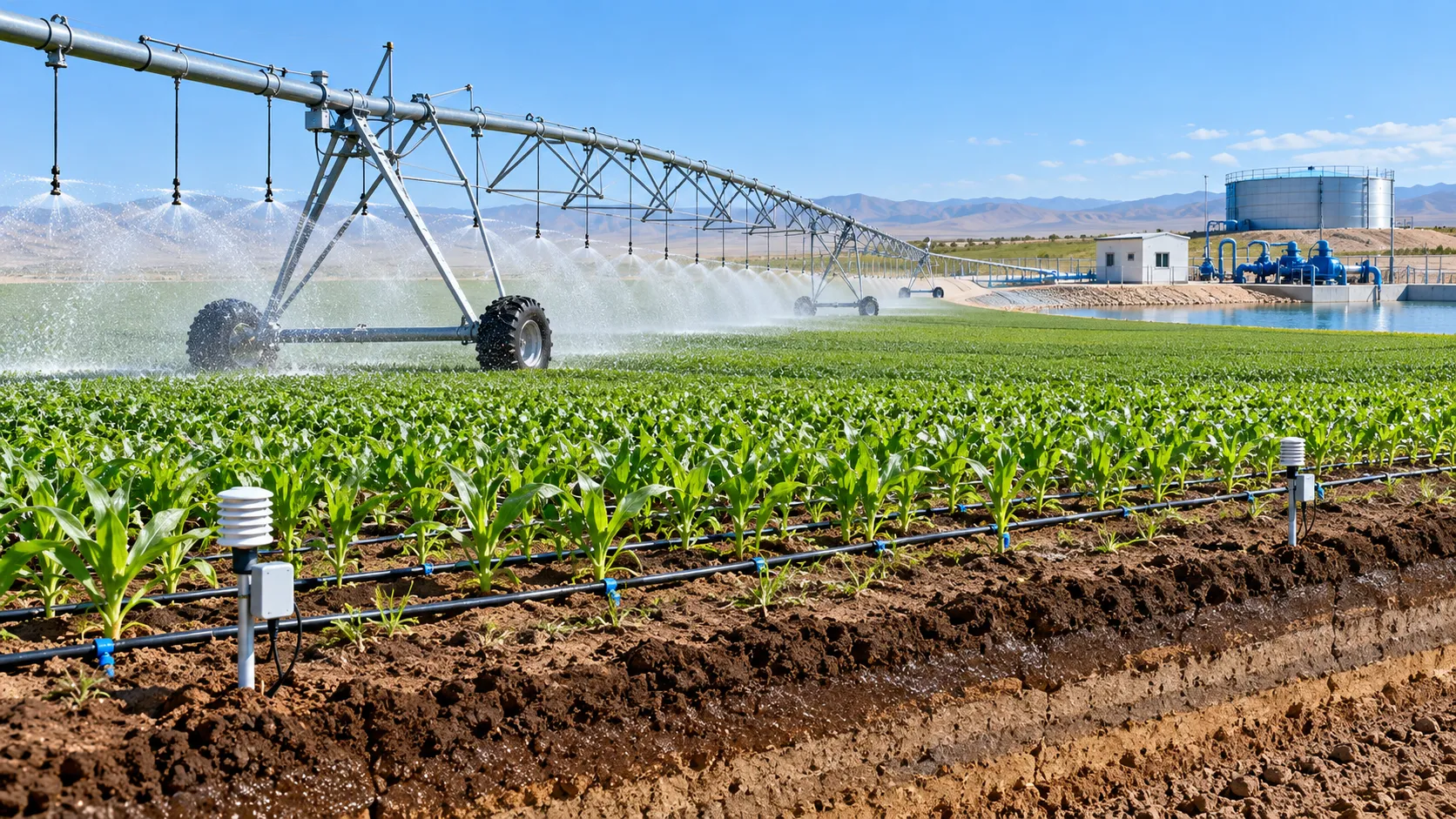
Climate-Smart Farming for Drought: A Practical Plan for Protecting Yields
Climate-smart farming for drought: build smarter water budgets, protect critical crop stages, improve irrigation uniformity, and safeguard yields with practical field-proven strategies.
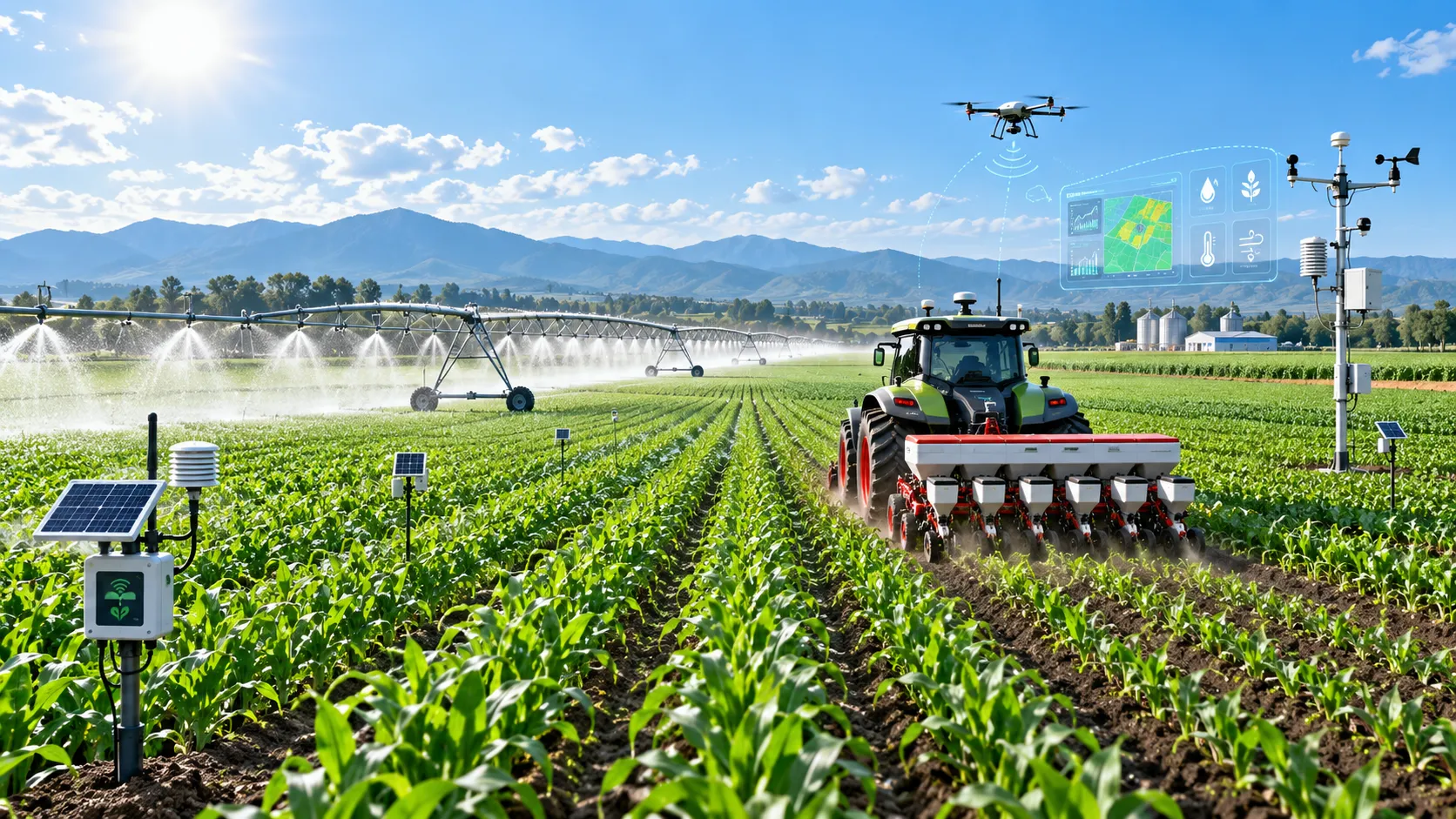
How Digital Agriculture Platforms Turn Field Data Into Better Input Decisions
Digital agriculture platforms turn field data into smarter fertilizer, water, seed, and equipment decisions—helping farms cut risk, improve margins, and scale sustainability.
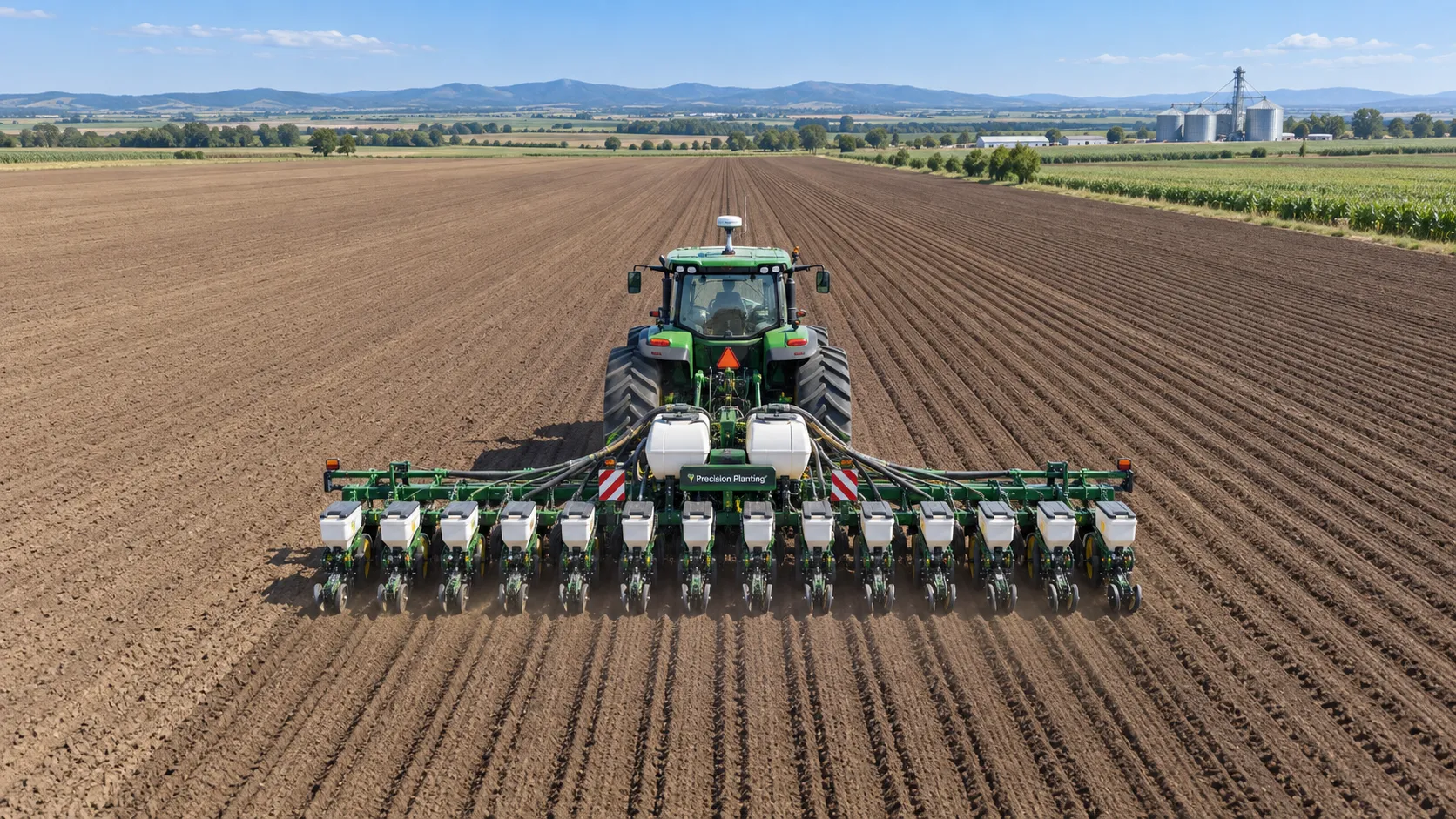
GPS-Guided Farm Machinery: Where It Delivers Measurable Field Efficiency Gains
Agri-mechanization GPS guided systems deliver measurable field efficiency gains through reduced overlap, precise planting, smarter inputs, and reliable farm data.
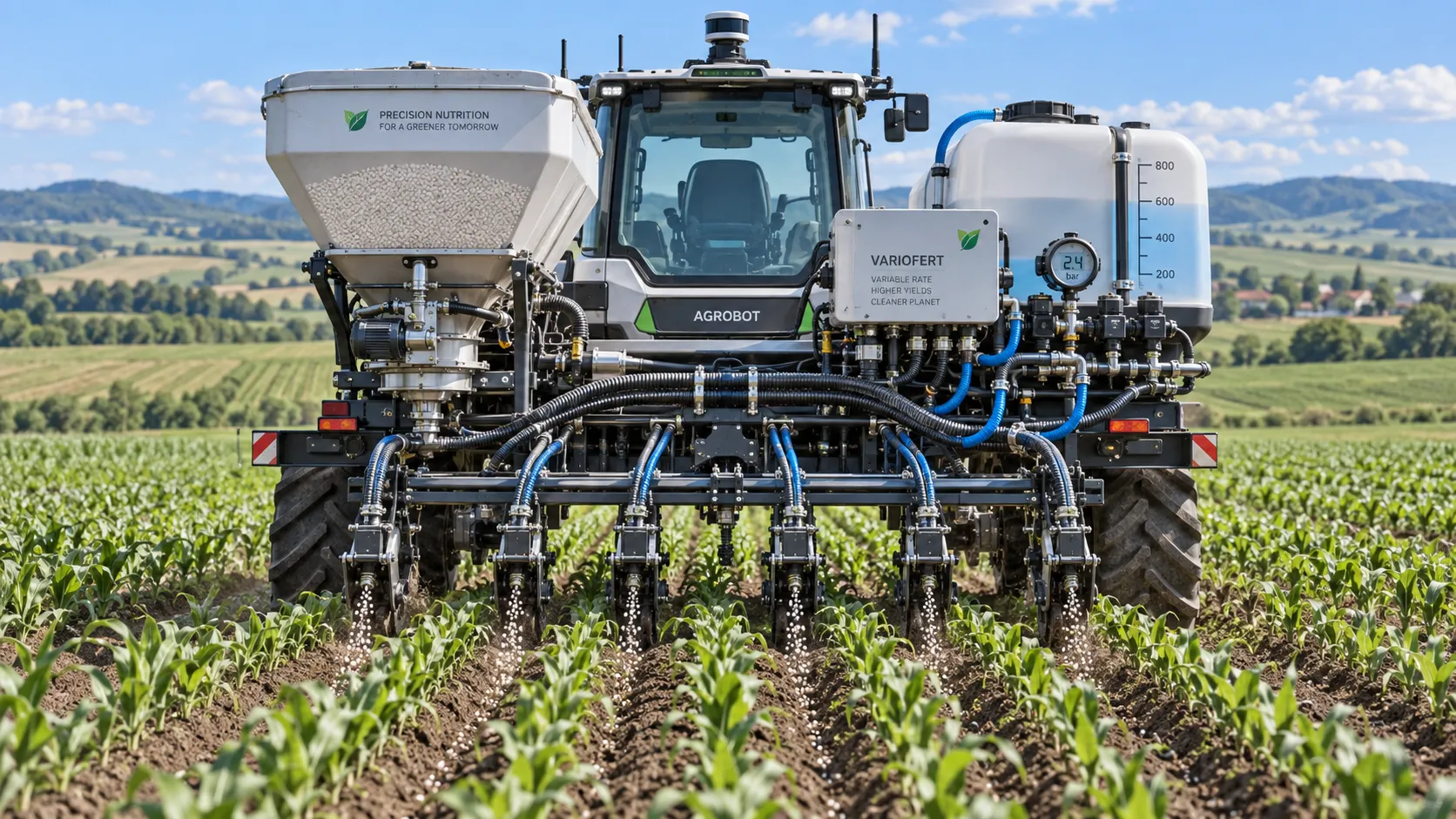
How Sensor Feedback Enables Accurate Variable-Rate Fertilization in Field Conditions
Precision fertilization systems with sensor feedback improve variable-rate accuracy by verifying flow, managing latency, and ensuring reliable field application.

How to Select Precision Crop Protection Equipment for Variable Field Conditions
Precision crop protection equipment selection made simple: compare terrain, canopy, weather, control accuracy, and data workflows for reliable applications.
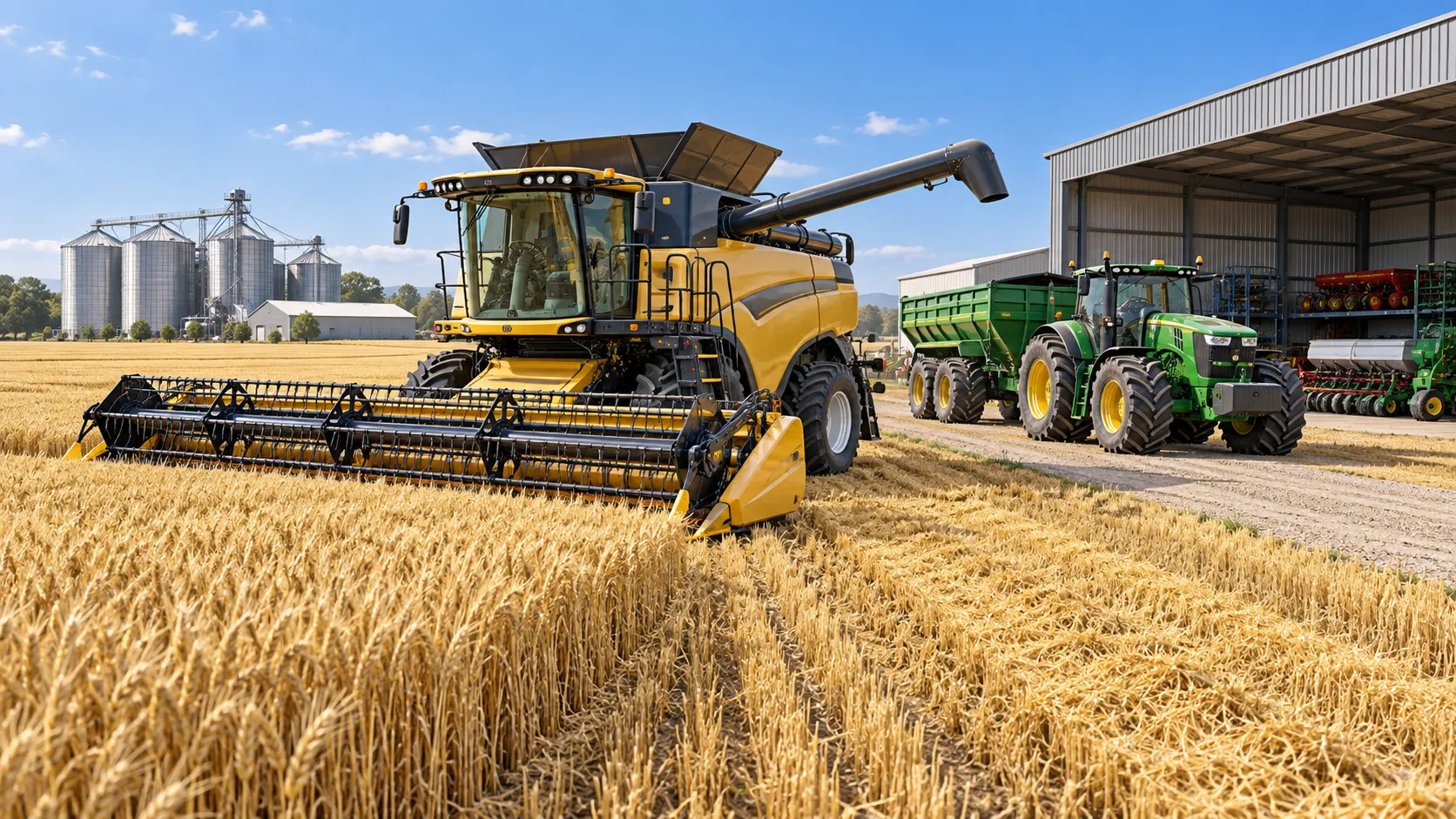
When Does Agricultural Machinery Leasing Cost Less Than Owning Equipment?
Agricultural machinery leasing can lower farm costs when use is seasonal or uncertain. Compare utilization, maintenance, cash flow, and risk to make a smarter equipment decision.
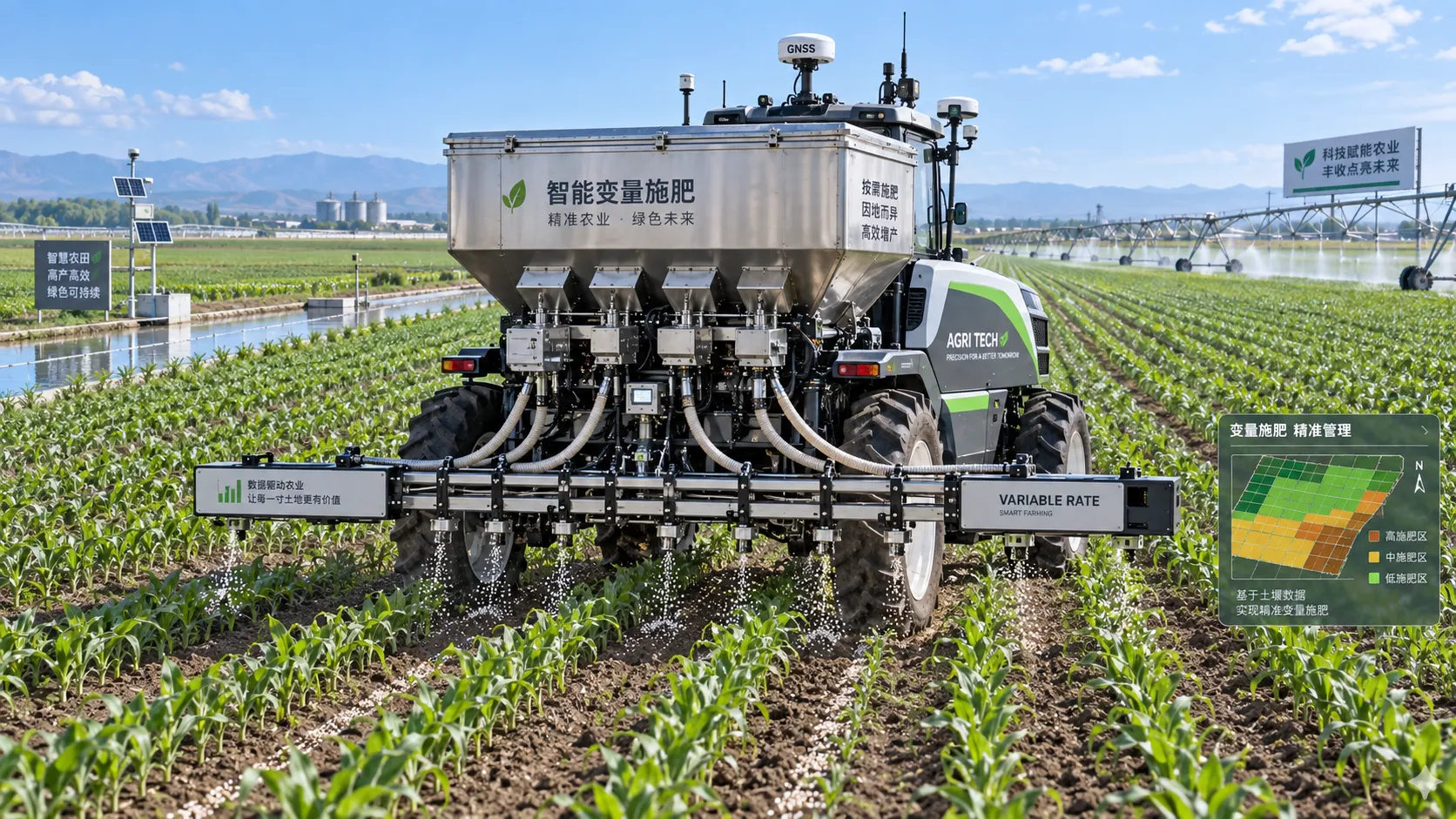
How to Evaluate Precision Fertilization System Suppliers for Farm-Scale Deployment
Precision fertilization systems suppliers: learn how to compare accuracy, integration, uptime, service, and total cost for confident farm-scale deployment.
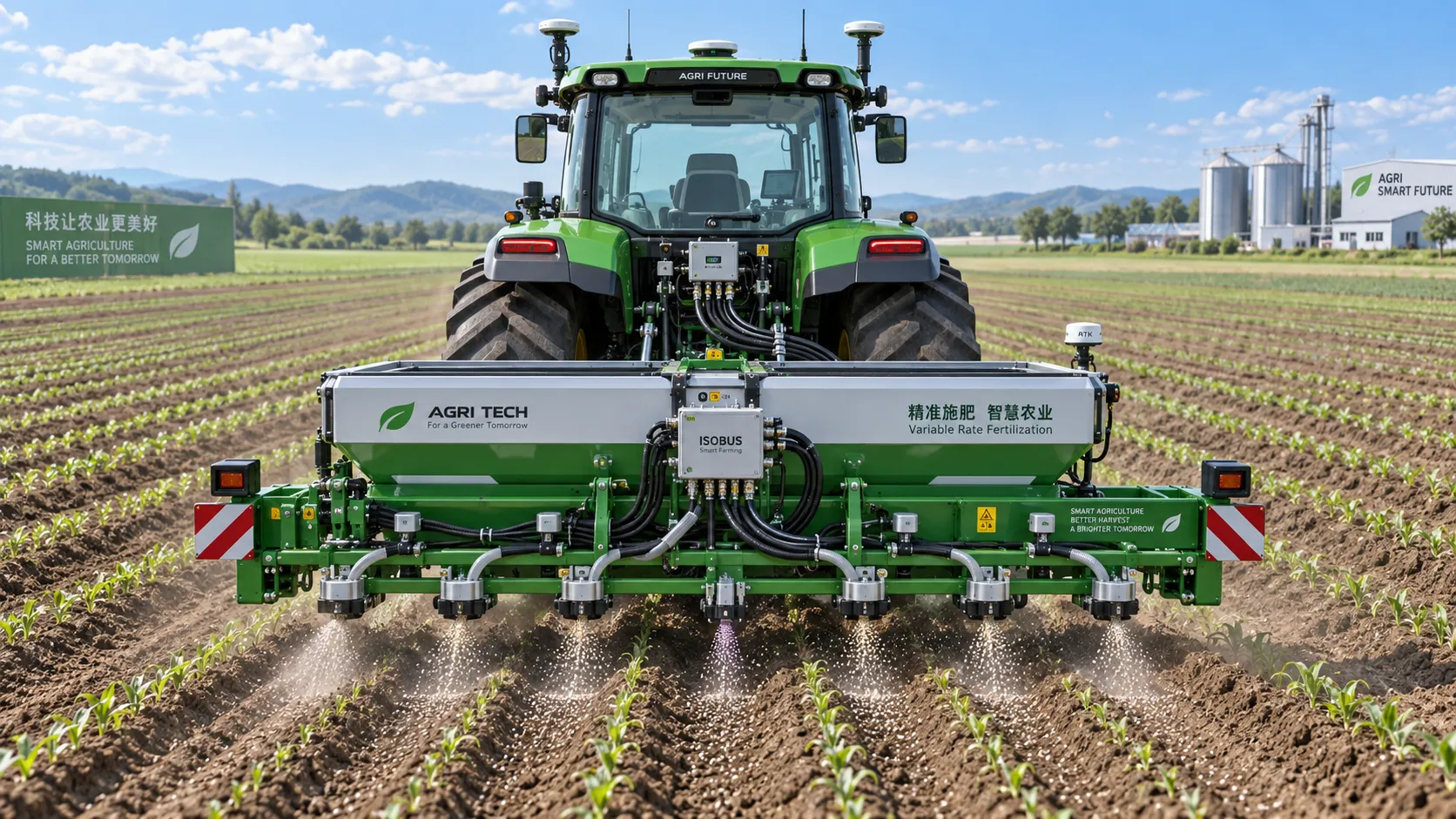
ISOBUS for Smart Agriculture: How It Connects Tractors, Implements, and Farm Data
ISOBUS for smart agriculture connects tractors, implements, terminals, and farm data—helping growers improve precision, documentation, and smarter field decisions.
Related News
- 00
0000-00
How Digital Agriculture Platforms Turn Field Data Into Better Input Decisions - 00
0000-00
When Does Agricultural Machinery Leasing Cost Less Than Owning Equipment? - 00
0000-00
Selecting Grain Farm Equipment by Acreage, Crop Mix, and Harvest Window - 00
0000-00
Poultry Equipment Selection: Evaluating Durability, Cleaning, and Compatibility - 00
0000-00
How to Select Heavy-Duty Farm Implements for High-Acreage, High-Horsepower Operations
Popular Tags
Ms. Elena Rodriguez
Weekly Insights
Stay ahead with our curated technology reports delivered every Monday.