
China-US Aircraft Procurement Deal Boosts High-Value Agricultural Equipment Exports
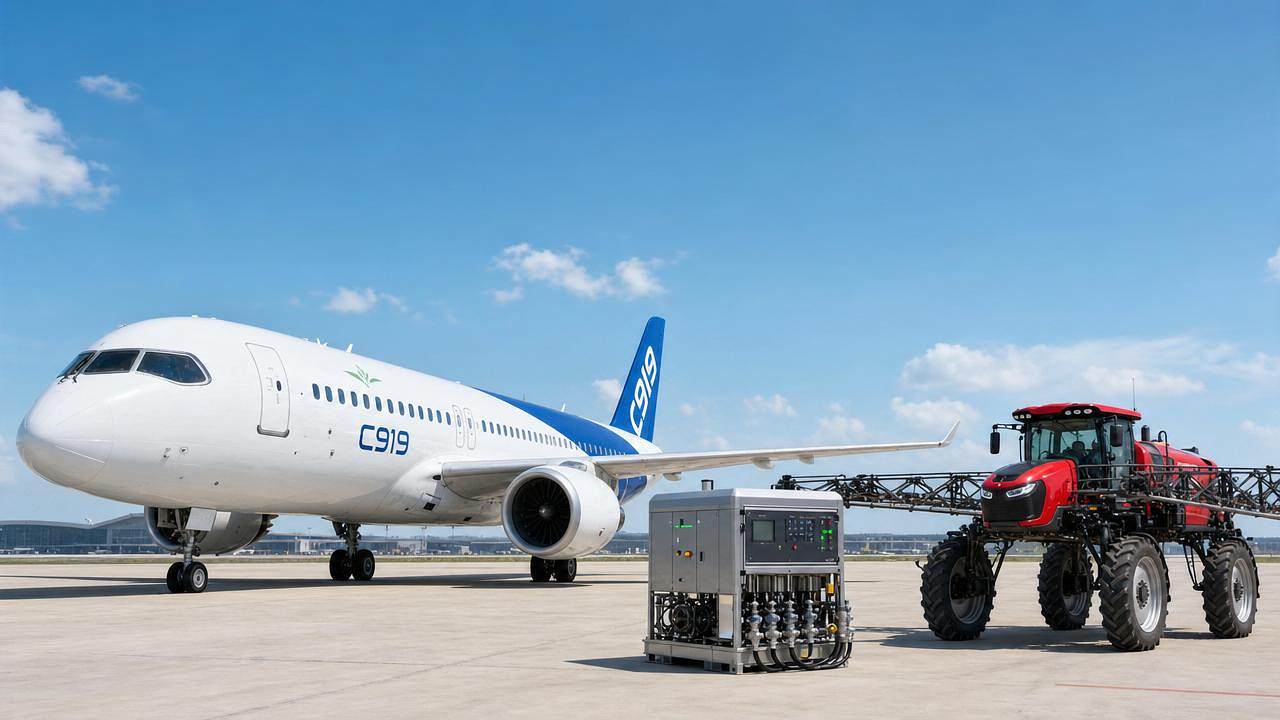




On May 14, 2026, China and the United States reached an arrangement on aircraft procurement and engine/parts supply for the COMAC C919 passenger aircraft. This development is particularly relevant for exporters of high-value, time-sensitive agricultural machinery—such as intelligent irrigation control systems and large self-propelled sprayers—targeting North American and European markets.
Event Overview
On May 14, 2026, the China–U.S. economic and trade consultations yielded a confirmed outcome: an agreement was reached regarding China’s procurement of aircraft from the U.S., alongside U.S. commitments to ensure continued supply of aircraft engines and related components to China. No further operational details—including delivery timelines, volume, or specific engine models—have been publicly disclosed.
Industries Affected
Direct Exporters of High-Value Agricultural Machinery: These include manufacturers and traders of premium farm equipment priced above USD 500,000 per unit—e.g., centralized smart irrigation control hubs and autonomous boom sprayers. The agreement supports improved full-cargo aircraft capacity and schedule reliability on China–North America and China–Europe routes, directly affecting air freight feasibility for such high-unit-value, low-volume, time-sensitive goods.
Logistics & Air Freight Service Providers: Companies offering integrated air cargo solutions—including charter coordination, customs clearance for high-tech agri-equipment, and last-mile delivery in destination markets—stand to gain from increased predictability in flight frequency and transit time. However, service scalability remains contingent on actual fleet deployment and regulatory alignment.
After-Sales Support & Technical Service Networks: Exporters maintaining overseas technical teams or spare parts depots may experience reduced lead times for urgent component shipments (e.g., control modules, precision sensors), improving responsiveness to field failures—but only if air cargo utilization increases meaningfully.
What Relevant Enterprises or Practitioners Should Focus On and How to Respond
Monitor official implementation updates—not just policy announcements
Track subsequent statements from China’s Ministry of Commerce, CAAC, and U.S. Department of Commerce. Early-stage agreements often precede phased rollout; actual cargo capacity gains will depend on certification progress, maintenance infrastructure readiness, and bilateral air transport agreements—not just purchase intent.
Assess air-freight viability for priority product lines and target markets
For exporters evaluating shipment modes, compare landed cost and delivery window consistency for units valued over USD 500,000—especially for North American customers requiring rapid commissioning or seasonal deployment. Prioritize products where air freight reduces total cycle time by ≥7 days versus sea+road alternatives.
Distinguish between supply assurance for aviation components and broader export logistics improvements
The agreement explicitly covers engines and parts for the C919—not general cargo aircraft availability. Any resulting uplift in freight capacity will be indirect and gradual. Do not assume immediate expansion of dedicated agricultural equipment air lanes or tariff adjustments.
Prepare documentation and compliance protocols for high-tech agri-equipment air shipments
Anticipate heightened scrutiny on dual-use technology controls (e.g., GPS-guided autonomy, embedded AI modules). Review export classification (ECCN) status and ensure air waybill, packing lists, and technical data sheets align with IATA and destination-country import requirements well ahead of first scheduled air consignments.
Editorial Perspective / Industry Observation
Observably, this agreement functions primarily as a diplomatic and logistical signal—not an immediate operational enabler. While it confirms renewed cooperation on aerospace trade, its tangible impact on agricultural equipment exporters hinges on downstream execution: aircraft delivery schedules, cargo conversion plans, and customs facilitation at key hubs (e.g., PVG, PEK, ORD, FRA). Analysis shows that air freight cost per kilogram remains significantly higher than ocean for most agri-machinery; therefore, the real value lies not in broad-based substitution but in enabling niche, high-margin, time-bound deliveries. From an industry perspective, this is better understood as a foundational step toward more resilient transcontinental logistics—not a near-term shift in shipping norms.
This development does not alter existing export licensing frameworks, nor does it imply changes to U.S. Entity List restrictions applicable to certain Chinese agricultural tech firms. Continued observation is warranted for any follow-up MOUs covering cargo aircraft leasing, maintenance partnerships, or joint certification pathways.
Conclusion: The May 14, 2026 arrangement marks a coordinated step to stabilize a critical segment of transpacific aviation supply chains. For high-value agricultural equipment exporters, its significance lies in enhanced predictability—not immediate capacity. It is more accurately interpreted as a structural enabler under development, rather than a realized logistics upgrade. Stakeholders are advised to treat it as a medium-term planning input, not a short-term operational trigger.
Source Disclosure:
Primary source: Official joint statement released by China’s Ministry of Commerce and the U.S. Trade Representative’s Office on May 14, 2026.
Note: Implementation timeline, aircraft delivery volumes, and cargo-specific operational details remain unconfirmed and subject to ongoing observation.
Related News
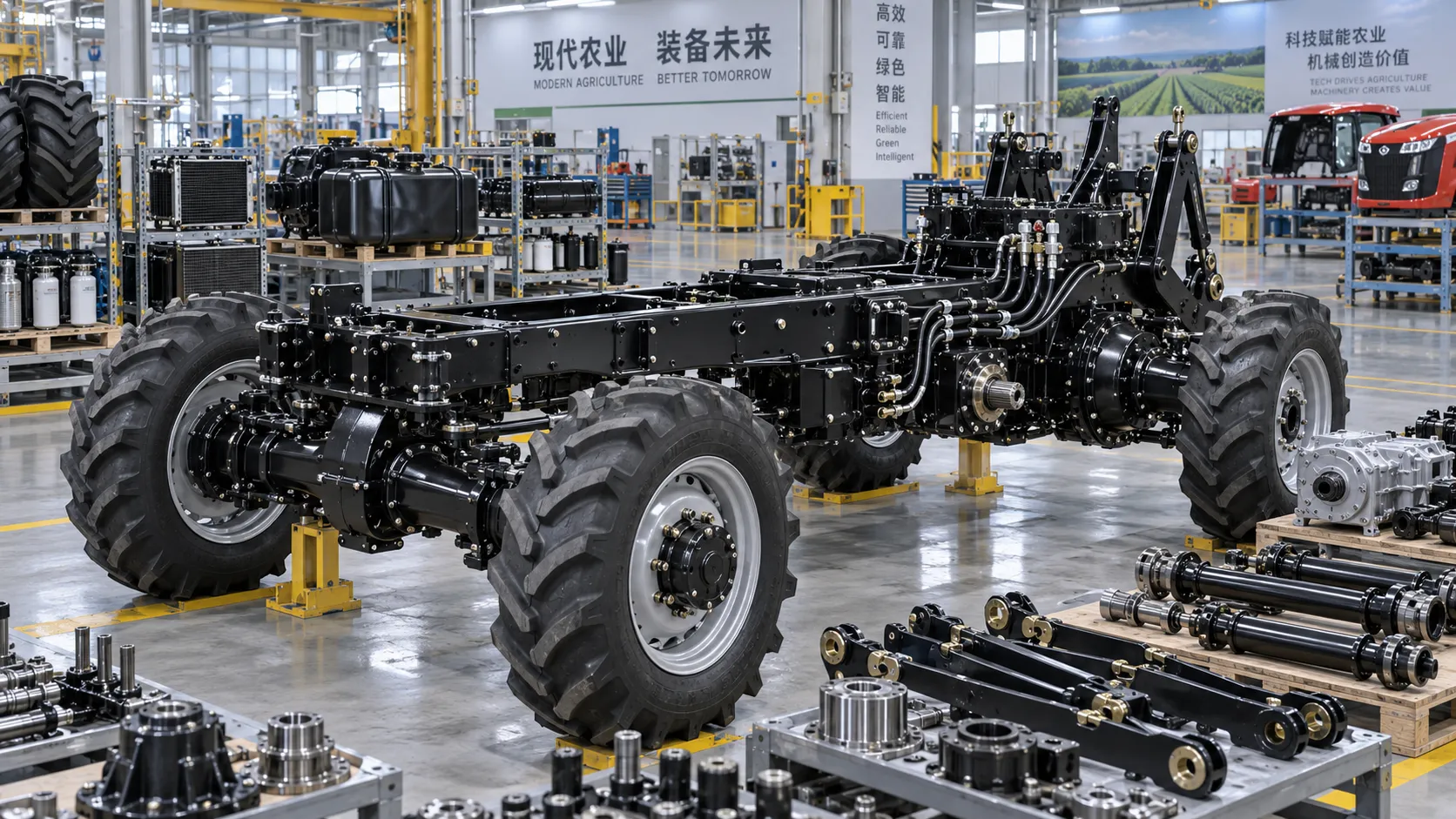
Tractor Chassis Price: What Buyers Should Compare Beyond the Initial Quote
Tractor chassis price is only the start. Compare load capacity, compatibility, durability, and lifecycle costs to choose a reliable, high-value chassis.
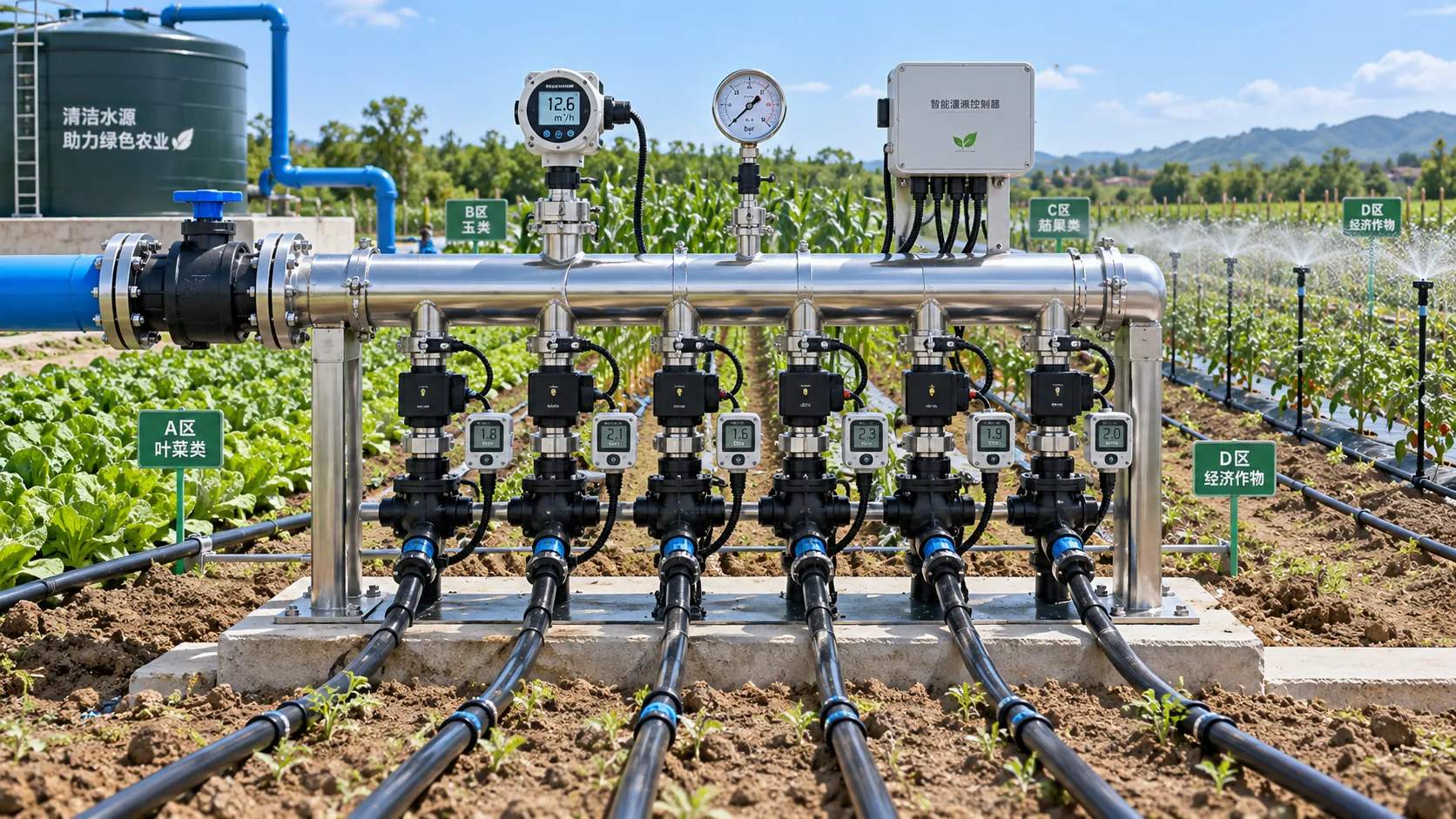
How to Select Smart Irrigation Valves for Multi-Zone Water Management?
Intelligent irrigation systems valves: learn how to match smart valves with multi-zone flow, pressure, control, feedback, and communication needs for reliable water management.

Climate-Smart Farming for Drought: A Practical Plan for Protecting Yields
Climate-smart farming for drought: build smarter water budgets, protect critical crop stages, improve irrigation uniformity, and safeguard yields with practical field-proven strategies.
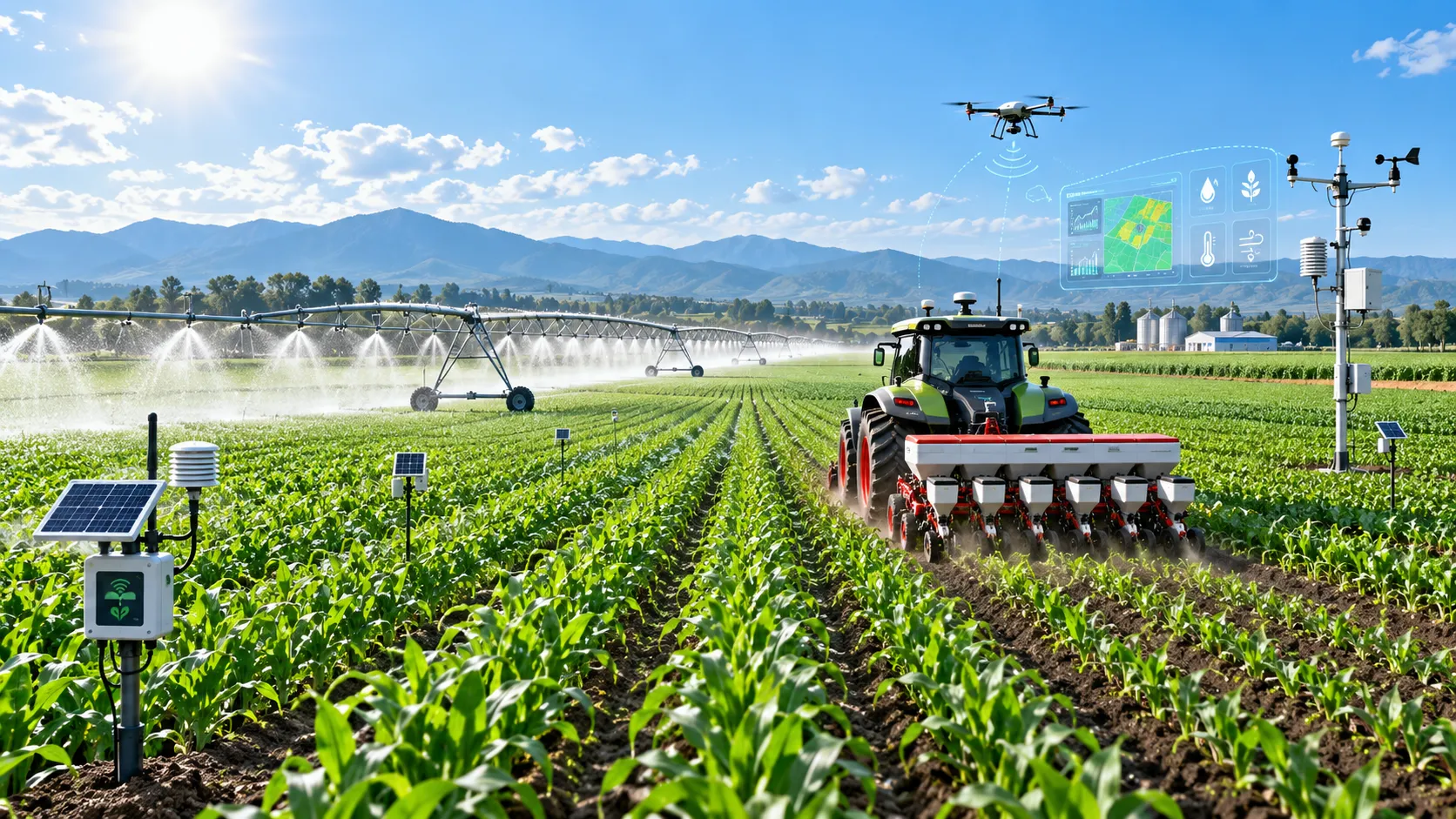
How Digital Agriculture Platforms Turn Field Data Into Better Input Decisions
Digital agriculture platforms turn field data into smarter fertilizer, water, seed, and equipment decisions—helping farms cut risk, improve margins, and scale sustainability.
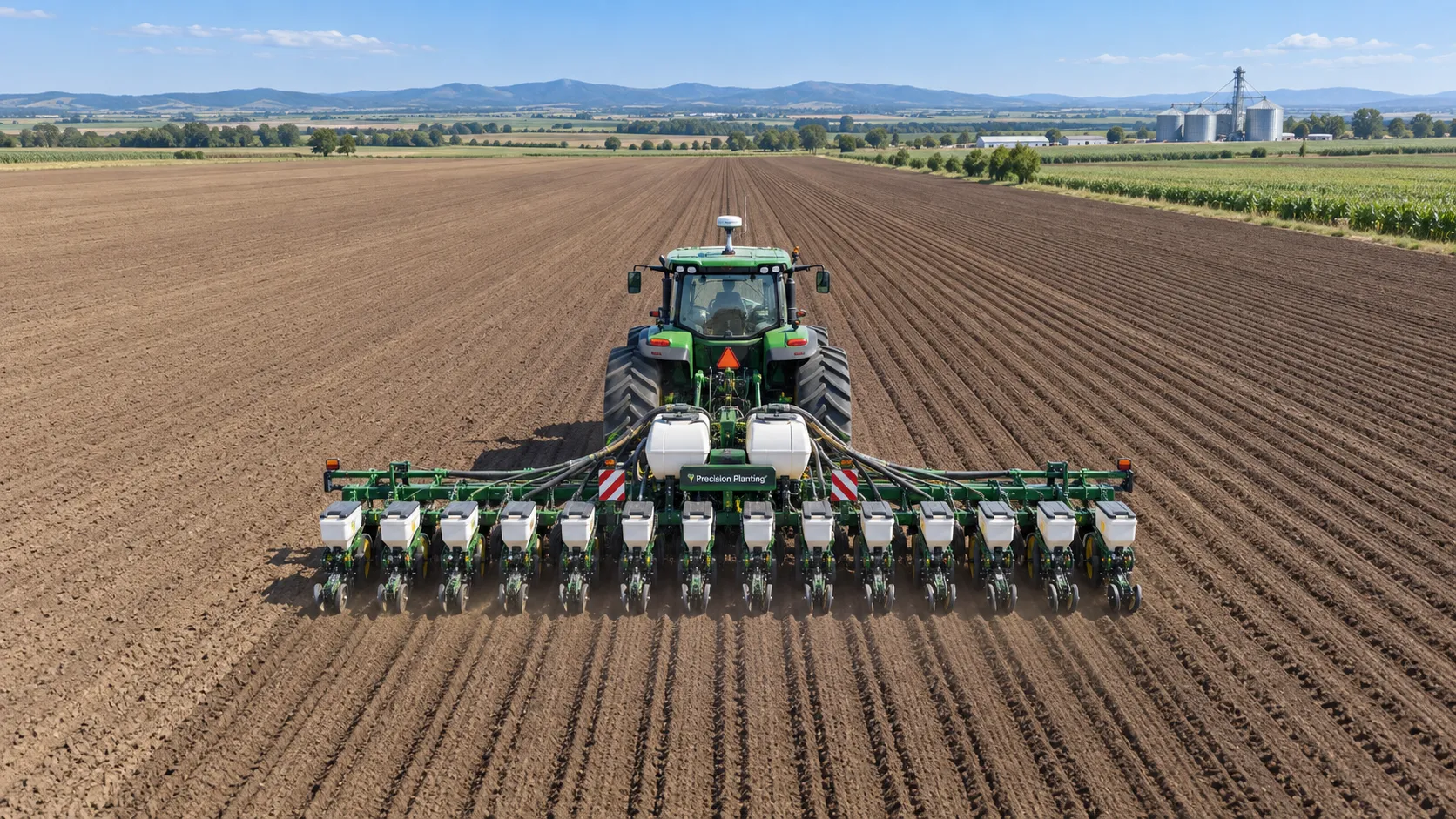
GPS-Guided Farm Machinery: Where It Delivers Measurable Field Efficiency Gains
Agri-mechanization GPS guided systems deliver measurable field efficiency gains through reduced overlap, precise planting, smarter inputs, and reliable farm data.
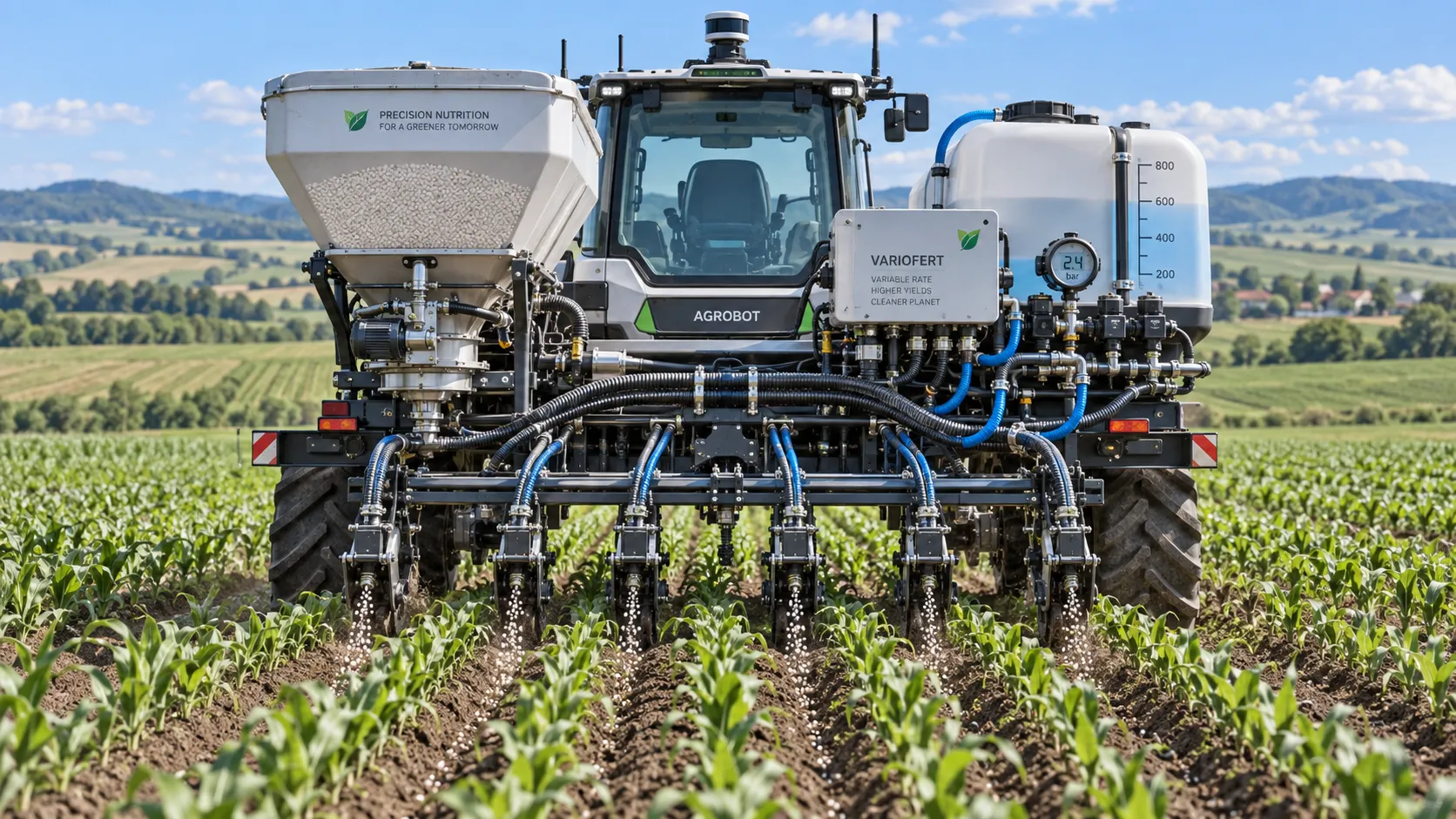
How Sensor Feedback Enables Accurate Variable-Rate Fertilization in Field Conditions
Precision fertilization systems with sensor feedback improve variable-rate accuracy by verifying flow, managing latency, and ensuring reliable field application.
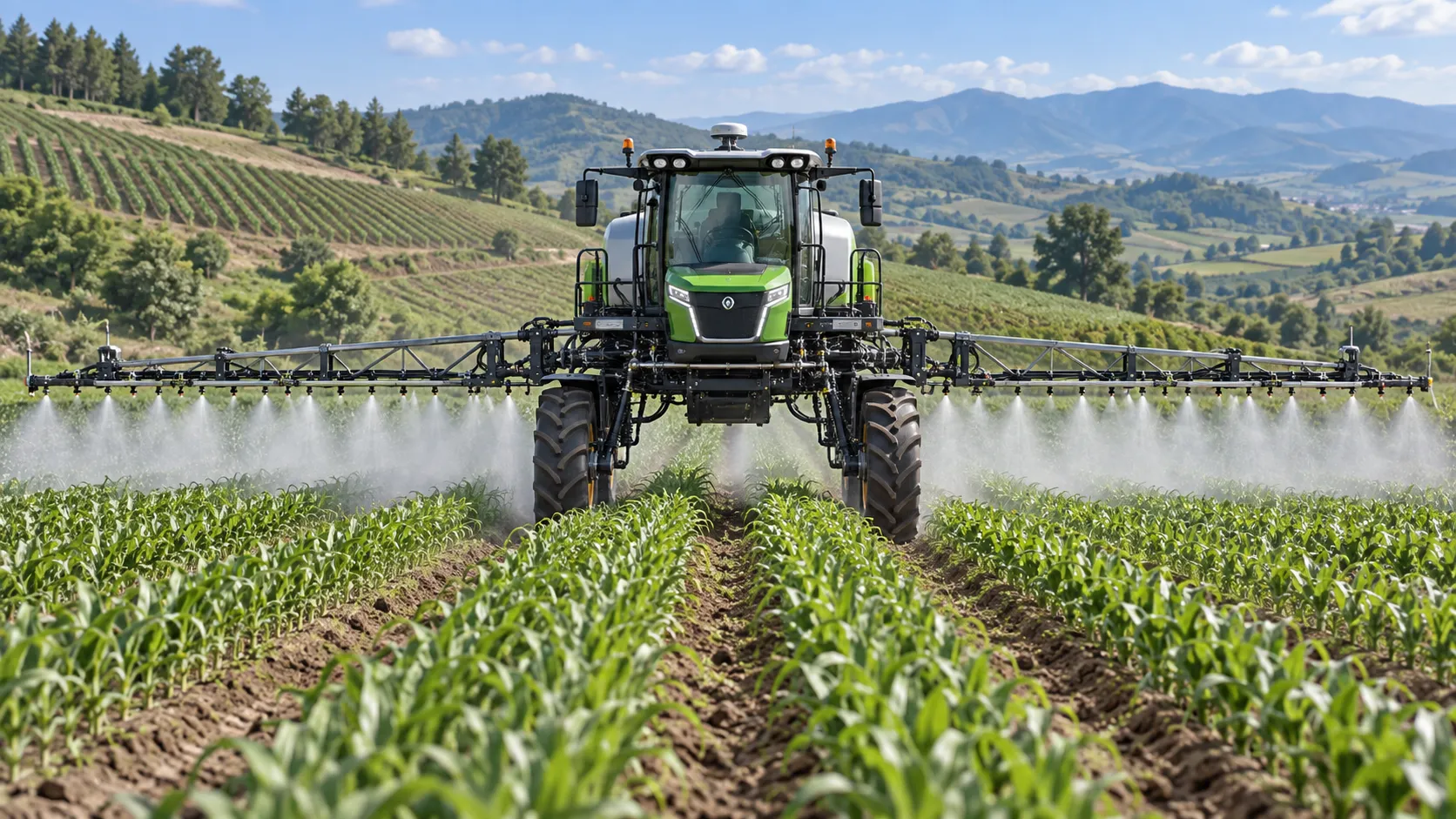
How to Select Precision Crop Protection Equipment for Variable Field Conditions
Precision crop protection equipment selection made simple: compare terrain, canopy, weather, control accuracy, and data workflows for reliable applications.
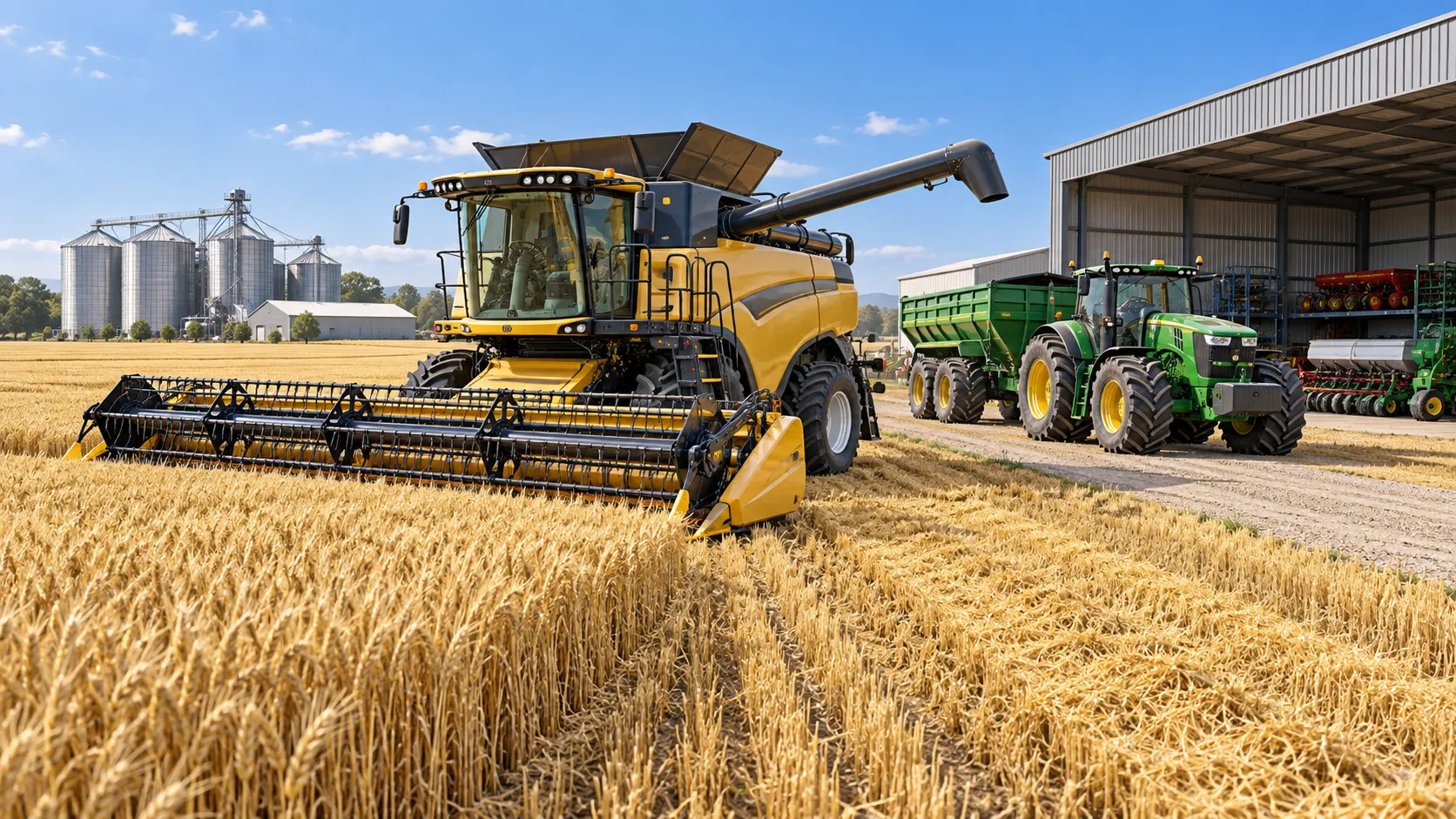
When Does Agricultural Machinery Leasing Cost Less Than Owning Equipment?
Agricultural machinery leasing can lower farm costs when use is seasonal or uncertain. Compare utilization, maintenance, cash flow, and risk to make a smarter equipment decision.
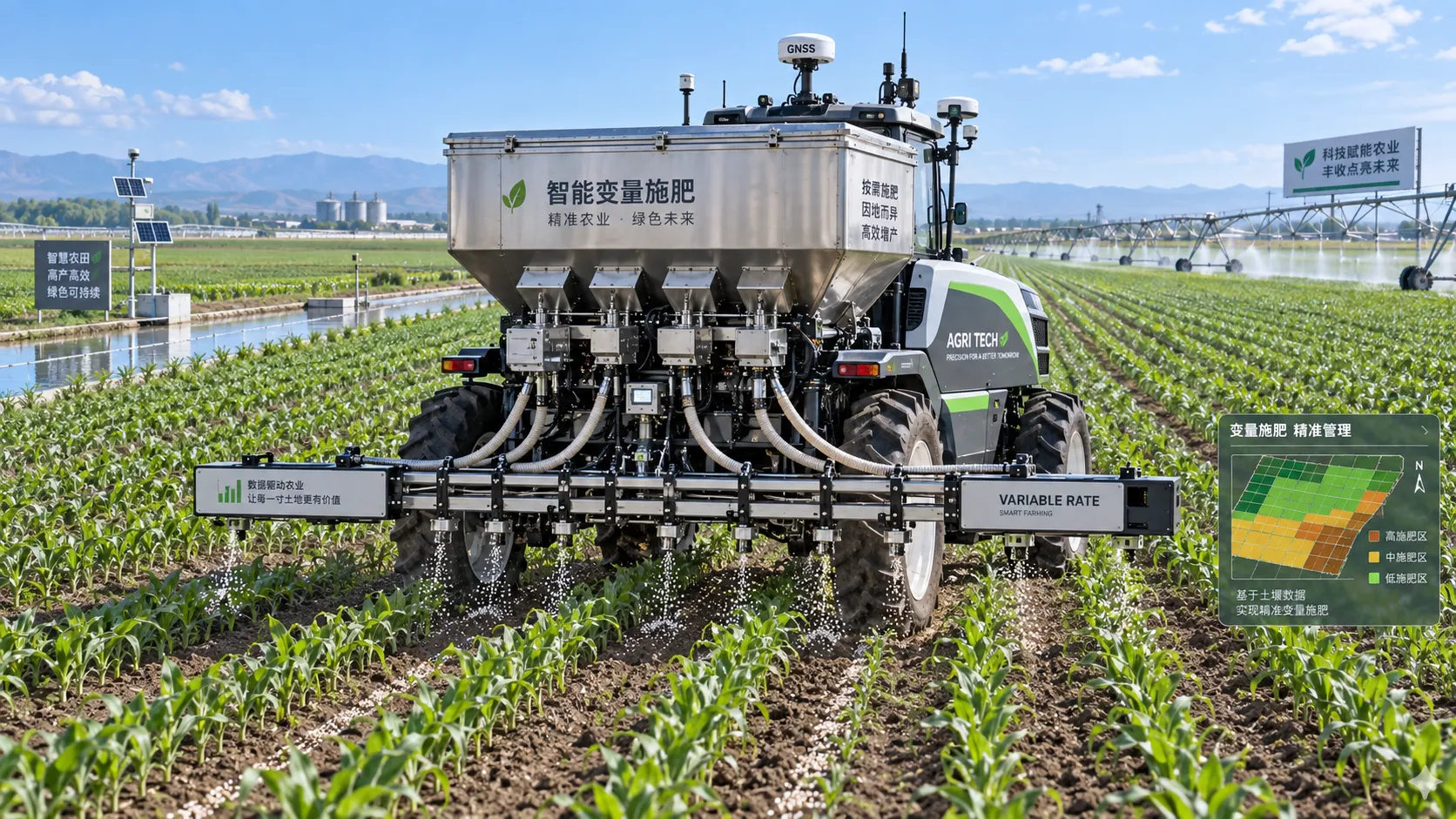
How to Evaluate Precision Fertilization System Suppliers for Farm-Scale Deployment
Precision fertilization systems suppliers: learn how to compare accuracy, integration, uptime, service, and total cost for confident farm-scale deployment.
Related News
- 00
0000-00
Tractor Chassis Price: What Buyers Should Compare Beyond the Initial Quote - 00
0000-00
How Digital Agriculture Platforms Turn Field Data Into Better Input Decisions - 00
0000-00
When Does Agricultural Machinery Leasing Cost Less Than Owning Equipment? - 00
0000-00
Selecting Grain Farm Equipment by Acreage, Crop Mix, and Harvest Window - 00
0000-00
Poultry Equipment Selection: Evaluating Durability, Cleaning, and Compatibility
Popular Tags
Ms. Elena Rodriguez
Weekly Insights
Stay ahead with our curated technology reports delivered every Monday.