
Are farm machinery innovations worth the higher upfront cost
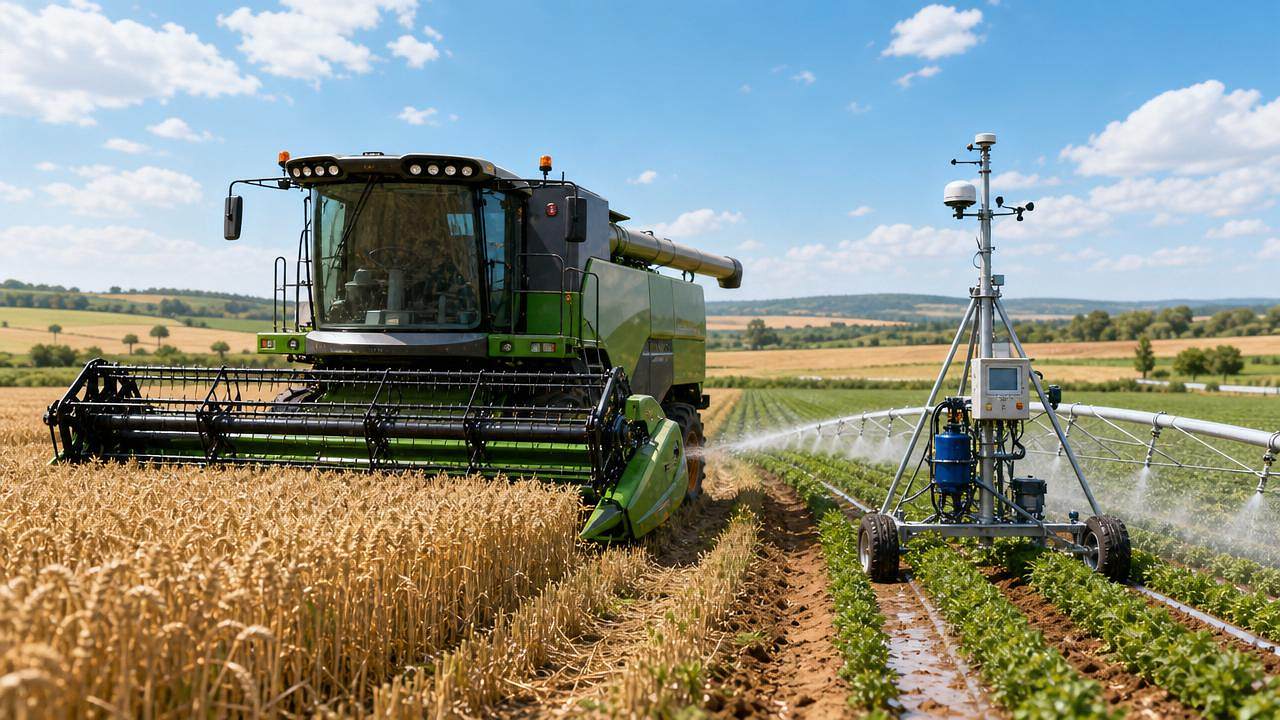




For financial approvers, the real question is not whether farm machinery innovations look impressive, but whether they can deliver measurable returns fast enough to justify the higher upfront cost. From lower fuel use and labor savings to better harvesting accuracy and water efficiency, the right upgrade can reshape long-term profitability. This article examines how to evaluate investment value with greater confidence.
Why the value of farm machinery innovations changes by operating scenario
Not every upgrade creates the same return in every field, climate, or cropping system. That is why farm machinery innovations must be judged within real operating conditions.
A high-capacity combine may pay back quickly during narrow harvest windows. The same machine may look overpriced where acreage is smaller and timing pressure is lower.
The same logic applies to intelligent irrigation, tractor chassis upgrades, and precision implements. Investment value depends on utilization rate, resource stress, labor availability, and crop sensitivity.
AP-Strategy tracks these patterns across large-scale mechanization, combine harvesting technology, intelligent farm tools, and water-saving systems. The strongest decisions connect hardware performance with operational realities.
The main cost question is not price alone
The higher upfront cost of farm machinery innovations often includes software, sensors, automation, and efficiency engineering. These features matter only when they improve outcomes that can be measured.
- Fuel consumption per hectare
- Labor hours per operation cycle
- Harvest loss and grain quality retention
- Water use efficiency and irrigation accuracy
- Downtime, maintenance intervals, and resale value
Scenario 1: Large-scale grain operations often justify faster adoption
In broad-acre farming, small efficiency gains multiply across hundreds or thousands of hectares. Here, farm machinery innovations can create a clear financial case in a short period.
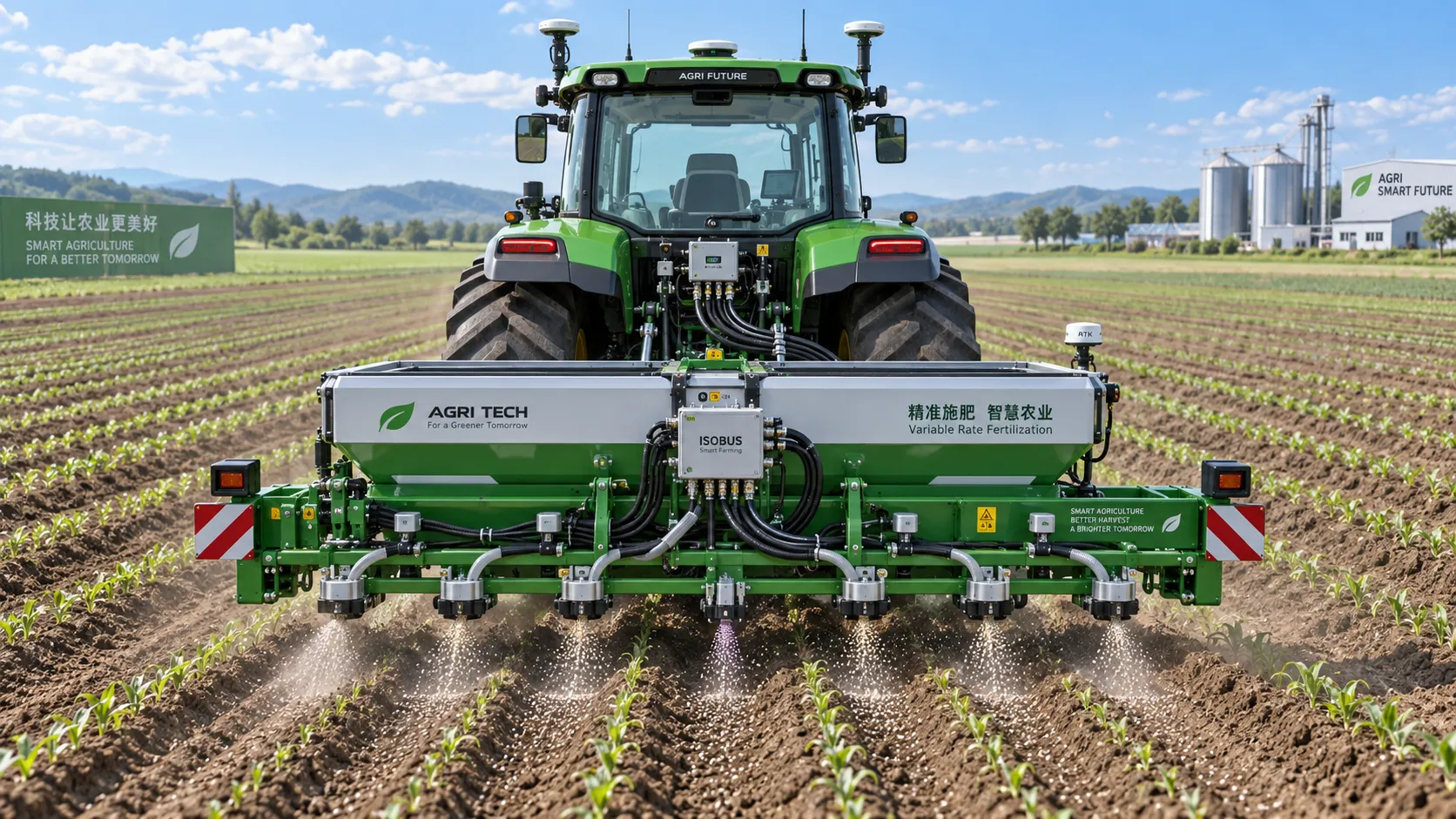
Auto-guidance, section control, and variable-rate application reduce overlap, input waste, and operator fatigue. Higher-capacity powertrains also shorten task completion time during critical windows.
Key judgment points in this scenario
Returns improve when machinery runs many hours each season. The more acres covered, the easier it becomes to absorb the premium attached to advanced systems.
This is especially true when labor is scarce, weather volatility is high, or delayed fieldwork causes measurable yield penalties. In such cases, farm machinery innovations protect revenue, not just cut costs.
Scenario 2: Harvest-sensitive crops benefit from precision combine technology
Combine harvesting is one of the clearest examples where performance upgrades can offset a higher purchase price. Small losses at harvest can erase months of production value.
Modern combines use sensor-based loss monitoring, adaptive threshing settings, and cleaning optimization. These farm machinery innovations help maintain throughput without sacrificing grain recovery.
When the premium becomes financially reasonable
The economics improve where crop value is high, field conditions vary, or harvest windows are compressed. Better automation reduces operator error and supports more consistent output.
If a machine lowers grain loss by even a small percentage, the annual savings may be significant. That is why harvest-focused farm machinery innovations deserve separate evaluation.
Scenario 3: Water-stressed regions gain more from intelligent irrigation systems
In areas facing water scarcity, pumping costs, or tightening environmental controls, irrigation upgrades can produce both financial and regulatory value.
Soil moisture sensors, remote control platforms, and predictive irrigation scheduling are farm machinery innovations that directly improve water allocation. They also reduce overwatering and energy waste.
The strongest indicators of payback
Payback tends to accelerate when water pricing is high or crop response to irrigation timing is sensitive. More precise application can improve yield uniformity and protect resource compliance.
For this scenario, farm machinery innovations should be assessed against both direct operating savings and long-term sustainability risk reduction.
Scenario 4: Mixed or smaller operations need selective upgrades, not full replacement
Higher upfront cost is harder to recover when annual equipment utilization is low. That does not mean innovation lacks value. It means upgrade sequencing matters more.
In these settings, modular precision tools, retrofit guidance systems, or targeted hydraulic improvements may outperform a complete machine replacement in return terms.
Selective farm machinery innovations can still cut input waste, improve operating accuracy, and extend the useful life of existing assets.
How scenario-based needs differ across farm machinery innovations
Practical ways to judge whether the higher upfront cost is worth it
A useful evaluation framework should combine direct savings, avoided losses, and strategic resilience. Short-term accounting alone may undervalue the real impact of farm machinery innovations.
Use these decision checks
- Estimate annual machine hours or hectares covered.
- Measure current fuel, labor, water, and maintenance costs.
- Calculate likely savings from precision, automation, or higher throughput.
- Add avoided losses such as delayed harvest, grain damage, or over-irrigation.
- Review software support, parts access, and operator learning demands.
- Compare expected payback under normal and stressed seasons.
This process makes farm machinery innovations easier to compare on operational merit, not marketing appeal.
Recommended adaptation paths for different investment conditions
- Choose full-platform upgrades when annual utilization is high and timing risk is costly.
- Choose precision harvest systems when crop value makes loss reduction highly bankable.
- Choose intelligent irrigation where water savings can be verified quickly.
- Choose retrofit solutions when capital discipline is tight but efficiency gaps are obvious.
- Choose staged deployment when teams need time to absorb digital workflows.
These paths help align farm machinery innovations with operational maturity, budget structure, and performance goals.
Common misjudgments that weaken returns
One frequent mistake is focusing only on sticker price. Another is assuming advanced equipment automatically creates value without enough annual use.
A second error is ignoring training, calibration, and data quality. Many farm machinery innovations depend on setup discipline to unlock their promised gains.
A third issue is underestimating compatibility. Equipment, software, hydraulics, and field data systems must work together for innovation benefits to become measurable.
Finally, some evaluations overlook strategic exposure. Climate variability, labor shortages, and water constraints can make older equipment more expensive than it first appears.
A confident next step for evaluating farm machinery innovations
The higher upfront cost is worth serious consideration when an upgrade solves a specific operational bottleneck and the gains can be measured by season, field, or crop cycle.
Start with one scenario. Define the cost pressure, the performance gap, and the target return window. Then compare solutions using real field data instead of general assumptions.
For deeper intelligence on combine harvesting technology, tractor chassis trends, precision implements, and smart irrigation economics, AP-Strategy provides decision-focused analysis grounded in Agriculture 4.0 realities.
When assessed by scenario rather than hype, farm machinery innovations often prove their value with greater clarity and less risk.
Related News
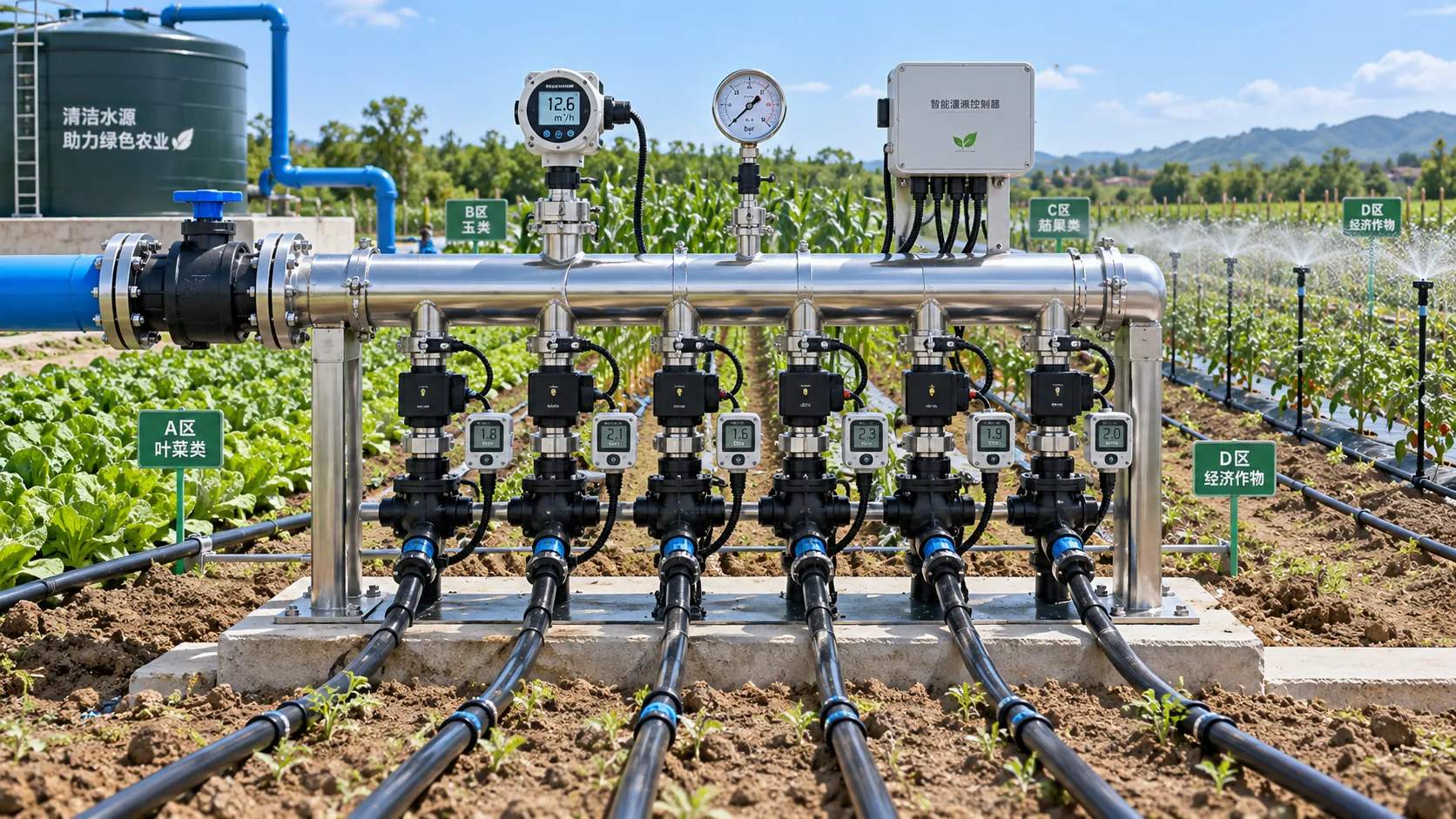
How to Select Smart Irrigation Valves for Multi-Zone Water Management?
Intelligent irrigation systems valves: learn how to match smart valves with multi-zone flow, pressure, control, feedback, and communication needs for reliable water management.
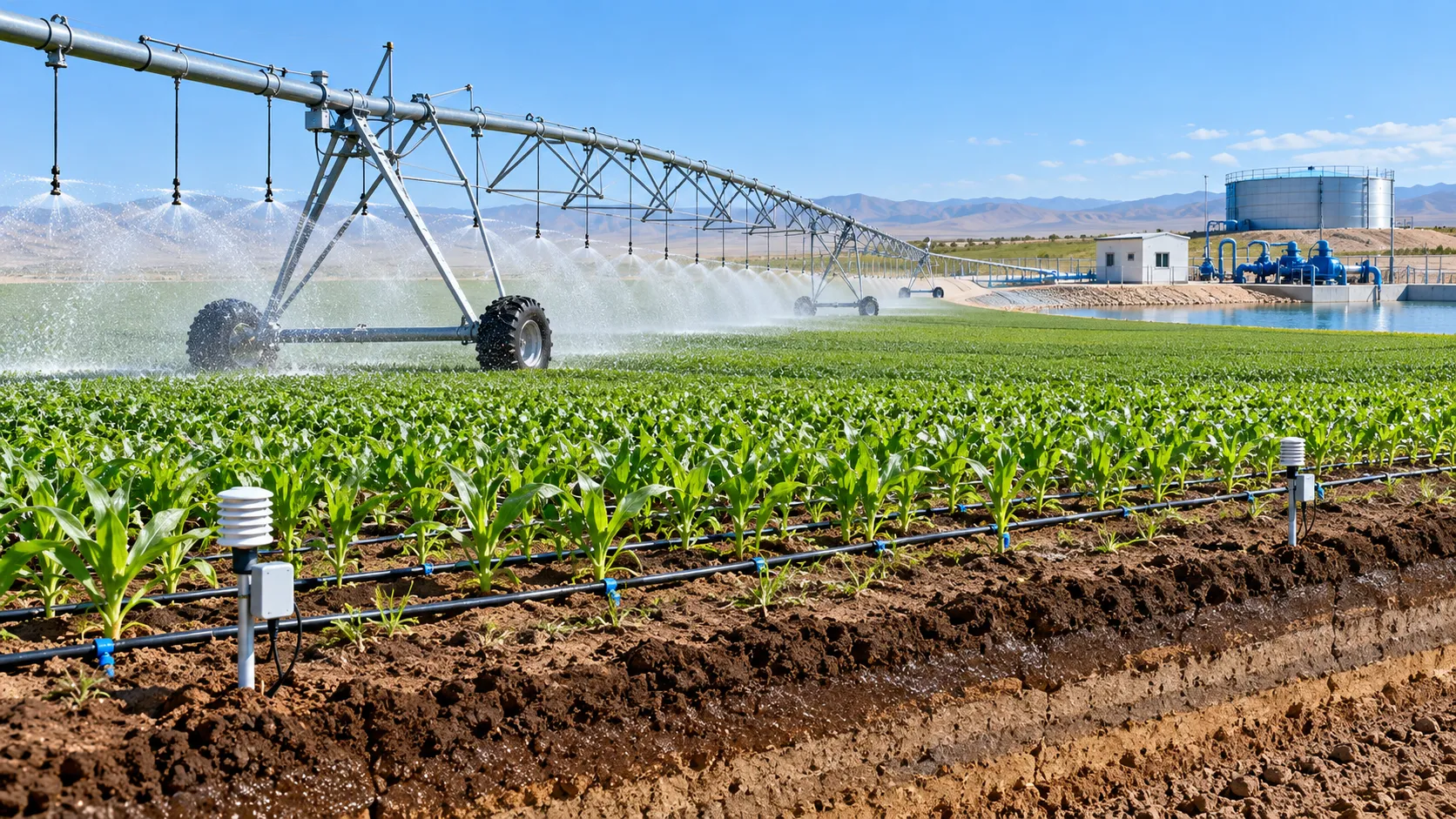
Climate-Smart Farming for Drought: A Practical Plan for Protecting Yields
Climate-smart farming for drought: build smarter water budgets, protect critical crop stages, improve irrigation uniformity, and safeguard yields with practical field-proven strategies.
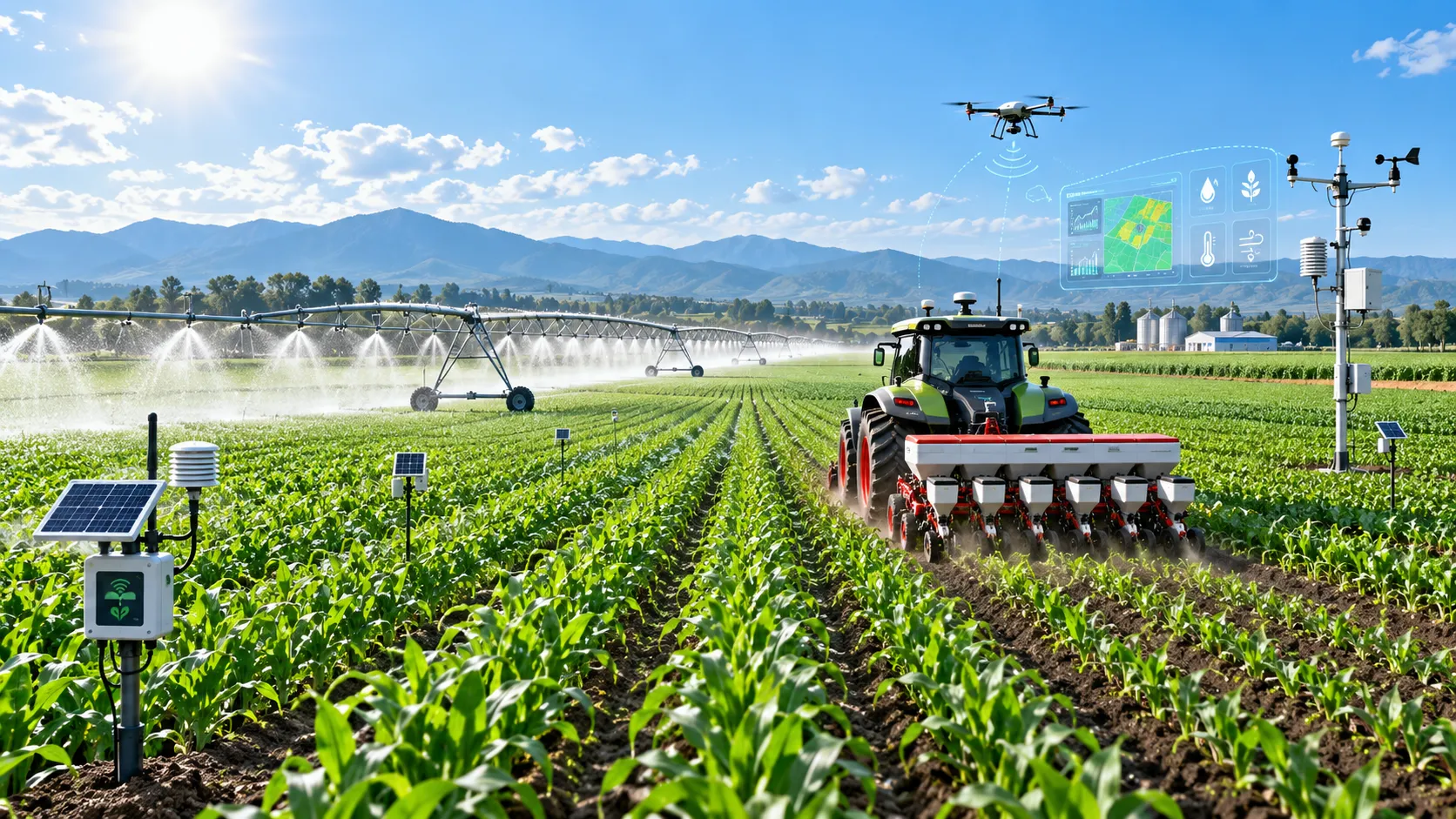
How Digital Agriculture Platforms Turn Field Data Into Better Input Decisions
Digital agriculture platforms turn field data into smarter fertilizer, water, seed, and equipment decisions—helping farms cut risk, improve margins, and scale sustainability.
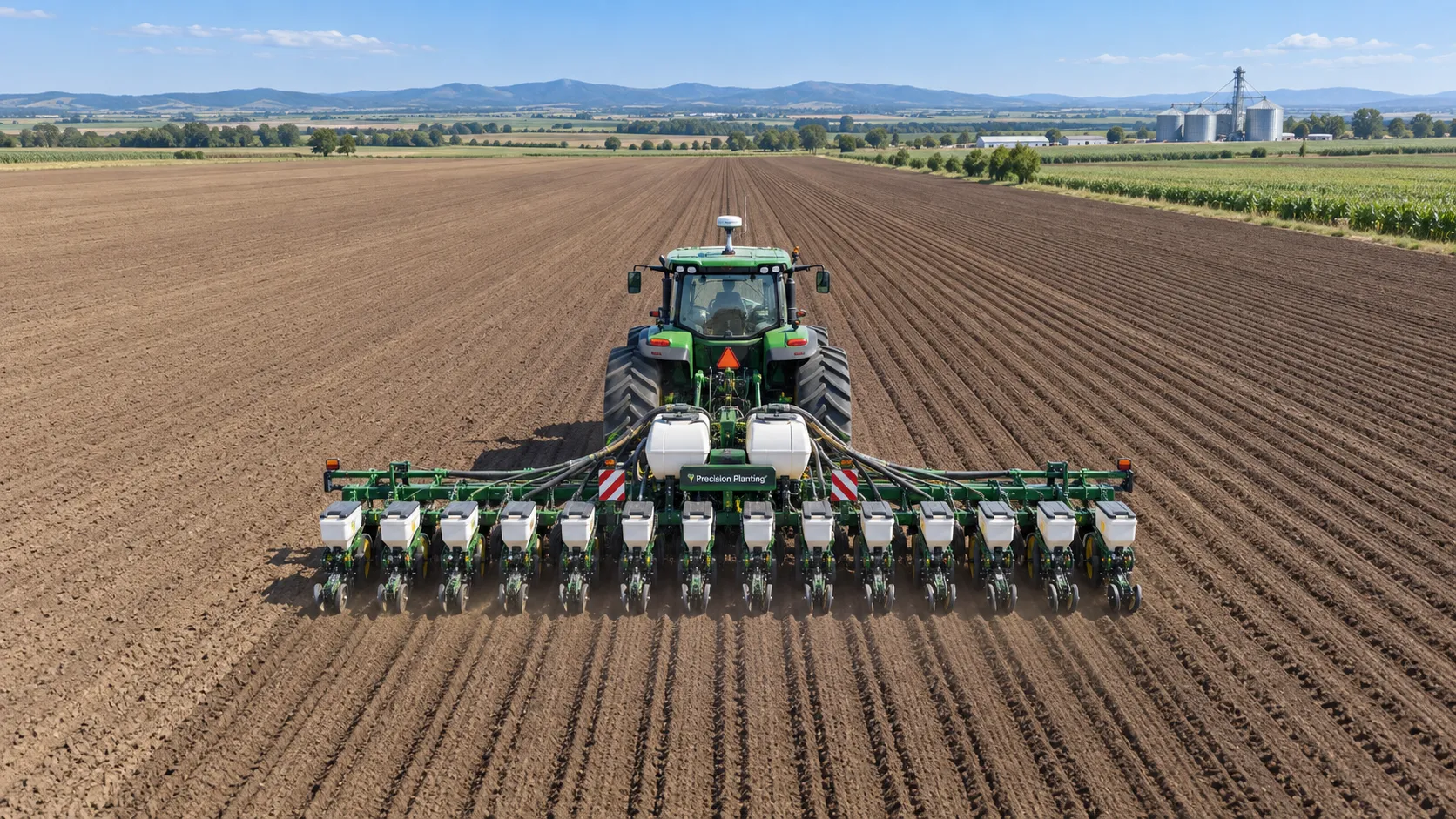
GPS-Guided Farm Machinery: Where It Delivers Measurable Field Efficiency Gains
Agri-mechanization GPS guided systems deliver measurable field efficiency gains through reduced overlap, precise planting, smarter inputs, and reliable farm data.
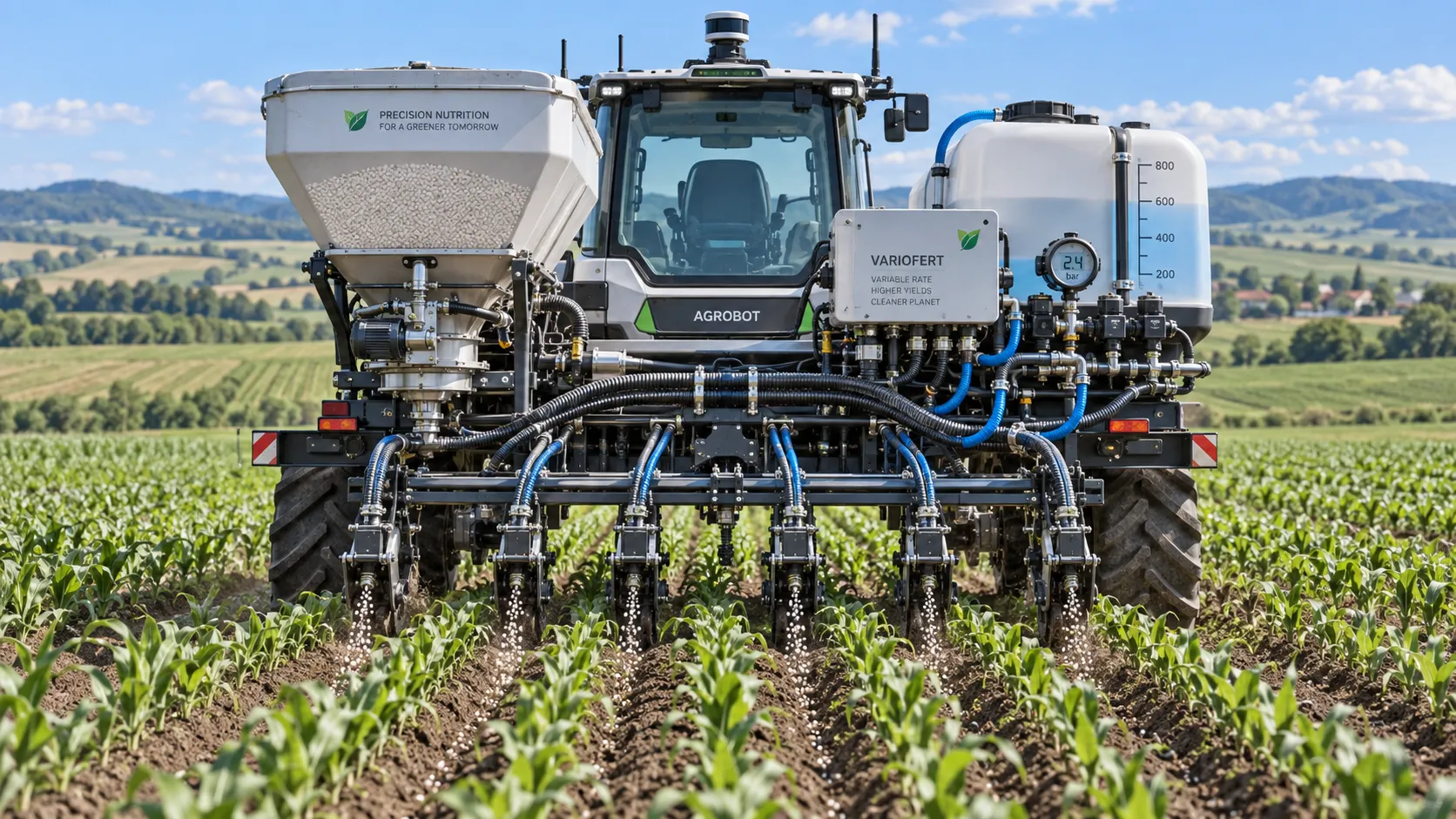
How Sensor Feedback Enables Accurate Variable-Rate Fertilization in Field Conditions
Precision fertilization systems with sensor feedback improve variable-rate accuracy by verifying flow, managing latency, and ensuring reliable field application.
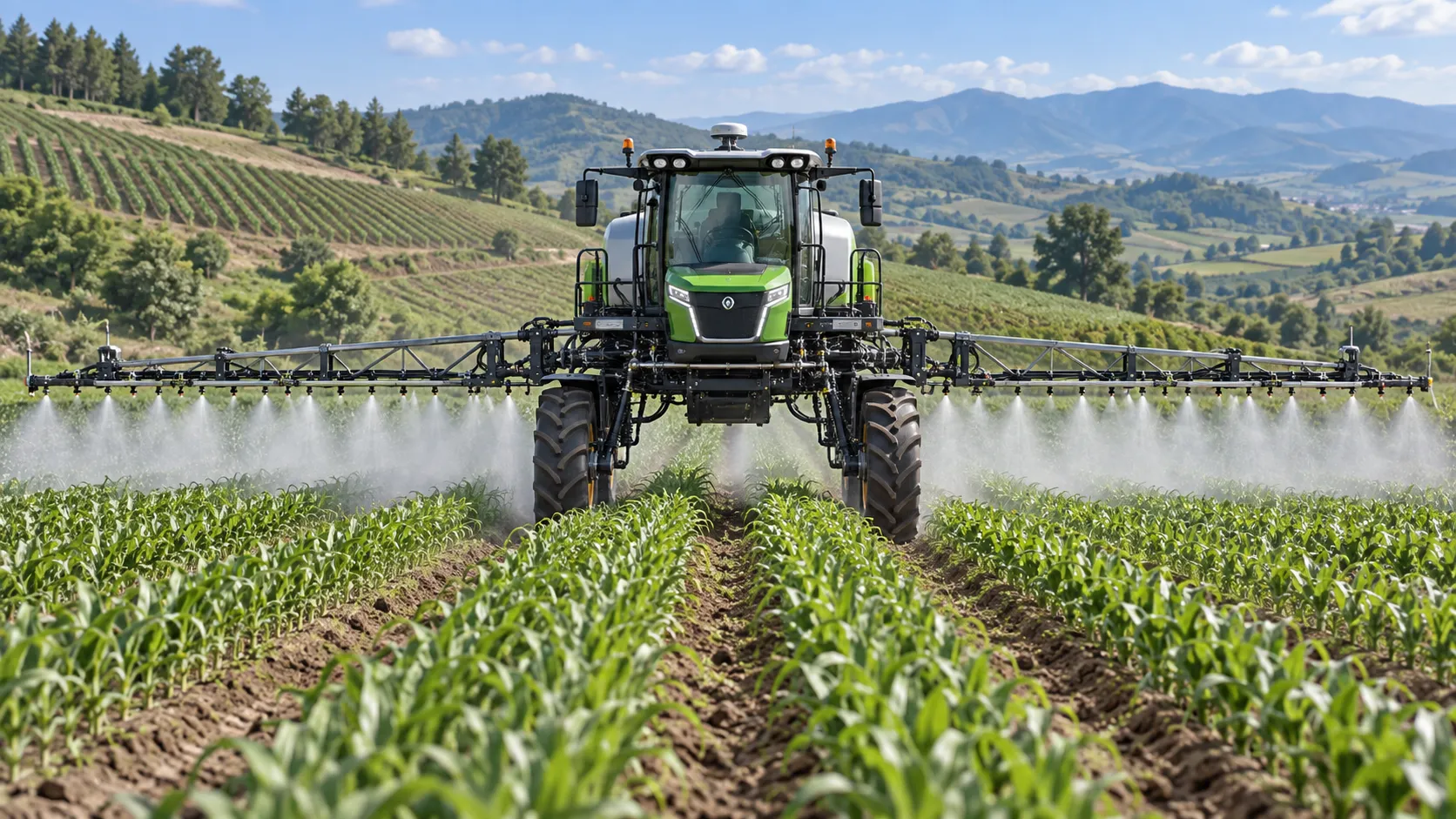
How to Select Precision Crop Protection Equipment for Variable Field Conditions
Precision crop protection equipment selection made simple: compare terrain, canopy, weather, control accuracy, and data workflows for reliable applications.

When Does Agricultural Machinery Leasing Cost Less Than Owning Equipment?
Agricultural machinery leasing can lower farm costs when use is seasonal or uncertain. Compare utilization, maintenance, cash flow, and risk to make a smarter equipment decision.
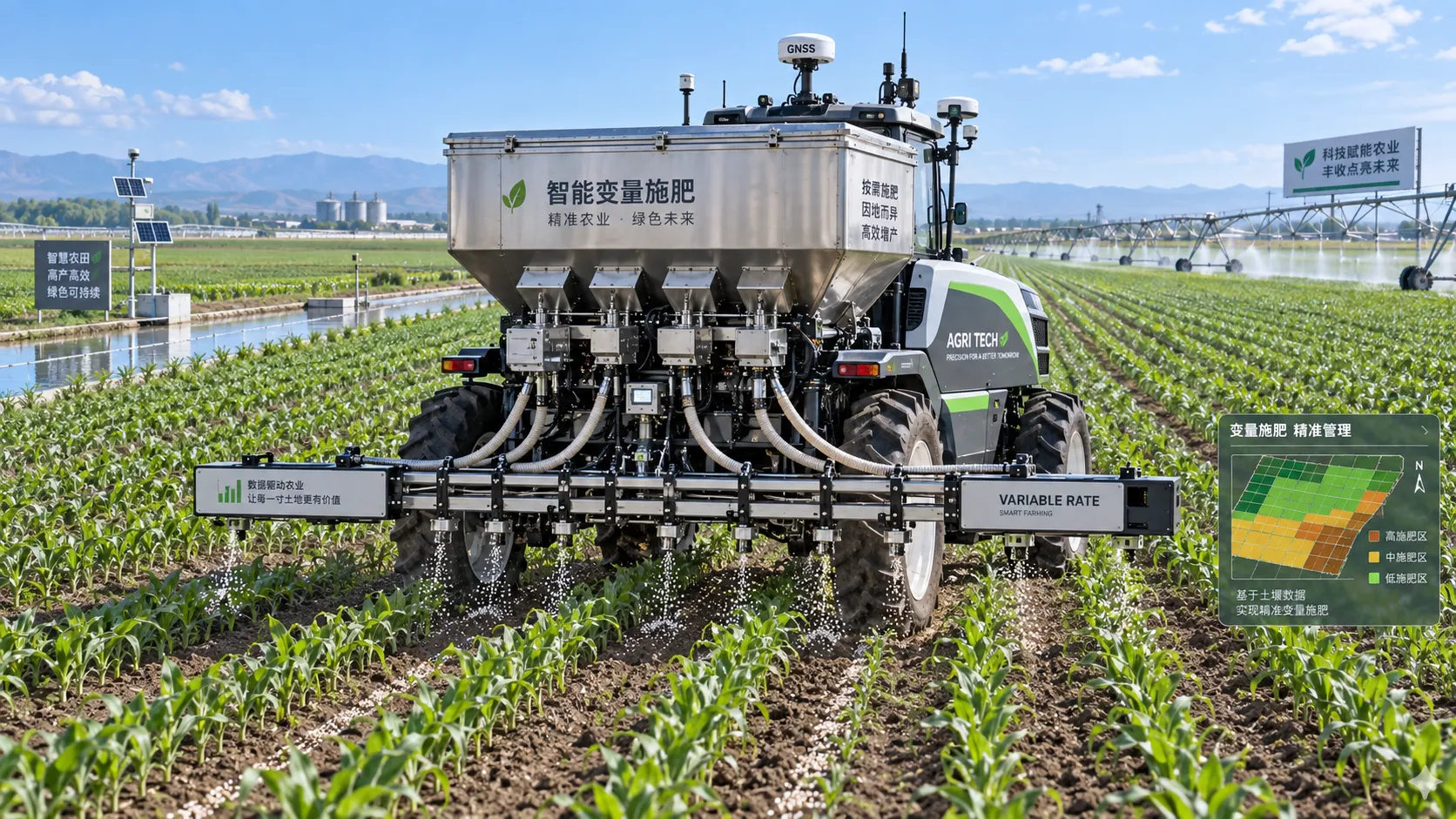
How to Evaluate Precision Fertilization System Suppliers for Farm-Scale Deployment
Precision fertilization systems suppliers: learn how to compare accuracy, integration, uptime, service, and total cost for confident farm-scale deployment.
ISOBUS for Smart Agriculture: How It Connects Tractors, Implements, and Farm Data
ISOBUS for smart agriculture connects tractors, implements, terminals, and farm data—helping growers improve precision, documentation, and smarter field decisions.
Related News
- 00
0000-00
How Digital Agriculture Platforms Turn Field Data Into Better Input Decisions - 00
0000-00
When Does Agricultural Machinery Leasing Cost Less Than Owning Equipment? - 00
0000-00
Selecting Grain Farm Equipment by Acreage, Crop Mix, and Harvest Window - 00
0000-00
Poultry Equipment Selection: Evaluating Durability, Cleaning, and Compatibility - 00
0000-00
How to Select Heavy-Duty Farm Implements for High-Acreage, High-Horsepower Operations
Popular Tags
Ms. Elena Rodriguez
Weekly Insights
Stay ahead with our curated technology reports delivered every Monday.