
How agricultural machinery intelligence cuts field downtime
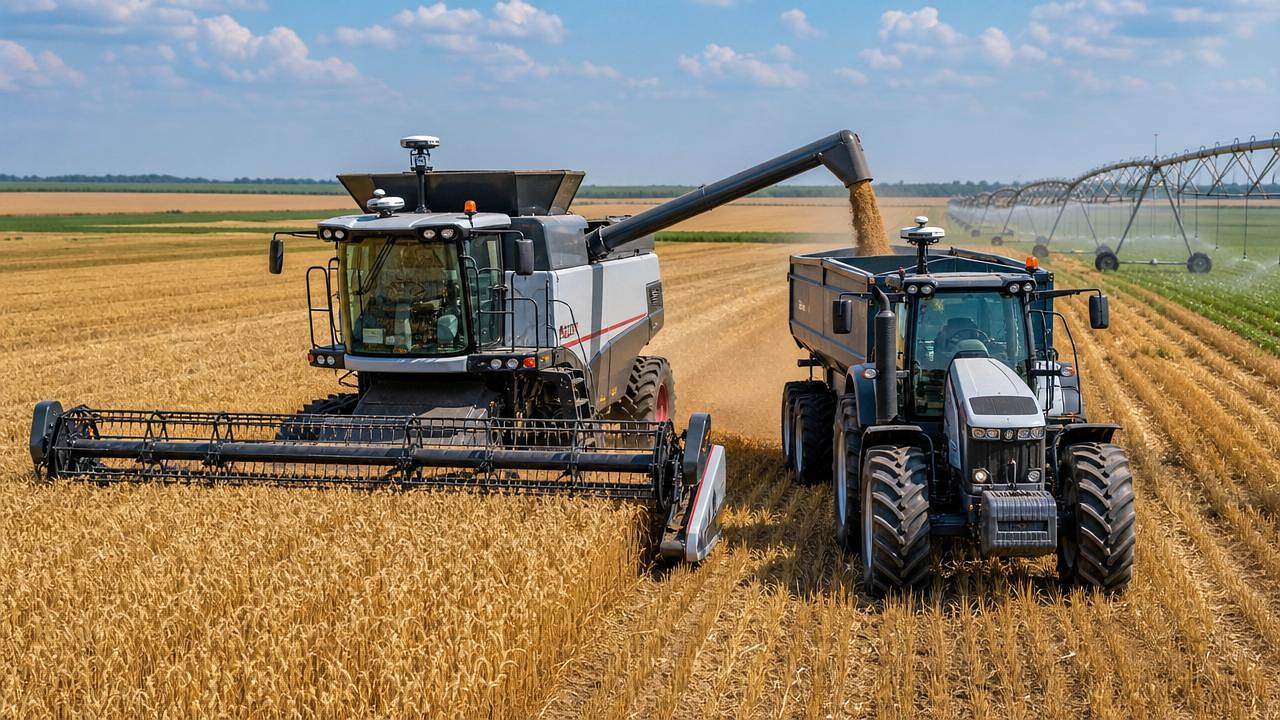




For enterprise decision-makers facing rising input costs, labor shortages, and narrow harvest windows, agricultural machinery intelligence is becoming a decisive lever for cutting field downtime. By connecting equipment performance, sensor data, predictive maintenance, and precision control, farms can reduce idle hours, improve operational continuity, and protect yield outcomes. This article explores how intelligent machinery strategies turn field efficiency into a measurable competitive advantage.
In large-scale farming, downtime is rarely caused by a single breakdown. It usually comes from a chain of smaller failures: delayed maintenance, poor machine visibility, operator inconsistency, uneven field conditions, and disconnected irrigation or harvest planning.
For boards, distributors, farm operators, and equipment investors, the value of agricultural machinery intelligence lies in turning these hidden losses into measurable operating signals. That shift supports better capital allocation, tighter service planning, and more resilient production windows.
Why field downtime has become a strategic cost center
In most row crop and grain systems, missing a field window by 24 to 72 hours can reduce machine productivity, increase fuel burn, and create compounding harvest loss. During planting and harvest peaks, every idle hour affects labor, logistics, and crop timing.
Traditional maintenance models often rely on calendar intervals such as every 250 or 500 engine hours. That approach is still useful, but it does not capture load intensity, dust conditions, hydraulic temperature variation, or operator-specific wear patterns.
The main drivers behind avoidable machine stoppage
- Unplanned failures in belts, bearings, hydraulic lines, and cleaning systems during critical field periods
- Low visibility into real-time machine status across fleets of 10, 20, or 50 units
- Weak coordination between tractors, implements, harvesters, and irrigation schedules
- Operator response delays when alerts are reported too late or without fault prioritization
- Parts procurement delays that stretch a 2-hour issue into a 2-day interruption
How intelligent systems change the economics
Agricultural machinery intelligence improves uptime by linking telematics, controller data, GPS guidance, machine health indicators, and service workflows. Instead of reacting after stoppage, managers can detect abnormal vibration, pressure drift, or temperature rise 12 to 72 hours earlier.
That lead time matters. If one combine is expected to cover 35 to 60 hectares per day, a single preventable failure can disrupt transport, grain moisture strategy, labor scheduling, and downstream storage handling across the whole operation.
From mechanical efficiency to decision efficiency
The strongest business case is not only fewer repairs. It is faster decisions. Intelligent systems help teams decide when to service, where to dispatch technicians, which machine to prioritize, and whether an issue threatens the next 8-hour, 24-hour, or 7-day production cycle.
The table below outlines common downtime sources and the operational levers that agricultural machinery intelligence can improve.
The key takeaway is that downtime reduction is not a single software feature. It is the result of tighter coordination across machine health, field execution, and support response.
Where agricultural machinery intelligence delivers the fastest uptime gains
Not every machine function produces the same return. For enterprise operations, the fastest gains usually come from four areas: predictive maintenance, harvest optimization, tractor-implement control, and irrigation synchronization.
1. Predictive maintenance for high-value equipment
For combines, large tractors, and self-propelled sprayers, a 1% to 3% increase in seasonal uptime can justify telematics and condition-monitoring investment. High-value components such as transmissions, hydraulic pumps, and threshing assemblies benefit most from early warning logic.
A practical model uses 3 layers of monitoring: live machine alerts, daily service exceptions, and weekly failure-risk review. This structure prevents teams from missing low-severity trends that later turn into critical faults.
2. Intelligent combine harvesting under variable crop conditions
Combine harvesting is one of the clearest use cases for agricultural machinery intelligence because crop density, straw load, terrain, and grain moisture can change several times in the same day. Fixed settings often create either losses or unnecessary slowdowns.
With feedback from grain loss monitors, cleaning sensors, and load detection, operators can maintain more stable throughput. Even a small reduction in rework passes or unloading delays can preserve a narrow 5-day to 10-day harvest window.
Typical control variables that affect downtime and loss
- Ground speed relative to crop flow rate
- Rotor or drum load under varying biomass conditions
- Fan and sieve adjustment for grain cleanliness
- Fuel consumption trend per hectare or per hour
- Unloading cycle coordination with transport units
3. Tractor chassis intelligence for heavy-duty field continuity
On large farms, the tractor chassis is the power backbone for tillage, planting, hauling, and support tasks. Transmission stress, traction mismatch, hydraulic instability, and ballast imbalance can all reduce productive hours without causing a complete breakdown.
Intelligent tractor management helps operators maintain proper slip ranges, often around 8% to 15% depending on field conditions. Excessive wheel slip wastes fuel, increases tire wear, and raises the risk of schedule delay in wet or variable soils.
4. Smart irrigation coordination to avoid machine waiting time
Water-saving irrigation systems are often treated separately from machinery performance, but they directly affect field access and work timing. Over-irrigation can delay machine entry by 1 to 3 days, while poor scheduling may compress operations into risky windows.
By combining soil moisture sensing, evapotranspiration estimates, and zone-based control, managers can align irrigation with trafficability and crop stage. That improves both water efficiency and equipment availability.
The following table compares where intelligence applications usually create the most visible operational impact.
For most enterprises, the strongest results come from combining these areas rather than digitizing only one asset category. Uptime depends on system coordination, not isolated hardware upgrades.
How decision-makers should evaluate intelligent machinery investments
A good procurement decision starts with operating risk, not marketing claims. Enterprise buyers should define the 4 to 6 downtime patterns that create the largest financial impact, then evaluate which technologies directly address those events.
Core evaluation criteria
- Data visibility: Can the platform show machine location, health, and utilization in one view?
- Interoperability: Does it work across mixed fleets, implements, and irrigation infrastructure?
- Alert quality: Are notifications prioritized by severity, not just volume?
- Service integration: Can dealers or internal teams act on alerts within defined response windows?
- ROI logic: Can downtime hours, fuel use, and service costs be compared before and after deployment?
Questions worth asking suppliers and intelligence partners
Decision-makers should ask whether the system supports 12-month seasonal reporting, sub-fleet comparisons, operator-level trends, and API-based export. These details determine whether data becomes an action tool or remains a dashboard with limited management value.
They should also ask how quickly abnormal conditions are detected, whether thresholds can be customized by crop or region, and how the service process works when a remote alert becomes an on-site intervention.
Typical implementation roadmap
Most organizations benefit from a 3-stage rollout. Stage one covers critical machines and data baselines over 30 to 60 days. Stage two adds service workflows and operator training. Stage three connects field planning, harvest, and irrigation decisions into one operating model.
- Stage 1: Identify top 20% of assets causing 80% of disruption
- Stage 2: Set alert thresholds, spare parts logic, and response ownership
- Stage 3: Use seasonal reviews to refine machine deployment and replacement timing
Common risks, implementation mistakes, and practical safeguards
Even strong technology can underperform if the rollout is poorly structured. One common mistake is collecting too many signals without defining who reviews them daily, weekly, and monthly. Another is installing telematics without linking it to maintenance execution.
Frequent pitfalls
- Buying data tools before mapping field operations and service responsibilities
- Running mixed fleets with inconsistent sensor coverage and no normalization plan
- Ignoring operator training during the first 2 to 4 weeks of deployment
- Using fixed maintenance intervals even after high-quality condition data is available
- Separating machinery planning from irrigation and logistics decisions
Practical safeguards for enterprise teams
Set no more than 8 to 12 core KPIs in the first season. These may include idle hours, repair response time, in-field stoppages, hectares per machine day, fuel per hectare, and maintenance compliance rate. Too many metrics reduce action quality.
Assign clear ownership across operations, service, agronomy, and procurement. Agricultural machinery intelligence works best when technical data is translated into field decisions, not left inside a single department.
Why intelligence-led field operations matter for long-term competitiveness
In the Agriculture 4.0 environment, uptime is no longer just a maintenance issue. It shapes harvest timing, labor productivity, machine replacement planning, dealer support strategy, and sustainability performance. Better continuity also improves asset utilization across multi-season investment cycles.
For organizations following global equipment, combine harvesting, tractor chassis, intelligent farm tools, and water-saving irrigation systems, the next advantage will come from connected decision-making. AP-Strategy tracks these shifts by linking machinery performance, precision farming logic, and field-level commercial realities.
Agricultural machinery intelligence helps enterprises move from reactive repair to planned continuity. That means fewer avoidable stoppages, clearer investment priorities, and stronger resilience during the most critical 7-day, 30-day, and full-season operating windows.
If your team is evaluating intelligent machinery strategy, fleet optimization, combine performance, or irrigation-linked field planning, now is the right time to build a more data-driven operating model. Contact AP-Strategy to get a tailored intelligence framework, discuss equipment trends, or explore solution pathways aligned with your regional production goals.
Related News
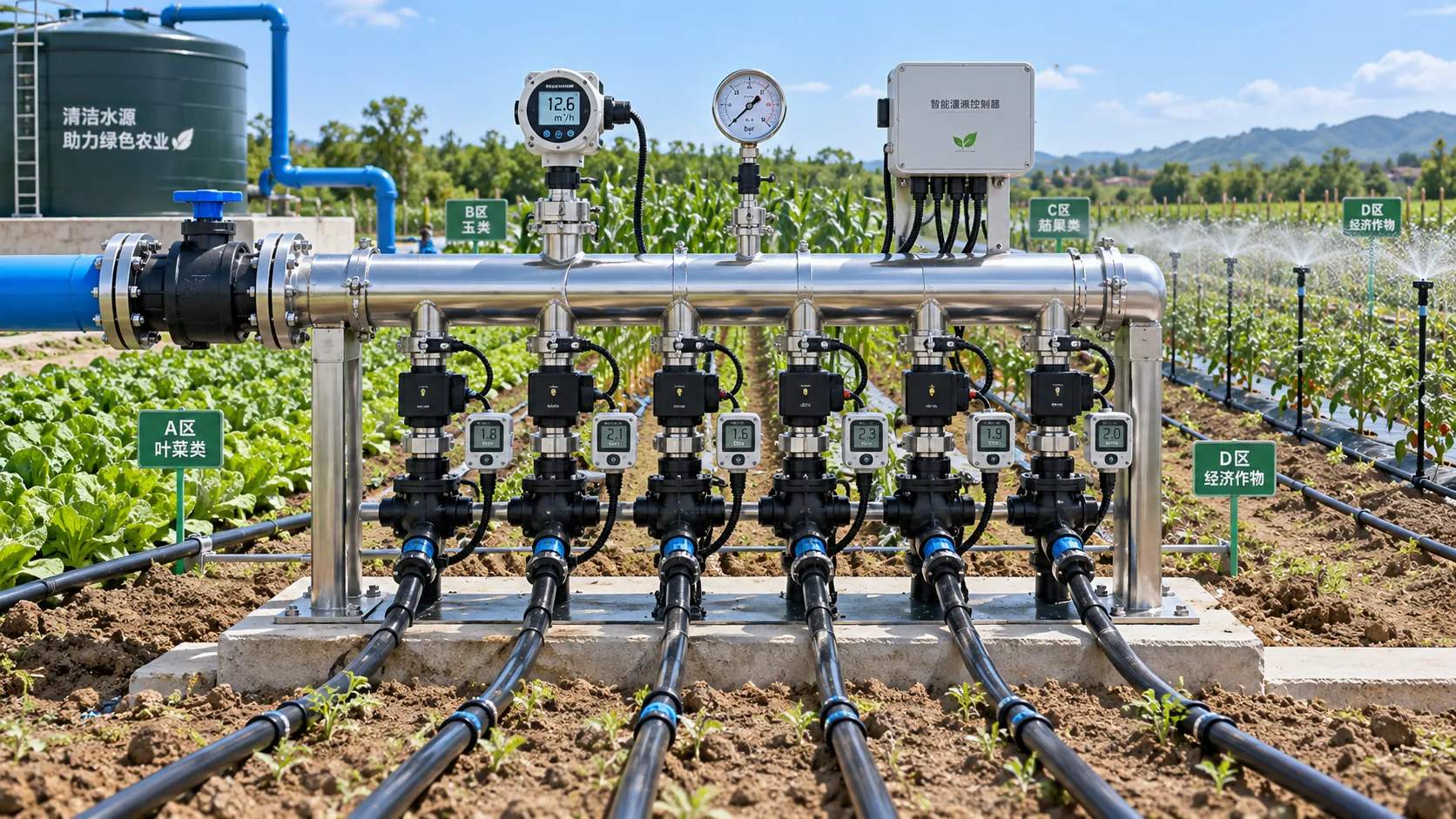
How to Select Smart Irrigation Valves for Multi-Zone Water Management?
Intelligent irrigation systems valves: learn how to match smart valves with multi-zone flow, pressure, control, feedback, and communication needs for reliable water management.
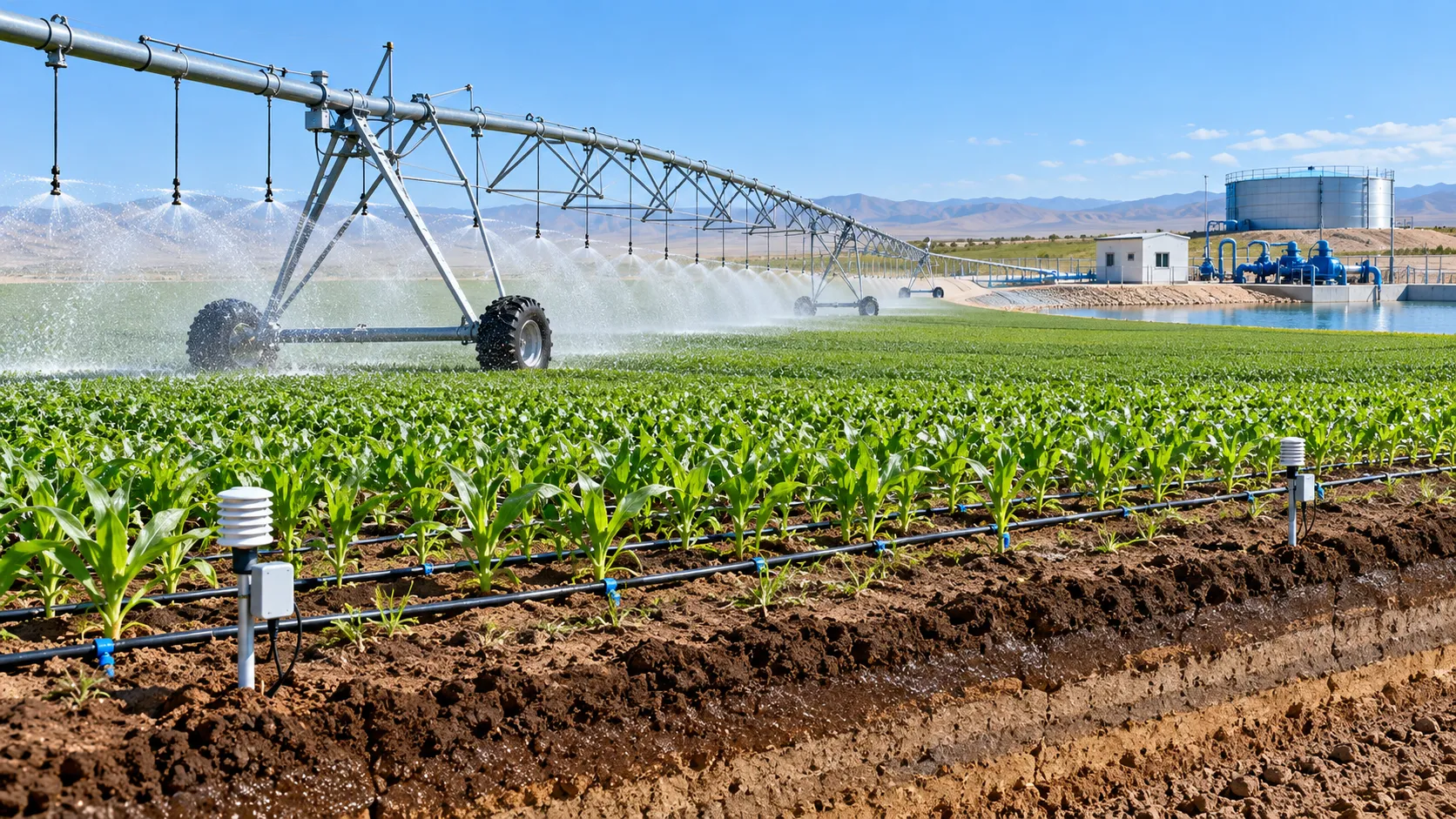
Climate-Smart Farming for Drought: A Practical Plan for Protecting Yields
Climate-smart farming for drought: build smarter water budgets, protect critical crop stages, improve irrigation uniformity, and safeguard yields with practical field-proven strategies.
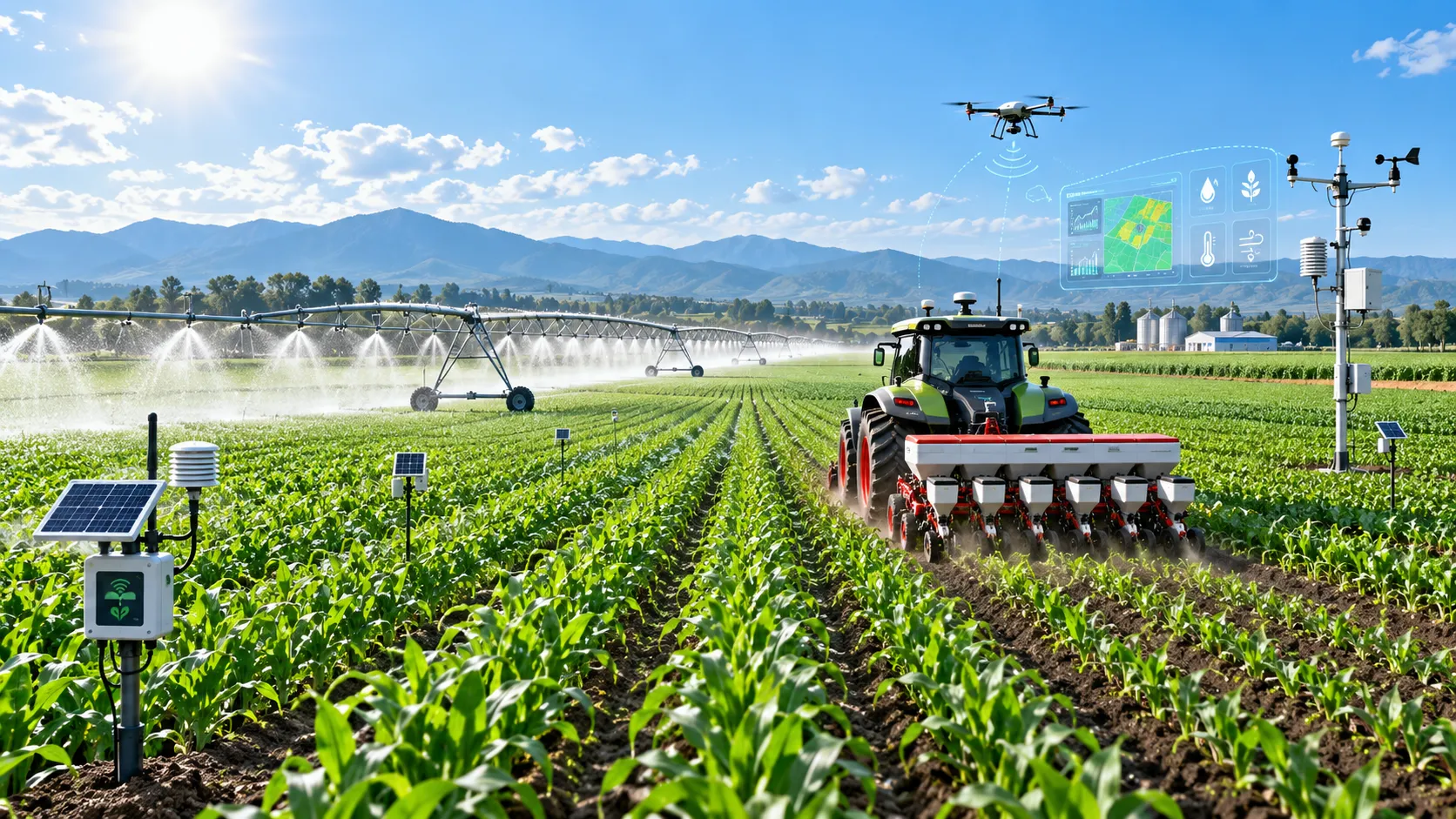
How Digital Agriculture Platforms Turn Field Data Into Better Input Decisions
Digital agriculture platforms turn field data into smarter fertilizer, water, seed, and equipment decisions—helping farms cut risk, improve margins, and scale sustainability.
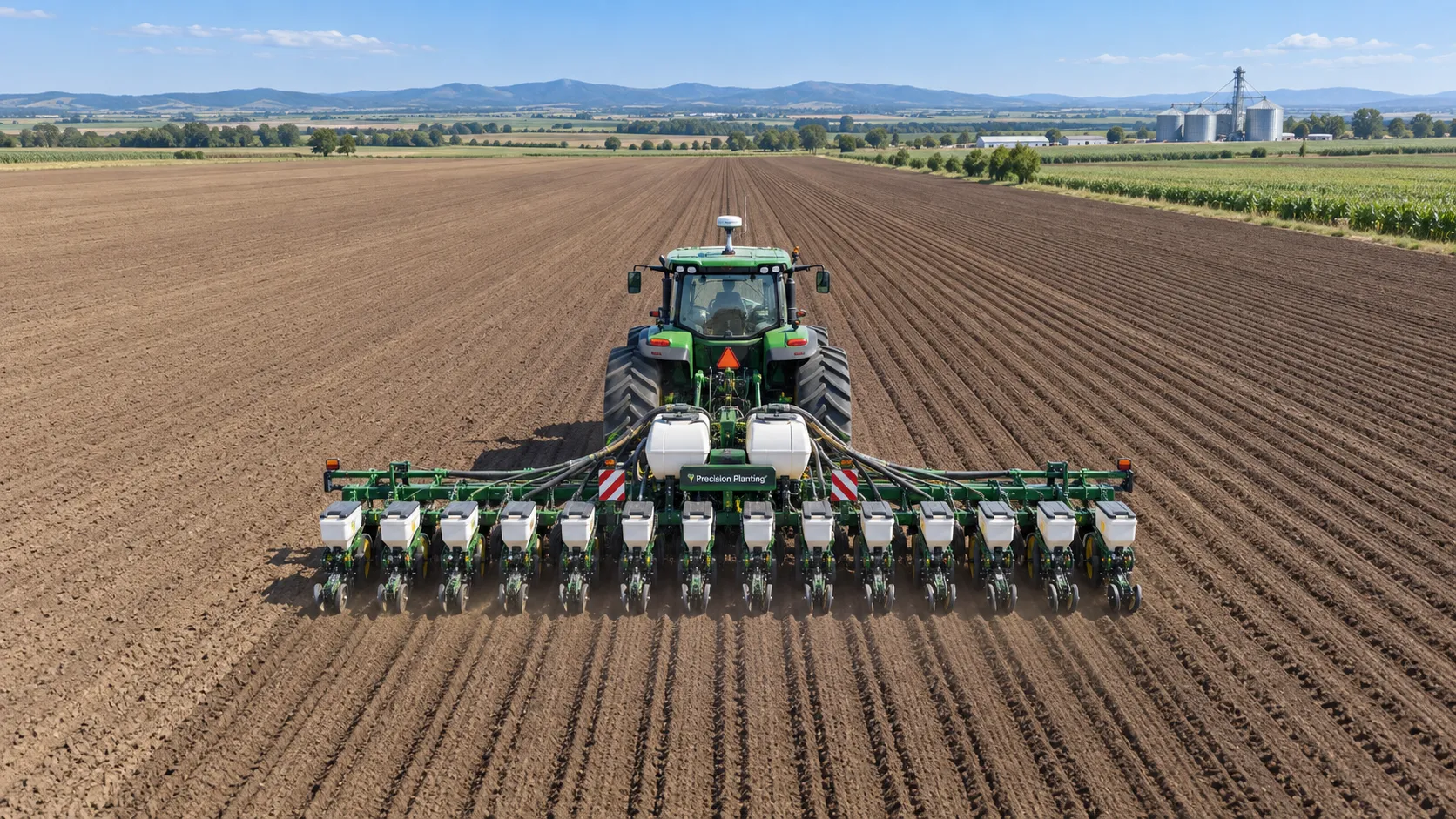
GPS-Guided Farm Machinery: Where It Delivers Measurable Field Efficiency Gains
Agri-mechanization GPS guided systems deliver measurable field efficiency gains through reduced overlap, precise planting, smarter inputs, and reliable farm data.
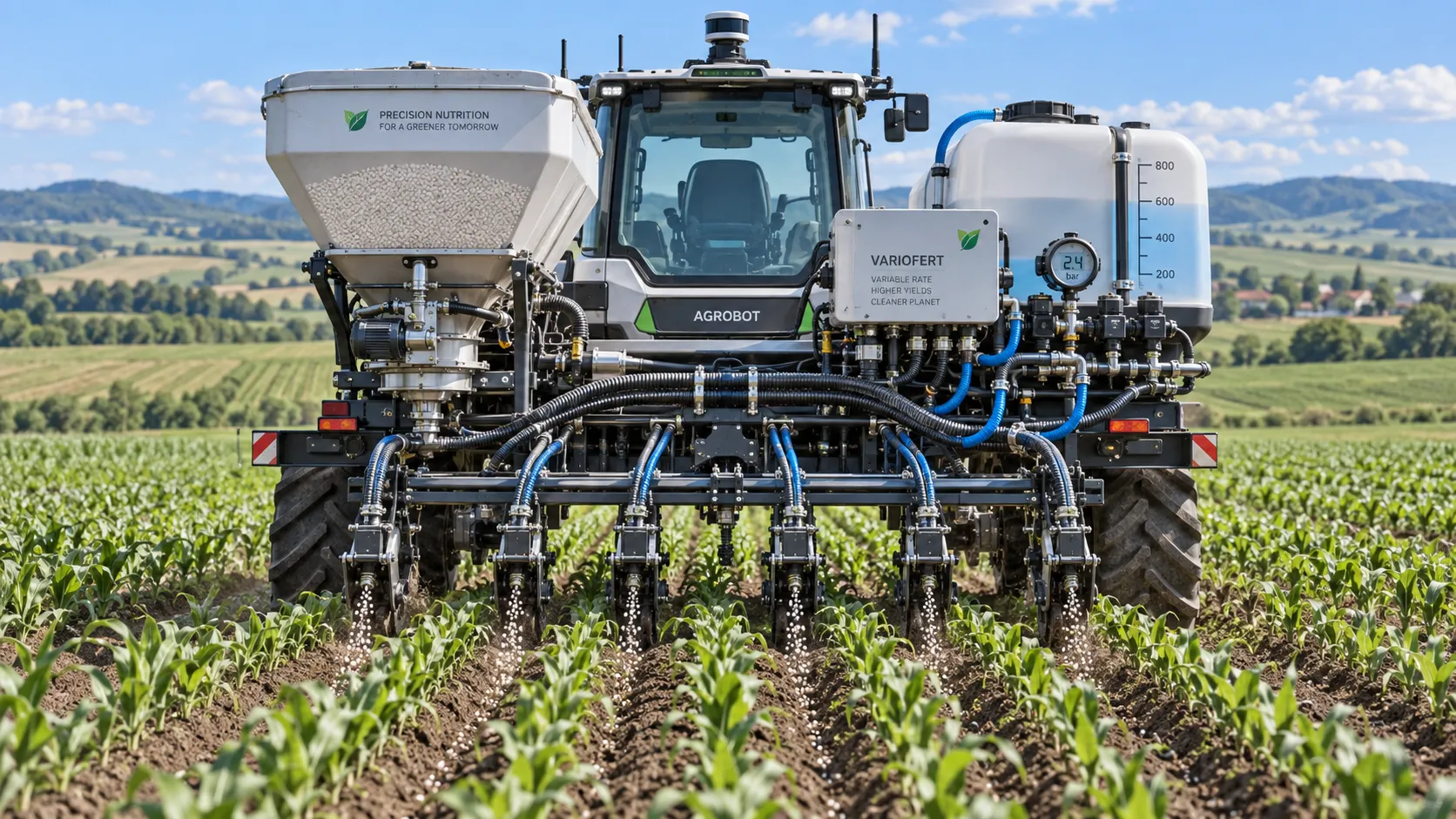
How Sensor Feedback Enables Accurate Variable-Rate Fertilization in Field Conditions
Precision fertilization systems with sensor feedback improve variable-rate accuracy by verifying flow, managing latency, and ensuring reliable field application.
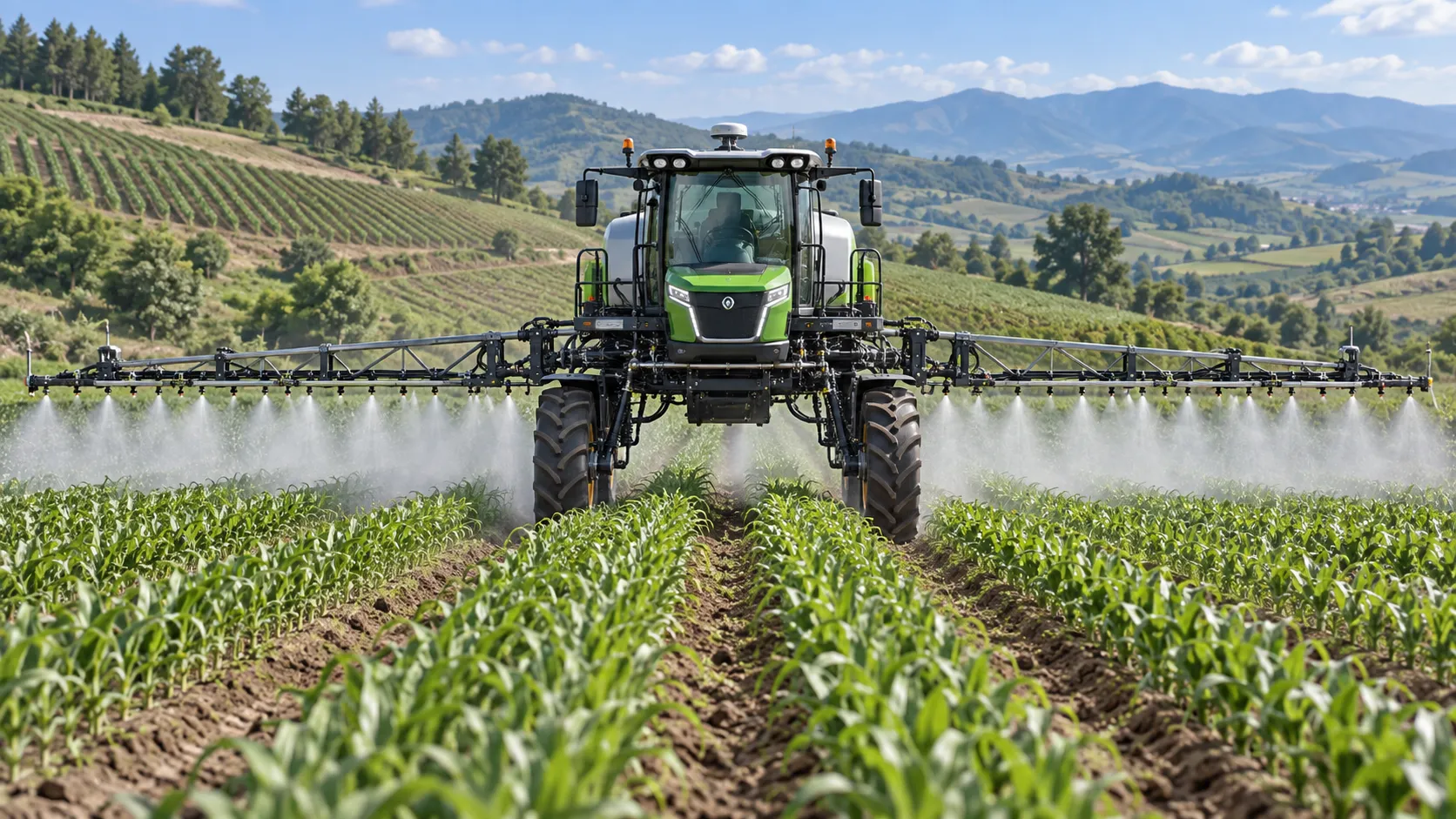
How to Select Precision Crop Protection Equipment for Variable Field Conditions
Precision crop protection equipment selection made simple: compare terrain, canopy, weather, control accuracy, and data workflows for reliable applications.
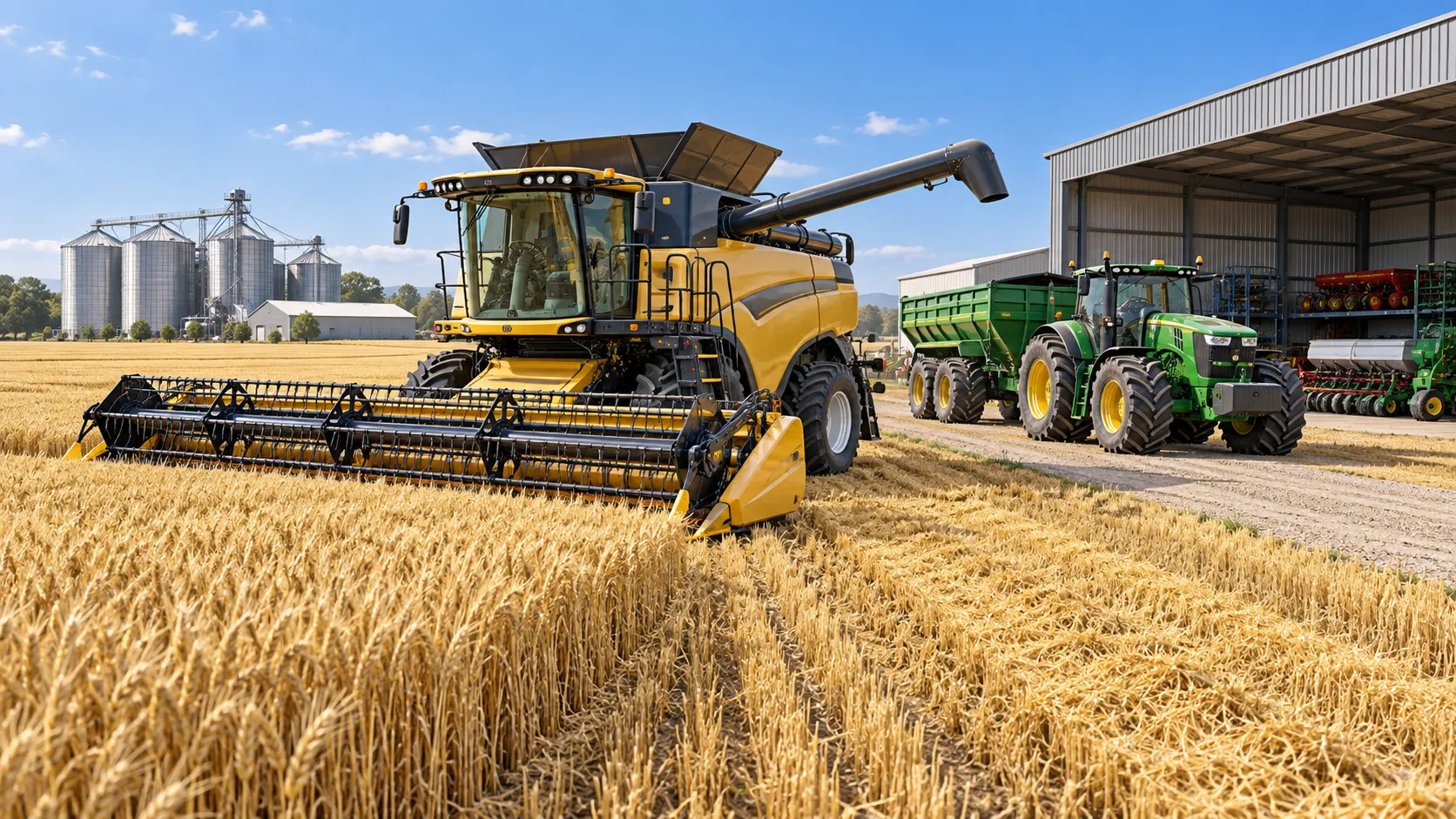
When Does Agricultural Machinery Leasing Cost Less Than Owning Equipment?
Agricultural machinery leasing can lower farm costs when use is seasonal or uncertain. Compare utilization, maintenance, cash flow, and risk to make a smarter equipment decision.
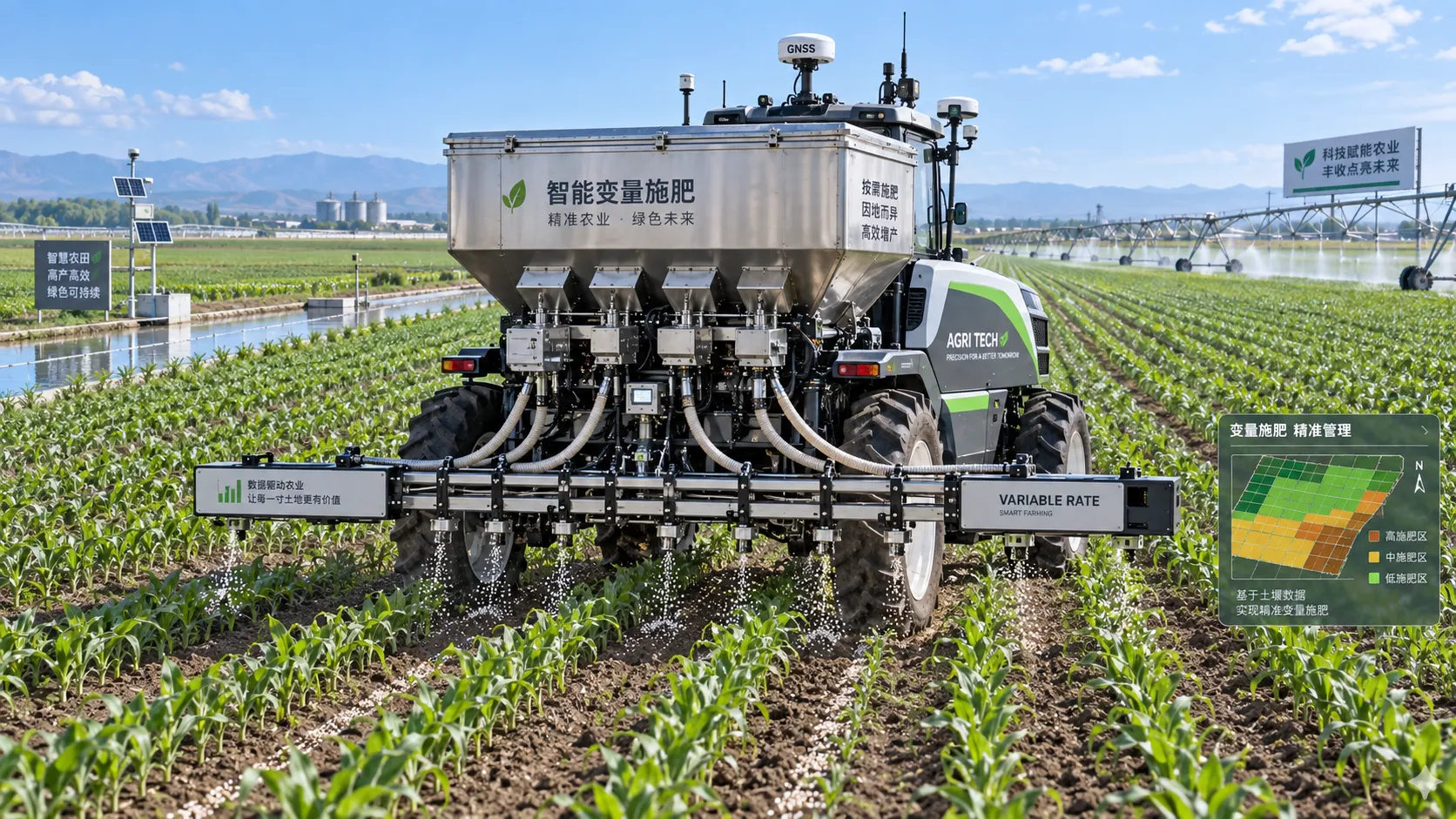
How to Evaluate Precision Fertilization System Suppliers for Farm-Scale Deployment
Precision fertilization systems suppliers: learn how to compare accuracy, integration, uptime, service, and total cost for confident farm-scale deployment.
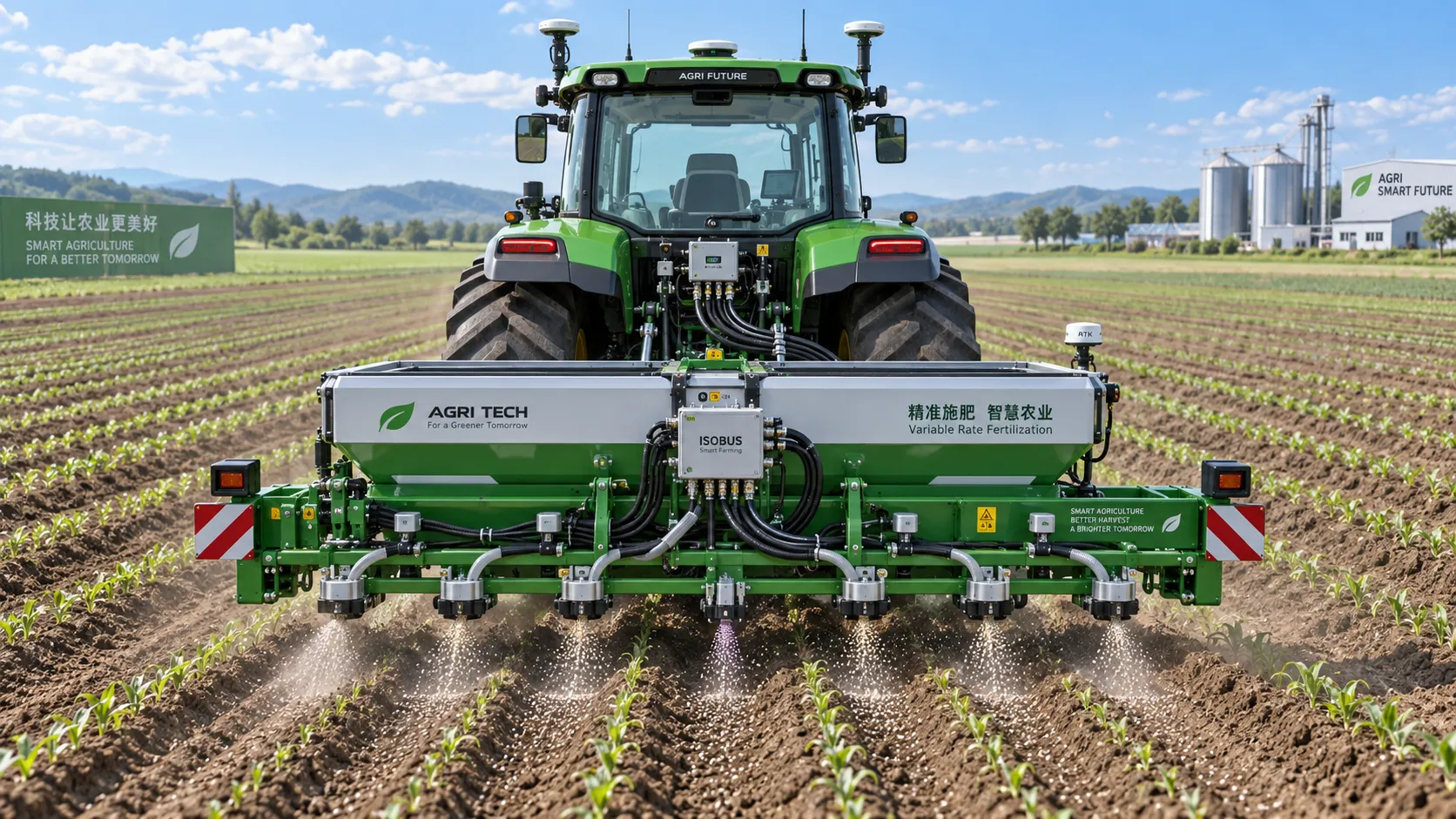
ISOBUS for Smart Agriculture: How It Connects Tractors, Implements, and Farm Data
ISOBUS for smart agriculture connects tractors, implements, terminals, and farm data—helping growers improve precision, documentation, and smarter field decisions.
Related News
- 00
0000-00
How Digital Agriculture Platforms Turn Field Data Into Better Input Decisions - 00
0000-00
When Does Agricultural Machinery Leasing Cost Less Than Owning Equipment? - 00
0000-00
Selecting Grain Farm Equipment by Acreage, Crop Mix, and Harvest Window - 00
0000-00
Poultry Equipment Selection: Evaluating Durability, Cleaning, and Compatibility - 00
0000-00
How to Select Heavy-Duty Farm Implements for High-Acreage, High-Horsepower Operations
Popular Tags
Ms. Elena Rodriguez
Weekly Insights
Stay ahead with our curated technology reports delivered every Monday.