
India Adds VRT Controllers to Kisan Drone & Smart Irrigation Mission
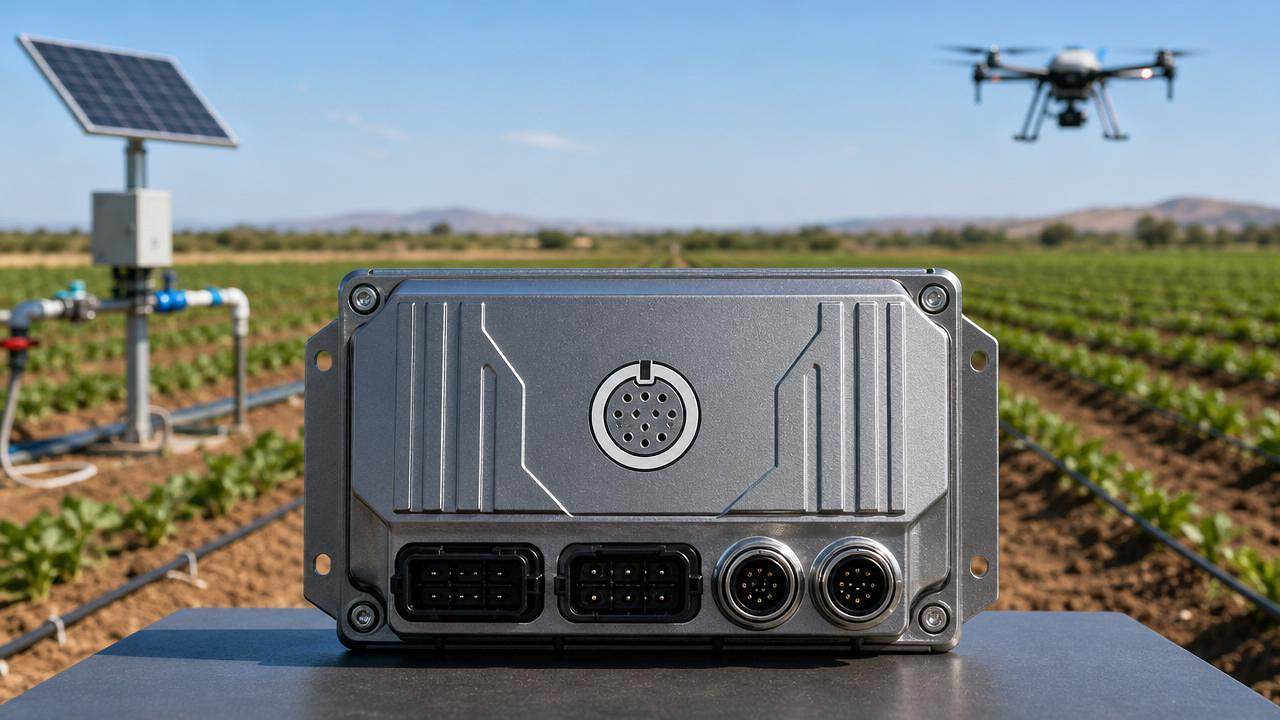




On May 16, 2026, India’s Ministry of Agriculture updated the procurement list for its Kisan Drone & Smart Irrigation Mission, formally including Variable Rate Technology (VRT) controllers under central fiscal subsidy for the first time. This development signals new opportunities—and operational considerations—for global suppliers specializing in precision agriculture hardware, particularly those serving irrigation automation, drone-based agritech, and farm management system integration markets.
Event Overview
On May 16, 2026, the Indian Ministry of Agriculture revised the official procurement catalogue of the Kisan Drone & Smart Irrigation Mission. The update explicitly added Variable Rate Tech (VRT) controllers to the list of eligible items for central government subsidy. Per the published terms, qualifying VRT controllers must support ISO 11783-12 protocol, be compatible with GPS Guidance Systems, and accept input from soil sensors. The procurement is open to international bidders; Chinese manufacturers may participate if holding both CCC (China Compulsory Certification) and INMETRO (Brazilian certification) marks. The estimated annual procurement volume exceeds 120,000 units.
Industries Affected
Direct Exporters & Trade Enterprises
Export-oriented firms supplying agricultural automation hardware to India face immediate eligibility implications. Inclusion of VRT controllers in a centrally funded mission means formalized demand validation—but only for products meeting strict interoperability and certification requirements. Impact manifests in tender qualification timelines, documentation preparation, and post-award compliance verification.
Manufacturers of Precision Irrigation Hardware
Companies producing VRT-enabled controllers—especially those integrating GPS guidance and multi-sensor inputs—are now directly aligned with a newly subsidized product category. The requirement for ISO 11783-12 compliance implies that firmware architecture, CAN bus implementation, and data exchange logic must meet international fieldbus standards—not just functional specifications.
Supply Chain & Certification Service Providers
Firms offering certification support, technical documentation localization, or regulatory liaison services for Indian market entry may see increased demand. The dual-certification condition (CCC + INMETRO) introduces cross-jurisdictional compliance complexity: neither certification alone suffices, and their combined validity for this specific procurement remains subject to Indian authorities’ interpretation during bid evaluation.
System Integrators & Agri-SaaS Platforms
While the procurement targets standalone VRT controllers, compatibility mandates (GPS guidance systems, soil sensor inputs) imply downstream integration dependencies. Integrators developing end-to-end smart irrigation solutions—including cloud dashboards or variable-rate prescription engines—must verify controller-level interoperability to remain competitive in bundled deployments tied to this mission.
What Stakeholders Should Monitor & Do Now
Track Official Tender Documents and Clarifications
The May 16 update is a catalogue revision—not a finalized tender notice. Stakeholders should monitor the GeM (Government e-Marketplace) portal and Ministry of Agriculture announcements for RFP issuance, evaluation criteria weightings, and any amendments to certification acceptance protocols.
Verify Protocol Implementation Against ISO 11783-12
Support for ISO 11783-12 is stated as mandatory—not optional. Suppliers should audit existing controller firmware to confirm full conformance (e.g., task controller message sets, implementer ID registration, VT task file parsing), not just partial CAN message handling.
Distinguish Between Policy Signal and Commercial Readiness
This listing reflects policy intent, not guaranteed near-term order flow. The 120,000-unit annual estimate is indicative and contingent on state-level adoption, budget allocation execution, and rollout phasing—factors yet to be publicly detailed.
Prepare Documentation for Dual-Certification Validation
Chinese exporters must compile verifiable evidence of both CCC and INMETRO certifications—not just certificates, but test reports, scope statements, and valid certificate status checks via official databases—well ahead of tender submission deadlines.
Editorial Perspective / Industry Observation
Observably, this move formalizes India’s shift toward outcome-based precision irrigation support—not just hardware deployment, but context-aware application control. Analysis shows the inclusion of ISO 11783-12 signals alignment with global agricultural machinery interoperability frameworks, potentially easing future integration with imported tractors or harvesters equipped with ISOBUS. However, it remains unclear whether this listing represents an early-stage pilot expansion or the foundation for broader VRT standardization across Indian public agritech programs. From an industry standpoint, the decision is best understood as a strong policy signal—not yet an operational trigger—requiring close tracking of implementation fidelity over the next 6–12 months.
India’s addition of VRT controllers to a flagship agricultural mission underscores a deliberate pivot toward data-informed water and input management at scale. Yet the real-world impact hinges less on the listing itself and more on how consistently and transparently the procurement framework is applied—from certification validation to field-level interoperability testing. For stakeholders, the current priority is disciplined preparation—not assumption of demand.
Source: Official procurement catalogue update published by India’s Ministry of Agriculture, dated May 16, 2026. Note: Tender documents, state-level rollout schedules, and final evaluation guidelines remain pending publication and are subject to ongoing observation.
Related News
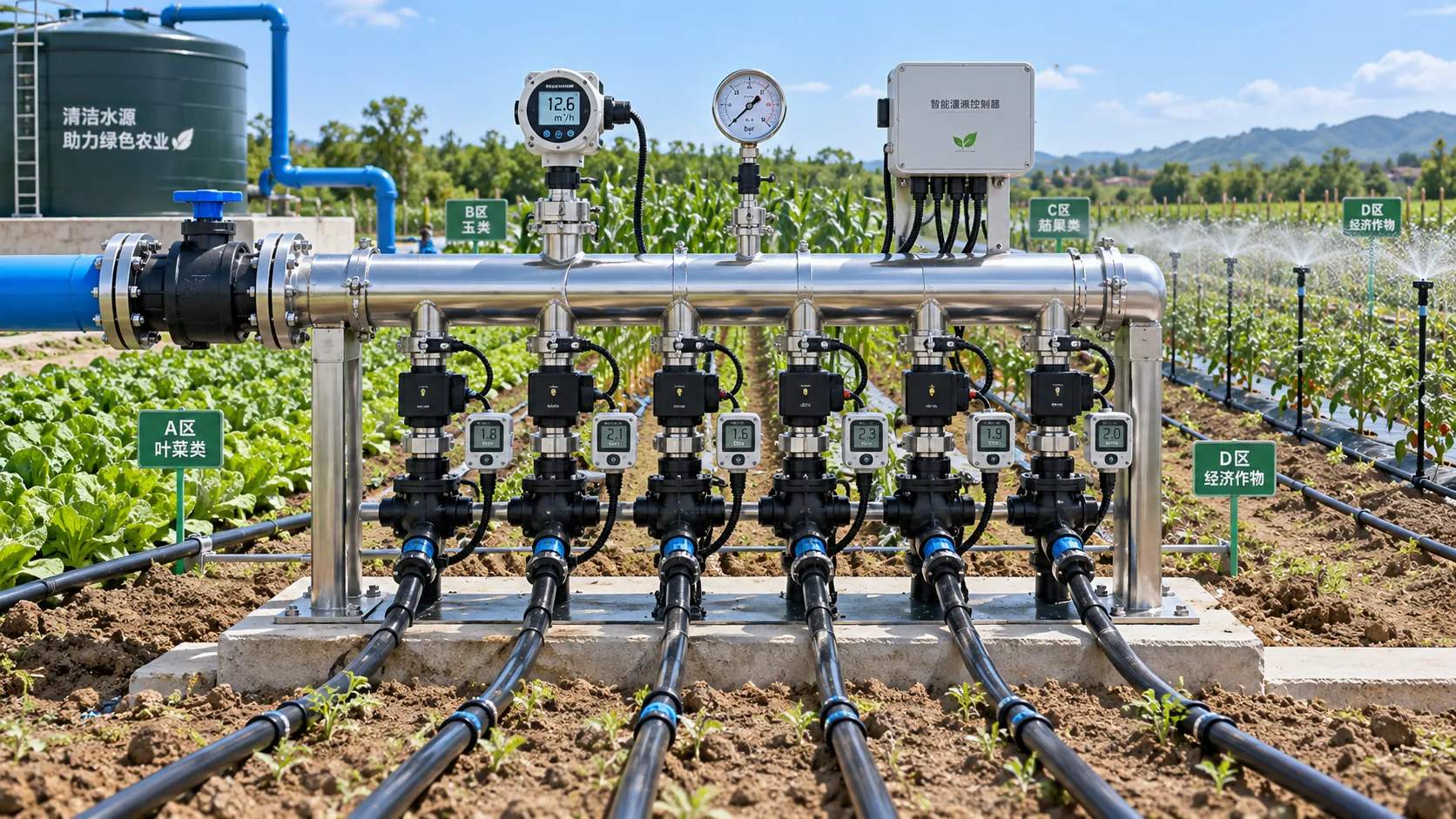
How to Select Smart Irrigation Valves for Multi-Zone Water Management?
Intelligent irrigation systems valves: learn how to match smart valves with multi-zone flow, pressure, control, feedback, and communication needs for reliable water management.
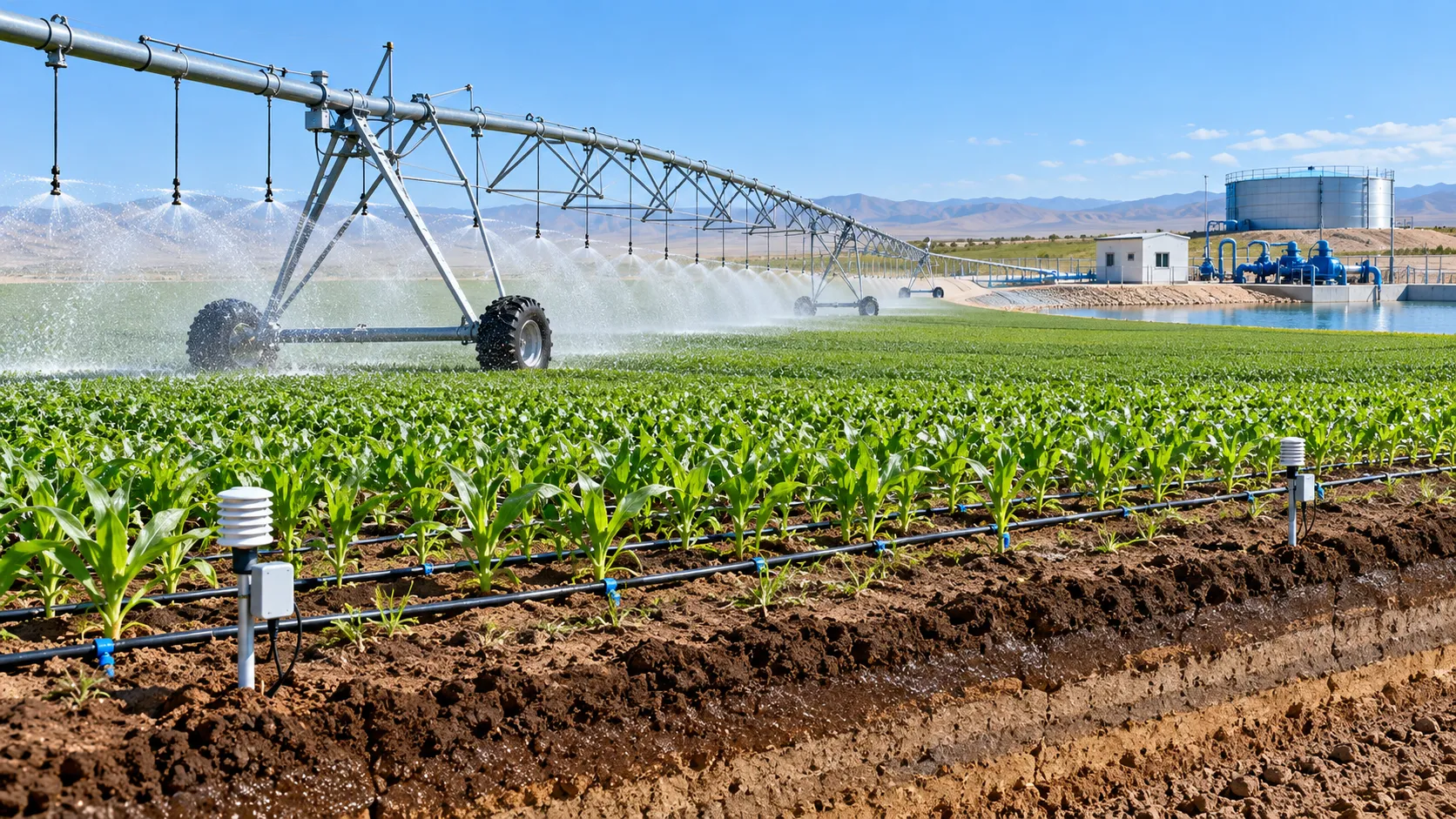
Climate-Smart Farming for Drought: A Practical Plan for Protecting Yields
Climate-smart farming for drought: build smarter water budgets, protect critical crop stages, improve irrigation uniformity, and safeguard yields with practical field-proven strategies.
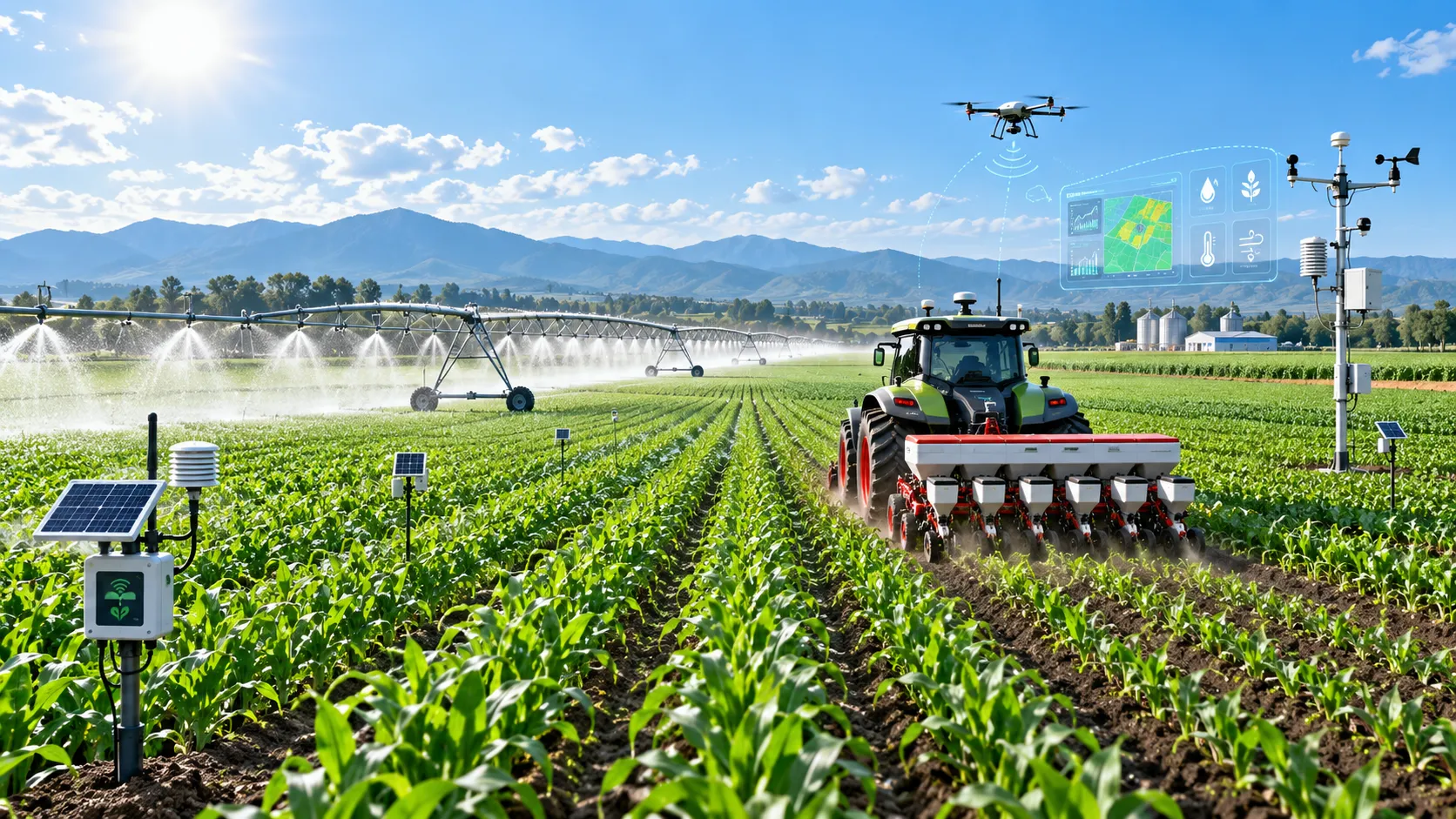
How Digital Agriculture Platforms Turn Field Data Into Better Input Decisions
Digital agriculture platforms turn field data into smarter fertilizer, water, seed, and equipment decisions—helping farms cut risk, improve margins, and scale sustainability.
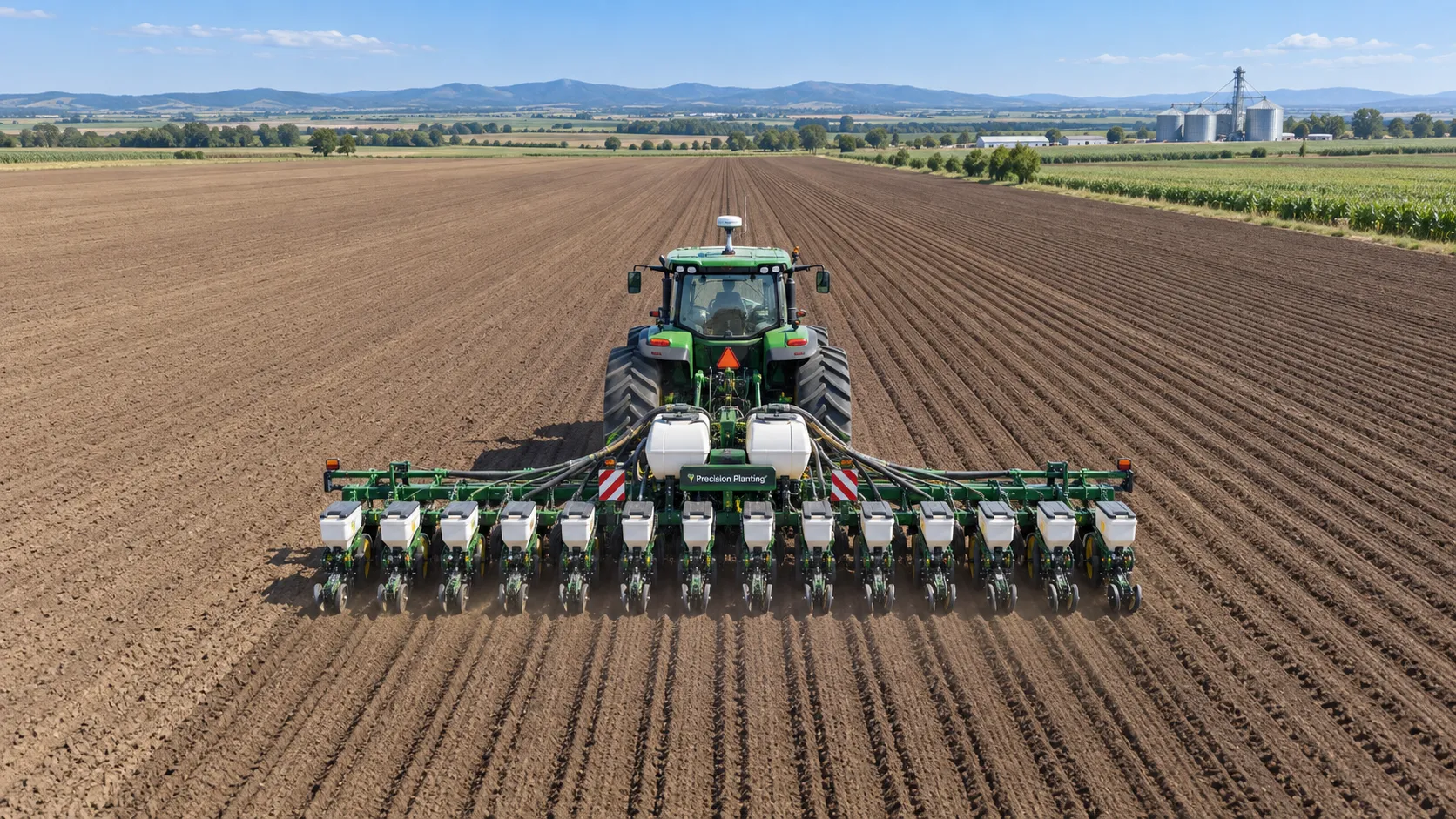
GPS-Guided Farm Machinery: Where It Delivers Measurable Field Efficiency Gains
Agri-mechanization GPS guided systems deliver measurable field efficiency gains through reduced overlap, precise planting, smarter inputs, and reliable farm data.
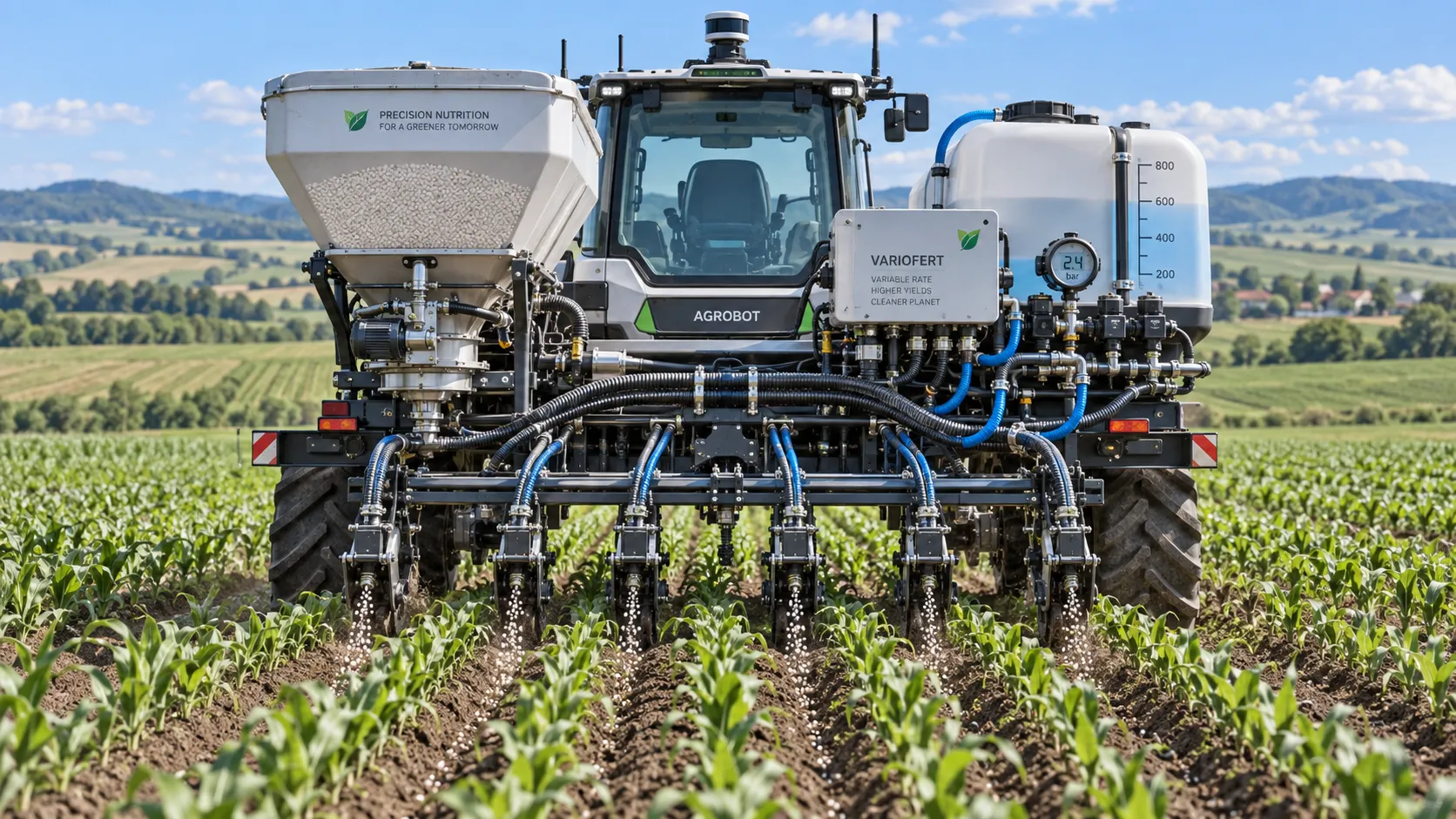
How Sensor Feedback Enables Accurate Variable-Rate Fertilization in Field Conditions
Precision fertilization systems with sensor feedback improve variable-rate accuracy by verifying flow, managing latency, and ensuring reliable field application.
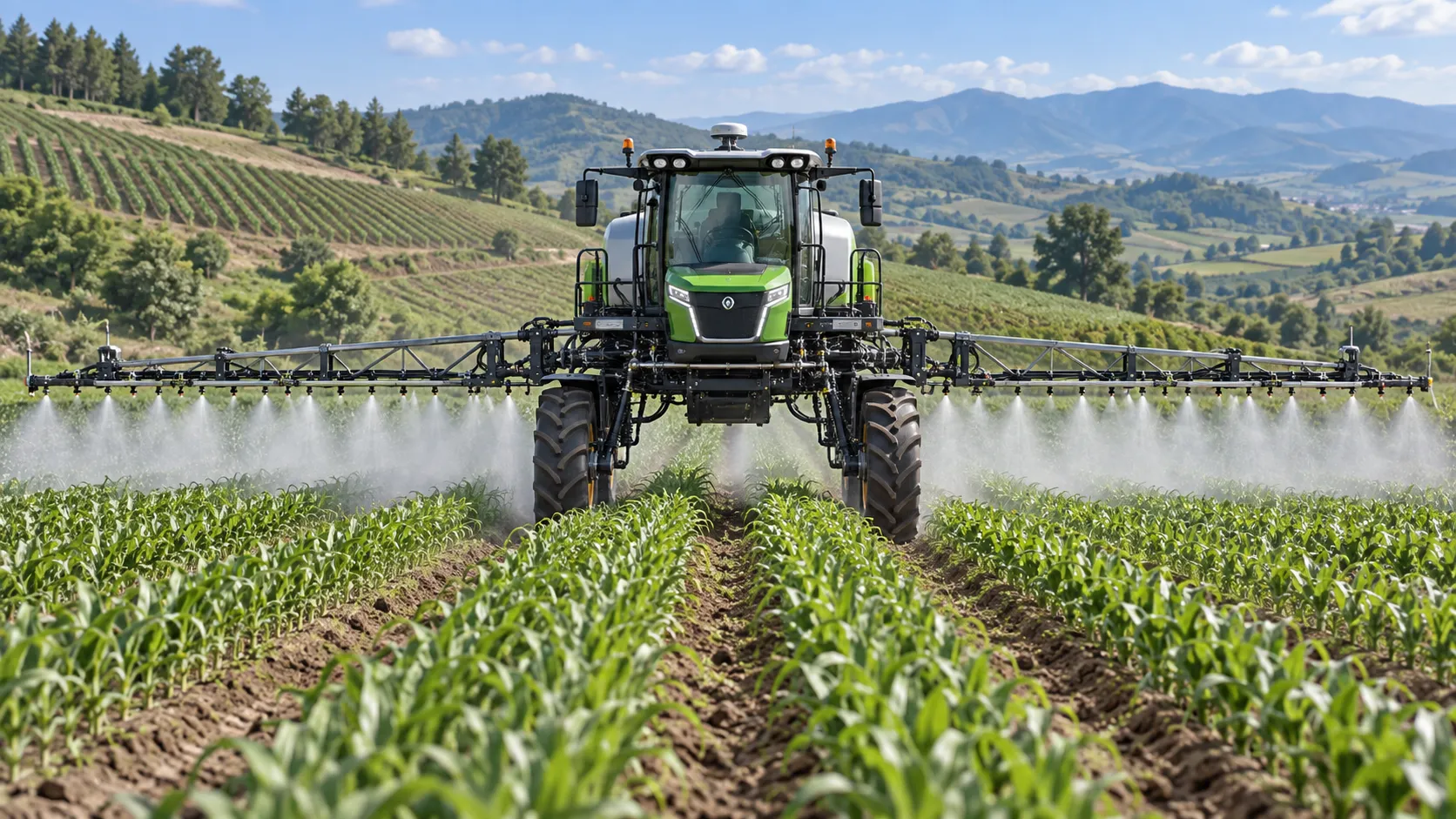
How to Select Precision Crop Protection Equipment for Variable Field Conditions
Precision crop protection equipment selection made simple: compare terrain, canopy, weather, control accuracy, and data workflows for reliable applications.
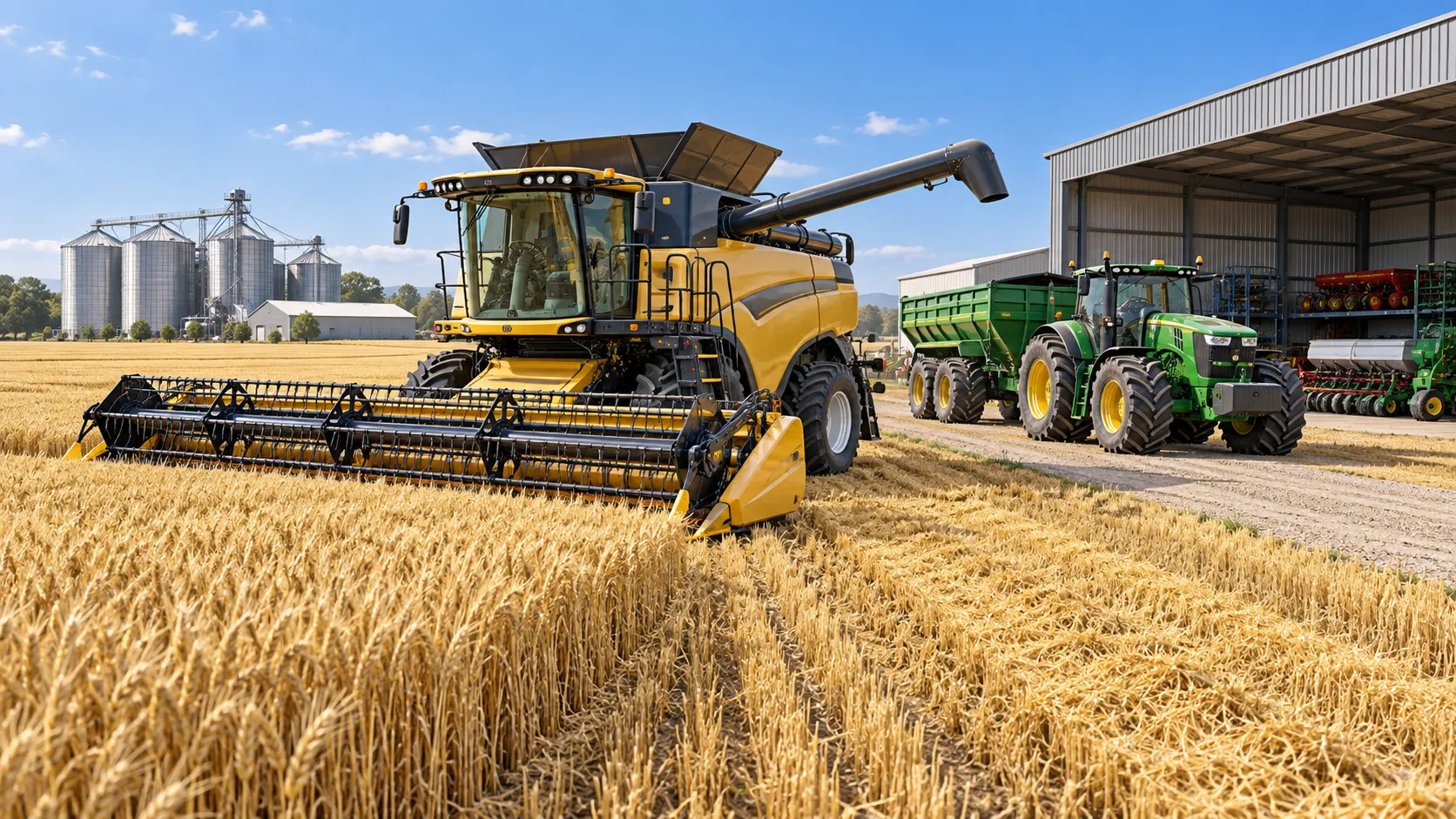
When Does Agricultural Machinery Leasing Cost Less Than Owning Equipment?
Agricultural machinery leasing can lower farm costs when use is seasonal or uncertain. Compare utilization, maintenance, cash flow, and risk to make a smarter equipment decision.
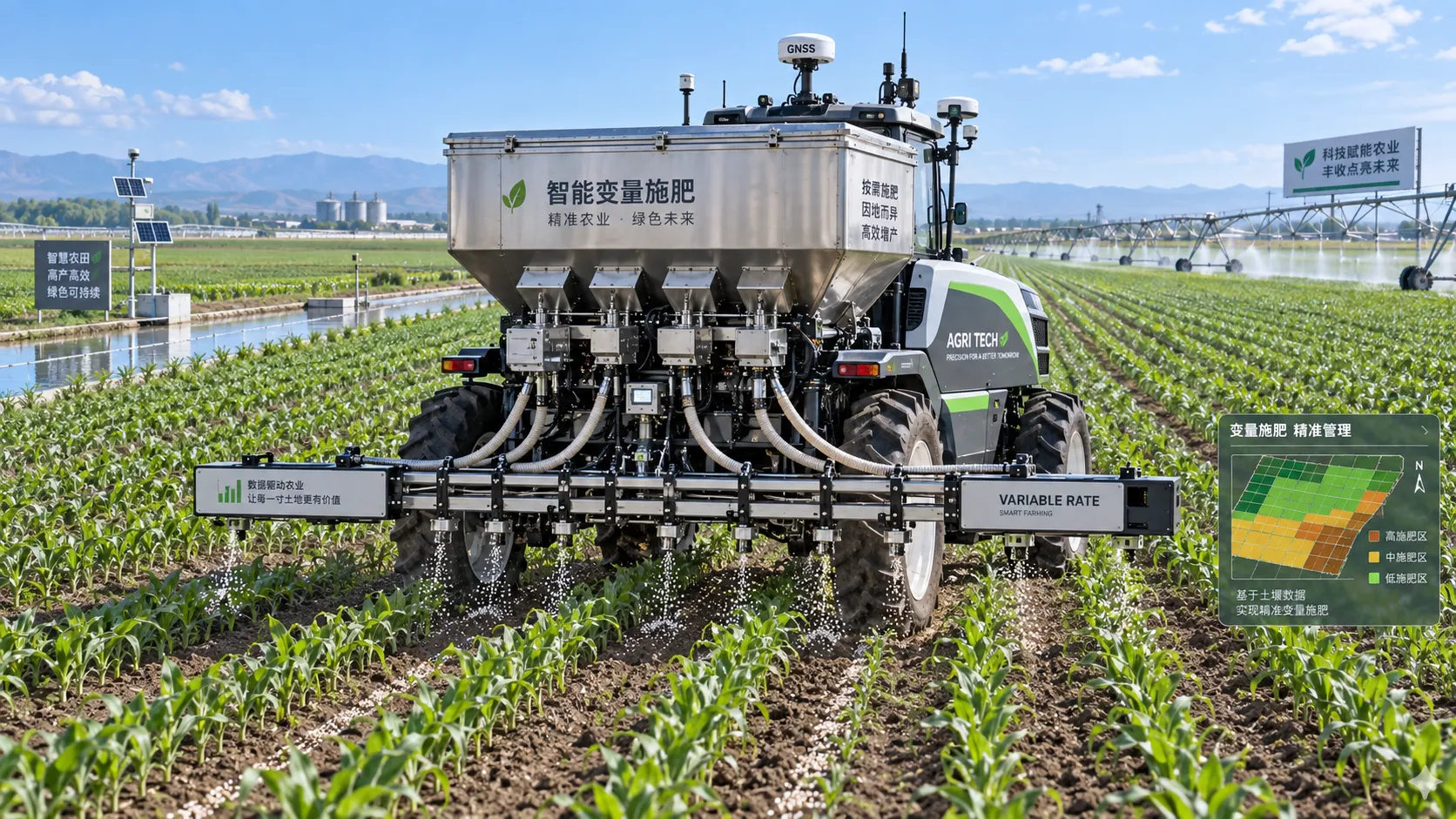
How to Evaluate Precision Fertilization System Suppliers for Farm-Scale Deployment
Precision fertilization systems suppliers: learn how to compare accuracy, integration, uptime, service, and total cost for confident farm-scale deployment.
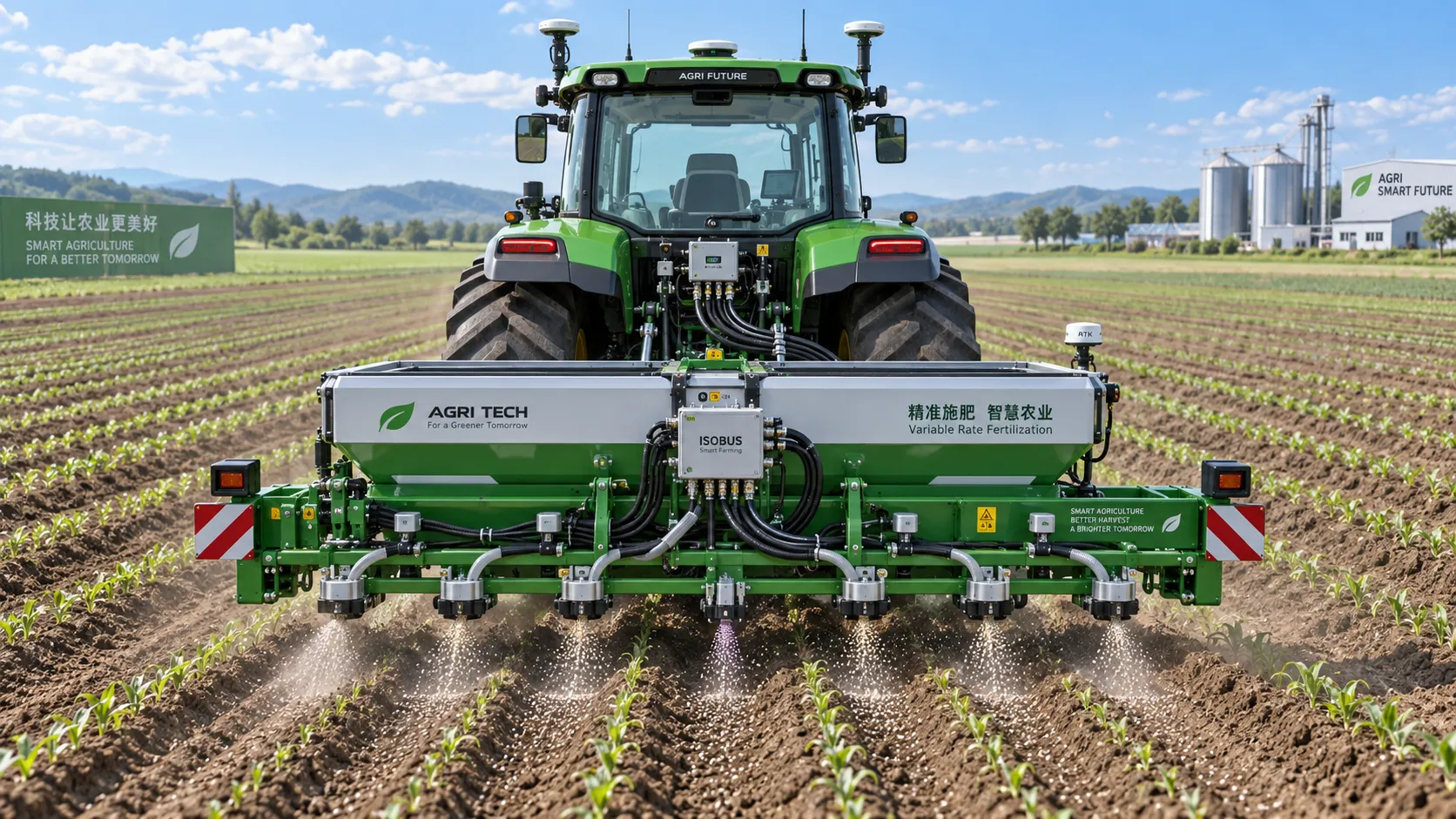
ISOBUS for Smart Agriculture: How It Connects Tractors, Implements, and Farm Data
ISOBUS for smart agriculture connects tractors, implements, terminals, and farm data—helping growers improve precision, documentation, and smarter field decisions.
Related News
- 00
0000-00
How Sensor Feedback Enables Accurate Variable-Rate Fertilization in Field Conditions - 00
0000-00
How to Select Precision Crop Protection Equipment for Variable Field Conditions - 00
0000-00
How to Evaluate Precision Fertilization System Suppliers for Farm-Scale Deployment - 00
0000-00
How to Select a Precision Fertilization System for Variable Corn Field Conditions - 00
0000-00
When does equipment for sustainable farming justify a higher capital spend?
Popular Tags
Tractor Power Architect
Weekly Insights
Stay ahead with our curated technology reports delivered every Monday.