
What precision agriculture solutions save most in the field?
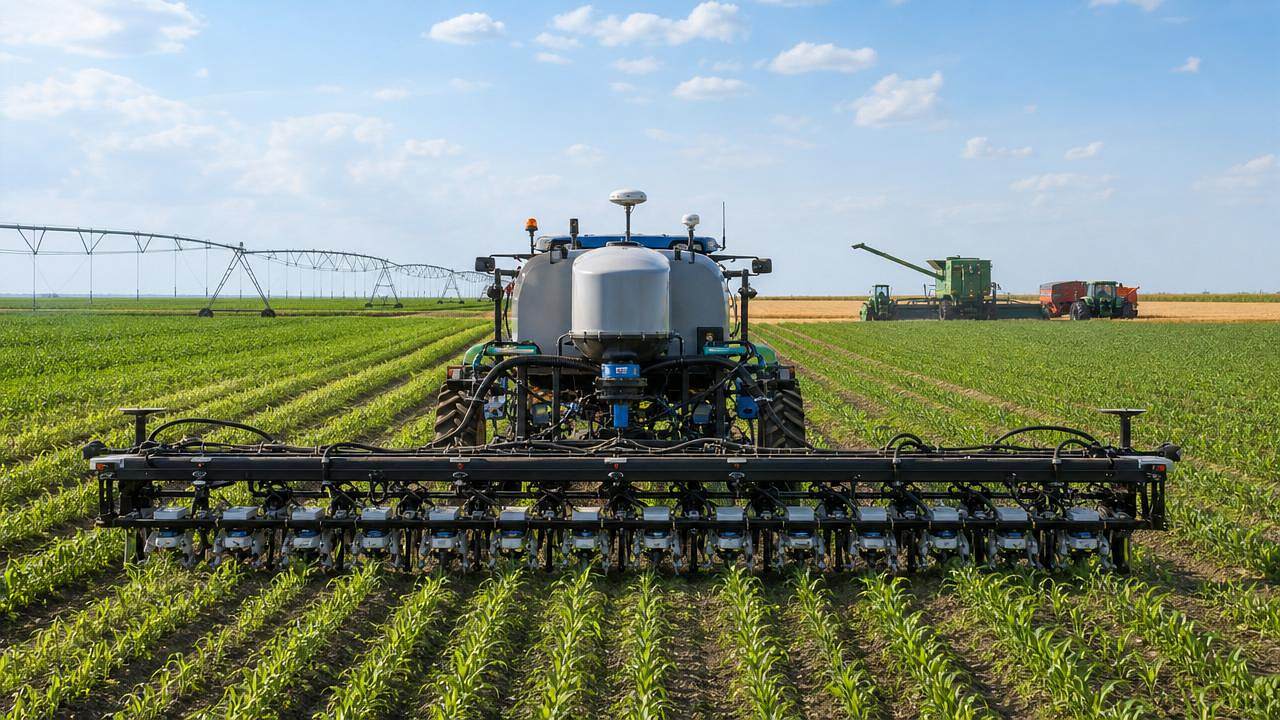




For operations comparing capital cost against measurable field return, precision agriculture solutions now define where the largest savings are found. The strongest gains usually come from reducing over-application, avoiding unnecessary passes, lowering harvest loss, and protecting water efficiency. In practical terms, the most valuable systems are those that connect agronomic data, machine control, and field execution into repeatable savings across each season.
Why a checklist matters when comparing precision agriculture solutions
Not all precision agriculture solutions save money in the same way. Some cut fertilizer use immediately. Others reduce fuel, labor hours, crop stress, or combine losses. A checklist prevents decisions based only on software features or equipment branding.
It also helps separate tools that generate data from systems that convert data into machine action. The biggest field savings rarely come from dashboards alone. They come from closed-loop control, where guidance, sensors, application maps, and machine settings work together.
In broad agricultural operations, the best precision agriculture solutions usually perform well in five areas: input control, water management, machine efficiency, harvest recovery, and decision timing. These areas should guide any side-by-side evaluation.
Core checklist: precision agriculture solutions that save the most
- Prioritize variable-rate application systems that adjust seed, fertilizer, or chemicals by zone, because they turn field variability into direct input savings and often improve stand uniformity.
- Choose GPS guidance and auto-steering that reduce overlap and skips, since consistent pass accuracy lowers fuel use, operator fatigue, and unnecessary product application.
- Deploy intelligent irrigation controls linked to soil moisture, evapotranspiration, and weather forecasts, because water savings grow when irrigation matches plant demand instead of fixed schedules.
- Use section control on sprayers and planters to stop double coverage at headlands, point rows, and irregular boundaries where waste usually accumulates fastest.
- Integrate telematics and machine performance monitoring to track idle time, route inefficiency, and hydraulic or engine loading that quietly increase operating cost.
- Adopt yield mapping with calibrated sensors, then compare harvested output against seeding, fertility, and irrigation layers to identify which prescriptions actually pay back.
- Configure combine loss monitoring and cleaning optimization tools, because grain left in the field can erase savings gained earlier from precise planting or fertilization.
- Select interoperable platforms that connect machinery, agronomic software, and irrigation data, since isolated systems often create extra labor without actionable savings.
- Evaluate sensor quality and update frequency before buying analytics subscriptions, because delayed or noisy data can trigger poor field decisions despite advanced interfaces.
- Measure savings by acre, by machine hour, and by harvested ton, so every precision agriculture solution is judged against operational reality rather than vendor claims.
Which precision agriculture solutions usually deliver the fastest payback
1. Guidance, auto-steering, and section control
These are often the quickest-return precision agriculture solutions because they attack visible waste. Overlap reduction immediately cuts seed, fertilizer, and crop protection cost. Cleaner traffic patterns also reduce compaction and simplify long working days.
On irregular fields, section control can outperform basic guidance alone. Stopping nozzles or planter rows at the correct moment prevents repeated application on field edges where margin losses are common but often underestimated.
2. Variable-rate seeding and nutrient application
Among precision agriculture solutions, variable-rate systems often produce the clearest agronomic and financial balance. High-potential zones receive enough support, while weaker areas avoid excessive investment that rarely converts into yield.
The real savings come when prescriptions are built from reliable layers such as soil tests, historical yield maps, elevation, and moisture trends. Poor prescriptions can simply redistribute cost without improving output.
3. Intelligent irrigation and water-saving control
In water-stressed regions, intelligent irrigation may be the highest-value category of precision agriculture solutions. Soil moisture probes, pressure monitoring, flow feedback, and weather-linked scheduling lower pumping cost while reducing under- or over-watering.
Savings extend beyond water. Better timing supports nutrient uptake, lowers disease pressure from excess moisture, and protects energy budgets. Systems that also detect leaks or uneven distribution create additional hidden value.
4. Harvest optimization and combine intelligence
Harvest is where earlier field investments are finally tested. Precision agriculture solutions for combine adjustment, cleaning loss feedback, throughput control, and grain quality monitoring can recover value that would otherwise be lost in a few days.
When crop conditions change across the day, static settings become expensive. Sensor-driven adjustments help maintain capacity without pushing losses too high, especially in cereals, oilseeds, and mixed moisture conditions.
Application notes by field scenario
Large broadacre grain systems
The best precision agriculture solutions here usually combine guidance, section control, variable-rate fertilizer, and combine loss management. Savings accumulate across thousands of acres, even when per-acre reductions appear modest at first.
Interoperability matters more at scale. If prescription files, machine data, and yield maps require manual rework, labor friction can cancel part of the economic gain.
Water-limited irrigated production
In these systems, intelligent irrigation and fertigation control are the precision agriculture solutions with the highest strategic impact. Water allocation, pumping energy, and nutrient delivery all depend on timing accuracy and distribution uniformity.
Adding remote alerts for pressure drops, clogged emitters, or abnormal flow helps prevent small failures from becoming large yield losses across critical crop stages.
Mixed equipment fleets and multi-brand operations
Here, the strongest precision agriculture solutions are usually platform-neutral tools. Standardized data exchange, simple map transfer, and unified telematics reduce training burden and improve execution consistency across machines.
A sophisticated feature set is less valuable if one tractor, sprayer, or combine cannot use it properly. Compatibility often saves more than premium analytics in fragmented fleets.
Commonly overlooked cost leaks and risk points
Uncalibrated sensors remain one of the most expensive hidden problems. Yield maps, moisture readings, and flow data lose value quickly when calibration routines are skipped during busy windows.
Poor boundary data can also distort the performance of precision agriculture solutions. Inaccurate field edges create mistakes in section control, application mapping, and machine reporting.
Another common issue is buying software before defining a decision process. If no one converts insights into planting rates, irrigation timing, or combine settings, the system produces information rather than savings.
Short-term ROI calculations sometimes ignore maintenance, subscriptions, training time, and signal reliability. A lower-cost system may become expensive if uptime is weak during narrow field windows.
Practical execution steps for selecting the right mix
- Map the biggest loss category first: overlap, water use, harvest loss, labor inefficiency, or nutrient waste.
- Match each loss category to precision agriculture solutions with direct machine control, not reporting-only functions.
- Run one-season pilots on representative fields, then compare savings by acre and by operation pass.
- Verify calibration protocols, service access, software compatibility, and data ownership before scaling.
- Expand only after field teams can repeat the workflow without vendor intervention.
Conclusion and next action
The precision agriculture solutions that save the most in the field are usually not the most complex. They are the ones that reduce overlap, control rates by zone, optimize irrigation timing, and protect grain during harvest. Savings become durable when data moves directly into machine action.
A practical next step is to rank current losses, shortlist the precision agriculture solutions tied to those losses, and test them against clear field metrics. That approach creates a stronger ROI path than buying features without an execution plan.
Related News
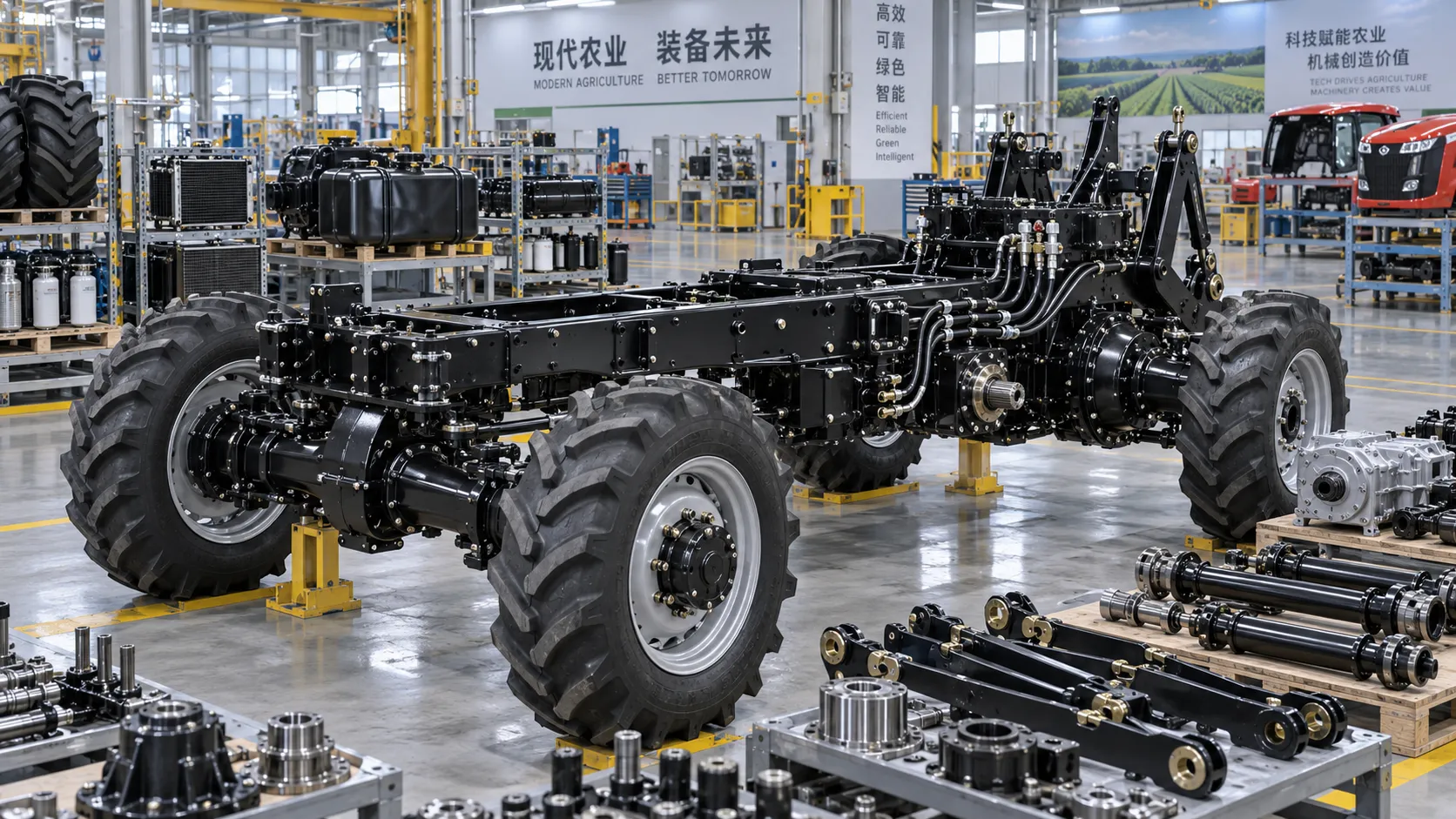
Tractor Chassis Price: What Buyers Should Compare Beyond the Initial Quote
Tractor chassis price is only the start. Compare load capacity, compatibility, durability, and lifecycle costs to choose a reliable, high-value chassis.
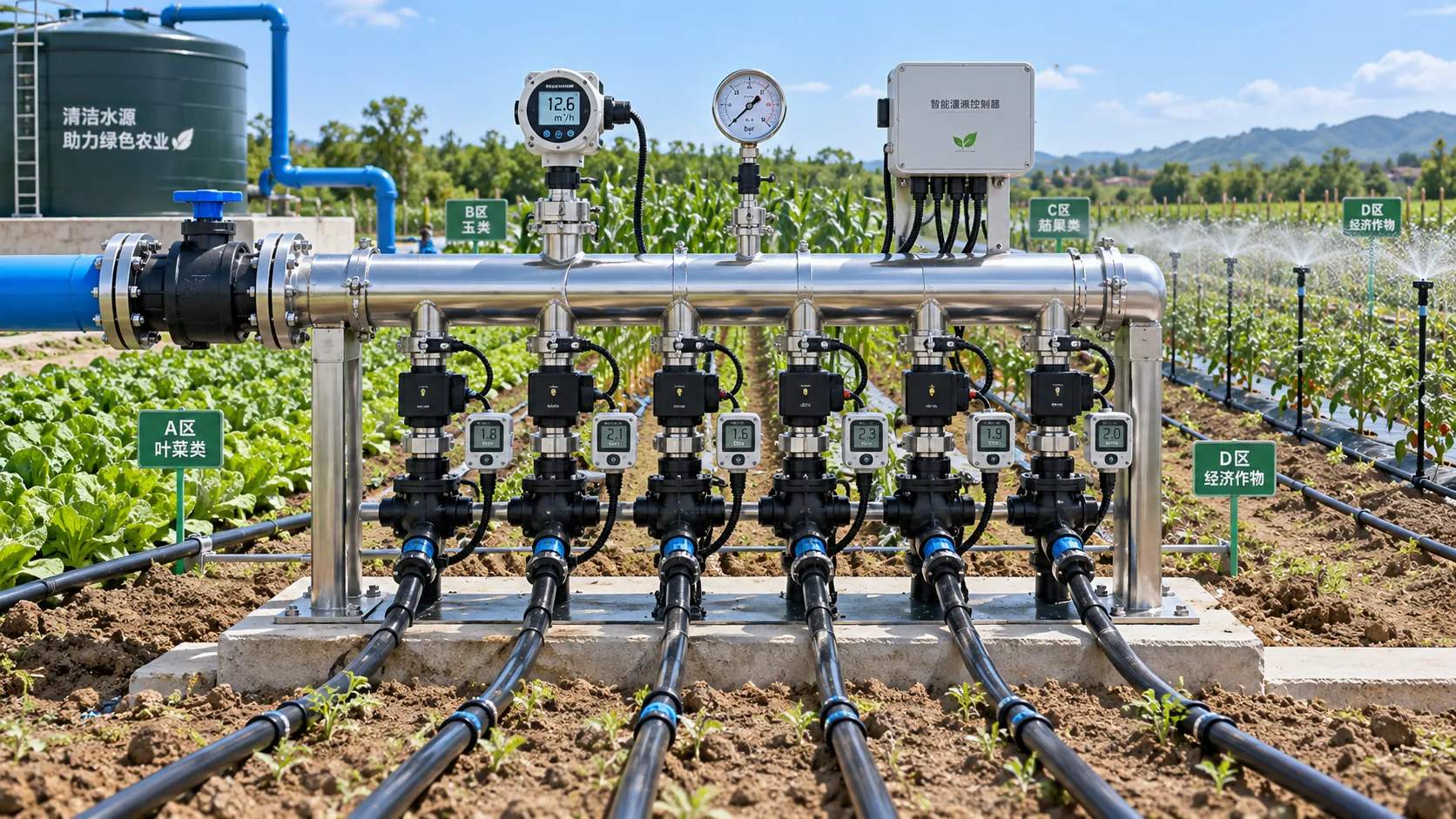
How to Select Smart Irrigation Valves for Multi-Zone Water Management?
Intelligent irrigation systems valves: learn how to match smart valves with multi-zone flow, pressure, control, feedback, and communication needs for reliable water management.
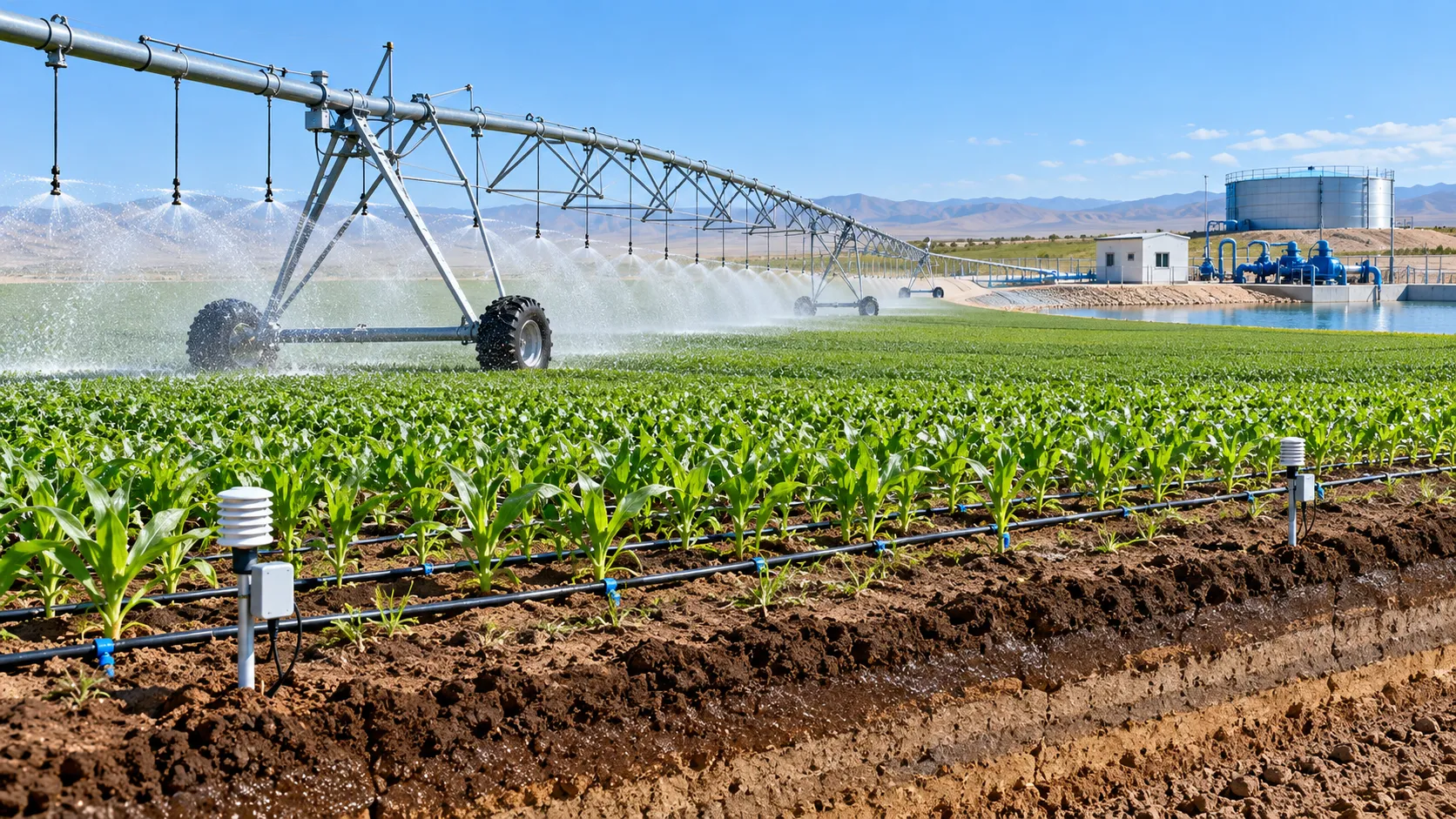
Climate-Smart Farming for Drought: A Practical Plan for Protecting Yields
Climate-smart farming for drought: build smarter water budgets, protect critical crop stages, improve irrigation uniformity, and safeguard yields with practical field-proven strategies.
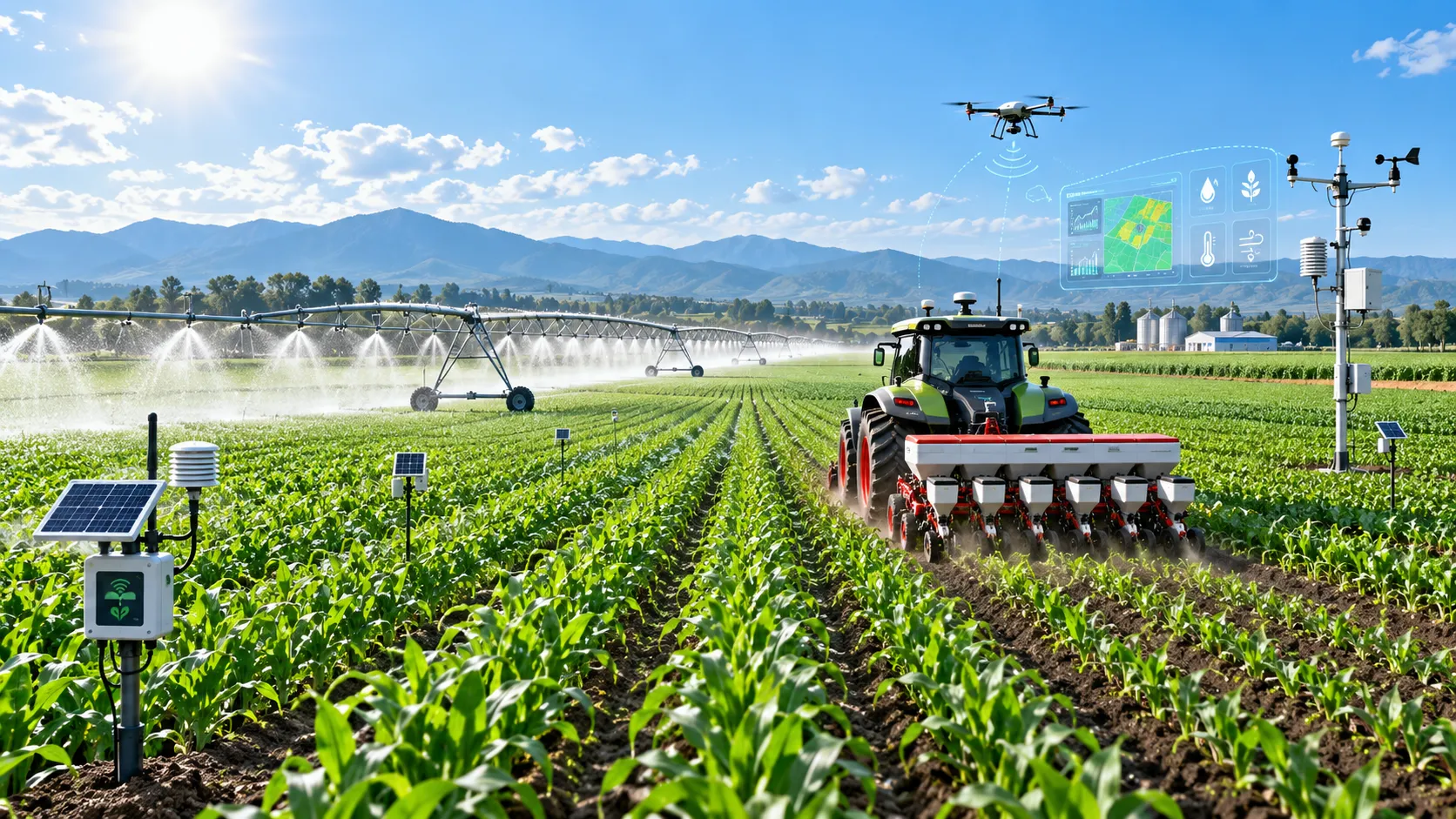
How Digital Agriculture Platforms Turn Field Data Into Better Input Decisions
Digital agriculture platforms turn field data into smarter fertilizer, water, seed, and equipment decisions—helping farms cut risk, improve margins, and scale sustainability.
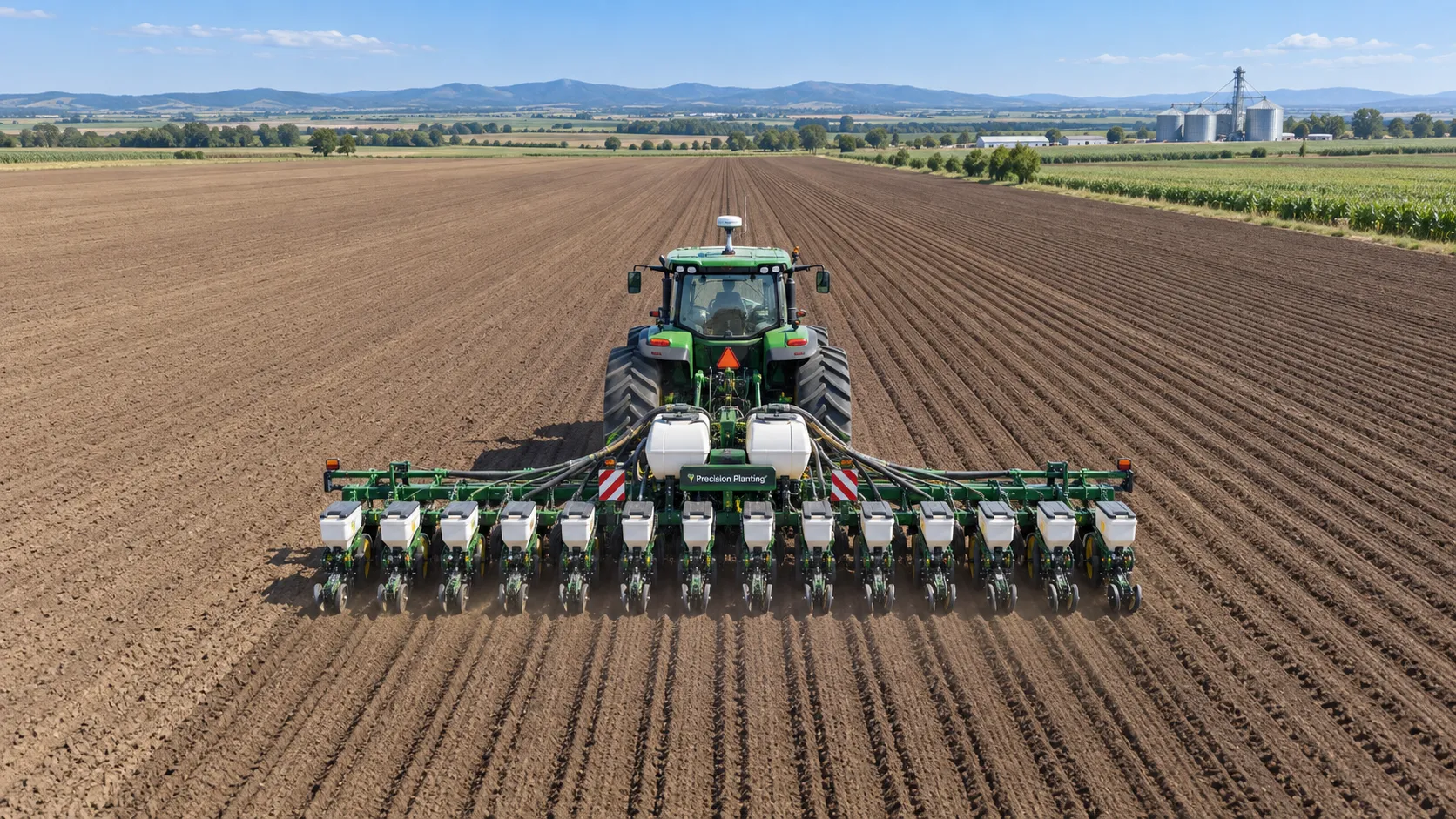
GPS-Guided Farm Machinery: Where It Delivers Measurable Field Efficiency Gains
Agri-mechanization GPS guided systems deliver measurable field efficiency gains through reduced overlap, precise planting, smarter inputs, and reliable farm data.
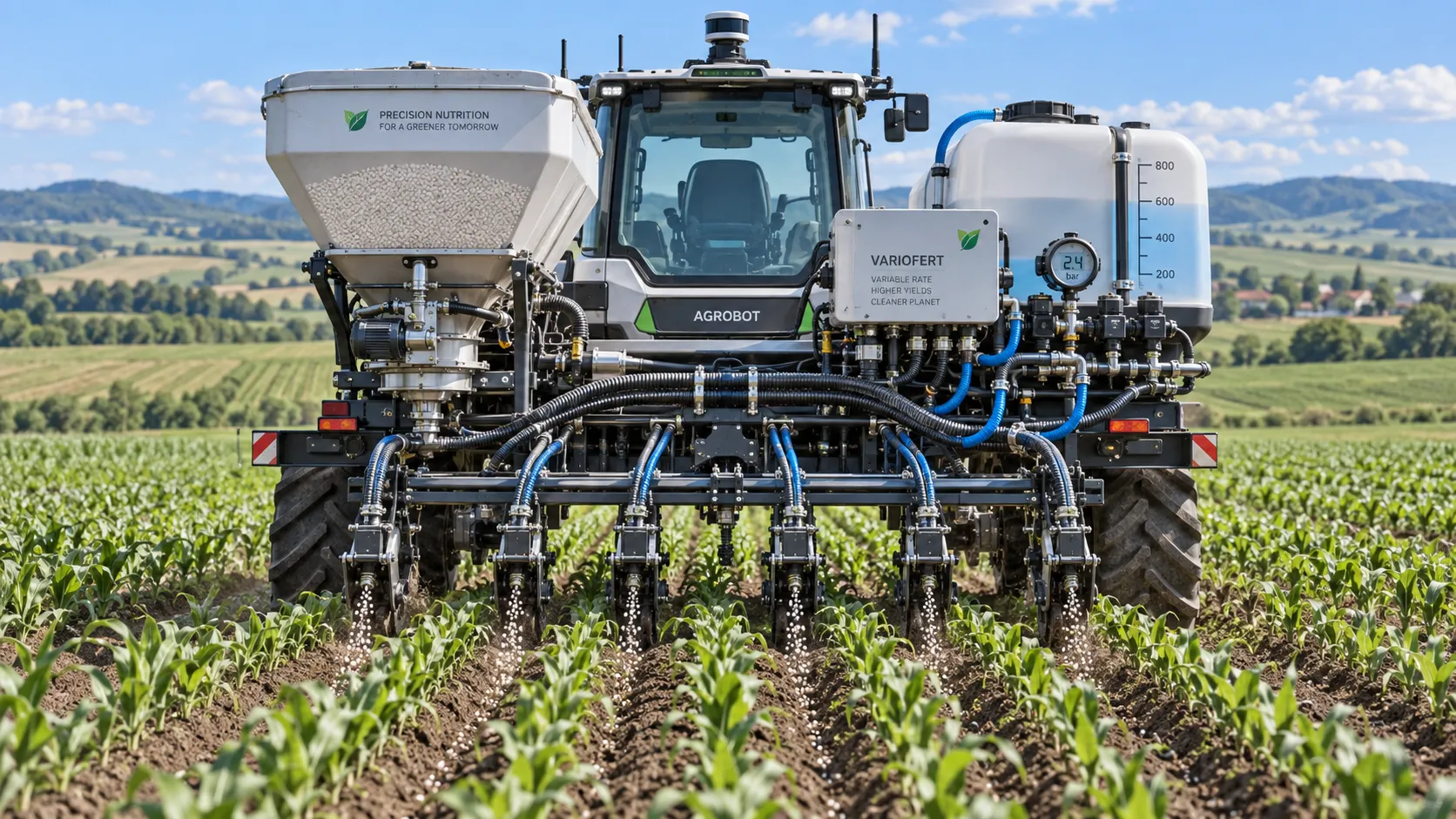
How Sensor Feedback Enables Accurate Variable-Rate Fertilization in Field Conditions
Precision fertilization systems with sensor feedback improve variable-rate accuracy by verifying flow, managing latency, and ensuring reliable field application.
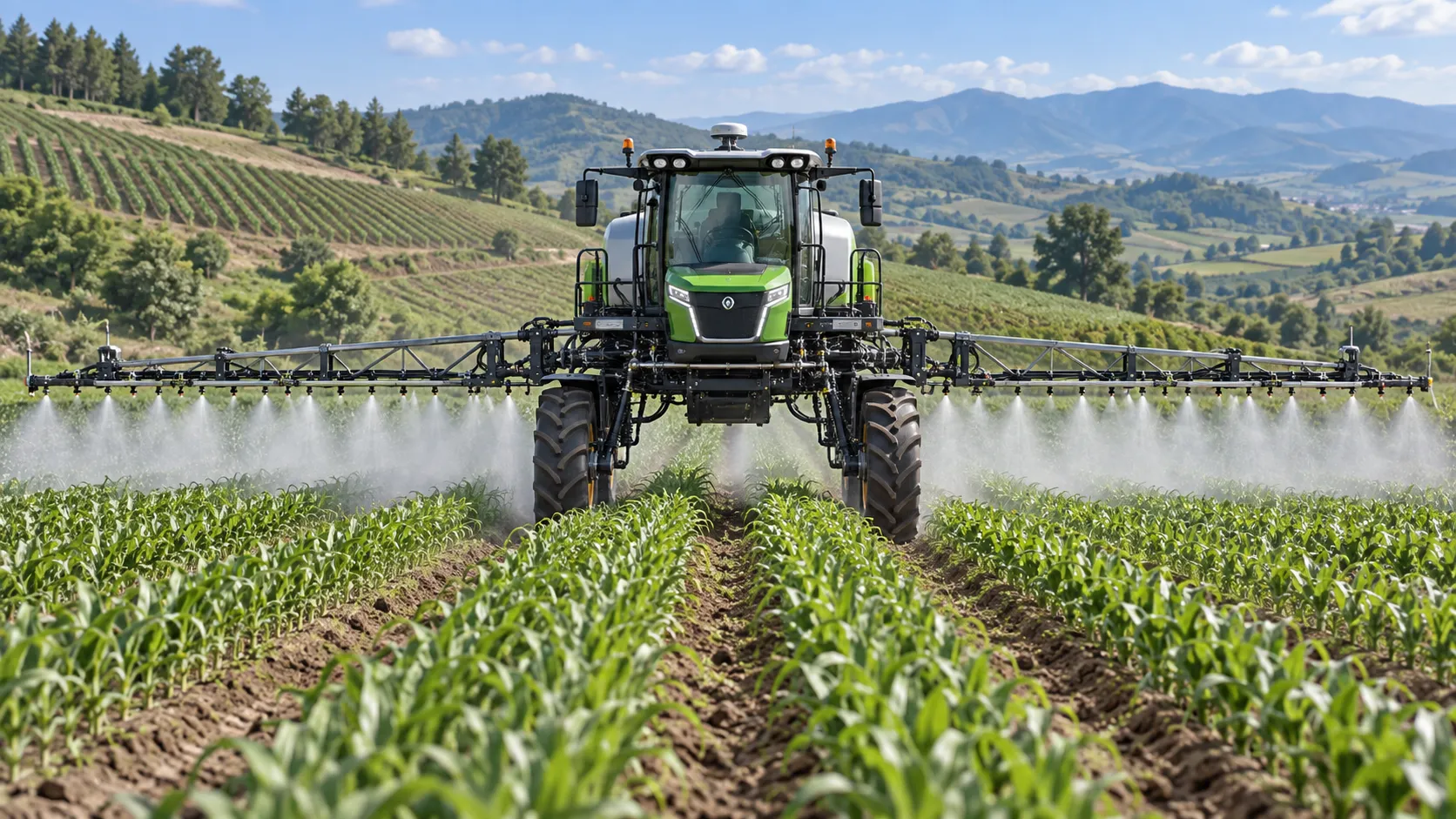
How to Select Precision Crop Protection Equipment for Variable Field Conditions
Precision crop protection equipment selection made simple: compare terrain, canopy, weather, control accuracy, and data workflows for reliable applications.

When Does Agricultural Machinery Leasing Cost Less Than Owning Equipment?
Agricultural machinery leasing can lower farm costs when use is seasonal or uncertain. Compare utilization, maintenance, cash flow, and risk to make a smarter equipment decision.

How to Evaluate Precision Fertilization System Suppliers for Farm-Scale Deployment
Precision fertilization systems suppliers: learn how to compare accuracy, integration, uptime, service, and total cost for confident farm-scale deployment.
Related News
- 00
0000-00
How Sensor Feedback Enables Accurate Variable-Rate Fertilization in Field Conditions - 00
0000-00
How to Select Precision Crop Protection Equipment for Variable Field Conditions - 00
0000-00
How to Evaluate Precision Fertilization System Suppliers for Farm-Scale Deployment - 00
0000-00
How to Select a Precision Fertilization System for Variable Corn Field Conditions - 00
0000-00
When does equipment for sustainable farming justify a higher capital spend?
Popular Tags
Tractor Power Architect
Weekly Insights
Stay ahead with our curated technology reports delivered every Monday.