
India Adds VRT Controllers to Kisan Drone Mission Subsidy List
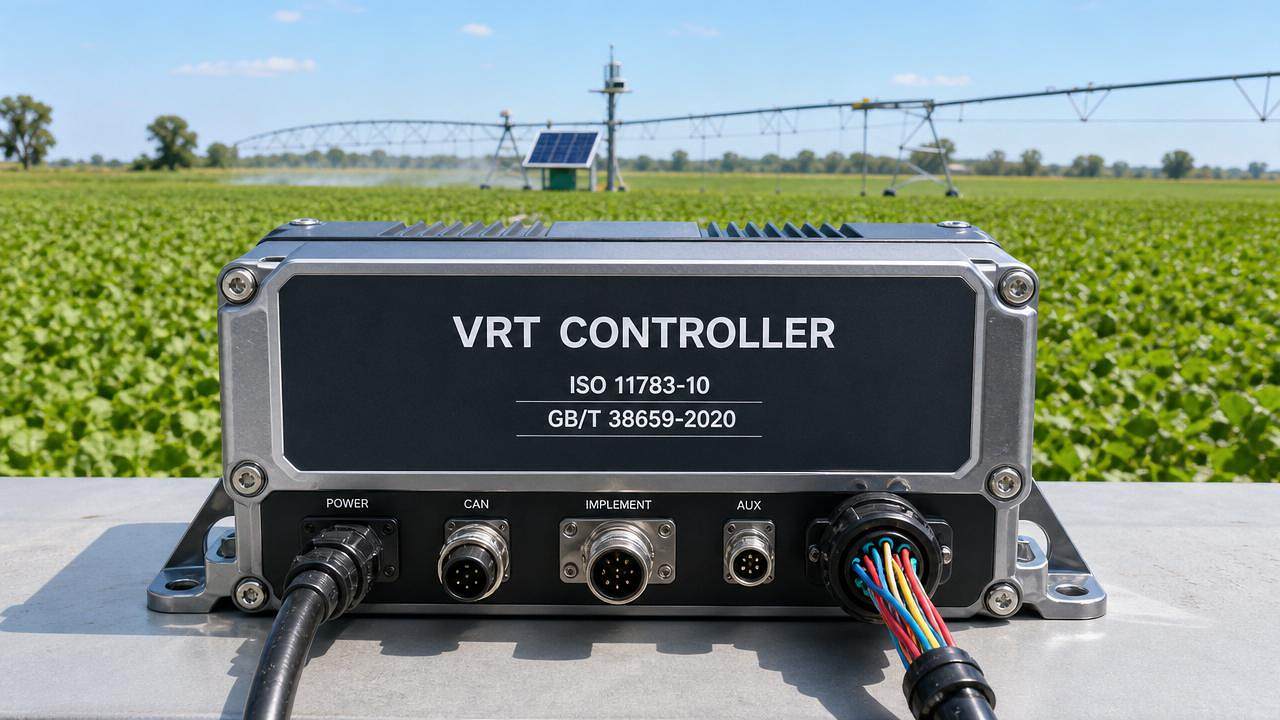




On May 16, 2026, India’s Ministry of Agriculture updated the subsidy procurement list under the ‘Kisan Drone & Smart Irrigation Mission’, formally including Variable Rate Technology (VRT) controllers for full subsidy coverage for the first time. The update specifies mandatory compliance with ISO 11783-10 communication protocol and compatibility with China’s GB/T 38659-2020 standard—making this development highly relevant for Chinese VRT controller manufacturers, agricultural equipment exporters, and certification service providers.
Event Overview
On May 16, 2026, the Indian Ministry of Agriculture issued an official update to the ‘Kisan Drone & Smart Irrigation Mission’ subsidy procurement directory. The revision explicitly adds Variable Rate Technology (VRT) controllers to the list of fully subsidized items. It further stipulates that eligible VRT controllers must support the ISO 11783-10 communication protocol and demonstrate compatibility with China’s national standard GB/T 38659-2020. No additional implementation timelines, volume targets, or regional rollout details were disclosed in the initial announcement.
Which Subsectors Are Affected
Chinese VRT Controller Exporters
These companies face direct regulatory alignment requirements: inclusion in the subsidy list creates a new market opportunity, but only for units meeting both ISO 11783-10 and GB/T 38659-2020 interoperability criteria. Impact manifests in product certification lead times, firmware adaptation costs, and potential delays in subsidy eligibility verification.
Agricultural Equipment OEMs Integrating VRT Systems
OEMs supplying drone-based or pivot irrigation systems to the Indian market may need to revalidate controller-level communication stacks. The requirement applies specifically to standalone or embedded VRT controllers—not entire platforms—meaning integration partners must verify controller-level conformance rather than system-level performance alone.
Certification and Compliance Service Providers
Testing labs and conformity assessment bodies accredited for ISO 11783-10 (particularly Part 10: Task Data) and GB/T 38659-2020 are likely to see increased demand for pre-submission validation. However, no official Indian accreditation pathway for GB/T 38659-2020 has been published; current reliance appears to be on self-declaration supported by third-party test reports.
Agri-Tech Distribution and Channel Partners in India
Local distributors handling imported VRT hardware will need to verify documentation packages—including protocol conformance statements and compatibility test summaries—before resale. Absence of clear import clearance guidance means channel partners must anticipate potential customs hold-ups pending verification of claimed standards alignment.
What Relevant Enterprises or Practitioners Should Focus On Now
Monitor official clarification on GB/T 38659-2020 acceptance criteria
The inclusion of GB/T 38659-2020—a Chinese national standard—is unprecedented in an Indian agricultural subsidy framework. Observably, this does not imply automatic recognition; it signals a de facto technical bridge requirement. Stakeholders should track whether India’s Bureau of Indian Standards (BIS) or the Agricultural & Processed Food Products Export Development Authority (APEDA) issues formal interpretation or equivalency guidance.
Prioritize ISO 11783-10 (Task Data) conformance testing
ISO 11783-10 governs digital task data exchange between farm management software and implement controllers. Analysis shows that incomplete implementation—e.g., partial support for prescription map formats or missing status feedback fields—is the most common cause of interoperability failure. Firms should allocate engineering resources to validate full clause-by-clause compliance, not just basic CAN message ID registration.
Prepare dual-labeling and bilingual technical documentation
Although not yet mandated, Indian agricultural subsidy applications increasingly require localized documentation. Current practice among early applicants suggests that English–Hindi bilingual user manuals, installation guides, and protocol interface specifications improve processing speed at state-level agricultural departments. Preparing these ahead of formal application submission reduces administrative friction.
Engage with Indian state agricultural machinery corporations (AMCs) directly
Subsidy disbursement occurs through state-level AMCs—not centrally. From industry perspective, AMC-level engagement is critical for understanding local interpretation of ‘compatibility’ and identifying pilot districts where VRT controller adoption is prioritized. Early dialogue helps align delivery schedules with state fiscal year procurement cycles.
Editorial Perspective / Industry Observation
This update is best understood as a targeted policy signal—not an immediate procurement trigger. Analysis shows that subsidy-list inclusion typically precedes actual tender activity by 4–6 months in India’s agricultural missions. The explicit naming of two distinct communication standards (one international, one national) reflects an emerging pattern: India is using subsidy eligibility to drive technical harmonization across global supply chains, rather than adopting wholesale foreign frameworks. Observably, this approach lowers barriers for Chinese suppliers familiar with GB/T 38659-2020 while maintaining interoperability anchors via ISO 11783-10. The mission remains in its early technical specification phase; sustained attention is warranted as state-level implementation guidelines emerge.
India’s agricultural technology policy continues shifting toward granular, protocol-level intervention—moving beyond hardware subsidies to shape data architecture choices. This makes the VRT controller listing less about immediate sales volume and more about long-term positioning within India’s evolving smart irrigation stack.
For stakeholders, the core implication is procedural: success depends less on product capability and more on demonstrable, auditable conformance to two specific, non-overlapping technical references. That shifts competitive advantage toward firms with structured compliance engineering capacity—not just manufacturing scale.
Conclusion
This development marks a calibrated expansion of India’s agricultural digital infrastructure policy—not a broad market opening, but a precise technical gateway. It signals India’s intent to anchor interoperability in globally recognized protocols while acknowledging domestic technical standards as functional equivalents. For affected enterprises, the priority is not rapid market entry, but methodical, standards-aligned preparation. The listing is better interpreted as an invitation to engage in technical due diligence, not a green light for bulk shipments.
Source Attribution
Main source: Official notification issued by the Ministry of Agriculture and Farmers’ Welfare, Government of India, dated May 16, 2026, under the ‘Kisan Drone & Smart Irrigation Mission’ subsidy procurement framework. Pending observation: Formal guidance from BIS or APEDA on GB/T 38659-2020 recognition pathways and state-level AMC implementation procedures.
Related News
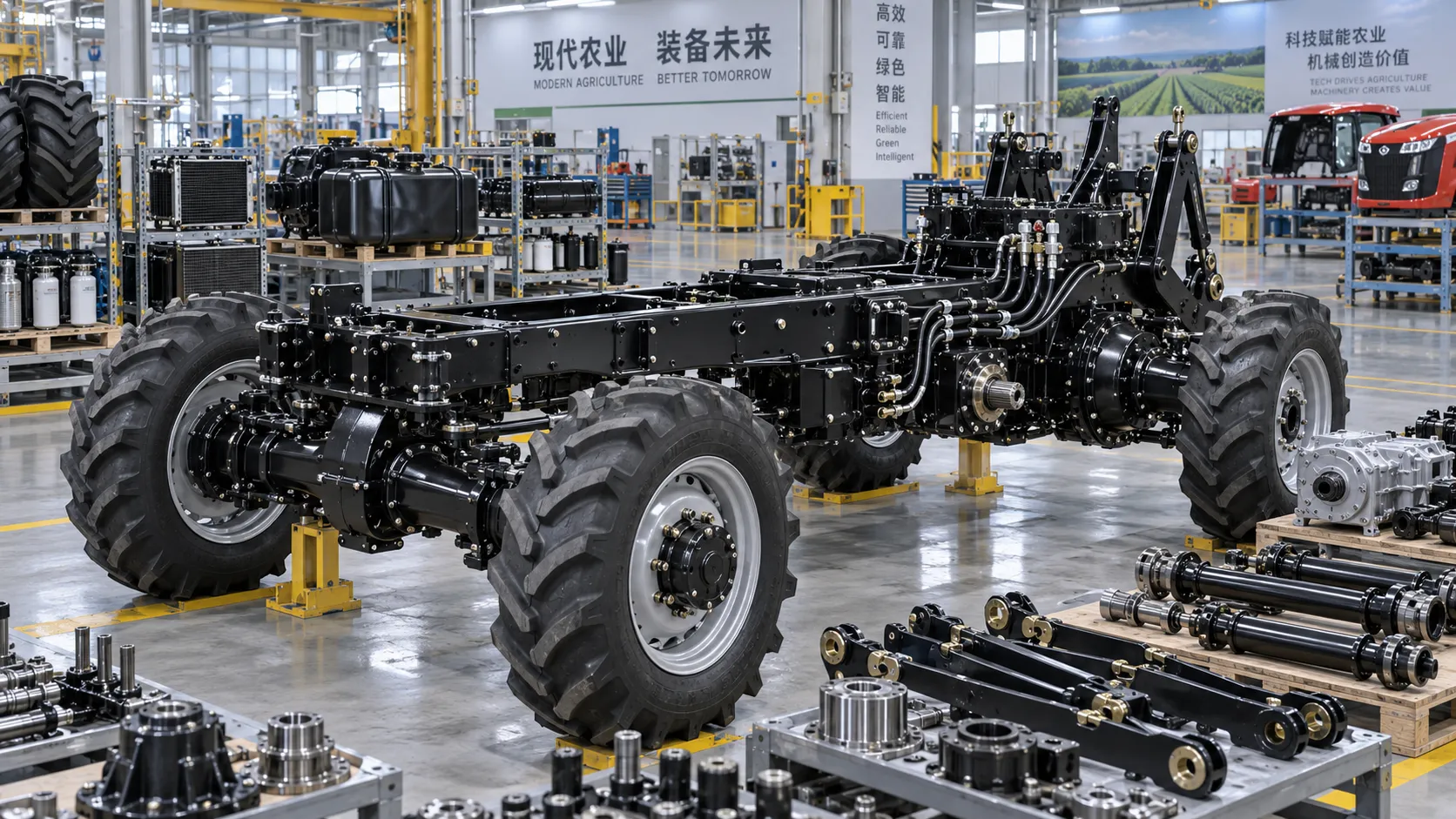
Tractor Chassis Price: What Buyers Should Compare Beyond the Initial Quote
Tractor chassis price is only the start. Compare load capacity, compatibility, durability, and lifecycle costs to choose a reliable, high-value chassis.
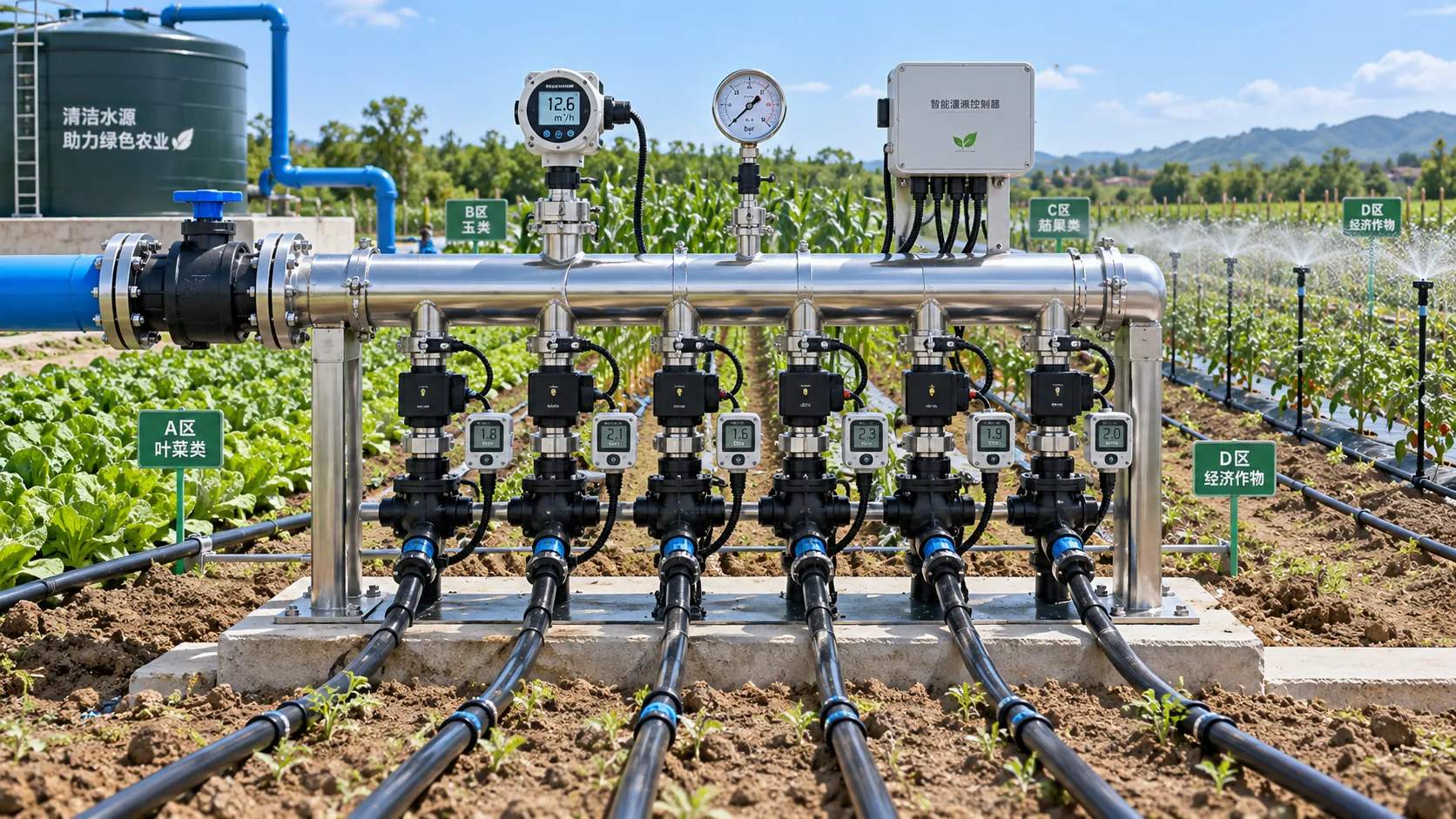
How to Select Smart Irrigation Valves for Multi-Zone Water Management?
Intelligent irrigation systems valves: learn how to match smart valves with multi-zone flow, pressure, control, feedback, and communication needs for reliable water management.
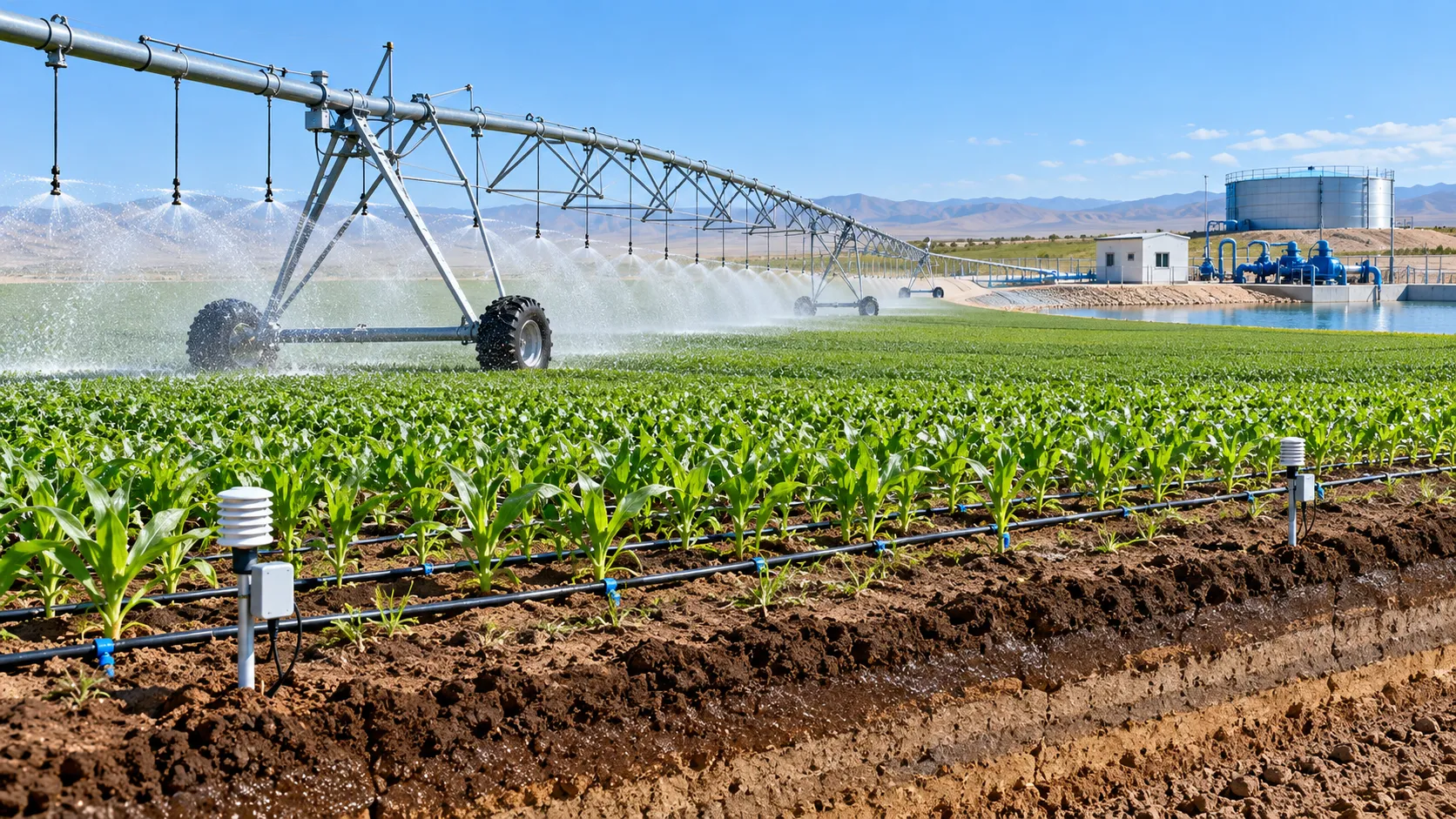
Climate-Smart Farming for Drought: A Practical Plan for Protecting Yields
Climate-smart farming for drought: build smarter water budgets, protect critical crop stages, improve irrigation uniformity, and safeguard yields with practical field-proven strategies.
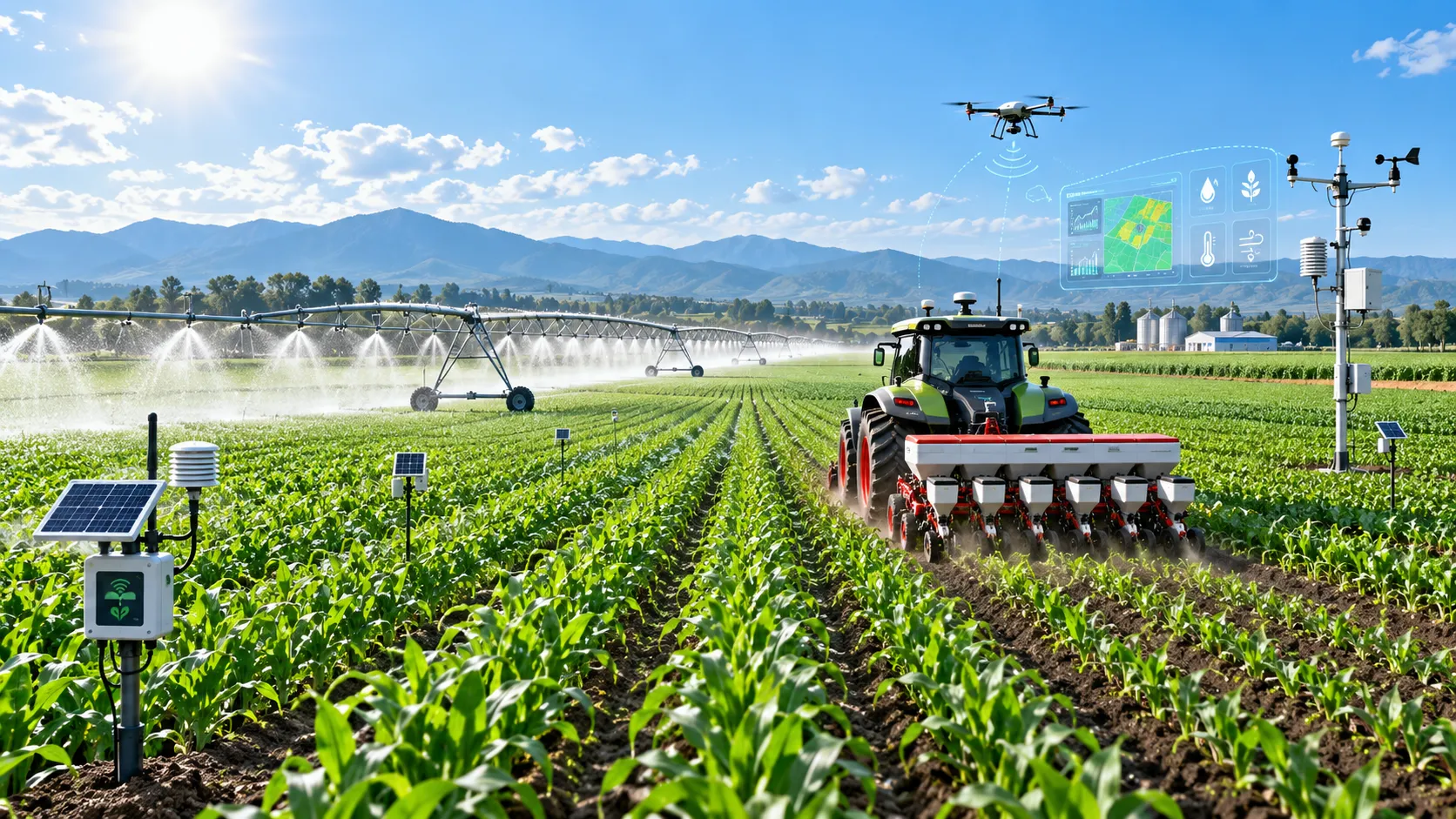
How Digital Agriculture Platforms Turn Field Data Into Better Input Decisions
Digital agriculture platforms turn field data into smarter fertilizer, water, seed, and equipment decisions—helping farms cut risk, improve margins, and scale sustainability.
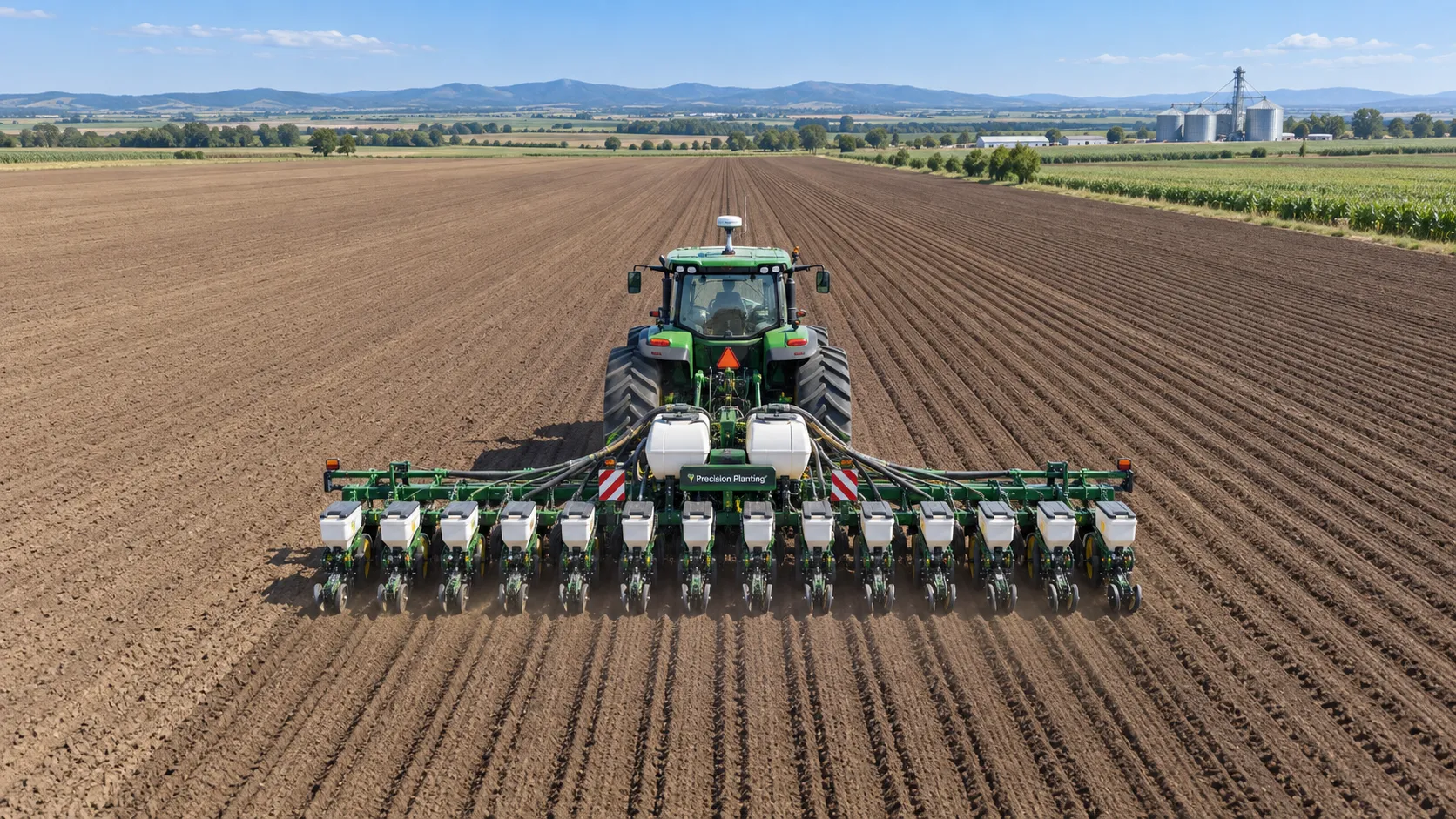
GPS-Guided Farm Machinery: Where It Delivers Measurable Field Efficiency Gains
Agri-mechanization GPS guided systems deliver measurable field efficiency gains through reduced overlap, precise planting, smarter inputs, and reliable farm data.
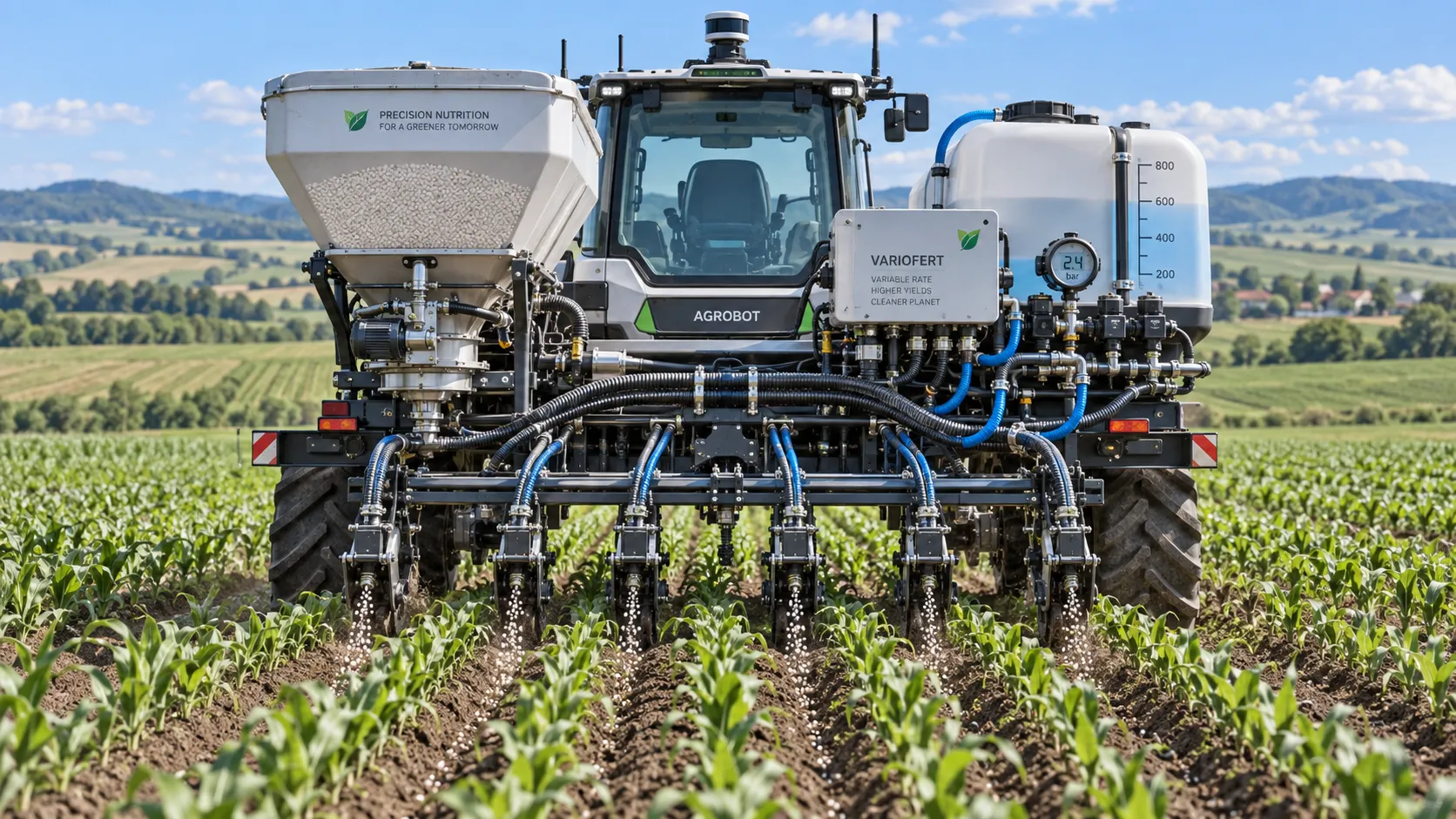
How Sensor Feedback Enables Accurate Variable-Rate Fertilization in Field Conditions
Precision fertilization systems with sensor feedback improve variable-rate accuracy by verifying flow, managing latency, and ensuring reliable field application.
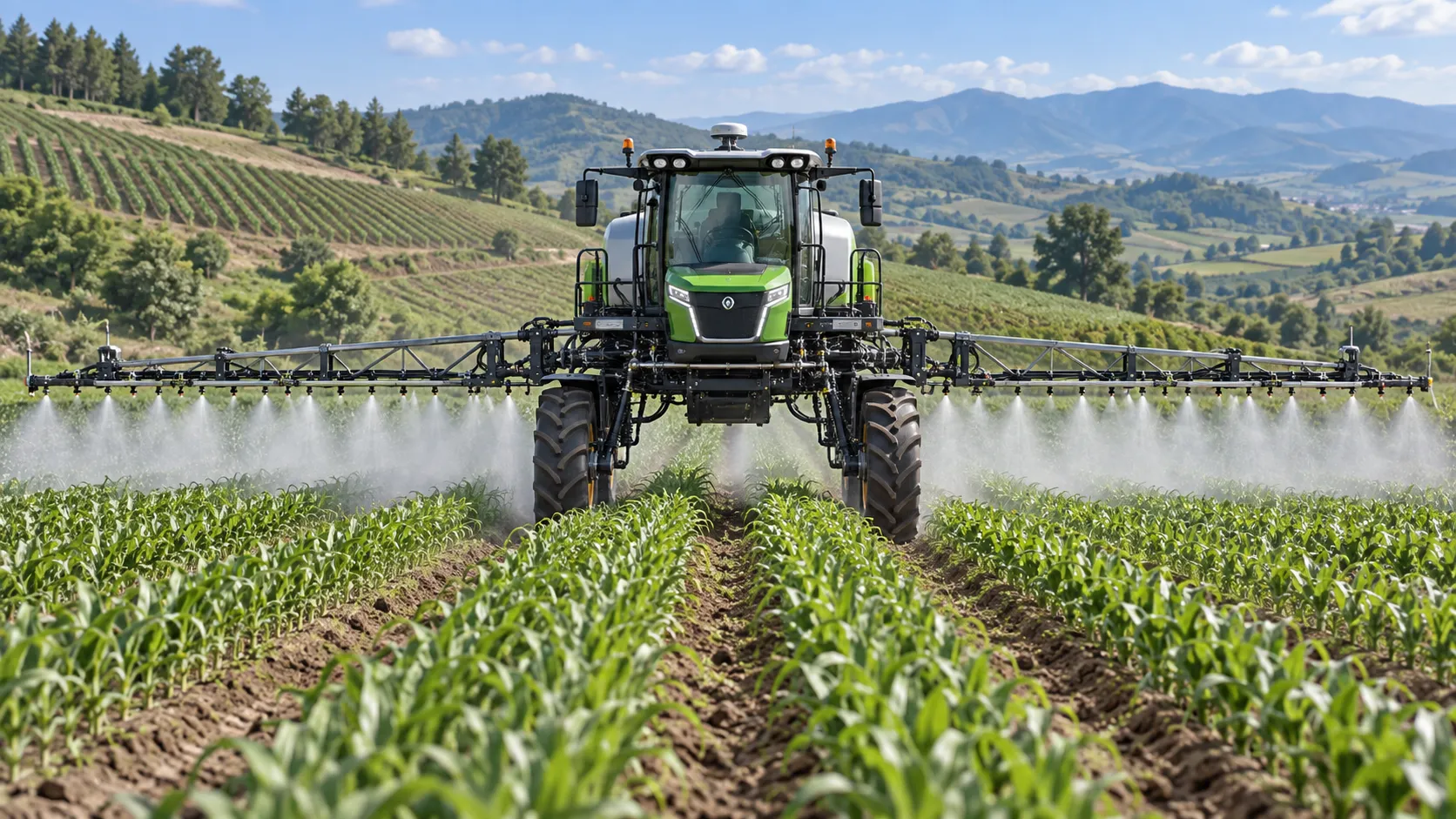
How to Select Precision Crop Protection Equipment for Variable Field Conditions
Precision crop protection equipment selection made simple: compare terrain, canopy, weather, control accuracy, and data workflows for reliable applications.

When Does Agricultural Machinery Leasing Cost Less Than Owning Equipment?
Agricultural machinery leasing can lower farm costs when use is seasonal or uncertain. Compare utilization, maintenance, cash flow, and risk to make a smarter equipment decision.

How to Evaluate Precision Fertilization System Suppliers for Farm-Scale Deployment
Precision fertilization systems suppliers: learn how to compare accuracy, integration, uptime, service, and total cost for confident farm-scale deployment.
Related News
- 00
0000-00
How Sensor Feedback Enables Accurate Variable-Rate Fertilization in Field Conditions - 00
0000-00
How to Select Precision Crop Protection Equipment for Variable Field Conditions - 00
0000-00
How to Evaluate Precision Fertilization System Suppliers for Farm-Scale Deployment - 00
0000-00
How to Select a Precision Fertilization System for Variable Corn Field Conditions - 00
0000-00
When does equipment for sustainable farming justify a higher capital spend?
Popular Tags
Tractor Power Architect
Weekly Insights
Stay ahead with our curated technology reports delivered every Monday.