
Four Ministries Promote 2025 Smart Livestock Equipment




On May 11, the Ministry of Agriculture and Rural Affairs and three other departments jointly released a technology promotion list for smart livestock farming in 2025 — marking a targeted policy signal to accelerate digital integration across agriculture-livestock value chains. The initiative directly links precision irrigation with animal feed management, signaling a structural shift from isolated farm automation toward cross-system intelligent coordination. Its implications extend beyond domestic modernization, touching export competitiveness, supply chain configuration, and service-layer innovation.
Event Overview
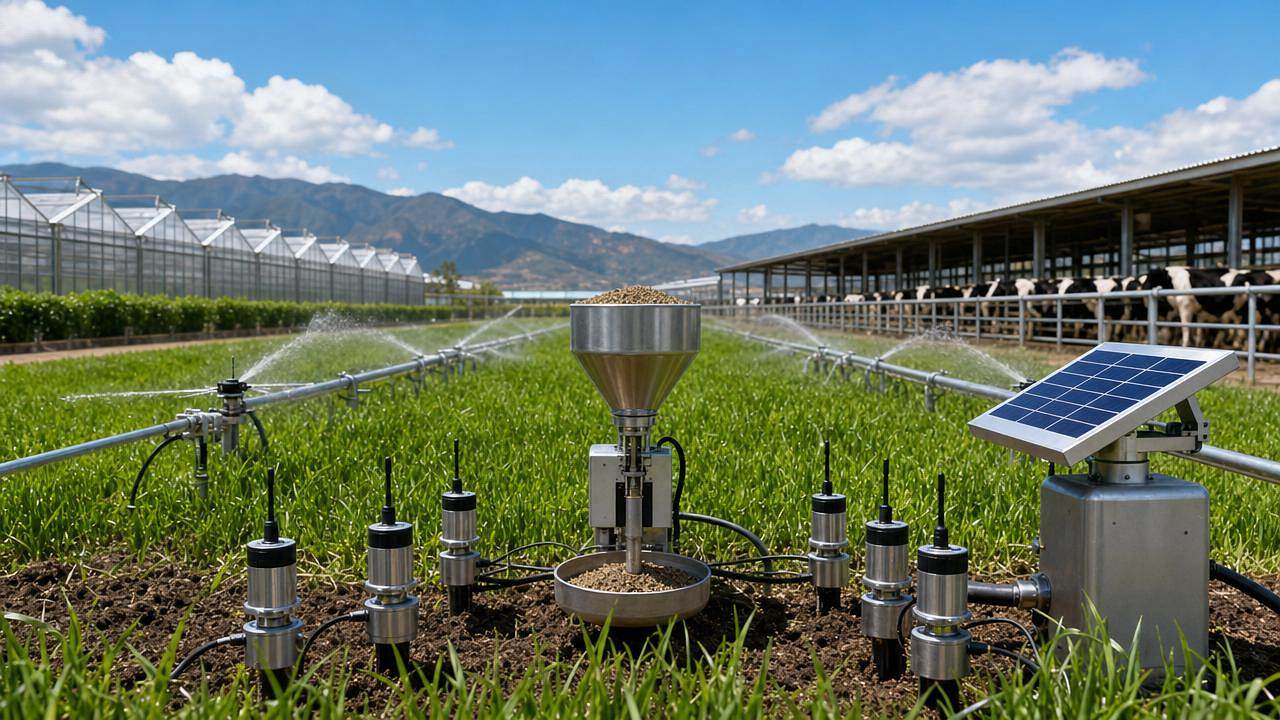
On May 11, the Ministry of Agriculture and Rural Affairs, the Ministry of Industry and Information Technology, the Ministry of Science and Technology, and the National Development and Reform Commission jointly issued a notice promoting 2025 smart livestock farming equipment technologies. Among them, the ‘Soil Moisture–Feedback–Based Feed–Irrigation Integrated Control Algorithm’ was selected as an integrated demonstration technology. Field validation was completed at a facility agriculture base in Dali, Yunnan, confirming its agronomic feasibility. The algorithm enables irrigation systems to automatically adjust watering frequency and volume for forage crops based on real-time crop evapotranspiration data. This model is positioned as a replicable solution for ‘agro-pastoral integrated farms’ in Southeast Asia and the Middle East, expanding the value-added application scope of Chinese smart irrigation systems in overseas markets.
Industries Affected
Direct trading enterprises: These firms face revised export qualification expectations — particularly for smart irrigation hardware bundled with livestock system interfaces. The inclusion of a feed–irrigation linkage algorithm in an official promotion list implicitly raises technical documentation, interoperability certification, and after-sales support requirements for overseas buyers. Market access may now hinge less on standalone device performance and more on verifiable system-level integration capability.
Raw material procurement enterprises: Procurement strategies for sensor components (e.g., soil moisture probes, evapotranspiration estimation modules) are likely to shift toward higher-precision, agro-climatically calibrated specifications. Demand may rise for dual-use sensors validated under both horticultural and pastoral conditions — a niche not previously prioritized in bulk sourcing.
Manufacturing enterprises: Equipment makers must now accommodate embedded algorithmic logic — not just mechanical or hydraulic functions. This implies increased R&D investment in firmware development, edge-computing compatibility, and multi-parameter control architecture. Firms lacking software-defined hardware capabilities risk marginalization in bidding for government-backed demonstration projects.
Supply chain service enterprises: Logistics and technical support providers will need to adapt to hybrid delivery models: physical hardware + cloud-based algorithm licensing + localized calibration services. Cross-border technical training capacity — especially for agronomists familiar with both irrigation scheduling and livestock nutrition parameters — becomes a differentiating service layer.
Key Focus Areas and Response Measures
Align product documentation with integrated system standards
Enterprises exporting smart irrigation or feeding equipment should revise technical dossiers to explicitly reference interoperability protocols used in the Dali validation — particularly data exchange formats between soil moisture sensors, evapotranspiration calculators, and actuator controllers. Regulatory reviewers increasingly expect traceability to nationally endorsed integration frameworks.
Evaluate regional replication pathways for agro-pastoral markets
Firms targeting Southeast Asia or the Middle East should conduct preliminary feasibility mapping — assessing local availability of compatible evapotranspiration estimation models, common forage crop water response curves, and existing irrigation infrastructure readiness. The Dali model’s success rests on context-specific calibration; direct technology transfer without such adaptation carries high implementation risk.
Strengthen cross-disciplinary technical teams
Developing or supporting feed–irrigation联动 systems requires collaboration between agronomists, animal nutritionists, and control systems engineers — roles rarely co-located in traditional agricultural equipment firms. Building internal or consortium-based competency in multi-domain parameter modeling (e.g., linking pasture ET to feed intake thresholds) is now operationally urgent.
Editorial Perspective / Industry Observation
Observably, this promotion represents less a standalone equipment endorsement and more a policy-driven nudge toward systemic interoperability. Unlike previous smart agriculture initiatives focused on single-point automation (e.g., autonomous tractors or feed dispensers), the feed–irrigation linkage introduces feedback loops across biological, hydrological, and nutritional domains. Analysis shows that the real strategic value lies not in algorithm novelty per se, but in China’s emerging capacity to codify and scale cross-domain agronomic logic into export-ready technical packages. Current regulatory framing treats such integration as ‘demonstration-grade’ — suggesting near-term commercial deployment remains contingent on further field validation under diverse climatic and management regimes.
Conclusion
This policy action signals a maturing phase in China’s smart agriculture strategy: from component-level digitization to orchestrated ecosystem intelligence. For global stakeholders, it underscores that future competitiveness in agricultural technology exports will be determined not only by hardware reliability or software sophistication — but by demonstrable capacity to embed domain-specific agronomic knowledge into adaptive, closed-loop control architectures. A measured, evidence-based adoption pace — rather than rapid scaling — remains the most rational industry trajectory.
Source Attribution
Official notice jointly issued by the Ministry of Agriculture and Rural Affairs, the Ministry of Industry and Information Technology, the Ministry of Science and Technology, and the National Development and Reform Commission on May 11. Technical validation details sourced from the Dali Facility Agriculture Base trial report (unpublished, cited in official briefing). Ongoing observation required for: (1) formal standardization of the feed–irrigation control algorithm; (2) expansion of the promotion list to include third-party verification criteria; (3) updates on export facilitation mechanisms linked to this technology package.
Related News
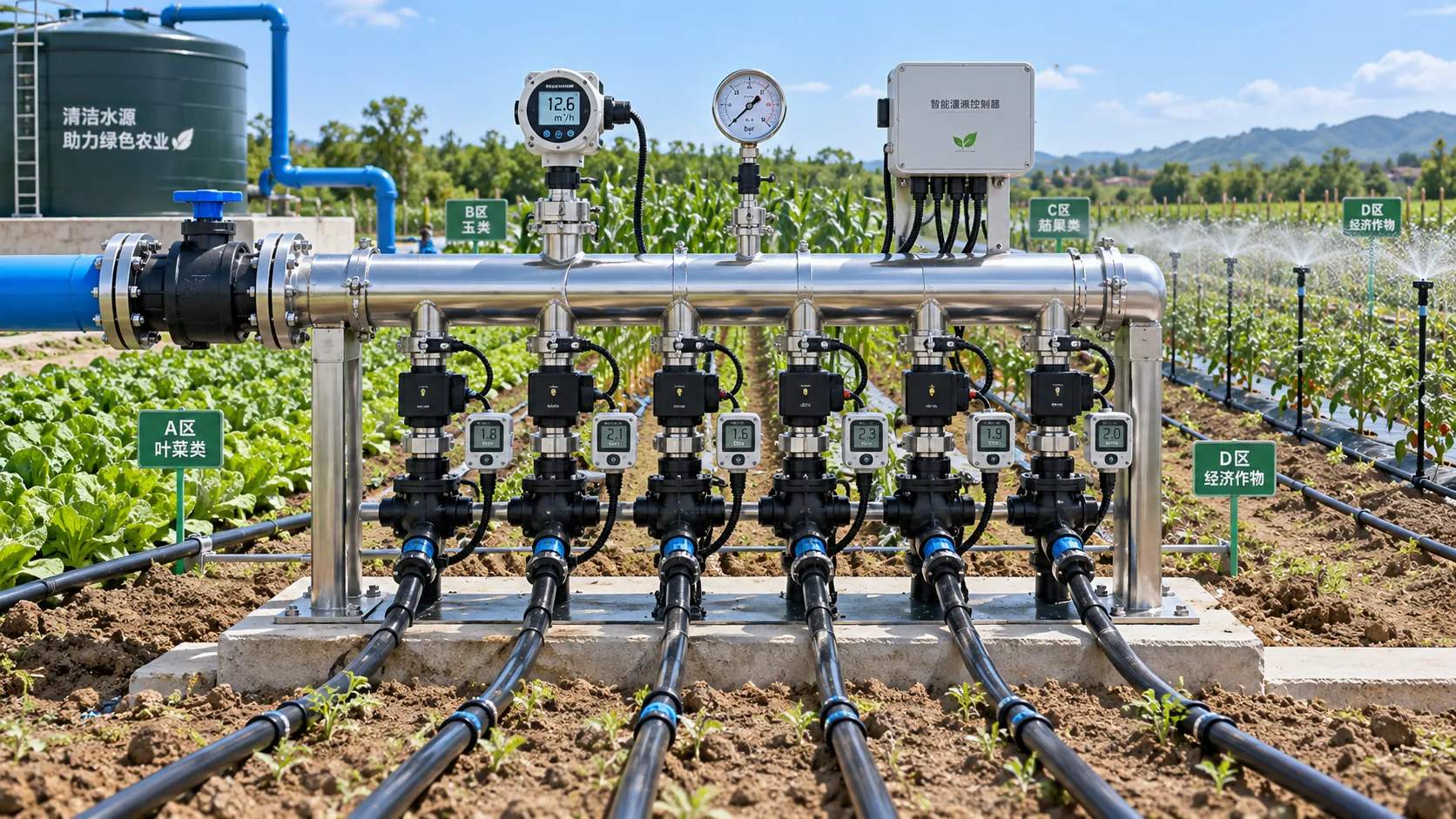
How to Select Smart Irrigation Valves for Multi-Zone Water Management?
Intelligent irrigation systems valves: learn how to match smart valves with multi-zone flow, pressure, control, feedback, and communication needs for reliable water management.
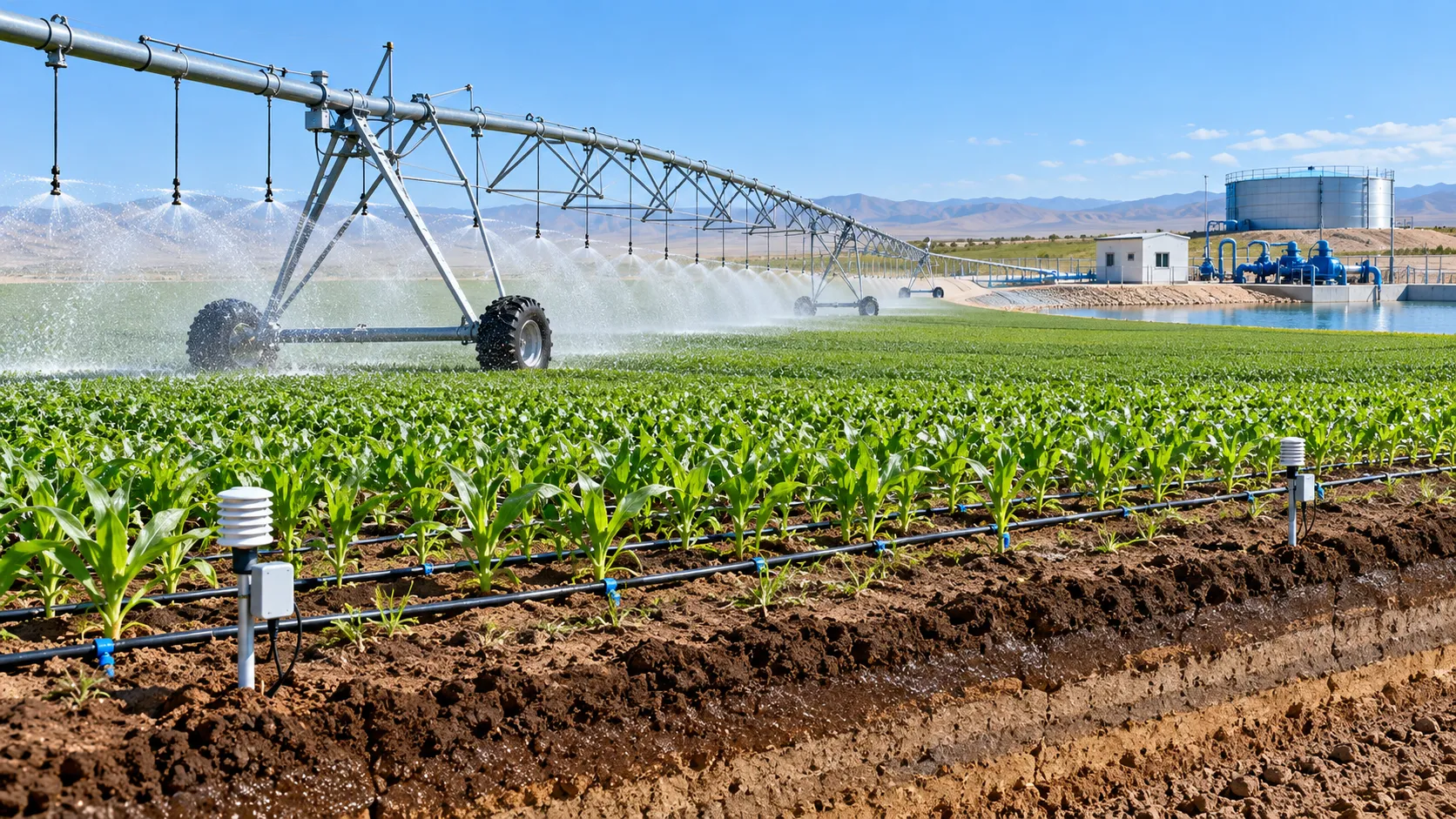
Climate-Smart Farming for Drought: A Practical Plan for Protecting Yields
Climate-smart farming for drought: build smarter water budgets, protect critical crop stages, improve irrigation uniformity, and safeguard yields with practical field-proven strategies.
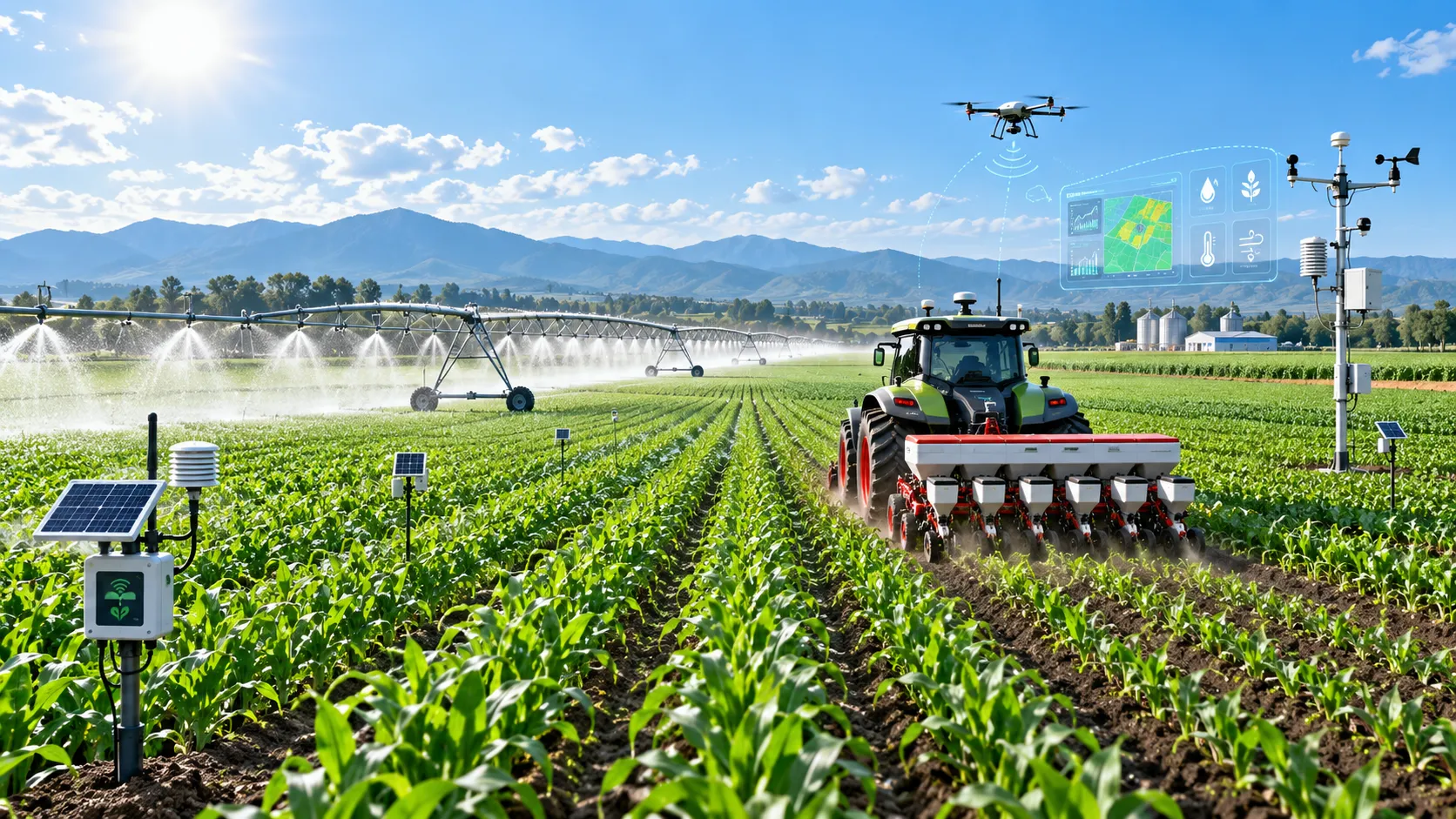
How Digital Agriculture Platforms Turn Field Data Into Better Input Decisions
Digital agriculture platforms turn field data into smarter fertilizer, water, seed, and equipment decisions—helping farms cut risk, improve margins, and scale sustainability.
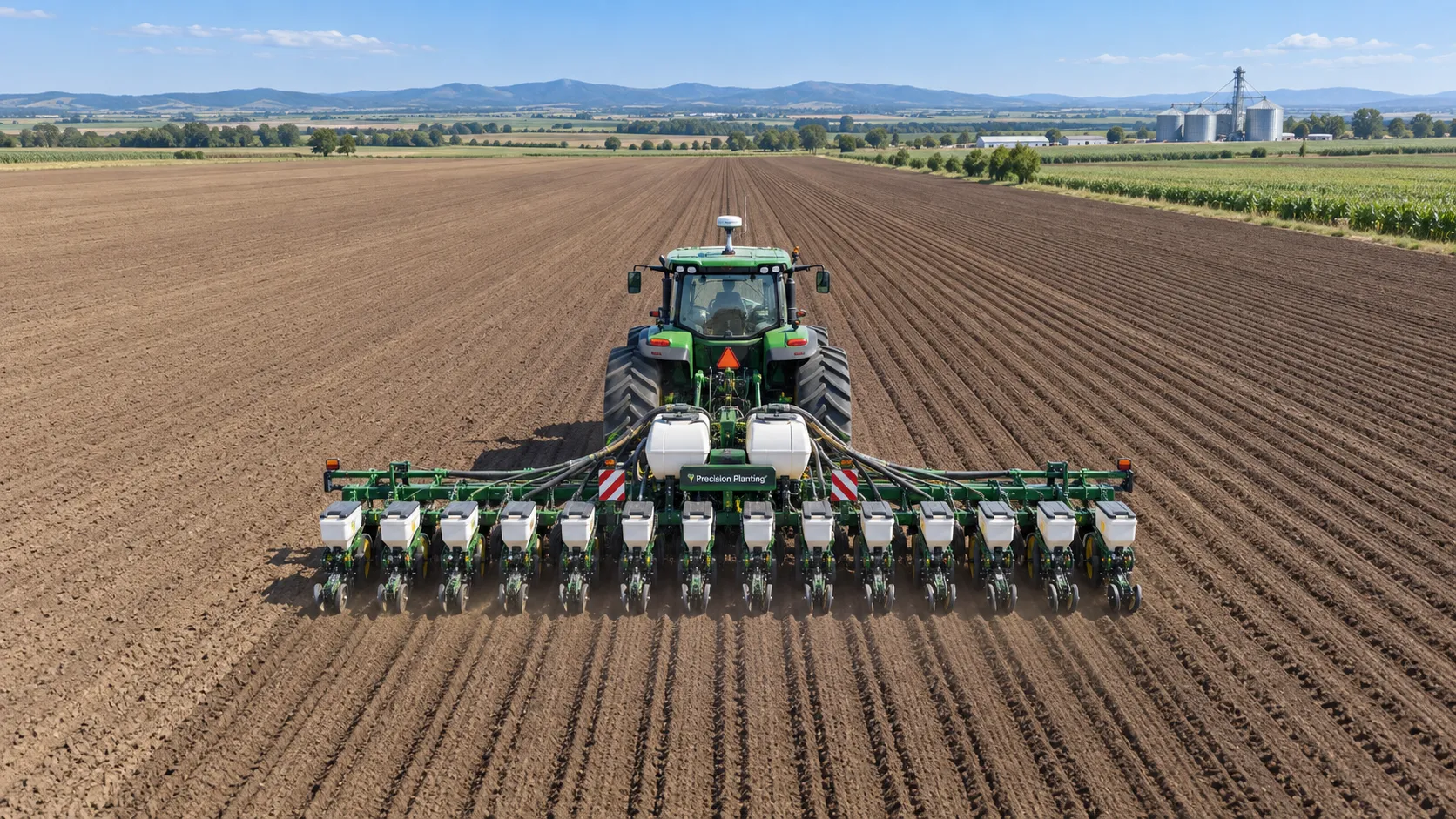
GPS-Guided Farm Machinery: Where It Delivers Measurable Field Efficiency Gains
Agri-mechanization GPS guided systems deliver measurable field efficiency gains through reduced overlap, precise planting, smarter inputs, and reliable farm data.
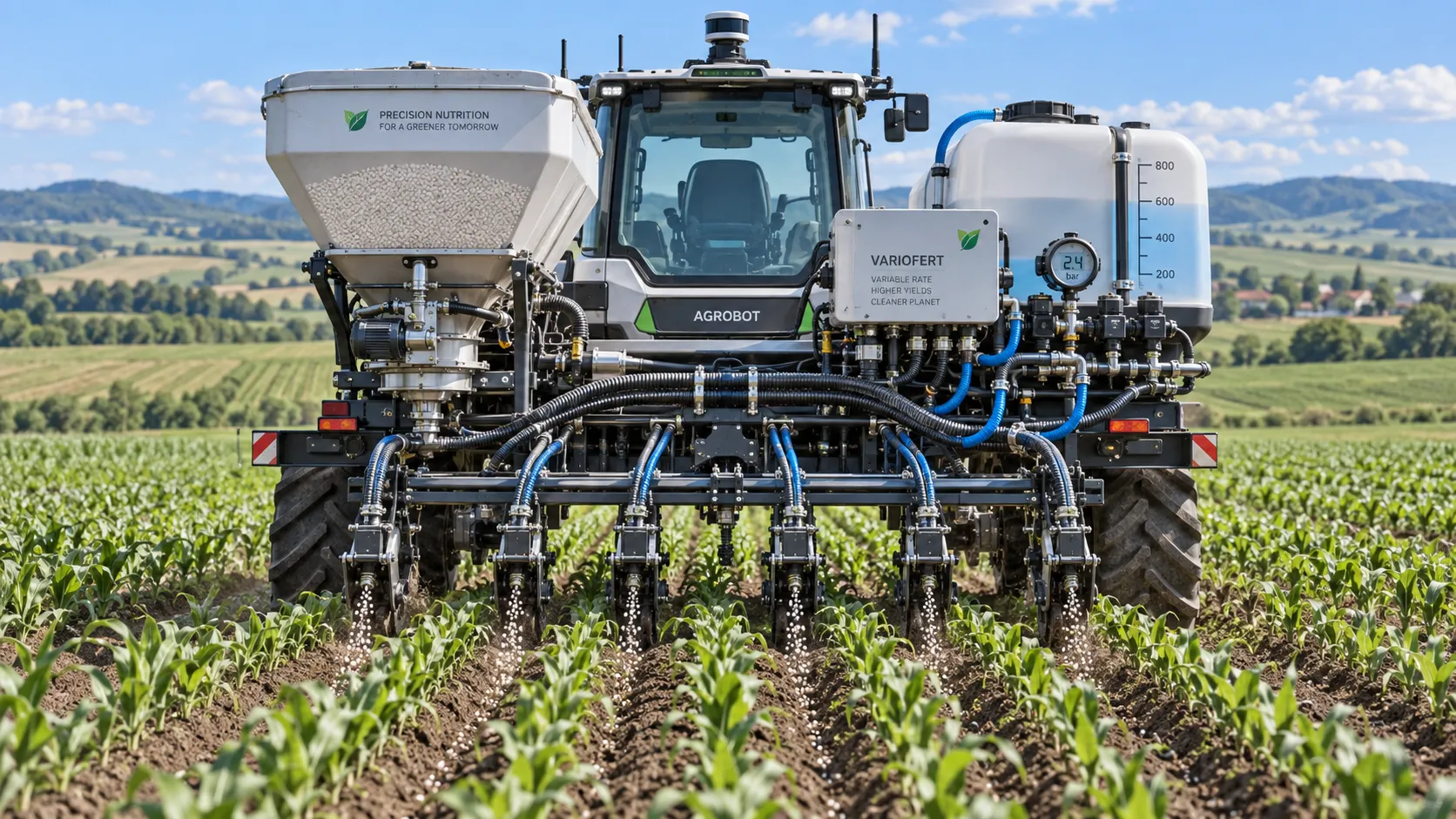
How Sensor Feedback Enables Accurate Variable-Rate Fertilization in Field Conditions
Precision fertilization systems with sensor feedback improve variable-rate accuracy by verifying flow, managing latency, and ensuring reliable field application.
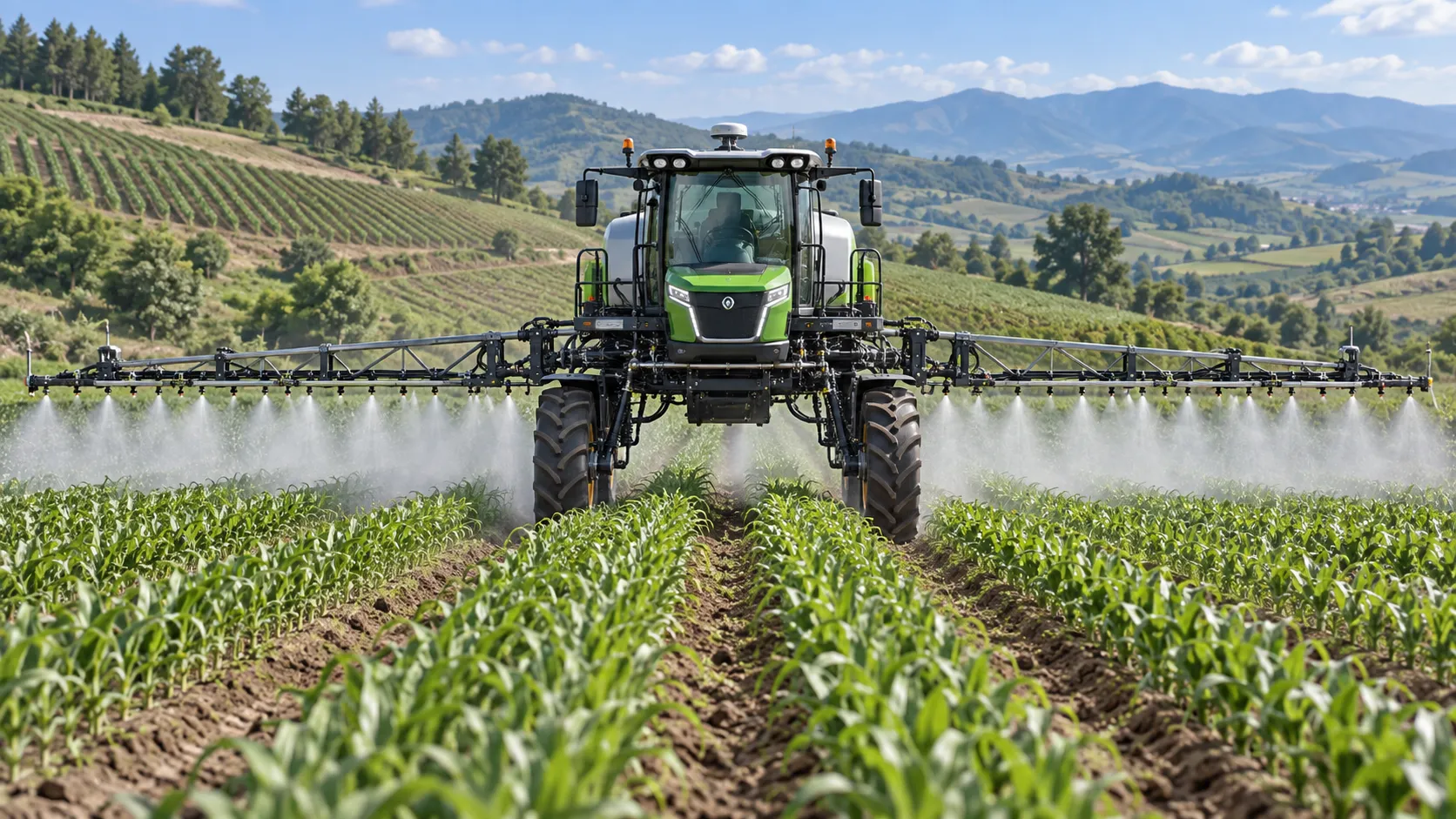
How to Select Precision Crop Protection Equipment for Variable Field Conditions
Precision crop protection equipment selection made simple: compare terrain, canopy, weather, control accuracy, and data workflows for reliable applications.

When Does Agricultural Machinery Leasing Cost Less Than Owning Equipment?
Agricultural machinery leasing can lower farm costs when use is seasonal or uncertain. Compare utilization, maintenance, cash flow, and risk to make a smarter equipment decision.

How to Evaluate Precision Fertilization System Suppliers for Farm-Scale Deployment
Precision fertilization systems suppliers: learn how to compare accuracy, integration, uptime, service, and total cost for confident farm-scale deployment.
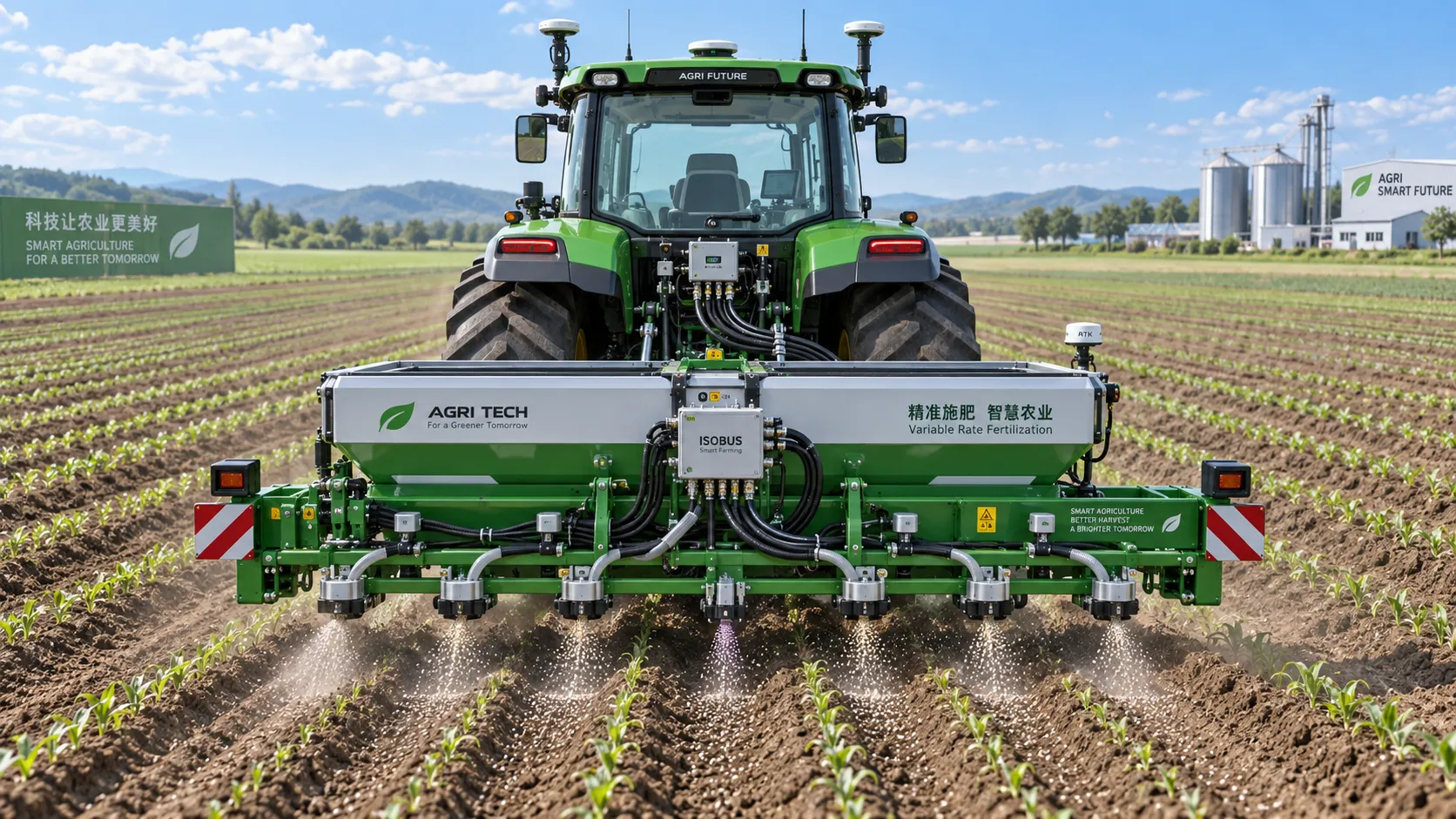
ISOBUS for Smart Agriculture: How It Connects Tractors, Implements, and Farm Data
ISOBUS for smart agriculture connects tractors, implements, terminals, and farm data—helping growers improve precision, documentation, and smarter field decisions.
Related News
- 00
0000-00
How Sensor Feedback Enables Accurate Variable-Rate Fertilization in Field Conditions - 00
0000-00
How to Select Precision Crop Protection Equipment for Variable Field Conditions - 00
0000-00
How to Evaluate Precision Fertilization System Suppliers for Farm-Scale Deployment - 00
0000-00
How to Select a Precision Fertilization System for Variable Corn Field Conditions - 00
0000-00
When does equipment for sustainable farming justify a higher capital spend?
Popular Tags
Tractor Power Architect
Weekly Insights
Stay ahead with our curated technology reports delivered every Monday.