
India Adds VRT Controllers to Kisan Drone & Smart Irrigation Mission
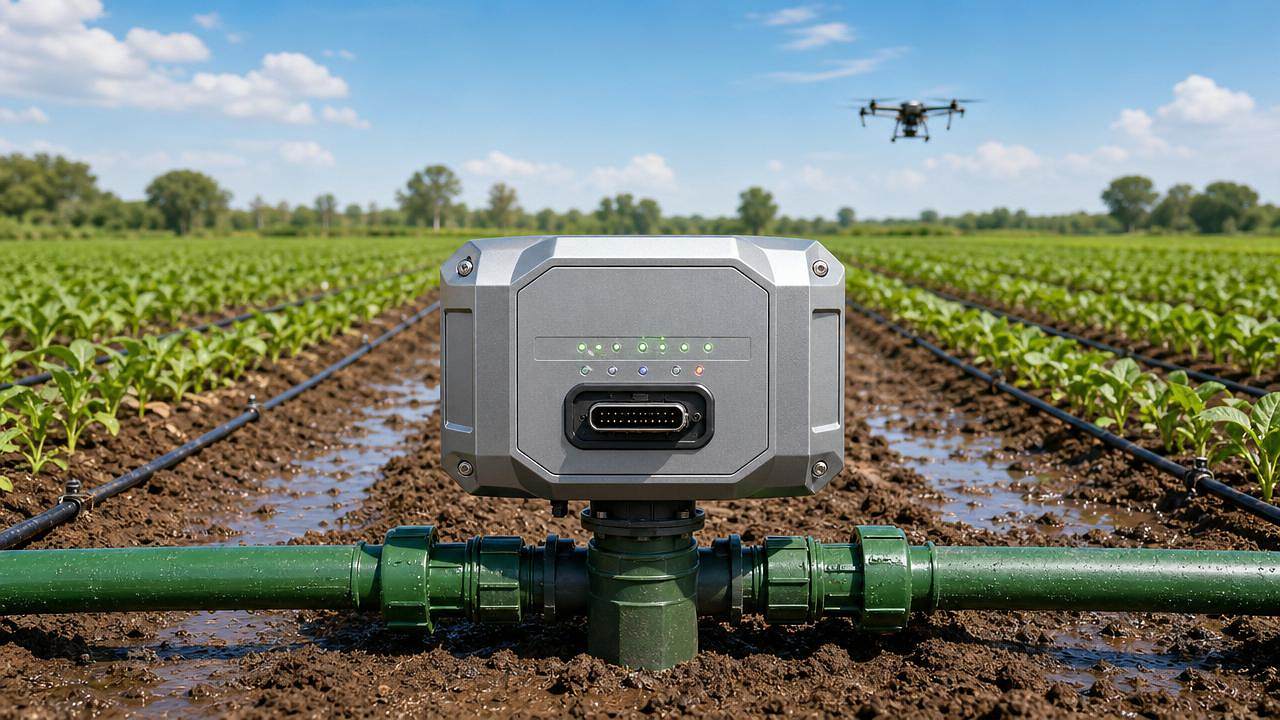




On May 16, 2026, India’s Ministry of Agriculture updated the implementation guidelines for its Smart Irrigation Subsidy Scheme, formally including Variable Rate Technology (VRT) controllers in the central government subsidy catalogue—with a maximum subsidy rate of 45%. This development directly impacts agricultural technology manufacturers, irrigation equipment exporters, certification service providers, and precision farming solution integrators operating in or targeting the Indian market.
Event Overview
On May 16, 2026, the Indian Ministry of Agriculture revised the operational framework of the Smart Irrigation Subsidy Scheme. The revision explicitly added Variable Rate Technology (VRT) controllers to the list of eligible items for central fiscal subsidies. The subsidy ceiling is set at 45% of the unit cost. To qualify, VRT controllers must comply with the ISO 11783-12 (ISOBUS) communication protocol and obtain certification under the Indian Standard IS 17823:2026 issued by the Bureau of Indian Standards (BIS).
Industries Affected
Manufacturers of Precision Irrigation Hardware
These companies face immediate compliance implications: existing VRT controller models not yet certified to IS 17823:2026—or lacking ISOBUS support—will be excluded from subsidy eligibility. Impact manifests in product redesign timelines, BIS certification lead times, and potential delays in tender participation for government-backed smart irrigation projects.
Exporters and Importers of Agricultural Electronics
Firms trading VRT controllers into India must now verify both technical conformity (ISOBUS) and regulatory status (BIS certification) prior to customs clearance. Non-compliant shipments risk rejection or rework, increasing landed cost and delivery uncertainty. The update effectively raises the technical entry barrier for foreign-made controllers without local certification partnerships.
Agri-Tech Solution Integrators & System Providers
Companies bundling VRT controllers with drones, sensors, or farm management software must reassess hardware sourcing. Integration workflows may require validation against ISOBUS interoperability standards, and subsidy-eligible system quotations will now depend on verified BIS-certified components—not just end-product functionality.
Certification and Compliance Service Providers
BIS-accredited labs and conformity assessment bodies are likely to see increased demand for IS 17823:2026 testing and ISOBUS protocol verification. However, capacity constraints and limited public documentation on IS 17823:2026 test procedures may create bottlenecks—particularly for small- and medium-sized manufacturers seeking timely certification.
Key Considerations and Recommended Actions
Monitor official BIS notifications for IS 17823:2026 implementation guidance
The standard was published in 2026, but formal test protocols, certification pathways, and transitional arrangements (e.g., grace periods for legacy units) remain pending. Stakeholders should track BIS circulars and Ministry of Agriculture clarifications—not just the initial notification.
Prioritize ISOBUS compatibility verification ahead of BIS certification
ISOBUS support is a prerequisite for IS 17823:2026 compliance. Manufacturers and importers should confirm controller firmware versions, ECU configuration options, and diagnostic tool compatibility before initiating formal certification—avoiding retesting due to protocol gaps.
Distinguish between subsidy eligibility and market adoption timelines
Inclusion in the subsidy list does not guarantee immediate procurement or state-level rollout. State agriculture departments retain discretion over scheme implementation speed, budget allocation, and vendor selection criteria. Companies should avoid assuming uniform national deployment in FY2026–27.
Update supply chain documentation for customs and tender submissions
Importers and system integrators must ensure commercial invoices, technical specifications, and certificates of conformity explicitly reference IS 17823:2026 and ISO 11783-12. Incomplete or ambiguous documentation may delay subsidy claims or disqualify bids in public tenders linked to the Kisan Drone & Smart Irrigation Mission.
Editorial Observation / Industry Perspective
Observably, this update functions primarily as a policy signal—not an operational trigger. It confirms India’s intent to institutionalize variable-rate input application within national irrigation modernization, but actual subsidy disbursement depends on state-level execution capacity, BIS certification throughput, and alignment with concurrent drone registration and data governance frameworks. Analysis shows the move strengthens long-term demand visibility for ISOBUS-compliant hardware, yet near-term revenue impact remains contingent on certification readiness and procurement pipeline development. From an industry perspective, it marks the beginning of formal standardization—not the start of scaled deployment.
Concluding, this policy update establishes a new technical and regulatory benchmark for VRT controllers in India, shifting focus from general smart irrigation capability to verifiable interoperability and national certification. It is best understood not as an immediate market opportunity, but as a structural inflection point requiring deliberate alignment across R&D, compliance, and go-to-market planning. Current readiness hinges less on subsidy rates and more on demonstrable protocol compliance and certification traceability.
Source: Ministry of Agriculture and Farmers’ Welfare, Government of India — Notification dated May 16, 2026, amending the Smart Irrigation Subsidy Scheme guidelines; Bureau of Indian Standards (BIS) — Standard IS 17823:2026.
Note: Implementation timelines for state-level adoption, BIS test procedure details, and eligibility verification mechanisms remain under observation.
Related News
GPS-Guided Farm Machinery: Where It Delivers Measurable Field Efficiency Gains
Agri-mechanization GPS guided systems deliver measurable field efficiency gains through reduced overlap, precise planting, smarter inputs, and reliable farm data.
How Sensor Feedback Enables Accurate Variable-Rate Fertilization in Field Conditions
Precision fertilization systems with sensor feedback improve variable-rate accuracy by verifying flow, managing latency, and ensuring reliable field application.
How to Select Precision Crop Protection Equipment for Variable Field Conditions
Precision crop protection equipment selection made simple: compare terrain, canopy, weather, control accuracy, and data workflows for reliable applications.
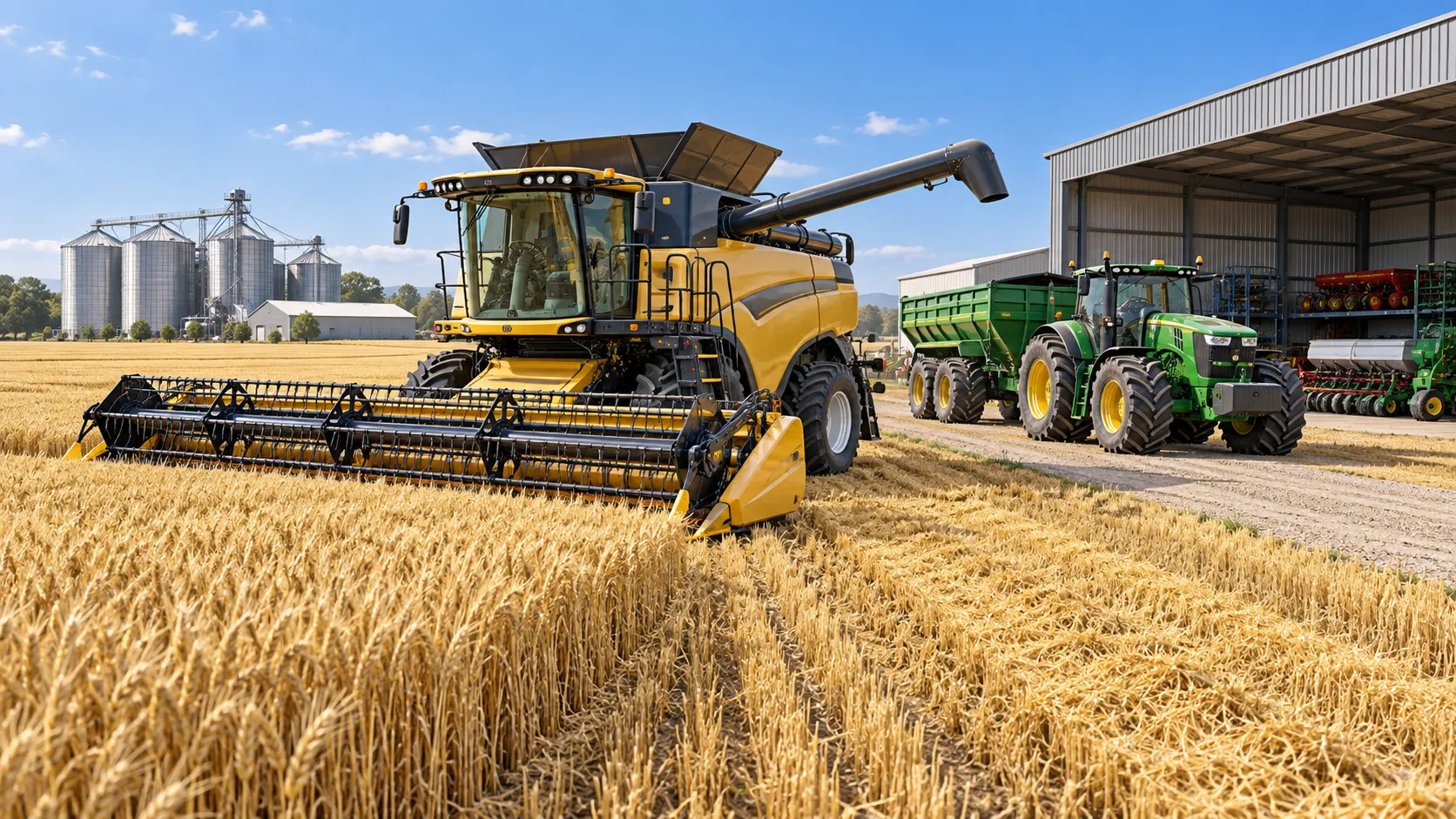
When Does Agricultural Machinery Leasing Cost Less Than Owning Equipment?
Agricultural machinery leasing can lower farm costs when use is seasonal or uncertain. Compare utilization, maintenance, cash flow, and risk to make a smarter equipment decision.
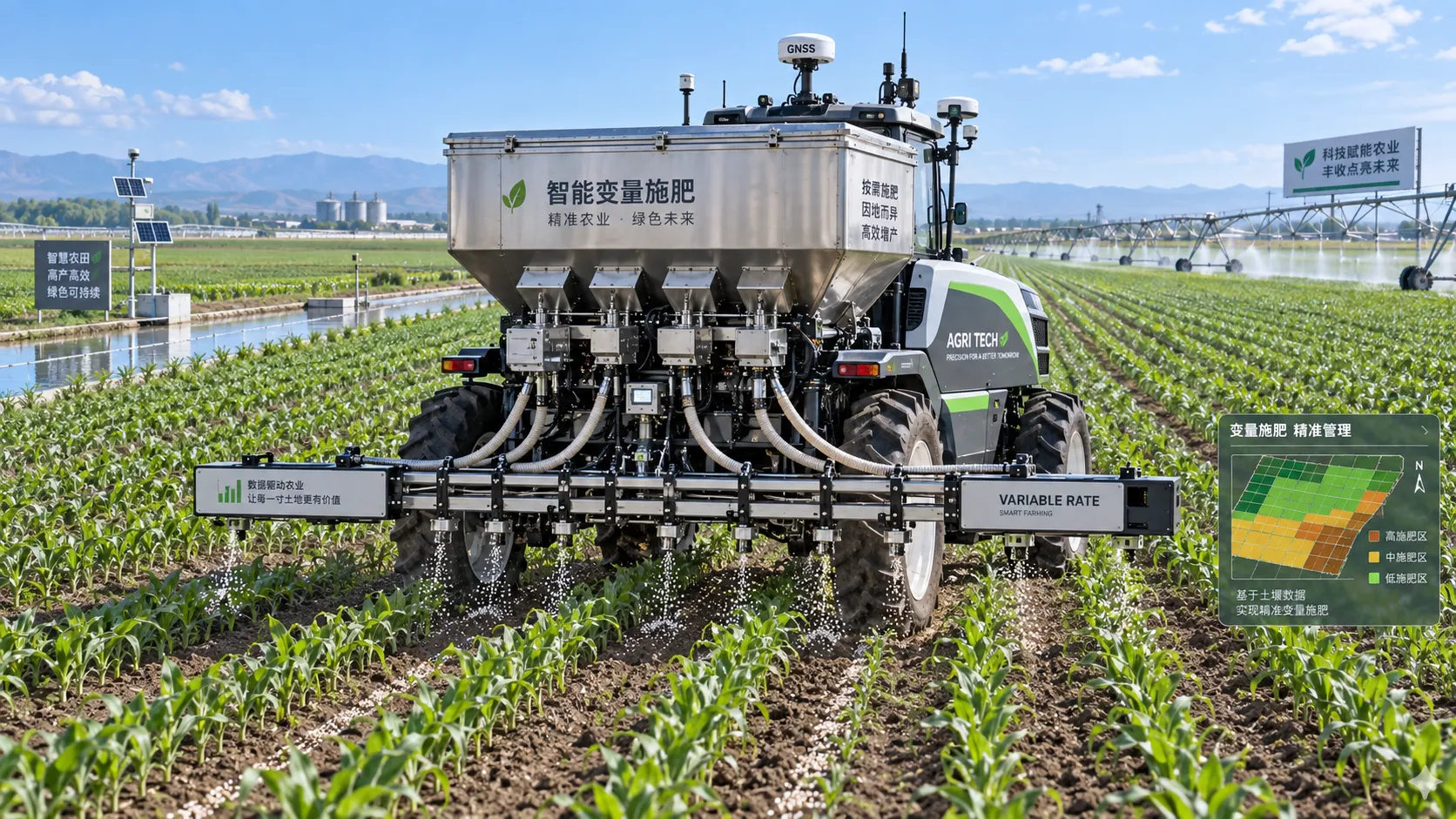
How to Evaluate Precision Fertilization System Suppliers for Farm-Scale Deployment
Precision fertilization systems suppliers: learn how to compare accuracy, integration, uptime, service, and total cost for confident farm-scale deployment.
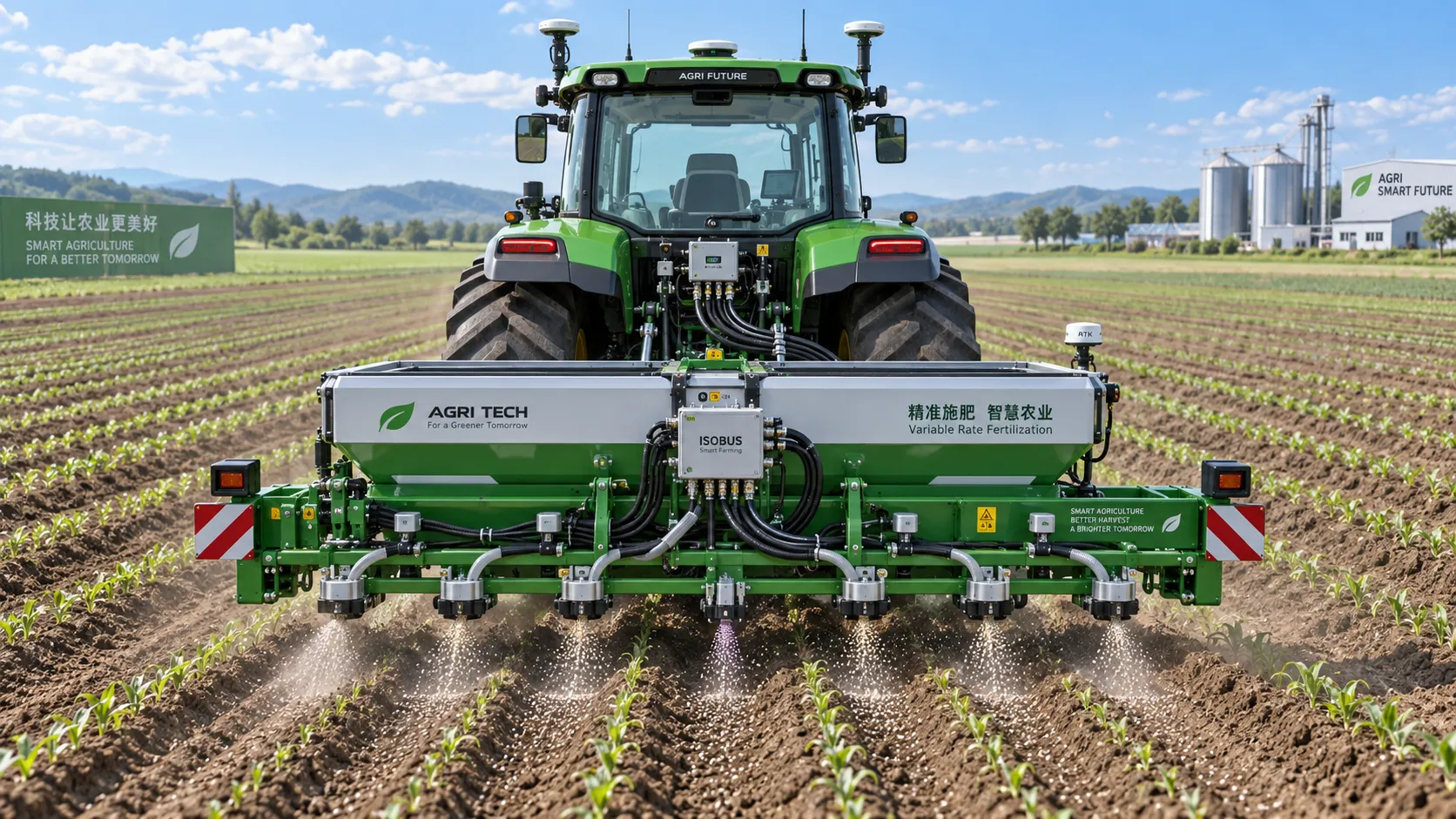
ISOBUS for Smart Agriculture: How It Connects Tractors, Implements, and Farm Data
ISOBUS for smart agriculture connects tractors, implements, terminals, and farm data—helping growers improve precision, documentation, and smarter field decisions.
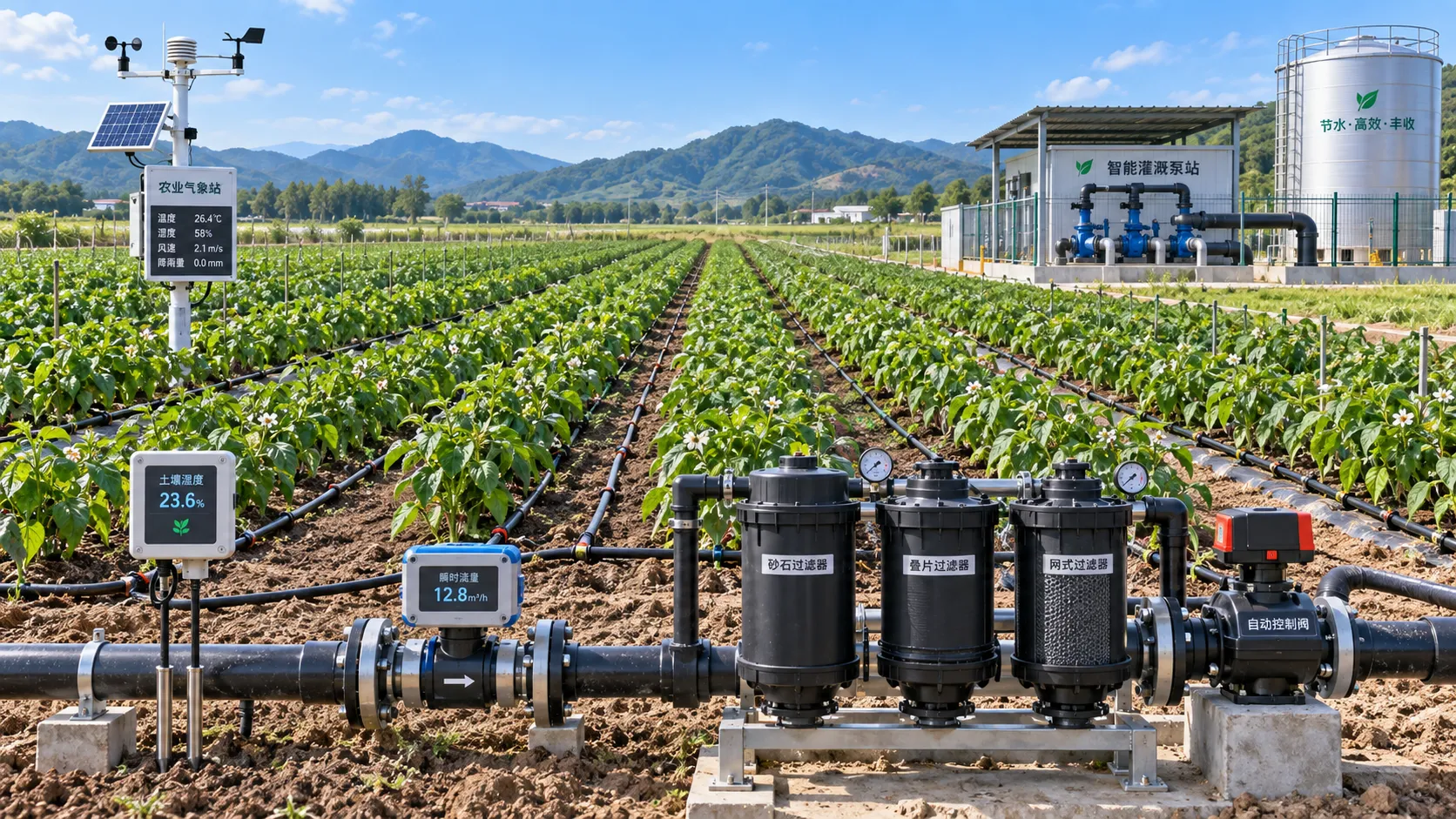
Automated Water-Saving Irrigation: How to Cut Water Use Without Reducing Crop Yields
Automated water-saving irrigation helps farms cut water use, protect crop yields, improve scheduling, and gain reliable control with sensors, flow monitoring, and smart zones.
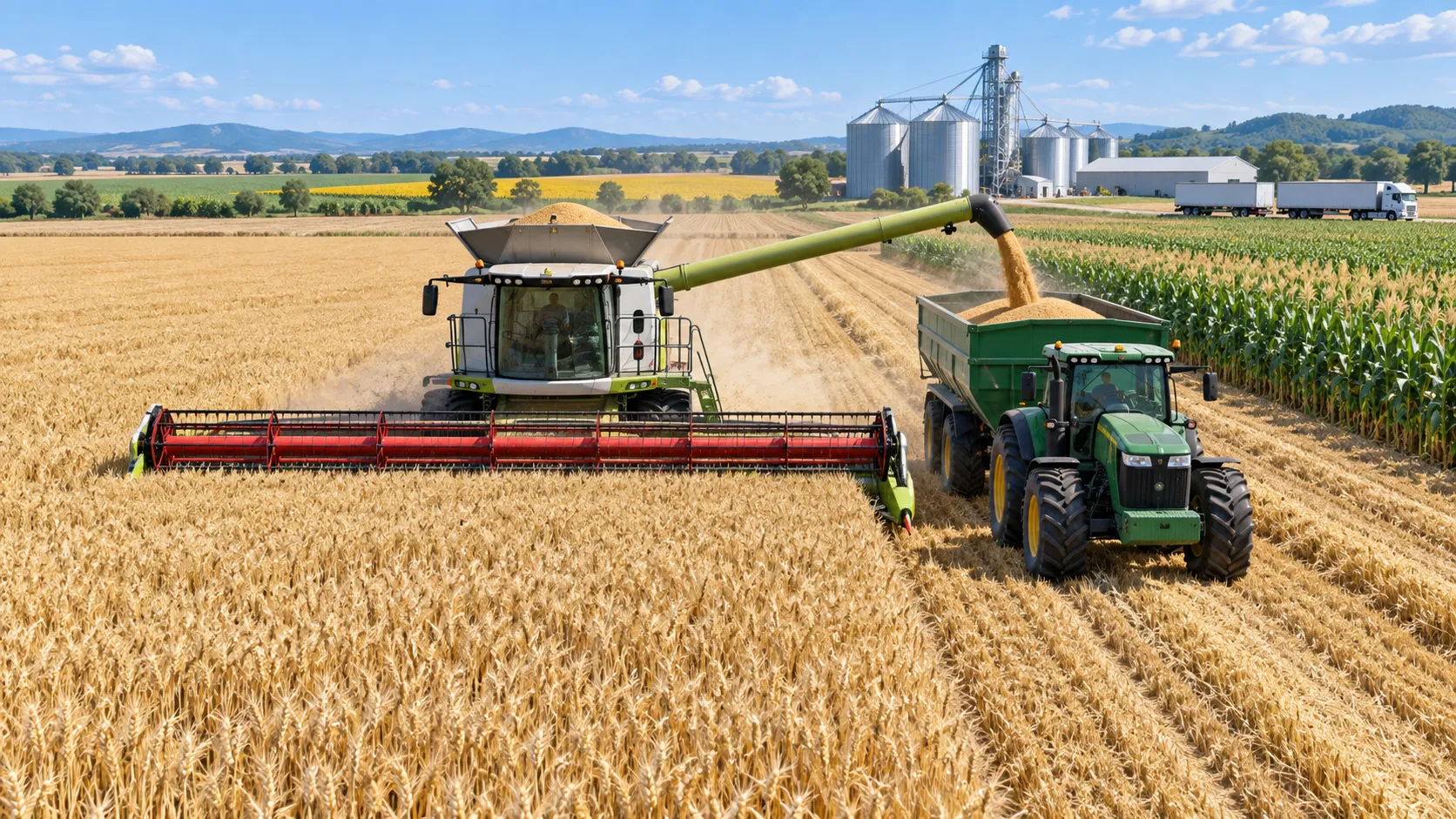
Selecting Grain Farm Equipment by Acreage, Crop Mix, and Harvest Window
Agricultural equipment selection for grain farming: match machinery to acreage, crop mix, and harvest windows to improve uptime, efficiency, and returns.
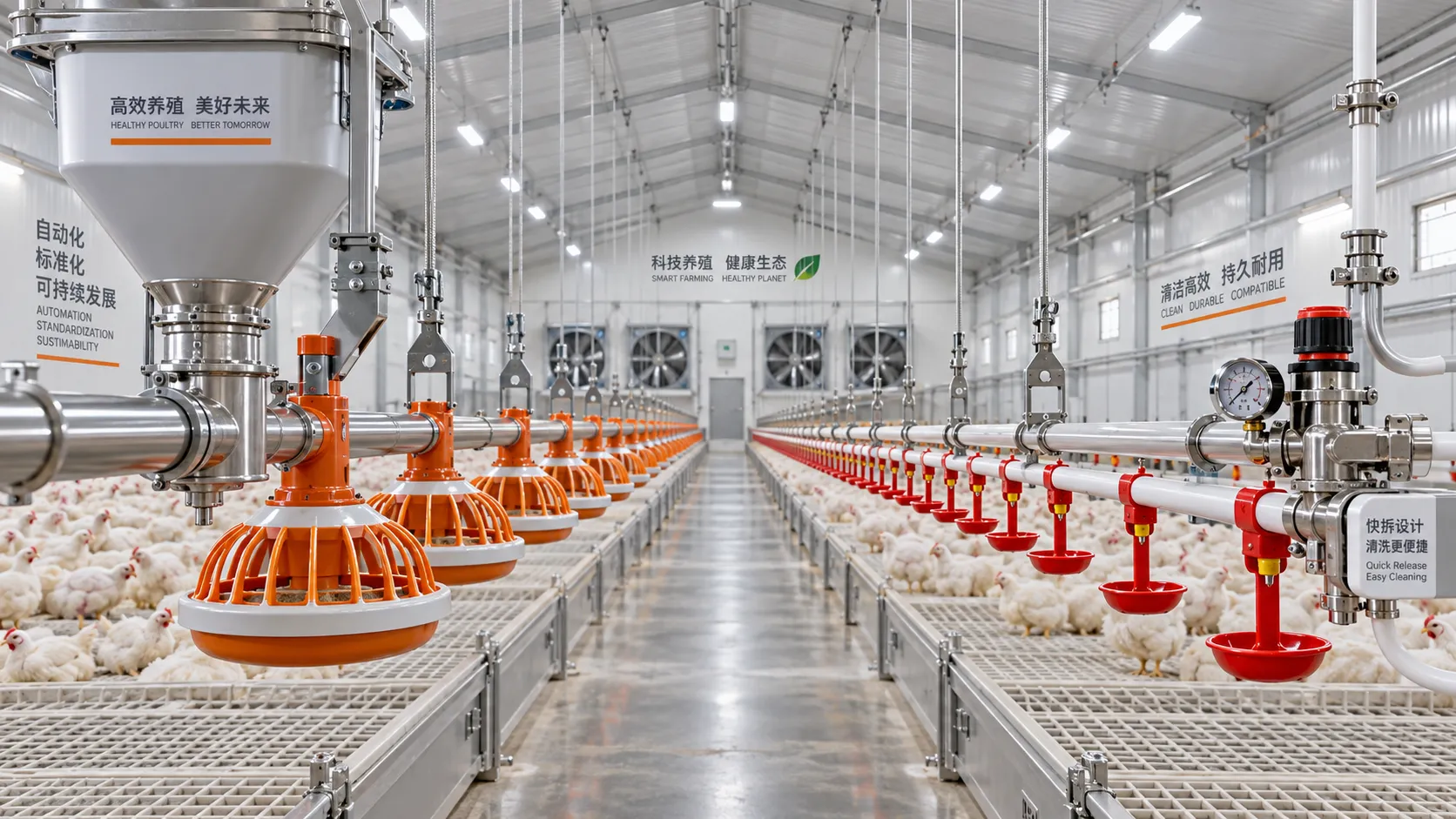
Poultry Equipment Selection: Evaluating Durability, Cleaning, and Compatibility
Poultry equipments selection guide: evaluate durability, cleaning access, and system compatibility to improve hygiene, reduce downtime, and support efficient flock management.
Related News
- 00
0000-00
How Sensor Feedback Enables Accurate Variable-Rate Fertilization in Field Conditions - 00
0000-00
How to Select Precision Crop Protection Equipment for Variable Field Conditions - 00
0000-00
How to Evaluate Precision Fertilization System Suppliers for Farm-Scale Deployment - 00
0000-00
How to Select a Precision Fertilization System for Variable Corn Field Conditions - 00
0000-00
When does equipment for sustainable farming justify a higher capital spend?
Popular Tags
Tractor Power Architect
Weekly Insights
Stay ahead with our curated technology reports delivered every Monday.