
What large-scale farm equipment costs beyond the purchase price
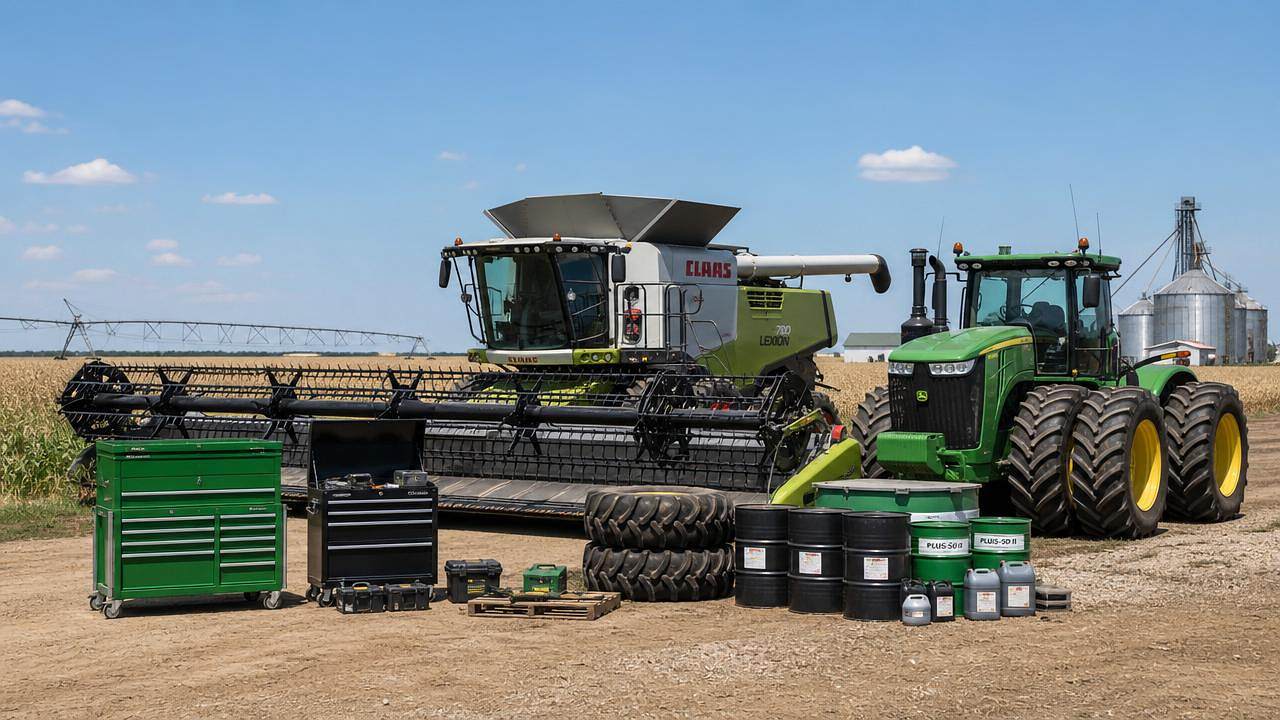




The true cost of large-scale farm equipment starts long before the invoice is approved and continues well after delivery. For financial decision-makers, capital outlay is only one part of the equation; maintenance, fuel, operator training, downtime risk, financing structure, and resale value can reshape total returns. This introduction outlines the hidden cost drivers that matter most when evaluating machinery investments at scale.
Why the purchase price tells only part of the story
For a finance approver, large-scale farm equipment should be evaluated as a long-life operating asset, not a one-time procurement line. The sticker price may look manageable, but lifecycle cost often determines whether the machine strengthens cash flow or becomes a recurring budget problem.
In large farming operations, combines, high-horsepower tractors, precision seeders, sprayers, and irrigation support equipment affect labor efficiency, crop timing, field capacity, and risk exposure. A delayed harvest or an underpowered tractor chassis can create losses that never appear on the original quotation.
This is why many procurement teams now move from price comparison to total cost of ownership analysis. AP-Strategy follows this shift closely because modern agricultural investment is increasingly shaped by mechanization intensity, digital control systems, and sustainability requirements.
- Acquisition cost matters, but so do finance charges, warranty scope, import duties, and delivery timing.
- Operating cost includes fuel, lubricants, wear parts, software updates, and skilled operator availability.
- Risk cost includes downtime during planting or harvest windows, poor parts supply, and weak resale liquidity.
Which hidden costs matter most in large-scale farm equipment approval?
Before approving large-scale farm equipment, finance teams need to identify which costs are fixed, which are usage-driven, and which are event-driven. This distinction improves budgeting accuracy and avoids optimistic return calculations.
The table below summarizes the major cost categories that usually sit beyond the purchase price. It can be used as a screening tool during supplier comparison, internal capital review, or board-level investment justification.
For large-scale farm equipment, hidden costs rarely arrive evenly. They often spike at the start of the season, during peak utilization, or when a machine with complex electronics lacks local support. That uneven pattern is exactly what finance teams should model in cash flow scenarios.
Cost spikes are often seasonal, not linear
A combine harvester running during a short harvest window faces a very different risk profile from a utility tractor used across the year. One day of breakdown in harvest can be more expensive than several months of routine maintenance on lower-intensity equipment.
Finance approval should therefore match the machine’s operational calendar. If the asset supports a narrow agronomic window, availability and service response may deserve more weight than a lower initial bid.
How operating profile changes total ownership cost
Not all large-scale farm equipment produces value in the same way. The financial model for a high-horsepower tractor, a combine, and a precision implement should not be identical. Usage intensity, soil conditions, crop type, and fleet integration all change cost behavior.
High-hour field operations
Machines used for tillage, planting, or broad-acre spraying may accumulate heavy annual hours. In this case, fuel efficiency, transmission durability, hydraulic performance, and service interval planning carry major budget implications.
Short-window harvest operations
For combines, the hidden cost center is often crop loss and downtime, not fuel alone. Cleaning efficiency, grain handling reliability, and spare parts availability can influence realized yield more than a small difference in list price.
Precision-enabled operations
GPS-guided and sensor-assisted tools may cost more upfront, but they can reduce overlap, seed waste, fertilizer misuse, and labor inefficiency. The return is strongest where field sizes are large and input management is already disciplined.
- Low annual hours usually make residual value and finance structure more important.
- High annual hours increase the weight of fuel burn, maintenance cycles, and component wear.
- Short agronomic windows increase the cost of delay, making service access a financial variable.
Large-scale farm equipment comparison: cheap purchase versus stronger lifecycle value
Finance teams often face a familiar dilemma: approve the lower-priced machine or support the higher-cost option with better serviceability, technology integration, and residual value. A disciplined comparison framework helps avoid false savings.
The following table compares two common approval paths for large-scale farm equipment procurement. It is not tied to any specific brand, but reflects typical decision logic seen across commercial farming and equipment distribution environments.
The lesson is simple: the lowest-price large-scale farm equipment option is not always the lowest-cost asset. If a machine will work hard, operate in critical windows, or connect to precision systems, lifecycle value often deserves priority in approval discussions.
What finance approvers should ask before signing off
A strong approval process converts technical uncertainty into financial visibility. Finance does not need to become the engineering team, but it does need the right questions. Those questions should expose hidden exposure before the contract is signed.
- What is the expected annual utilization in hours or hectares, and how sensitive is ROI to lower-than-planned usage?
- Which wear parts have the fastest replacement cycle, and are they stocked locally before the season starts?
- Does the equipment require specialized operator training, software setup, or calibration services?
- What is the expected downtime response time during planting or harvest, and is that written into service terms?
- How will the machine integrate with current tractors, implements, telematics, and irrigation or farm data systems?
- What is the likely residual value after three, five, or seven years under local market conditions?
These questions are especially relevant in Agriculture 4.0 environments, where machine value no longer comes only from horsepower or header width. Data compatibility, operating intelligence, and field-level responsiveness increasingly shape financial performance.
Where AP-Strategy adds value to equipment cost evaluation
AP-Strategy focuses on the decision layers that matter to finance approvers in large-scale farm equipment investment. Its scope spans mechanization, combine harvesting technology, tractor chassis evolution, intelligent tools, and smart irrigation systems tied to broader food security and sustainability pressures.
This matters because equipment approval today sits at the intersection of technical performance, agronomic timing, and market volatility. A machine that performs well on paper may still underdeliver if grain market conditions shift, environmental regulations tighten, or operating data cannot be converted into actionable field decisions.
Strategic intelligence for long-cycle capital decisions
AP-Strategy monitors sector developments that influence cost assumptions, including hybrid tractor chassis trends, harvester cleaning loss optimization, precision application demand, and water-saving irrigation modeling. For finance teams, this intelligence supports better timing, smarter allocation, and more credible board-level justifications.
Cross-functional visibility beyond procurement
The value is not limited to supplier selection. It also helps organizations evaluate fleet modernization paths, service dependency, autonomous equipment demand, and the trade-off between immediate capex pressure and long-term operational competitiveness.
Compliance, documentation, and contract details that can change cost
Large-scale farm equipment procurement often involves more than technical acceptance. Import documentation, emissions compliance, operator safety requirements, warranty language, and data system obligations can all affect cost and risk after delivery.
- Check whether emissions and safety specifications match local regulatory requirements and fuel conditions.
- Review warranty exclusions carefully, especially for wear parts, electronics, sensors, and seasonal misuse claims.
- Clarify who pays for commissioning, software activation, diagnostics, and field-call labor during the warranty period.
- Confirm documentation for customs, spare parts coding, and service manuals before shipment.
Small contract details can produce major cost differences later. For finance approvers, strong documentation is not administrative overhead. It is cost control.
Common mistakes when budgeting large-scale farm equipment
Mistake 1: assuming utilization will automatically justify the asset
Projected hours often look attractive in approval spreadsheets, but real utilization may fall due to weather, crop rotation changes, labor shortages, or fleet overlap. Conservative scenario modeling gives a clearer picture.
Mistake 2: ignoring operator skill and training cost
Advanced equipment may underperform when operators are not trained in calibration, cleaning setup, guidance systems, or seasonal inspection routines. Training is a cost, but poor operation is often a larger one.
Mistake 3: valuing technology without valuing service access
Precision capabilities are useful only when sensors, software, and support remain functional during peak operations. A high-tech machine without fast diagnostics can become a high-cost liability.
Mistake 4: overlooking disposal or trade-in reality
Residual value assumptions should reflect real regional demand, parts continuity, and brand support conditions. A machine that is harder to resell may require a more conservative depreciation approach.
FAQ for finance teams reviewing large-scale farm equipment
How should large-scale farm equipment ROI be calculated?
Start with total ownership cost, not invoice price. Include financing, setup, operating inputs, maintenance, labor impact, downtime risk, and residual value. Then link the asset to measurable gains such as lower cost per hectare, reduced harvest loss, faster field completion, or less contractor dependency.
When does a premium machine make financial sense?
It usually makes sense when annual utilization is high, service access is strong, precision functions are actively used, or downtime during narrow agronomic windows would be expensive. In low-use situations, a lower-capex path may still be rational if residual risk is controlled.
What matters more for approval: fuel efficiency or maintenance cost?
That depends on the equipment profile. For high-hour tractors and self-propelled machines, fuel can dominate annual operating cost. For harvest equipment, downtime and parts access may outweigh fuel differences. The best approval process tests both variables under realistic field conditions.
Is leasing better than buying for large-scale farm equipment?
Leasing can improve cash flow flexibility and reduce residual value exposure, especially in technology-sensitive segments. Buying may provide better long-term economics when utilization is predictable and the organization can manage maintenance efficiently. The right answer depends on balance-sheet priorities, seasonality, and fleet turnover strategy.
Why choose us for equipment investment intelligence
AP-Strategy supports finance approvers, distributors, and operating stakeholders who need more than a basic equipment brochure. We connect large-scale farm equipment decisions with mechanization trends, combine performance logic, tractor chassis development, intelligent tool adoption, and smart irrigation economics.
If you are reviewing an upcoming machinery budget, you can consult with us on practical decision points such as parameter confirmation, equipment selection logic, delivery cycle expectations, technology-fit evaluation, service dependency, certification and compliance checkpoints, and quotation comparison across lifecycle cost factors.
That means your team can approach approval with clearer assumptions on cost structure, operational risk, and asset value over time. In a market shaped by food security pressure and smart cultivation demands, better intelligence is often the difference between a machine purchase and a sound capital decision.
Related News
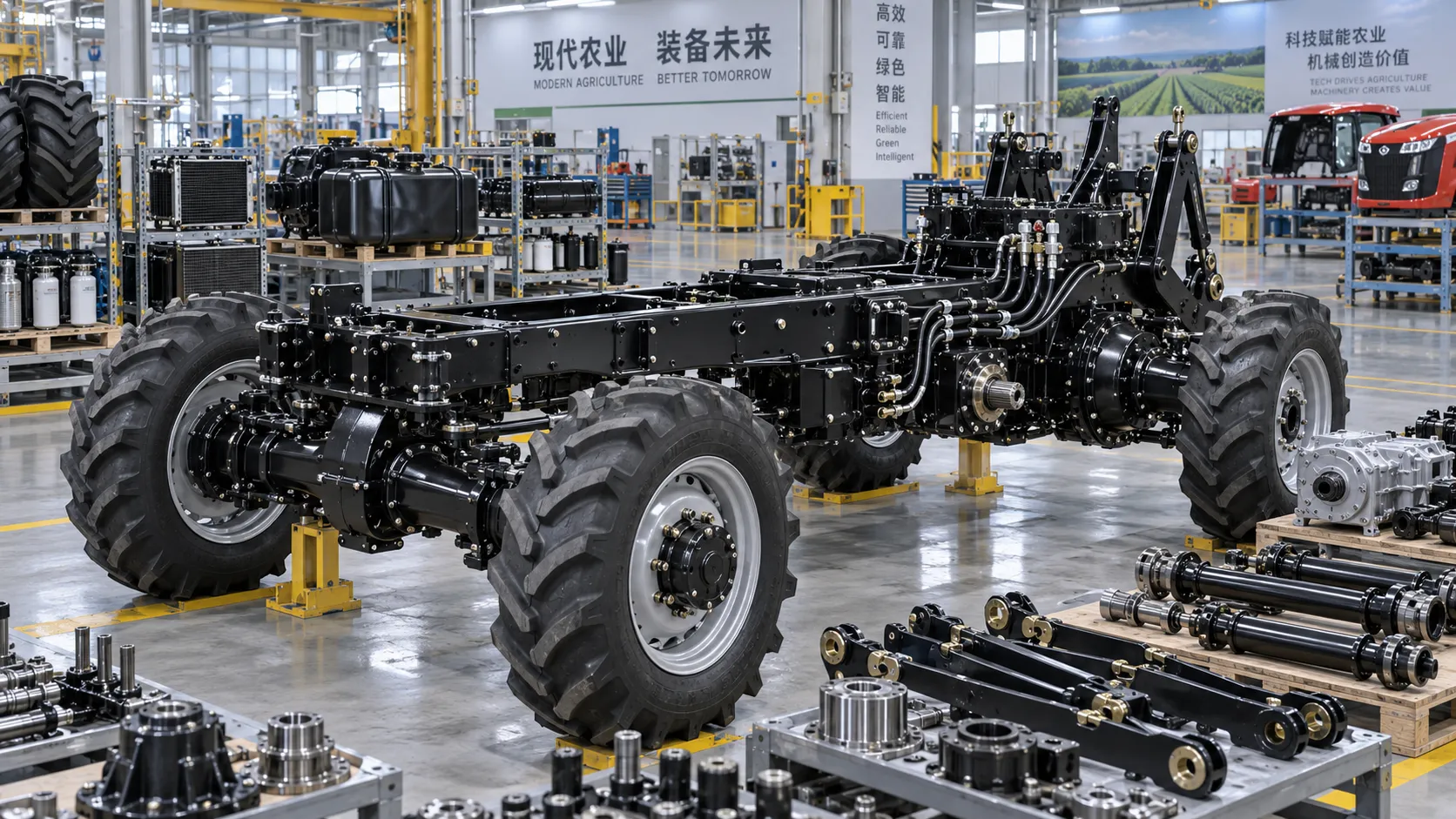
Tractor Chassis Price: What Buyers Should Compare Beyond the Initial Quote
Tractor chassis price is only the start. Compare load capacity, compatibility, durability, and lifecycle costs to choose a reliable, high-value chassis.
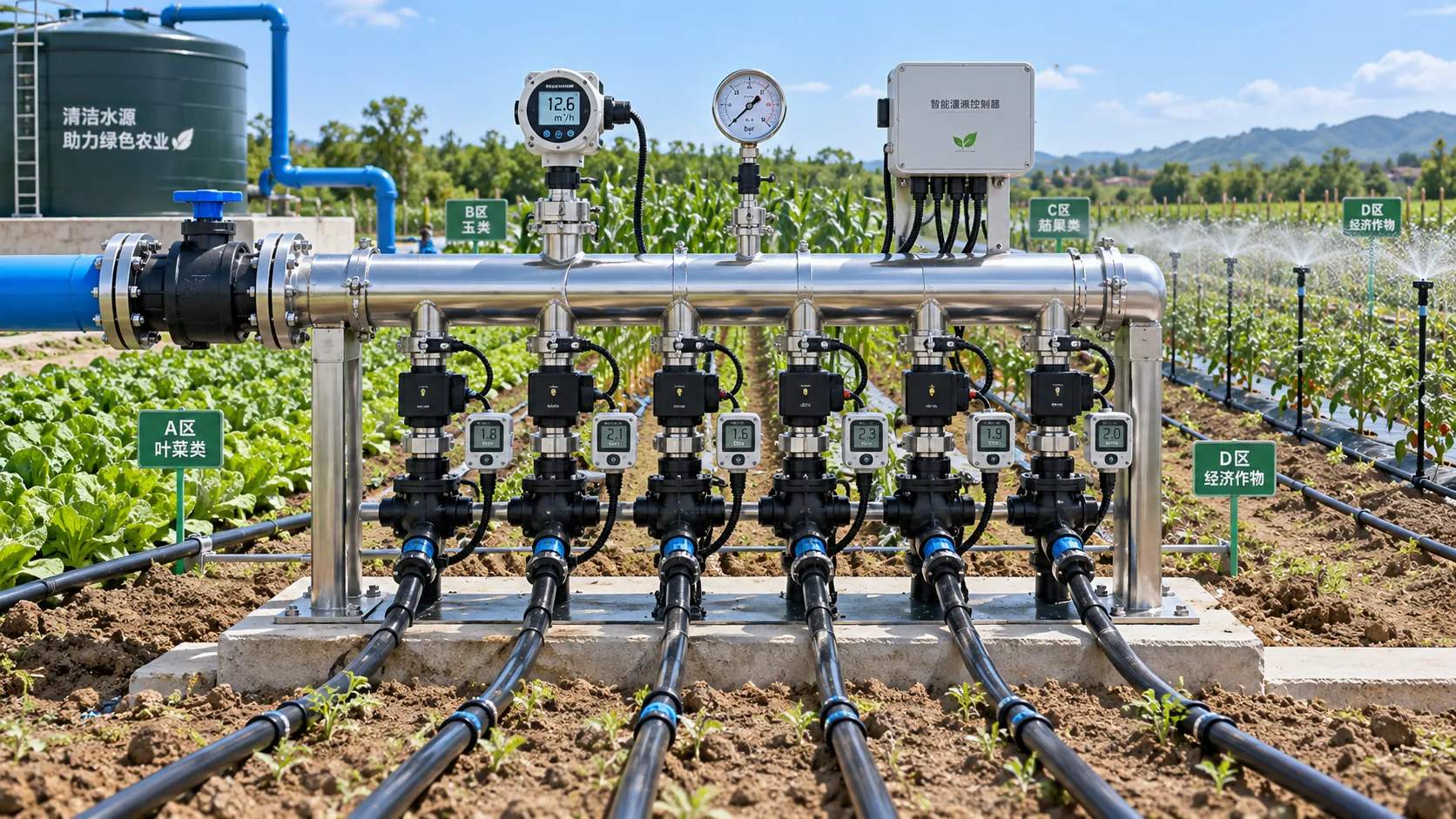
How to Select Smart Irrigation Valves for Multi-Zone Water Management?
Intelligent irrigation systems valves: learn how to match smart valves with multi-zone flow, pressure, control, feedback, and communication needs for reliable water management.
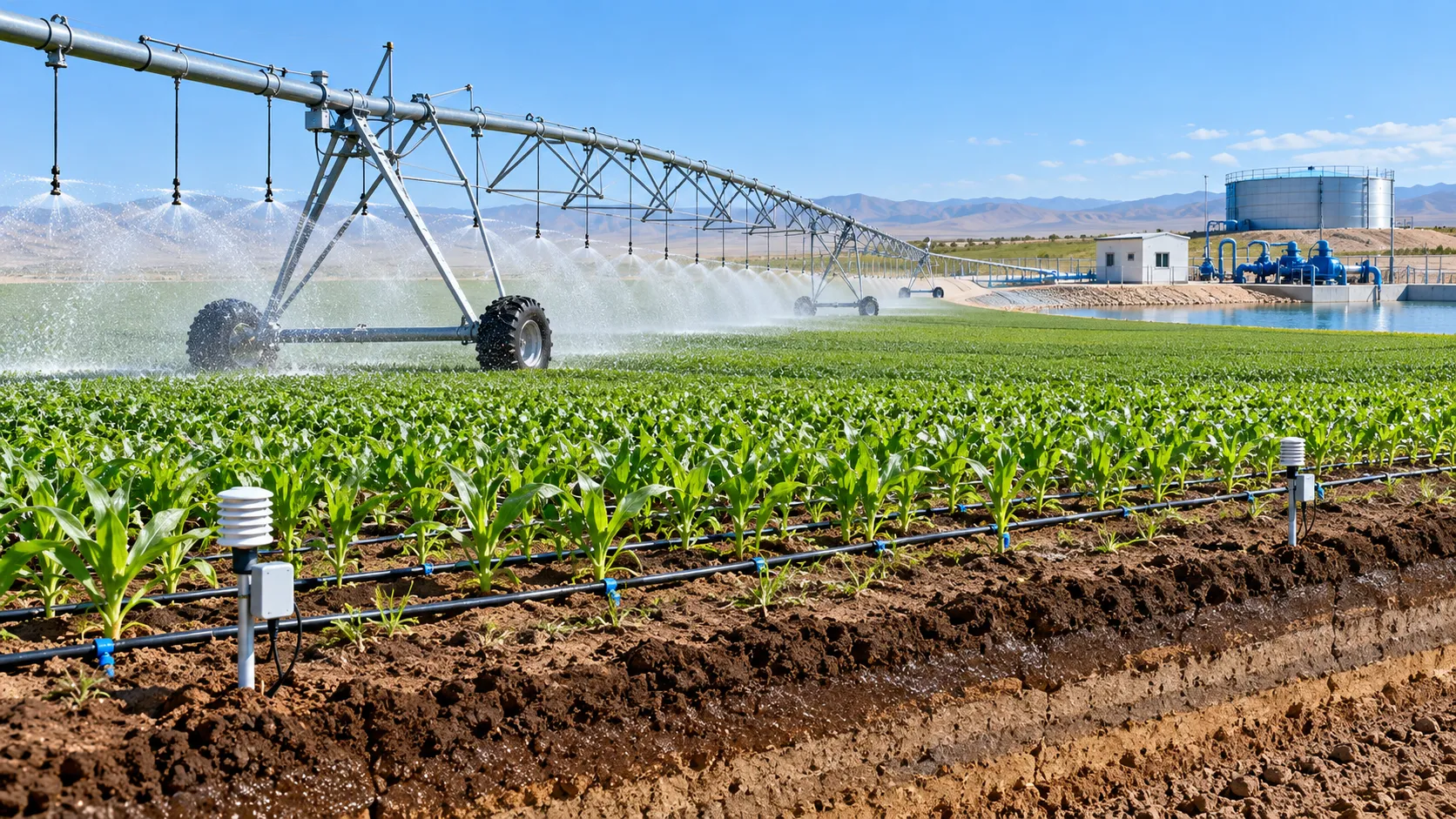
Climate-Smart Farming for Drought: A Practical Plan for Protecting Yields
Climate-smart farming for drought: build smarter water budgets, protect critical crop stages, improve irrigation uniformity, and safeguard yields with practical field-proven strategies.
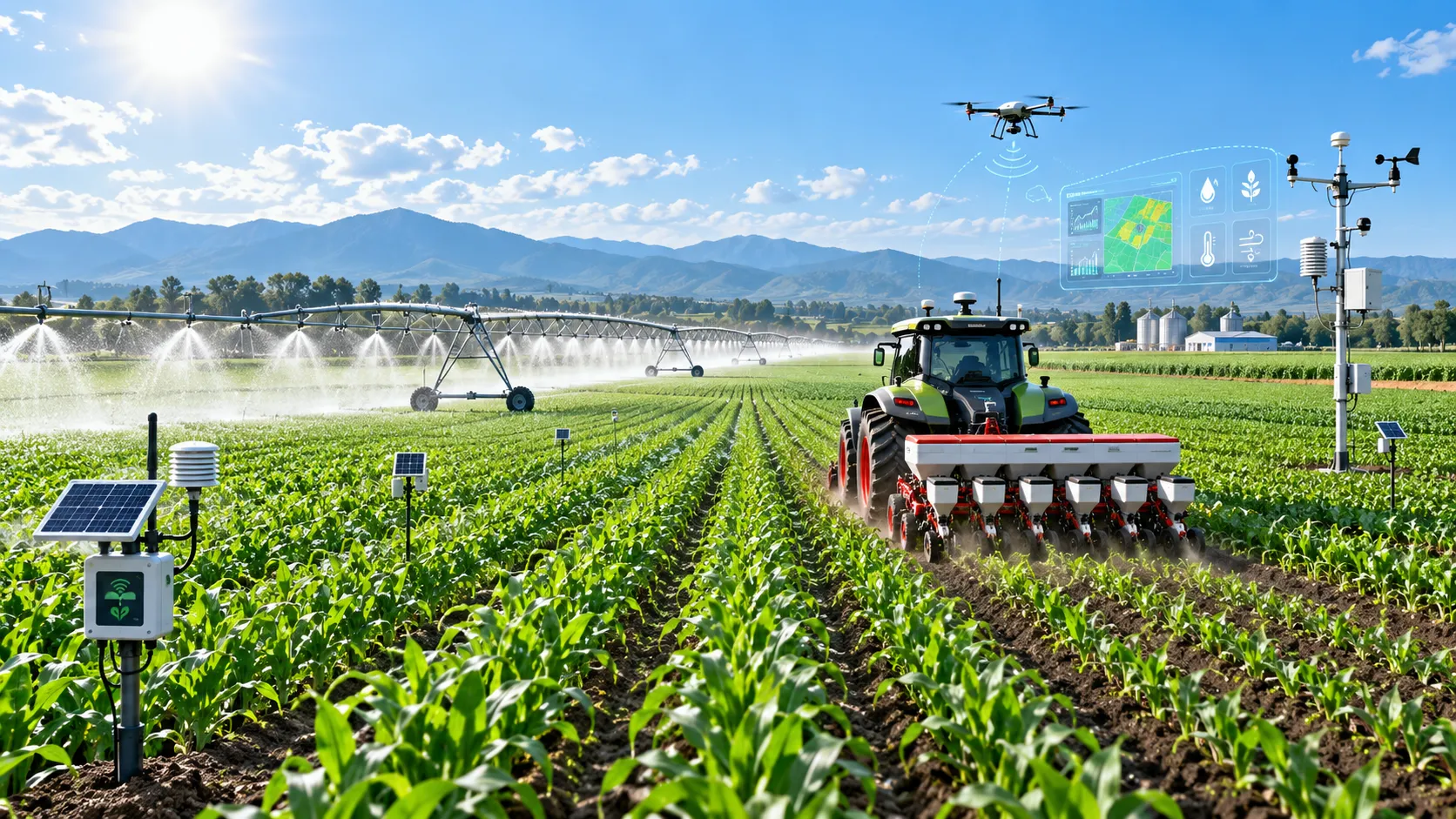
How Digital Agriculture Platforms Turn Field Data Into Better Input Decisions
Digital agriculture platforms turn field data into smarter fertilizer, water, seed, and equipment decisions—helping farms cut risk, improve margins, and scale sustainability.
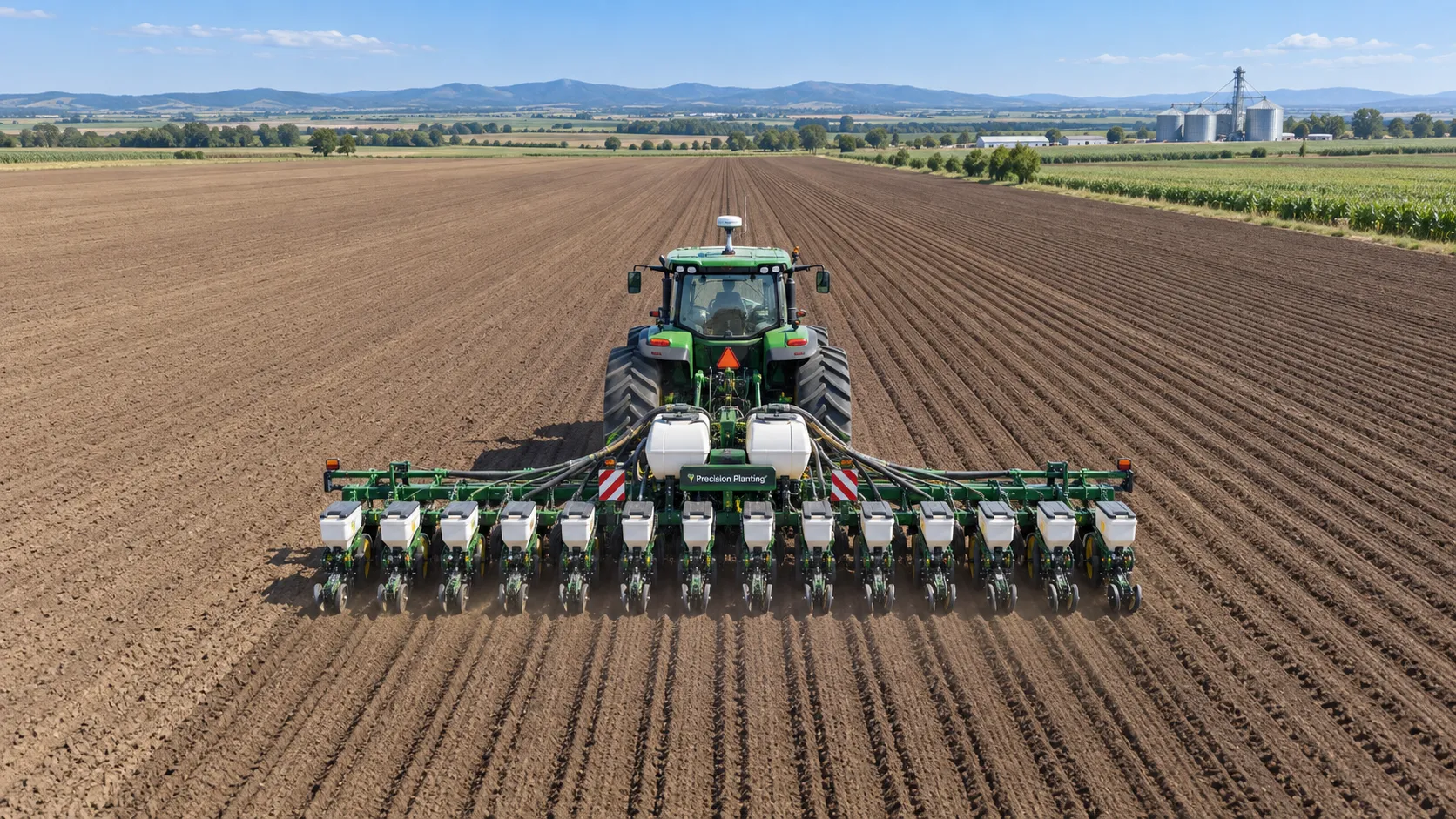
GPS-Guided Farm Machinery: Where It Delivers Measurable Field Efficiency Gains
Agri-mechanization GPS guided systems deliver measurable field efficiency gains through reduced overlap, precise planting, smarter inputs, and reliable farm data.
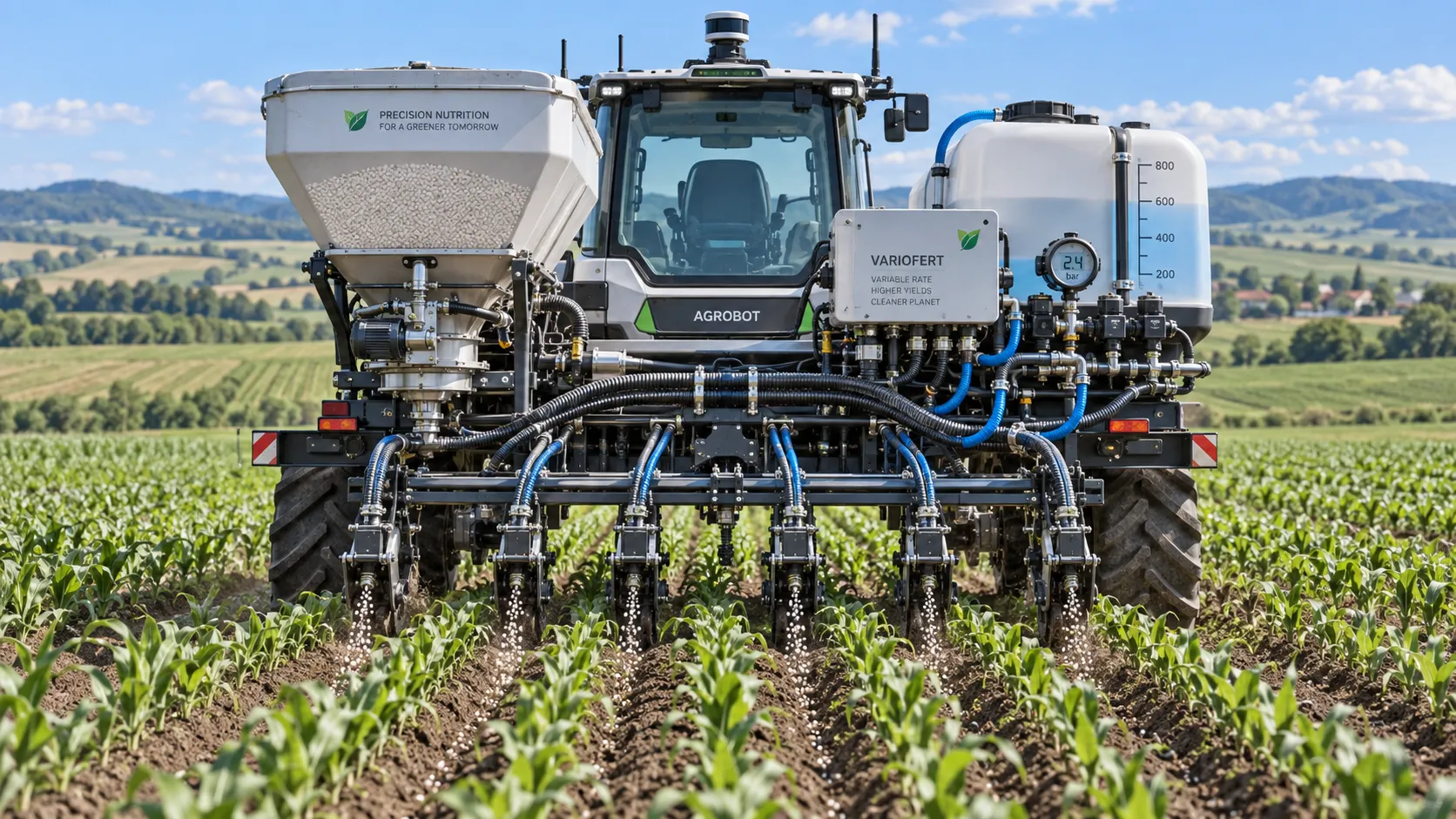
How Sensor Feedback Enables Accurate Variable-Rate Fertilization in Field Conditions
Precision fertilization systems with sensor feedback improve variable-rate accuracy by verifying flow, managing latency, and ensuring reliable field application.
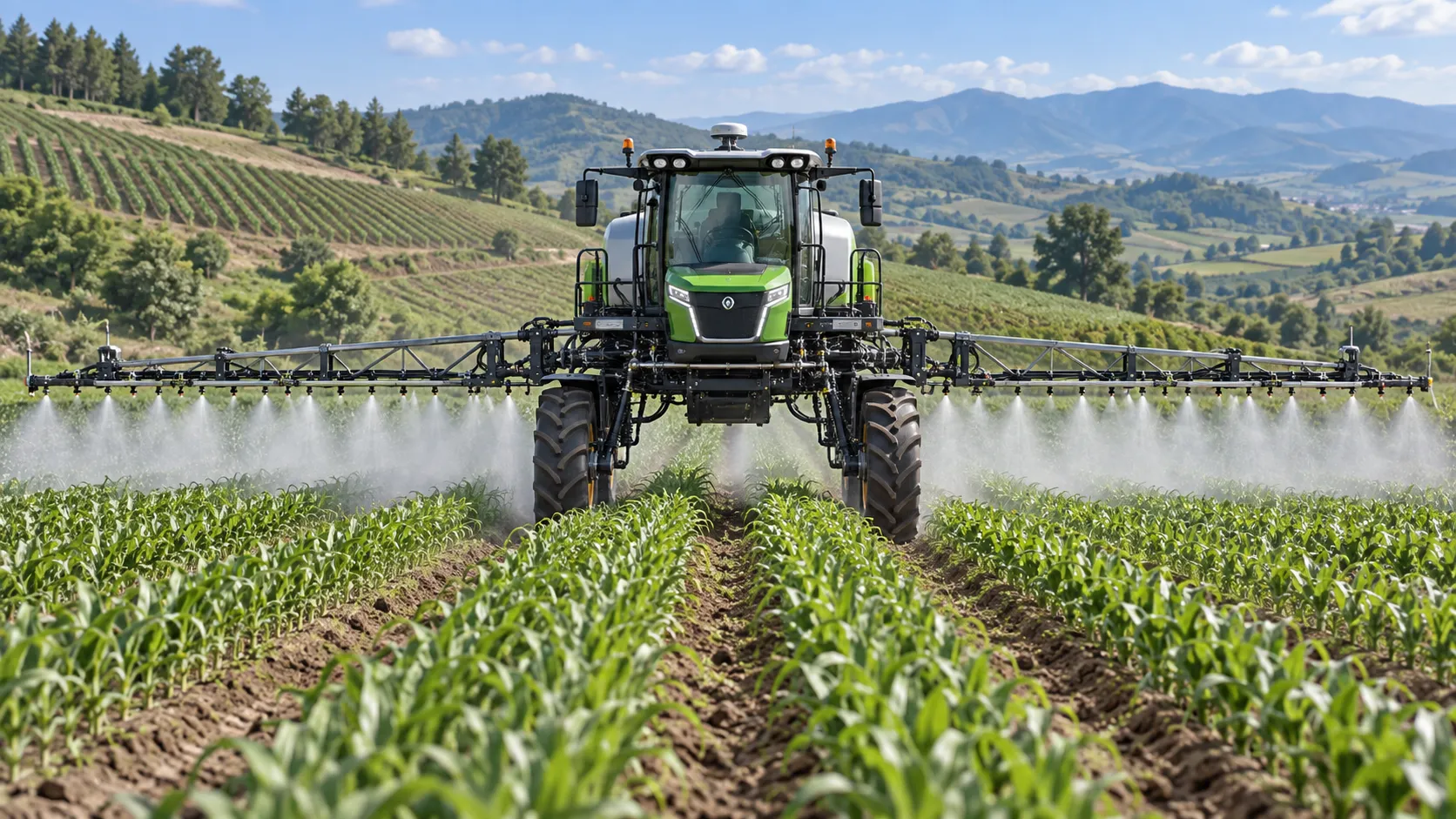
How to Select Precision Crop Protection Equipment for Variable Field Conditions
Precision crop protection equipment selection made simple: compare terrain, canopy, weather, control accuracy, and data workflows for reliable applications.

When Does Agricultural Machinery Leasing Cost Less Than Owning Equipment?
Agricultural machinery leasing can lower farm costs when use is seasonal or uncertain. Compare utilization, maintenance, cash flow, and risk to make a smarter equipment decision.
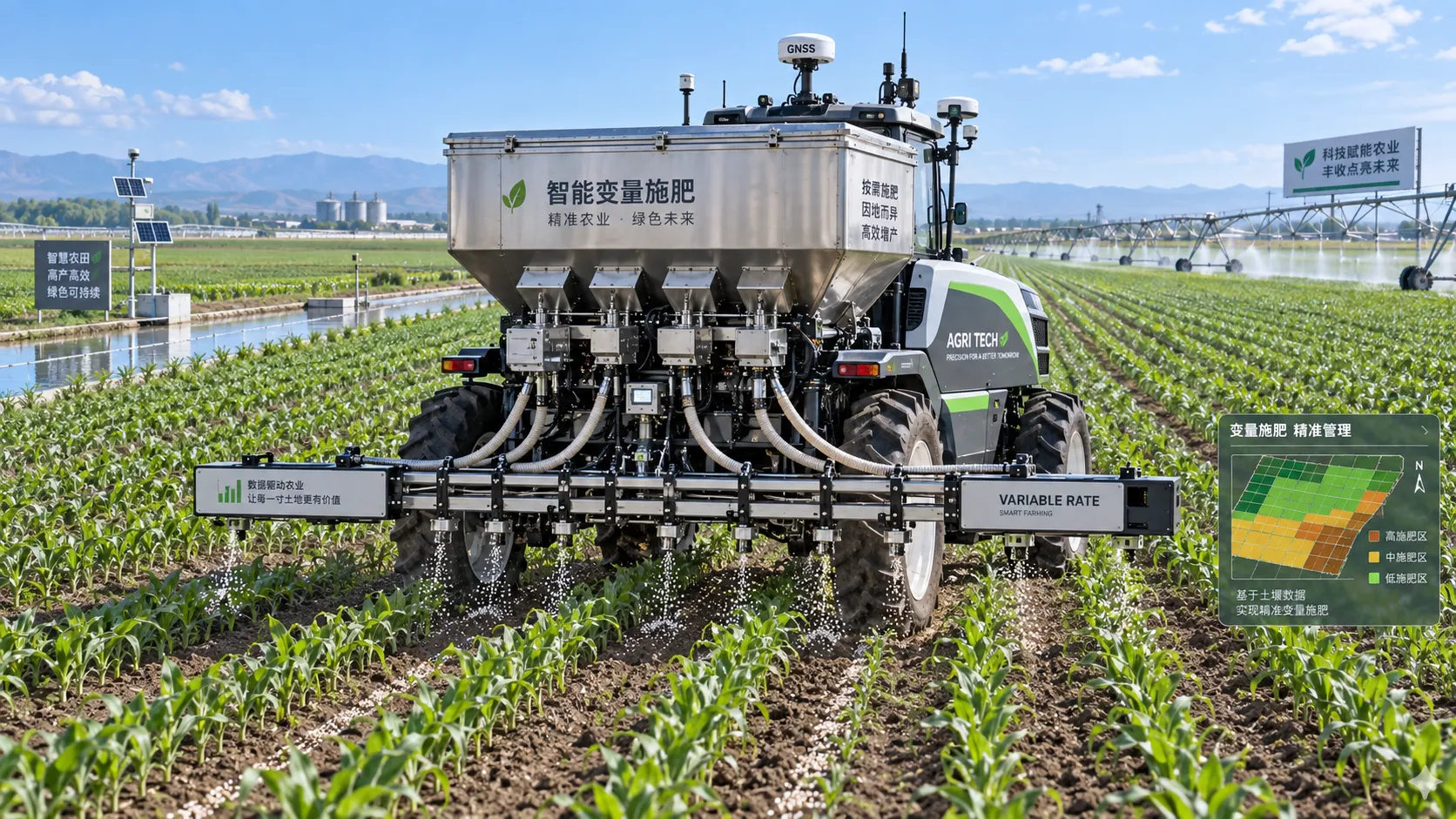
How to Evaluate Precision Fertilization System Suppliers for Farm-Scale Deployment
Precision fertilization systems suppliers: learn how to compare accuracy, integration, uptime, service, and total cost for confident farm-scale deployment.
Related News
- 00
0000-00
Tractor Chassis Price: What Buyers Should Compare Beyond the Initial Quote - 00
0000-00
How Digital Agriculture Platforms Turn Field Data Into Better Input Decisions - 00
0000-00
When Does Agricultural Machinery Leasing Cost Less Than Owning Equipment? - 00
0000-00
Selecting Grain Farm Equipment by Acreage, Crop Mix, and Harvest Window - 00
0000-00
Poultry Equipment Selection: Evaluating Durability, Cleaning, and Compatibility
Popular Tags
Ms. Elena Rodriguez
Weekly Insights
Stay ahead with our curated technology reports delivered every Monday.