
When precision fertilization tools deliver measurable savings
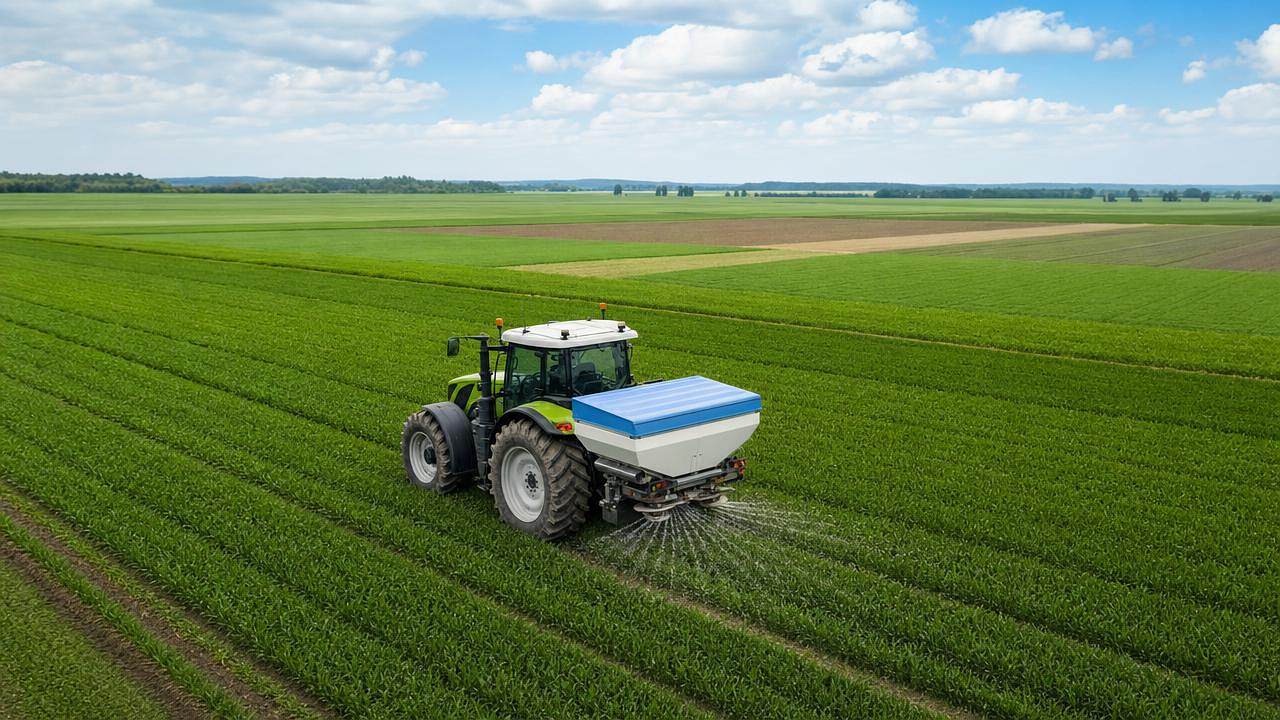




For operations facing tighter margins, precision fertilization tools now offer a direct path to visible savings. They reduce overlap, limit nutrient loss, and improve field-by-field planning without weakening yield targets.
At the same time, they support stronger cost control across machinery, agronomy, and data workflows. That makes precision fertilization tools relevant not only for field performance, but also for investment discipline.
For AP-Strategy, this shift matters because modern Agriculture 4.0 depends on the connection between equipment capability, prescription logic, and measurable resource efficiency. Savings are no longer assumed. They must be proven by scenario.
Why field context decides whether precision fertilization tools create real savings
Not every farm captures the same value from precision fertilization tools. Soil variability, crop intensity, machine compatibility, and data quality all influence the final return.
A high-variability field often gains more from variable-rate application than a uniform field. A fragmented operation may benefit more from section control and route optimization.
The best decisions start with one question: where is fertilizer spending leaking value today? The answer may come from over-application, timing errors, poor calibration, or weak mapping accuracy.
When those issues are identified clearly, precision fertilization tools become easier to evaluate. Their worth can then be measured through input reduction, response consistency, labor efficiency, and fewer corrective passes.
Scenario 1: Large broadacre fields with high input volumes
In large cereal, oilseed, or corn systems, fertilizer budgets are significant enough that even small efficiency gains matter. A two to five percent reduction in waste can already change seasonal economics.
Here, precision fertilization tools usually deliver savings through variable-rate maps, auto-guidance, and section control. The goal is not only lower tonnage use, but better nutrient placement across different productivity zones.
Core judgment points in broadacre operations
- Annual fertilizer spend is high enough to justify technology payback.
- Field variability is visible in yield history or soil test maps.
- Spreaders or applicators can integrate with GPS and control systems.
- Operators can maintain calibration and digital workflow discipline.
If these conditions are present, precision fertilization tools often reduce excess application in low-response zones. They also protect high-potential zones from underfeeding that can hide revenue losses.
Scenario 2: Mixed farms balancing crop nutrition and operational complexity
Mixed operations face a different challenge. Savings may not come only from nutrient rate optimization. They often come from scheduling efficiency, fewer machine adjustments, and stronger control across multiple crop programs.
In these settings, precision fertilization tools help standardize decision-making. Prescription files, field records, and application history make it easier to compare performance between crops and seasons.
Core judgment points in mixed systems
- Different crops demand different nutrient timing and placement rules.
- Equipment moves frequently between field types.
- Recordkeeping is important for budgeting and agronomic comparison.
- The operation values repeatable workflows over manual adjustment.
For this scenario, measurable savings often appear in reduced downtime, cleaner documentation, and more consistent fertilizer efficiency. The technology lowers operational friction, not just nutrient misuse.
Scenario 3: High-value crops where accuracy matters more than volume
Vegetables, seed production, and specialty crops usually have tighter quality targets. In these cases, precision fertilization tools are valuable because errors cost more than fertilizer alone.
Uniform growth, controlled nutrient stress, and precise timing can influence grade, marketability, and harvest consistency. Savings may appear as avoided quality loss rather than simple input reduction.
Core judgment points in high-value crop systems
- Product quality is highly sensitive to nutrient imbalance.
- Application windows are narrow and timing mistakes are costly.
- Irrigation and fertilization data can be linked for better decisions.
- The operation needs traceable records for premium markets.
In this environment, precision fertilization tools support both cost discipline and crop quality assurance. That dual value often shortens the path to measurable return.
Where scenario differences change the buying decision
The same technology package does not fit every operating model. Savings depend on which feature solves the most expensive problem in each scenario.
This comparison shows why precision fertilization tools should be judged against local cost structure, crop sensitivity, and machine integration readiness. A feature-rich package is not always the most profitable one.
How to match precision fertilization tools to the right field conditions
A practical evaluation framework should link agronomic need with equipment reality. That avoids buying systems that look advanced but remain underused.
- Map current fertilizer loss points by field, crop, and machine pass.
- Check whether existing tractors, implements, and controllers can connect.
- Review data sources such as soil sampling, yield maps, and satellite imagery.
- Estimate savings from overlap reduction, rate optimization, and fewer corrections.
- Pilot on fields with clear variability before full deployment.
This staged approach fits the AP-Strategy view of intelligent farm tools. Technology works best when mechanical performance, digital prescriptions, and field execution are aligned from the beginning.
Common mistakes that hide the value of precision fertilization tools
Many disappointing results do not come from the tools themselves. They come from weak assumptions, incomplete setup, or unrealistic payback expectations.
- Assuming all fields need variable-rate application.
- Ignoring calibration quality and spread pattern verification.
- Using outdated soil data or low-resolution prescription layers.
- Measuring success only by fertilizer volume reduction.
- Overlooking labor training and controller usability.
Precision fertilization tools should also be assessed against total system effects. Better timing, fewer reapplications, stronger nutrient balance, and clearer records all contribute to real savings.
What measurable savings should look like in practice
The strongest business case comes from a short list of visible indicators. These metrics make precision fertilization tools easier to defend and compare across seasons.
- Lower fertilizer use per productive hectare.
- Reduced overlap and fewer missed strips.
- Higher response consistency between zones.
- Lower correction costs after early-season application.
- Improved gross margin stability under volatile input prices.
When monitored correctly, precision fertilization tools turn nutrient management into a measurable operating system. That is especially important in a market shaped by cost pressure, sustainability targets, and tighter capital discipline.
A practical next step for smarter investment decisions
Start with fields where fertilizer spending is high and performance variation is already visible. Those locations usually reveal the fastest savings from precision fertilization tools.
Then compare equipment compatibility, data availability, and execution readiness before expanding. A disciplined rollout produces better evidence than a full-scale launch with weak preparation.
For organizations tracking the future of large-scale machinery, intelligent farm tools, and water-smart cultivation, this is the right moment to review where precision fertilization tools can create verified savings rather than theoretical promise.
With the right scenario match, these systems do more than cut waste. They support stronger agronomic control, clearer return measurement, and more resilient decision-making across the modern agricultural value chain.
Related News
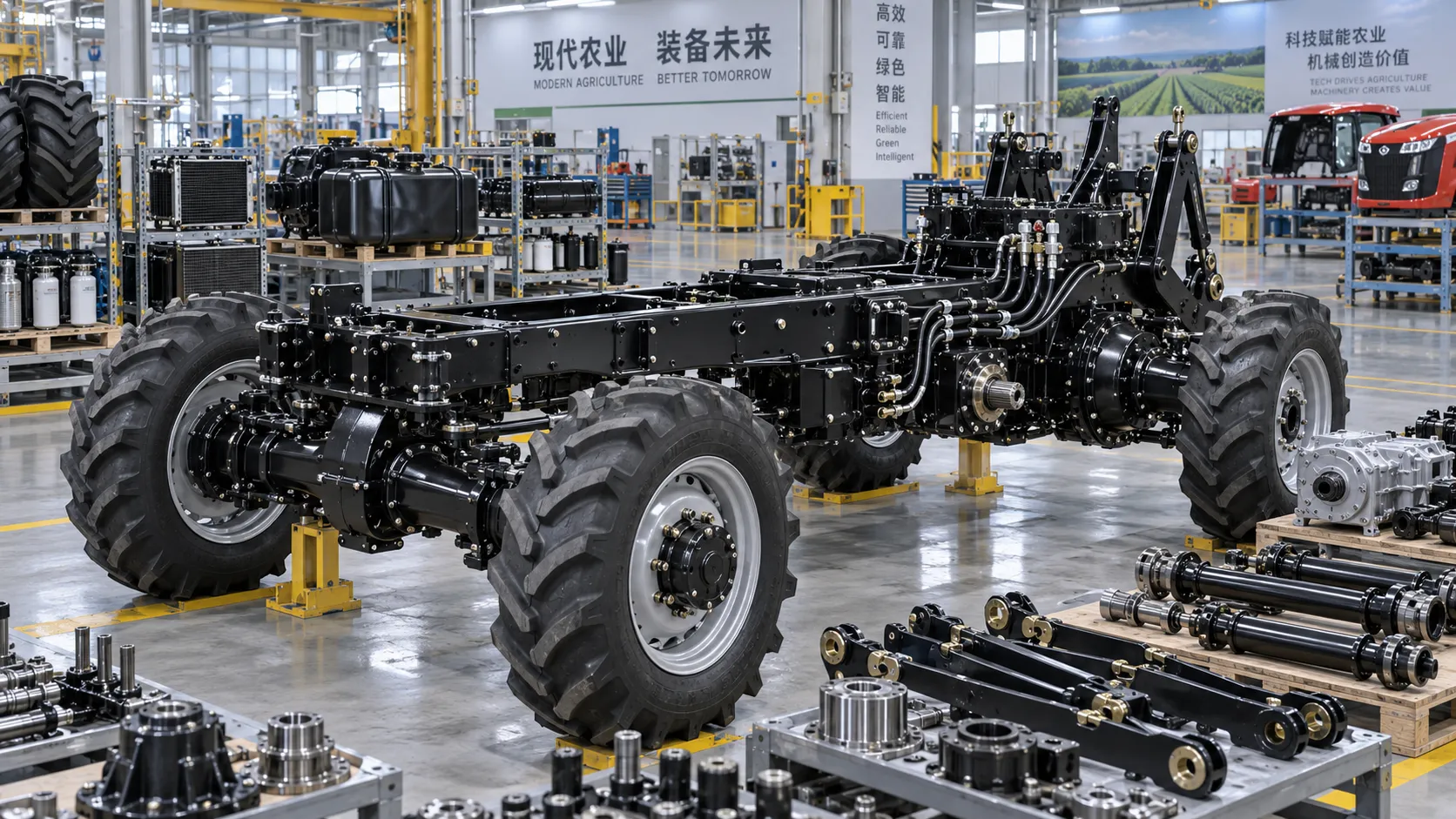
Tractor Chassis Price: What Buyers Should Compare Beyond the Initial Quote
Tractor chassis price is only the start. Compare load capacity, compatibility, durability, and lifecycle costs to choose a reliable, high-value chassis.
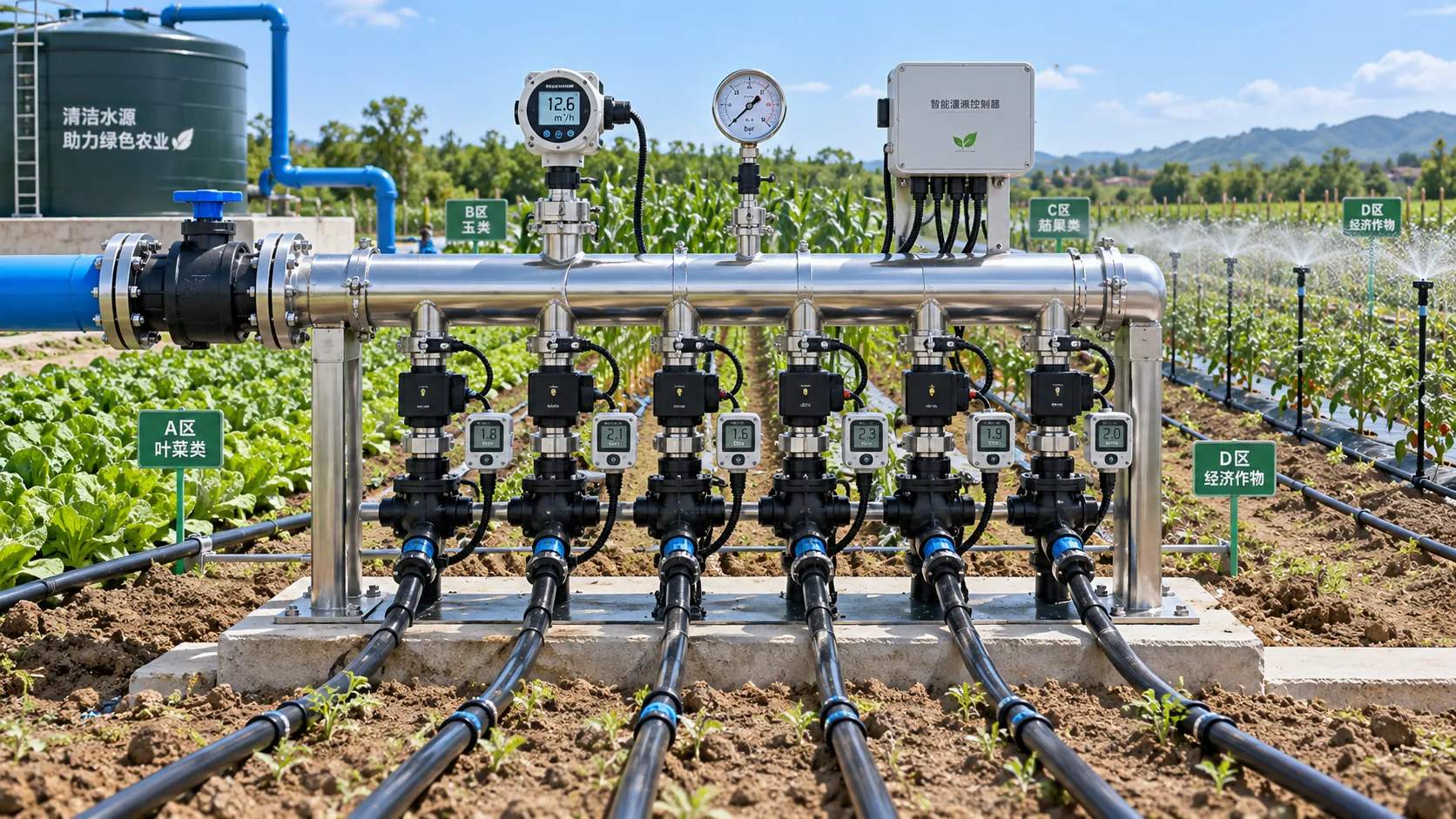
How to Select Smart Irrigation Valves for Multi-Zone Water Management?
Intelligent irrigation systems valves: learn how to match smart valves with multi-zone flow, pressure, control, feedback, and communication needs for reliable water management.
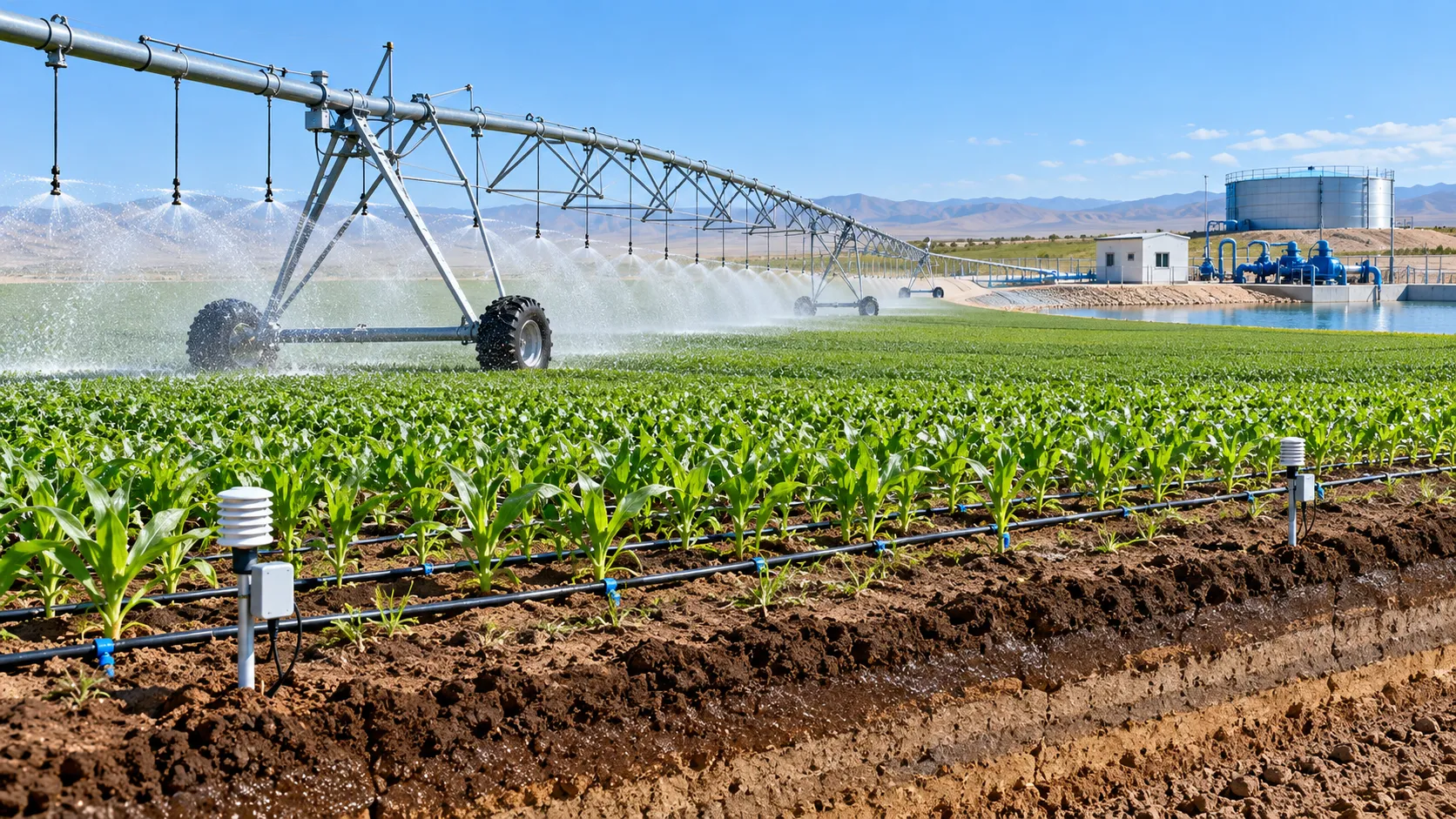
Climate-Smart Farming for Drought: A Practical Plan for Protecting Yields
Climate-smart farming for drought: build smarter water budgets, protect critical crop stages, improve irrigation uniformity, and safeguard yields with practical field-proven strategies.
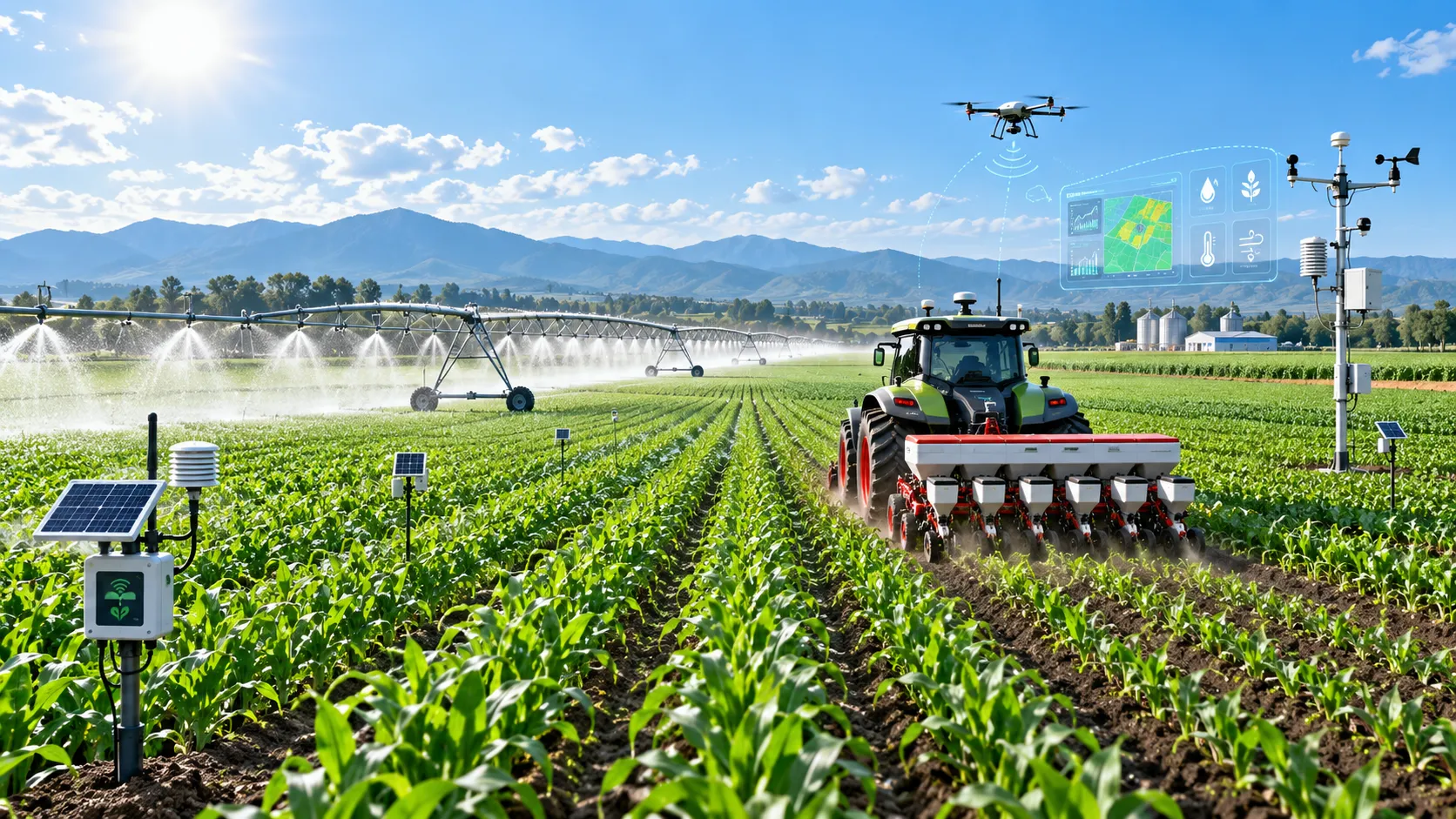
How Digital Agriculture Platforms Turn Field Data Into Better Input Decisions
Digital agriculture platforms turn field data into smarter fertilizer, water, seed, and equipment decisions—helping farms cut risk, improve margins, and scale sustainability.
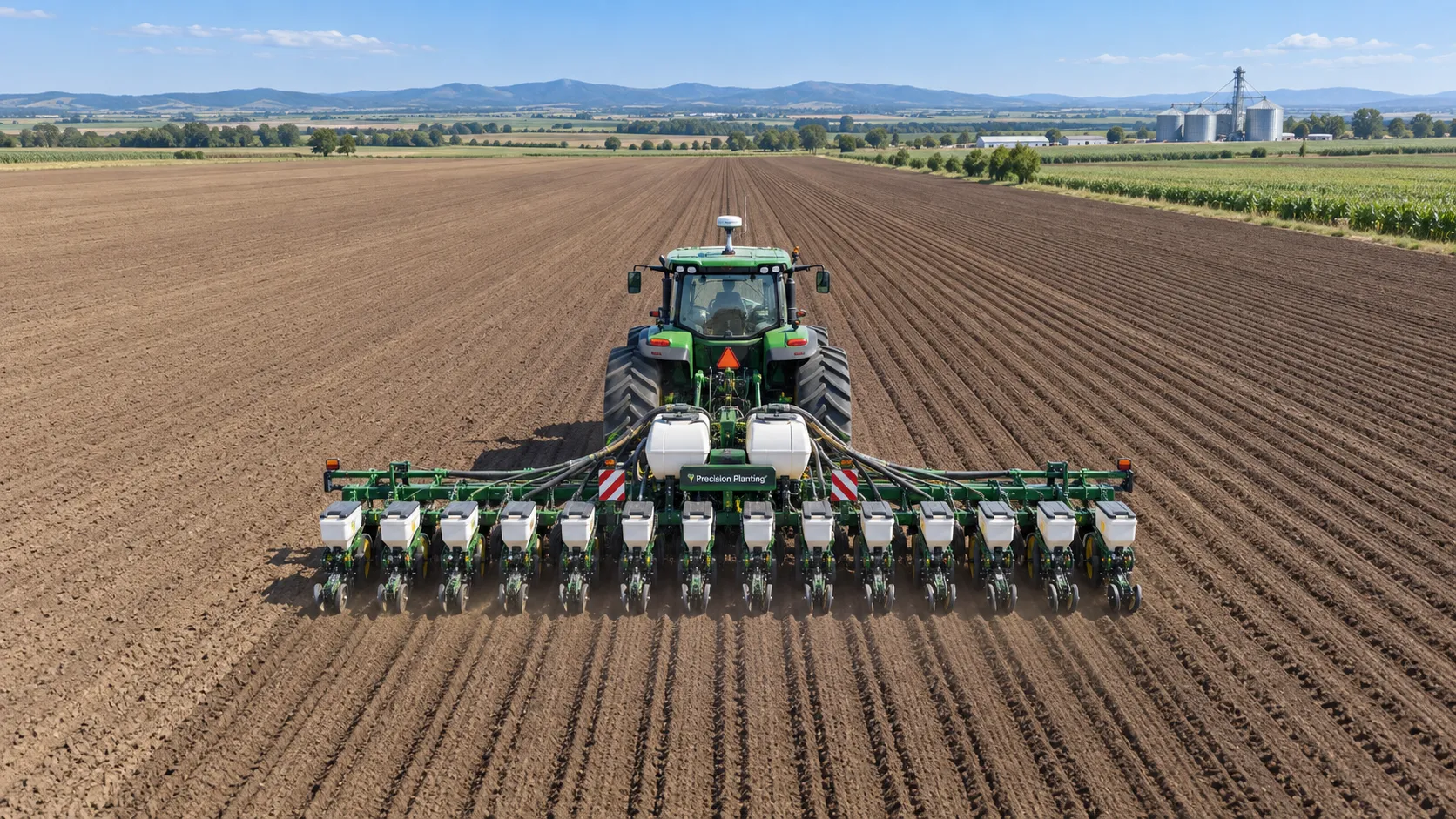
GPS-Guided Farm Machinery: Where It Delivers Measurable Field Efficiency Gains
Agri-mechanization GPS guided systems deliver measurable field efficiency gains through reduced overlap, precise planting, smarter inputs, and reliable farm data.
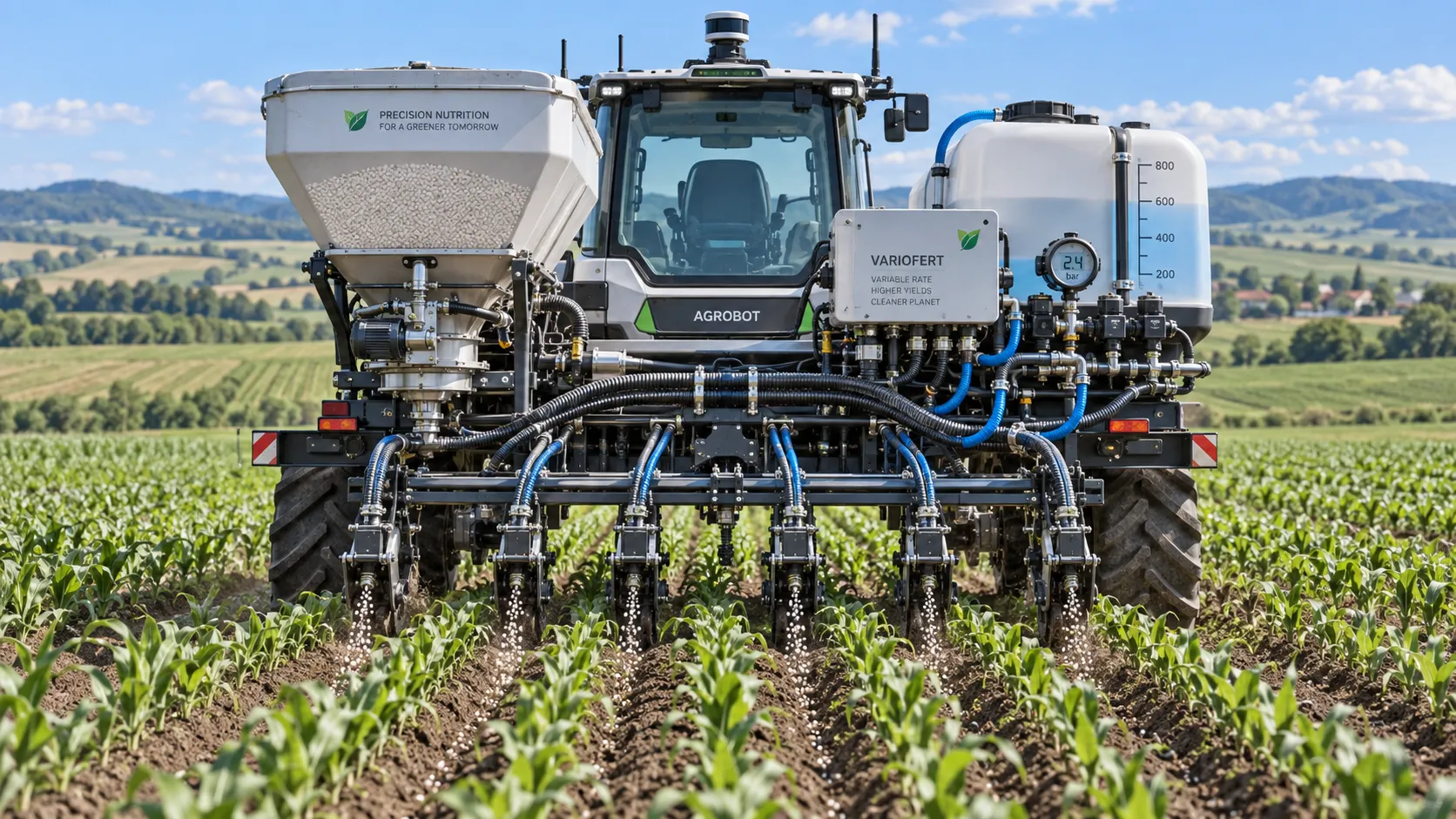
How Sensor Feedback Enables Accurate Variable-Rate Fertilization in Field Conditions
Precision fertilization systems with sensor feedback improve variable-rate accuracy by verifying flow, managing latency, and ensuring reliable field application.
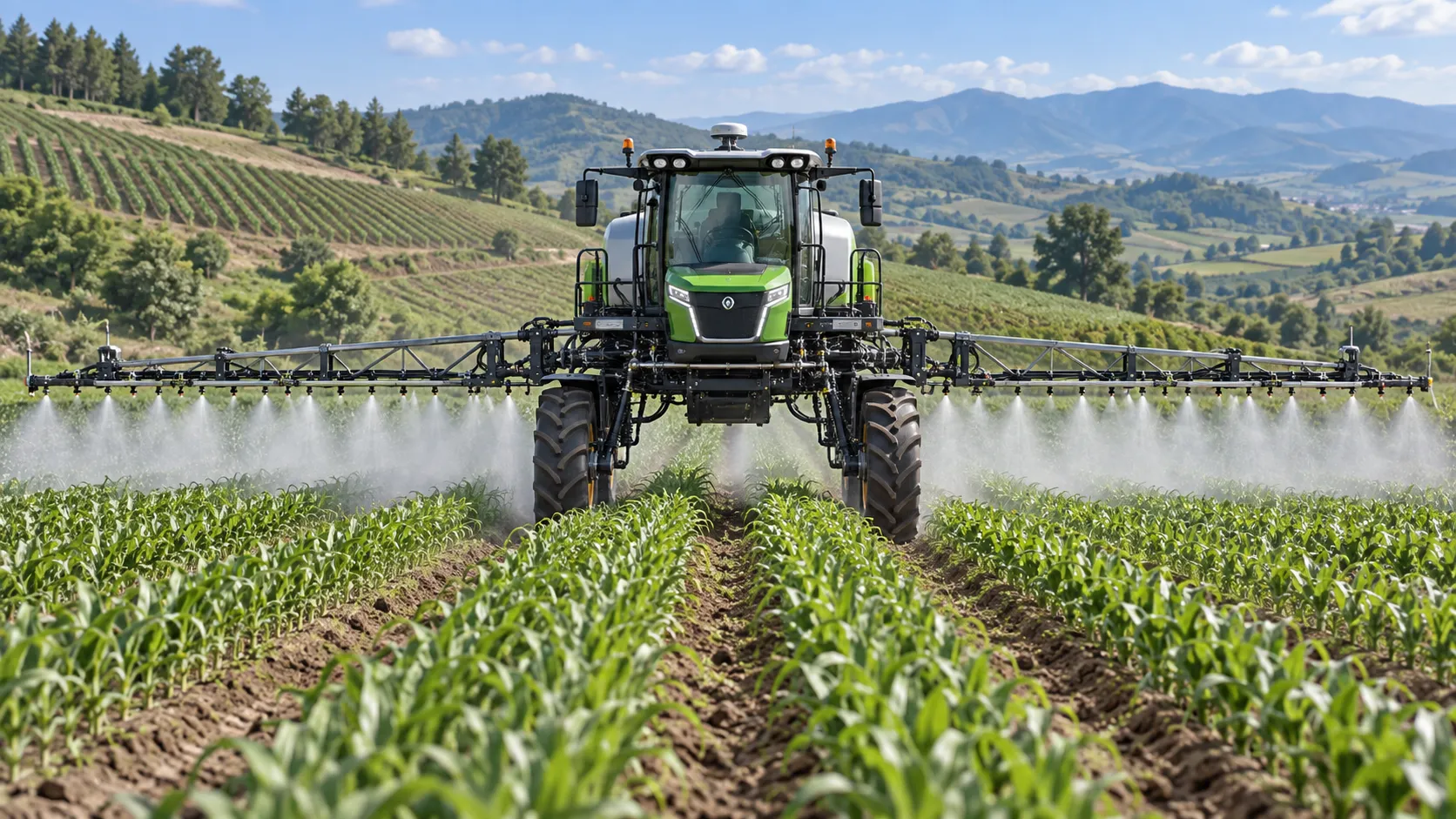
How to Select Precision Crop Protection Equipment for Variable Field Conditions
Precision crop protection equipment selection made simple: compare terrain, canopy, weather, control accuracy, and data workflows for reliable applications.
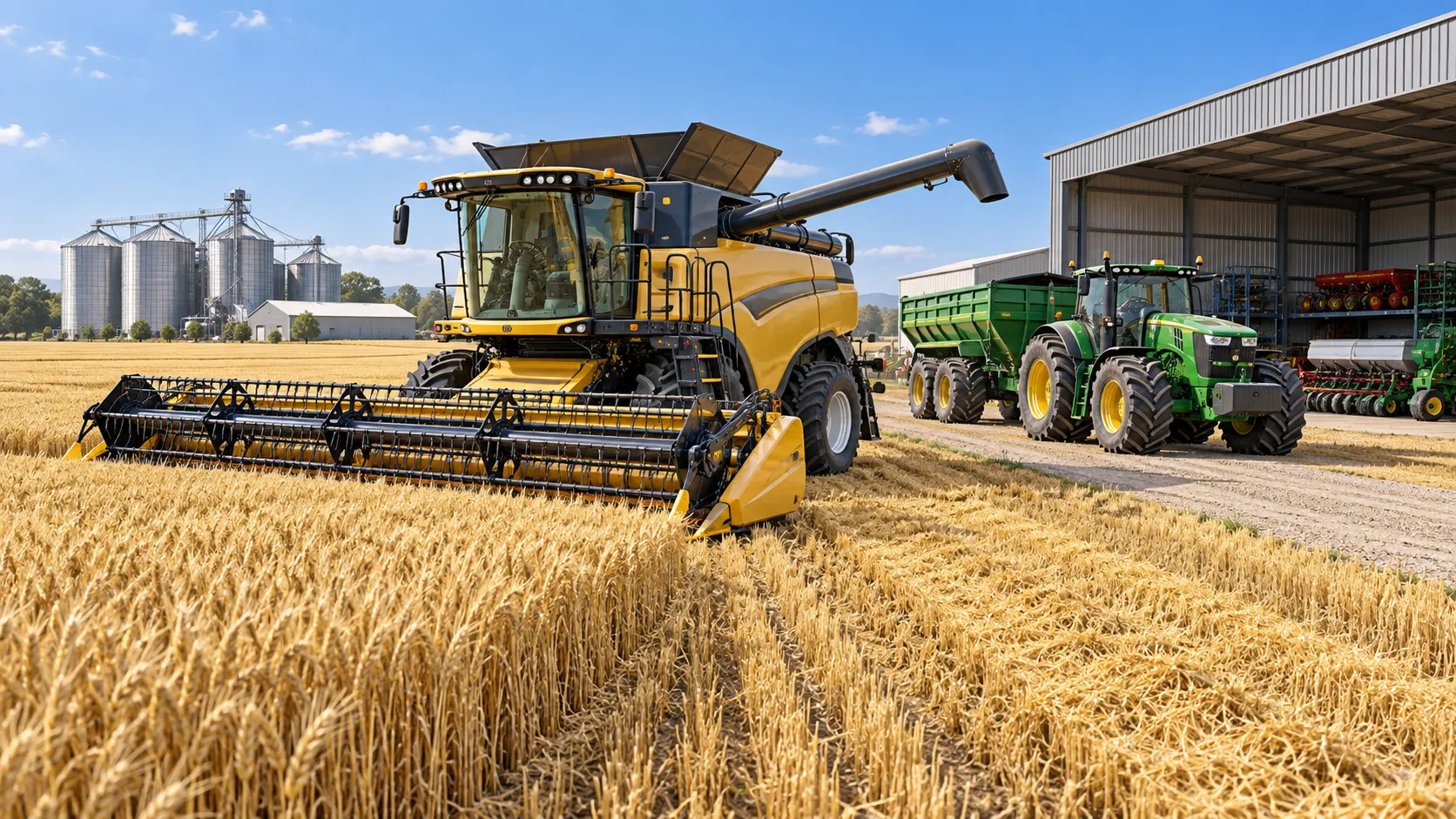
When Does Agricultural Machinery Leasing Cost Less Than Owning Equipment?
Agricultural machinery leasing can lower farm costs when use is seasonal or uncertain. Compare utilization, maintenance, cash flow, and risk to make a smarter equipment decision.
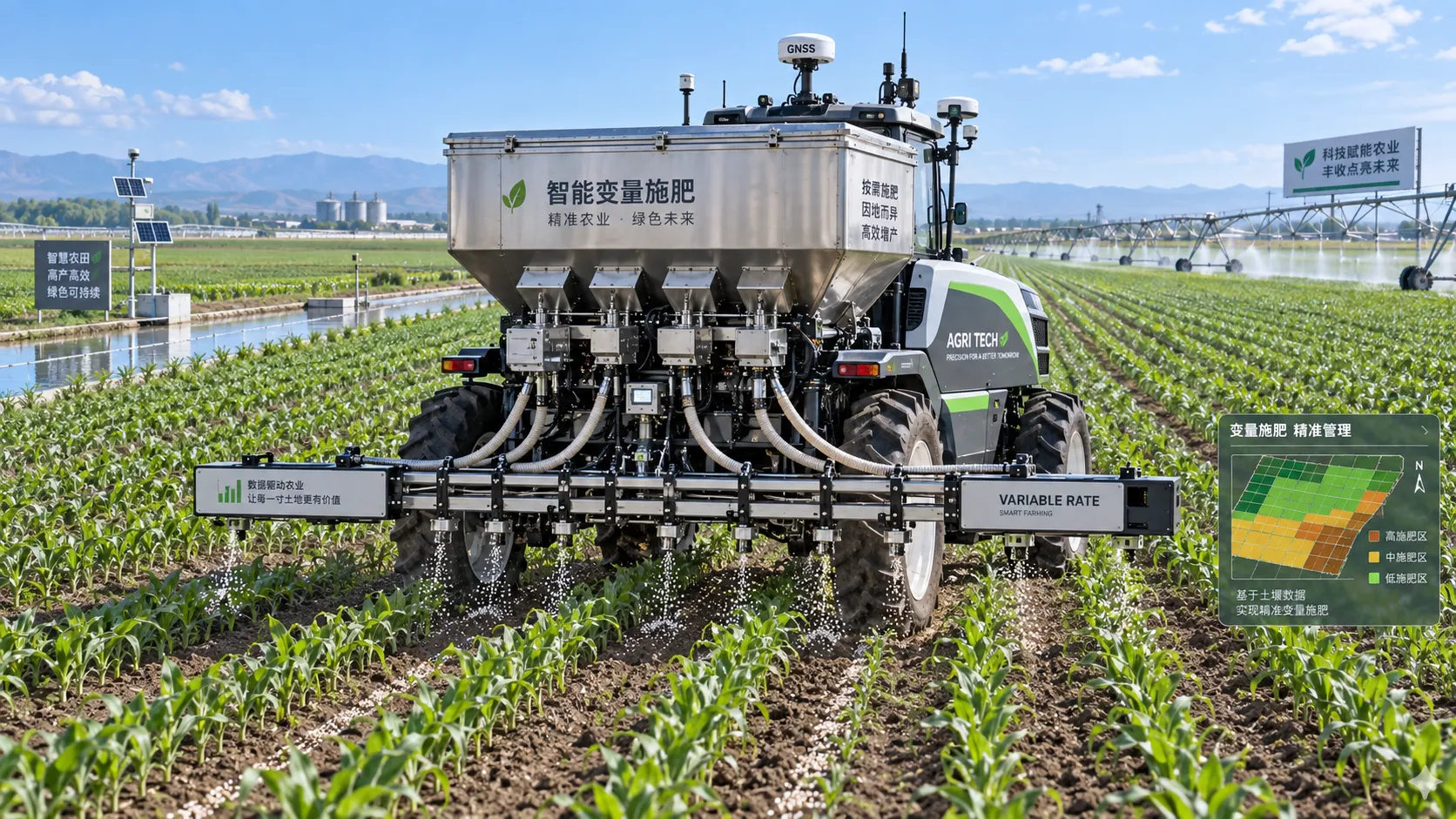
How to Evaluate Precision Fertilization System Suppliers for Farm-Scale Deployment
Precision fertilization systems suppliers: learn how to compare accuracy, integration, uptime, service, and total cost for confident farm-scale deployment.
Related News
- 00
0000-00
How Sensor Feedback Enables Accurate Variable-Rate Fertilization in Field Conditions - 00
0000-00
How to Select Precision Crop Protection Equipment for Variable Field Conditions - 00
0000-00
How to Evaluate Precision Fertilization System Suppliers for Farm-Scale Deployment - 00
0000-00
How to Select a Precision Fertilization System for Variable Corn Field Conditions - 00
0000-00
When does equipment for sustainable farming justify a higher capital spend?
Popular Tags
Tractor Power Architect
Weekly Insights
Stay ahead with our curated technology reports delivered every Monday.