
How agricultural environmental policies reshape farm investment
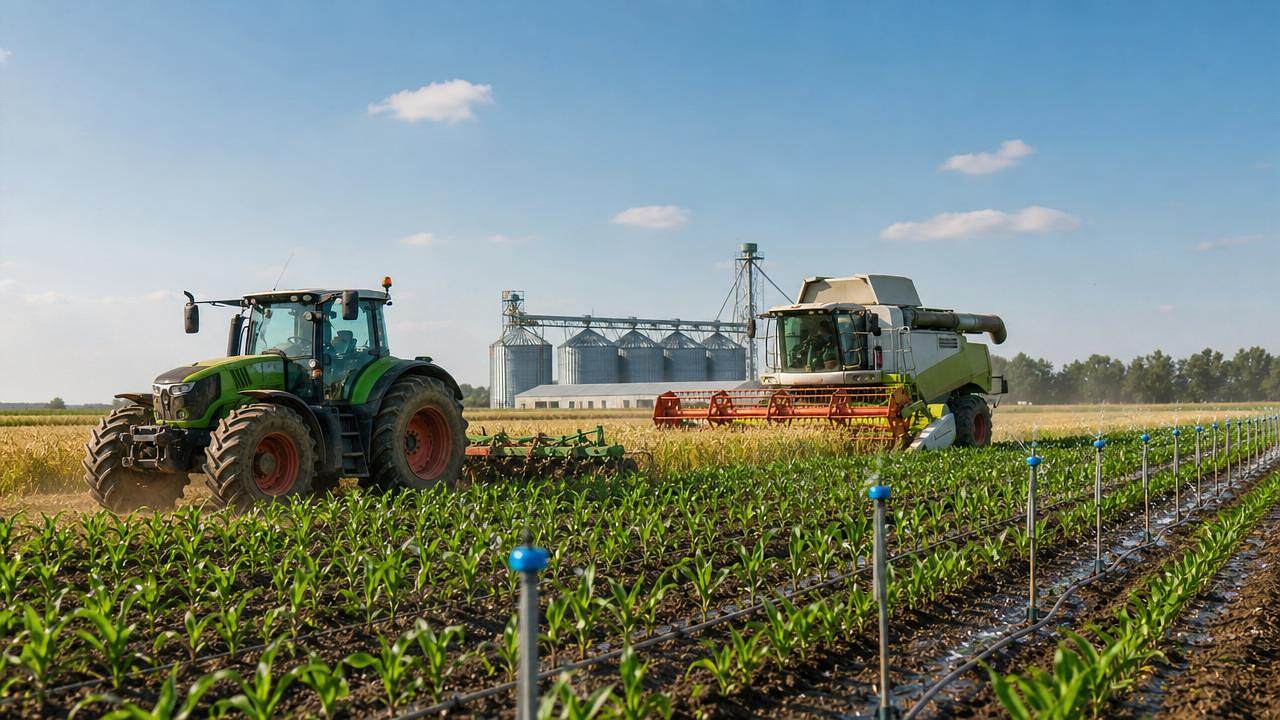




Agricultural environmental policies are no longer peripheral compliance issues. They now shape how farms finance machinery, manage risk, and select long-life assets across the Agriculture 4.0 ecosystem.
For operations tied to tractors, combine harvesters, precision tools, and irrigation systems, policy design increasingly directs investment timing. It influences cost structures, technology pathways, and expected returns over multiple seasons.
This shift matters beyond farming alone. Equipment platforms, software providers, dealers, and intelligence services all respond when agricultural environmental policies alter incentive structures or tighten performance standards.
Understanding the investment role of agricultural environmental policies
Agricultural environmental policies include rules, incentives, and monitoring systems designed to reduce ecological pressure from farming. They often target water use, emissions, soil health, nutrients, pesticides, biodiversity, and energy efficiency.
These policies matter because farm investment is capital intensive. A tractor chassis, a combine upgrade, or a smart irrigation network can shape productivity and compliance for many years.
When regulations change, farms rarely adjust through minor operational tweaks alone. They often revise capital expenditure plans, fleet replacement schedules, data systems, and agronomic workflows.
In practical terms, agricultural environmental policies affect three investment questions:
- Which assets remain viable under future standards
- Which technologies qualify for incentives or preferred financing
- Which operating models can protect margins under tighter environmental accountability
That is why agricultural environmental policies now function as investment signals. They do not only limit behavior; they also reveal where future competitiveness is likely to emerge.
Current industry signals shaping capital allocation
Across global agricultural markets, policy pressure is becoming more measurable. Water scarcity, carbon accounting, and nutrient runoff controls are pushing farms toward more trackable and efficient systems.
The strongest policy signals usually appear in areas where resource intensity and environmental exposure are highest. Those signals affect both replacement investments and greenfield expansion planning.
These trends explain why agricultural environmental policies increasingly influence not just agronomy, but asset architecture. Investment logic now depends on whether equipment can produce measurable environmental performance.
How policy changes reshape decisions on machinery and infrastructure
Machinery replacement becomes more selective
Under stronger agricultural environmental policies, replacing old equipment is no longer a simple horsepower decision. Buyers increasingly evaluate fuel efficiency, data compatibility, compaction impact, and emissions performance together.
A combine harvester, for example, may be judged not only on throughput. Loss control, residue handling, telemetry integration, and field-condition adaptability can become policy-relevant advantages.
Irrigation investment shifts from volume to intelligence
Water-related agricultural environmental policies often drive the fastest transformation. Farms move from expanding pumping capacity toward building responsive irrigation networks with moisture sensing, automation, and predictive scheduling.
This changes budget priorities. Capital spending flows toward valves, controllers, software layers, and distribution precision rather than only toward more water delivery hardware.
Data infrastructure becomes an investable asset
Many agricultural environmental policies require proof, not assumptions. That creates demand for digital records covering water use, application rates, machine performance, and field-level resource outcomes.
As a result, connectivity, monitoring platforms, and decision software are becoming part of the core investment stack. Compliance and productivity increasingly share the same data backbone.
Business value created by policy-aligned investment
It is easy to view agricultural environmental policies as cost drivers. Yet policy-aligned investment can also create durable operational and commercial value when evaluated over the full equipment lifecycle.
- Lower input waste through precise application and timing
- Reduced exposure to future retrofitting or penalty costs
- Stronger access to sustainability-linked finance programs
- Improved eligibility for premium supply chains and reporting frameworks
- Higher asset relevance in regions with tightening environmental rules
For intelligence-driven platforms such as AP-Strategy, this is where market observation becomes useful. Equipment evolution, sensor maturity, and environmental regulation increasingly move together rather than separately.
That convergence is especially clear in Agriculture 4.0. Precision algorithms, machine feedback, and sustainability reporting now support the same investment case when agricultural environmental policies become more sophisticated.
Typical investment scenarios across the farm technology landscape
Different asset categories respond differently to agricultural environmental policies. The following scenarios show where investment pressure and opportunity are most visible today.
These scenarios show that agricultural environmental policies do not create one universal response. They reorder investment according to local resource stress, crop system intensity, and reporting obligations.
Practical guidance for evaluating policy-sensitive investments
A sound response starts with policy interpretation, not equipment shopping. Investment should follow a structured review of likely rules, timing horizons, and measurable performance thresholds.
- Map which agricultural environmental policies affect water, nutrients, emissions, and land use in the operating region.
- Identify assets with the highest exposure to future noncompliance or inefficiency.
- Compare investment options using both productivity gains and environmental reporting capability.
- Prioritize technologies that improve flexibility under multiple policy scenarios.
- Track available grants, tax incentives, and sustainability-linked financing channels.
It is also important to avoid narrow payback calculations. Some assets provide strategic value by preserving market access, reducing volatility, or supporting future automation layers.
This is particularly true when agricultural environmental policies are expected to tighten gradually. Early investment can reduce disruption and improve technology learning before compliance deadlines become urgent.
Strategic next steps in an Agriculture 4.0 policy environment
The main lesson is clear: agricultural environmental policies are no longer side constraints. They are active forces reshaping farm investment, equipment relevance, and technology roadmaps across the broader agricultural economy.
The strongest investment positions will likely combine mechanical efficiency, digital visibility, and resource stewardship. Farms and agribusiness platforms that read policy early can allocate capital with greater confidence.
Use current policy signals to review machinery plans, irrigation modernization priorities, and data readiness. Align capital decisions with both field performance and environmental accountability before regulation forces reactive spending.
In that context, agricultural environmental policies become more than compliance demands. They become a framework for smarter, more resilient, and more future-proof farm investment.
Related News
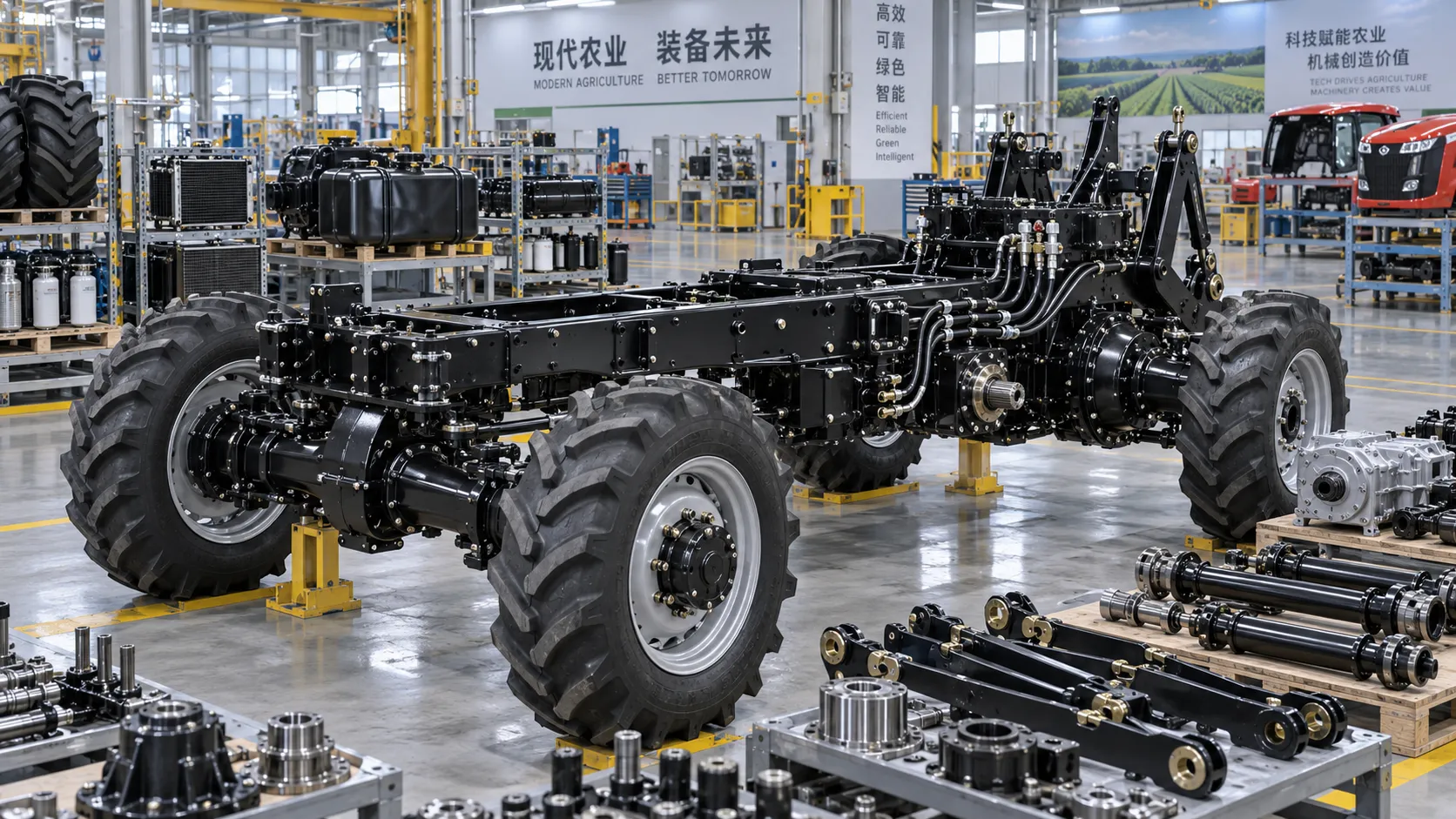
Tractor Chassis Price: What Buyers Should Compare Beyond the Initial Quote
Tractor chassis price is only the start. Compare load capacity, compatibility, durability, and lifecycle costs to choose a reliable, high-value chassis.
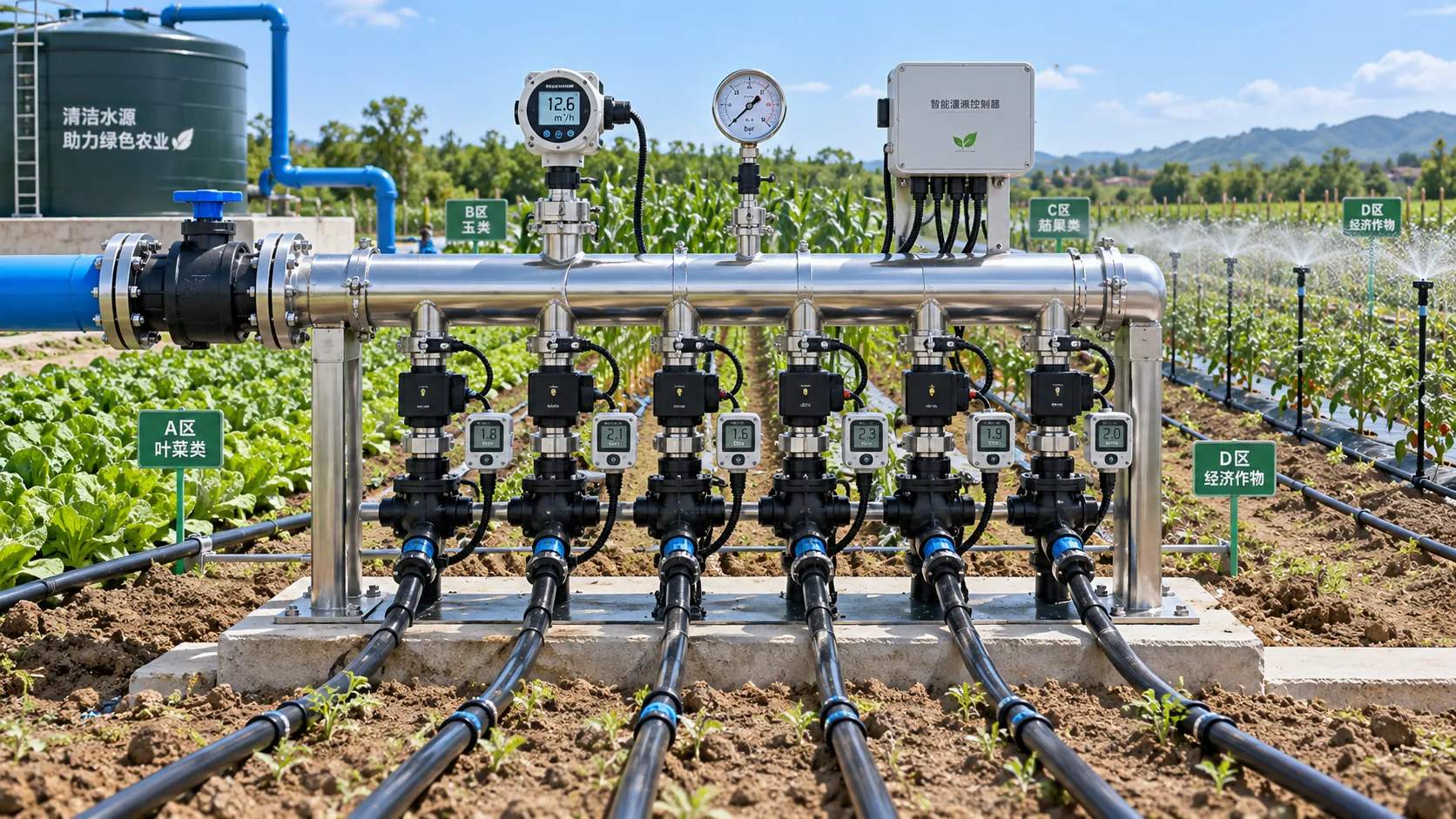
How to Select Smart Irrigation Valves for Multi-Zone Water Management?
Intelligent irrigation systems valves: learn how to match smart valves with multi-zone flow, pressure, control, feedback, and communication needs for reliable water management.
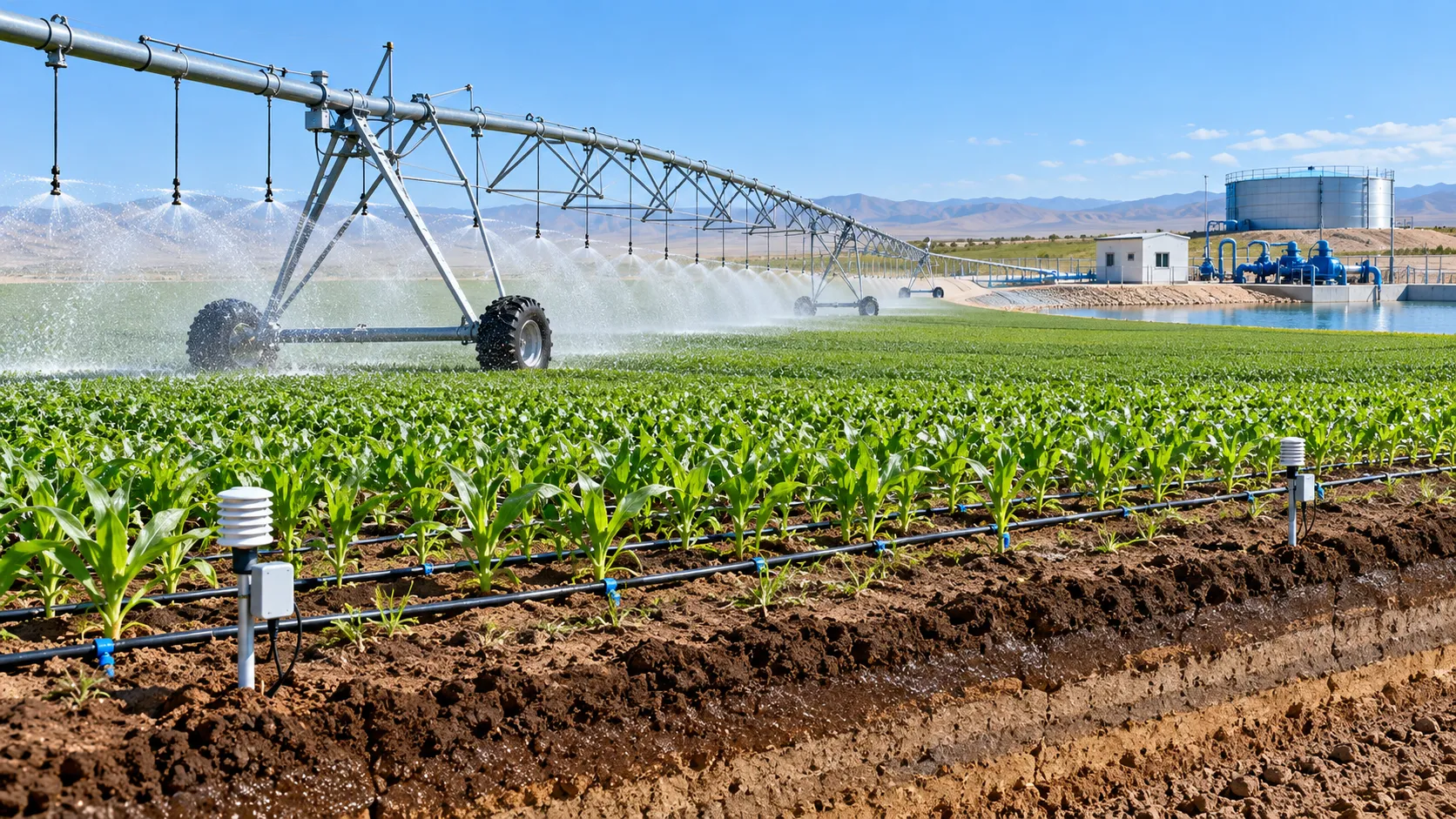
Climate-Smart Farming for Drought: A Practical Plan for Protecting Yields
Climate-smart farming for drought: build smarter water budgets, protect critical crop stages, improve irrigation uniformity, and safeguard yields with practical field-proven strategies.
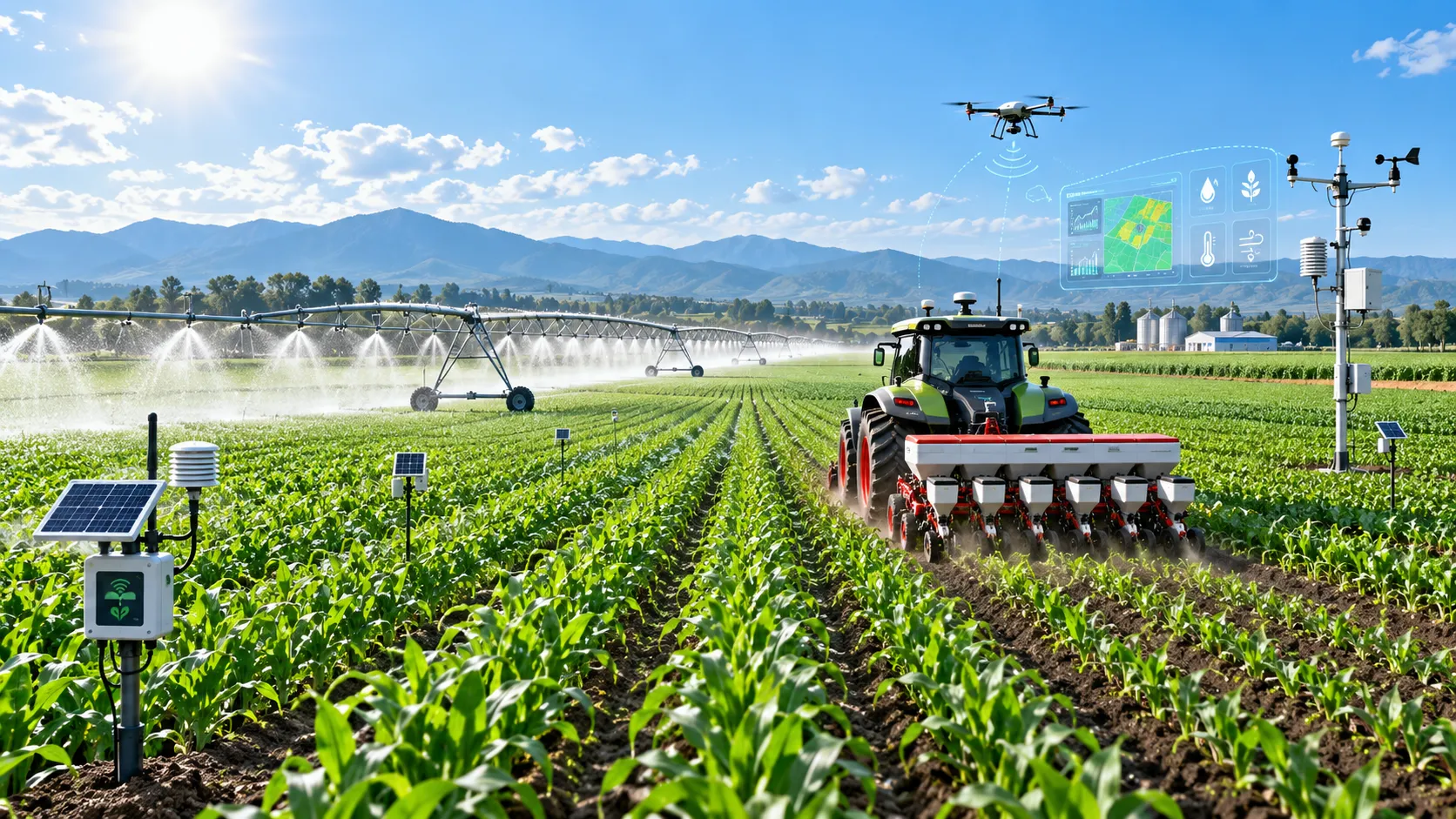
How Digital Agriculture Platforms Turn Field Data Into Better Input Decisions
Digital agriculture platforms turn field data into smarter fertilizer, water, seed, and equipment decisions—helping farms cut risk, improve margins, and scale sustainability.
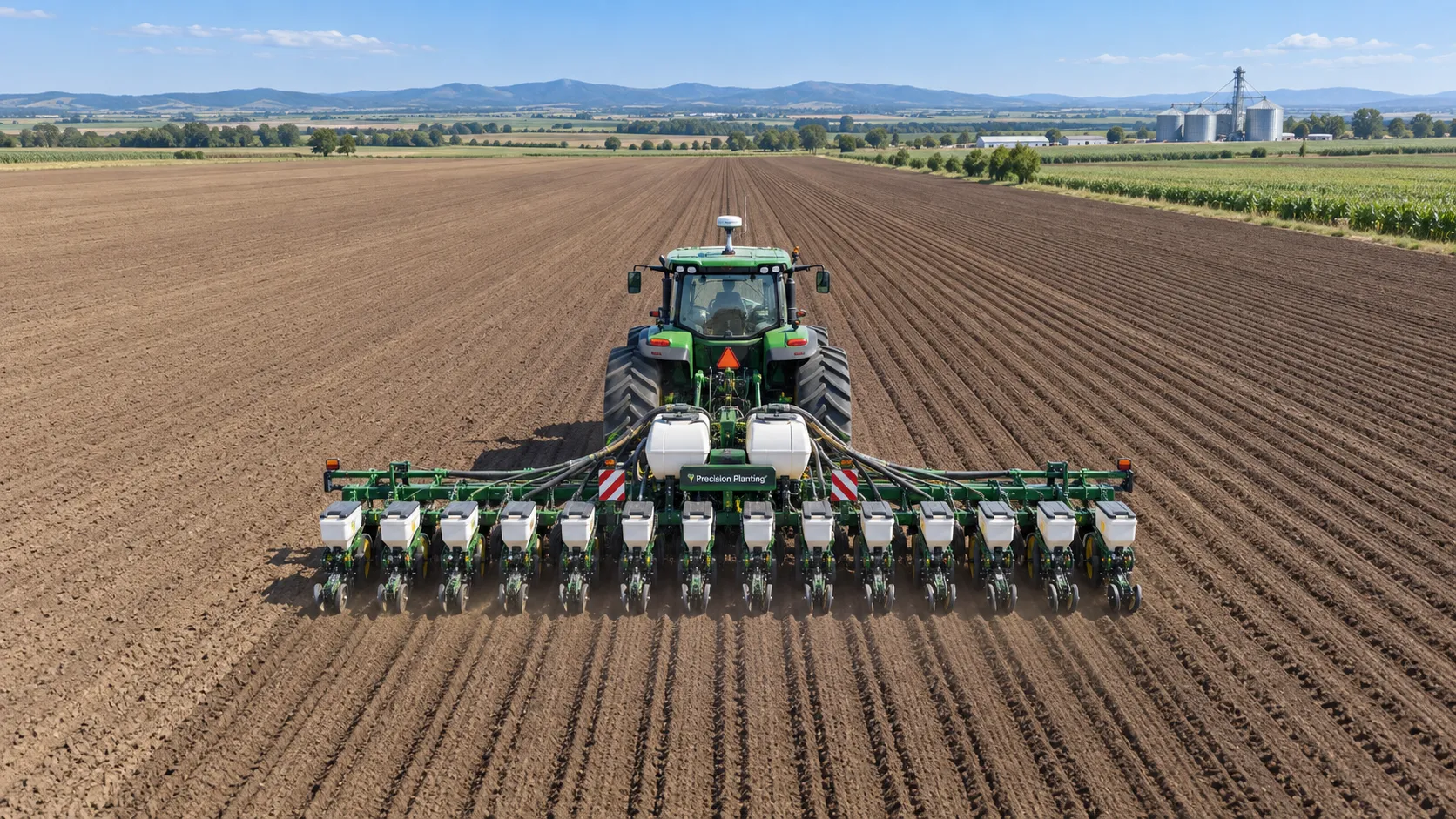
GPS-Guided Farm Machinery: Where It Delivers Measurable Field Efficiency Gains
Agri-mechanization GPS guided systems deliver measurable field efficiency gains through reduced overlap, precise planting, smarter inputs, and reliable farm data.
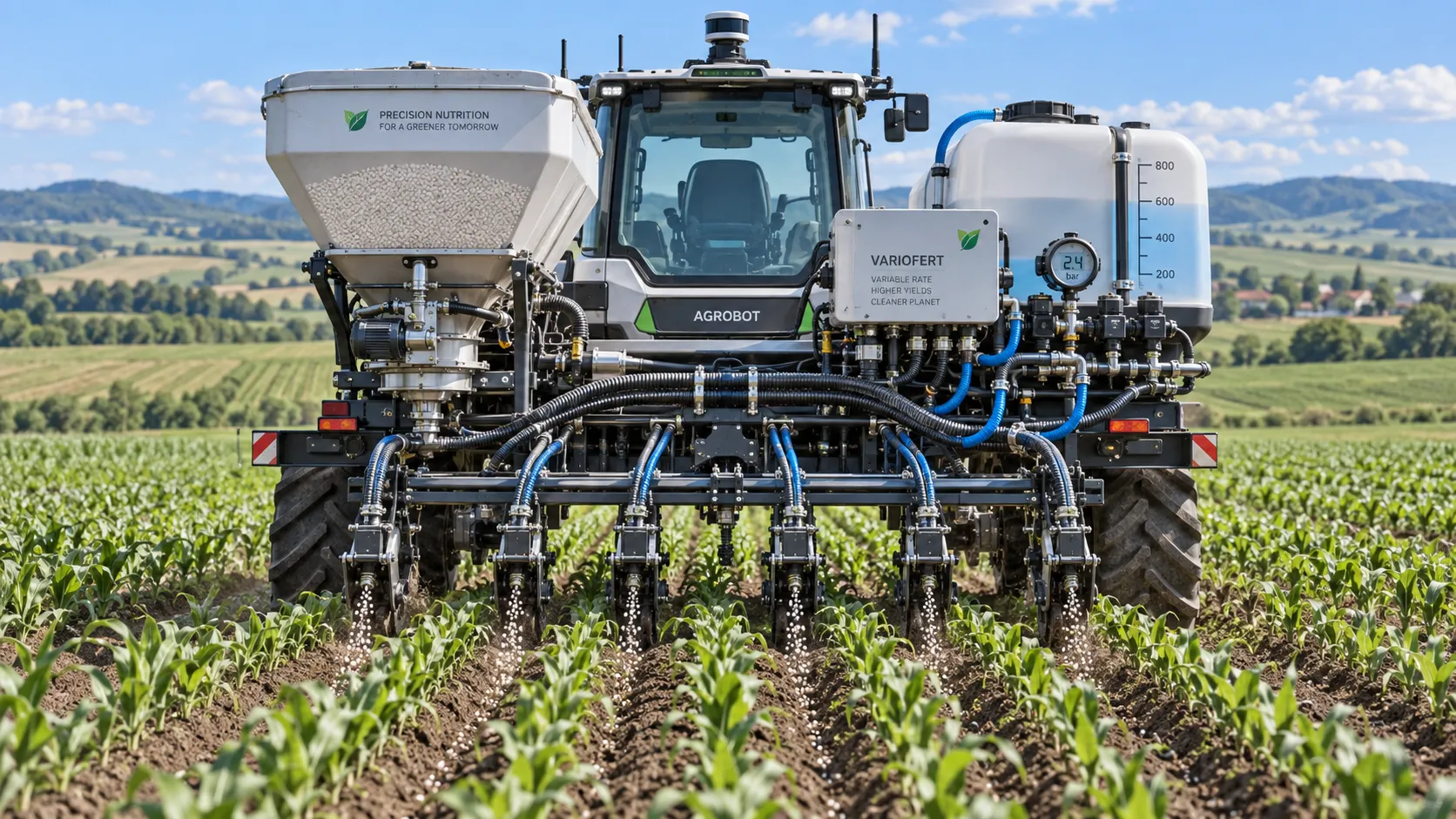
How Sensor Feedback Enables Accurate Variable-Rate Fertilization in Field Conditions
Precision fertilization systems with sensor feedback improve variable-rate accuracy by verifying flow, managing latency, and ensuring reliable field application.
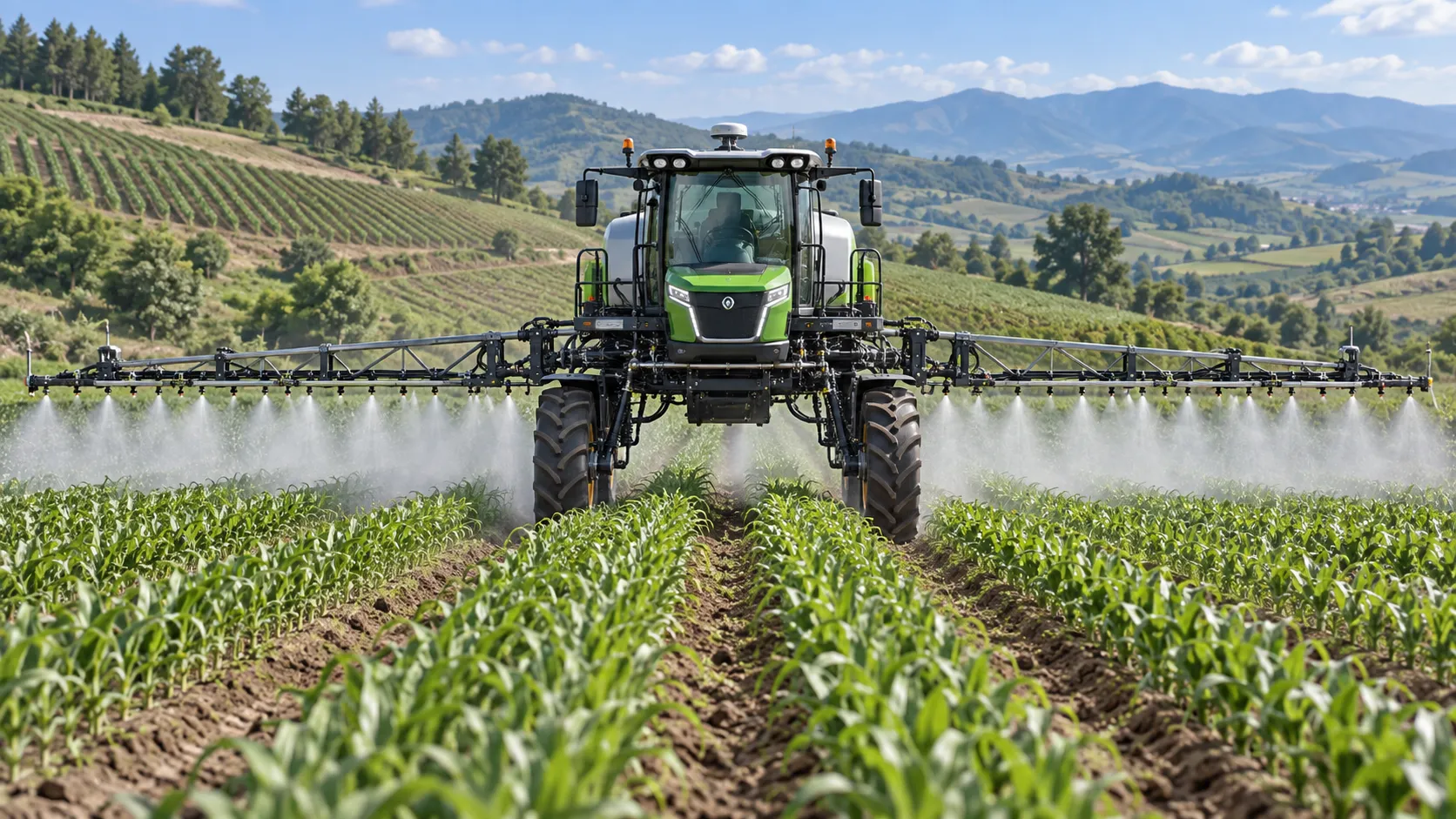
How to Select Precision Crop Protection Equipment for Variable Field Conditions
Precision crop protection equipment selection made simple: compare terrain, canopy, weather, control accuracy, and data workflows for reliable applications.

When Does Agricultural Machinery Leasing Cost Less Than Owning Equipment?
Agricultural machinery leasing can lower farm costs when use is seasonal or uncertain. Compare utilization, maintenance, cash flow, and risk to make a smarter equipment decision.

How to Evaluate Precision Fertilization System Suppliers for Farm-Scale Deployment
Precision fertilization systems suppliers: learn how to compare accuracy, integration, uptime, service, and total cost for confident farm-scale deployment.
Related News
- 00
0000-00
How Does Farm Mechanization Affect Food Security in Developing Regions? - 00
0000-00
Agricultural Technology Insights by Region: Where Adoption Is Growing Fastest - 00
0000-00
How Climate-Smart Agriculture Technology Improves Yield, Soil Health, and Risk Resilience - 00
0000-00
Smart Farming Solutions in Latin America: Which Technologies Fit Large Farms Best? - 00
0000-00
Long-Cycle Agri-Trade Price Trends: How to Read Supply, Freight, and Currency Signals
Popular Tags
Prof. Marcus Chen
Weekly Insights
Stay ahead with our curated technology reports delivered every Monday.