
Why high-efficiency harvesting matters in tight harvest windows
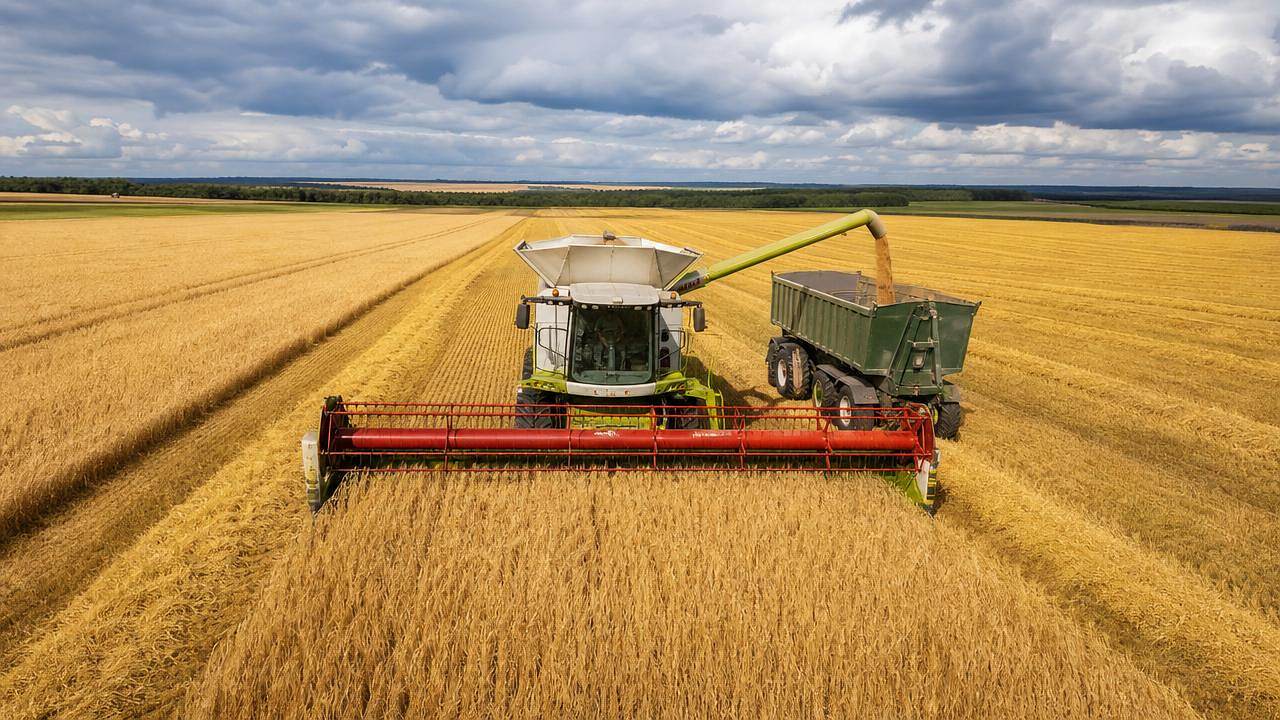




When harvest windows shrink, every pass across the field must count. High-efficiency harvesting helps operators protect grain quality, reduce losses, and keep machines performing under time pressure, changing the difference between a profitable season and costly delays.
For users working in real-world crop and weather conditions, understanding why high-efficiency harvesting matters is essential to making faster, smarter decisions in the field.
Why operators search for high-efficiency harvesting in the first place
Most operators are not looking for theory. They want to know how to get more crop out of fewer workable hours without raising losses, breakdown risk, or grain damage.
The core search intent behind high-efficiency harvesting is practical: how to finish on time when weather, labor, field conditions, and machine capacity are all working against the schedule.
For operators, the question is simple. If the harvest window is tight, what changes in setup, machine use, and field decision-making will protect yield and keep the combine moving productively?
Tight harvest windows turn small inefficiencies into expensive losses
In a wide harvest window, a slow unloading cycle, poor header setup, or extra moisture may be inconvenient. In a narrow window, those same issues quickly become yield loss, quality loss, and long-night stress.
Rain delays, lodging, variable maturity, and short daylight periods can compress field time dramatically. Once that happens, every stop, every overloaded pass, and every cleaning loss matters more than usual.
High-efficiency harvesting matters because it creates a buffer. It gives operators more usable acres per day and more flexibility when conditions suddenly change.
That buffer is often the difference between cutting a crop at acceptable moisture and being forced to harvest after weather damage, shattering, sprouting, or quality downgrades begin.
The biggest concern for operators: getting crop off fast without sacrificing quality
Speed alone is not the goal. Most experienced operators know that pushing too hard can increase header loss, rotor loss, cracked grain, foreign material, and fuel use.
What operators care about is controlled capacity. They want the machine to run near peak output while still maintaining sample quality, separation performance, and reliable grain handling.
That is why high-efficiency harvesting should be understood as balanced performance. It is not just more hectares per hour. It is more clean grain delivered per workable hour.
In practical terms, that means finding the operating point where travel speed, feed rate, threshing settings, and unloading logistics work together instead of fighting each other.
What high-efficiency harvesting really protects during a short season
The first thing it protects is field loss. When crops stand too long, pods shatter, ears drop, and heads become more vulnerable to wind, rain, and wildlife damage.
The second is grain quality. Delayed harvest can raise moisture variability, mold risk, discoloration, and mechanical handling problems, especially when weather cycles between wet and dry conditions.
The third is machine uptime. In a tight window, a breakdown is not just a repair event. It can mean losing the best weather day of the week.
The fourth is operator decision quality. Efficient harvesting systems reduce panic. That allows better judgment on settings, routing, unloading, and field sequence.
Why capacity on paper is not the same as performance in the field
Many machines look strong in brochure numbers, but field performance depends on crop type, moisture, slope, residue load, unloading distance, and operator consistency.
A combine may have high rated throughput, but actual output can fall sharply if the header is mismatched, the grain tank fills too fast for logistics, or losses rise at higher feed rates.
That is why operators should evaluate high-efficiency harvesting through effective capacity, not advertised capacity. Effective capacity is what the system can sustain across a real day.
This includes turning time, unloading time, transport coordination, cleaning performance, and fatigue effects late in the shift. Real efficiency is always system-wide.
The field factors that most often limit harvesting efficiency
Uneven crop maturity is a major constraint. When green material mixes with dry material, feeding becomes less stable and threshing settings become harder to optimize.
Lodged crops also reduce efficiency because pickup becomes slower, header loss can rise, and cutting height control becomes more demanding, especially in low-visibility conditions.
Moisture variation across the field adds another layer of complexity. Operators may need to adjust speed and settings zone by zone instead of trying one fixed approach all day.
Soil conditions matter too. Wet ground can force less efficient traffic patterns, increase slip, and slow grain cart support, reducing the advantage of an otherwise capable combine.
Machine setup is where many harvest hours are quietly won or lost
Before blaming field conditions, operators should check whether the combine is truly prepared. A poorly adjusted machine can waste capacity that no extra engine power can recover.
Header height control, reel speed, knife condition, concave clearance, rotor or cylinder speed, fan speed, and sieve settings all influence high-efficiency harvesting.
If these settings are not matched to crop conditions, operators often compensate by slowing down too much. That protects quality temporarily, but it reduces daily harvested area when time is already limited.
On the other hand, overaggressive settings may let the machine move faster while silently increasing grain damage or losses behind the combine. Both outcomes are expensive.
How good operators increase output without creating more loss
Experienced operators do not just drive faster. They watch crop flow, listen for load changes, and make small corrections before issues turn into visible losses.
They monitor the ground behind the machine, the grain sample in the tank, and the consistency of crop feeding at the header. These are the real indicators of productive speed.
They also understand that efficiency comes from rhythm. Smooth turns, planned unloading, and even feeding often add more daily output than aggressive bursts of speed.
In tight harvest windows, consistency beats occasional peak performance. A combine that runs well for twelve steady hours is more valuable than one that only shines in short bursts.
Unload logistics can decide whether a high-capacity combine actually stays efficient
One common bottleneck is not inside the combine at all. It is the time lost waiting to unload or traveling out of position to meet support equipment.
If grain carts, trucks, or trailers are poorly timed, the combine spends too much time with a full tank, reducing the benefit of good threshing and separation performance.
High-efficiency harvesting depends on matching machine throughput with transport flow. A fast combine without reliable unload support is an underused asset.
Operators and support crews should agree on approach routes, unload signals, safe speeds, and field traffic plans before pressure builds. Clear routines prevent avoidable stops.
Why operator workload matters more when the window is narrow
Tight harvest periods often mean long shifts, changing night conditions, and pressure to finish before the next weather event. Fatigue then becomes an efficiency problem, not just a comfort issue.
Tired operators react slower to crop changes, miss early warning signs, and may delay needed adjustments. That can increase losses, fuel waste, and the risk of plugging or damage.
Cab visibility, control layout, automation support, and alert systems all contribute to high-efficiency harvesting by reducing mental load during long working days.
Even simple habits such as cleaning sensors, checking lights, and planning refueling times help maintain attention and machine consistency when the schedule becomes intense.
Precision technology helps, but only when operators use it correctly
Yield mapping, loss monitors, auto-steering, header automation, and machine telematics can improve high-efficiency harvesting, especially in variable field conditions.
But technology is most useful when operators understand what the data means and when to trust field observation over a single screen reading.
A loss monitor can show a trend, but operators still need to inspect residue and grain sample quality. Automation can hold height or steering lines, but it cannot replace judgment in lodged zones.
The best results come when technology reduces repetitive workload while the operator focuses on crop flow, changing conditions, and overall harvest strategy.
What to check first when harvest efficiency starts falling
If output drops, start with the simplest causes. Look for dull cutting components, restricted airflow, poor crop feeding, overloaded returns, or unloading delays.
Then review whether conditions changed. Evening moisture, tougher straw, and cooler temperatures often require a different speed or setting package than the afternoon run.
Also check whether the machine is spending too much time in non-harvesting activities. Turning patterns, grain transfer delays, and long repositioning moves can quietly consume valuable hours.
Operators who troubleshoot in sequence usually recover performance faster than those who make large setting changes all at once.
Practical ways to improve high-efficiency harvesting in the field
Begin with a realistic target for clean throughput, not maximum theoretical speed. Set the machine to maintain acceptable loss and grain quality, then build speed carefully from there.
Inspect the header daily because crop entry sets the tone for the entire machine. Many separation and cleaning problems actually begin with uneven feeding at the front.
Use loss checks at several points in the day, especially after moisture shifts. Do not assume morning settings are still correct after sunset or after moving to a different field block.
Coordinate unloading in advance and keep communication simple. A few planned routines can recover more acres per day than repeated setting changes.
Protect uptime with disciplined maintenance. In tight windows, preventive checks on belts, chains, bearings, knives, filters, and sensors are worth far more than emergency repair hours.
Finally, prioritize field order strategically. Harvest the most weather-sensitive or highest-risk fields first rather than simply choosing the nearest field every day.
How operators should judge whether a harvesting system is truly efficient
The best test is not how fast the machine moves in one good hour. It is how much marketable grain the whole system delivers across several difficult days.
Look at acres harvested, tons delivered, fuel used, visible losses, downtime hours, grain sample quality, and operator fatigue. Together, these show whether efficiency is real.
If the machine finishes sooner but quality discounts rise, the system is not efficient. If losses stay low but daily output is too small for the weather risk, it is still not efficient enough.
True high-efficiency harvesting balances timeliness, grain protection, uptime, and manageable workload under the actual conditions operators face.
Conclusion: in tight harvest windows, efficiency is risk control
High-efficiency harvesting matters because short harvest windows leave little room for waste. Every delay, poor setting, and logistics gap has a greater impact when weather time is limited.
For operators, the value is clear. Better efficiency means more crop removed at the right time, lower avoidable loss, steadier machine performance, and less pressure when conditions change fast.
The key is to treat harvesting as a complete system. Machine setup, operator skill, unload flow, maintenance discipline, and field prioritization all shape the final result.
When those parts work together, high-efficiency harvesting is not just about working faster. It is about protecting yield, quality, and profit when the season gives you only a narrow chance to finish well.
Related News
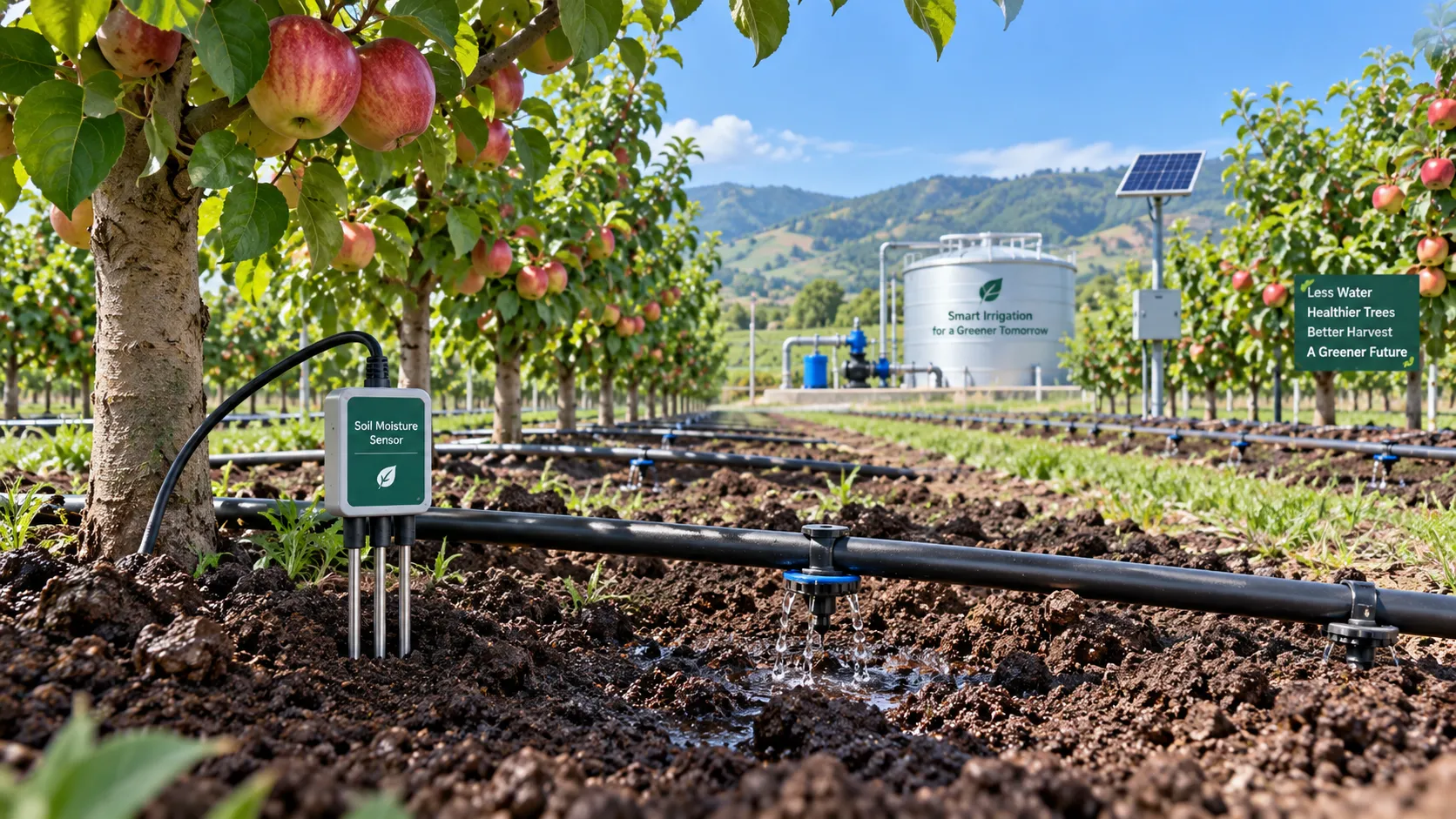
Orchard Water Management: Using Soil Moisture Data to Schedule Irrigation
Agricultural water management for orchards made practical: use soil moisture data to optimize irrigation timing, protect yield, reduce costs, and improve resilience.
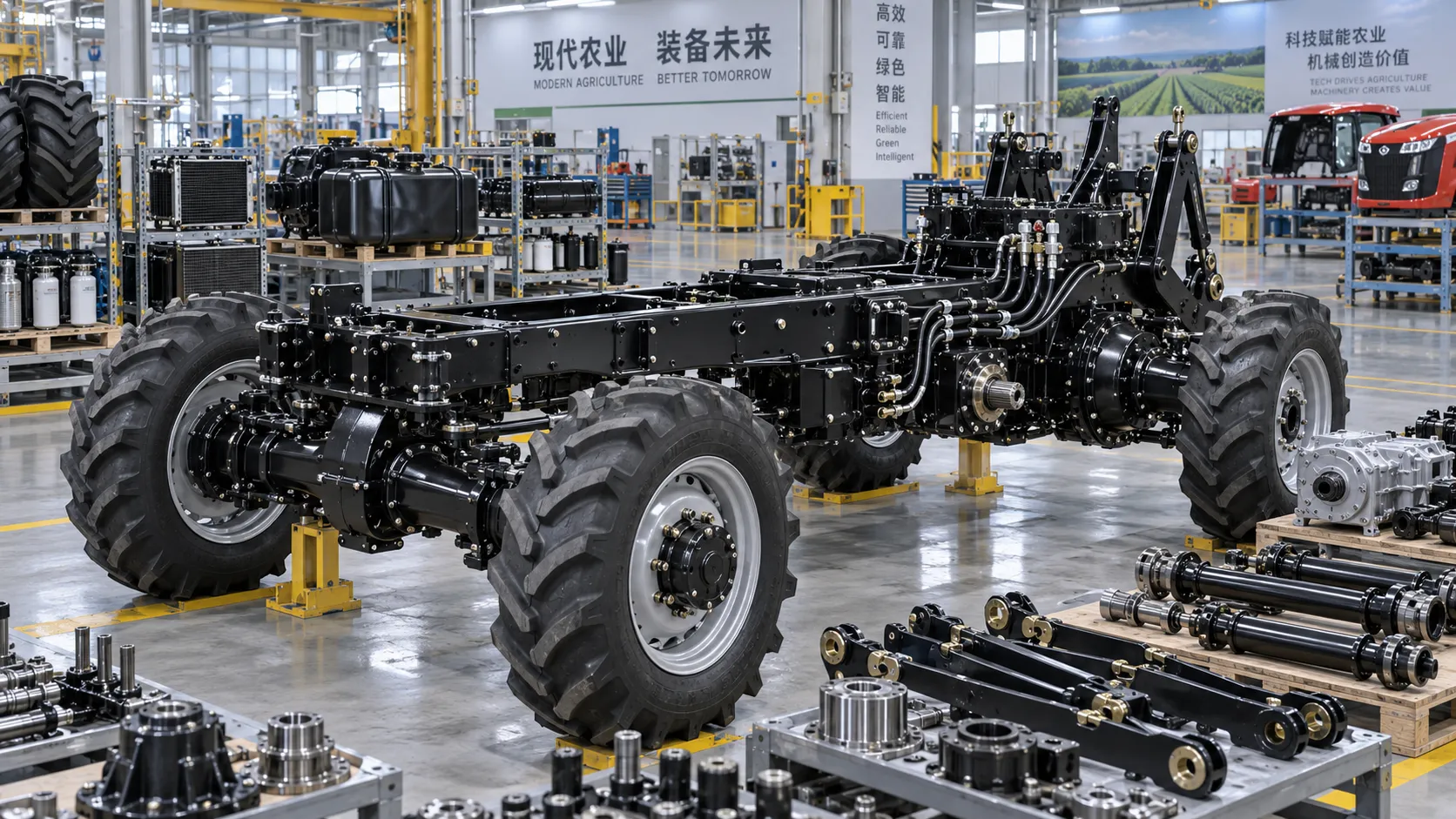
Tractor Chassis Price: What Buyers Should Compare Beyond the Initial Quote
Tractor chassis price is only the start. Compare load capacity, compatibility, durability, and lifecycle costs to choose a reliable, high-value chassis.
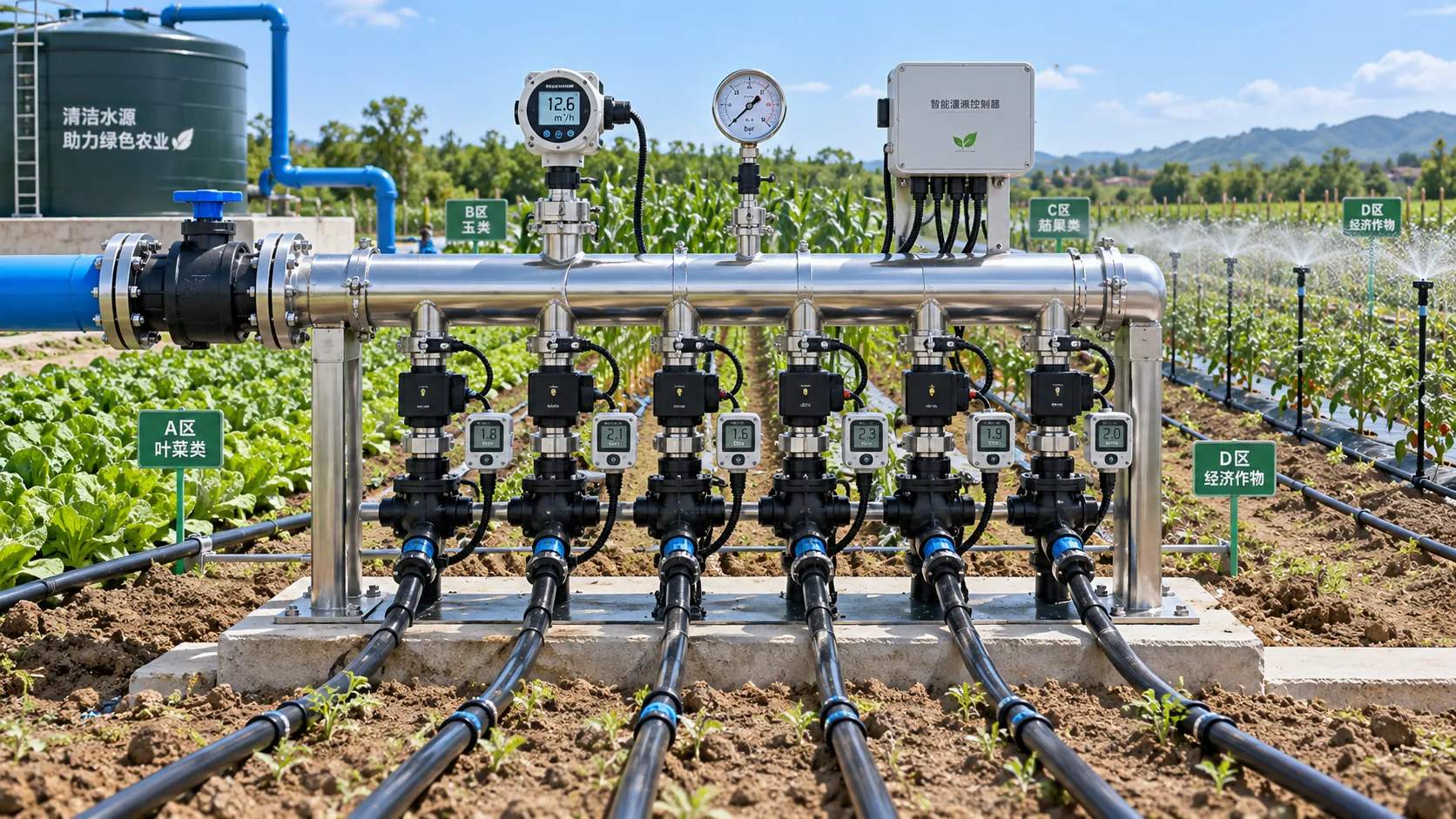
How to Select Smart Irrigation Valves for Multi-Zone Water Management?
Intelligent irrigation systems valves: learn how to match smart valves with multi-zone flow, pressure, control, feedback, and communication needs for reliable water management.
Climate-Smart Farming for Drought: A Practical Plan for Protecting Yields
Climate-smart farming for drought: build smarter water budgets, protect critical crop stages, improve irrigation uniformity, and safeguard yields with practical field-proven strategies.
How Digital Agriculture Platforms Turn Field Data Into Better Input Decisions
Digital agriculture platforms turn field data into smarter fertilizer, water, seed, and equipment decisions—helping farms cut risk, improve margins, and scale sustainability.
GPS-Guided Farm Machinery: Where It Delivers Measurable Field Efficiency Gains
Agri-mechanization GPS guided systems deliver measurable field efficiency gains through reduced overlap, precise planting, smarter inputs, and reliable farm data.
How Sensor Feedback Enables Accurate Variable-Rate Fertilization in Field Conditions
Precision fertilization systems with sensor feedback improve variable-rate accuracy by verifying flow, managing latency, and ensuring reliable field application.
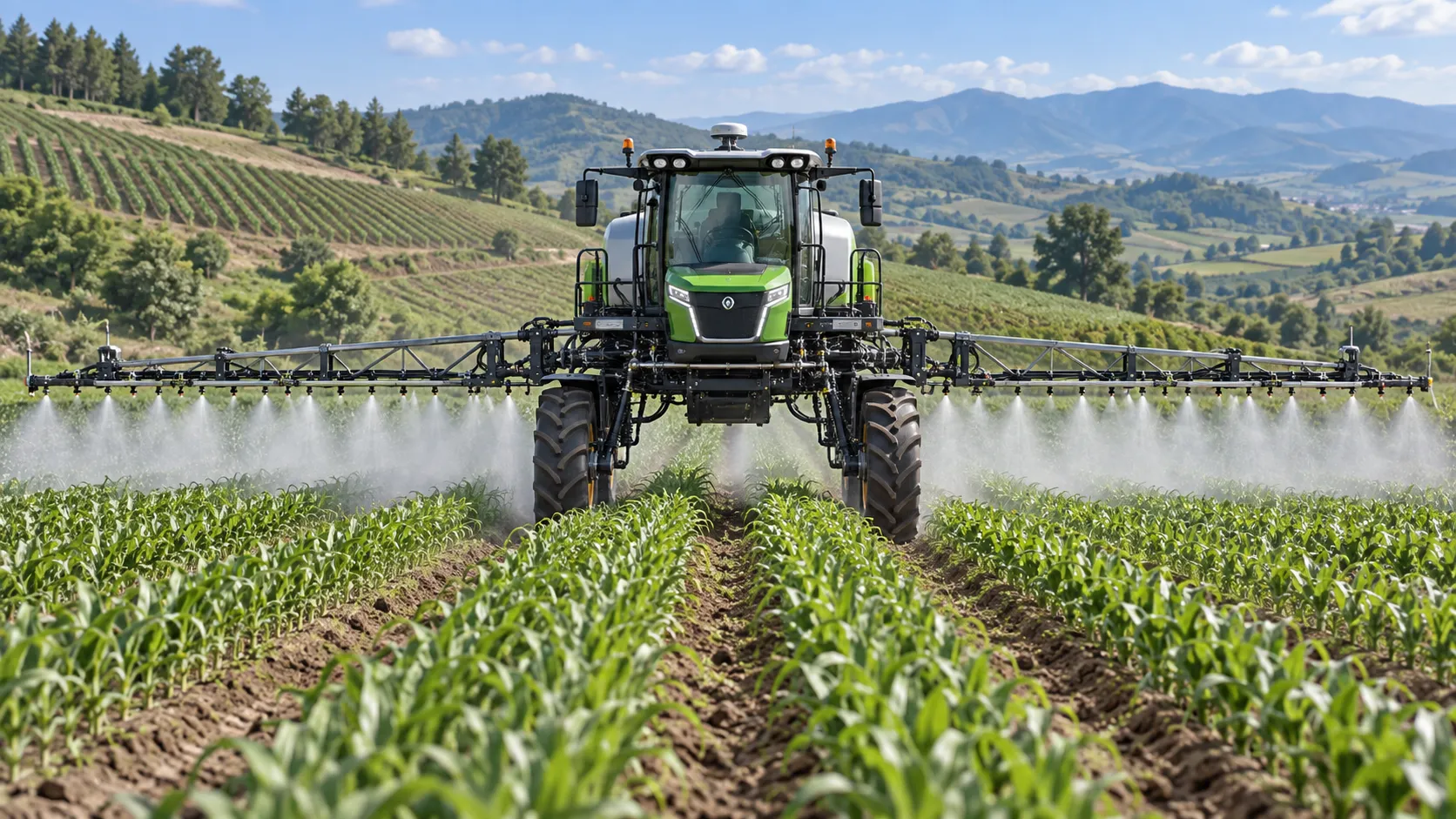
How to Select Precision Crop Protection Equipment for Variable Field Conditions
Precision crop protection equipment selection made simple: compare terrain, canopy, weather, control accuracy, and data workflows for reliable applications.

When Does Agricultural Machinery Leasing Cost Less Than Owning Equipment?
Agricultural machinery leasing can lower farm costs when use is seasonal or uncertain. Compare utilization, maintenance, cash flow, and risk to make a smarter equipment decision.
Related News
- 00
0000-00
What Harvesting Machinery Works Best for Small Grains on Hills? - 00
0000-00
GRIMME Tianjin Signs to Join Changchun Agricultural Machinery Expo Center - 00
0000-00
Vietnam Mandates Vietnamese Energy Labels for Imported Threshing Systems - 00
0000-00
Crop Harvesting Solutions for Wheat: Which System Fits Yield, Moisture, and Field Size? - 00
0000-00
ANVISA Extends Threshing Systems Filing Window
Popular Tags
Harvesting Efficiency Expert
Weekly Insights
Stay ahead with our curated technology reports delivered every Monday.