
Why resource-saving standards are becoming harder to ignore
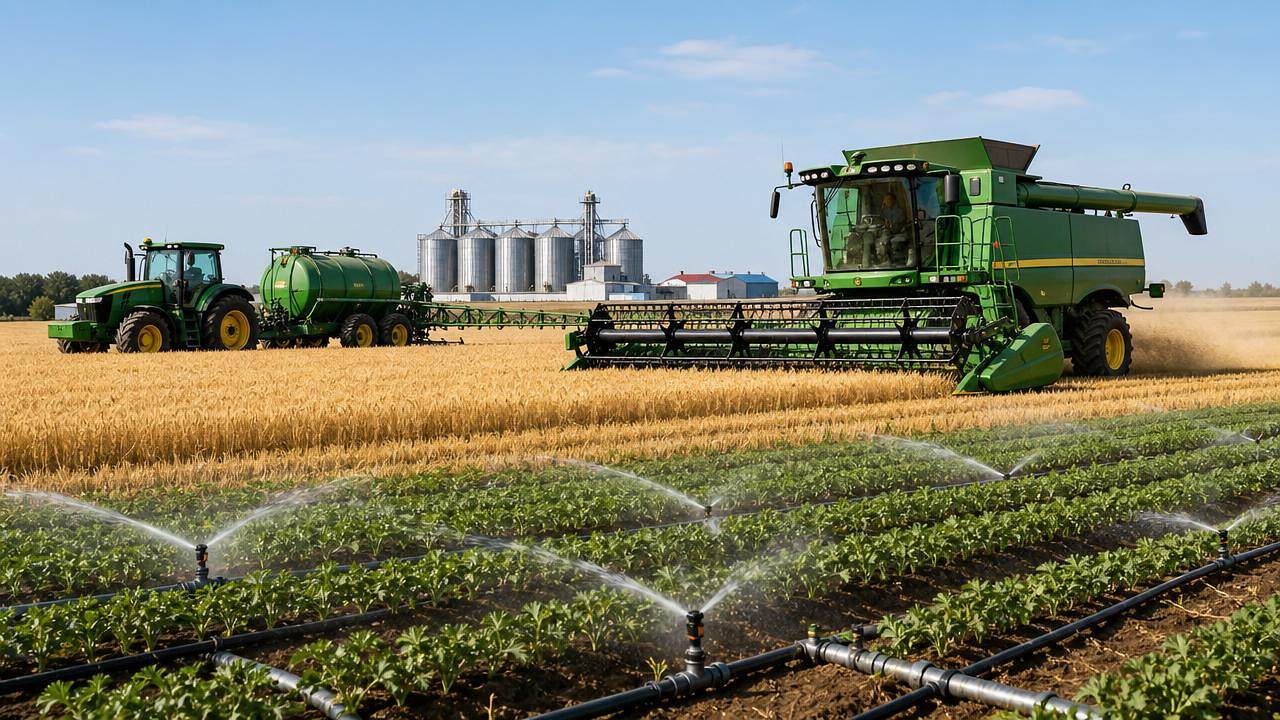




Why are resource-saving standards moving from optional benchmarks to operational necessities? For modern agriculture, the answer is no longer abstract. Resource-saving standards now shape field reliability, compliance readiness, water efficiency, and lifecycle costs across machinery, harvesting systems, and irrigation networks.
As sustainability rules tighten and input costs stay volatile, these standards influence everyday decisions. They affect how equipment is selected, how systems are monitored, and how performance is verified under real operating pressure.
For AP-Strategy, this shift matters because Agriculture 4.0 depends on measurable efficiency. Data-led cultivation only works when resource-saving standards align mechanical output, precision algorithms, and environmental accountability.
When field conditions tighten, resource-saving standards become a practical filter
Different agricultural environments place different pressures on assets. A water-stressed irrigation zone, a fuel-intensive harvesting corridor, and a mixed-crop mechanized region do not judge efficiency in the same way.
That is why resource-saving standards are gaining weight. They provide a common reference for comparing performance across variable climates, crop systems, and operational scales.
In practice, these standards help answer three urgent questions. Is the equipment using fewer inputs per unit of output? Can the system prove it consistently? Will it still meet future compliance rules?
Why the pressure is rising across general industry
The issue extends beyond agriculture alone. General industry now expects traceable energy use, reduced waste, and stronger reporting discipline. Farm equipment and irrigation systems increasingly face the same logic.
Resource-saving standards fit this broader transition. They convert sustainability from a marketing phrase into a measurable operating requirement with technical, financial, and reputational consequences.
In large-scale machinery scenarios, efficiency standards now signal operational resilience
Large-scale agri-machinery works under long hours, heavy loads, and uneven terrain. In this setting, resource-saving standards are not just about lowering fuel use. They help reveal drivetrain quality, hydraulic stability, and maintenance predictability.
A machine may show strong peak output on paper yet waste inputs during repeated field cycles. Standards focused on energy efficiency, emissions, and material durability expose those hidden losses.
Core judgment points in this scenario
- Fuel use under variable load, not only nominal testing conditions
- Hydraulic efficiency during repetitive heavy-duty cycles
- Wear rate of parts tied to material-saving and replacement frequency
- Data transparency for proving compliance over time
In these cases, resource-saving standards support longer service intervals, lower idle losses, and better asset planning. They also reduce the risk of buying machines that perform well only in controlled demonstrations.
In combine harvesting scenarios, low-loss performance is now linked to resource-saving standards
Combine harvesters operate where timing is critical and crop loss is expensive. Here, resource-saving standards increasingly connect with grain retention, cleaning efficiency, engine load balance, and residue handling.
If a harvester burns more fuel to achieve unstable cleaning results, the system is not truly efficient. If it increases grain loss while reducing speed, the resource equation becomes worse, not better.
What should be checked in harvest conditions
Field moisture, crop density, and terrain variation all change efficiency readings. Resource-saving standards help normalize those comparisons and distinguish robust machine design from temporary tuning advantages.
- Cleaning loss versus fuel consumption
- Throughput stability during mixed crop conditions
- Straw and residue management efficiency
- Sensor feedback quality for adaptive optimization
This is where AP-Strategy’s focus on dynamic feedback algorithms becomes valuable. Resource-saving standards work best when paired with data that explains why losses occur and how settings can be improved.
In irrigation scenarios, resource-saving standards are becoming impossible to bypass
Water-saving irrigation systems face the clearest pressure. In drought-sensitive or policy-regulated regions, resource-saving standards now shape network design, emitter selection, pumping efficiency, and reuse strategies.
This scenario is especially sensitive because poor performance compounds quickly. Water waste increases energy use, nutrient inefficiency, and soil management problems at the same time.
The most important checks in irrigation settings
- Distribution uniformity across the whole irrigation zone
- Leakage control and pressure stability
- Pumping energy per delivered water volume
- Sensor-based scheduling accuracy
- Potential for recycling and closed-loop water use
In this environment, resource-saving standards help verify whether smart irrigation is truly smart. Connectivity alone is not enough. The system must prove reduced water use without sacrificing crop response.
Different scenarios need different readings of resource-saving standards
The same keyword can mean different priorities depending on the field application. A useful evaluation method compares scenarios by input pressure, measurable outputs, and compliance exposure.
This comparison shows why generic claims are no longer enough. Resource-saving standards must be interpreted through the actual operating context, not through isolated brochure figures.
How to adapt decisions to each scenario without overcomplicating the process
A practical adaptation framework should stay simple. It should connect performance claims, field evidence, and future policy exposure in one decision path.
- Define the main resource constraint first: fuel, water, materials, or labor-linked waste.
- Match the relevant resource-saving standards to the dominant operating risk.
- Verify whether test results reflect real crop, terrain, and climate variability.
- Check whether telemetry or monitoring can prove ongoing compliance.
- Estimate lifecycle impact, not only purchase-stage efficiency claims.
This approach improves oversight without turning evaluation into a paperwork exercise. It keeps resource-saving standards tied to field outcomes and long-term operating discipline.
Common misjudgments that make resource-saving standards look less urgent than they are
One common mistake is treating standards as a compliance issue only. That view ignores their role in uptime, service intervals, and hidden operating costs.
Another mistake is assuming digital features guarantee efficiency. Sensors and connectivity help, but they do not replace sound hydraulic design, calibrated harvesting systems, or balanced water delivery networks.
A third misjudgment is relying on average performance values. Resource-saving standards matter most at the margins, during variable load, difficult harvest windows, and stressed irrigation cycles.
- Do not confuse automation with verified savings.
- Do not evaluate water efficiency without energy efficiency.
- Do not separate grain loss from total resource use.
- Do not ignore future reporting requirements.
The next step is to make resource-saving standards part of routine field intelligence
The growing importance of resource-saving standards is not a temporary policy wave. It reflects a deeper shift in how agricultural systems are judged, financed, and optimized.
For organizations tracking mechanization, harvesting technology, and smart irrigation, the better question is no longer whether to pay attention. It is how quickly these standards can be integrated into evaluation routines.
AP-Strategy supports that move by connecting field mechanics, precision agriculture intelligence, and sustainability analysis. When resource-saving standards are read in context, they become a tool for stronger decisions rather than a regulatory burden.
Start with one scenario. Map the main resource pressure. Compare claims against real operating conditions. Then build a repeatable review process that turns resource-saving standards into measurable advantage.
Related News
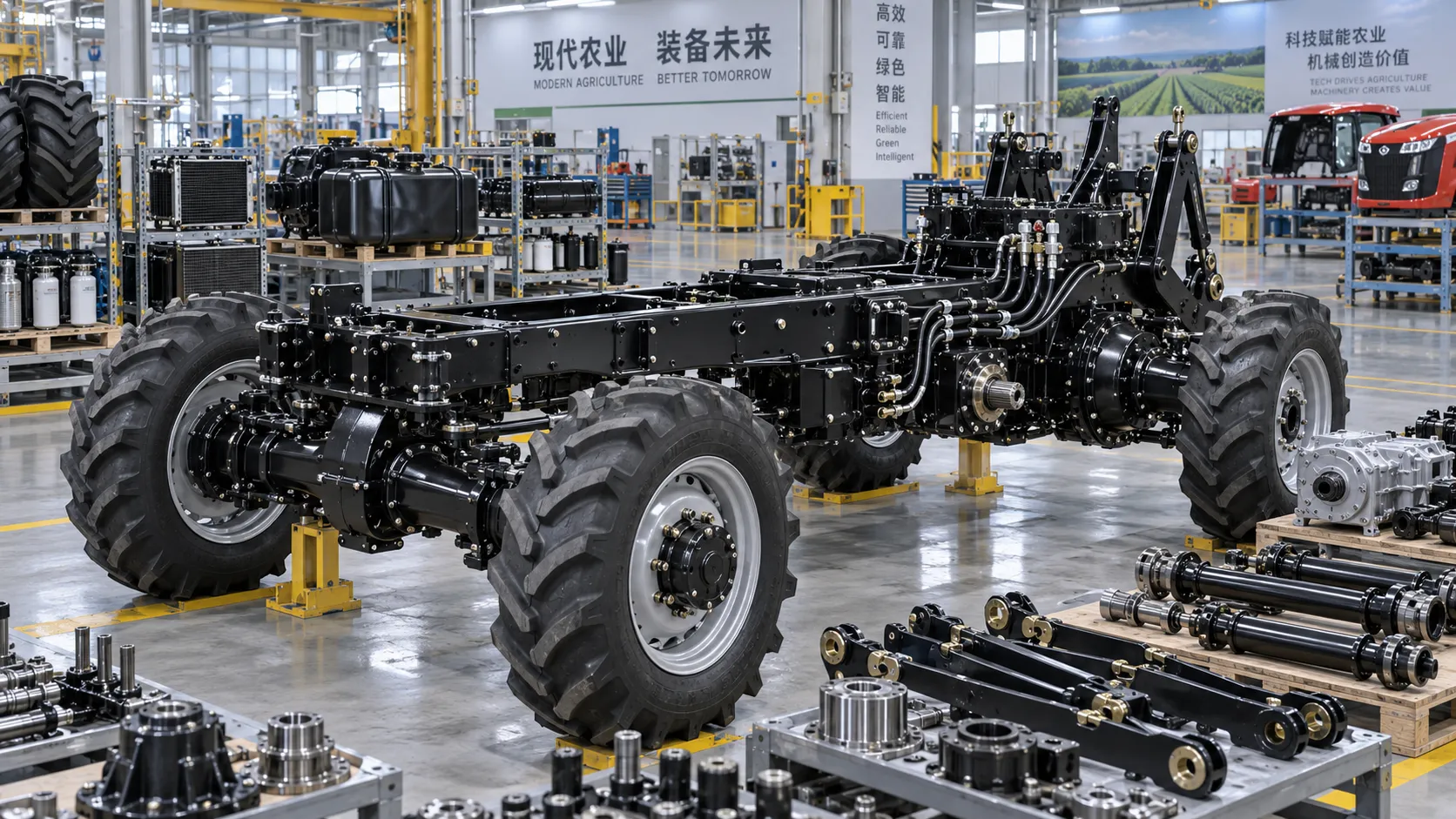
Tractor Chassis Price: What Buyers Should Compare Beyond the Initial Quote
Tractor chassis price is only the start. Compare load capacity, compatibility, durability, and lifecycle costs to choose a reliable, high-value chassis.
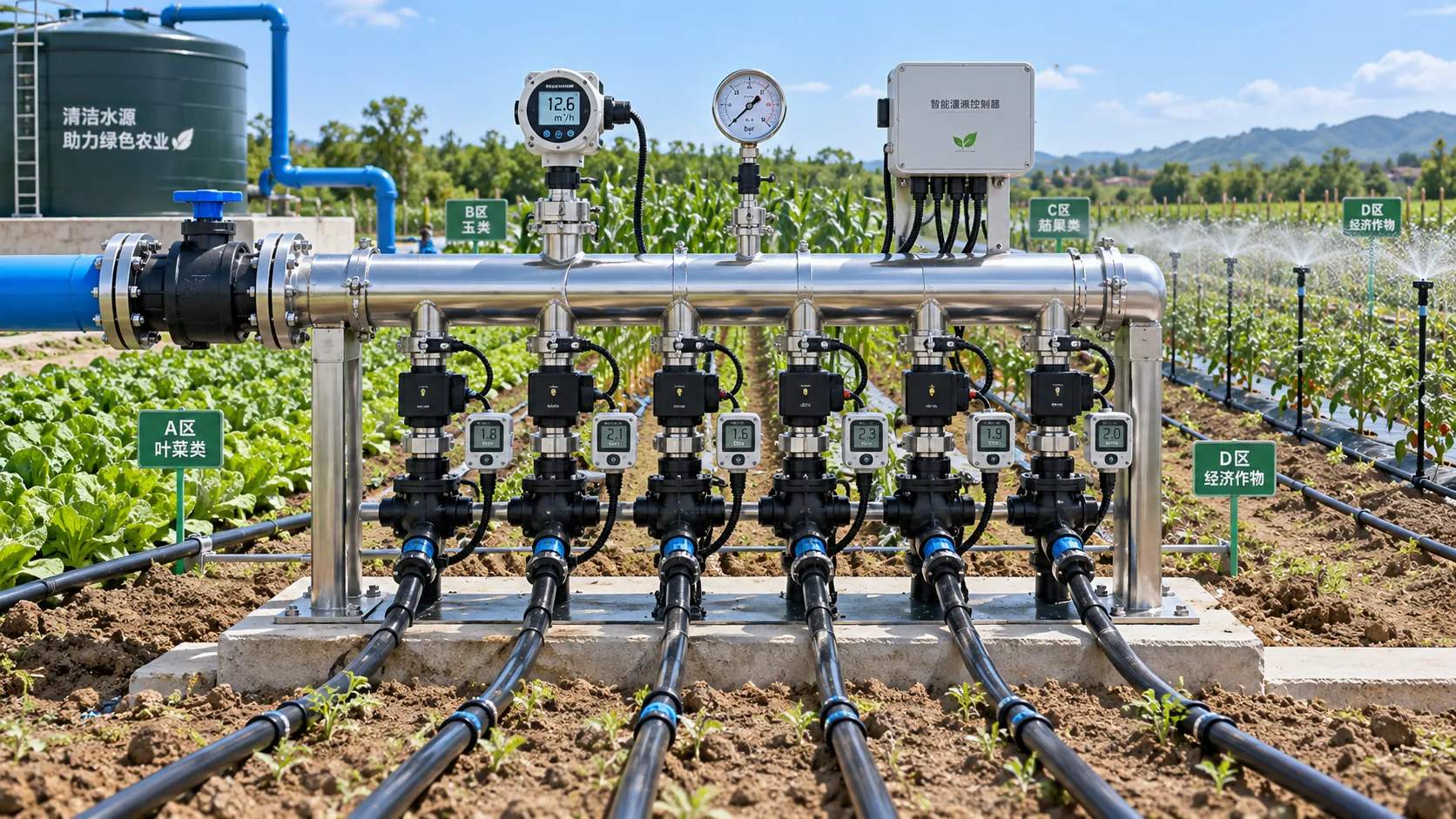
How to Select Smart Irrigation Valves for Multi-Zone Water Management?
Intelligent irrigation systems valves: learn how to match smart valves with multi-zone flow, pressure, control, feedback, and communication needs for reliable water management.
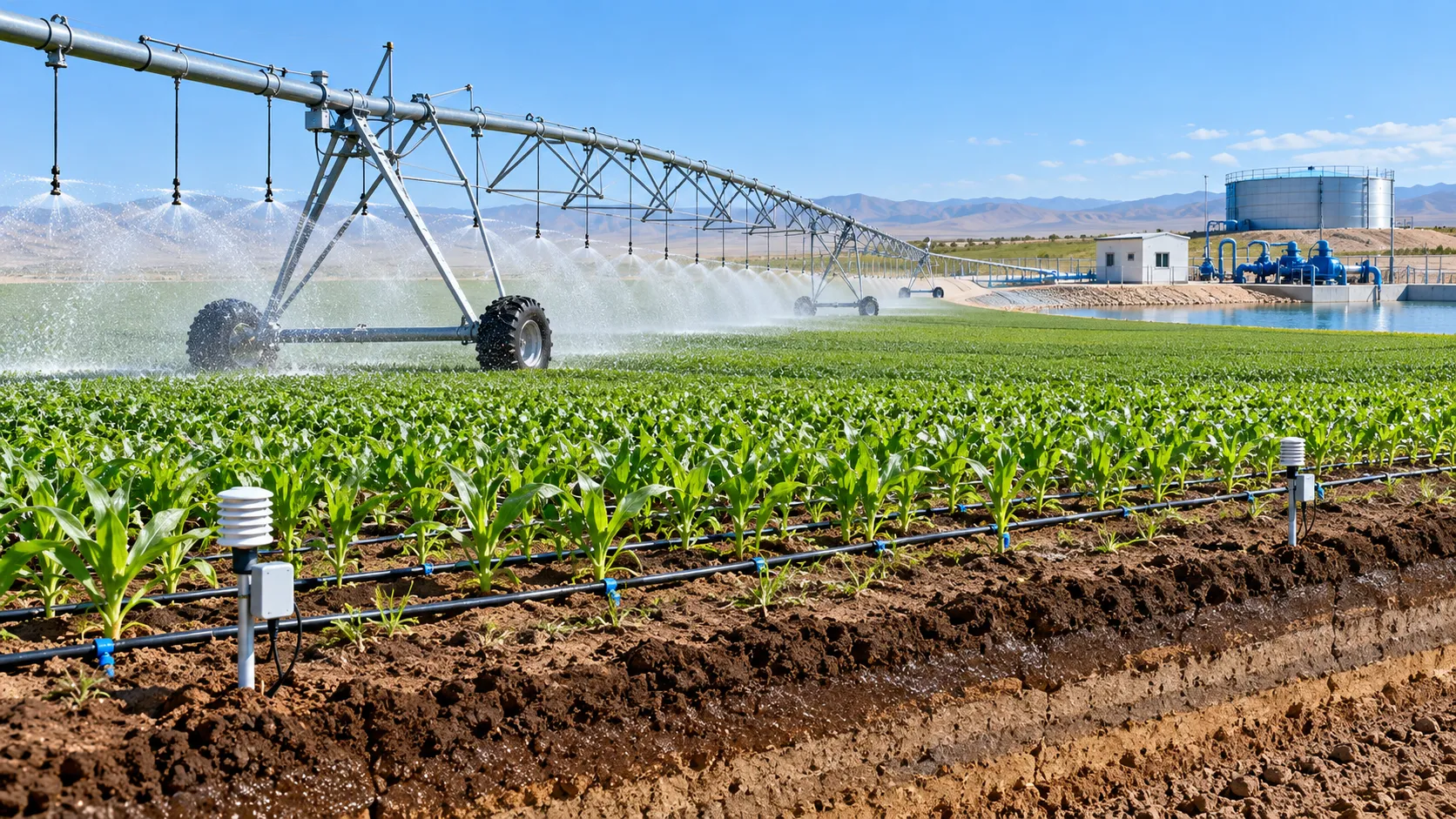
Climate-Smart Farming for Drought: A Practical Plan for Protecting Yields
Climate-smart farming for drought: build smarter water budgets, protect critical crop stages, improve irrigation uniformity, and safeguard yields with practical field-proven strategies.
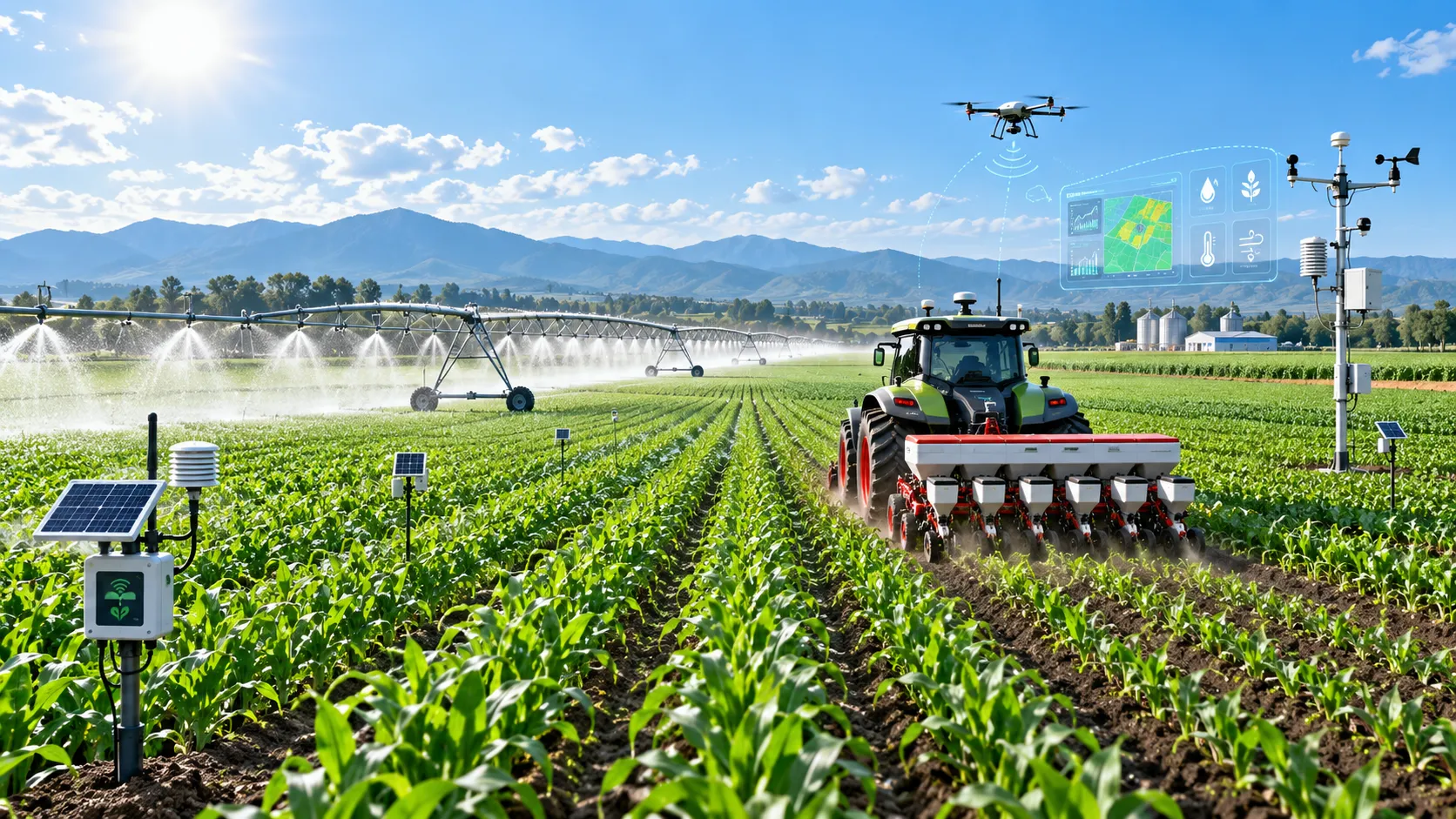
How Digital Agriculture Platforms Turn Field Data Into Better Input Decisions
Digital agriculture platforms turn field data into smarter fertilizer, water, seed, and equipment decisions—helping farms cut risk, improve margins, and scale sustainability.
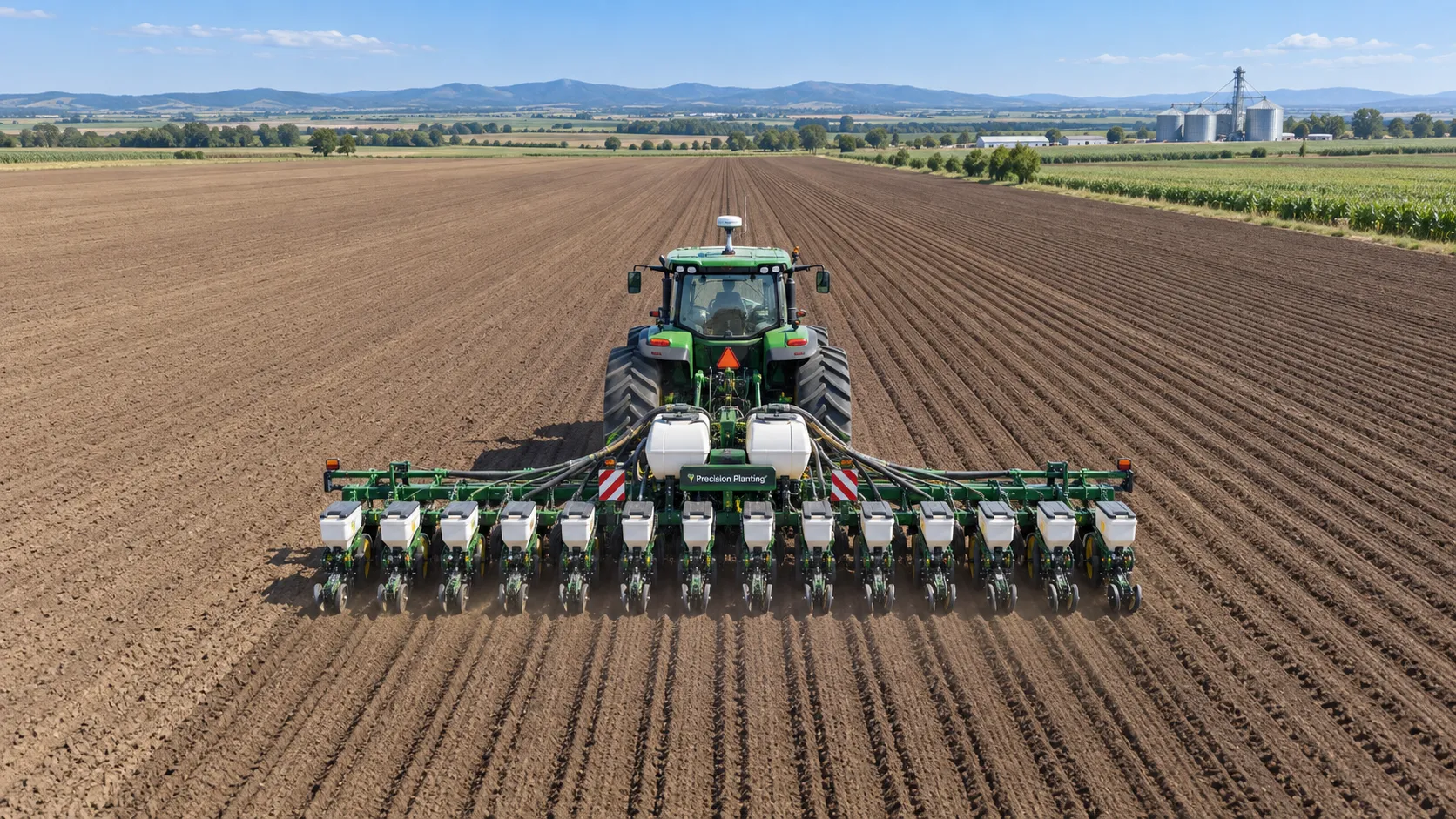
GPS-Guided Farm Machinery: Where It Delivers Measurable Field Efficiency Gains
Agri-mechanization GPS guided systems deliver measurable field efficiency gains through reduced overlap, precise planting, smarter inputs, and reliable farm data.
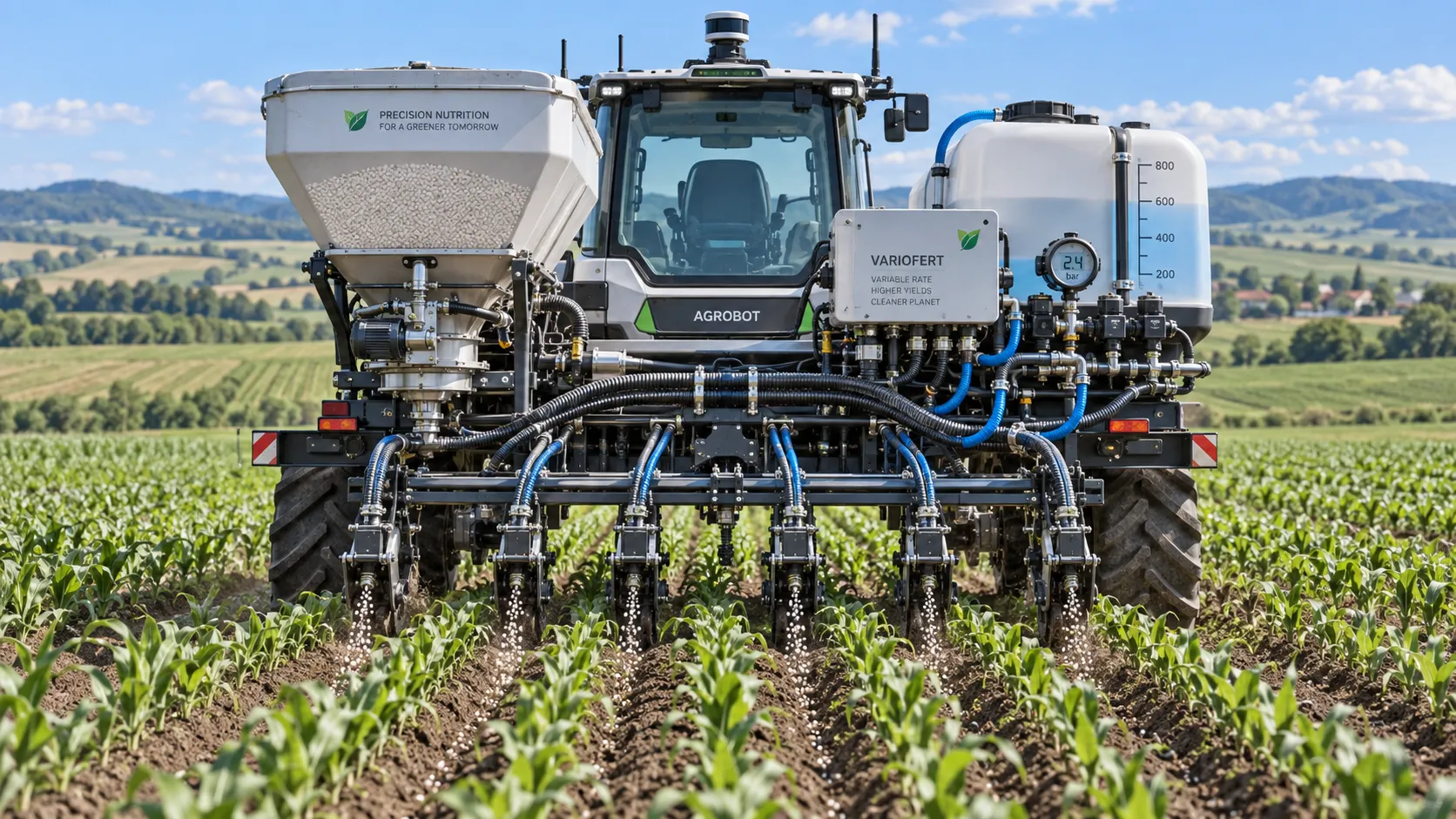
How Sensor Feedback Enables Accurate Variable-Rate Fertilization in Field Conditions
Precision fertilization systems with sensor feedback improve variable-rate accuracy by verifying flow, managing latency, and ensuring reliable field application.
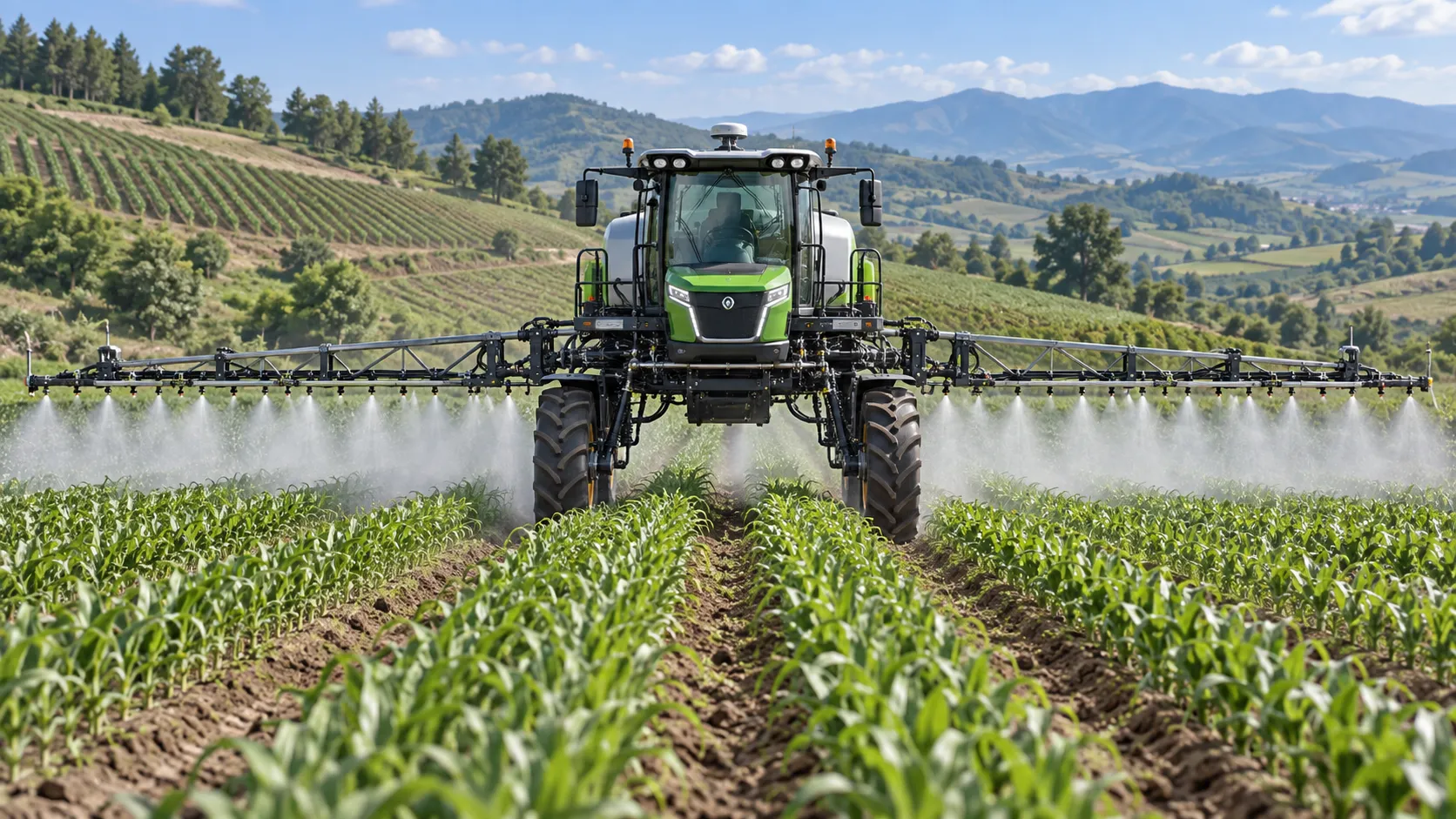
How to Select Precision Crop Protection Equipment for Variable Field Conditions
Precision crop protection equipment selection made simple: compare terrain, canopy, weather, control accuracy, and data workflows for reliable applications.
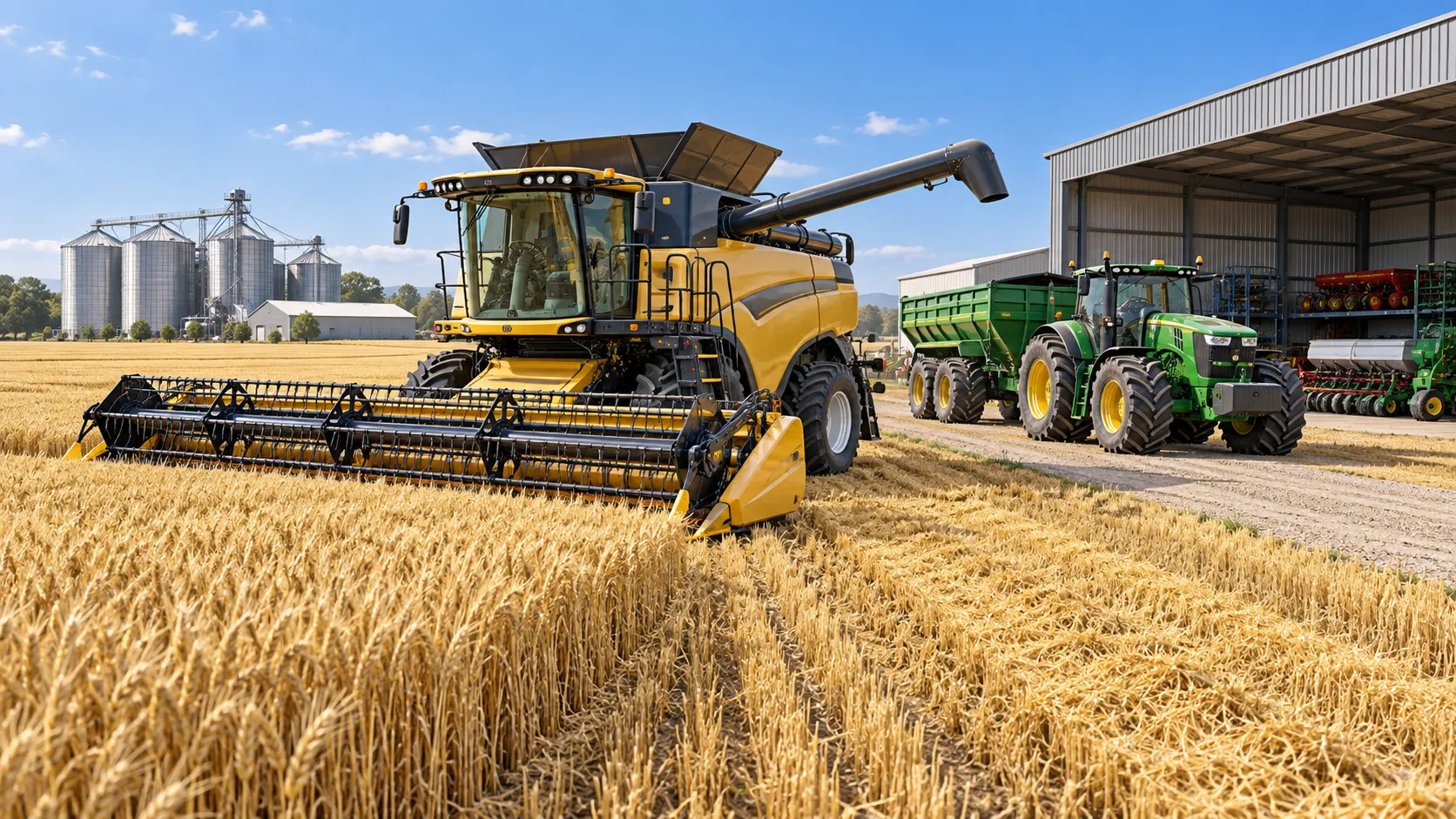
When Does Agricultural Machinery Leasing Cost Less Than Owning Equipment?
Agricultural machinery leasing can lower farm costs when use is seasonal or uncertain. Compare utilization, maintenance, cash flow, and risk to make a smarter equipment decision.
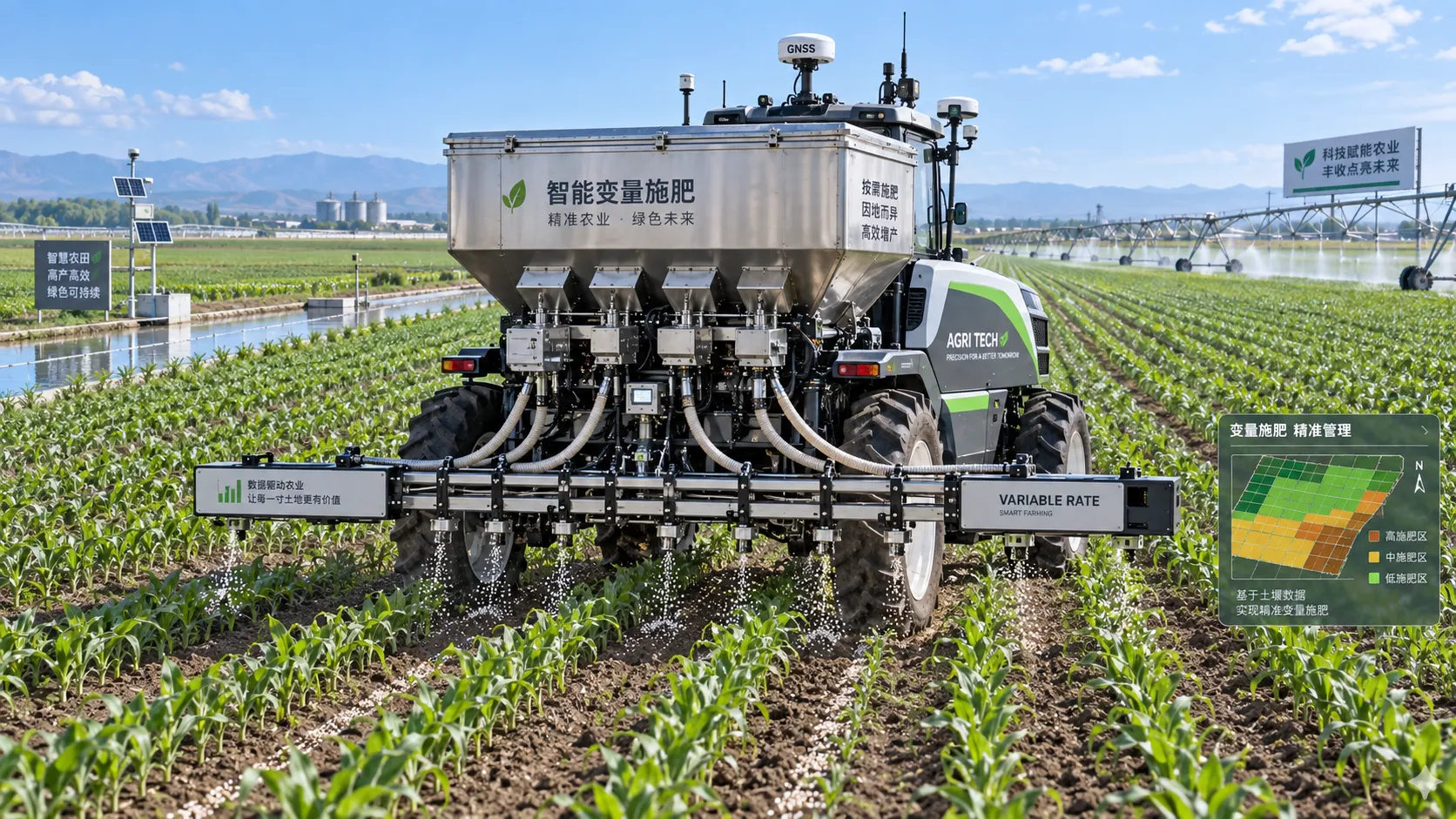
How to Evaluate Precision Fertilization System Suppliers for Farm-Scale Deployment
Precision fertilization systems suppliers: learn how to compare accuracy, integration, uptime, service, and total cost for confident farm-scale deployment.
Related News
- 00
0000-00
How Does Farm Mechanization Affect Food Security in Developing Regions? - 00
0000-00
Agricultural Technology Insights by Region: Where Adoption Is Growing Fastest - 00
0000-00
How Climate-Smart Agriculture Technology Improves Yield, Soil Health, and Risk Resilience - 00
0000-00
Smart Farming Solutions in Latin America: Which Technologies Fit Large Farms Best? - 00
0000-00
Long-Cycle Agri-Trade Price Trends: How to Read Supply, Freight, and Currency Signals
Popular Tags
Prof. Marcus Chen
Weekly Insights
Stay ahead with our curated technology reports delivered every Monday.