
How dynamic feedback algorithms improve field decision accuracy




For technical evaluators in modern agriculture, the main question is not whether dynamic feedback algorithms sound advanced, but whether they measurably improve field decision accuracy under real operating variability.
The short answer is yes, when the algorithm, sensor stack, and control logic are matched to the machine, crop, and field environment. Their value comes from converting noisy live data into timely operational corrections.
For evaluators comparing Agriculture 4.0 systems, the real concerns are practical. How fast does the model react, how stable is it under changing conditions, what decisions does it automate, and how clearly can performance gains be verified?
This matters across combine harvesting, irrigation scheduling, tractor control, and intelligent implements. In each case, dynamic feedback algorithms help reduce guesswork by updating decisions continuously instead of relying on fixed thresholds or static calibration alone.
For AP-Strategy readers, the most useful way to assess these systems is through field-level outcomes. Accuracy improves when the algorithm closes the loop between sensing, interpretation, action, and result validation in real time.
Why field decision accuracy is difficult in real agricultural operations
Technical evaluators already know that field decisions rarely fail because of missing data alone. They fail because conditions change faster than static rules, operator assumptions, or preloaded settings can adapt.
Moisture shifts within a single pass, crop density varies between zones, residue load changes by minute, and hydraulic response differs under terrain stress. A decision that is correct at one moment may be wrong ten seconds later.
Traditional control strategies often depend on manual tuning, fixed look-up tables, or delayed reporting. These approaches can work in stable conditions, but they lose accuracy when variability becomes operationally meaningful.
This is where dynamic feedback algorithms create value. They monitor system outputs and environmental signals continuously, compare expected and actual performance, then adjust decisions while the task is still in progress.
In practical terms, they reduce the gap between what the machine was set to do and what the field actually demands. That gap is the core source of inaccuracy in modern agricultural decision-making.
What dynamic feedback algorithms actually do in the field
A dynamic feedback algorithm is not just a data collection tool. It is a decision engine that uses incoming data to modify control behavior based on changing operating states and observed outcomes.
Its structure usually includes four parts: sensing, state estimation, decision logic, and actuation. Sensors capture data, the model interprets system status, the controller chooses an adjustment, and the machine executes it.
The feedback element is what separates it from a static automation rule. Instead of applying the same command repeatedly, the system checks whether the command achieved the desired result and updates the next decision accordingly.
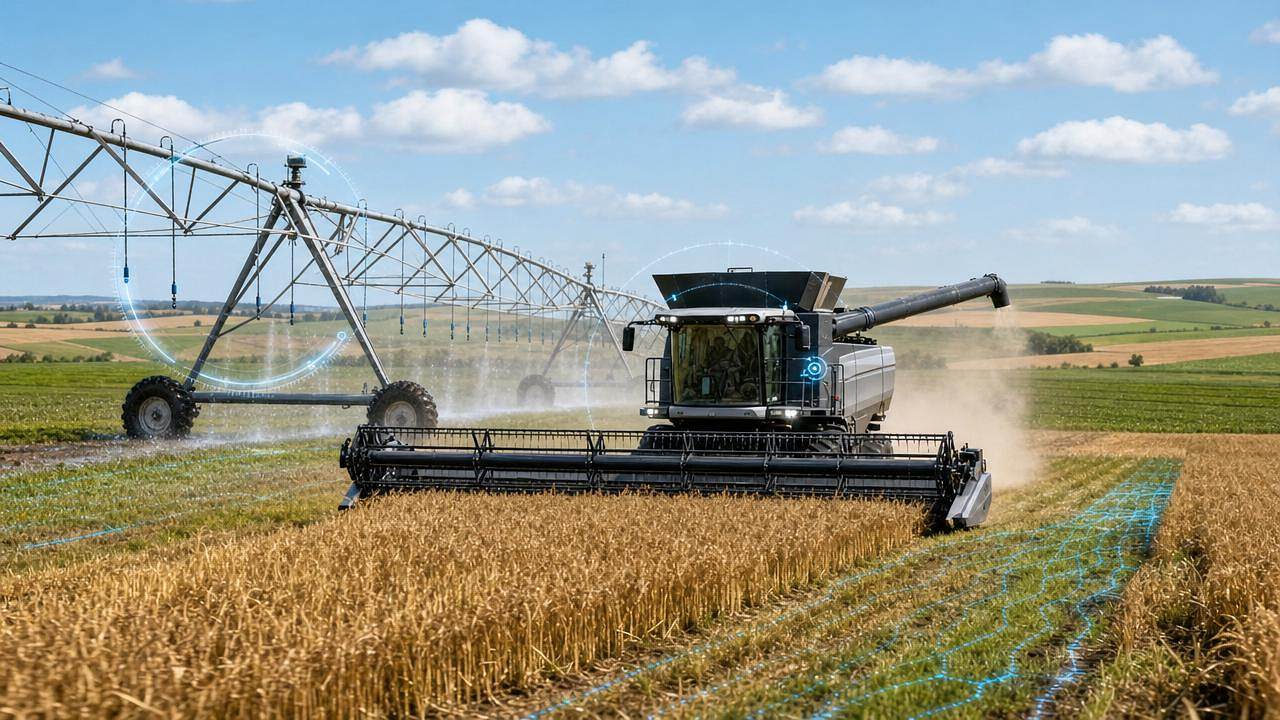
For example, a combine may detect rising grain loss, infer that cleaning airflow no longer matches crop load, and adjust fan speed or sieve settings. The next measurement then confirms whether the correction improved performance.
In irrigation, the same principle applies differently. Soil moisture, evapotranspiration, pressure variation, and forecast data feed a model that updates irrigation timing or flow rates before water stress or over-application becomes severe.
For evaluators, the key point is simple. Dynamic feedback algorithms improve field decision accuracy because they make decisions from current system behavior, not from average assumptions established earlier.
Where the biggest accuracy gains appear in harvesting systems
Harvesting is one of the clearest use cases because operating conditions change rapidly and losses are measurable. Even a well-designed combine can underperform when crop flow, moisture, and terrain interact unpredictably.
Dynamic feedback algorithms improve accuracy by linking sensor-derived indicators to cleaning, threshing, and travel decisions. Instead of waiting for an operator to notice symptoms, the system identifies drift as it develops.
Cleaning loss control is a strong example. Algorithms can combine signals from grain loss sensors, tailings flow, sieve load, fan speed, engine load, and yield variation to estimate whether separation performance is degrading.
That estimate matters because raw sensor readings alone are often ambiguous. A spike in loss may result from crop density, slope, feed rate, or temporary slugging. The algorithm improves decision accuracy by interpreting interactions, not isolated values.
Once the system detects a likely cause, it can recommend or execute adjustments. These may include reducing ground speed, modifying rotor settings, changing fan intensity, or updating sieve openings for the prevailing crop condition.
For technical assessment, the relevant outcome is not merely automation. It is whether the algorithm maintains stable throughput with lower loss, fewer abrupt corrections, and less dependence on expert operator intervention.
Evaluators should also look at edge conditions. Performance during lodged crops, uneven moisture bands, weedy patches, and hillside harvesting often reveals more about algorithm quality than average results in ideal plots.
How intelligent irrigation uses feedback to make more accurate decisions
In irrigation systems, inaccurate decisions usually come from timing errors, uniform application assumptions, and delayed response to weather or soil changes. These mistakes directly affect water efficiency, crop stress, and energy use.
Dynamic feedback algorithms improve field decision accuracy by integrating multiple signals instead of relying on a single moisture threshold. Inputs may include soil probes, weather stations, valve pressure, flow rates, and plant stress proxies.
This allows the system to shift from static scheduling to responsive scheduling. Rather than irrigating because the calendar says so, it irrigates because conditions indicate a measurable need within a defined management objective.
For example, if high evapotranspiration is predicted but root-zone moisture remains adequate, the system may delay irrigation slightly. If pressure anomalies suggest uneven distribution, the controller may correct delivery before under-watering spreads.
In advanced designs, the algorithm also learns local response patterns over time. It can detect that one zone dries faster, another drains poorly, or a pressure drop regularly appears at certain operating loads.
For evaluators, the strongest sign of value is not just reduced water use. It is improved consistency between intended irrigation outcome and actual field condition after the event, especially across diverse management zones.
How these algorithms support tractors and intelligent implements
Field decision accuracy is also critical in tractor chassis control and smart implements, where traction, hydraulic response, implement depth, and path stability affect both agronomic quality and machine efficiency.
Dynamic feedback algorithms help by coordinating machine behavior with changing load and terrain. A tractor may adjust traction control, transmission response, or hydraulic output based on slip, draft load, speed deviation, and slope.
In seeding, fertilization, and spraying equipment, the same logic improves prescription execution. The system checks whether application rates, placement accuracy, or boom behavior align with target values under current movement conditions.
Without feedback, a variable-rate command can still miss its agronomic objective if the implement response lags, the terrain disturbs placement, or the actuator behaves differently under pressure variation.
With feedback, the system detects the mismatch and corrects it while the pass is ongoing. This is especially valuable in high-speed operations where small timing errors create large cumulative placement errors.
For technical evaluators, this expands the definition of accuracy. The question is not only whether the machine followed the command, but whether the command translated into the intended field outcome.
What technical evaluators should measure before trusting performance claims
Vendors often describe dynamic feedback algorithms in broad terms, but evaluators need a disciplined framework. The first requirement is to define what decision accuracy means for the application being assessed.
In harvesting, it may mean lower cleaning loss at stable throughput. In irrigation, it may mean tighter alignment between soil moisture targets and post-irrigation outcomes. In implements, it may mean lower deviation from prescription intent.
After defining the outcome, evaluators should examine reaction speed. How quickly does the system detect drift, choose an adjustment, and produce a measurable correction? Slow feedback often weakens real field value.
Robustness is equally important. Algorithms that perform well in narrow test conditions may fail when sensor noise increases, weather shifts quickly, or crop heterogeneity exceeds training assumptions.
Transparency also matters. A useful system should make its decision basis at least partly interpretable through logs, alerts, confidence indicators, or performance summaries. Black-box control is harder to validate and harder to troubleshoot.
Another key metric is false adjustment rate. If the algorithm reacts too often to temporary noise, it can destabilize operations. Good field decision accuracy depends on responsiveness balanced with control stability.
Finally, test repeatability is essential. Evaluators should compare results across fields, operators, crop states, and time windows. One successful demonstration does not prove reliable operational accuracy.
Common limitations and why some systems underdeliver
Not every dynamic feedback system improves decisions equally. Performance often falls short because the problem is not in the algorithm name, but in poor sensor quality, weak calibration discipline, or limited integration with machine controls.
If sensor signals are delayed, noisy, or poorly positioned, the controller starts from a distorted view of reality. Even a sophisticated model cannot generate accurate field decisions from unreliable inputs.
Another common issue is weak state estimation. Some systems react to raw values without properly distinguishing cause from symptom. This leads to unnecessary corrections that address visible effects rather than underlying process changes.
Control authority is another constraint. An algorithm may identify the right adjustment, but if actuator limits, hydraulic lag, or software restrictions prevent timely execution, decision accuracy gains remain theoretical.
Data fragmentation also reduces value. When agronomic maps, machine telemetry, and environmental sensing remain disconnected, the feedback loop becomes narrower than the actual decision problem it is trying to solve.
For evaluators, these limitations are important because they explain why similar claims can produce very different field results. The algorithm should be judged as part of a system, not as an isolated feature.
How to evaluate value in Agriculture 4.0 procurement and benchmarking
Technical evaluation should connect algorithm performance to operational economics and risk reduction. Better field decision accuracy matters because it influences loss control, input efficiency, machine utilization, and consistency of output quality.
In combine harvesting, even modest improvements in loss management can create significant seasonal value across large acreage. In irrigation, better timing and flow decisions can improve both water productivity and compliance with resource constraints.
Benchmarking should therefore include both technical and economic indicators. Examples include yield preserved, water saved per hectare, reduction in rework, stability of throughput, and frequency of operator override.
It is also useful to compare autonomous adjustment mode with advisory mode. Some operations benefit more from decision support that keeps the operator in control, while others gain from full closed-loop automation.
Procurement teams should ask whether the system can be updated, retrained, and locally adapted. In Agriculture 4.0 environments, long-term value often depends on how well the algorithm evolves with new crops, regions, and equipment generations.
For organizations using intelligence-led sourcing, the best decision is rarely the most automated system on paper. It is the one that consistently improves field outcomes under the actual variability the business faces.
What a strong evaluation conclusion should look like
For technical evaluators, the most reliable conclusion is evidence-based and application-specific. Dynamic feedback algorithms improve field decision accuracy when they reduce the delay between changing field conditions and effective machine response.
Their strongest value appears where variability is high, consequences are measurable, and manual correction is too slow or inconsistent. That is why they matter so much in harvesting, irrigation, traction management, and precision implement control.
But accuracy gains should never be assumed from software claims alone. Evaluators should verify sensor integrity, reaction speed, interpretability, control stability, and repeatable field outcomes across realistic operating scenarios.
In the Agriculture 4.0 context, these algorithms are not just digital add-ons. They are increasingly the logic layer that determines whether advanced machinery can translate data into dependable operational advantage.
When properly designed and validated, dynamic feedback algorithms help machines make better decisions in the moment that matters most: while the field task is still unfolding and the result can still be improved.
Related News
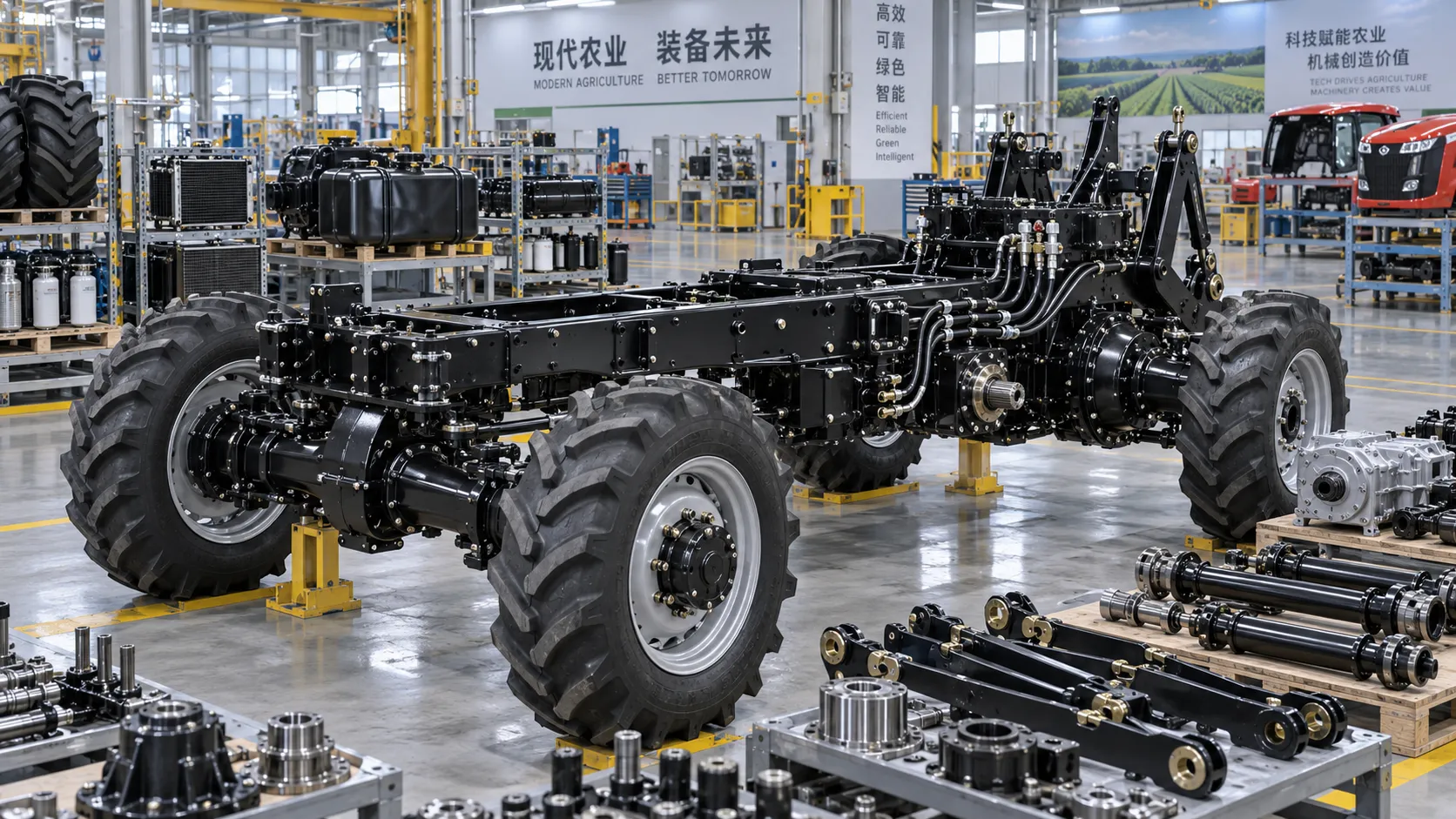
Tractor Chassis Price: What Buyers Should Compare Beyond the Initial Quote
Tractor chassis price is only the start. Compare load capacity, compatibility, durability, and lifecycle costs to choose a reliable, high-value chassis.
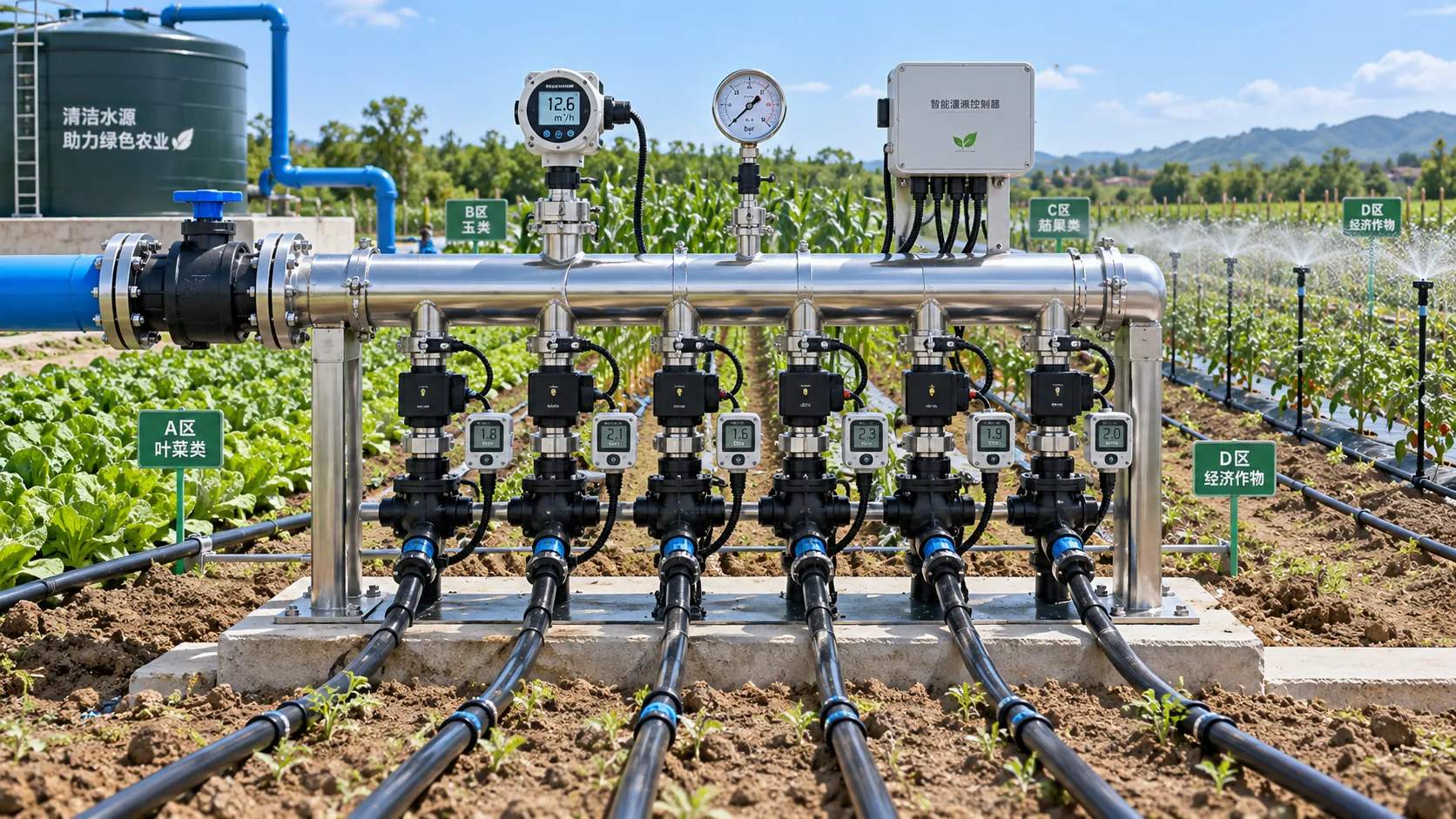
How to Select Smart Irrigation Valves for Multi-Zone Water Management?
Intelligent irrigation systems valves: learn how to match smart valves with multi-zone flow, pressure, control, feedback, and communication needs for reliable water management.
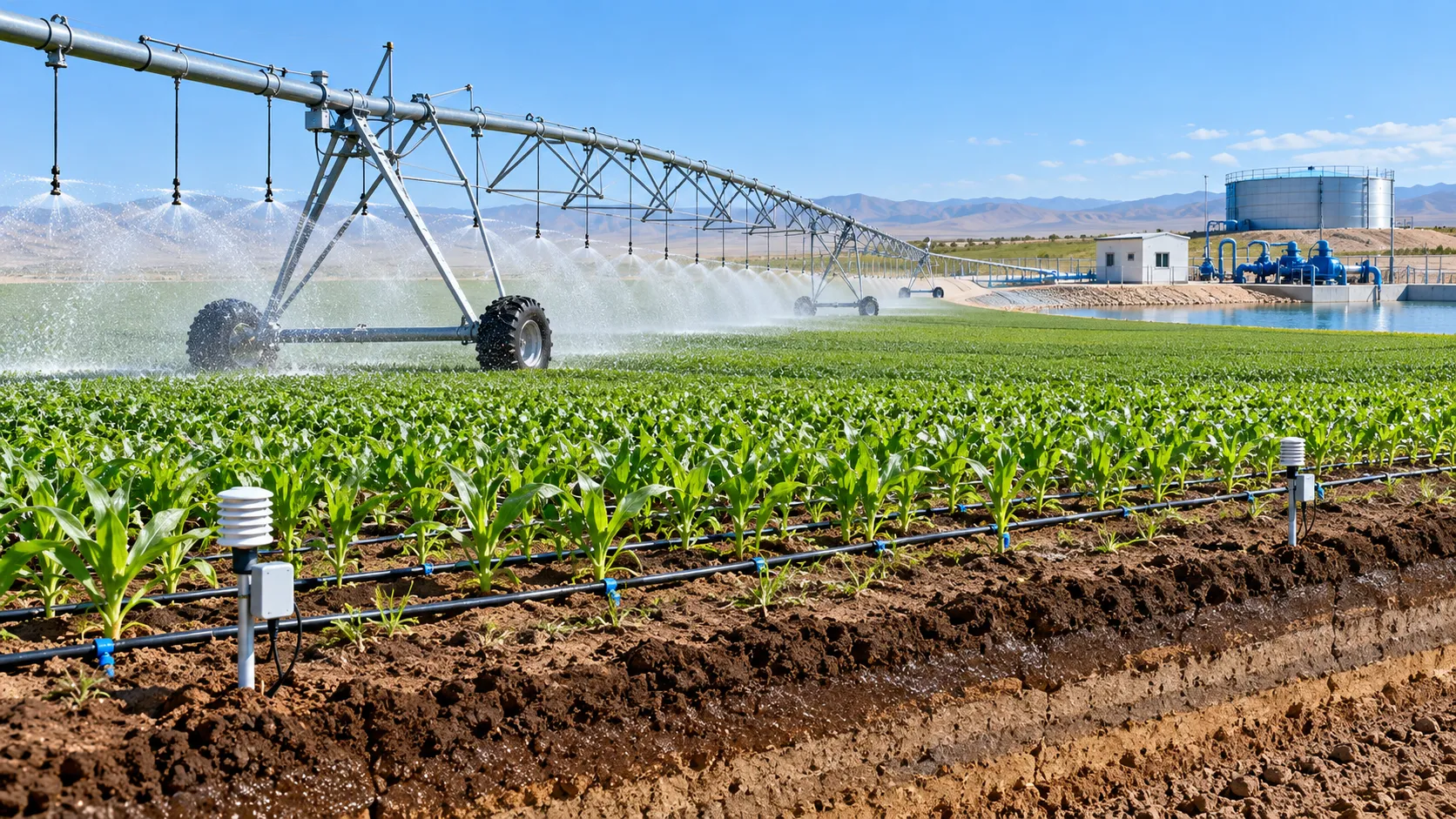
Climate-Smart Farming for Drought: A Practical Plan for Protecting Yields
Climate-smart farming for drought: build smarter water budgets, protect critical crop stages, improve irrigation uniformity, and safeguard yields with practical field-proven strategies.
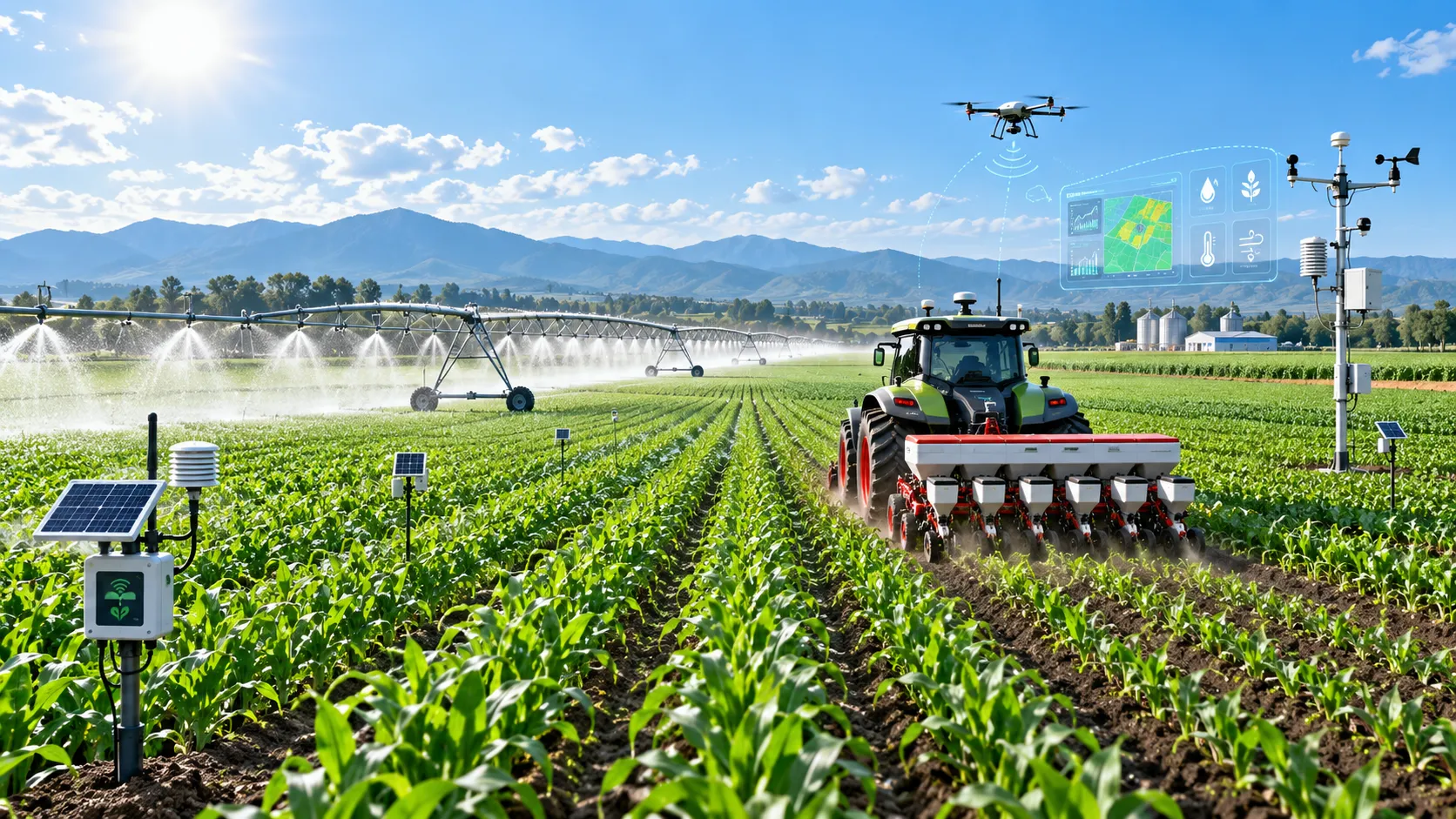
How Digital Agriculture Platforms Turn Field Data Into Better Input Decisions
Digital agriculture platforms turn field data into smarter fertilizer, water, seed, and equipment decisions—helping farms cut risk, improve margins, and scale sustainability.
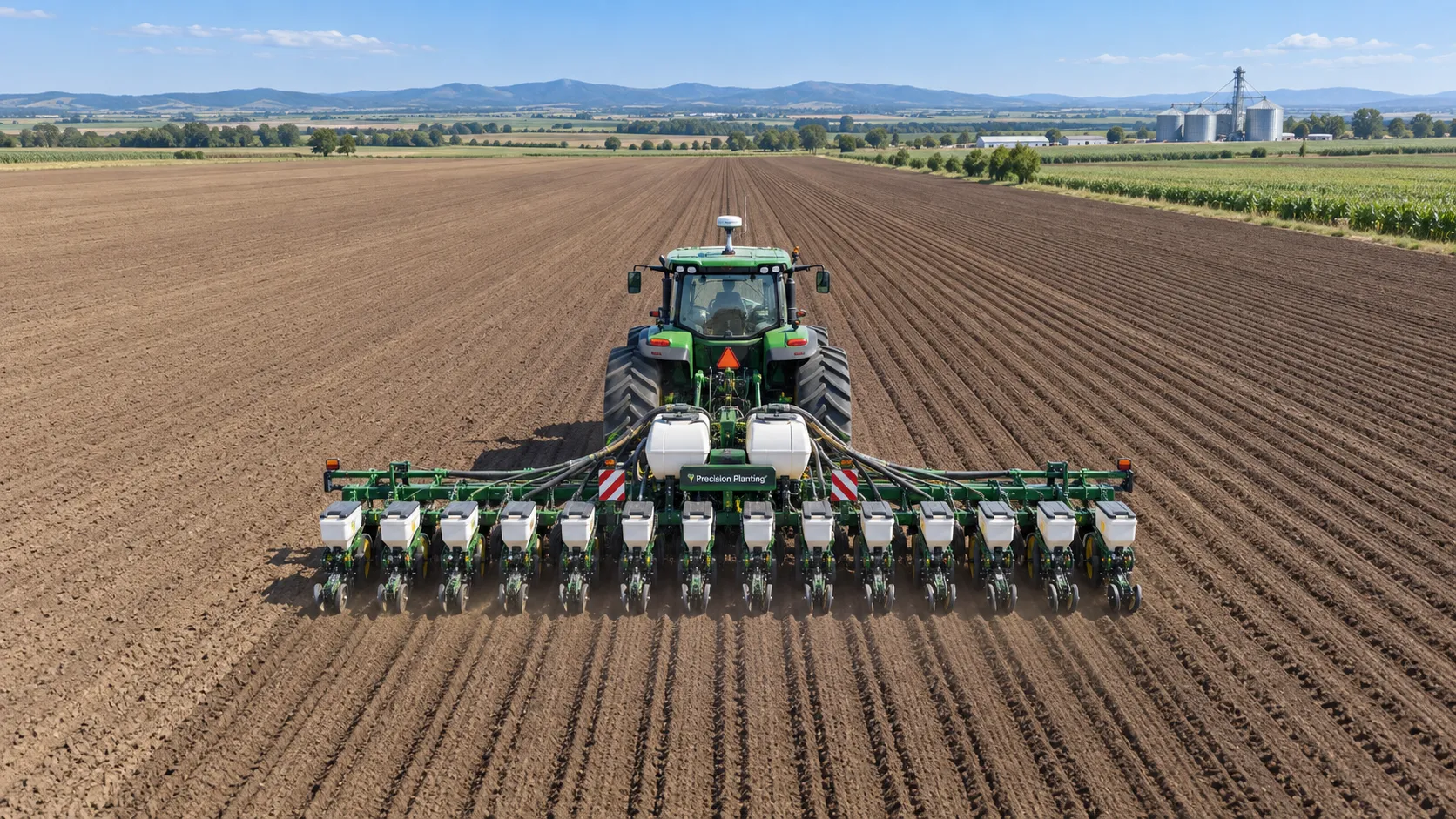
GPS-Guided Farm Machinery: Where It Delivers Measurable Field Efficiency Gains
Agri-mechanization GPS guided systems deliver measurable field efficiency gains through reduced overlap, precise planting, smarter inputs, and reliable farm data.
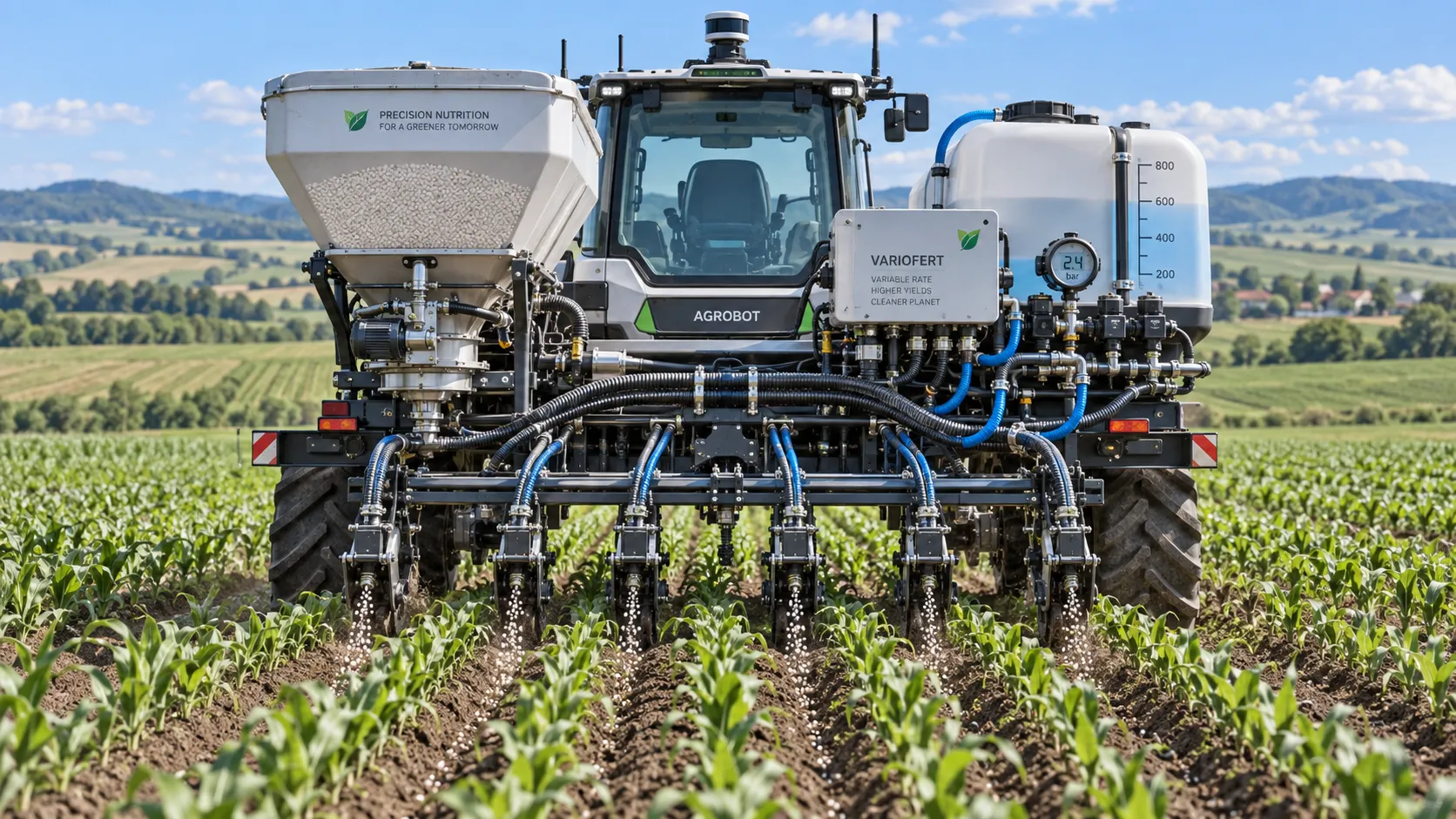
How Sensor Feedback Enables Accurate Variable-Rate Fertilization in Field Conditions
Precision fertilization systems with sensor feedback improve variable-rate accuracy by verifying flow, managing latency, and ensuring reliable field application.
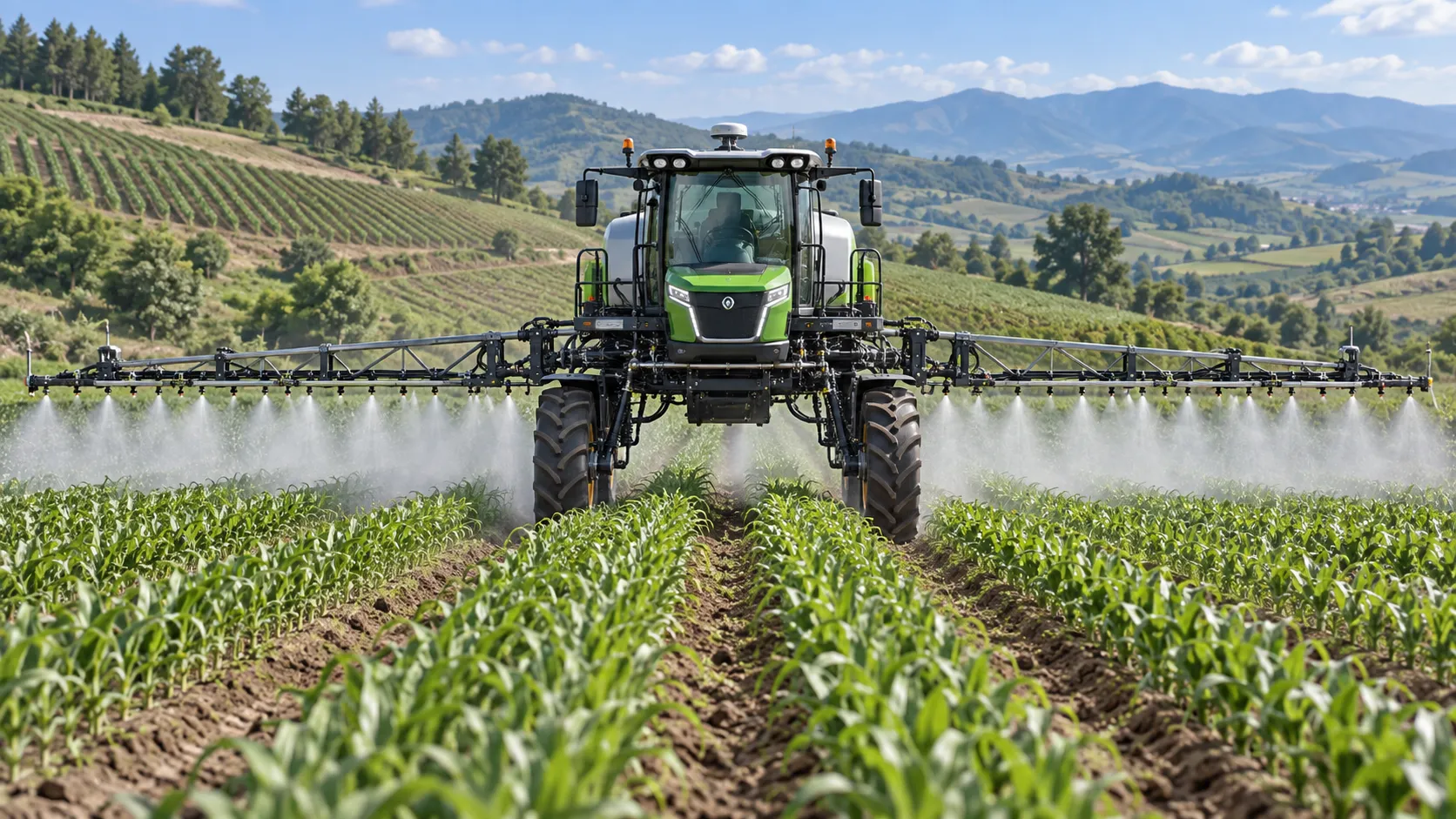
How to Select Precision Crop Protection Equipment for Variable Field Conditions
Precision crop protection equipment selection made simple: compare terrain, canopy, weather, control accuracy, and data workflows for reliable applications.

When Does Agricultural Machinery Leasing Cost Less Than Owning Equipment?
Agricultural machinery leasing can lower farm costs when use is seasonal or uncertain. Compare utilization, maintenance, cash flow, and risk to make a smarter equipment decision.

How to Evaluate Precision Fertilization System Suppliers for Farm-Scale Deployment
Precision fertilization systems suppliers: learn how to compare accuracy, integration, uptime, service, and total cost for confident farm-scale deployment.
Related News
- 00
0000-00
GPS-Guided Farm Machinery: Where It Delivers Measurable Field Efficiency Gains - 00
0000-00
ISOBUS for Smart Agriculture: How It Connects Tractors, Implements, and Farm Data - 00
0000-00
How North American Farms Can Select Crop Monitoring Systems by Acreage and Connectivity - 00
0000-00
How Tractor Intelligence Systems Improve Field Efficiency and Input Accuracy - 00
0000-00
Which equipment for larger fields maintains accuracy at higher speeds?
Popular Tags
Tractor Power Architect
Weekly Insights
Stay ahead with our curated technology reports delivered every Monday.