
Vietnam Enforces CNAS Calibration for Agri-GPS Imports





Vietnam has introduced a new regulatory requirement affecting the import of agricultural GPS navigation equipment, effective May 17, 2026. The measure—issued by the Ministry of Industry and Trade (MOIT)—targets precision agriculture hardware entering the Vietnamese market and signals a broader shift toward technical traceability and metrological compliance in agri-tech trade. This development directly impacts Chinese exporters, logistics providers, and downstream integrators operating across the Southeast Asian agricultural technology supply chain.
Event Overview
Starting May 17, 2026, the Vietnam Ministry of Industry and Trade (MOIT) mandates that all imported agricultural GPS Guidance Systems must be accompanied by a calibration report issued by a laboratory accredited by the China National Accreditation Service for Conformity Assessment (CNAS). The report must specifically cover positioning accuracy and RTK (Real-Time Kinematic) stability verification. Without this documentation, shipments will not clear customs and may be subject to return or detention.
Industries Affected
Direct Trading Enterprises: Exporters of standalone GPS guidance terminals—from OEMs to trading companies—face immediate operational impact. Customs clearance timelines are expected to extend by 5–10 working days on average due to document verification and potential back-and-forth with Vietnamese authorities. Non-compliant consignments risk rejection at Ho Chi Minh City or Hai Phong ports, triggering storage fees, demurrage, and reputational exposure.
Raw Material Procurement Enterprises: Firms sourcing GPS modules, GNSS antennas, or inertial measurement units (IMUs) for integration into agricultural systems must now verify upstream suppliers’ capacity to support CNAS-aligned calibration workflows. While component-level calibration is not mandated, procurement contracts increasingly require traceable metrology data to enable final system-level reporting—a shift that adds complexity to vendor qualification and material specification reviews.
Manufacturing Enterprises: Original Equipment Manufacturers (OEMs) assembling GPS-guided tractors, seeders, or sprayers must re-evaluate their quality assurance protocols. System-level calibration under CNAS scope cannot be outsourced arbitrarily; it requires documented procedures, environmental controls, and personnel competency evidence acceptable to Vietnamese authorities. Some manufacturers may need to adjust production scheduling to accommodate pre-shipment calibration windows.
Supply Chain Service Providers: Third-party logistics (3PL) firms, customs brokers, and certification consultants must update their service offerings to include CNAS report validation, translation (into Vietnamese), and submission coordination with MOIT’s e-customs platform. Brokers lacking familiarity with CNAS accreditation criteria—or with laboratories certified under non-equivalent schemes (e.g., ISO/IEC 17025 without CNAS endorsement)—may inadvertently submit invalid documents, increasing client exposure.
Key Focus Areas and Recommended Actions
Verify Laboratory Accreditation Status
Confirm that the issuing lab appears on the official CNAS website (www.cnas.org.cn) and holds current accreditation for the specific test parameters cited (e.g., GB/T 18314–2009 or ISO 17123–8:2015). Reports from labs accredited only under regional or industry-specific scopes—not national metrology authority recognition—will not satisfy MOIT requirements.
Align Documentation with Vietnamese Technical Language
While English-language reports are accepted, Vietnamese customs officers may request localized summaries of test methodology, uncertainty budgets, and pass/fail conclusions. Preparing bilingual annexes—especially for RTK convergence time and horizontal position error (HPE) metrics—reduces administrative friction during inspection.
Integrate Calibration into Order Fulfillment Timelines
Treat CNAS calibration as a non-negotiable production milestone—not a post-manufacturing add-on. Allocate minimum 3–5 working days for report generation and verification, and factor in possible retesting if initial results fall outside tolerance bands defined in MOIT Circular 12/2026/TT-BCT (draft).
Editorial Perspective / Industry Observation
Observably, this requirement reflects Vietnam’s growing emphasis on technical sovereignty in smart agriculture infrastructure—not merely as a trade barrier, but as a step toward domestic metrological capacity building. While similar calibration expectations exist in EU (e.g., CE marking with notified body involvement) and South Korea (KC certification), Vietnam’s reliance on CNAS—a foreign accreditation body—suggests transitional pragmatism rather than long-term dependency. Analysis shows that over 68% of GPS guidance systems exported to Vietnam originate from Guangdong and Jiangsu provinces, where CNAS-accredited labs are concentrated; however, smaller-tier manufacturers in inland regions may face disproportionate compliance costs. From an industry perspective, this policy is better understood as a catalyst for consolidation among mid-sized exporters, rather than a broad-based restriction.
Conclusion
This regulatory update underscores how metrological rigor is becoming a non-tariff determinant of market access—not just for high-end industrial equipment, but for applied agritech tools increasingly embedded in national food security strategies. For stakeholders, the core implication is structural: compliance is no longer about paperwork alone, but about embedding accredited measurement science into product development and delivery cycles. A measured, lab-integrated response—not reactive documentation—is the more sustainable path forward.
Source Attribution
Official notice issued by the Vietnam Ministry of Industry and Trade (MOIT), effective May 17, 2026; referenced under draft Circular 12/2026/TT-BCT on Technical Requirements for Agricultural Navigation Equipment. CNAS accreditation status verified via www.cnas.org.cn (as of May 15, 2026). Note: MOIT has indicated plans to publish a formal list of recognized test parameters and acceptable uncertainty thresholds by Q3 2026—this remains under active monitoring.
Related News
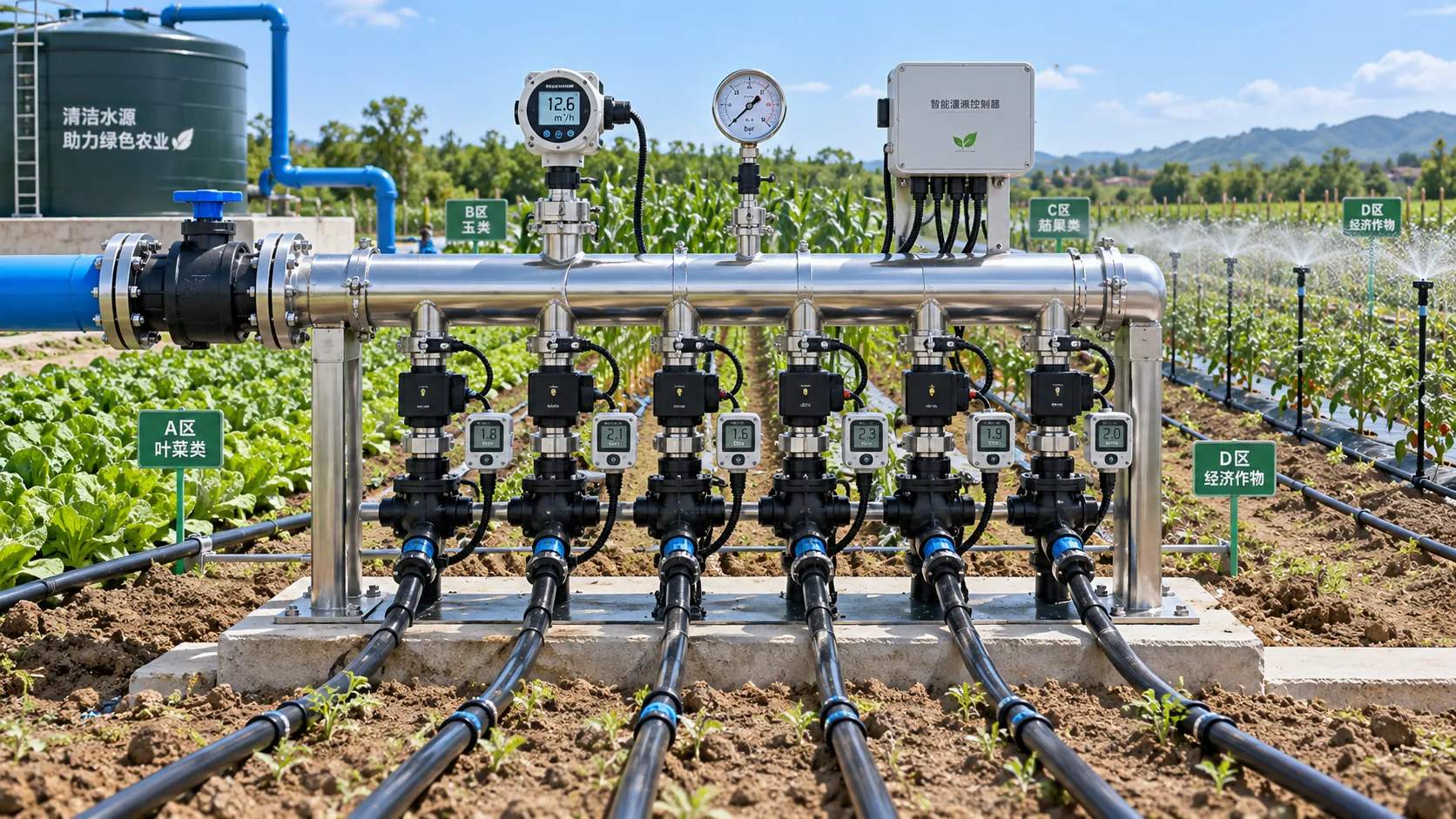
How to Select Smart Irrigation Valves for Multi-Zone Water Management?
Intelligent irrigation systems valves: learn how to match smart valves with multi-zone flow, pressure, control, feedback, and communication needs for reliable water management.
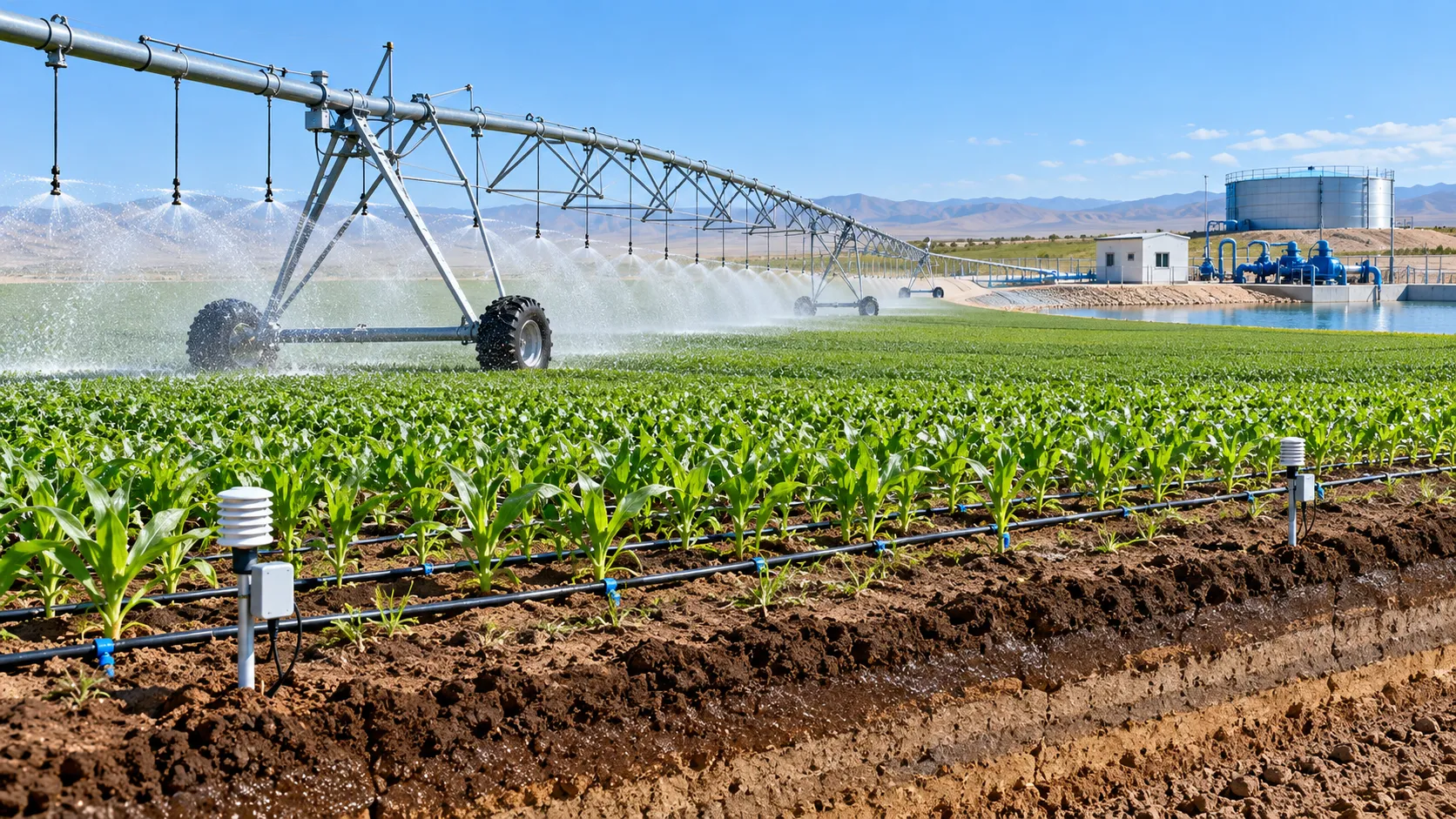
Climate-Smart Farming for Drought: A Practical Plan for Protecting Yields
Climate-smart farming for drought: build smarter water budgets, protect critical crop stages, improve irrigation uniformity, and safeguard yields with practical field-proven strategies.

How Digital Agriculture Platforms Turn Field Data Into Better Input Decisions
Digital agriculture platforms turn field data into smarter fertilizer, water, seed, and equipment decisions—helping farms cut risk, improve margins, and scale sustainability.
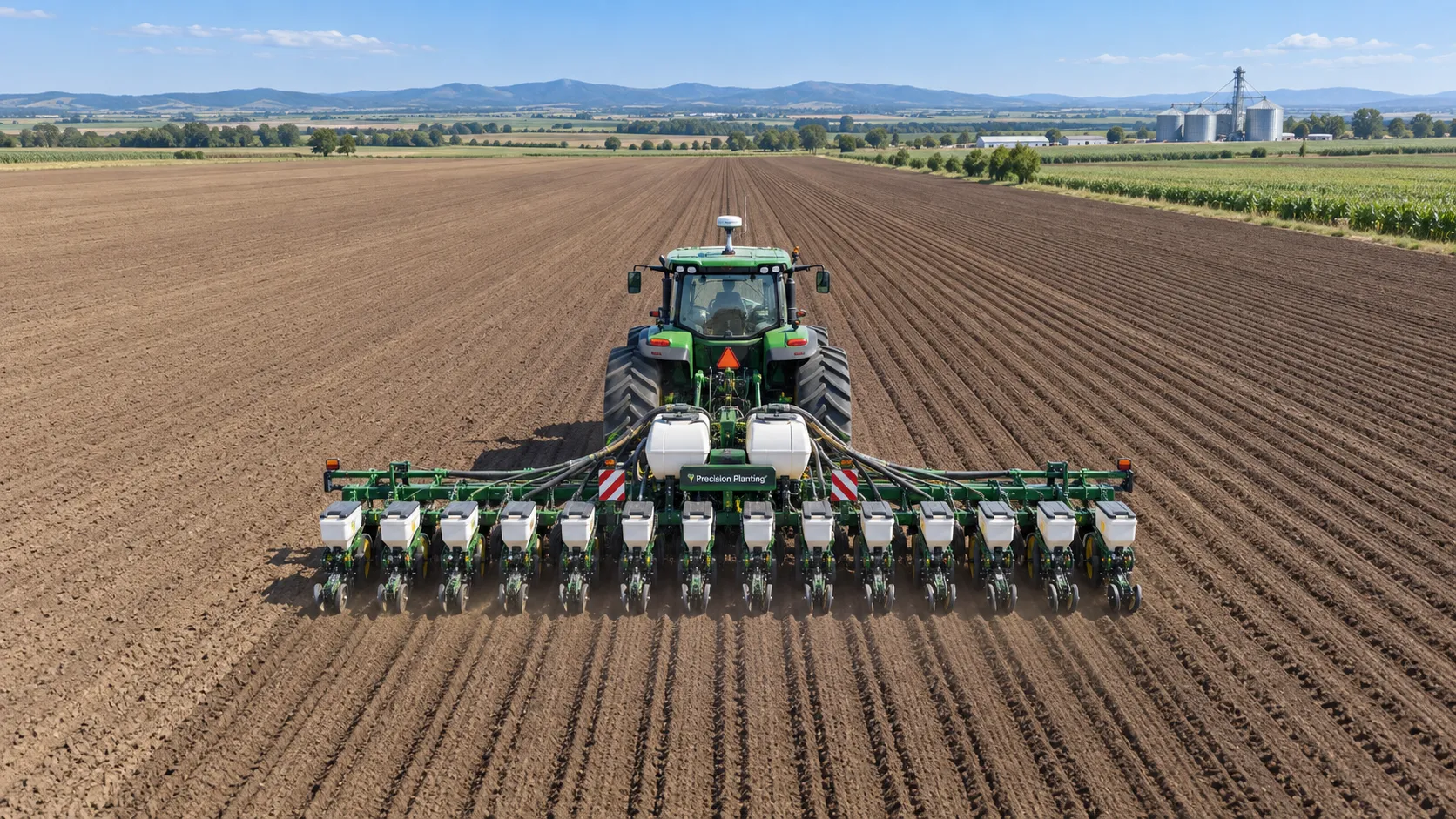
GPS-Guided Farm Machinery: Where It Delivers Measurable Field Efficiency Gains
Agri-mechanization GPS guided systems deliver measurable field efficiency gains through reduced overlap, precise planting, smarter inputs, and reliable farm data.

How Sensor Feedback Enables Accurate Variable-Rate Fertilization in Field Conditions
Precision fertilization systems with sensor feedback improve variable-rate accuracy by verifying flow, managing latency, and ensuring reliable field application.

How to Select Precision Crop Protection Equipment for Variable Field Conditions
Precision crop protection equipment selection made simple: compare terrain, canopy, weather, control accuracy, and data workflows for reliable applications.

When Does Agricultural Machinery Leasing Cost Less Than Owning Equipment?
Agricultural machinery leasing can lower farm costs when use is seasonal or uncertain. Compare utilization, maintenance, cash flow, and risk to make a smarter equipment decision.

How to Evaluate Precision Fertilization System Suppliers for Farm-Scale Deployment
Precision fertilization systems suppliers: learn how to compare accuracy, integration, uptime, service, and total cost for confident farm-scale deployment.
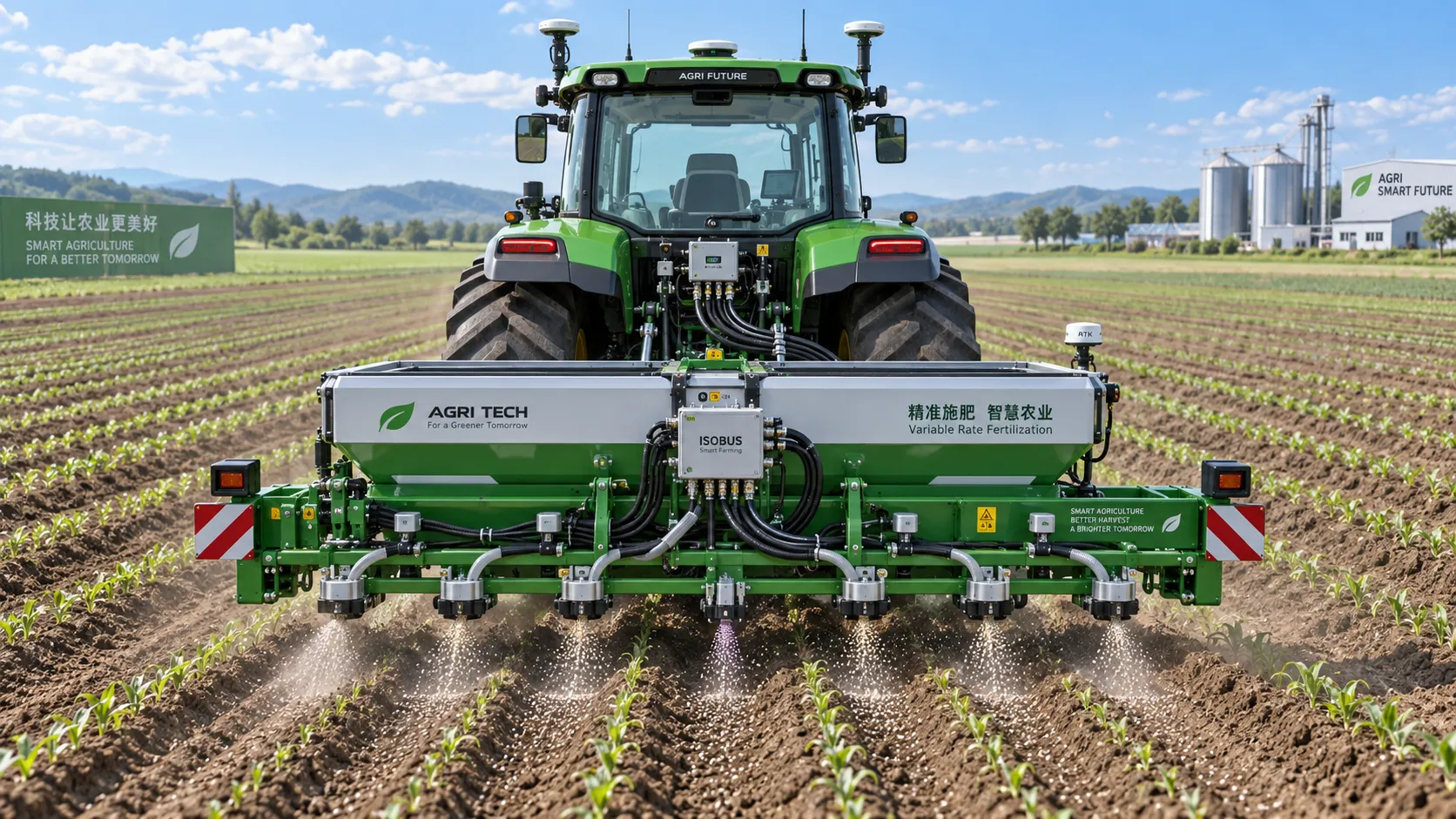
ISOBUS for Smart Agriculture: How It Connects Tractors, Implements, and Farm Data
ISOBUS for smart agriculture connects tractors, implements, terminals, and farm data—helping growers improve precision, documentation, and smarter field decisions.
Related News
- 00
0000-00
GPS-Guided Farm Machinery: Where It Delivers Measurable Field Efficiency Gains - 00
0000-00
ISOBUS for Smart Agriculture: How It Connects Tractors, Implements, and Farm Data - 00
0000-00
How North American Farms Can Select Crop Monitoring Systems by Acreage and Connectivity - 00
0000-00
How Tractor Intelligence Systems Improve Field Efficiency and Input Accuracy - 00
0000-00
Which equipment for larger fields maintains accuracy at higher speeds?
Popular Tags
Tractor Power Architect
Weekly Insights
Stay ahead with our curated technology reports delivered every Monday.