
Vietnam Mandates CNAS Calibration for Agri-GPS Devices
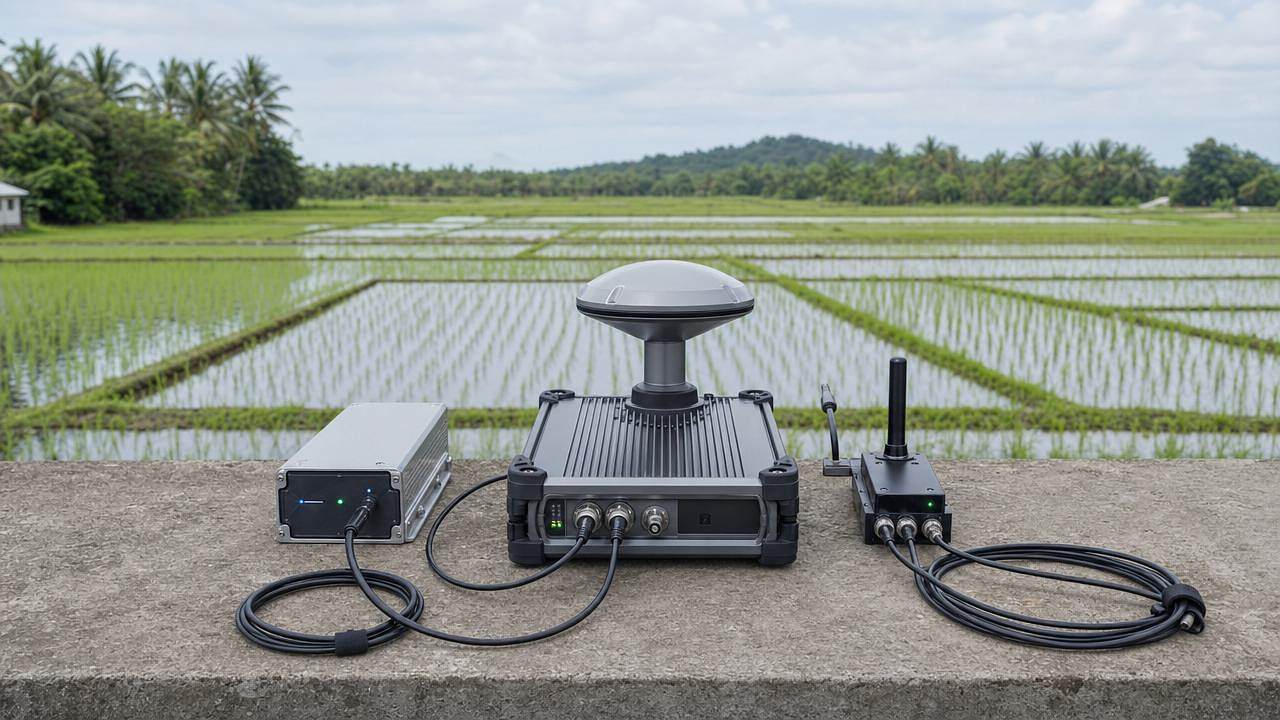




Vietnam has introduced a new regulatory requirement targeting imported agricultural GPS navigation equipment, effective 1 June 2026. The move—issued by the Vietnam Institute of Standards and Quality (TCVN)—signals a tightening of metrological oversight in precision agriculture imports, with implications for trade compliance, supply chain lead times, and product certification strategies across multiple industry segments.
Event Overview
The Vietnam Ministry of Science and Technology issued Circular 18/2026/TT-BKHCN on 16 May 2026. It stipulates that, starting 1 June 2026, all imported agricultural GPS navigation devices—including RTK base stations and vehicle-mounted terminals—must be accompanied by a calibration report verifying positioning accuracy and time synchronization, issued exclusively by laboratories accredited by the China National Accreditation Service for Conformity Assessment (CNAS). Absence of such a report will result in denial of import license issuance.
Industries Affected
Direct Trading Enterprises
Importers and distributors of agri-GPS hardware face immediate operational impact: customs clearance is now contingent on pre-submission of CNAS-validated documentation. This introduces new verification steps, potential delays in release timelines, and heightened risk of shipment rejection if reports are incomplete, outdated, or issued by non-CNAS-accredited labs—even where equivalent international accreditation (e.g., A2LA, UKAS) exists.
Raw Material Procurement Enterprises
Companies sourcing components (e.g., GNSS modules, timing oscillators) for final assembly into agri-GPS systems must reassess supplier documentation packages. While component-level calibration is not mandated, downstream integration requires full-system validation. Procurement teams may need to engage upstream suppliers earlier—and more formally—to ensure traceability and access to test data supporting final CNAS-compliant reporting.
Manufacturing Enterprises
OEMs and contract manufacturers producing agri-GPS terminals or RTK infrastructure must now incorporate system-level metrological validation into their quality gateways prior to export. This includes defining test protocols aligned with TCVN’s technical expectations (e.g., static/dynamic positioning error thresholds, PPS jitter limits), selecting CNAS-accredited partners for third-party verification, and maintaining audit-ready records linking calibration results to serial-numbered units.
Supply Chain Service Providers
Freight forwarders, customs brokers, and regulatory consultants must update internal checklists and client advisories to flag the CNAS report as a mandatory document—not optional supporting evidence. Service providers lacking familiarity with CNAS scope limitations (e.g., exclusion of certain measurement parameters or uncertainty budgets) risk misadvising clients, potentially triggering rework or port detention.
Key Considerations and Recommended Actions
Verify CNAS Lab Scope Before Engagement
Not all CNAS-accredited labs are authorized to perform positioning accuracy or time synchronization calibrations. Enterprises must confirm—directly with the lab—that the specific measurement capabilities (e.g., GNSS receiver dynamic testing per ISO/IEC 17025:2017 Clause 7.7) appear explicitly in the lab’s published CNAS scope of accreditation.
Align Calibration Reports with Device Configuration
Reports must reflect the exact device model, firmware version, and antenna setup used in commercial deployment. Deviations—such as testing with evaluation kits or generic antennas—may invalidate the report under TCVN review. Manufacturers should standardize configuration identifiers and retain configuration logs alongside calibration certificates.
Anticipate Lead-Time Extension
Full-system calibration typically requires 5–12 business days, depending on lab capacity and test complexity. Importers should adjust shipping schedules and buffer inventory planning accordingly, particularly for seasonal deployment cycles (e.g., rice planting windows in the Mekong Delta).
Editorial Perspective / Industry Observation
Observably, this measure reflects Vietnam’s broader shift toward aligning technical regulation with domestic capacity-building goals—not merely import control. TCVN has recently expanded its own GNSS metrology lab infrastructure; requiring CNAS reports may serve as an interim benchmark while local accreditation pathways mature. Analysis shows the rule does not reference international standards (e.g., ISO 11783-10, RTCM SC-104), suggesting it prioritizes administrative traceability over harmonized technical interoperability. From an industry perspective, this is better understood as a calibration governance step—not a de facto technical barrier—provided stakeholders treat documentation as an integrated part of product lifecycle management rather than a last-minute compliance add-on.
Conclusion
This requirement marks a material escalation in Vietnam’s approach to regulating high-precision agricultural technology imports. While administratively narrow in scope, its enforcement rigor underscores growing emphasis on verifiable performance claims in agritech markets. For global suppliers, adapting to such metrological transparency expectations is no longer optional—it is becoming foundational to market access in emerging economies pursuing digital agriculture sovereignty.
Source Attribution
Official source: Vietnam Ministry of Science and Technology, Circular 18/2026/TT-BKHCN, published 16 May 2026. Full text available via the TCVN Legal Portal (https://tcvn.gov.vn/van-ban-phe-duyet). Note: TCVN has not yet published accompanying technical guidance documents (e.g., acceptable uncertainty budgets, test environment specifications); these remain under observation and expected before Q3 2026.
Related News
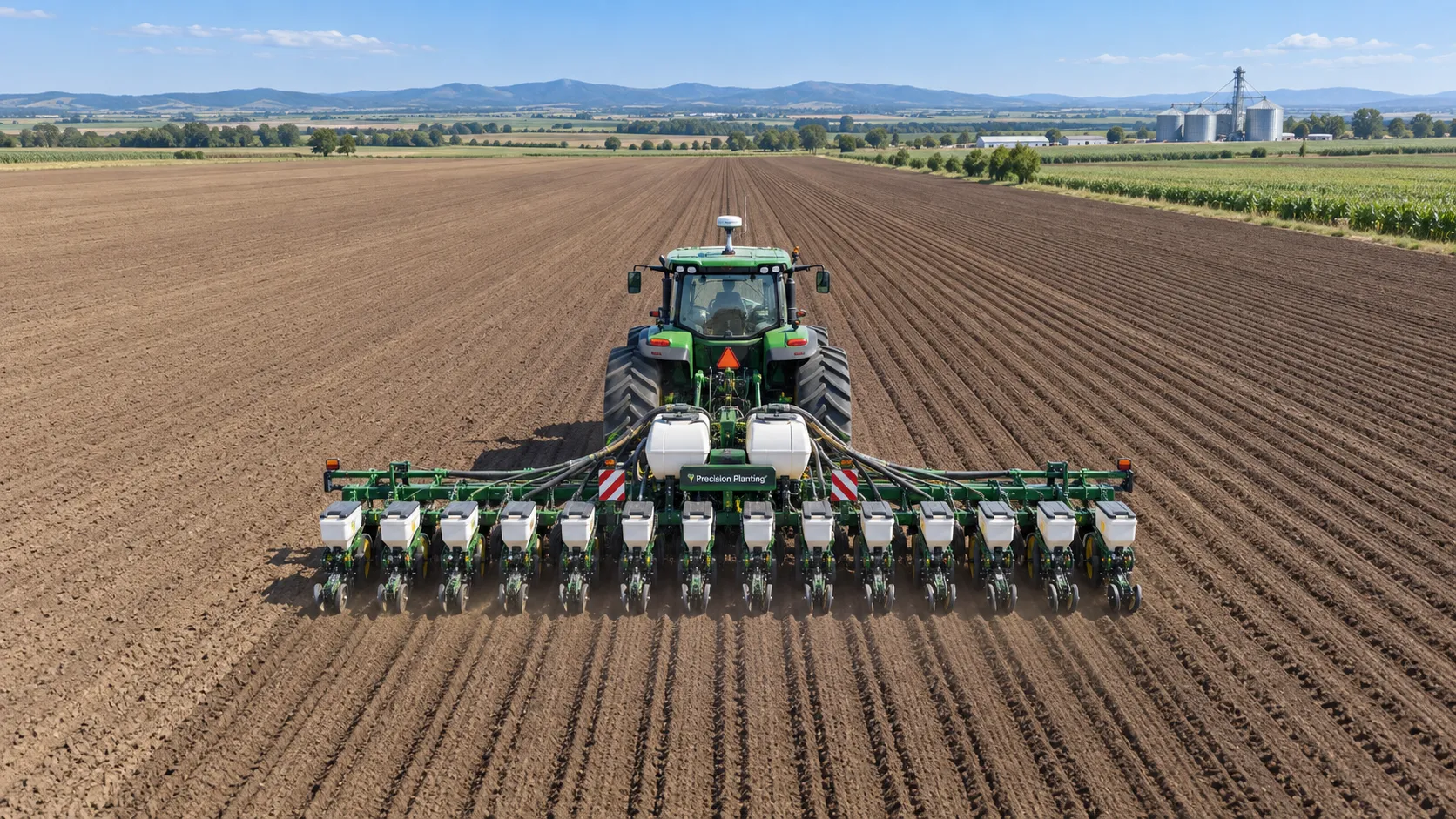
GPS-Guided Farm Machinery: Where It Delivers Measurable Field Efficiency Gains
Agri-mechanization GPS guided systems deliver measurable field efficiency gains through reduced overlap, precise planting, smarter inputs, and reliable farm data.
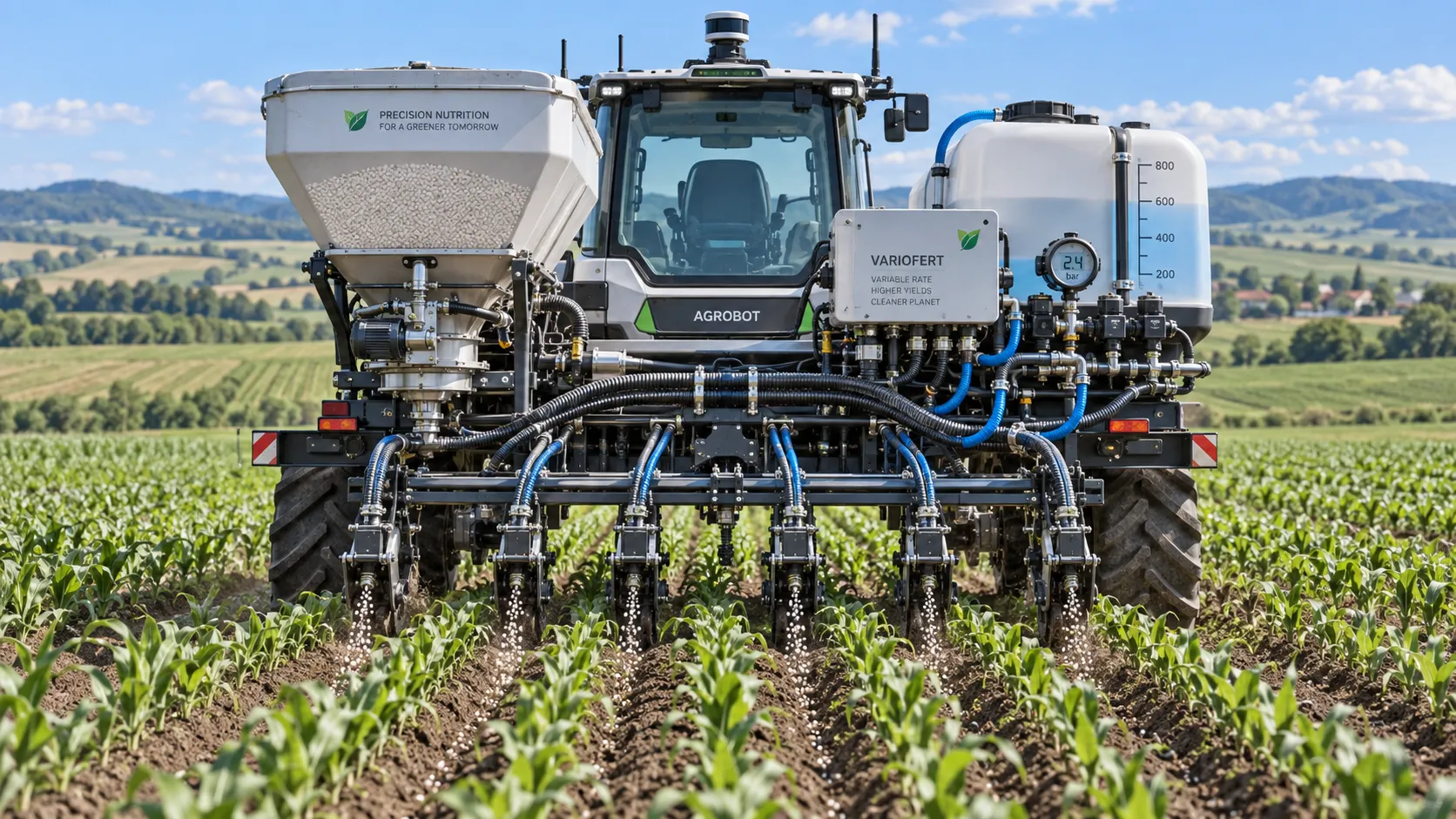
How Sensor Feedback Enables Accurate Variable-Rate Fertilization in Field Conditions
Precision fertilization systems with sensor feedback improve variable-rate accuracy by verifying flow, managing latency, and ensuring reliable field application.

How to Select Precision Crop Protection Equipment for Variable Field Conditions
Precision crop protection equipment selection made simple: compare terrain, canopy, weather, control accuracy, and data workflows for reliable applications.

When Does Agricultural Machinery Leasing Cost Less Than Owning Equipment?
Agricultural machinery leasing can lower farm costs when use is seasonal or uncertain. Compare utilization, maintenance, cash flow, and risk to make a smarter equipment decision.
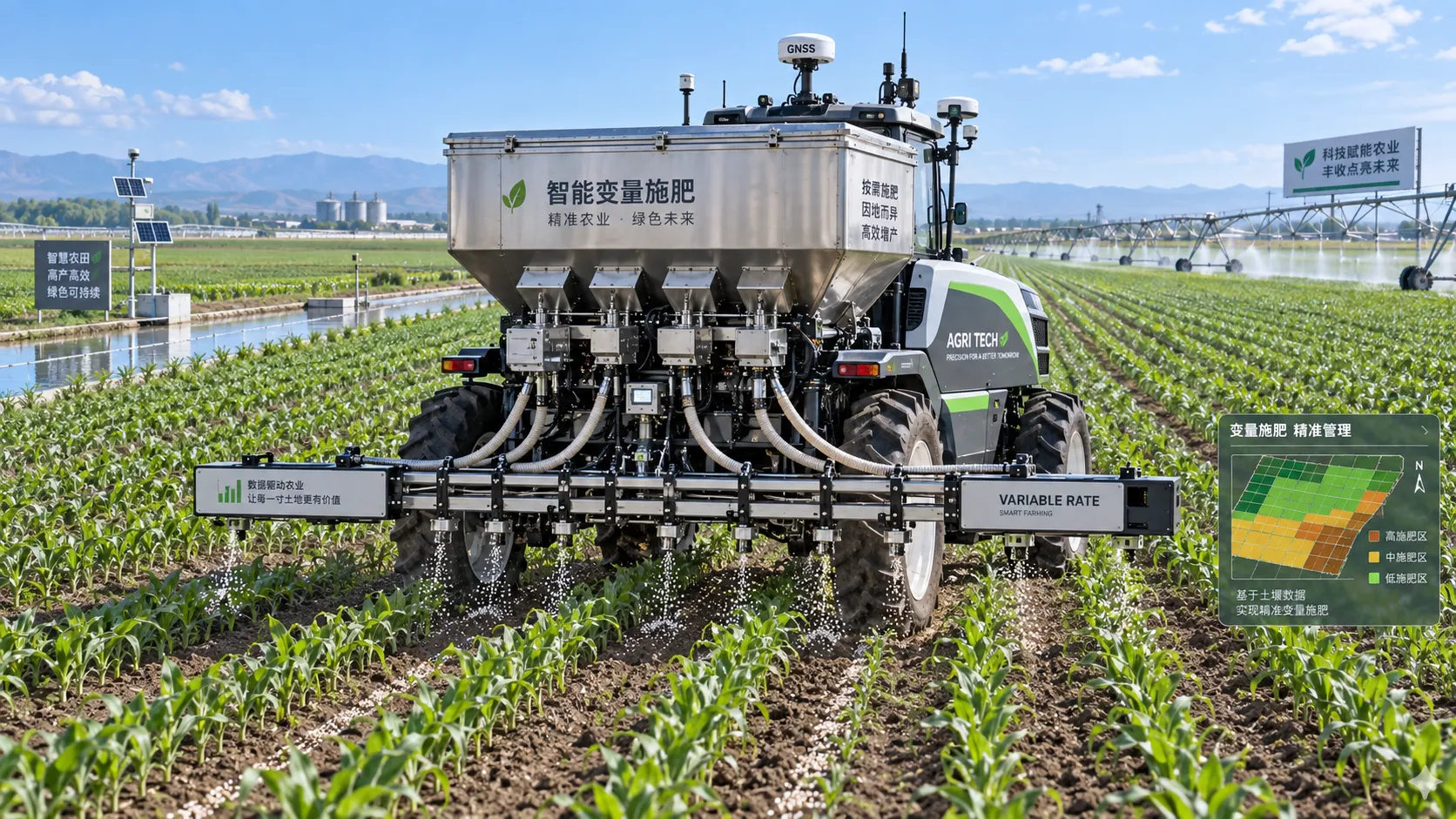
How to Evaluate Precision Fertilization System Suppliers for Farm-Scale Deployment
Precision fertilization systems suppliers: learn how to compare accuracy, integration, uptime, service, and total cost for confident farm-scale deployment.
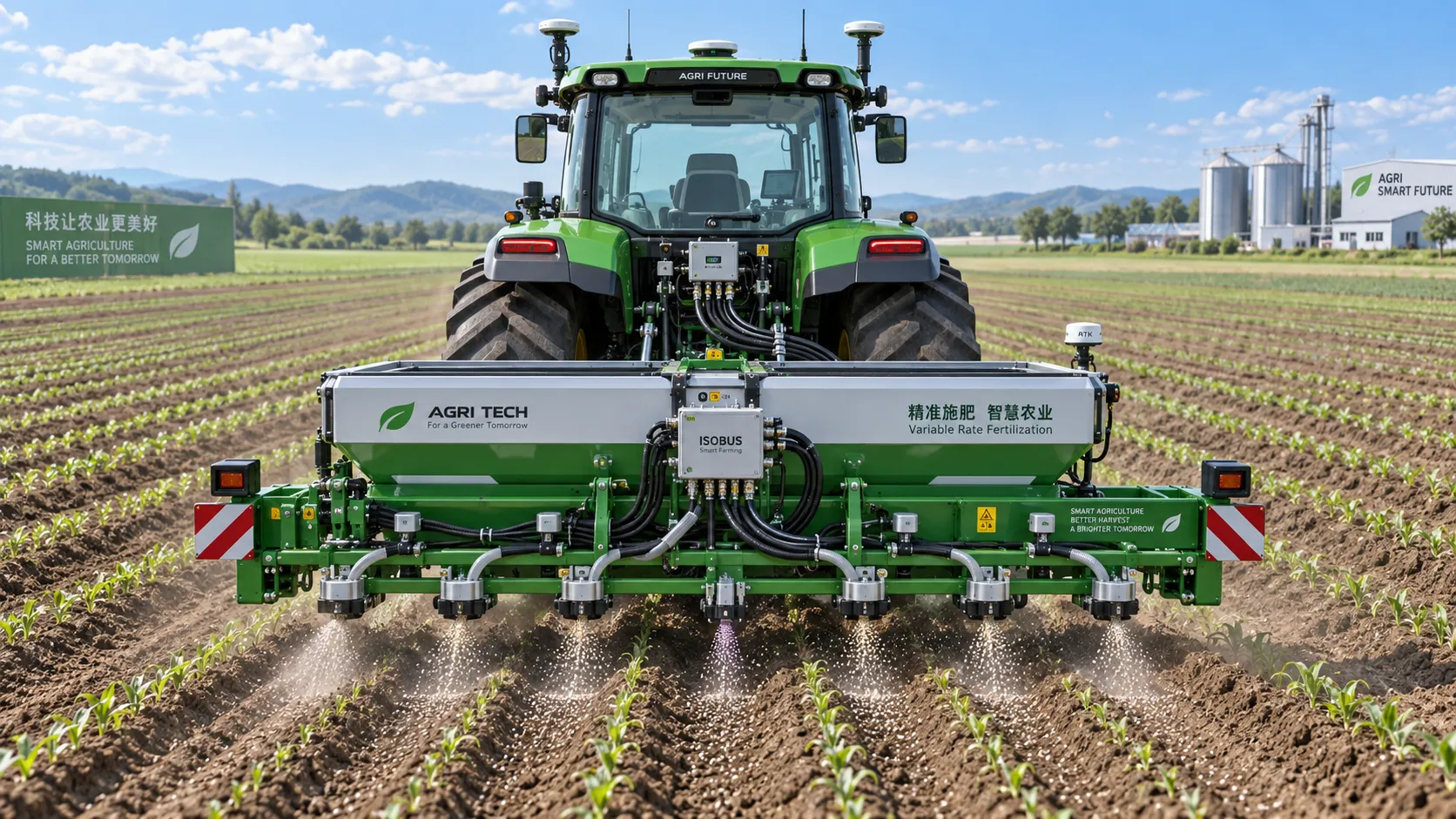
ISOBUS for Smart Agriculture: How It Connects Tractors, Implements, and Farm Data
ISOBUS for smart agriculture connects tractors, implements, terminals, and farm data—helping growers improve precision, documentation, and smarter field decisions.
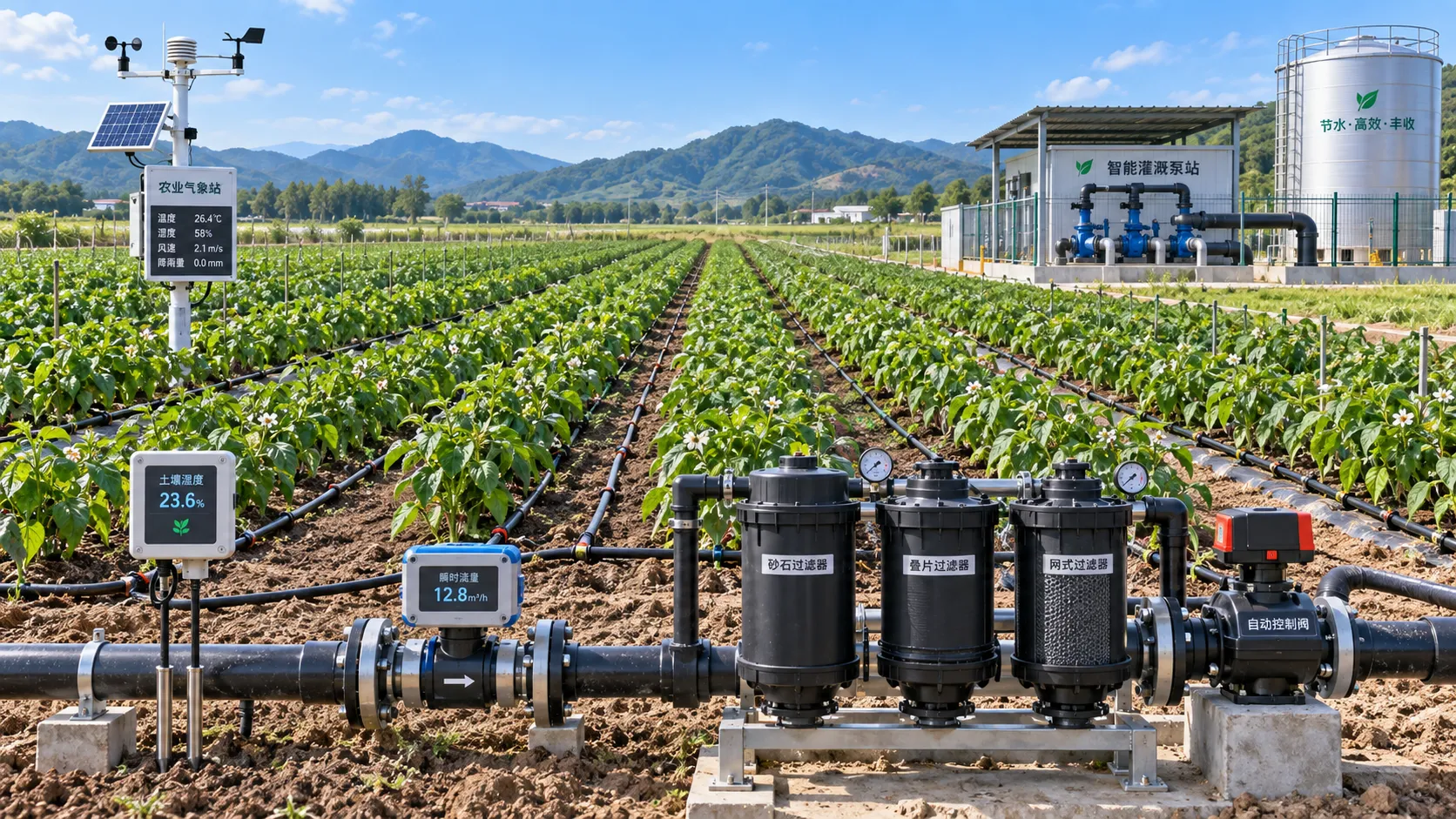
Automated Water-Saving Irrigation: How to Cut Water Use Without Reducing Crop Yields
Automated water-saving irrigation helps farms cut water use, protect crop yields, improve scheduling, and gain reliable control with sensors, flow monitoring, and smart zones.
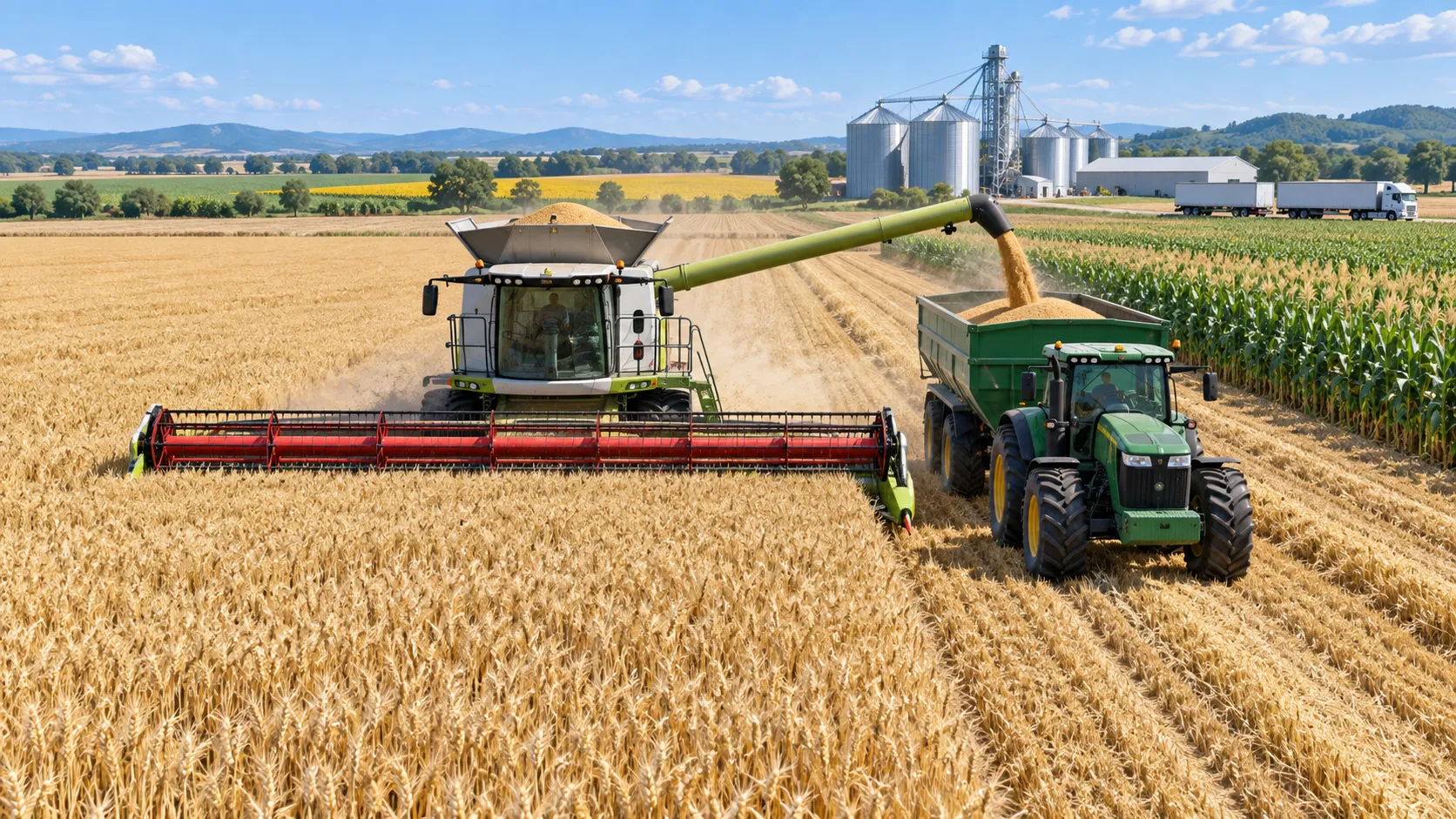
Selecting Grain Farm Equipment by Acreage, Crop Mix, and Harvest Window
Agricultural equipment selection for grain farming: match machinery to acreage, crop mix, and harvest windows to improve uptime, efficiency, and returns.
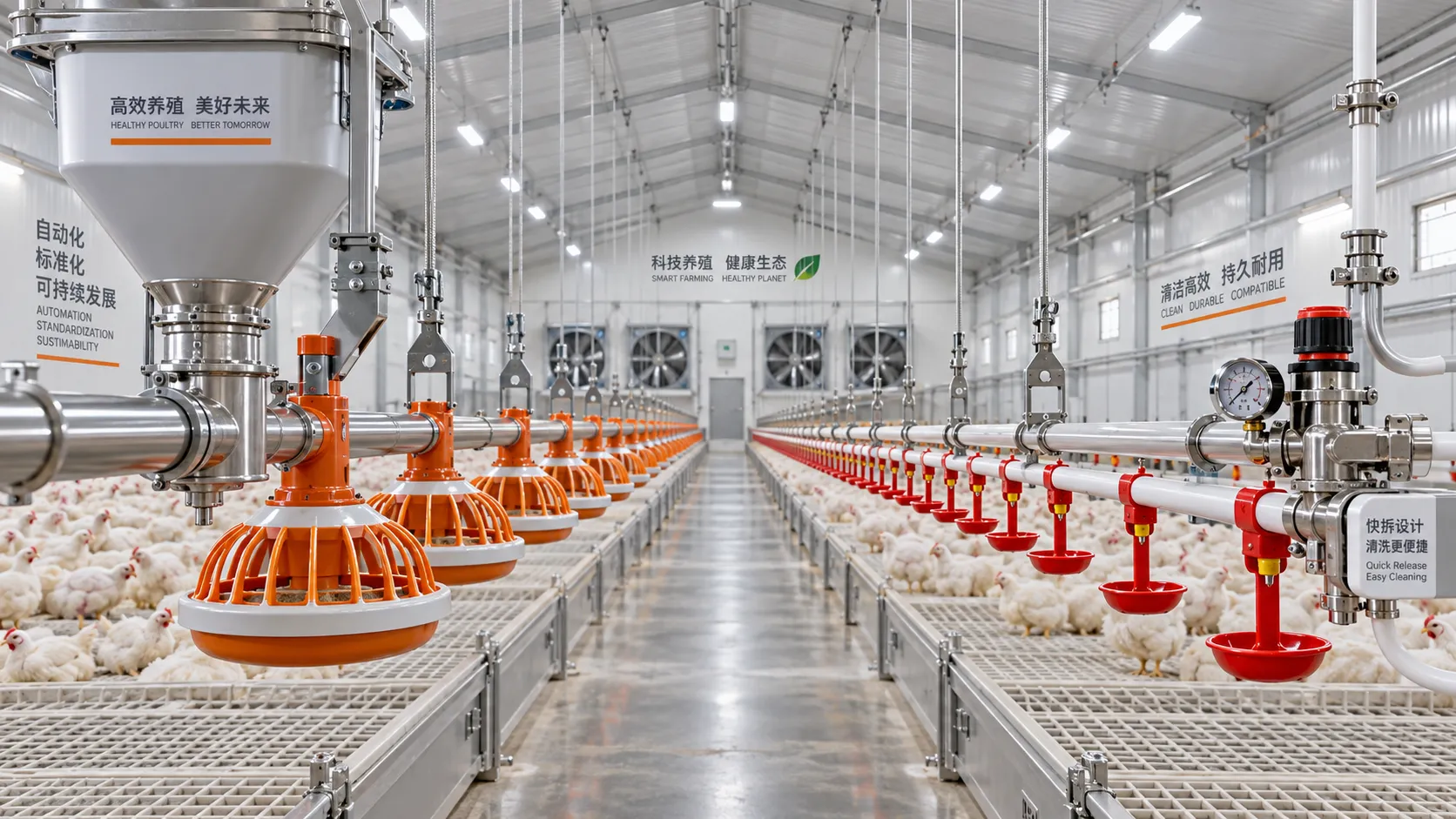
Poultry Equipment Selection: Evaluating Durability, Cleaning, and Compatibility
Poultry equipments selection guide: evaluate durability, cleaning access, and system compatibility to improve hygiene, reduce downtime, and support efficient flock management.
Related News
- 00
0000-00
GPS-Guided Farm Machinery: Where It Delivers Measurable Field Efficiency Gains - 00
0000-00
ISOBUS for Smart Agriculture: How It Connects Tractors, Implements, and Farm Data - 00
0000-00
How North American Farms Can Select Crop Monitoring Systems by Acreage and Connectivity - 00
0000-00
How Tractor Intelligence Systems Improve Field Efficiency and Input Accuracy - 00
0000-00
Which equipment for larger fields maintains accuracy at higher speeds?
Popular Tags
Tractor Power Architect
Weekly Insights
Stay ahead with our curated technology reports delivered every Monday.