
Vietnam Mandates CNAS Calibration for GPS Farm Equipment
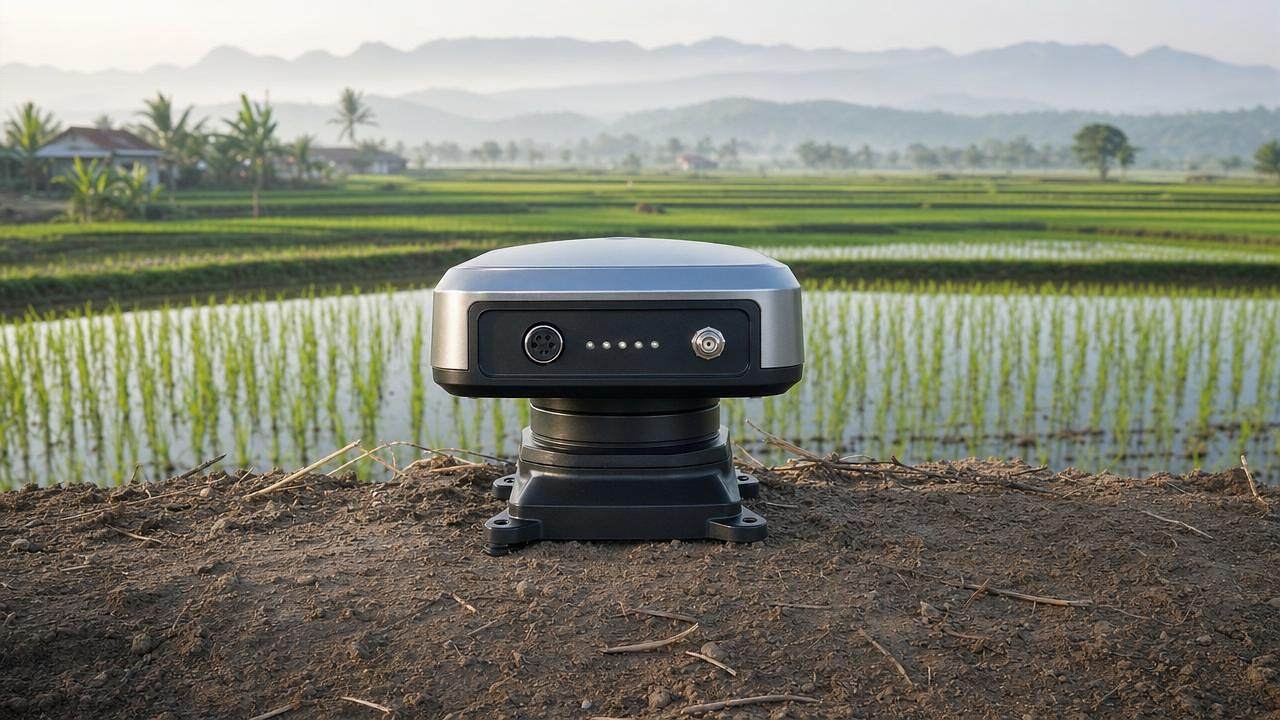




VIETNAM MANDATES CNAS CALIBRATION FOR GPS FARM EQUIPMENT
Vietnam’s Ministry of Industry and Trade (MOIT), in coordination with the Vietnam Academy of Metrology (VNAM), launched an urgent regulatory review on May 14, 2026, targeting imported agricultural GPS guidance systems. The measure directly affects China-based manufacturers, exporters, and logistics providers serving Vietnam’s precision agriculture market — elevating documentation requirements, extending customs clearance timelines, and introducing new technical validation dependencies.
Event Overview
On May 14, 2026, MOIT and VNAM jointly issued an emergency notice mandating that all import declarations for agricultural GPS Guidance Systems into Vietnam must be accompanied by a calibration report for GNSS receiver positioning accuracy and RTK stability, issued by a laboratory accredited by the China National Accreditation Service for Conformity Assessment (CNAS). This requirement applies to all shipments effective immediately and is enforceable at the point of customs clearance.
Industries Affected
Direct Trading Enterprises
Exporters and distributors handling GPS-enabled farm equipment (e.g., auto-steer kits, tractor-mounted guidance terminals) face immediate operational friction: previously accepted third-party or manufacturer-issued test reports no longer suffice. Delays now arise from sourcing, verifying, and submitting CNAS-accredited reports — each requiring lead time, cost, and coordination with Chinese labs. Non-compliant shipments risk rejection or extended inspection, impacting order fulfillment cycles and customer trust.
Raw Material Procurement Enterprises
Firms procuring core GNSS modules (e.g., u-blox, Trimble, or domestic SoCs) for integration into final guidance units are indirectly affected. While not subject to direct reporting obligations, their supply contracts may now require traceable calibration data upstream — especially if module-level performance forms the basis of system-level compliance. Procurement teams must reassess supplier documentation packages and assess whether module vendors maintain CNAS-aligned test records.
Manufacturing Enterprises
OEMs and contract manufacturers assembling GPS guidance hardware must now embed calibration verification into pre-shipment quality control. This adds process steps — including scheduling lab tests, managing sample logistics to CNAS-accredited facilities, and archiving calibration certificates per batch. For firms lacking internal metrology capability or established CNAS partnerships, this represents both a timeline and competency gap.
Supply Chain Service Providers
Cargo agents, customs brokers, and certification consultants supporting agri-tech exports must update their compliance checklists and client advisories. Brokers now need working knowledge of CNAS scope codes relevant to GNSS calibration (e.g., ISO/IEC 17025:2017, clause 7.8.2), while certification advisors must differentiate between general EMC/safety certifications and this newly mandated metrological validation. Service differentiation now hinges on technical fluency, not just procedural familiarity.
Key Focus Areas and Recommended Actions
Verify CNAS Lab Accreditation Scope
Not all CNAS-accredited labs cover GNSS receiver calibration — specifically positioning accuracy (static/dynamic) and RTK convergence stability under field-simulated conditions. Exporters must confirm the issuing lab’s accreditation scope explicitly includes “GNSS navigation receivers” and references relevant standards (e.g., ISO 17123-8 or VNAM QCVN 01:2022). Relying solely on a lab’s CNAS certificate number without scope validation risks document rejection.
Align Calibration Reports with Vietnamese Import Documentation
The calibration report must reference the exact model number, serial number (or batch ID), and firmware version declared on the commercial invoice and packing list. Discrepancies — even minor ones like firmware revision mismatches — have triggered customs queries. Best practice is to generate reports after final firmware flashing and physical unit assembly, not at component or prototype stage.
Factor in Lead Time and Cost Implications
CNAS calibration for GNSS receivers typically requires 7–12 working days and costs USD 300–800 per model variant. For exporters shipping multiple SKUs, this multiplies quickly. Companies should prioritize high-volume models for immediate calibration and explore consolidated testing protocols where technically permissible (e.g., representative sampling per product family, subject to VNAM acceptance).
Editorial Perspective / Industry Observation
Observably, this move reflects Vietnam’s broader shift toward metrological sovereignty in strategic agri-tech imports — not merely as a trade barrier, but as a step toward building local verification capacity. While framed as a quality safeguard, the timing coincides with Vietnam’s national digital agriculture roadmap (2025–2030), suggesting alignment with long-term interoperability and data integrity goals. Analysis shows that similar requirements may emerge for other sensor-integrated farm machinery (e.g., yield monitors, soil EC mappers) as VNAM expands its accredited testing capabilities. Current more relevant interpretation is that this is less about restricting Chinese exports and more about establishing baseline technical accountability in a rapidly scaling market.
Conclusion
This regulatory action signals Vietnam’s maturing approach to agricultural technology governance: moving beyond safety and labeling compliance toward performance-based, metrologically grounded assurance. For industry participants, it underscores that export readiness now demands deeper integration of measurement science into product development and supply chain planning — not just regulatory paperwork. A rational conclusion is that adaptability to such technical compliance layers will increasingly define competitive advantage in ASEAN agri-tech markets.
Source Attribution
Official notice issued jointly by the Ministry of Industry and Trade of Vietnam (MOIT) and the Vietnam Academy of Metrology (VNAM), dated May 14, 2026. Document reference: MOIT-VNAM/NOT/AGRI-GPS/2026/01. Note: VNAM’s official implementation guidelines, including acceptable calibration standards and lab recognition procedures, remain pending publication and are under active monitoring.
Related News
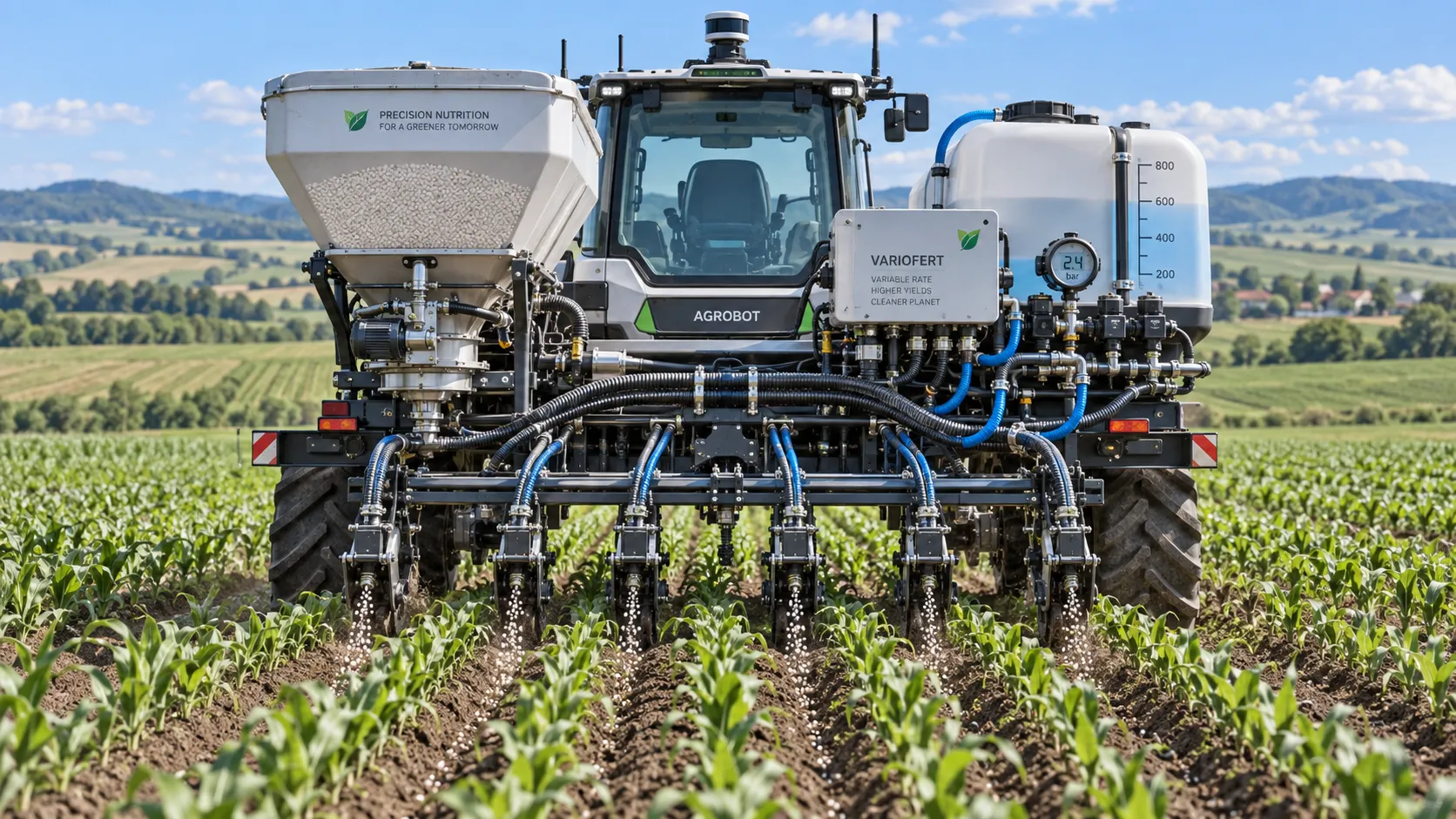
How Sensor Feedback Enables Accurate Variable-Rate Fertilization in Field Conditions
Precision fertilization systems with sensor feedback improve variable-rate accuracy by verifying flow, managing latency, and ensuring reliable field application.

How to Select Precision Crop Protection Equipment for Variable Field Conditions
Precision crop protection equipment selection made simple: compare terrain, canopy, weather, control accuracy, and data workflows for reliable applications.

When Does Agricultural Machinery Leasing Cost Less Than Owning Equipment?
Agricultural machinery leasing can lower farm costs when use is seasonal or uncertain. Compare utilization, maintenance, cash flow, and risk to make a smarter equipment decision.

How to Evaluate Precision Fertilization System Suppliers for Farm-Scale Deployment
Precision fertilization systems suppliers: learn how to compare accuracy, integration, uptime, service, and total cost for confident farm-scale deployment.
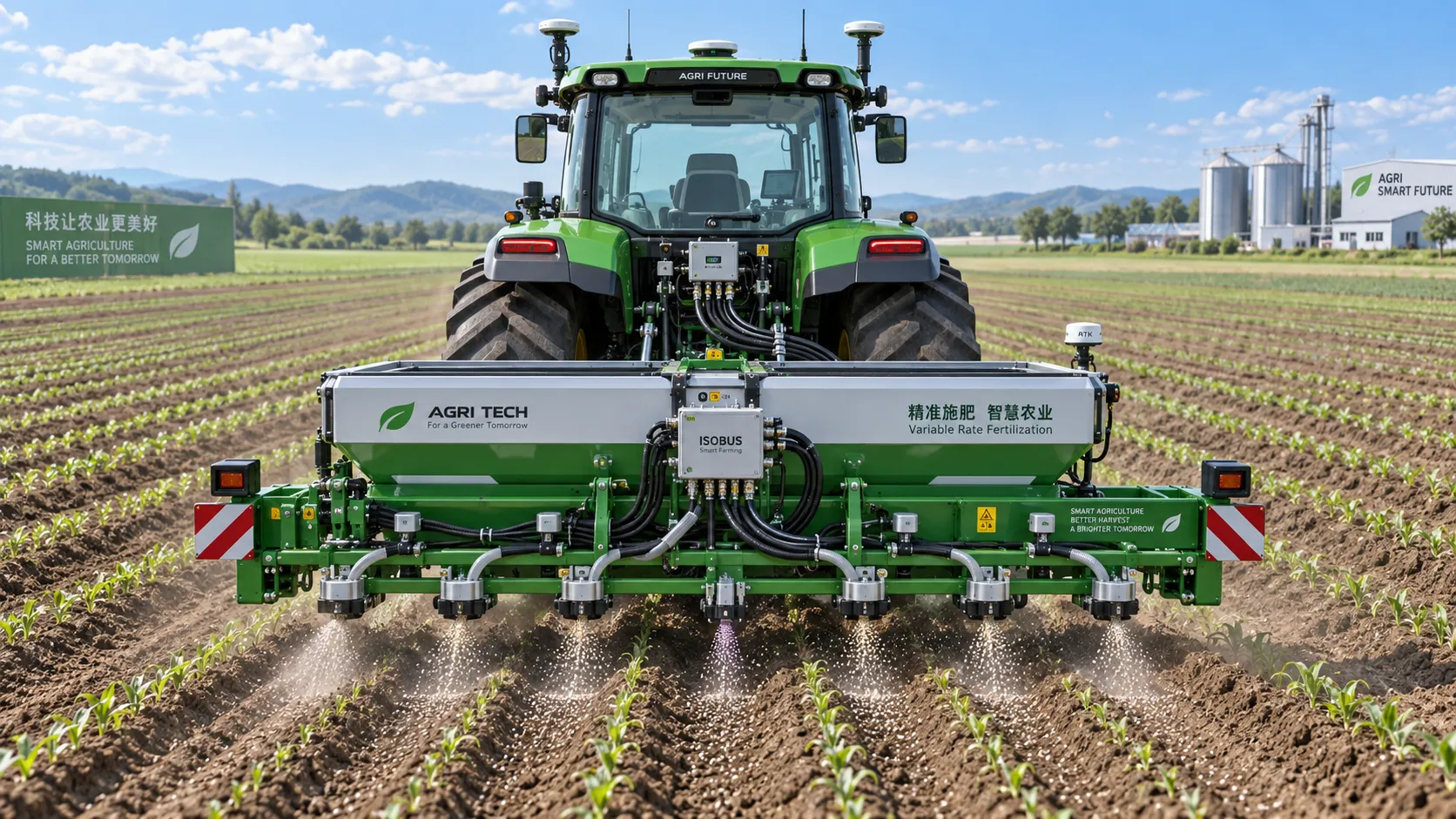
ISOBUS for Smart Agriculture: How It Connects Tractors, Implements, and Farm Data
ISOBUS for smart agriculture connects tractors, implements, terminals, and farm data—helping growers improve precision, documentation, and smarter field decisions.

Automated Water-Saving Irrigation: How to Cut Water Use Without Reducing Crop Yields
Automated water-saving irrigation helps farms cut water use, protect crop yields, improve scheduling, and gain reliable control with sensors, flow monitoring, and smart zones.

Selecting Grain Farm Equipment by Acreage, Crop Mix, and Harvest Window
Agricultural equipment selection for grain farming: match machinery to acreage, crop mix, and harvest windows to improve uptime, efficiency, and returns.

Poultry Equipment Selection: Evaluating Durability, Cleaning, and Compatibility
Poultry equipments selection guide: evaluate durability, cleaning access, and system compatibility to improve hygiene, reduce downtime, and support efficient flock management.
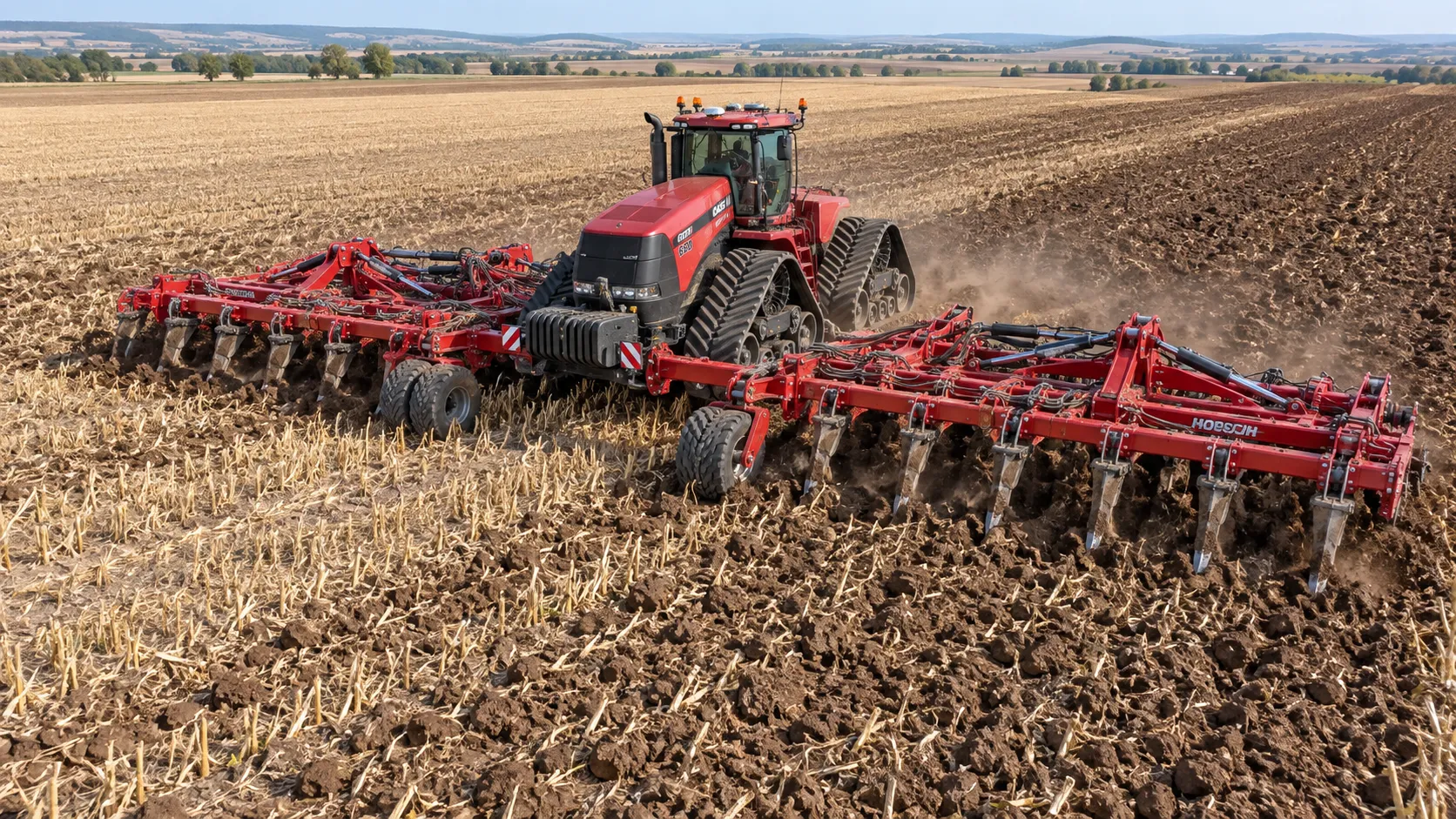
How to Select Heavy-Duty Farm Implements for High-Acreage, High-Horsepower Operations
Heavy duty farm implements: learn how to match draft, hydraulics, hitch capacity, frame strength, and field conditions for reliable high-acreage performance.
Related News
- 00
0000-00
ISOBUS for Smart Agriculture: How It Connects Tractors, Implements, and Farm Data - 00
0000-00
How North American Farms Can Select Crop Monitoring Systems by Acreage and Connectivity - 00
0000-00
How Tractor Intelligence Systems Improve Field Efficiency and Input Accuracy - 00
0000-00
Which equipment for larger fields maintains accuracy at higher speeds? - 00
0000-00
What should a digital ag platform integrate before a farm-wide rollout?
Popular Tags
Tractor Power Architect
Weekly Insights
Stay ahead with our curated technology reports delivered every Monday.