
Vietnam Enforces CNAS Calibration Reports for Imported Agricultural GPS Guidance Systems
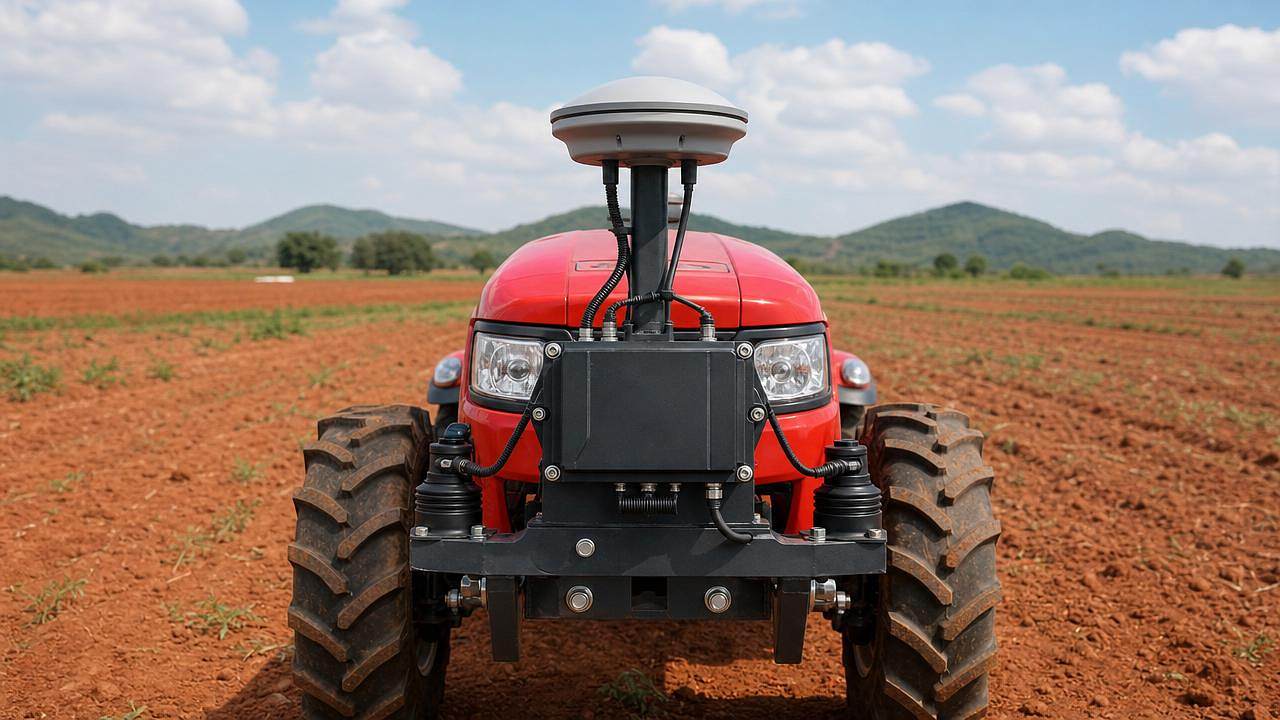




Vietnam’s National Institute of Metrology (STAMEQ) launched a targeted compliance review for imported agricultural GPS guidance systems on May 15, 2026. This measure directly affects manufacturers, exporters, and logistics providers supplying GNSS-based precision farming equipment to the Vietnamese market — particularly those operating in China, Southeast Asia, and other key export corridors. The requirement signals a tightening of metrological oversight at the border, with tangible implications for supply chain timing, documentation workflows, and product conformity assessment.
Event Overview
Effective May 15, 2026, STAMEQ requires all import batches of agricultural GPS guidance systems entering Vietnam to be accompanied by calibration reports issued by laboratories accredited by China’s National Accreditation Service for Conformity Assessment (CNAS). These reports must specifically cover GNSS receiver positioning accuracy, RTK stability, and vibration resistance. Shipments lacking valid CNAS-issued reports will be rejected under Article 22 of Vietnam’s Law on Metrology and subject to return; average port dwell time for non-compliant consignments is reported to extend to 21 working days.
Industries Affected
Direct Exporters & Trading Companies
Exporters of agricultural GPS guidance systems from China — especially those without prior experience submitting metrological calibration documentation to Vietnamese customs — face immediate clearance delays. The impact manifests as extended lead times, increased demurrage costs, and potential contractual penalties due to unmet delivery windows.
Manufacturers & OEMs
Manufacturers integrating GNSS receivers into tractors, auto-steer kits, or variable-rate application systems must now ensure their component-level calibration data meets STAMEQ’s specified parameters. In-house testing or non-CNAS-certified third-party reports are insufficient; retrofitting existing products with compliant calibration documentation may require retesting and re-reporting.
Supply Chain & Logistics Service Providers
Freight forwarders and customs brokers handling agri-tech shipments to Vietnam must now verify calibration report validity *before* filing import declarations. Absence of pre-clearance document checks increases risk of detention, rework, and client escalation — particularly for consolidated or multi-shipment consignments where one non-compliant unit can delay an entire container.
Key Points for Enterprises and Practitioners
Verify current CNAS accreditation status of calibration labs
Confirm that the issuing laboratory remains listed on the official CNAS website (www.cnas.org.cn) and that its scope of accreditation explicitly includes GNSS receiver positioning accuracy, RTK stability, and mechanical vibration testing — not just generic electrical or dimensional metrology.
Map calibration requirements to specific product SKUs and shipment lots
STAMEQ’s review applies per import batch, not per model family. Enterprises should align calibration reports with individual shipment identifiers (e.g., packing list numbers, BL numbers), ensuring traceability between hardware units and corresponding test data.
Review and update internal documentation handover protocols
Integrate mandatory calibration reporting into standard export checklists. Assign responsibility for report validation to a designated compliance officer — not solely to sales or logistics teams — to prevent oversights during high-volume shipment periods.
Monitor STAMEQ’s official communications for scope clarifications
As of May 2026, STAMEQ has not published a formal list of excluded or grandfathered models. Enterprises should track updates via STAMEQ’s public notices and Vietnam’s General Department of Vietnam Customs portal for any future exemptions, transitional arrangements, or expanded parameter definitions.
Editorial Perspective / Industry Observation
Observably, this initiative reflects a broader trend among ASEAN economies toward enforcing metrological traceability for smart agriculture inputs — moving beyond safety and EMC compliance into performance verification. Analysis shows it functions less as an isolated regulatory action and more as an early signal of Vietnam’s intent to strengthen technical barriers aligned with national digital agriculture strategy goals. From an industry perspective, the requirement is currently operational — not merely consultative — but its long-term enforcement consistency (e.g., audit frequency, sampling rates, appeal mechanisms) remains subject to observation over the coming quarters.
Concluding, this measure underscores that metrological documentation is now a de facto trade prerequisite for precision agri-tech entering Vietnam — not a secondary certification. It is more appropriately understood as a procedural checkpoint with immediate operational consequences, rather than a strategic policy shift still under development.
Source: Official notice issued by Vietnam’s National Institute of Metrology (STAMEQ), effective May 15, 2026. Scope and enforcement details confirmed through STAMEQ’s publicly accessible guidance documents and Vietnam’s Law on Metrology (No. 04/2011/QH13, as amended).
Note: Ongoing implementation practices — including inspection sampling methodology, recognition of equivalent accreditations (e.g., A2LA, UKAS), and potential future alignment with ASEAN Mutual Recognition Arrangement (MRA) frameworks — remain under observation and are not yet confirmed.
Related News
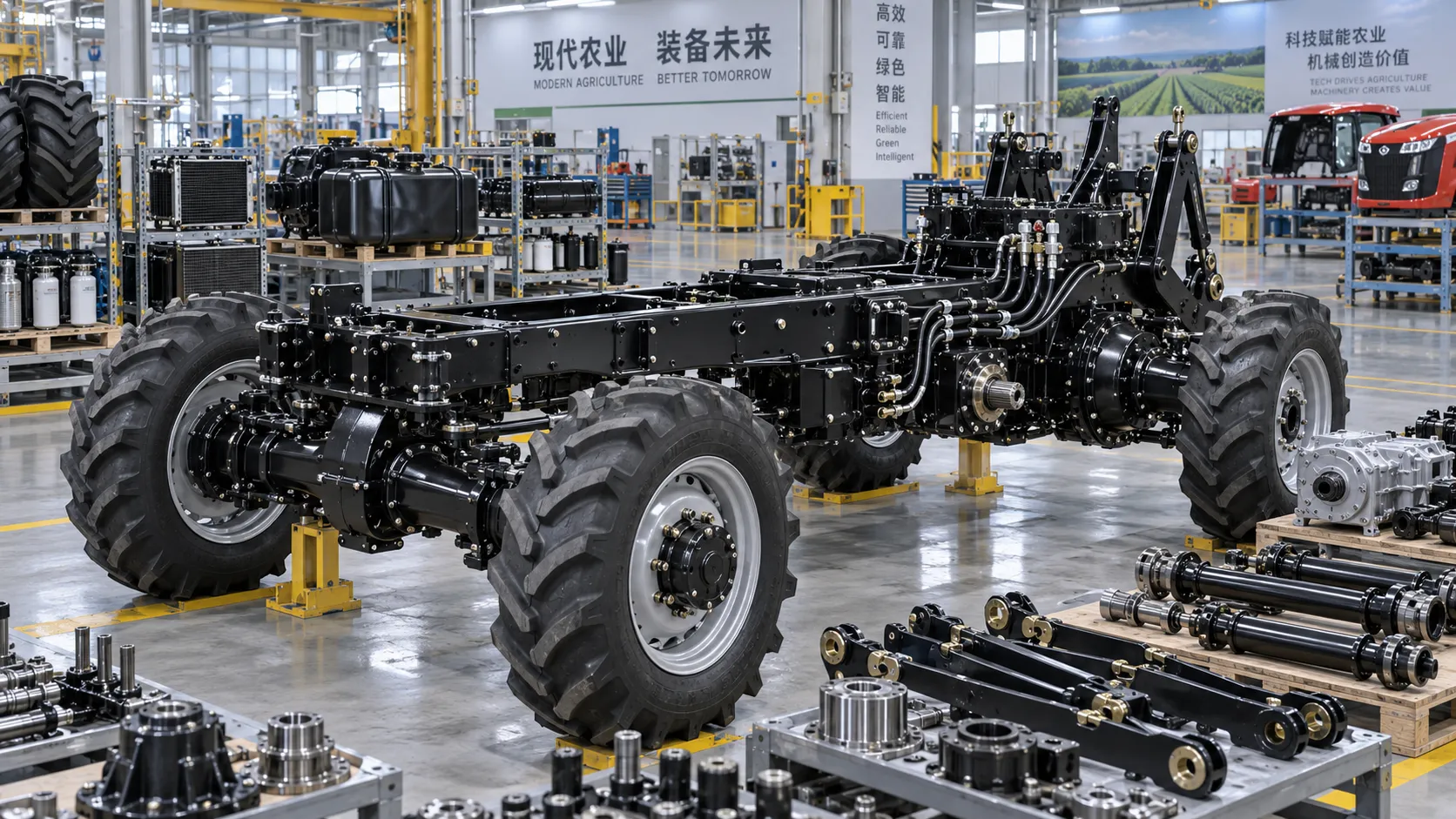
Tractor Chassis Price: What Buyers Should Compare Beyond the Initial Quote
Tractor chassis price is only the start. Compare load capacity, compatibility, durability, and lifecycle costs to choose a reliable, high-value chassis.
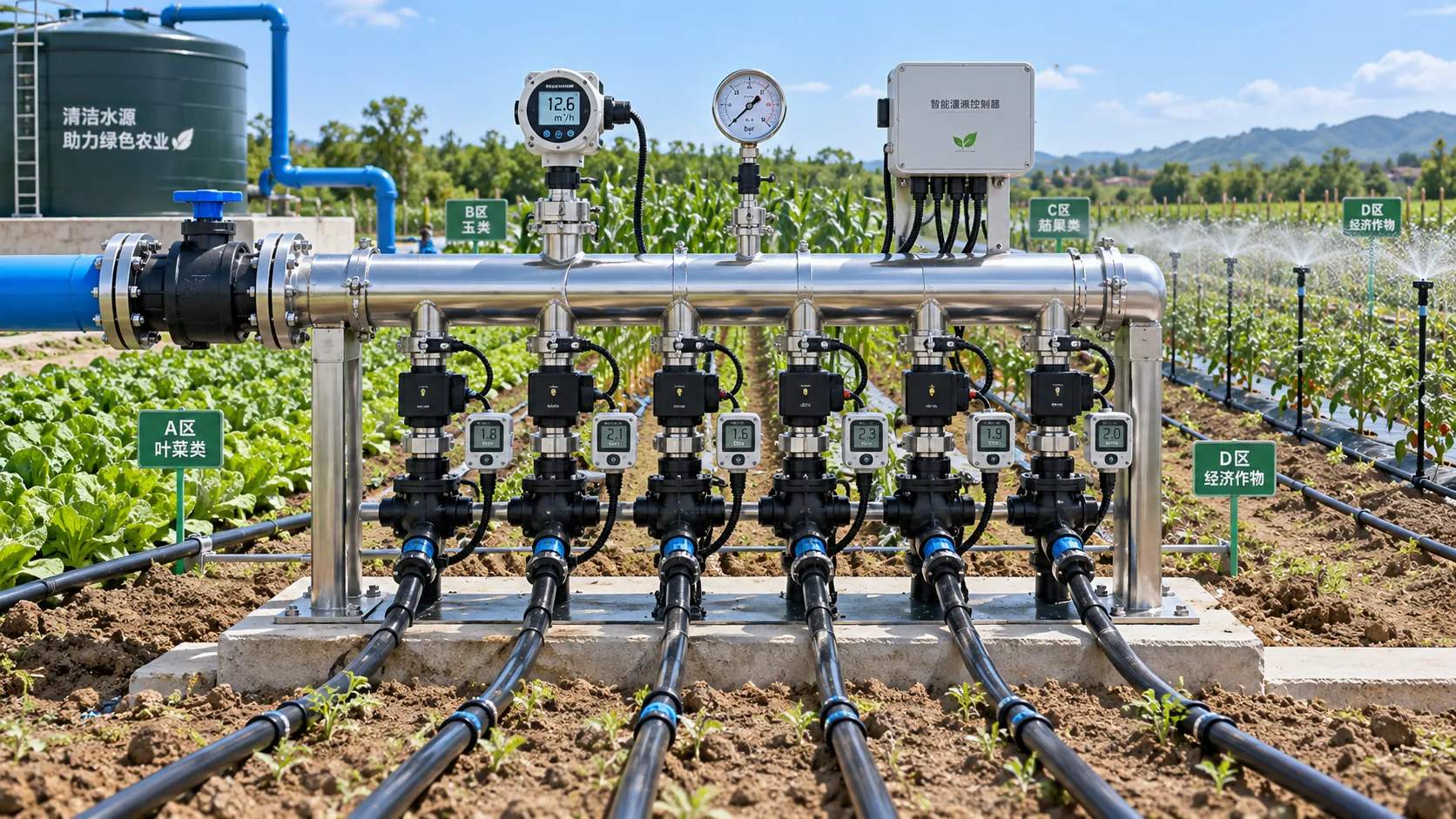
How to Select Smart Irrigation Valves for Multi-Zone Water Management?
Intelligent irrigation systems valves: learn how to match smart valves with multi-zone flow, pressure, control, feedback, and communication needs for reliable water management.
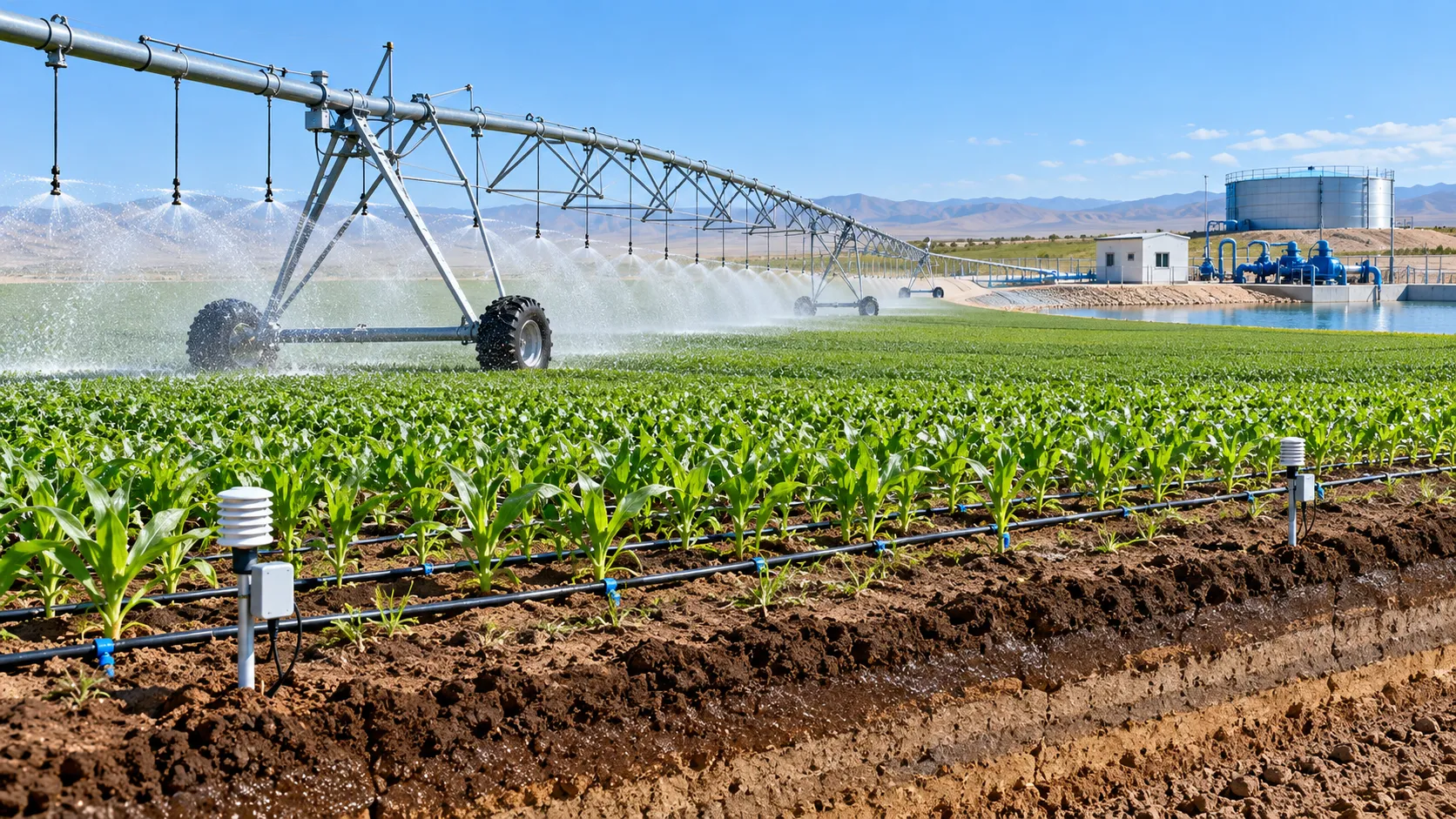
Climate-Smart Farming for Drought: A Practical Plan for Protecting Yields
Climate-smart farming for drought: build smarter water budgets, protect critical crop stages, improve irrigation uniformity, and safeguard yields with practical field-proven strategies.
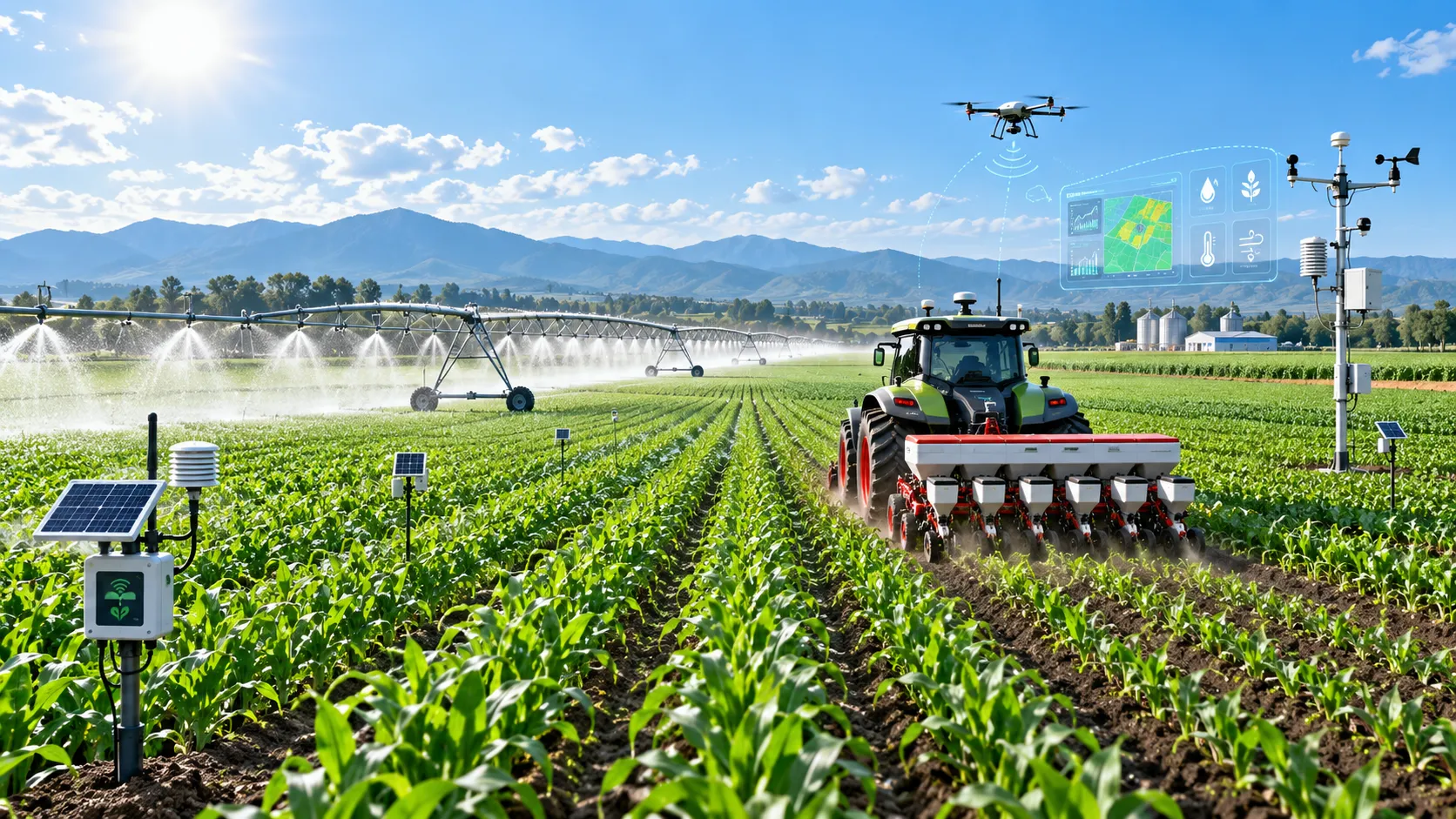
How Digital Agriculture Platforms Turn Field Data Into Better Input Decisions
Digital agriculture platforms turn field data into smarter fertilizer, water, seed, and equipment decisions—helping farms cut risk, improve margins, and scale sustainability.
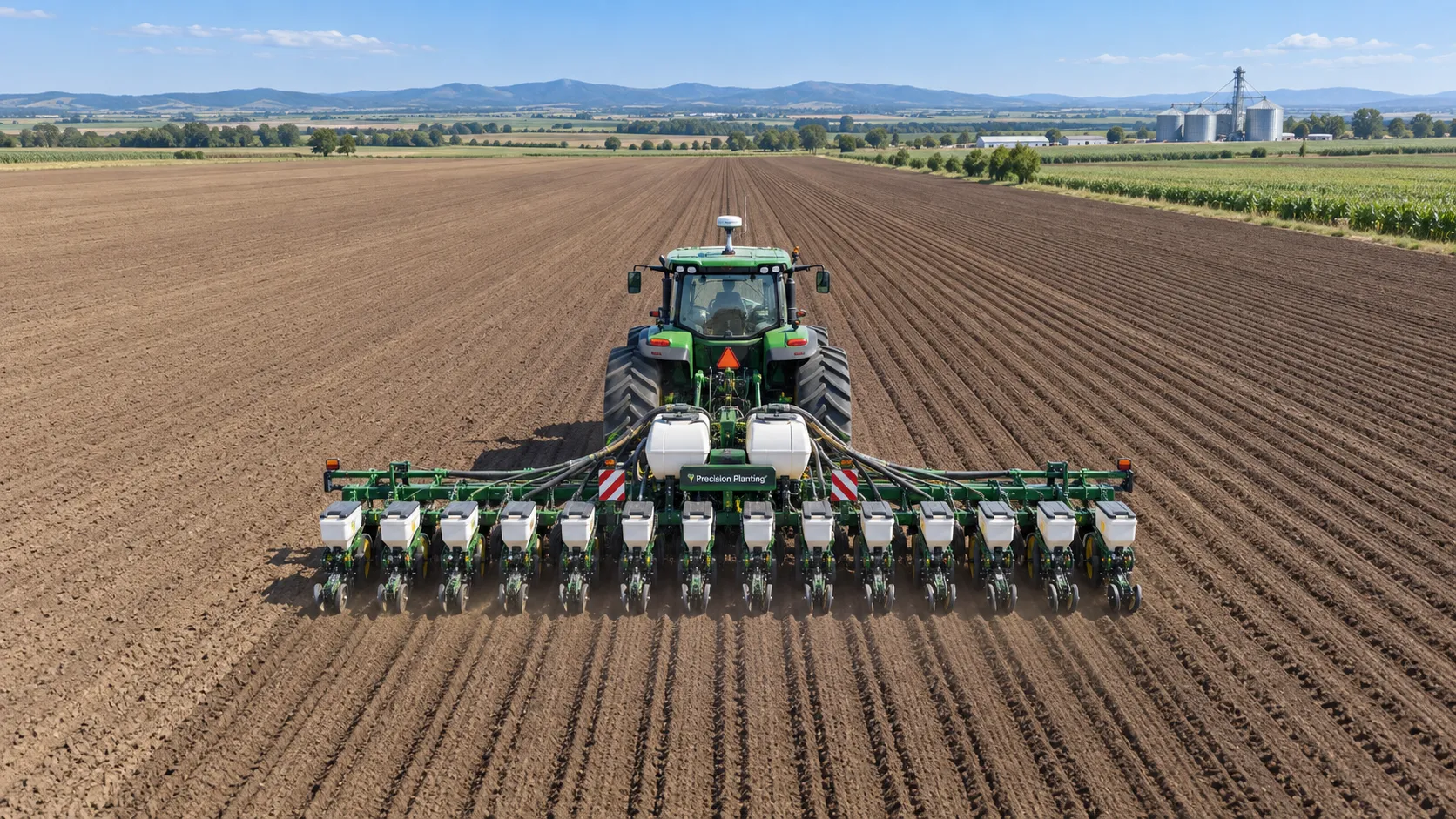
GPS-Guided Farm Machinery: Where It Delivers Measurable Field Efficiency Gains
Agri-mechanization GPS guided systems deliver measurable field efficiency gains through reduced overlap, precise planting, smarter inputs, and reliable farm data.
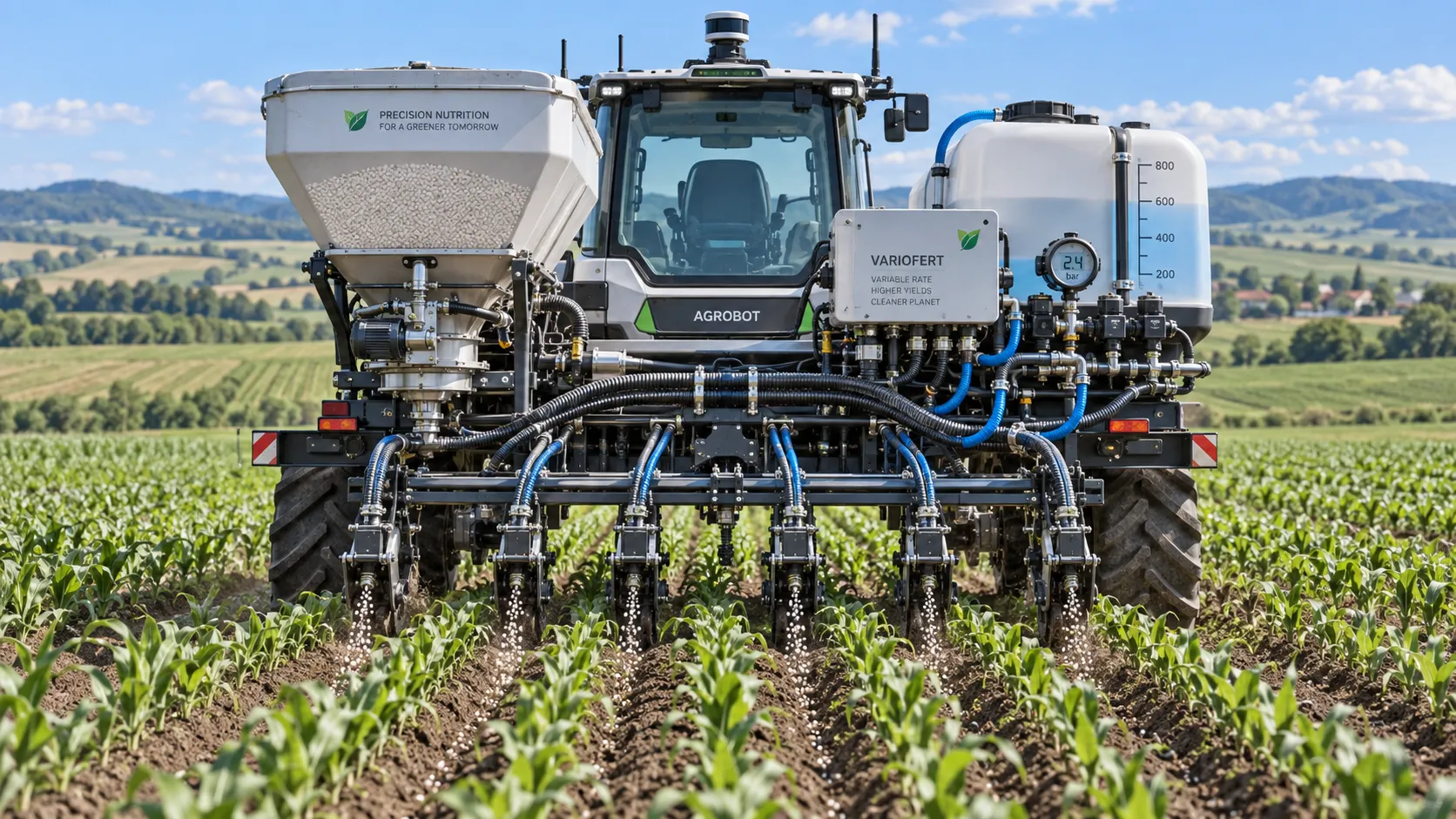
How Sensor Feedback Enables Accurate Variable-Rate Fertilization in Field Conditions
Precision fertilization systems with sensor feedback improve variable-rate accuracy by verifying flow, managing latency, and ensuring reliable field application.
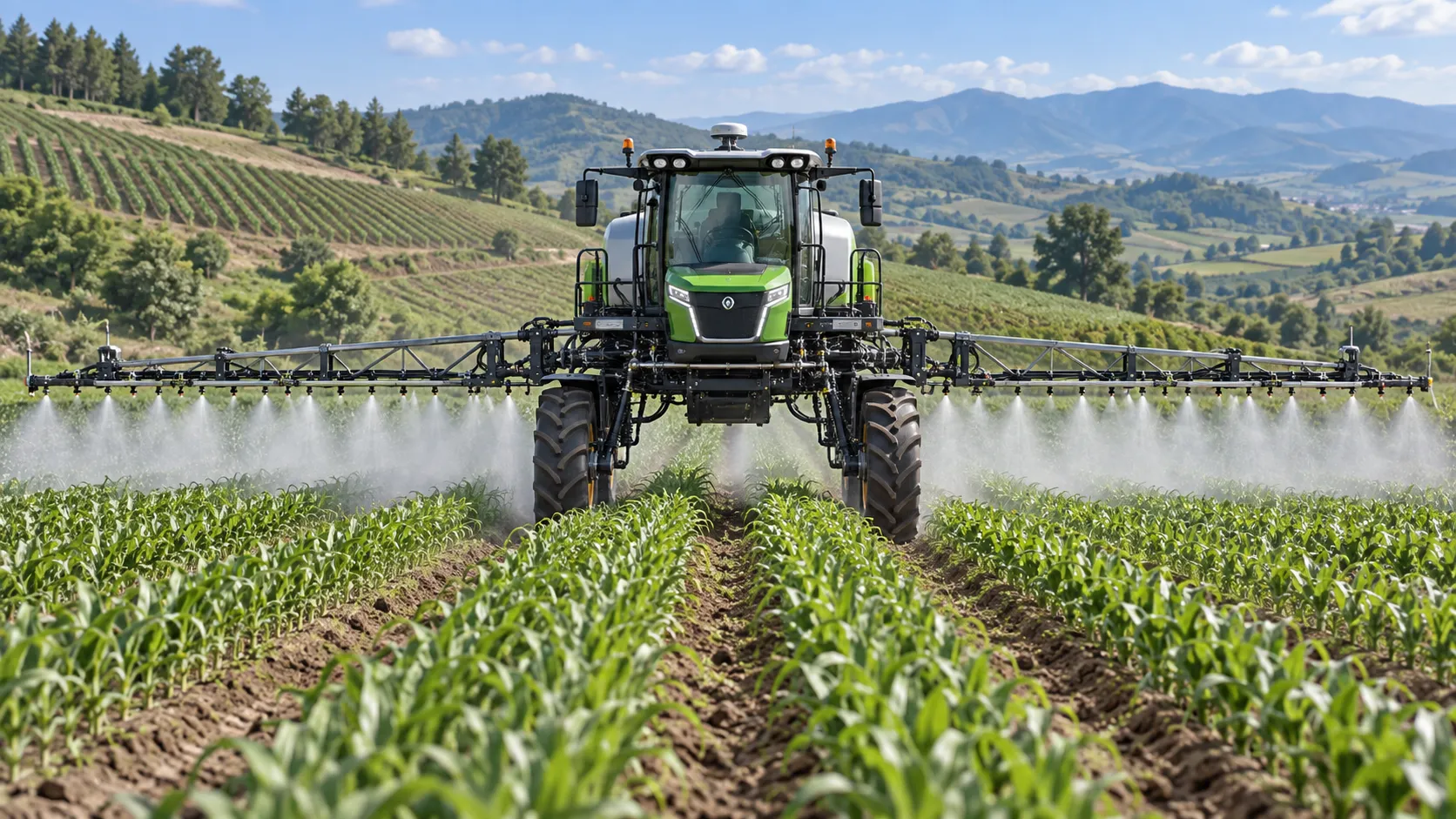
How to Select Precision Crop Protection Equipment for Variable Field Conditions
Precision crop protection equipment selection made simple: compare terrain, canopy, weather, control accuracy, and data workflows for reliable applications.

When Does Agricultural Machinery Leasing Cost Less Than Owning Equipment?
Agricultural machinery leasing can lower farm costs when use is seasonal or uncertain. Compare utilization, maintenance, cash flow, and risk to make a smarter equipment decision.
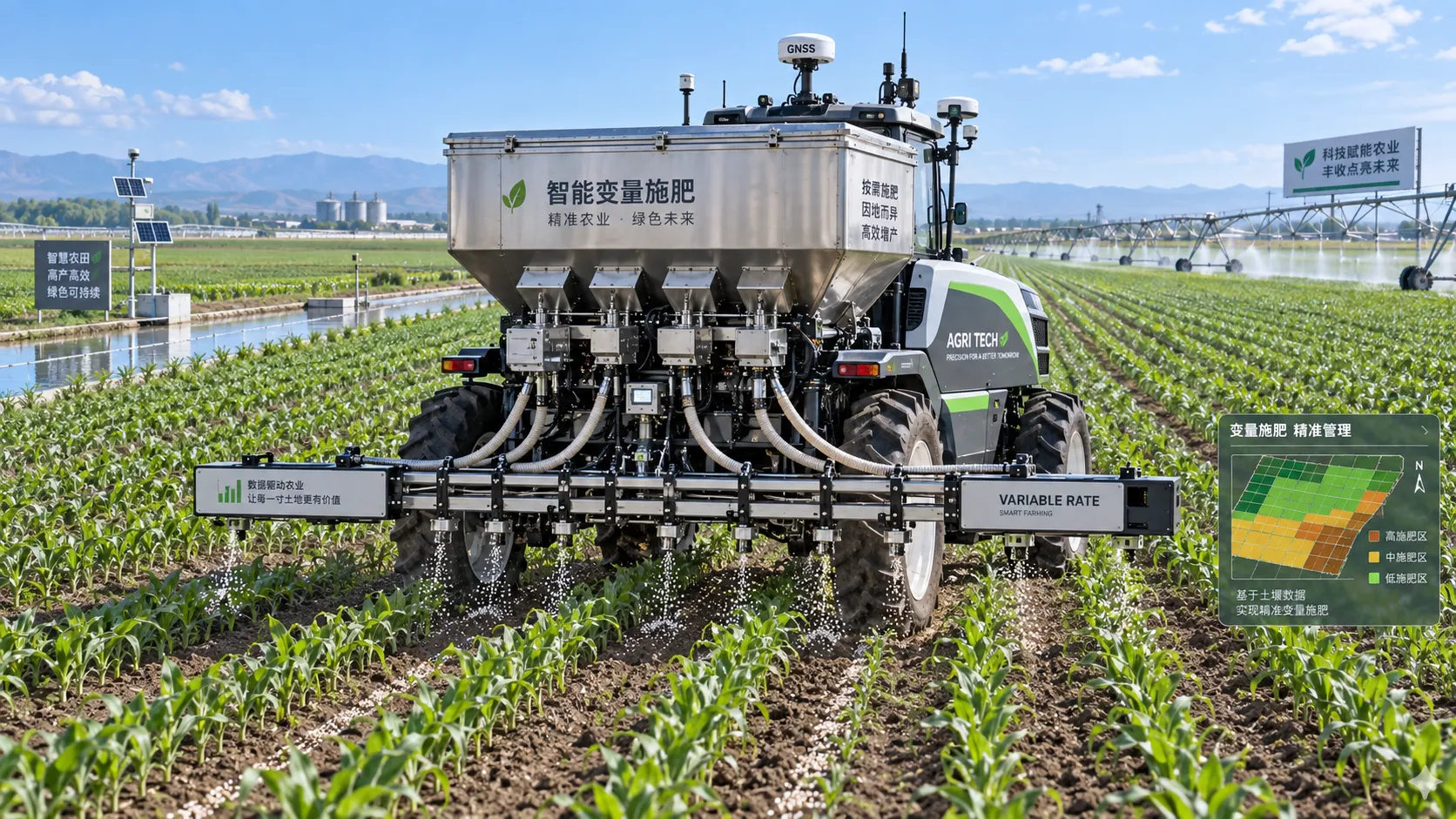
How to Evaluate Precision Fertilization System Suppliers for Farm-Scale Deployment
Precision fertilization systems suppliers: learn how to compare accuracy, integration, uptime, service, and total cost for confident farm-scale deployment.
Related News
- 00
0000-00
GPS-Guided Farm Machinery: Where It Delivers Measurable Field Efficiency Gains - 00
0000-00
ISOBUS for Smart Agriculture: How It Connects Tractors, Implements, and Farm Data - 00
0000-00
How North American Farms Can Select Crop Monitoring Systems by Acreage and Connectivity - 00
0000-00
How Tractor Intelligence Systems Improve Field Efficiency and Input Accuracy - 00
0000-00
Which equipment for larger fields maintains accuracy at higher speeds?
Popular Tags
Tractor Power Architect
Weekly Insights
Stay ahead with our curated technology reports delivered every Monday.