
First General-Purpose Optical Quantum Chip for Agriculture Unveiled
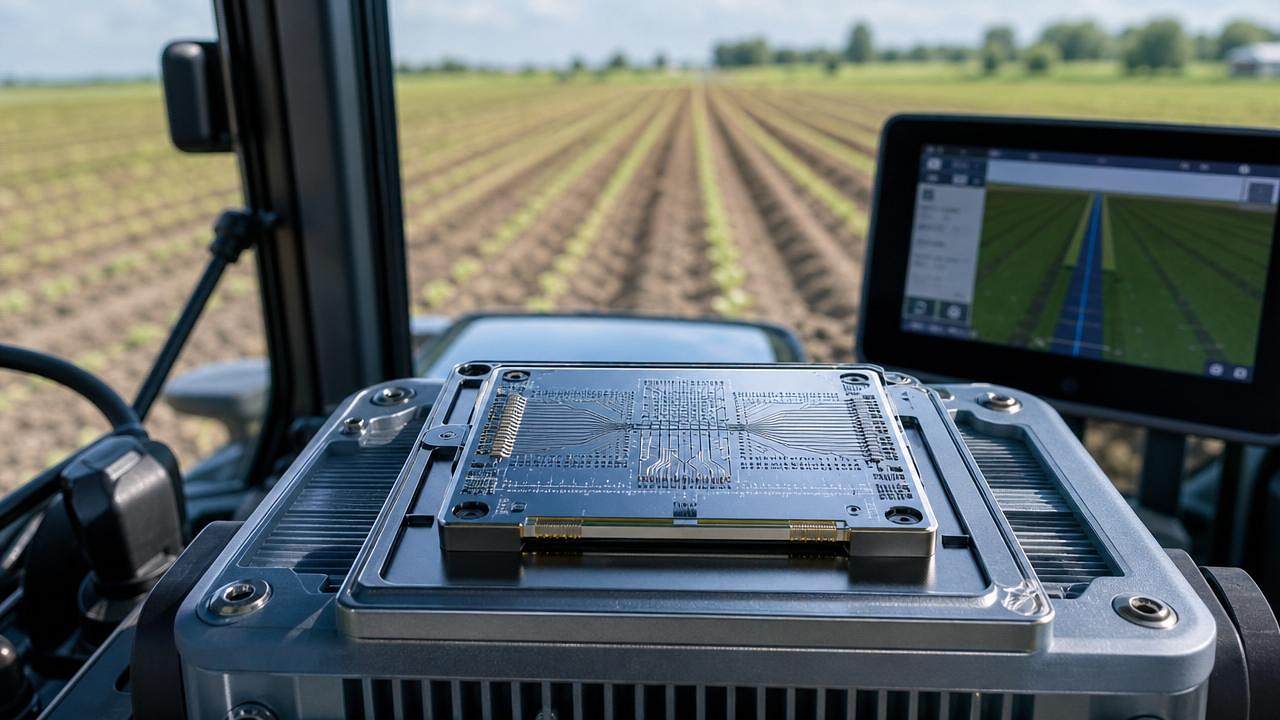




On May 10, 2026, the University of Science and Technology of China (USTC) and the CAS Key Laboratory of Quantum Information jointly launched the world’s first general-purpose optical quantum chip designed specifically for agricultural applications—AgriQ-1. Its sub-2ms positioning computation latency and fivefold improvement in multipath interference resilience enable direct integration into high-end GPS Guidance Systems, supporting centimeter-level real-time heading correction. This milestone signals a tangible inflection point in quantum technology commercialization—and introduces immediate technical, strategic, and supply-chain implications for precision agriculture hardware providers globally.
Event Overview
On May 10, 2026, USTC and the CAS Key Laboratory of Quantum Information announced the release of AgriQ-1—the first self-developed general-purpose optical quantum chip tailored for agricultural use cases. Verified specifications include positioning solution latency under 2 milliseconds and multipath interference resistance improved by 5× relative to current classical GNSS processing units. The chip is engineered for seamless integration into existing GPS Guidance Systems without requiring full system redesign.
Industries Affected
Direct Trade Enterprises
Export-oriented manufacturers and distributors of high-precision GNSS guidance systems face immediate competitive recalibration. AgriQ-1 lowers the technical barrier to achieving centimeter-level navigation performance—previously reliant on proprietary RTK/PPP firmware stacks or multi-sensor fusion architectures. As Chinese OEMs begin embedding AgriQ-1 into turnkey guidance modules, international trade enterprises may see narrowing price premiums for comparable accuracy tiers, particularly in emerging markets where cost sensitivity remains high.
Raw Material Procurement Enterprises
Firms sourcing photonic integrated circuit (PIC) substrates, low-noise optical detectors, and cryo-compatible packaging components must reassess long-term demand signals. Unlike superconducting or trapped-ion platforms, AgriQ-1 relies on room-temperature-compatible silicon photonics and hybrid III–V integration—shifting procurement emphasis toward foundry-accessible materials (e.g., SiN-on-SOI wafers, InP-based modulators) rather than ultra-low-temperature infrastructure. Procurement strategies tied to legacy quantum hardware roadmaps may now require revision.
Manufacturing Enterprises
Original Equipment Manufacturers (OEMs) producing GPS Guidance Systems—especially those integrating third-party GNSS SoCs—must evaluate AgriQ-1’s interface compatibility, thermal footprint, and firmware update pathways. Because AgriQ-1 is designed as a drop-in replacement for classical baseband processors, manufacturing lines may avoid full retooling but will need validation protocols for quantum-enhanced signal integrity under field conditions (e.g., canopy-induced signal attenuation, vibration-induced optical misalignment).
Supply Chain Service Providers
Logistics integrators, calibration-as-a-service vendors, and firmware certification bodies face evolving scope requirements. AgriQ-1’s real-time latency advantage necessitates tighter synchronization between GNSS antenna reception, quantum-accelerated correlation, and actuator command issuance—introducing new timing-critical checkpoints in end-to-end system validation. Certification frameworks (e.g., ISO 11783-12 for ISOBUS guidance modules) currently lack provisions for quantum-accelerated signal processing; service providers must anticipate regulatory harmonization timelines.
Key Considerations and Recommended Actions
Evaluate Interface Readiness and Firmware Integration Pathways
Manufacturers should audit whether their current GNSS receiver architecture supports PCIe Gen4 or high-speed LVDS interfaces compatible with AgriQ-1’s I/O specifications. Delaying interface assessment risks extended time-to-market for next-generation guidance modules—particularly where backward compatibility with legacy CAN-based control buses remains mandatory.
Reassess Technical Differentiation Strategies
With centimeter-level real-time correction becoming more accessible via quantum acceleration, firms previously relying on proprietary algorithmic IP for positioning robustness must pivot toward higher-layer value: e.g., adaptive path planning under variable soil impedance, or AI-driven yield-response modeling fed by quantum-enhanced sensor fusion. AgriQ-1 does not eliminate algorithmic differentiation—it compresses its latency floor.
Monitor Export Control Developments and Dual-Use Classification
Although AgriQ-1 targets agricultural use, its underlying optical quantum processing capability falls within emerging dual-use categories under multilateral export control regimes (e.g., Wassenaar Arrangement Annex I updates expected late 2026). Companies engaged in cross-border sales should initiate EAR99 classification reviews and prepare for potential licensing requirements in key jurisdictions—including the EU and ASEAN member states.
Editorial Perspective / Industry Observation
Observably, AgriQ-1 marks less a ‘quantum leap’ in standalone capability and more a deliberate convergence strategy: leveraging mature photonic fabrication infrastructure to deliver quantum advantages where classical bottlenecks are most acute—in real-time GNSS correlation under dynamic interference. Analysis shows this approach sidesteps near-term scalability constraints of other quantum modalities while delivering measurable, field-deployable gains. From an industry perspective, the significance lies not in quantum supremacy claims, but in the normalization of quantum co-processors as embedded subsystems—not exotic lab instruments. Current more relevant framing is ‘quantum acceleration at the edge,’ not ‘quantum computing for farming.’
Conclusion
The launch of AgriQ-1 confirms that quantum technologies are transitioning from theoretical promise to targeted, sector-specific utility. For precision agriculture hardware ecosystems, this represents both a catalyst for performance uplift and a pressure point for strategic repositioning. A rational conclusion is that competitive advantage will increasingly derive not from owning quantum hardware, but from orchestrating it effectively within broader agronomic decision loops—where data fidelity, system reliability, and domain-aware integration matter more than raw qubit count.
Source Attribution
Official announcement issued by the University of Science and Technology of China and the CAS Key Laboratory of Quantum Information on May 10, 2026. Technical specifications confirmed via joint white paper ‘AgriQ-1: Architecture and Field Validation Summary’ (v1.2, May 2026). Regulatory classification status under multilateral export control regimes remains pending formal review; updates expected from the Wassenaar Arrangement Plenary in December 2026.
Related News
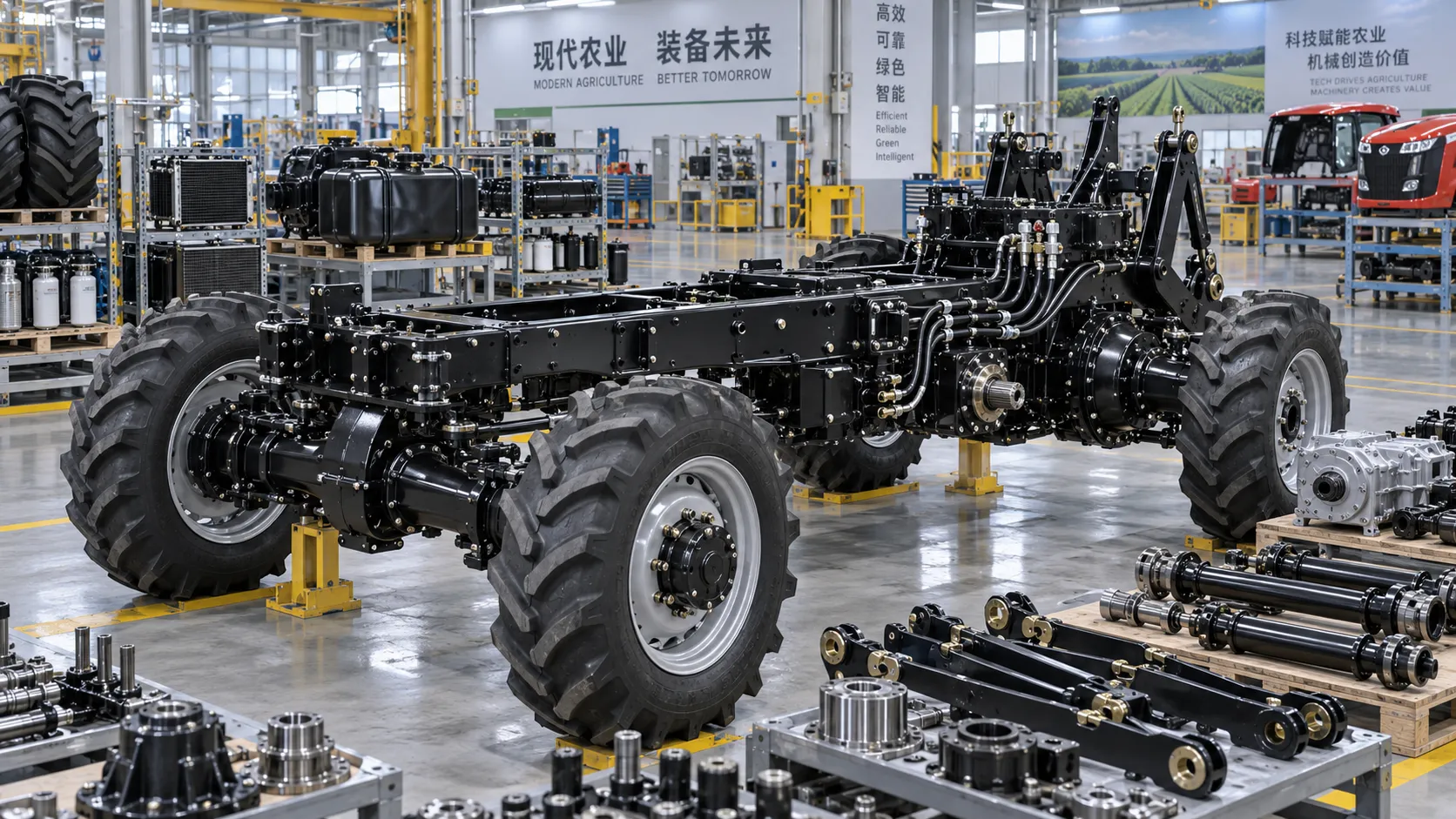
Tractor Chassis Price: What Buyers Should Compare Beyond the Initial Quote
Tractor chassis price is only the start. Compare load capacity, compatibility, durability, and lifecycle costs to choose a reliable, high-value chassis.
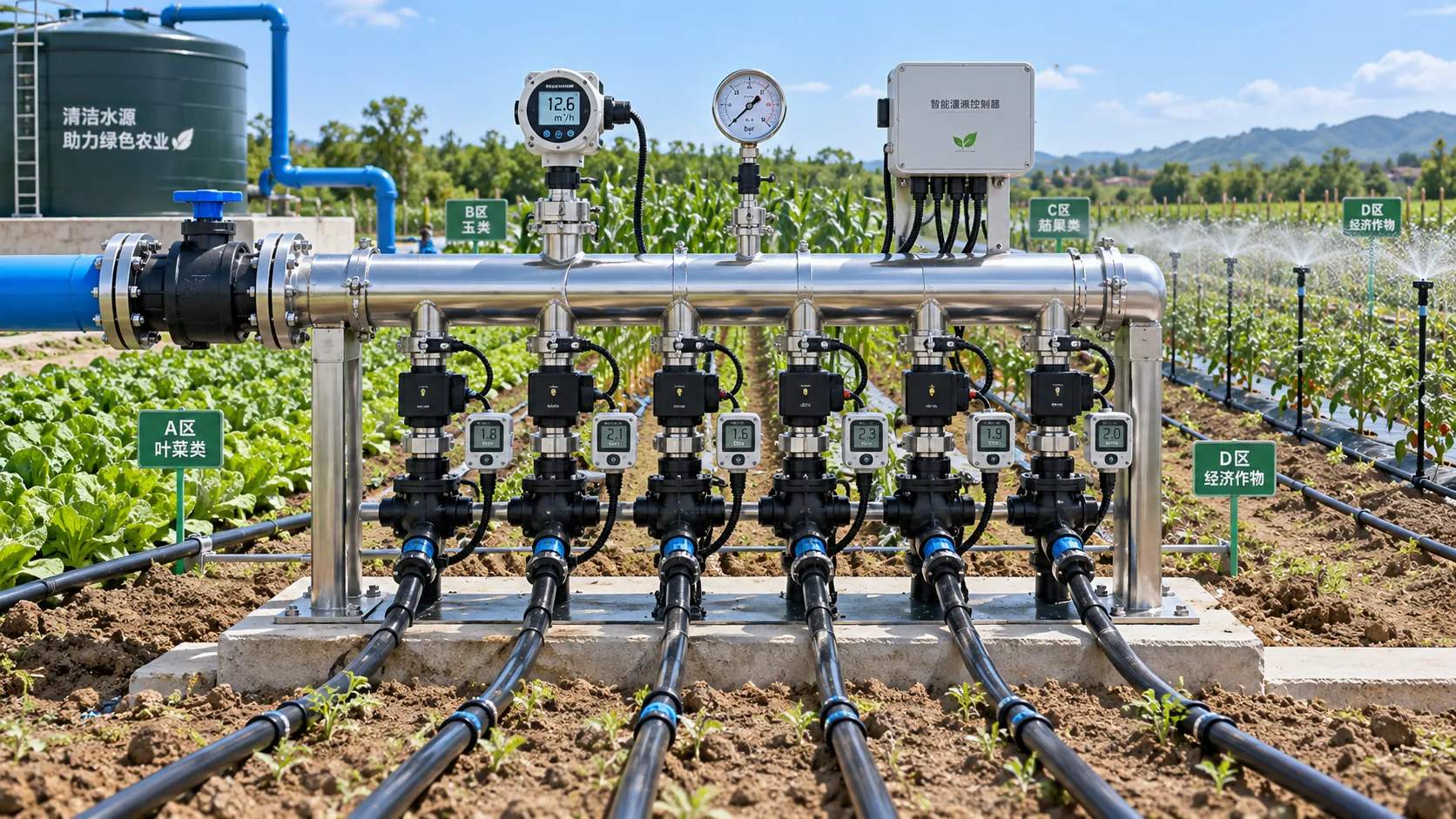
How to Select Smart Irrigation Valves for Multi-Zone Water Management?
Intelligent irrigation systems valves: learn how to match smart valves with multi-zone flow, pressure, control, feedback, and communication needs for reliable water management.
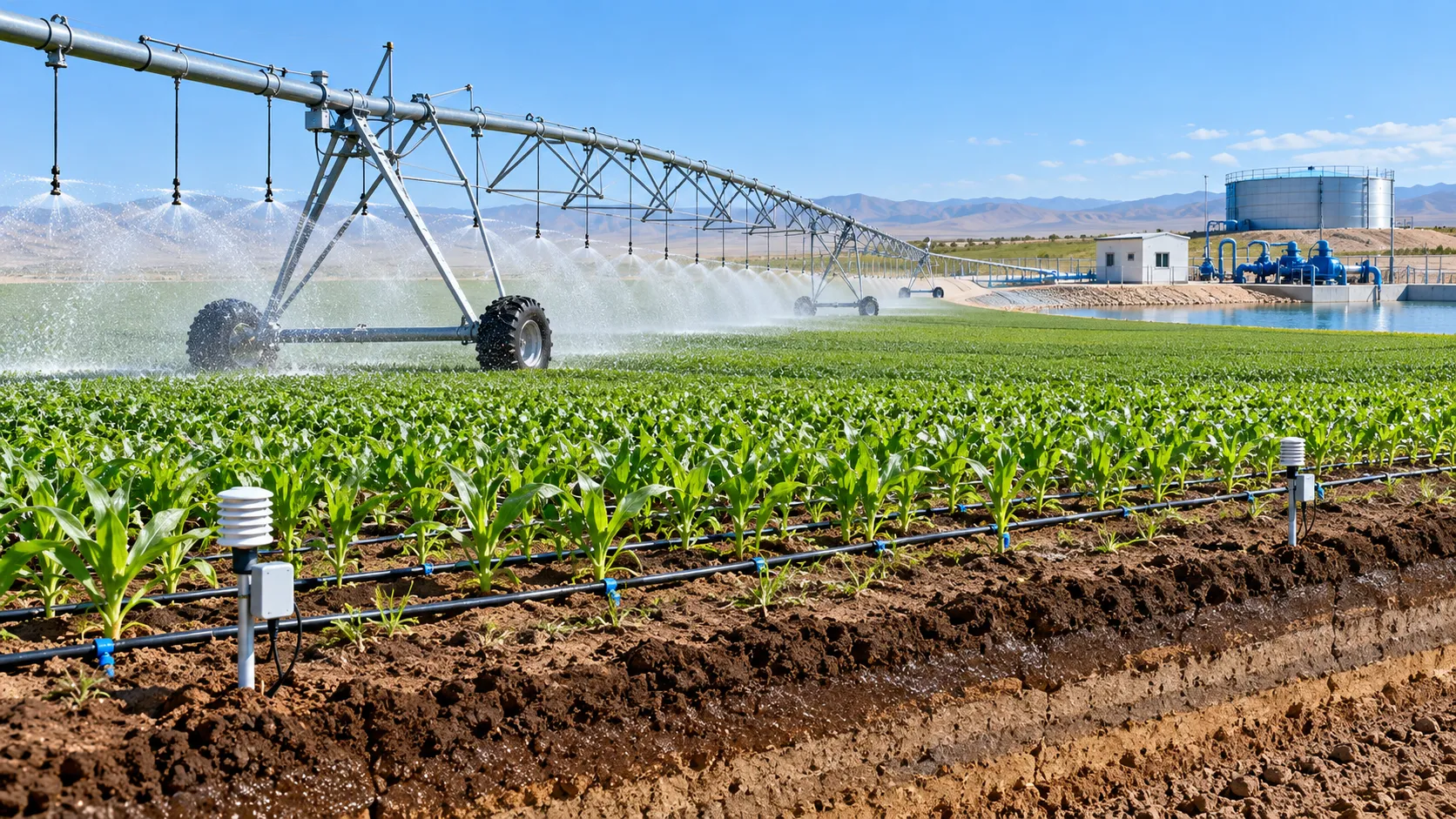
Climate-Smart Farming for Drought: A Practical Plan for Protecting Yields
Climate-smart farming for drought: build smarter water budgets, protect critical crop stages, improve irrigation uniformity, and safeguard yields with practical field-proven strategies.
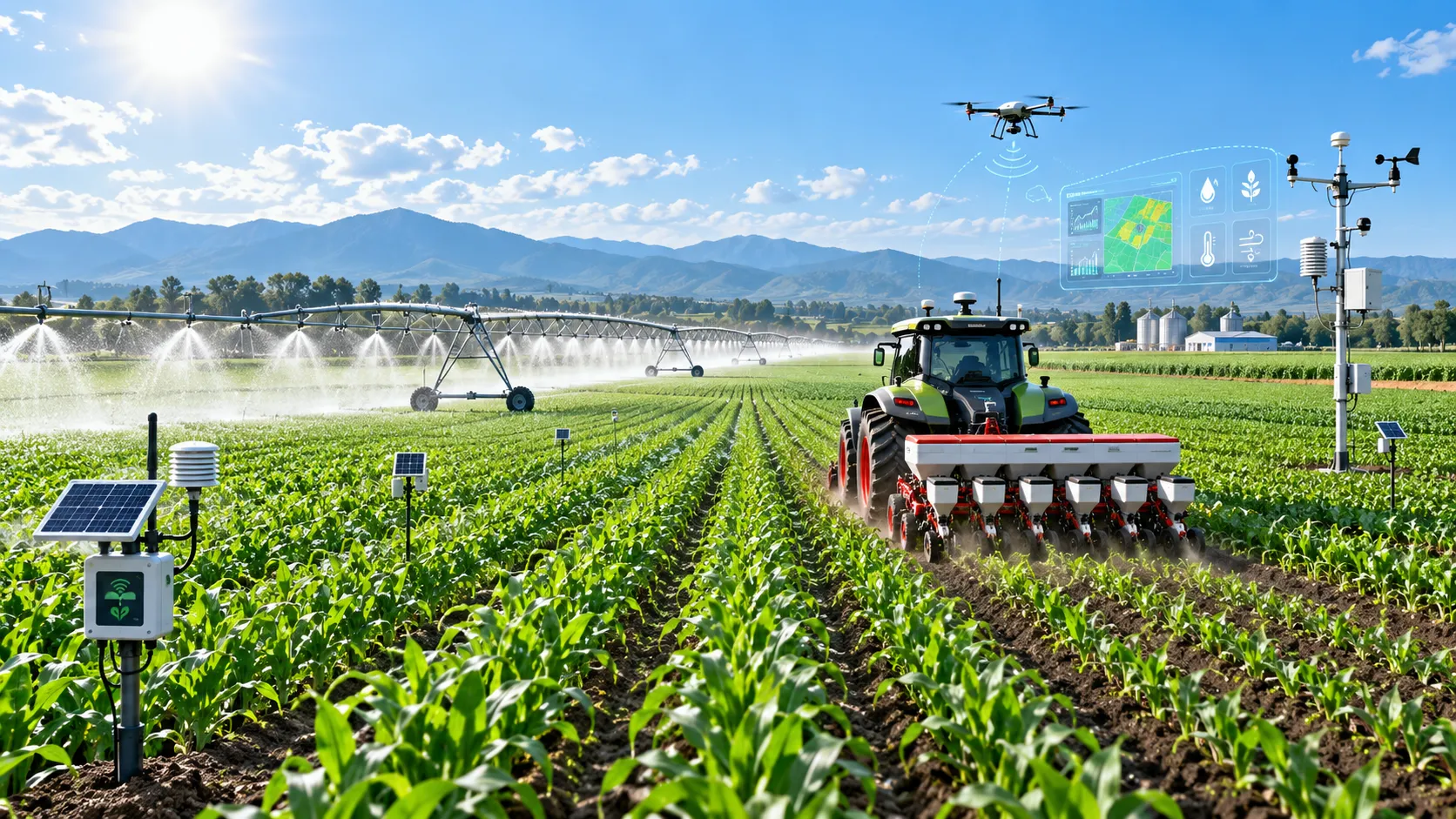
How Digital Agriculture Platforms Turn Field Data Into Better Input Decisions
Digital agriculture platforms turn field data into smarter fertilizer, water, seed, and equipment decisions—helping farms cut risk, improve margins, and scale sustainability.
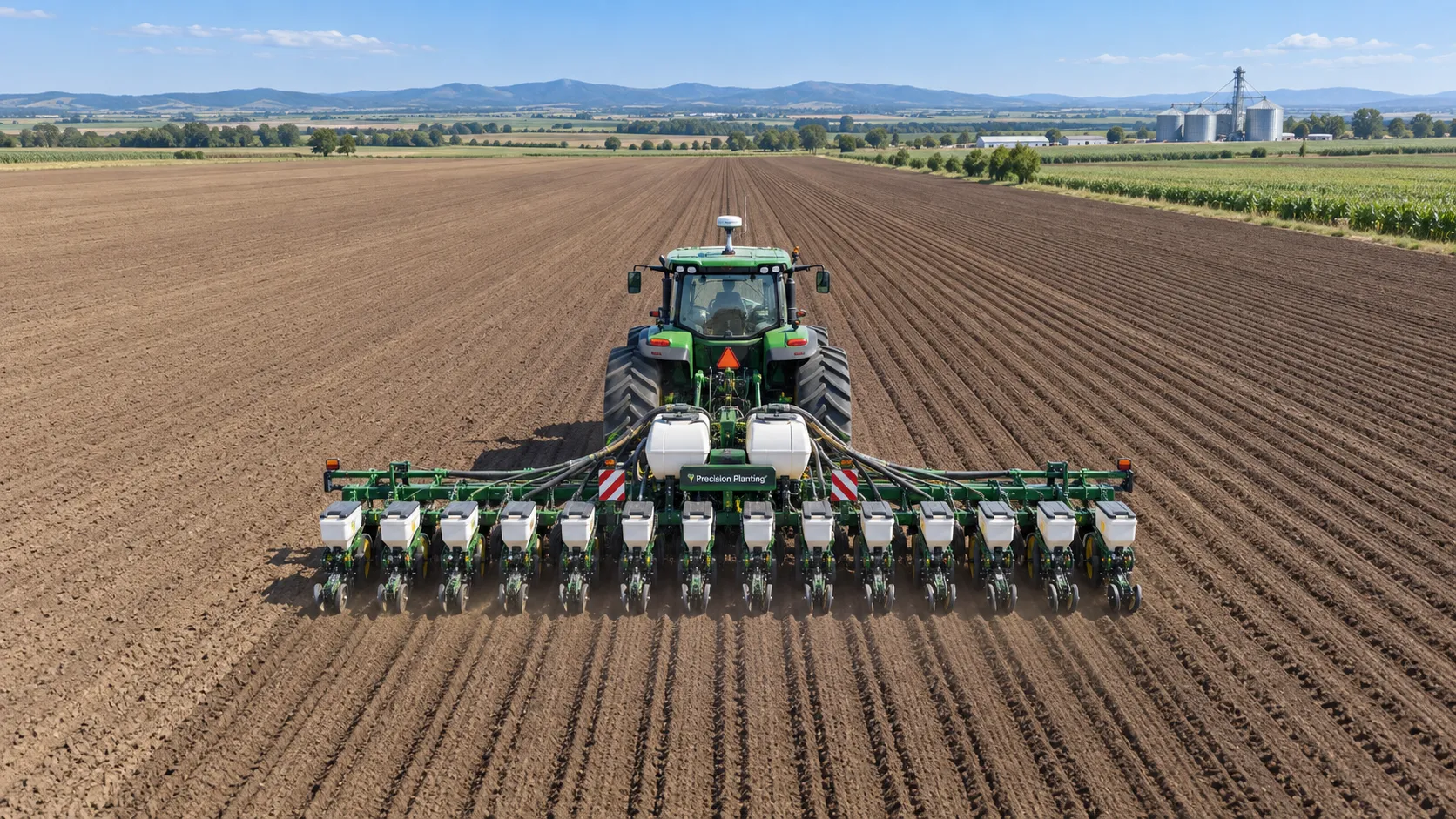
GPS-Guided Farm Machinery: Where It Delivers Measurable Field Efficiency Gains
Agri-mechanization GPS guided systems deliver measurable field efficiency gains through reduced overlap, precise planting, smarter inputs, and reliable farm data.
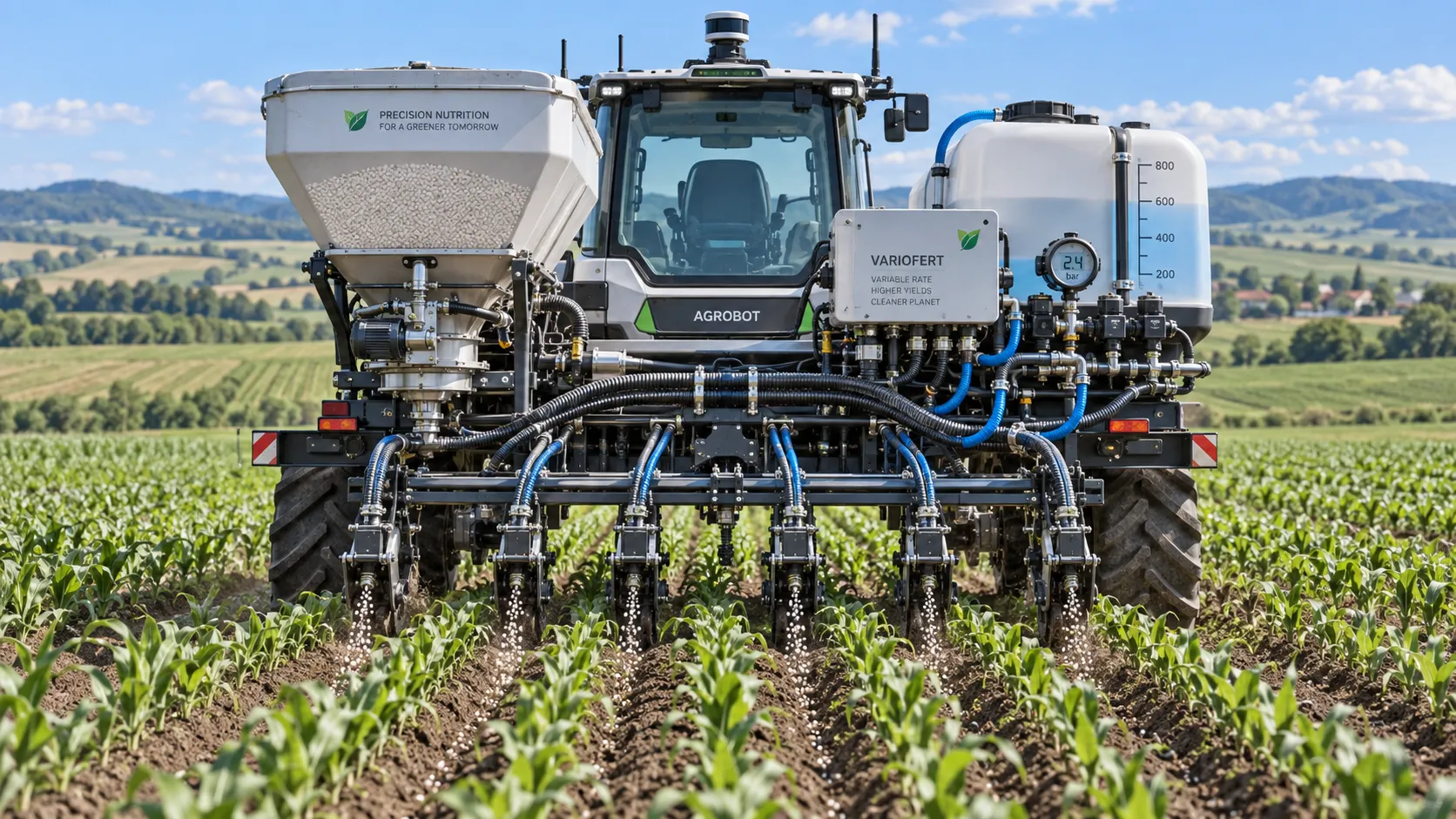
How Sensor Feedback Enables Accurate Variable-Rate Fertilization in Field Conditions
Precision fertilization systems with sensor feedback improve variable-rate accuracy by verifying flow, managing latency, and ensuring reliable field application.
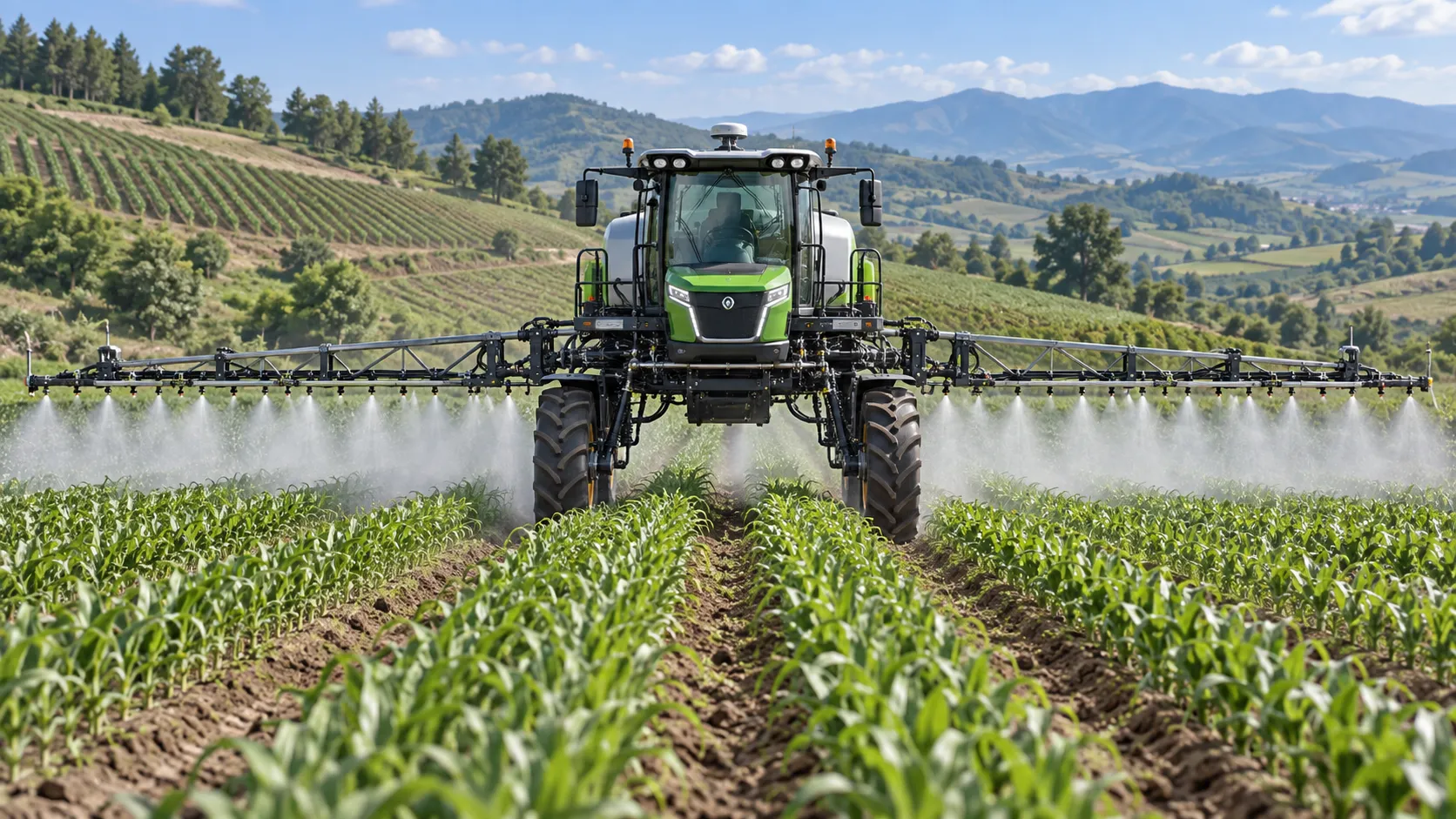
How to Select Precision Crop Protection Equipment for Variable Field Conditions
Precision crop protection equipment selection made simple: compare terrain, canopy, weather, control accuracy, and data workflows for reliable applications.

When Does Agricultural Machinery Leasing Cost Less Than Owning Equipment?
Agricultural machinery leasing can lower farm costs when use is seasonal or uncertain. Compare utilization, maintenance, cash flow, and risk to make a smarter equipment decision.

How to Evaluate Precision Fertilization System Suppliers for Farm-Scale Deployment
Precision fertilization systems suppliers: learn how to compare accuracy, integration, uptime, service, and total cost for confident farm-scale deployment.
Related News
- 00
0000-00
GPS-Guided Farm Machinery: Where It Delivers Measurable Field Efficiency Gains - 00
0000-00
ISOBUS for Smart Agriculture: How It Connects Tractors, Implements, and Farm Data - 00
0000-00
How North American Farms Can Select Crop Monitoring Systems by Acreage and Connectivity - 00
0000-00
How Tractor Intelligence Systems Improve Field Efficiency and Input Accuracy - 00
0000-00
Which equipment for larger fields maintains accuracy at higher speeds?
Popular Tags
Tractor Power Architect
Weekly Insights
Stay ahead with our curated technology reports delivered every Monday.