
Which climate-resilient techniques best protect food security
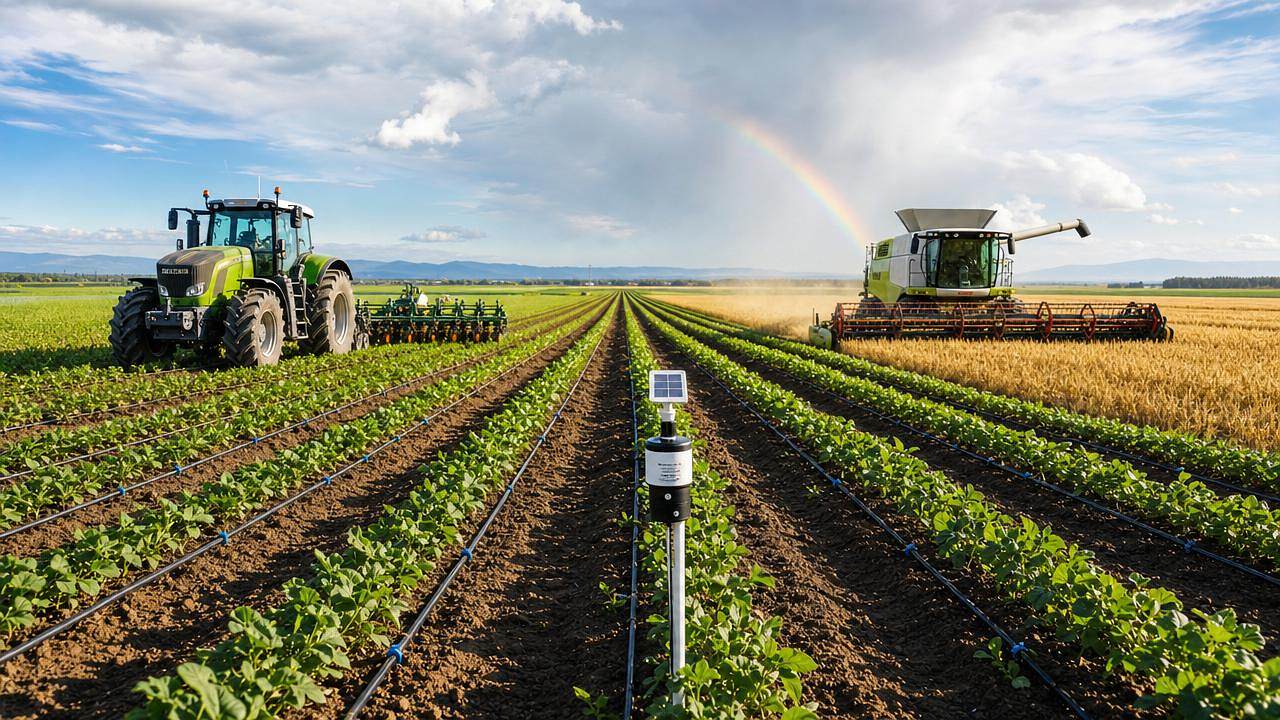




As climate volatility reshapes global farming systems, project leaders must prioritize climate-resilient agriculture techniques for food security with measurable operational value. From intelligent irrigation and precision machinery to adaptive harvesting strategies, the right investments can reduce risk, stabilize yields, and strengthen resource efficiency. This article examines the most effective techniques and how decision-makers can align them with long-term agricultural performance and resilience goals.
Why climate-resilient agriculture techniques for food security now demand project-level decisions
For project managers and engineering leaders, climate risk is no longer an environmental side issue. It directly affects yield stability, machine utilization, irrigation efficiency, input timing, labor scheduling, and asset payback periods across large farming operations.
That is why climate-resilient agriculture techniques for food security should be evaluated as an integrated operating system rather than isolated technologies. Drought, erratic rainfall, heat stress, flooding, and shifting pest pressure often hit the same project at different stages.
In this context, AP-Strategy brings value by connecting large-scale agri-machinery, combine harvesting technology, tractor chassis performance, intelligent farm tools, and water-saving irrigation systems into one decision framework. This matters because food security depends on coordinated field execution, not on a single equipment upgrade.
- Yield protection requires timing accuracy in seeding, spraying, irrigation, and harvest windows.
- Resource resilience requires water, fuel, nutrients, and labor to be used with less waste under unstable weather conditions.
- Investment resilience requires equipment and systems that can maintain performance under variable field loads and climate shocks.
What project leaders are really trying to protect
Most procurement decisions in climate adaptation are not about buying the newest tool. They are about protecting harvestable output per hectare, preserving irrigation reliability, reducing downtime, and keeping logistics and field operations synchronized when conditions change quickly.
When viewed through this lens, the best climate-resilient agriculture techniques for food security are those that improve decision speed, field responsiveness, and loss control across the full crop cycle.
Which techniques protect food security most effectively in real operations?
The most effective climate-resilient agriculture techniques for food security usually combine water management, mechanization, data-guided field actions, and harvest loss control. Project teams should prioritize techniques that solve measurable operational bottlenecks first.
The following comparison helps identify which techniques tend to deliver the strongest protection under different climate pressures and implementation constraints.
This comparison shows a key point: no single method protects food security in every situation. The strongest projects usually combine precision irrigation, adaptive mechanization, and data-led field timing to reduce both production risk and operational waste.
The techniques with the fastest operational impact
If a project needs early gains, intelligent irrigation control, improved harvester settings, and precision application tools often produce visible effects faster than broad infrastructure changes. They can reduce avoidable losses during the same season when properly deployed.
- Intelligent irrigation reduces overwatering, missed watering windows, and pressure imbalance across zones.
- Precision machinery limits overlap, uneven seeding, and inefficient input distribution.
- Adaptive harvesting preserves recoverable yield when weather shortens the harvest window.
How should project managers rank techniques by scenario and risk exposure?
Selection should start with the dominant risk pattern, not with vendor catalogs. A drought-prone grain project needs a different priority stack than a flood-exposed mixed farming operation or a region with high harvest variability.
This scenario table helps engineering and procurement teams align climate-resilient agriculture techniques for food security with field conditions and project targets.
The practical takeaway is simple. Projects should rank technologies by climate exposure, operational bottleneck, and payback pathway. AP-Strategy’s cross-domain intelligence is useful here because machinery, irrigation, and field analytics influence one another more than many teams initially expect.
A workable prioritization sequence
- Map the top two climate risks by crop stage: establishment, vegetative growth, reproductive phase, or harvest.
- Identify where losses occur first: water, time, machine efficiency, labor capacity, or final harvest recovery.
- Select technologies that solve the biggest loss point with measurable field indicators.
- Phase upgrades so infrastructure, software, operator capability, and service support can mature together.
What should buyers examine in machinery, irrigation, and intelligent tools?
For climate-resilient agriculture techniques for food security, procurement quality depends on details. Two systems may look similar on paper but perform very differently when temperature, soil conditions, water quality, or crop density becomes extreme.
Large-scale agri-machinery and tractor chassis
Project leaders should assess torque delivery, transmission stability, hydraulic responsiveness, fuel efficiency under load, flotation options, and serviceability. In wet conditions, chassis design affects compaction and field access. In dry conditions, traction efficiency affects fuel use and timeliness.
Combine harvesters
The most important resilience questions are not headline horsepower figures. Ask how the combine handles variable moisture, lodged crop, cleaning losses, residue flow, and rapid setting changes when the weather window narrows. Harvest resilience is a food security issue because unrecovered grain is lost output.
Intelligent farm tools and irrigation systems
For smart implements and irrigation networks, evaluate sensor reliability, interoperability, zone control, remote monitoring, and maintenance complexity. Good systems help teams move from fixed schedules to responsive field management based on actual crop and soil signals.
- Check whether data outputs can support actionable irrigation or machinery decisions rather than only raw monitoring.
- Confirm spare parts and service logistics before scaling across multiple blocks or regions.
- Assess operator workload. A resilient system should simplify action, not create dashboard overload.
Cost, implementation risk, and practical alternatives
Budget pressure is real. Many project managers know which climate-resilient agriculture techniques for food security would help, but they still need to manage capex limits, delivery schedules, and uncertain seasonal returns. That makes staged deployment more realistic than all-at-once transformation.
The most common mistake is buying a premium system without budgeting for installation quality, calibration time, operator adoption, and maintenance. In resilience projects, poor integration can erase expected benefits.
Where phased investment usually works best
- Start with high-loss bottlenecks such as irrigation control inefficiency or harvest losses during unstable weather.
- Use modular upgrades where possible, especially in sensing, control units, and precision application functions.
- Retain compatible base equipment if performance can be improved with better monitoring, attachments, or calibration tools.
A lower-cost alternative is not always a weaker one. In some regions, better scheduling, improved maintenance discipline, and precise adjustment of existing combines or irrigation lines can produce strong resilience gains before full replacement is justified.
How standards, data discipline, and implementation workflow reduce failure risk
Climate adaptation projects fail less often when teams define operating requirements clearly. Even where no single global certification covers the full system, buyers should still use recognized engineering and agricultural good-practice principles for water management, equipment safety, electrical integration, and data handling.
Project documentation should cover water source conditions, field topography, crop pattern, machinery duty cycle, operator responsibility, spare parts access, and monitoring frequency. This is especially important when combining intelligent irrigation, precision implements, and harvesting systems.
Implementation checklist for resilient agricultural projects
- Define the target outcome in operational terms such as water-use reduction, harvest loss reduction, or field pass efficiency.
- Specify baseline conditions before procurement, including climate exposure and current equipment constraints.
- Confirm compatibility between machines, sensors, controls, and management software.
- Set training, service, and seasonal commissioning milestones into the project schedule.
- Review performance after the first full season and adjust settings, operating rules, or scale-up plans.
FAQ: what decision-makers ask about climate-resilient agriculture techniques for food security
How do I choose between irrigation investment and machinery investment first?
Start with the largest controllable loss. If crop stress is driven mainly by poor water timing or limited water availability, irrigation usually comes first. If the major issue is delayed operations, field access, or harvest losses, machinery upgrades may produce faster returns.
Which techniques are most suitable for large, multi-field operations?
Large operations generally benefit most from centralized irrigation control, precision guidance, fleet data visibility, and combine systems that adapt quickly to variable crop conditions. These tools improve consistency across dispersed fields where manual decision-making becomes harder to scale.
What are the most common mistakes in climate resilience procurement?
Three mistakes appear repeatedly: choosing equipment without field-condition matching, underestimating integration and training needs, and focusing on purchase price instead of seasonal performance. Climate-resilient agriculture techniques for food security only work when design, operation, and service planning are aligned.
How long does implementation usually take?
It depends on complexity. Sensor-based upgrades and calibration improvements may be introduced within one season. Irrigation network expansion, machinery replacement, or integrated digital workflows usually require longer planning, installation, and commissioning windows tied to crop calendars.
Why is AP-Strategy relevant for cross-functional project teams?
Because resilience decisions rarely sit inside one department. AP-Strategy connects intelligence on large-scale machinery, combine harvesting, intelligent tools, irrigation systems, and global agricultural trends. That helps project leaders compare technical options in a broader food security and long-cycle investment context.
Why choose AP-Strategy for resilience planning and next-step consultation
If your team is evaluating climate-resilient agriculture techniques for food security, AP-Strategy can support a more disciplined decision process. Our focus on mechanization, combine harvesting technology, tractor chassis systems, intelligent farm tools, and water-saving irrigation helps project teams move beyond fragmented sourcing discussions.
You can consult AP-Strategy on practical topics such as parameter confirmation for large-scale equipment, irrigation system selection logic, adaptive harvesting priorities, delivery cycle planning, solution customization by crop and region, service scope, and quotation comparison criteria.
For engineering leaders, the value is clarity. Instead of evaluating isolated products, you can assess how machinery performance, sensing, water control, and harvest execution work together to protect yield, reduce waste, and strengthen long-term food security outcomes.
Related News
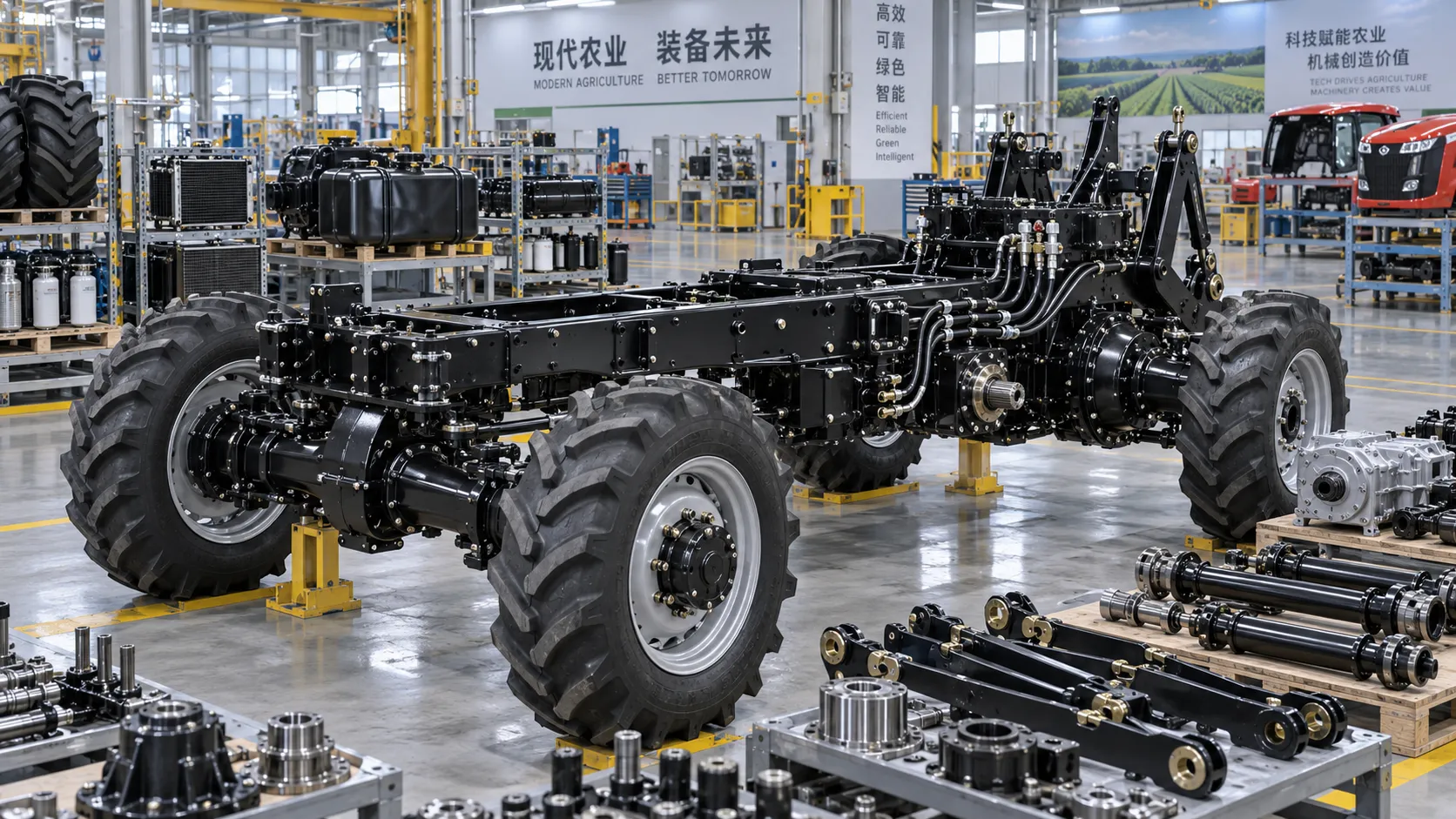
Tractor Chassis Price: What Buyers Should Compare Beyond the Initial Quote
Tractor chassis price is only the start. Compare load capacity, compatibility, durability, and lifecycle costs to choose a reliable, high-value chassis.
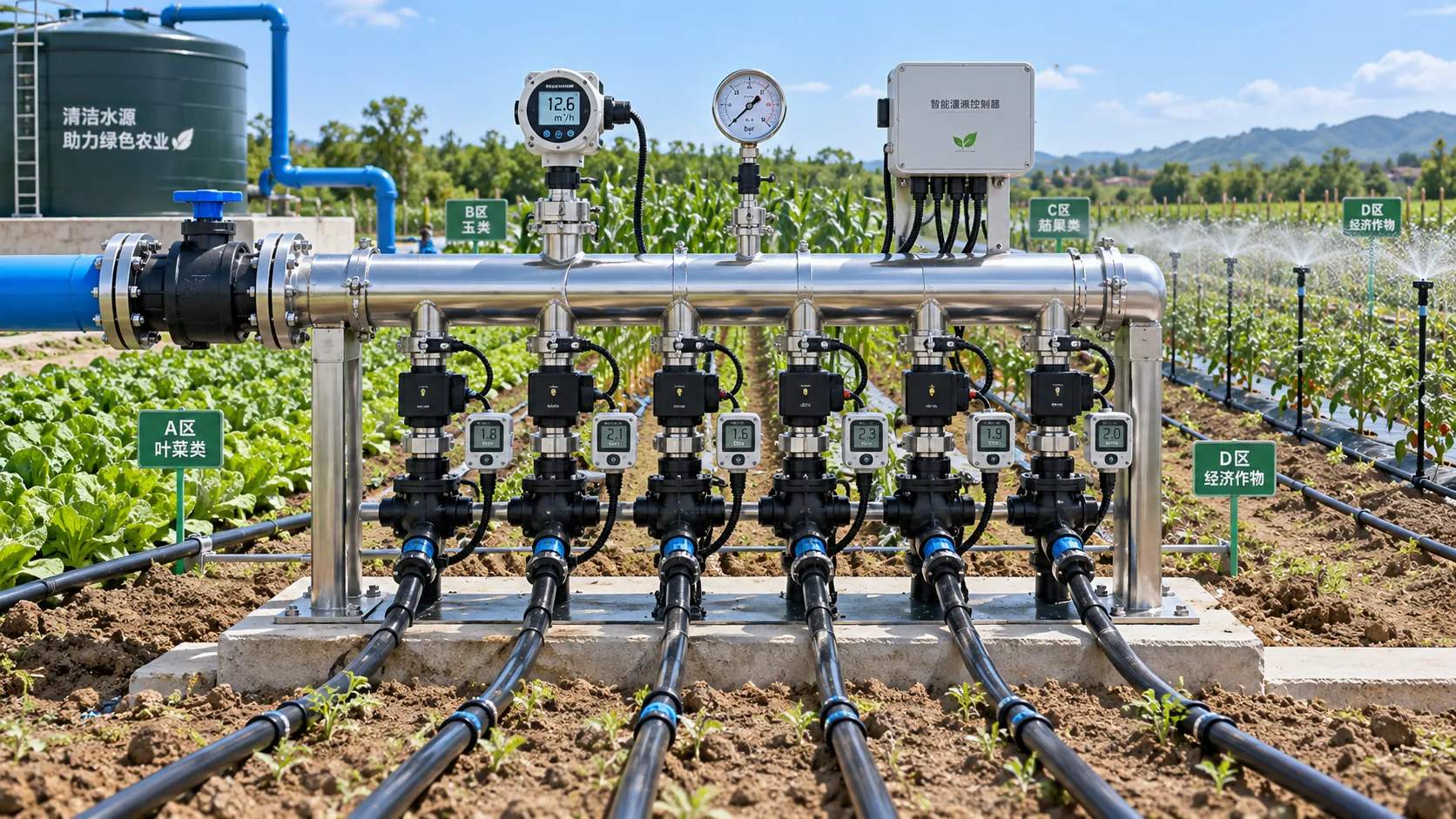
How to Select Smart Irrigation Valves for Multi-Zone Water Management?
Intelligent irrigation systems valves: learn how to match smart valves with multi-zone flow, pressure, control, feedback, and communication needs for reliable water management.
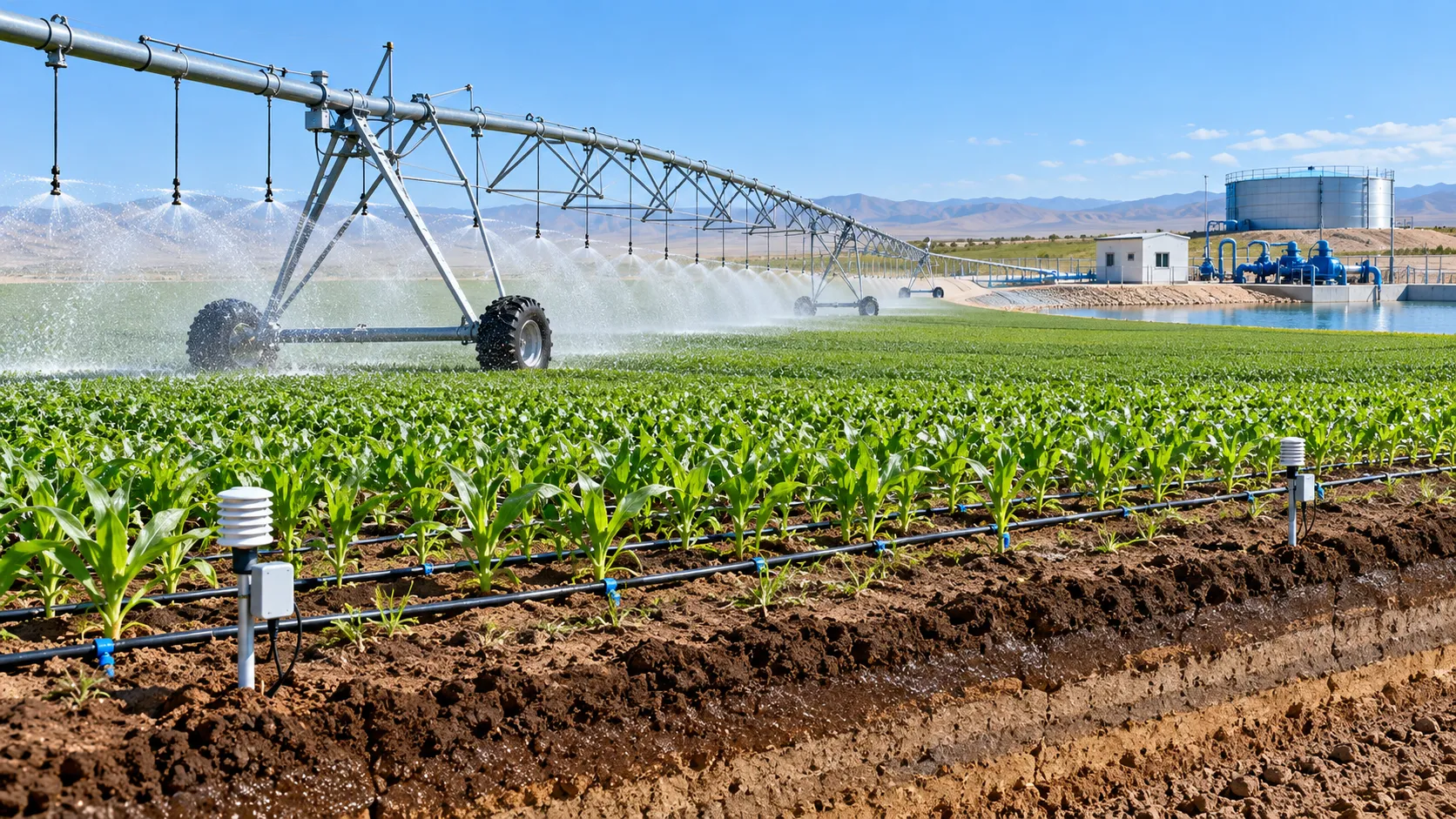
Climate-Smart Farming for Drought: A Practical Plan for Protecting Yields
Climate-smart farming for drought: build smarter water budgets, protect critical crop stages, improve irrigation uniformity, and safeguard yields with practical field-proven strategies.
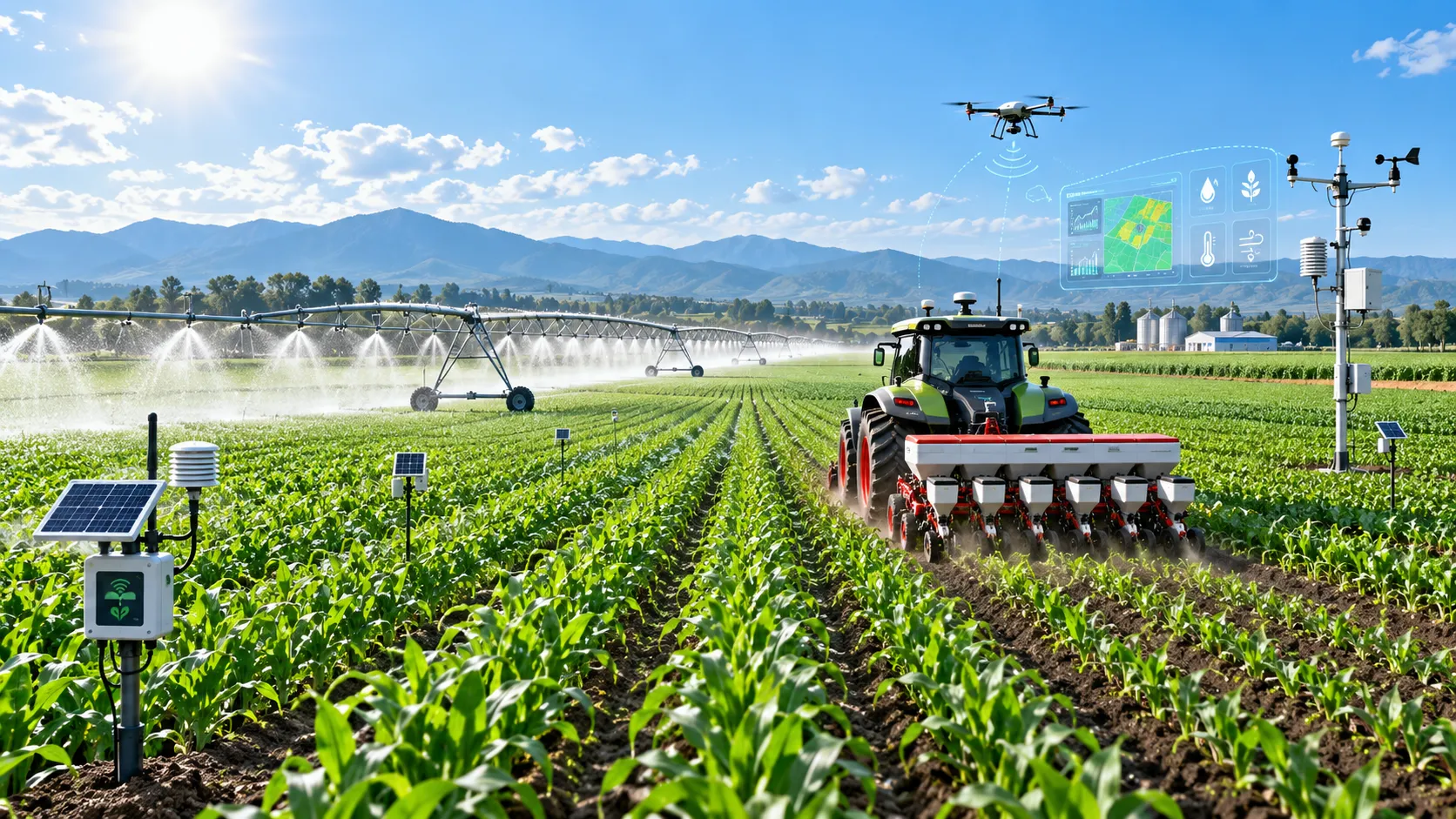
How Digital Agriculture Platforms Turn Field Data Into Better Input Decisions
Digital agriculture platforms turn field data into smarter fertilizer, water, seed, and equipment decisions—helping farms cut risk, improve margins, and scale sustainability.
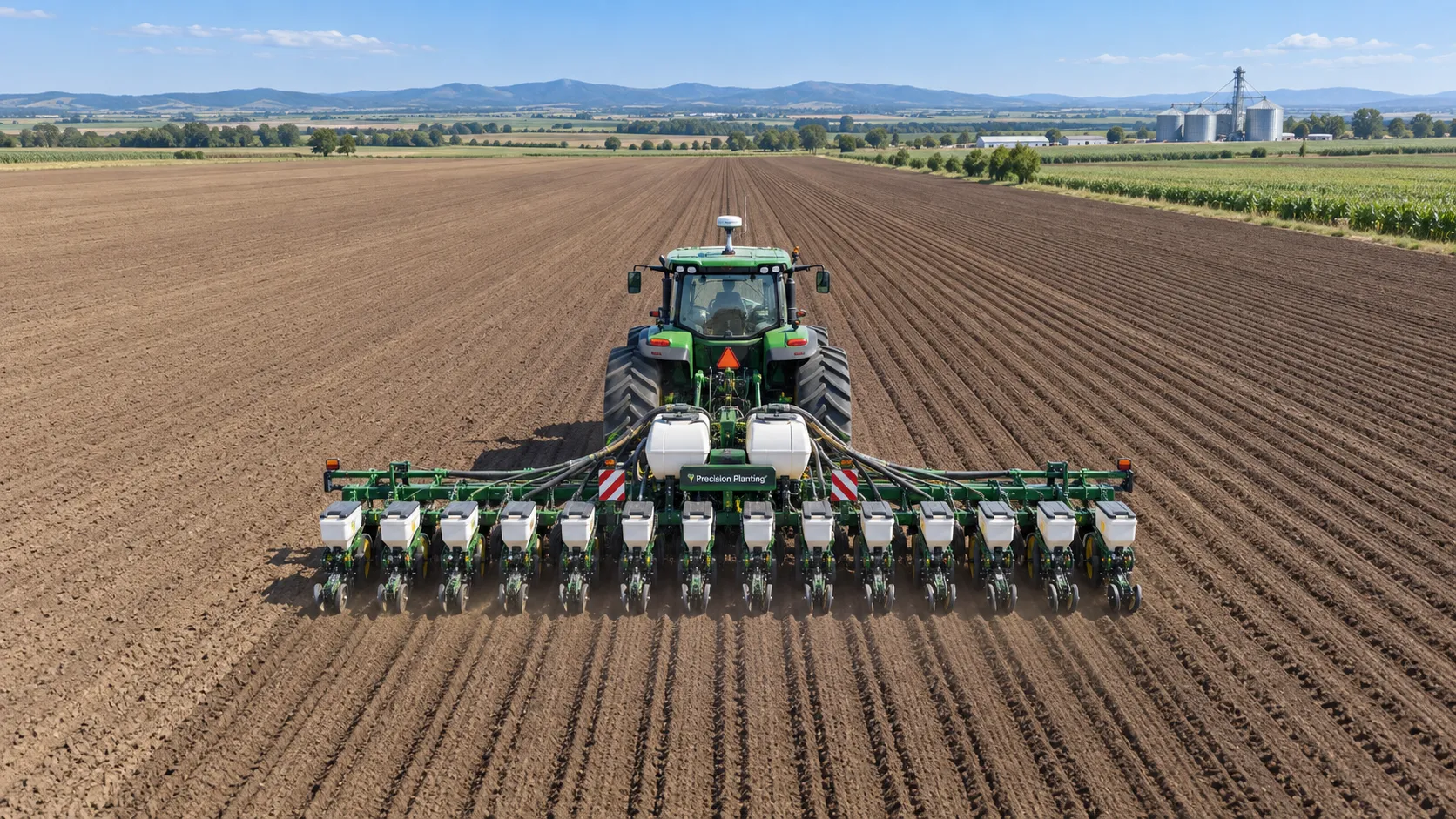
GPS-Guided Farm Machinery: Where It Delivers Measurable Field Efficiency Gains
Agri-mechanization GPS guided systems deliver measurable field efficiency gains through reduced overlap, precise planting, smarter inputs, and reliable farm data.
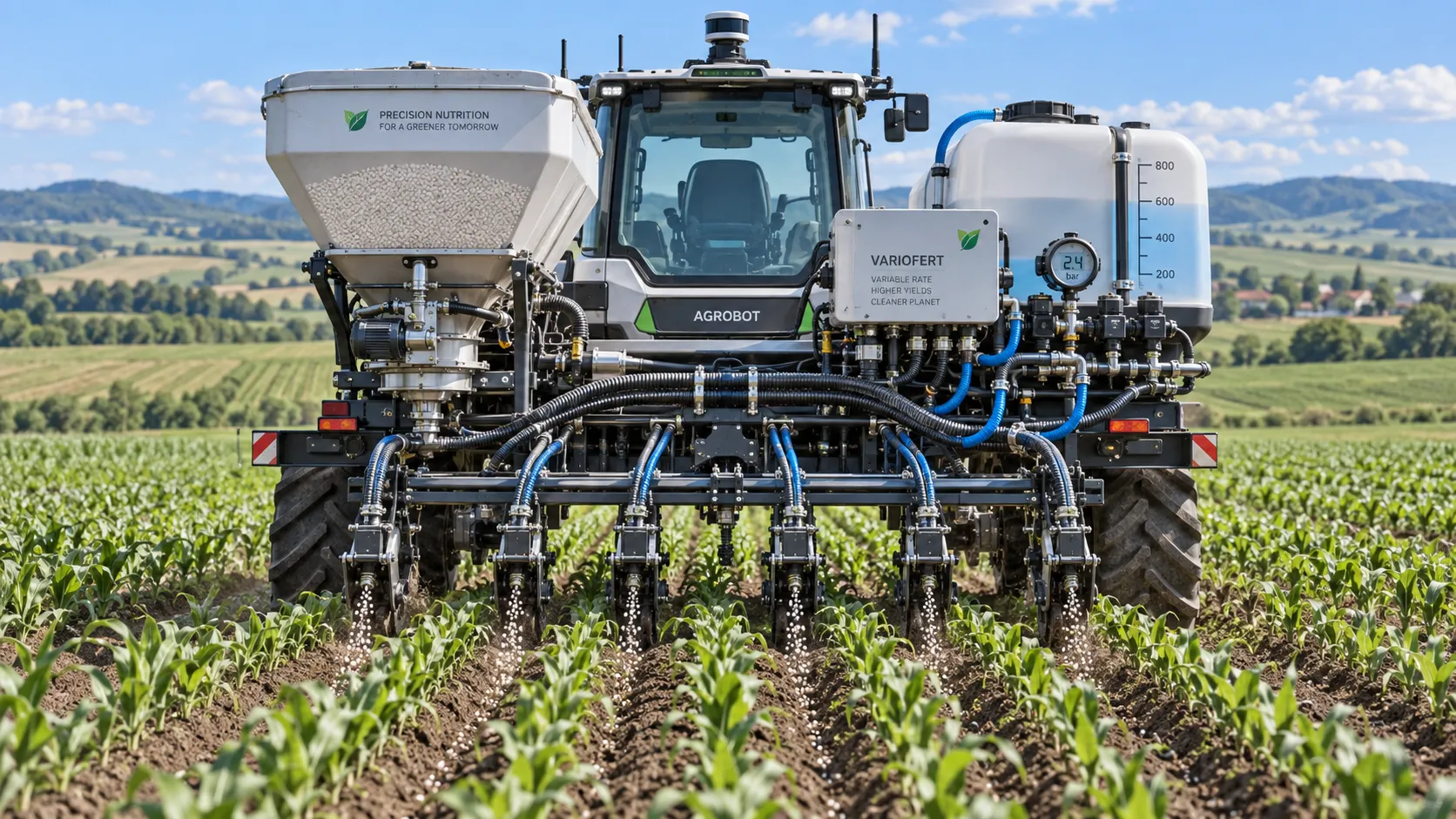
How Sensor Feedback Enables Accurate Variable-Rate Fertilization in Field Conditions
Precision fertilization systems with sensor feedback improve variable-rate accuracy by verifying flow, managing latency, and ensuring reliable field application.
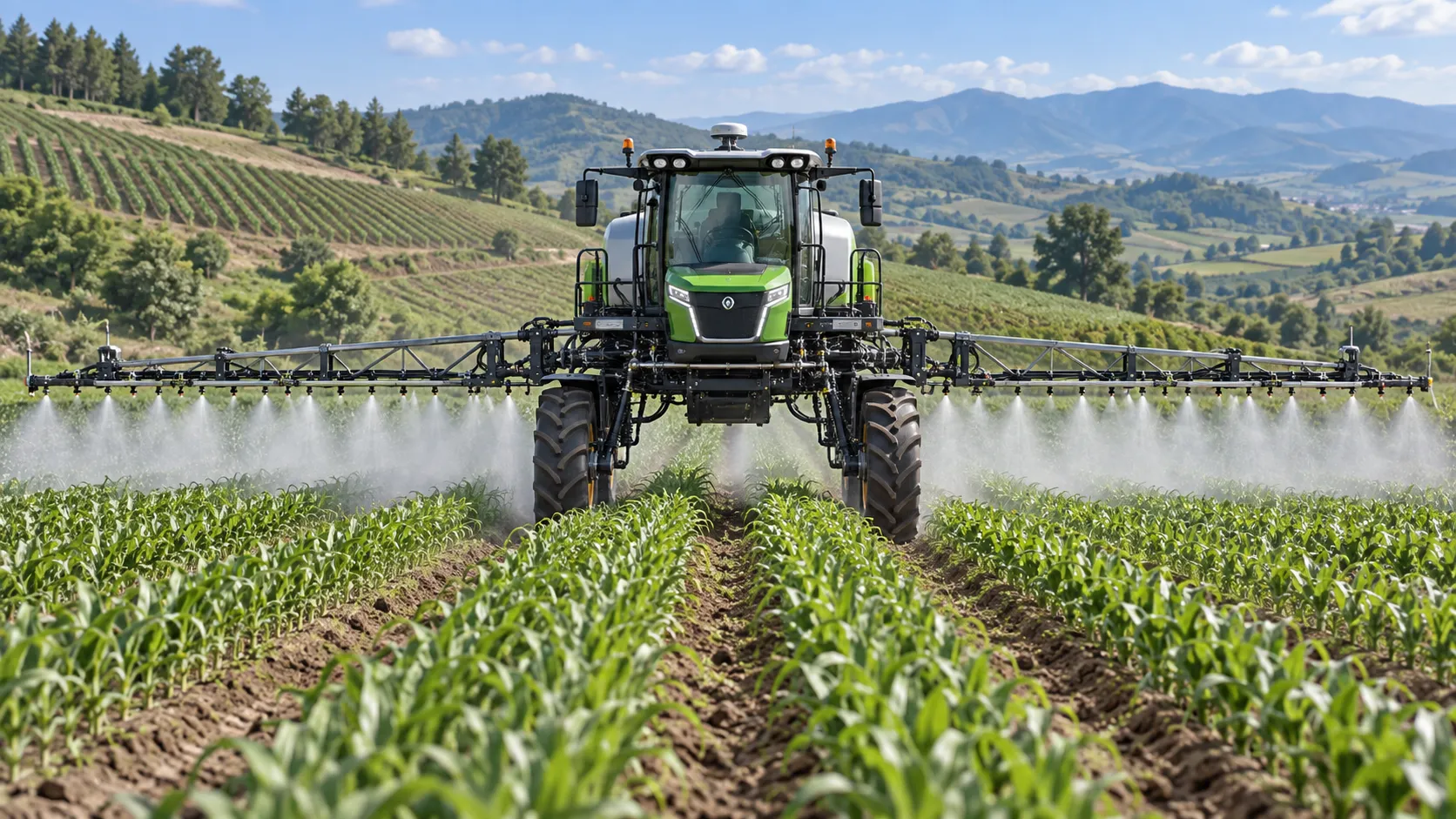
How to Select Precision Crop Protection Equipment for Variable Field Conditions
Precision crop protection equipment selection made simple: compare terrain, canopy, weather, control accuracy, and data workflows for reliable applications.
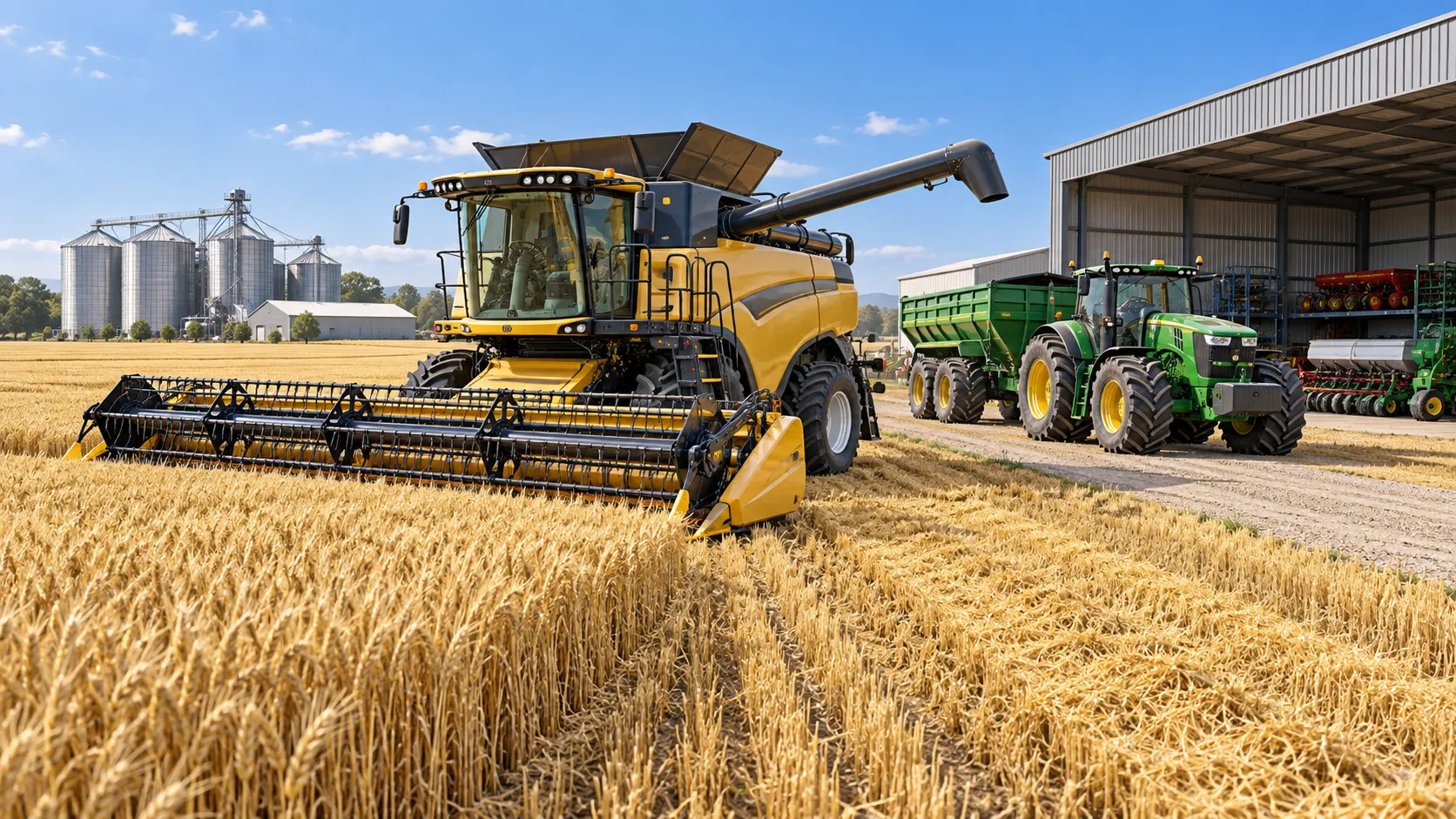
When Does Agricultural Machinery Leasing Cost Less Than Owning Equipment?
Agricultural machinery leasing can lower farm costs when use is seasonal or uncertain. Compare utilization, maintenance, cash flow, and risk to make a smarter equipment decision.
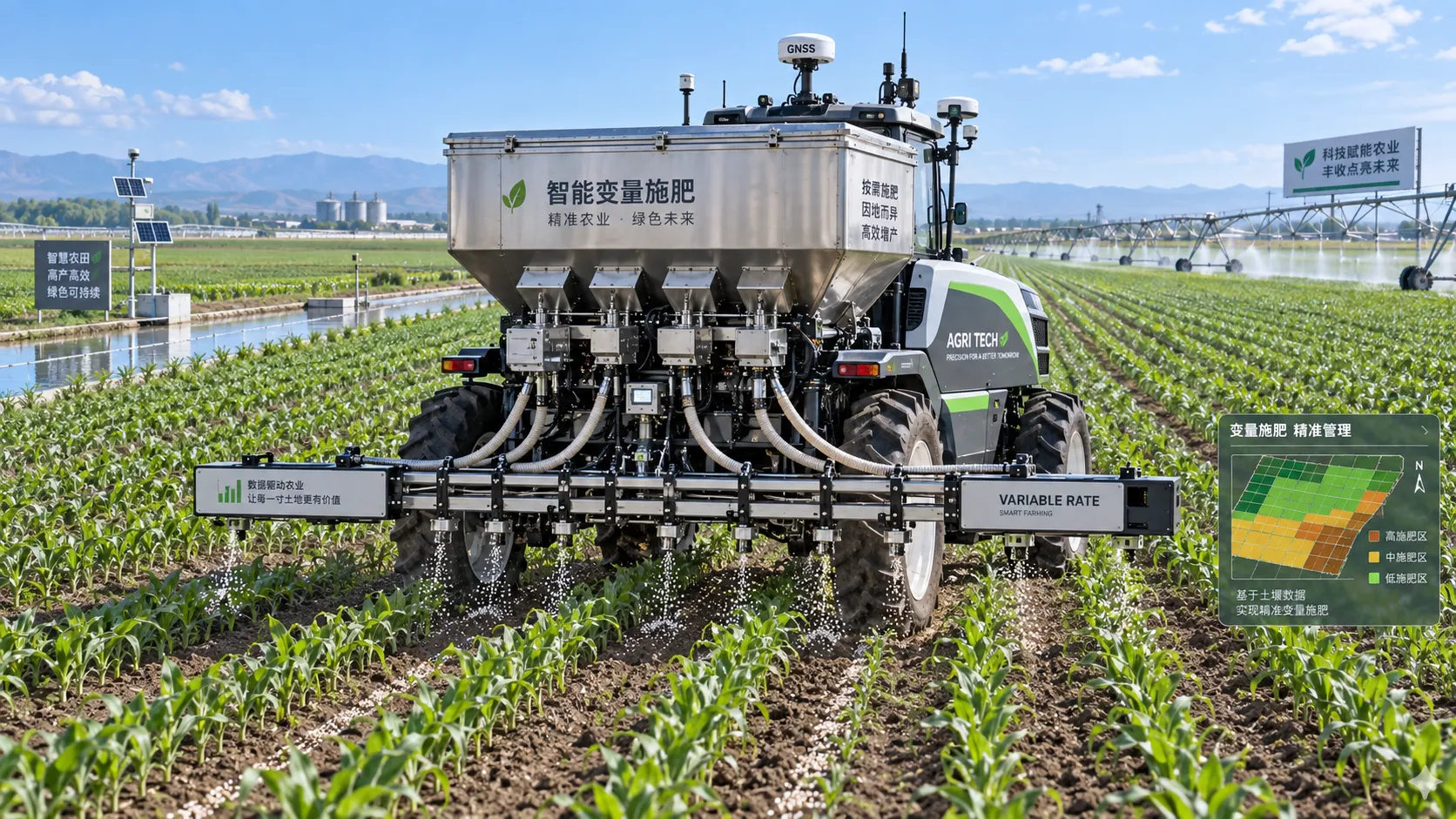
How to Evaluate Precision Fertilization System Suppliers for Farm-Scale Deployment
Precision fertilization systems suppliers: learn how to compare accuracy, integration, uptime, service, and total cost for confident farm-scale deployment.
Related News
- 00
0000-00
Tractor Chassis Price: What Buyers Should Compare Beyond the Initial Quote - 00
0000-00
How Digital Agriculture Platforms Turn Field Data Into Better Input Decisions - 00
0000-00
When Does Agricultural Machinery Leasing Cost Less Than Owning Equipment? - 00
0000-00
Selecting Grain Farm Equipment by Acreage, Crop Mix, and Harvest Window - 00
0000-00
Poultry Equipment Selection: Evaluating Durability, Cleaning, and Compatibility
Popular Tags
Ms. Elena Rodriguez
Weekly Insights
Stay ahead with our curated technology reports delivered every Monday.