
When hybrid technology solutions make farming more sustainable
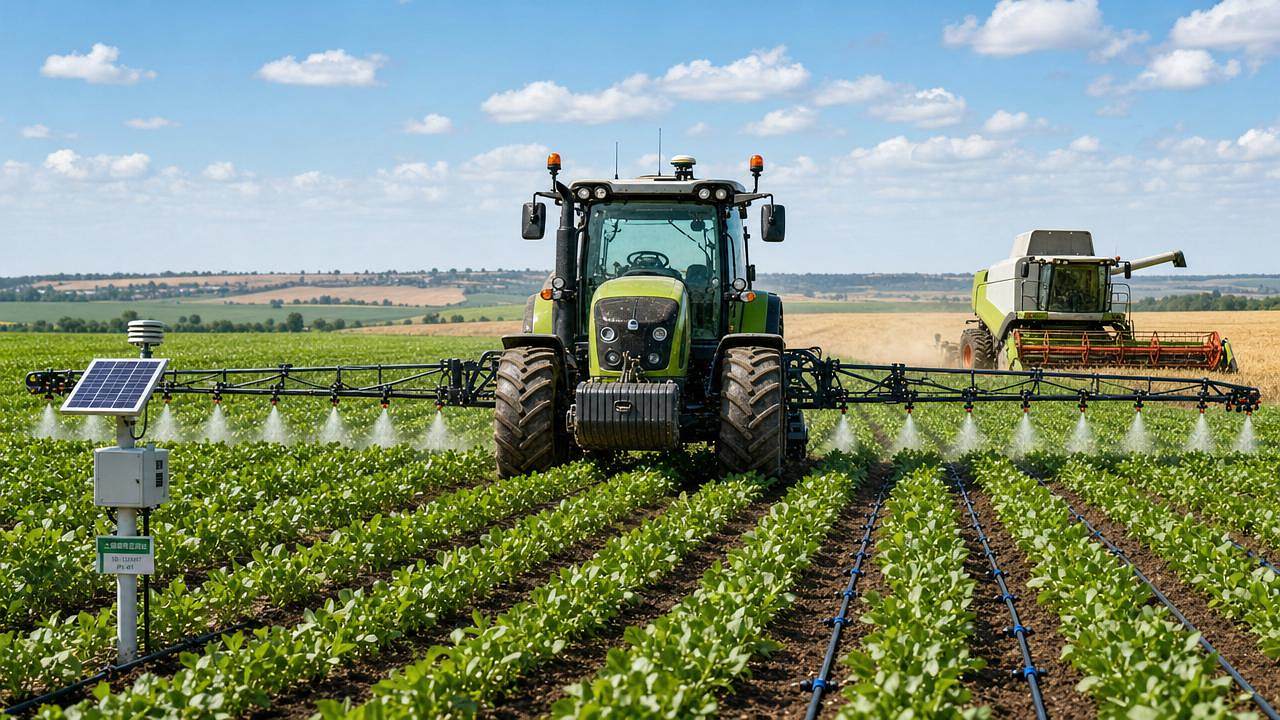




As climate pressure, labor shortages, and cost volatility reshape global agriculture, hybrid technology solutions for sustainable farming are becoming a strategic priority across the value chain.
They connect machinery, software, water systems, and energy management into practical field performance.
For the intelligence-driven perspective of AP-Strategy, this shift matters because sustainability now depends on coordinated systems, not isolated equipment upgrades.
When hybrid technology solutions for sustainable farming are planned well, farms can improve output, lower input waste, and strengthen resilience under changing market and environmental conditions.
Understanding hybrid technology solutions for sustainable farming
Hybrid technology solutions for sustainable farming combine mechanical power, digital intelligence, and resource-efficiency tools into one operating framework.
The term does not refer only to hybrid engines.
It also includes integrated tractor chassis controls, sensor-guided implements, smart irrigation platforms, telematics, satellite positioning, and algorithm-based crop management support.
In modern field operations, sustainability improves when each subsystem shares data and responds to field variability in real time.
That is why hybrid technology solutions for sustainable farming are increasingly linked to Agriculture 4.0 investment strategies.
Core components usually include
- High-efficiency tractor chassis with optimized transmission and hydraulic response
- Combine harvest systems with dynamic loss monitoring and adaptive cleaning
- Precision seeding, fertilization, and spraying tools guided by GNSS and sensors
- Water-saving irrigation systems using flow control, moisture sensing, and predictive scheduling
- Data platforms that turn machine feedback into operating decisions
This integrated view is essential for understanding how hybrid technology solutions for sustainable farming move from concept to measurable field results.
Why the industry is paying closer attention
Global agriculture is facing several structural pressures at the same time.
These pressures are turning hybrid technology solutions for sustainable farming into a mainstream planning topic rather than a niche innovation theme.
AP-Strategy’s sector monitoring shows that large-scale mechanization is no longer judged only by horsepower, width, or throughput.
It is increasingly measured by fuel efficiency, harvest loss reduction, water productivity, and decision accuracy.
That broader performance standard explains the rise of hybrid technology solutions for sustainable farming across regions and crop systems.
Operational value across equipment and field systems
The strongest case for hybrid technology solutions for sustainable farming is operational, not theoretical.
These systems can create value in four connected dimensions.
1. Better machine efficiency
Hybridized power management in tractor chassis can improve torque delivery, hydraulic responsiveness, and load matching during heavy operations.
This reduces unnecessary fuel burn and improves field consistency.
2. Lower harvest and application losses
Intelligent combine systems can use sensors and feedback algorithms to adjust cleaning, separation, and speed settings.
The result is lower grain loss and more stable output quality.
The same logic supports precision fertilizer and crop protection tools.
3. Higher water productivity
Smart irrigation networks combine flow meters, soil moisture sensors, weather signals, and transpiration models.
This allows irrigation timing and volume to match crop need more closely.
Water-saving outcomes become especially important in drought-prone regions and high-value crop production.
4. Stronger decision support
Hybrid technology solutions for sustainable farming create useful data layers.
These may include machine load patterns, cleaning loss rates, soil variation, irrigation efficiency, and maintenance trends.
When combined, they support more reliable planning for equipment allocation and seasonal risk control.
Typical application scenarios in modern agriculture
Hybrid technology solutions for sustainable farming are most useful when matched to specific operating contexts.
Different farm systems benefit in different ways.
In each case, the value comes from system coordination.
A smart harvester without data integration, or an irrigation platform without field feedback, delivers only partial benefit.
That is why hybrid technology solutions for sustainable farming should be evaluated as connected ecosystems.
Implementation considerations and practical guidance
Adoption succeeds when technical ambition is balanced with operational discipline.
Before expanding hybrid technology solutions for sustainable farming, several questions deserve close review.
Key implementation priorities
- Check compatibility between machinery, sensors, software platforms, and irrigation controls
- Define measurable goals such as lower fuel use, reduced harvest loss, or improved water-use efficiency
- Start with high-impact fields or operations where variation and waste are already visible
- Use maintenance and calibration routines to protect data accuracy and machine reliability
- Review policy incentives, reporting requirements, and energy infrastructure limits
A common mistake is investing in advanced equipment without defining how insights will guide action.
Another is treating sustainability only as compliance.
In practice, hybrid technology solutions for sustainable farming create the best returns when sustainability goals are tied directly to throughput, loss reduction, and asset utilization.
What to monitor after deployment
- Fuel consumption per hectare or per ton harvested
- Harvest loss trends by crop and condition
- Water applied versus crop performance
- Downtime, hydraulic response, and maintenance intervals
- Input savings from precision application maps
Strategic direction for the next stage of agricultural modernization
The long-term significance of hybrid technology solutions for sustainable farming goes beyond incremental efficiency.
They support a more adaptive agricultural system where machinery performance, agronomic intelligence, and resource stewardship reinforce one another.
For a platform such as AP-Strategy, the crucial task is to track how tractor hybridization, intelligent harvesting, and smart irrigation evolve as one strategic field architecture.
The next practical step is to map current operations, identify the largest efficiency losses, and prioritize one connected upgrade path.
That disciplined approach turns hybrid technology solutions for sustainable farming from a promising idea into a durable operating advantage.
Related News
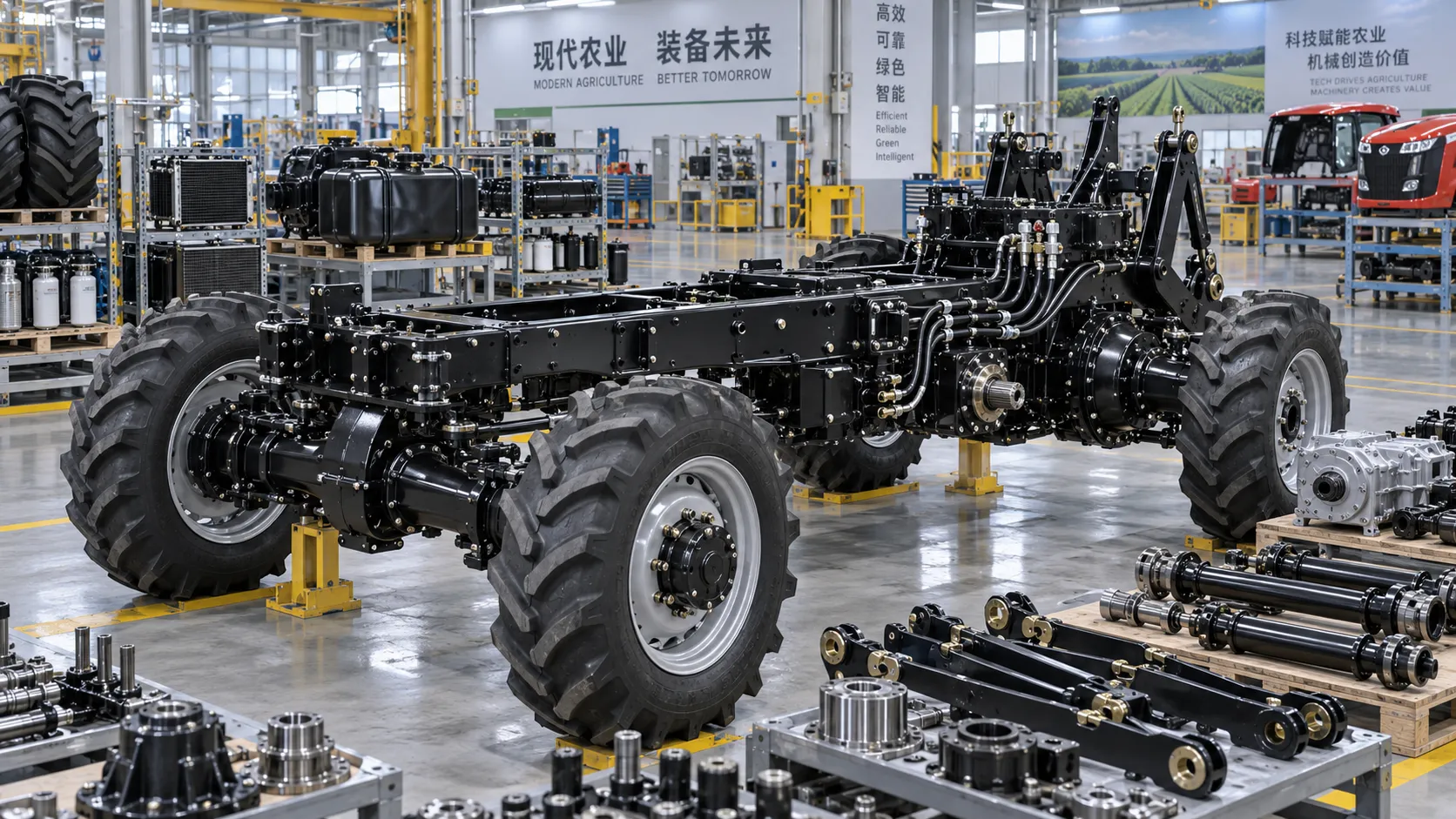
Tractor Chassis Price: What Buyers Should Compare Beyond the Initial Quote
Tractor chassis price is only the start. Compare load capacity, compatibility, durability, and lifecycle costs to choose a reliable, high-value chassis.
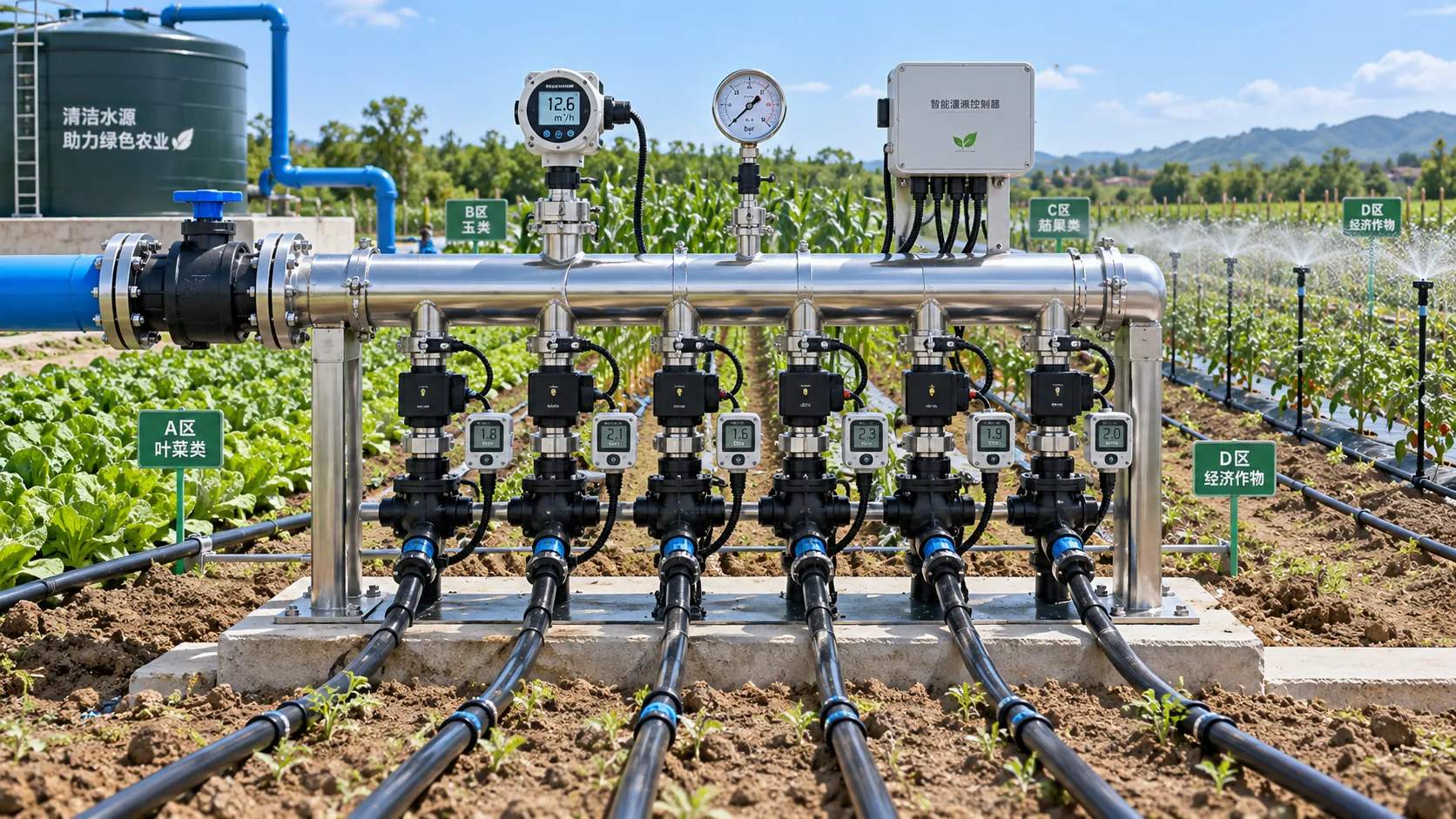
How to Select Smart Irrigation Valves for Multi-Zone Water Management?
Intelligent irrigation systems valves: learn how to match smart valves with multi-zone flow, pressure, control, feedback, and communication needs for reliable water management.
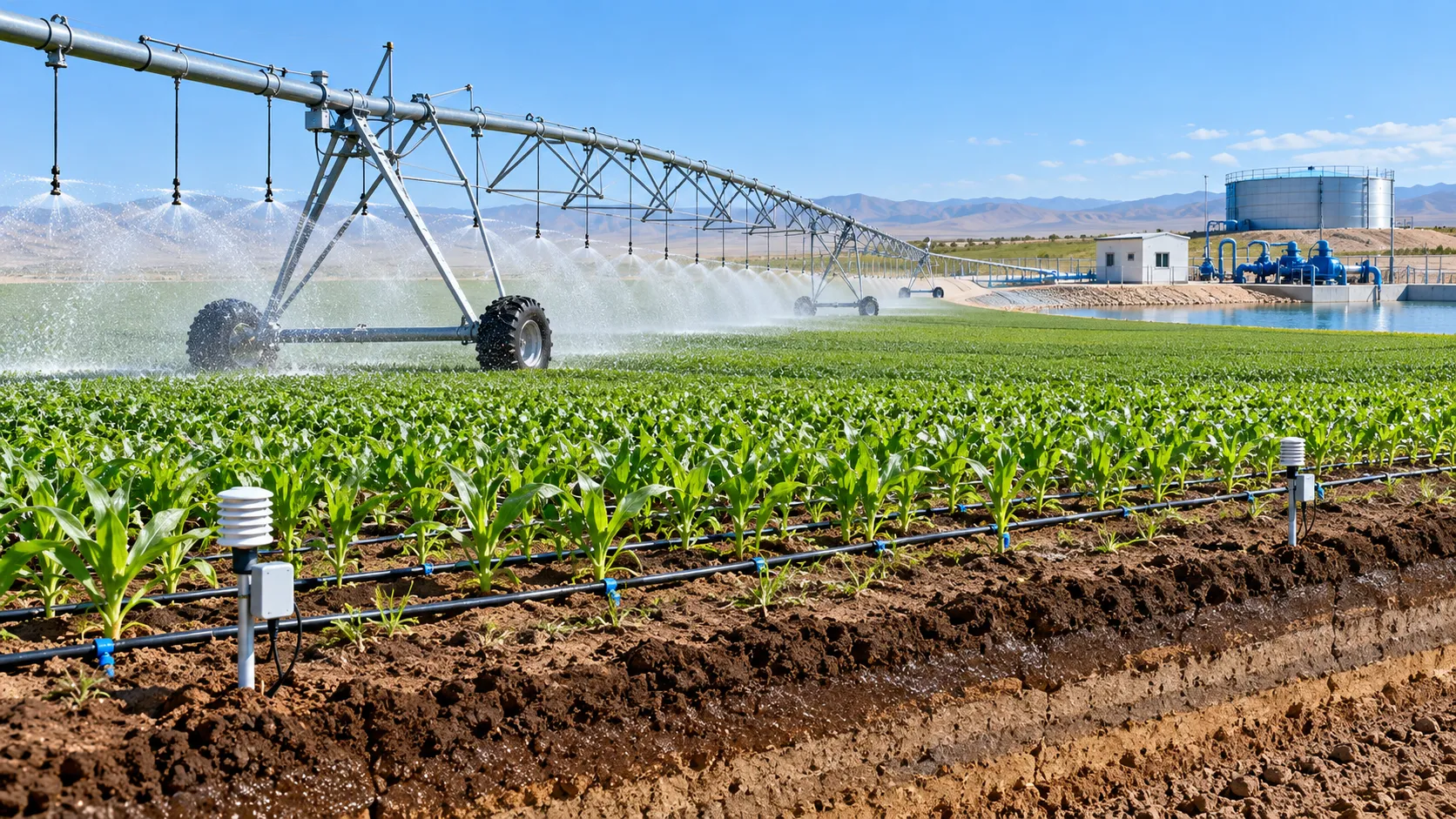
Climate-Smart Farming for Drought: A Practical Plan for Protecting Yields
Climate-smart farming for drought: build smarter water budgets, protect critical crop stages, improve irrigation uniformity, and safeguard yields with practical field-proven strategies.
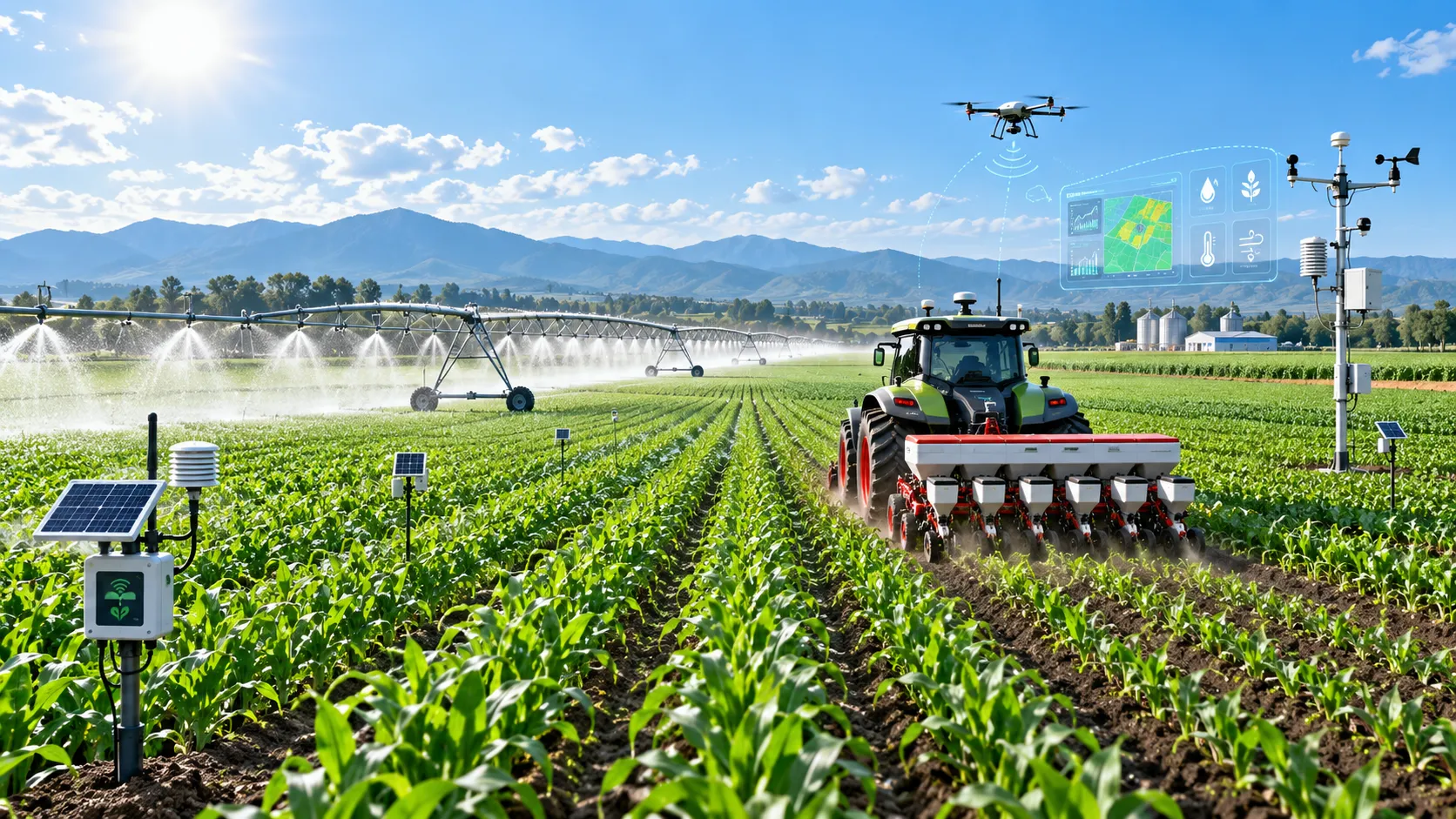
How Digital Agriculture Platforms Turn Field Data Into Better Input Decisions
Digital agriculture platforms turn field data into smarter fertilizer, water, seed, and equipment decisions—helping farms cut risk, improve margins, and scale sustainability.
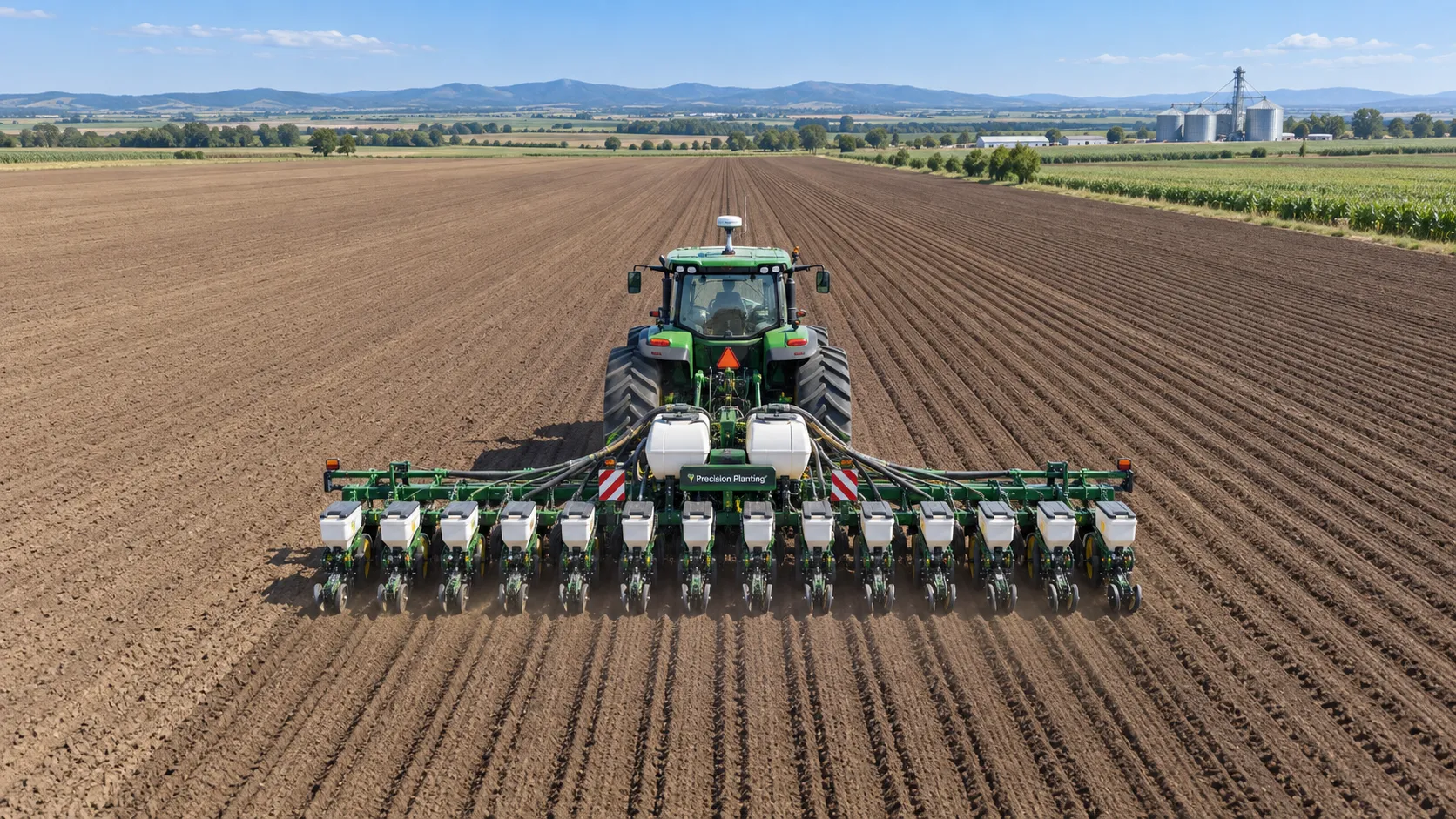
GPS-Guided Farm Machinery: Where It Delivers Measurable Field Efficiency Gains
Agri-mechanization GPS guided systems deliver measurable field efficiency gains through reduced overlap, precise planting, smarter inputs, and reliable farm data.
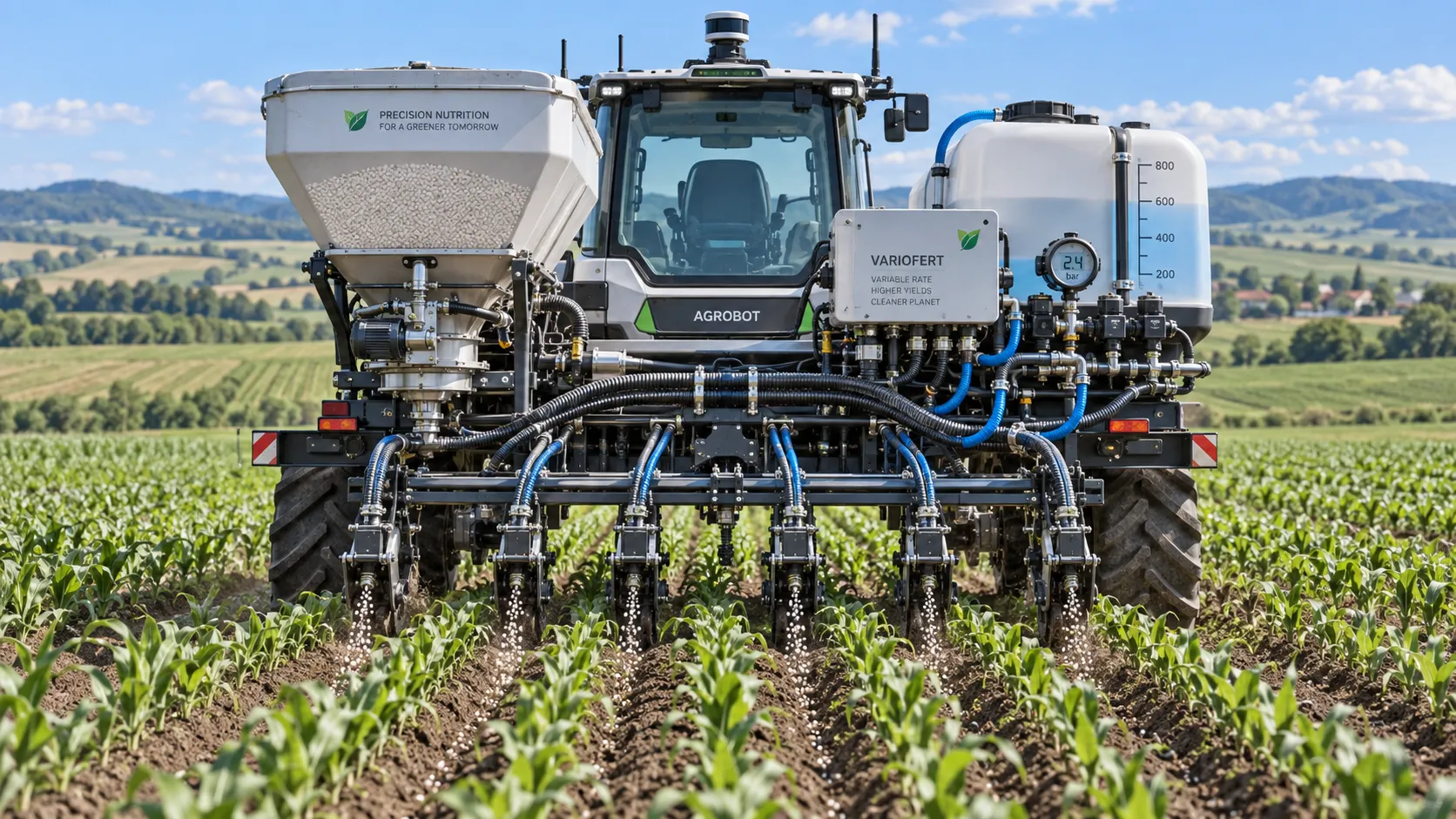
How Sensor Feedback Enables Accurate Variable-Rate Fertilization in Field Conditions
Precision fertilization systems with sensor feedback improve variable-rate accuracy by verifying flow, managing latency, and ensuring reliable field application.
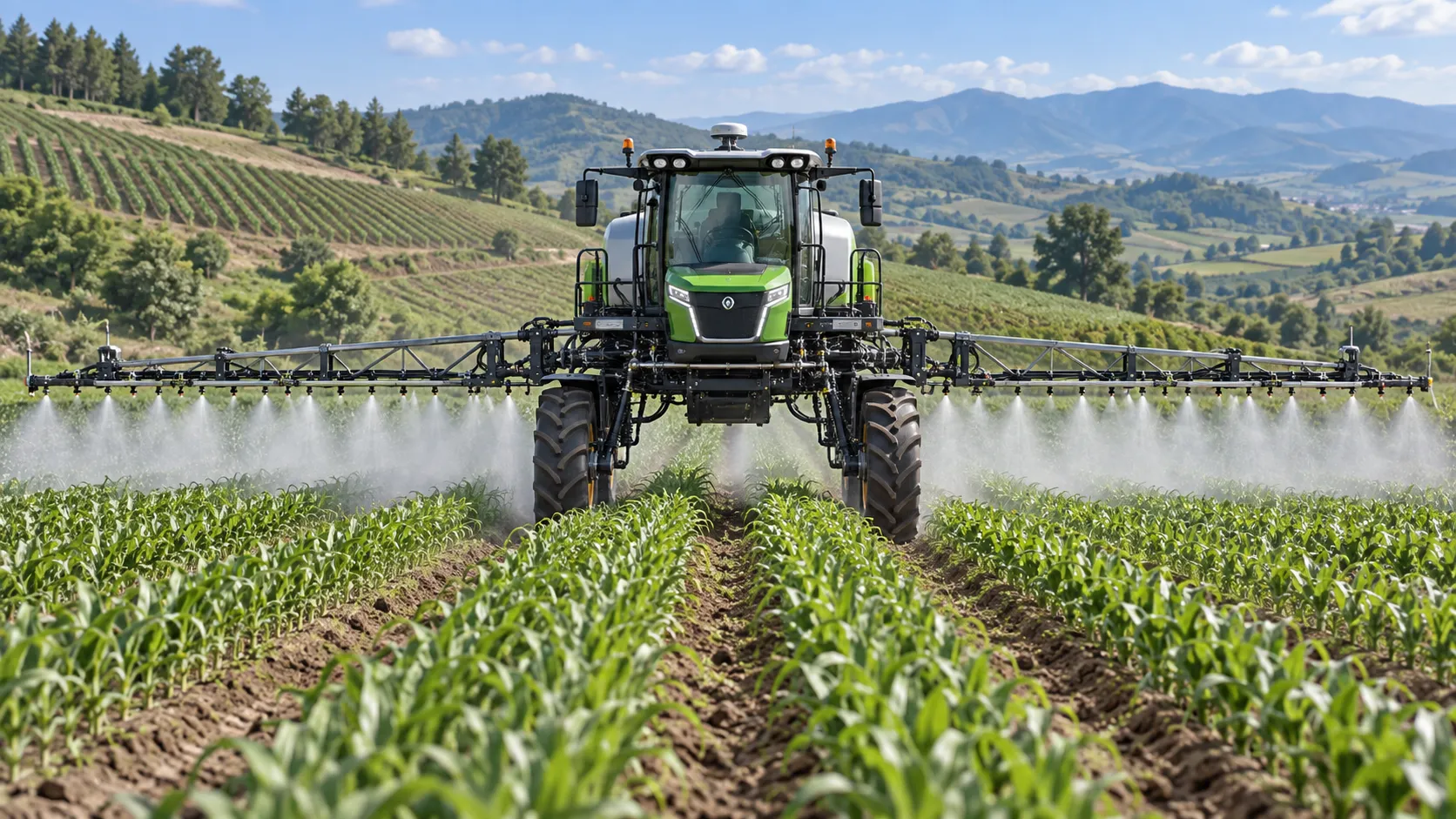
How to Select Precision Crop Protection Equipment for Variable Field Conditions
Precision crop protection equipment selection made simple: compare terrain, canopy, weather, control accuracy, and data workflows for reliable applications.

When Does Agricultural Machinery Leasing Cost Less Than Owning Equipment?
Agricultural machinery leasing can lower farm costs when use is seasonal or uncertain. Compare utilization, maintenance, cash flow, and risk to make a smarter equipment decision.

How to Evaluate Precision Fertilization System Suppliers for Farm-Scale Deployment
Precision fertilization systems suppliers: learn how to compare accuracy, integration, uptime, service, and total cost for confident farm-scale deployment.
Related News
- 00
0000-00
Tractor Chassis Price: What Buyers Should Compare Beyond the Initial Quote - 00
0000-00
How Digital Agriculture Platforms Turn Field Data Into Better Input Decisions - 00
0000-00
When Does Agricultural Machinery Leasing Cost Less Than Owning Equipment? - 00
0000-00
Selecting Grain Farm Equipment by Acreage, Crop Mix, and Harvest Window - 00
0000-00
Poultry Equipment Selection: Evaluating Durability, Cleaning, and Compatibility
Popular Tags
Ms. Elena Rodriguez
Weekly Insights
Stay ahead with our curated technology reports delivered every Monday.