
Where agri-tech advancements are reshaping dealer margins




Where agri-tech advancements are reshaping dealer margins
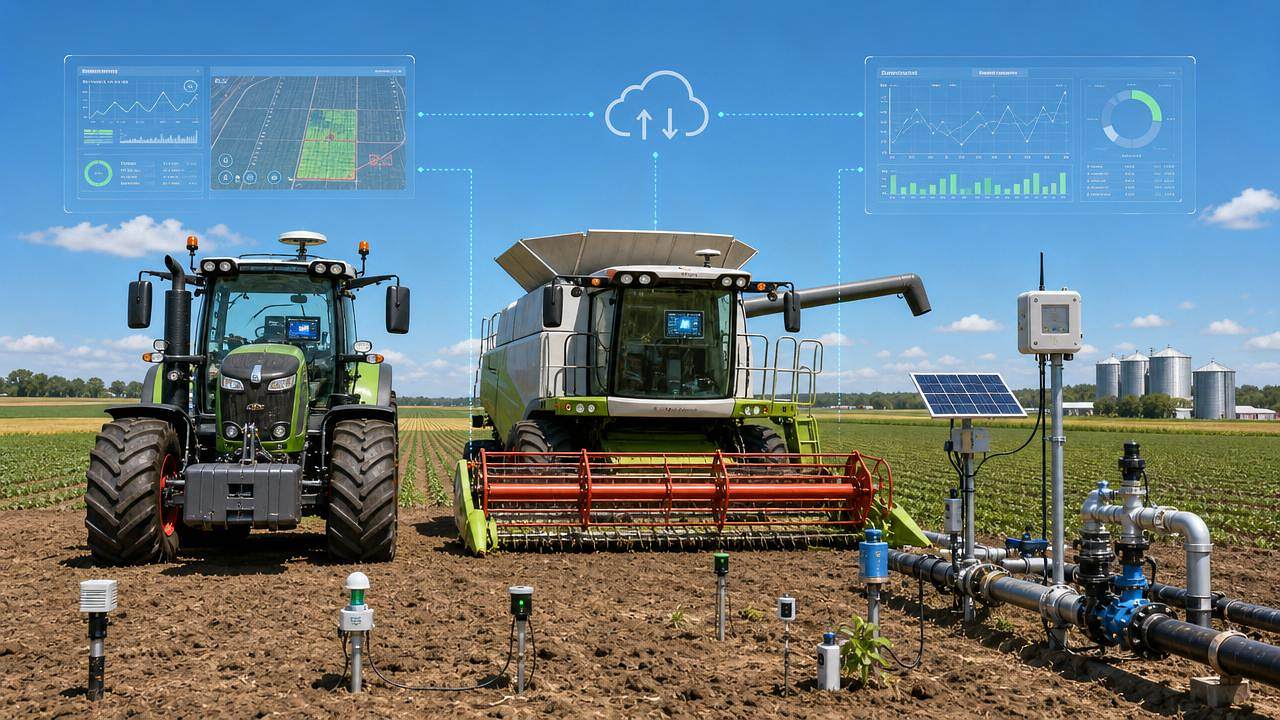
As agri-tech advancements spread across farm machinery, combine harvesting, and smart irrigation, the dealer margin model is changing fast.
Revenue no longer depends only on unit sales, seasonal discounts, or financing support from equipment brands.
Today, margin strength comes from software enablement, data services, retrofit capability, uptime support, and precision agriculture expertise.
This shift matters across the broader industrial landscape because agriculture now behaves like a connected equipment ecosystem.
For intelligence-led platforms such as AP-Strategy, the signal is clear: agri-tech advancements are redrawing value capture across the channel.
The market signal is no longer about bigger machines alone
The old model rewarded inventory scale, local relationships, and aggressive pricing during planting and harvest cycles.
That model still matters, but it no longer protects dealer margins in a market shaped by connected hardware.
Large tractors now integrate telematics, automated guidance, fuel optimization, and hydraulic control diagnostics.
Combine harvesters increasingly rely on loss-monitoring algorithms, crop adaptation settings, and real-time operator feedback.
Intelligent irrigation systems add sensor networks, remote scheduling, and water-use analytics to traditional mechanical installation work.
Each of these agri-tech advancements moves margin potential away from the metal itself and toward the knowledge wrapped around it.
Why agri-tech advancements are changing the margin equation
Several forces are pushing this transition at the same time.
In short, agri-tech advancements increase value creation, but only for channel players able to translate technology into measurable field outcomes.
Margin pressure is rising in old revenue pools
Traditional gross margin often weakens when machines become easier to compare across regions and platforms.
Online specifications, cross-border pricing visibility, and financing promotions reduce pricing freedom on base equipment.
At the same time, inventory carrying costs remain high for tractors, harvesters, and irrigation hardware.
That combination squeezes dealers who still depend on front-end sales margin as the main source of profit.
Agri-tech advancements intensify this pressure because software-enabled products demand more support before and after delivery.
Where margin is moving instead
- Telematics activation and subscription onboarding
- Precision setup, calibration, and seasonal optimization
- Retrofit packages for guidance, sensors, and control modules
- Remote diagnostics and predictive maintenance programs
- Operator training linked to machine efficiency outcomes
- Water-use analysis for intelligent irrigation performance improvement
This is the center of the new margin equation created by agri-tech advancements.
Different business functions feel the impact in different ways
The effect of agri-tech advancements is not limited to sales teams or equipment pricing.
It touches every operational layer that supports customer lifetime value.
Across the comprehensive industry landscape, this resembles changes already seen in automotive, energy systems, and industrial automation.
Hardware remains essential, but differentiated margin follows intelligence, service depth, and operational integration.
The strongest margin opportunities sit inside lifecycle value
Dealers who benefit most from agri-tech advancements often build revenue around the full equipment lifecycle.
That starts before the sale with field mapping, application matching, and expected payback analysis.
It continues with installation quality, system integration, operator training, and post-season performance reviews.
For combine harvesters, lifecycle value may include throughput tuning and grain-loss reduction support.
For tractor chassis systems, it may include transmission diagnostics and hydraulic efficiency monitoring.
For smart irrigation, it may include evapotranspiration-based scheduling, leak detection, and water-saving benchmarking.
Each layer converts agri-tech advancements into defendable margin instead of one-time transactional income.
What deserves close attention now
- How much gross profit still depends on front-end machine discounting
- Whether the service team can support connected and autonomous features
- How effectively sales conversations connect technology to field economics
- Which agri-tech advancements create recurring revenue instead of isolated upgrades
- Whether data ownership, subscriptions, and platform access are clearly structured
- How inventory mix aligns with regional crop systems and water-management needs
- Where training gaps reduce adoption and weaken customer satisfaction
These checkpoints help reveal whether agri-tech advancements are enhancing margins or merely adding operating complexity.
Practical response paths for the next planning cycle
The main lesson is simple: agri-tech advancements reward structured capability, not passive product availability.
A clearer next step for market-facing strategy
The next move is to audit margin sources across machinery, service, software, and support.
Identify which offers create repeatable value in harvesting efficiency, chassis performance, and irrigation intelligence.
Then align training, inventory, and commercial messaging around those profitable use cases.
For organizations tracking Agriculture 4.0, AP-Strategy’s intelligence perspective is especially relevant.
It connects mechanical performance, precision agriculture algorithms, and sustainability signals that increasingly shape channel economics.
In the years ahead, agri-tech advancements will continue to reshape dealer margins.
The winners will be those who turn technical complexity into measurable productivity, reliable uptime, and field-level decision value.
Related News
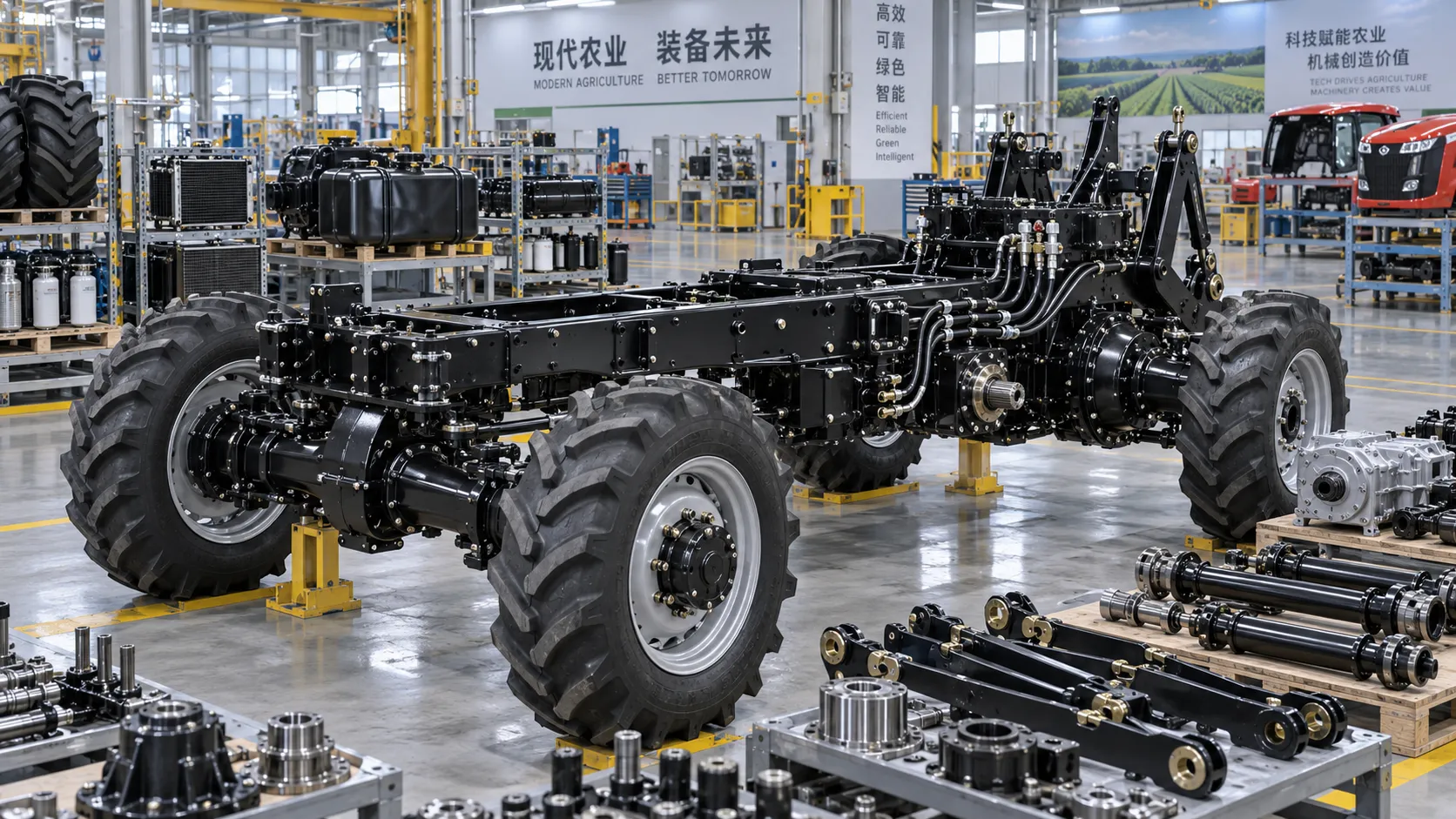
Tractor Chassis Price: What Buyers Should Compare Beyond the Initial Quote
Tractor chassis price is only the start. Compare load capacity, compatibility, durability, and lifecycle costs to choose a reliable, high-value chassis.
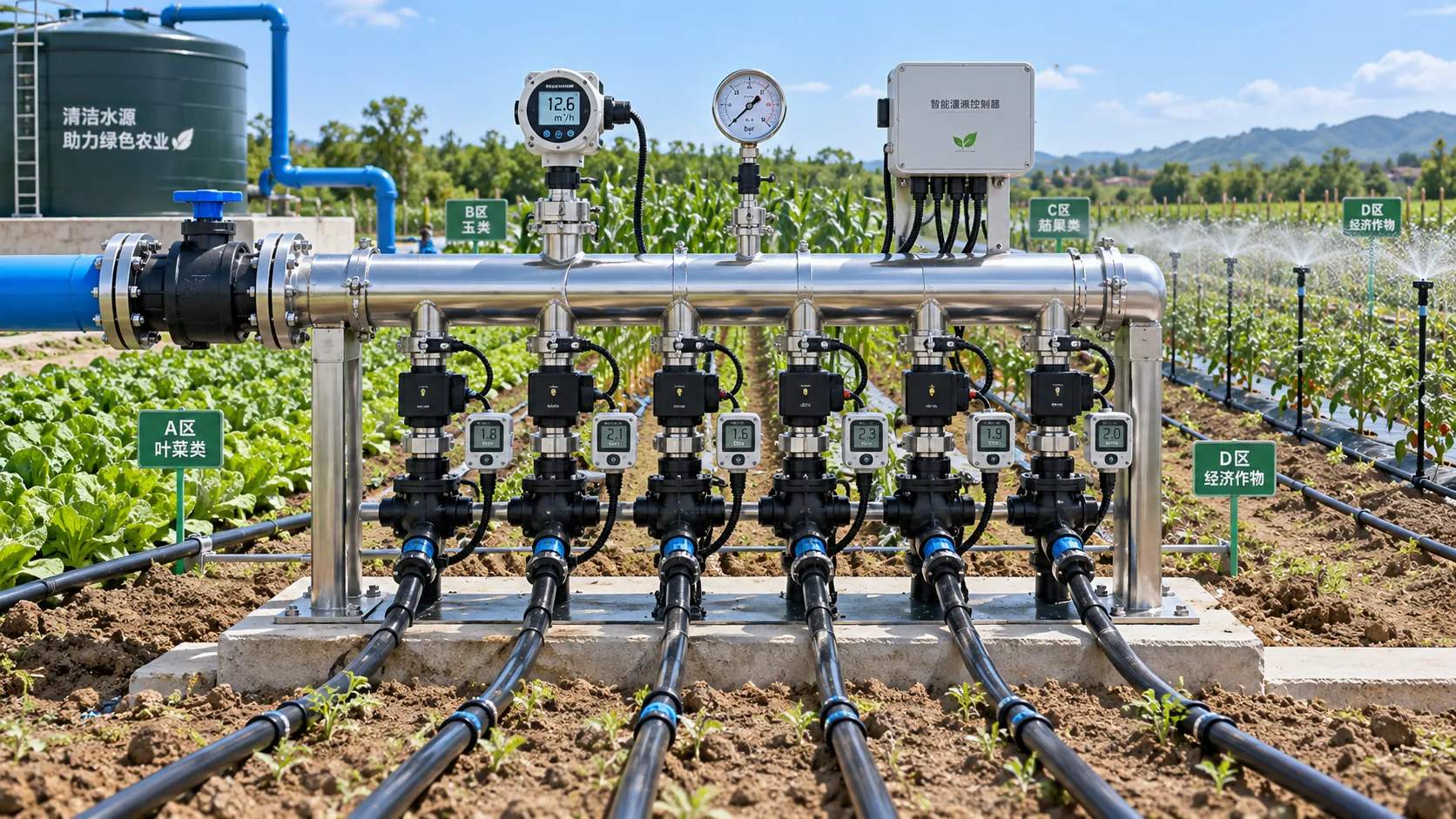
How to Select Smart Irrigation Valves for Multi-Zone Water Management?
Intelligent irrigation systems valves: learn how to match smart valves with multi-zone flow, pressure, control, feedback, and communication needs for reliable water management.
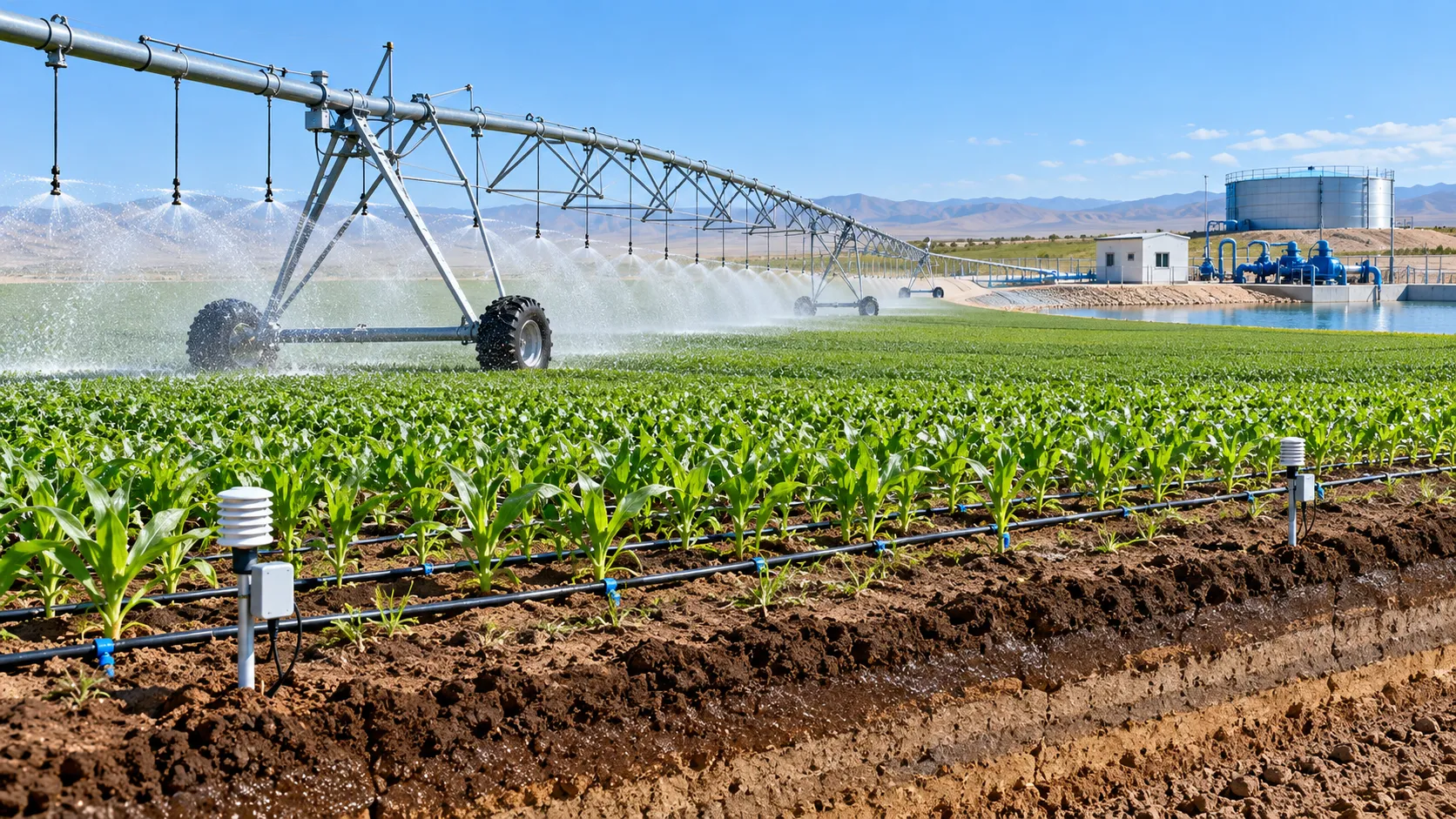
Climate-Smart Farming for Drought: A Practical Plan for Protecting Yields
Climate-smart farming for drought: build smarter water budgets, protect critical crop stages, improve irrigation uniformity, and safeguard yields with practical field-proven strategies.
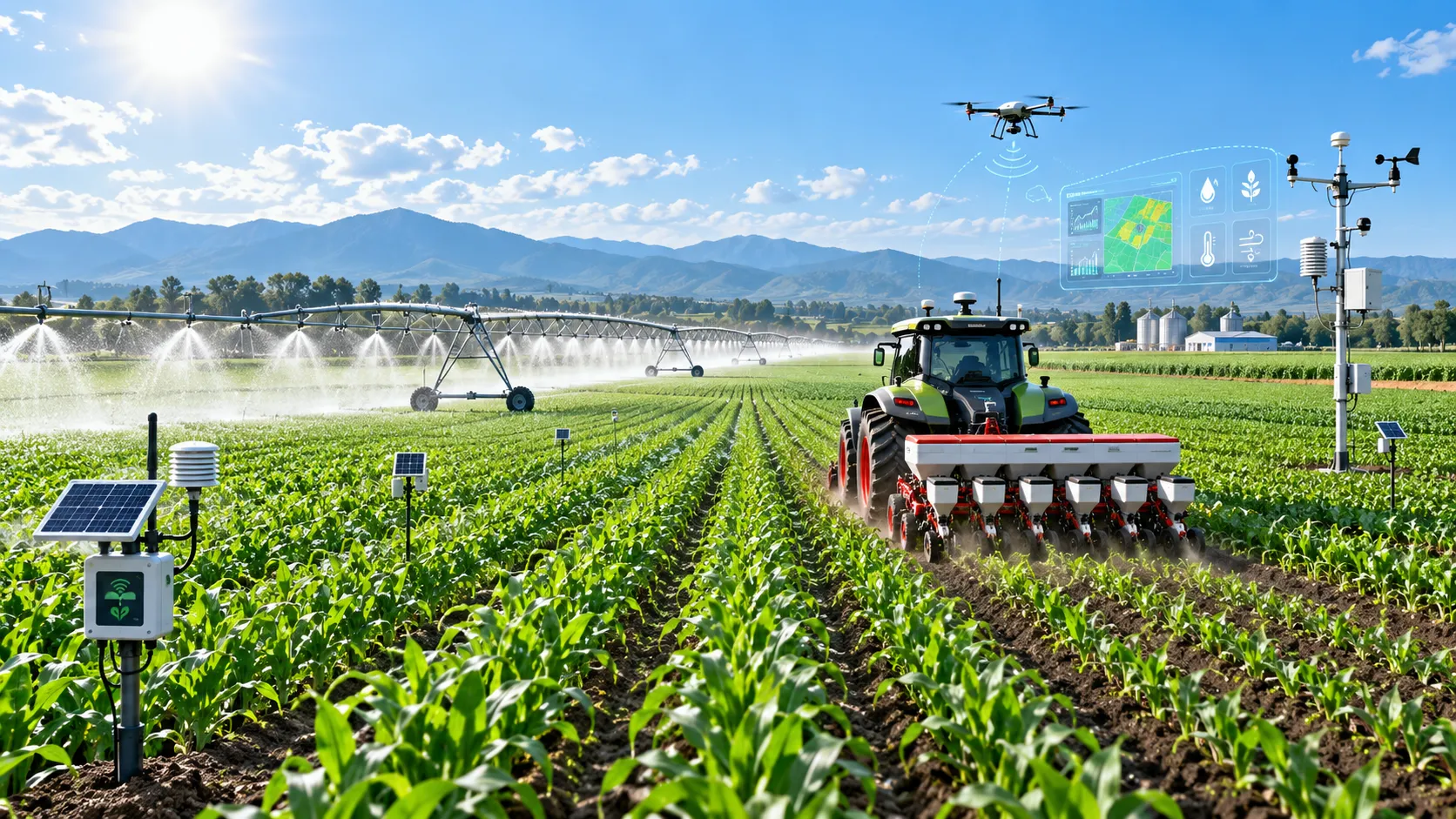
How Digital Agriculture Platforms Turn Field Data Into Better Input Decisions
Digital agriculture platforms turn field data into smarter fertilizer, water, seed, and equipment decisions—helping farms cut risk, improve margins, and scale sustainability.
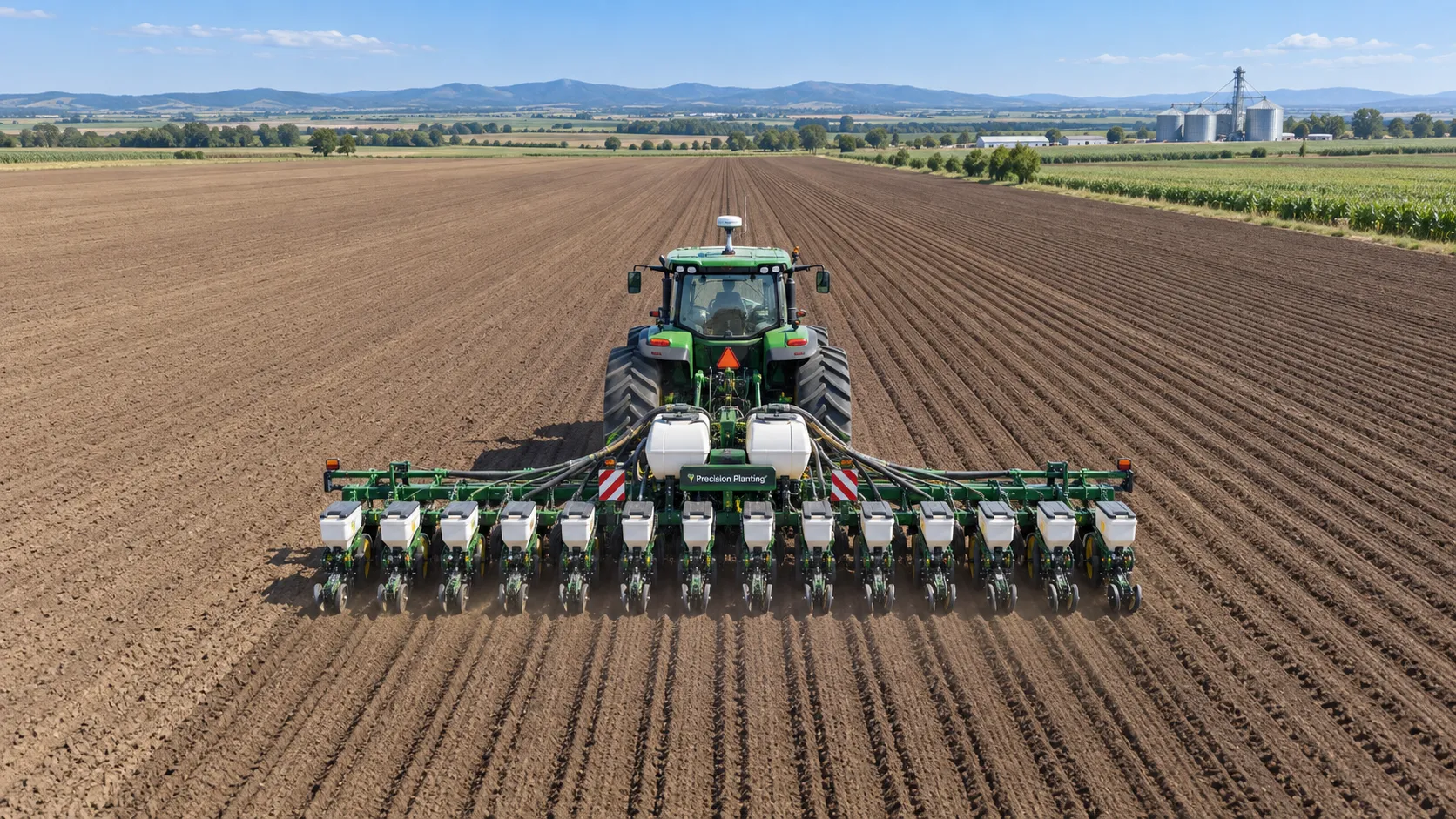
GPS-Guided Farm Machinery: Where It Delivers Measurable Field Efficiency Gains
Agri-mechanization GPS guided systems deliver measurable field efficiency gains through reduced overlap, precise planting, smarter inputs, and reliable farm data.
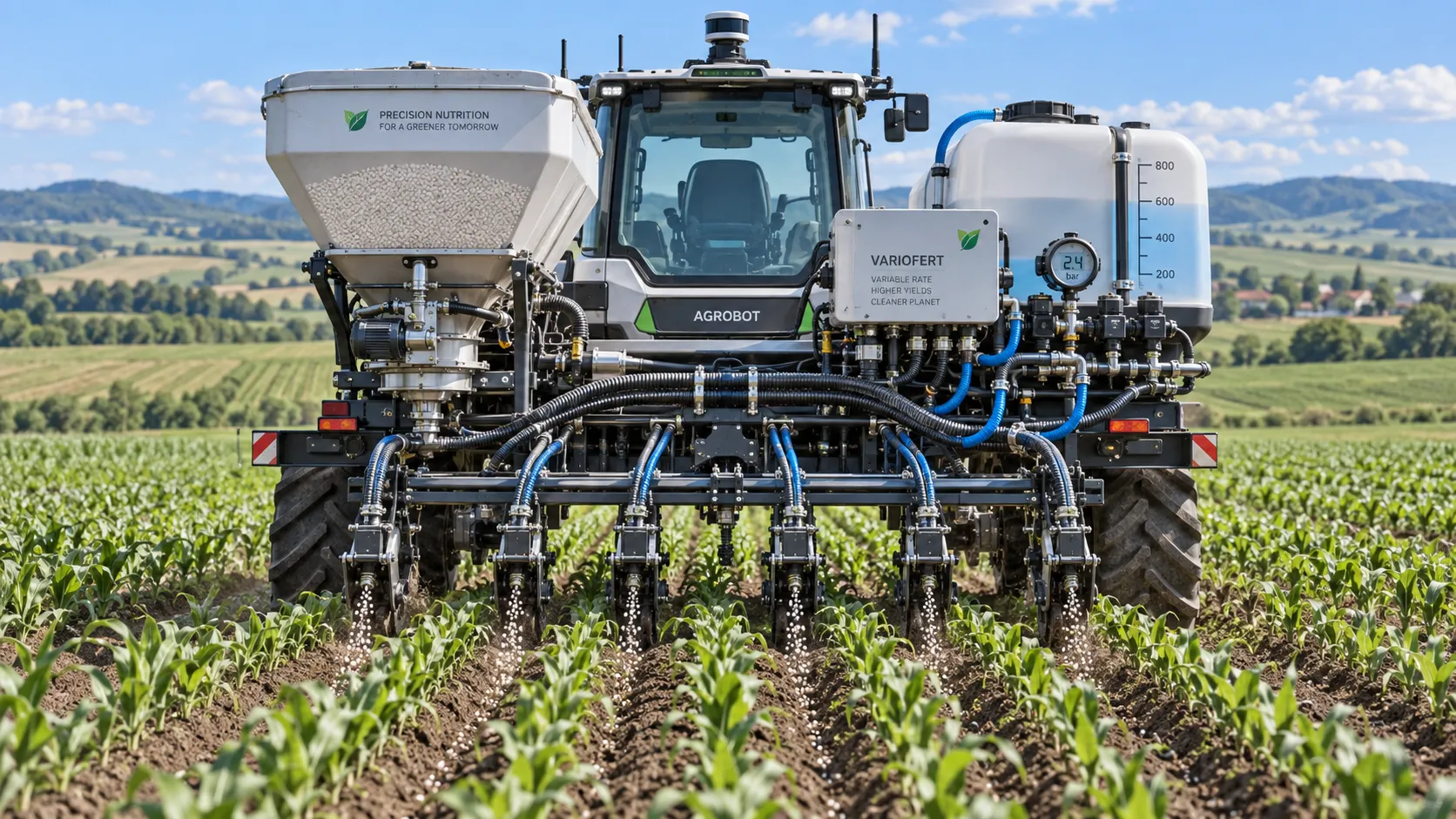
How Sensor Feedback Enables Accurate Variable-Rate Fertilization in Field Conditions
Precision fertilization systems with sensor feedback improve variable-rate accuracy by verifying flow, managing latency, and ensuring reliable field application.
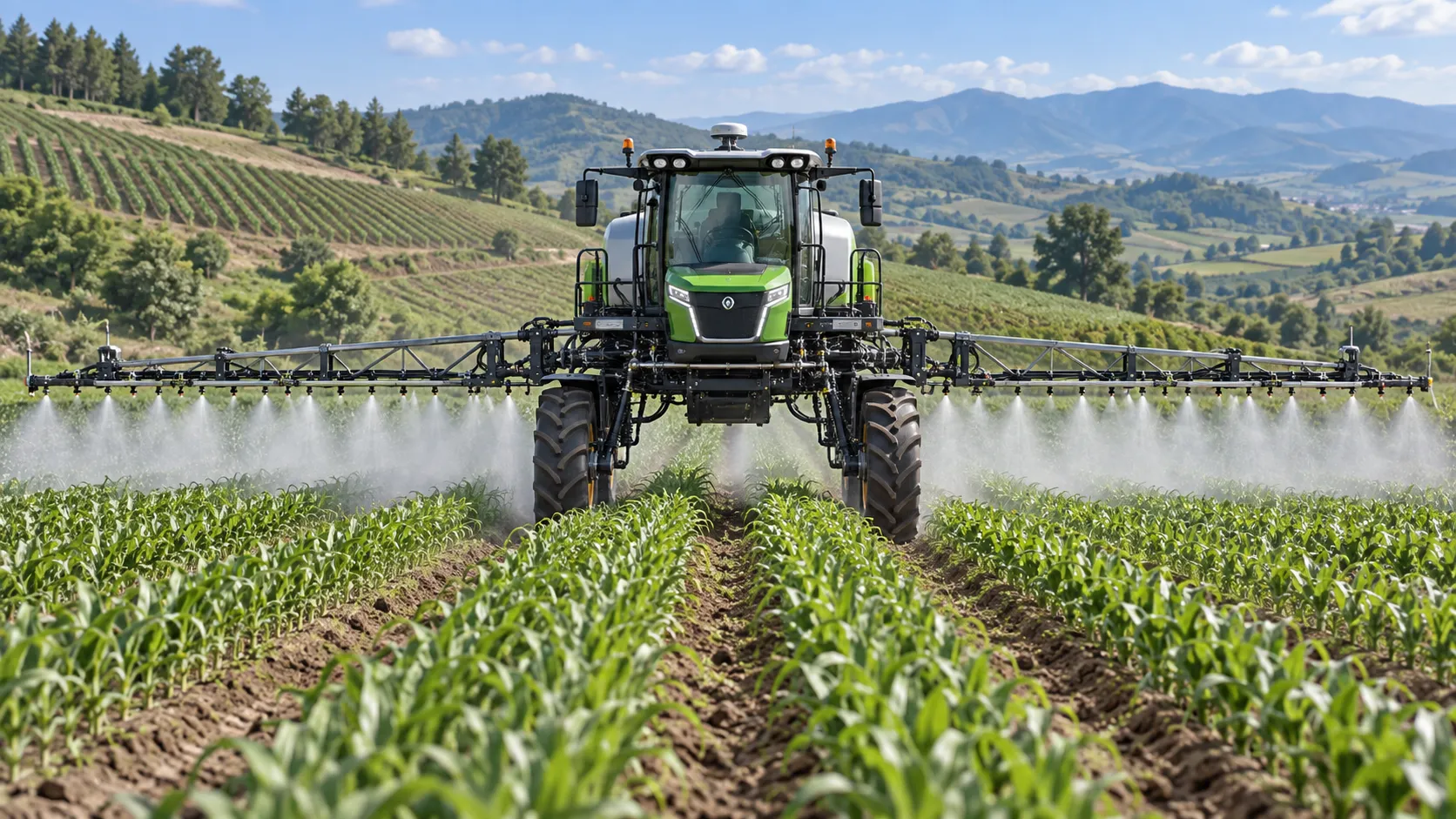
How to Select Precision Crop Protection Equipment for Variable Field Conditions
Precision crop protection equipment selection made simple: compare terrain, canopy, weather, control accuracy, and data workflows for reliable applications.

When Does Agricultural Machinery Leasing Cost Less Than Owning Equipment?
Agricultural machinery leasing can lower farm costs when use is seasonal or uncertain. Compare utilization, maintenance, cash flow, and risk to make a smarter equipment decision.

How to Evaluate Precision Fertilization System Suppliers for Farm-Scale Deployment
Precision fertilization systems suppliers: learn how to compare accuracy, integration, uptime, service, and total cost for confident farm-scale deployment.
Related News
- 00
0000-00
Food Security Risks in Modern Supply Chains: What Businesses Should Track First - 00
0000-00
Farm Machinery Innovations Worth Tracking in 2025: ROI, Adoption Barriers, and Use Cases - 00
0000-00
What agricultural environmental policies mean for compliance - 00
0000-00
Why hybrid farm machinery is gaining serious traction - 00
0000-00
Japan's April CPI Up 1.4%: Pricing Strategy Adjustment Urged for Farm Machinery Exports
Popular Tags
Dr. Alistair Vaughn
Weekly Insights
Stay ahead with our curated technology reports delivered every Monday.