
Are climate-smart agriculture technologies worth the cost?
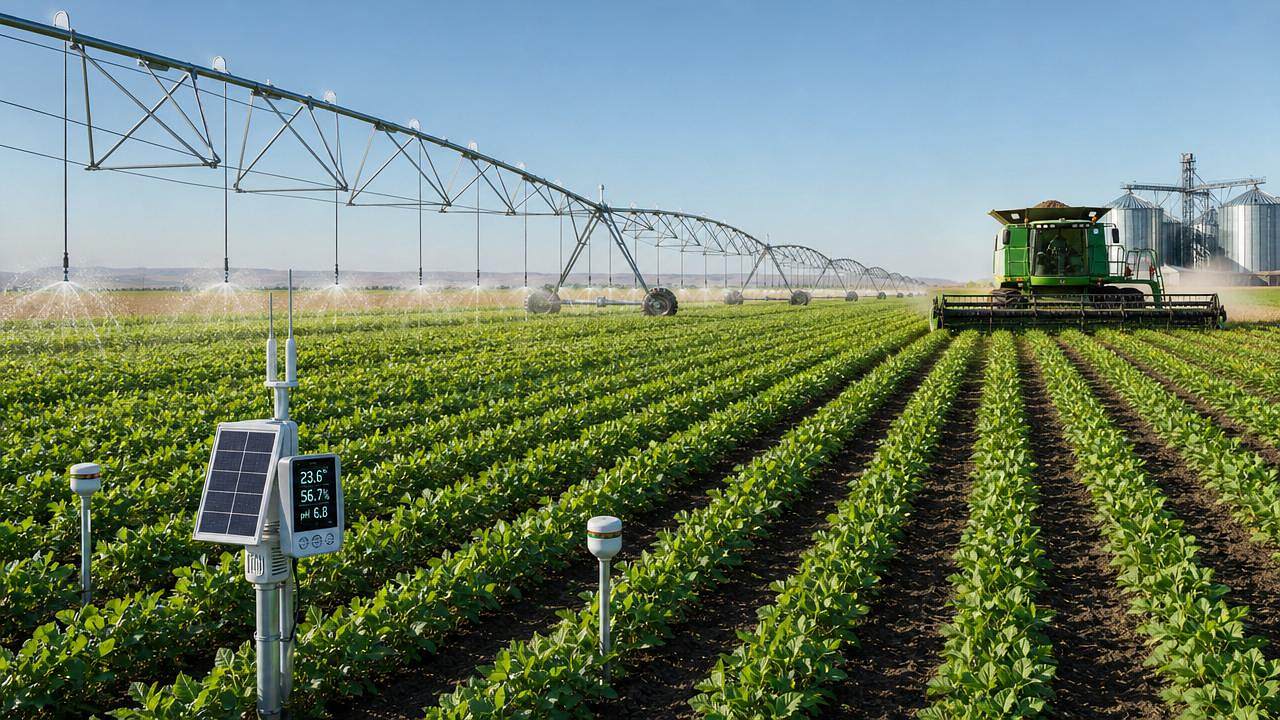




Why climate-smart agriculture technologies need a checklist-based decision
For finance approvers weighing long payback cycles against rising climate risk, climate-smart agriculture technologies deserve a sharper look. From intelligent irrigation and precision tools to efficient harvesting systems, the real question is not only upfront cost, but measurable returns in yield stability, input savings, compliance, and asset resilience. This article examines whether these investments truly strengthen operational efficiency and long-term agricultural profitability.
The answer is rarely a simple yes or no. Climate-smart agriculture technologies can be worth the cost when they solve a defined production constraint, fit field conditions, and deliver measurable savings over several seasons.
A checklist matters because agriculture 4.0 investments combine machinery, sensors, software, and agronomic practice. A weak link in data quality, operator adoption, or maintenance planning can erase expected returns.
That is especially true in broad-acre systems, water-stressed regions, and high-throughput harvesting environments. In these settings, climate-smart agriculture technologies affect fuel use, labor efficiency, water productivity, crop loss, and regulatory exposure at the same time.
Core checklist: how to judge whether climate-smart agriculture technologies are worth the cost
- Define the bottleneck first. Identify whether drought stress, fertilizer inefficiency, harvesting loss, labor scarcity, or inconsistent machine performance is the main economic drag.
- Quantify baseline metrics. Record yield variance, water use per hectare, fuel burn, cleaning loss, overlap, downtime, and input costs before comparing any technology option.
- Model full cost, not sticker price. Include installation, integration, software licenses, training, calibration, spare parts, financing, and expected replacement cycles.
- Calculate returns across seasons. Test best-case, base-case, and stress-year outcomes to see whether climate-smart agriculture technologies still perform under volatile weather.
- Check interoperability early. Confirm compatibility among tractor chassis electronics, implement control systems, GNSS guidance, telematics platforms, and irrigation controllers.
- Verify field-level fit. Soil texture, slope, crop type, irrigation method, and harvest window determine whether a precision system can actually produce stable gains.
- Audit data reliability. Sensor drift, patchy connectivity, poor map resolution, and weak analytics can turn promising climate-smart agriculture technologies into underused assets.
- Test operator usability. If setup is slow or interfaces are confusing, adoption falls and the equipment may deliver only a fraction of projected value.
- Measure resilience benefits. Include avoided losses from drought, flood, heat, and harvest delays, not only direct input savings or headline yield increases.
- Review compliance value. Water reporting, nutrient stewardship, emissions tracking, and sustainability requirements can improve the business case beyond field economics alone.
- Plan service support. Local parts availability, remote diagnostics, dealer response times, and firmware updates strongly influence lifecycle value and downtime risk.
- Pilot before scaling. Start with one irrigation block, one harvester line, or one guidance package, then expand only after measurable operational proof.
Where climate-smart agriculture technologies usually pay back faster
Intelligent irrigation and water-saving systems
In water-stressed production zones, smart irrigation often shows the clearest return. Soil moisture sensing, evapotranspiration modeling, variable-rate application, and leak detection can reduce pumping, stabilize crop stress, and improve irrigation timing.
These climate-smart agriculture technologies become more valuable when energy costs are high or water allocations are tightening. The savings come from less overwatering, fewer emergency interventions, and stronger yield consistency across difficult seasons.
Precision field operations and intelligent farm tools
Guidance systems, section control, prescription application, and sensor-led field tools can cut overlap and trim seed, fertilizer, and chemical waste. On large fields, small percentage gains can create meaningful annual savings.
Returns improve when operations already capture clean field data and have repeatable work processes. Without disciplined calibration and map validation, climate-smart agriculture technologies in this category may underperform.
Efficient harvesting and combine optimization
Harvest losses are often underestimated. Combine automation, cleaning-loss feedback, grain quality monitoring, and route coordination can protect revenue during narrow harvest windows and unstable weather conditions.
For high-volume grain systems, better harvesting decisions can justify climate-smart agriculture technologies through reduced loss, improved throughput, and lower weather-related quality penalties.
Heavy-duty machinery platforms and tractor systems
Modern tractor chassis control, transmission efficiency, and implement automation can improve fuel economy and precision under variable loads. These gains matter most where labor pressure and operating hours are high.
The financial case strengthens when the machine serves multiple implements and seasons. Shared use spreads the cost of climate-smart agriculture technologies across more hectares and more operations.
Commonly overlooked risks that distort the investment case
Ignoring integration friction
A strong tool can still fail economically if data cannot move between equipment brands, farm management software, and irrigation controls. Integration delays often create hidden labor and consulting costs.
Overestimating first-year gains
Many climate-smart agriculture technologies need one or two seasons of calibration, staff learning, and agronomic adjustment. Treating year one as a fully mature performance year can mislead capital decisions.
Undervaluing maintenance discipline
Sensor fouling, controller faults, worn nozzles, and delayed firmware updates can silently reduce performance. A neglected system may look unprofitable when the real problem is weak upkeep.
Missing the resilience premium
Traditional ROI models often ignore avoided losses. Yet one severe drought, one irrigation restriction, or one compressed harvest season can prove the value of climate-smart agriculture technologies very quickly.
Buying features instead of outcomes
The most advanced platform is not always the most profitable one. The better choice is the system that solves a measured field problem with manageable complexity and dependable support.
Practical execution steps for a stronger business case
- Build a three-year baseline using real field and machine records, not assumptions or vendor averages.
- Prioritize technologies linked to one major constraint and one measurable KPI.
- Request pilot data from comparable crop systems, climates, and operational scale.
- Separate direct savings, yield protection, and compliance value in the ROI model.
- Stress-test financing against low-price years, delayed payback, and seasonal weather shocks.
- Assign ownership for calibration, data review, and maintenance from day one.
This approach helps prevent a common mistake: treating climate-smart agriculture technologies as generic sustainability purchases. Their value is operational first, strategic second, and reputational third.
It also aligns with how large-scale agricultural systems actually create returns. Better machine utilization, better water control, and better harvest timing often matter more than isolated yield claims.
Conclusion: are climate-smart agriculture technologies worth the cost?
Yes, climate-smart agriculture technologies are often worth the cost when they are matched to a specific production constraint, supported by reliable data, and managed over a multi-season horizon. They are least effective when purchased for trend value, oversized features, or weak integration planning.
The smartest next step is to audit one high-cost pressure point such as irrigation efficiency, harvesting loss, or input overlap. Then run a pilot, capture baseline-versus-results data, and expand only where measurable field economics confirm the case.
In a market shaped by climate volatility, food security demands, and tighter resource constraints, climate-smart agriculture technologies should be judged as resilience infrastructure. When selected carefully, they do more than reduce risk. They build stronger, more adaptive agricultural profitability.
Related News
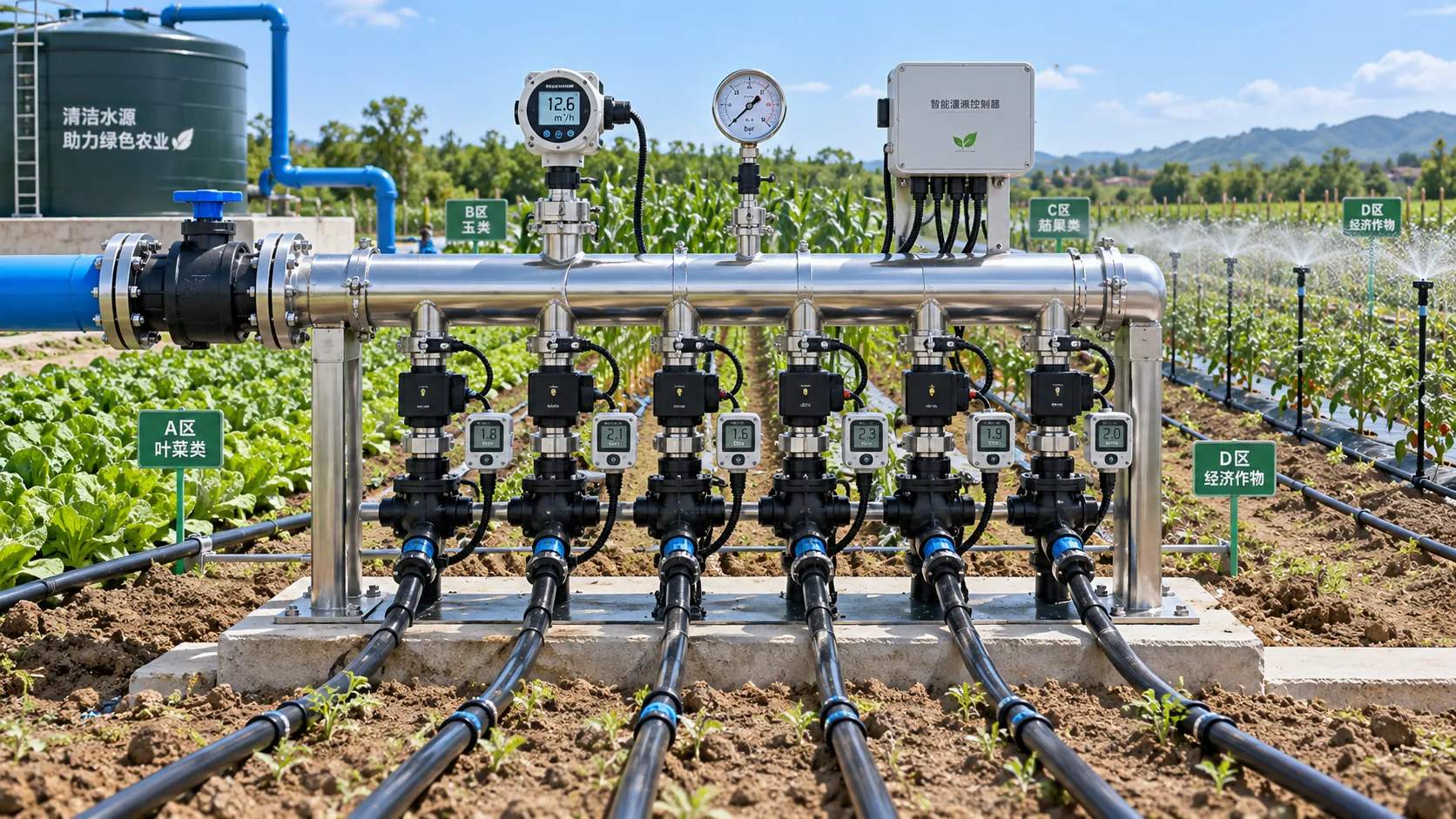
How to Select Smart Irrigation Valves for Multi-Zone Water Management?
Intelligent irrigation systems valves: learn how to match smart valves with multi-zone flow, pressure, control, feedback, and communication needs for reliable water management.
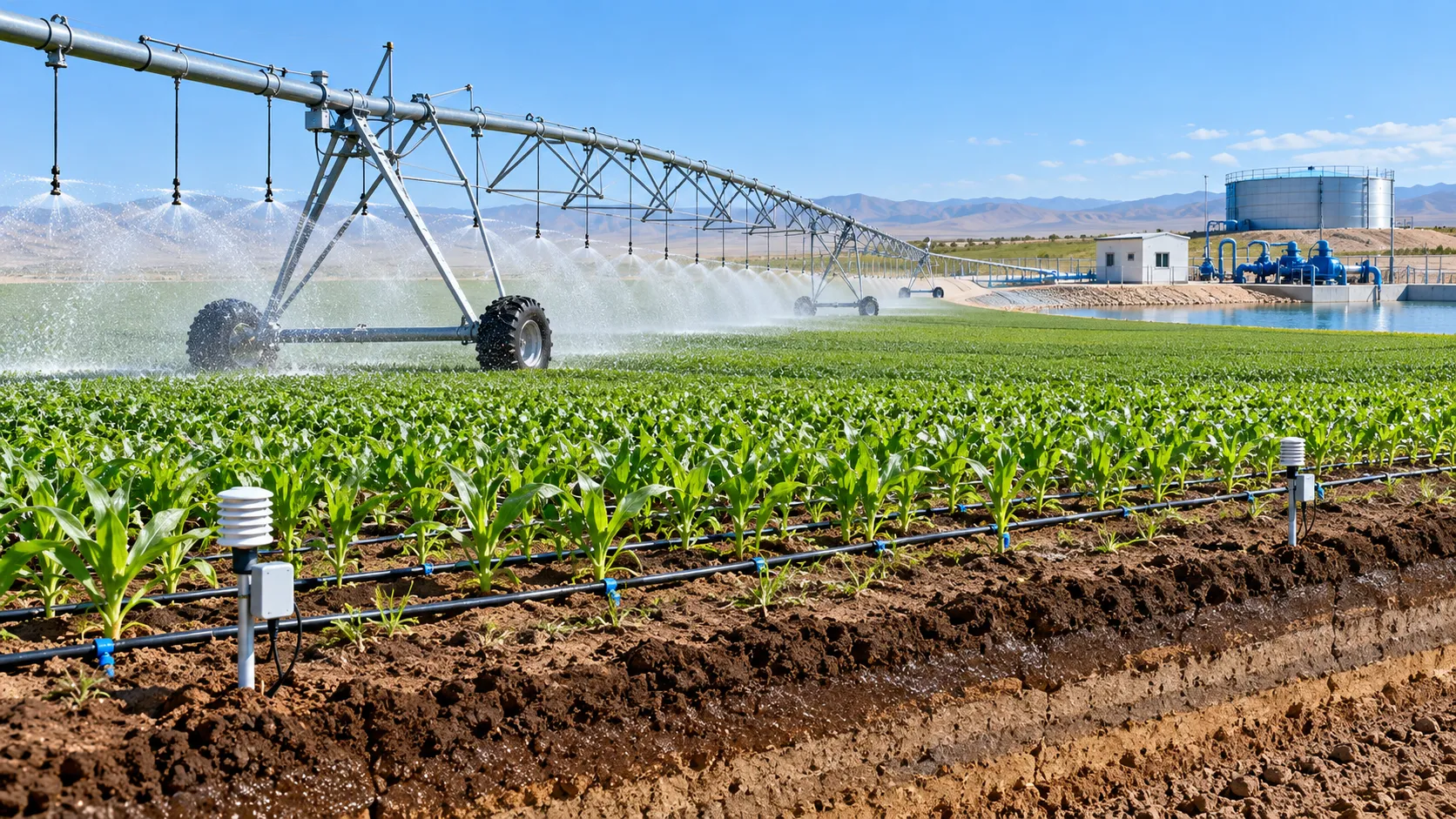
Climate-Smart Farming for Drought: A Practical Plan for Protecting Yields
Climate-smart farming for drought: build smarter water budgets, protect critical crop stages, improve irrigation uniformity, and safeguard yields with practical field-proven strategies.
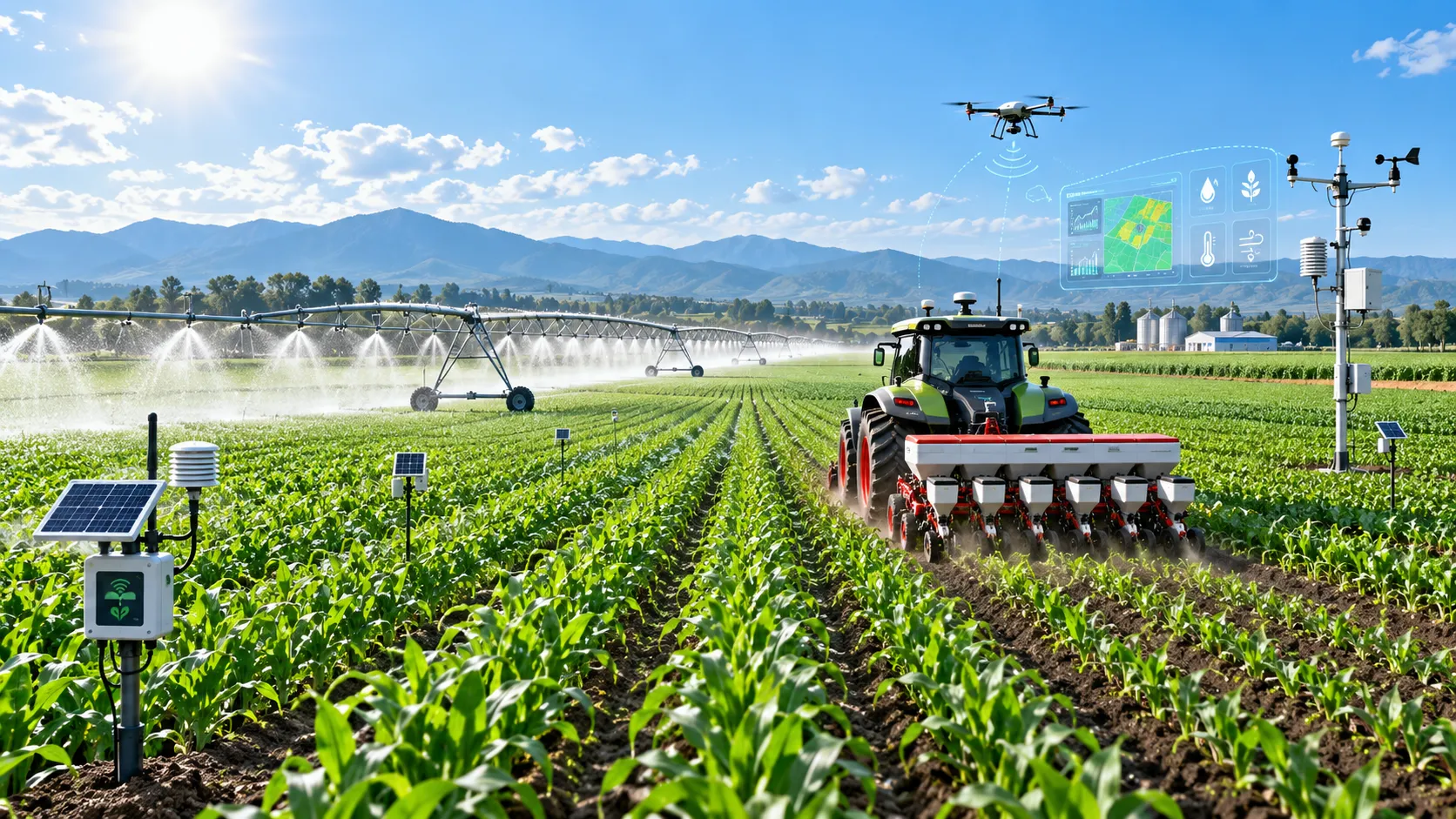
How Digital Agriculture Platforms Turn Field Data Into Better Input Decisions
Digital agriculture platforms turn field data into smarter fertilizer, water, seed, and equipment decisions—helping farms cut risk, improve margins, and scale sustainability.
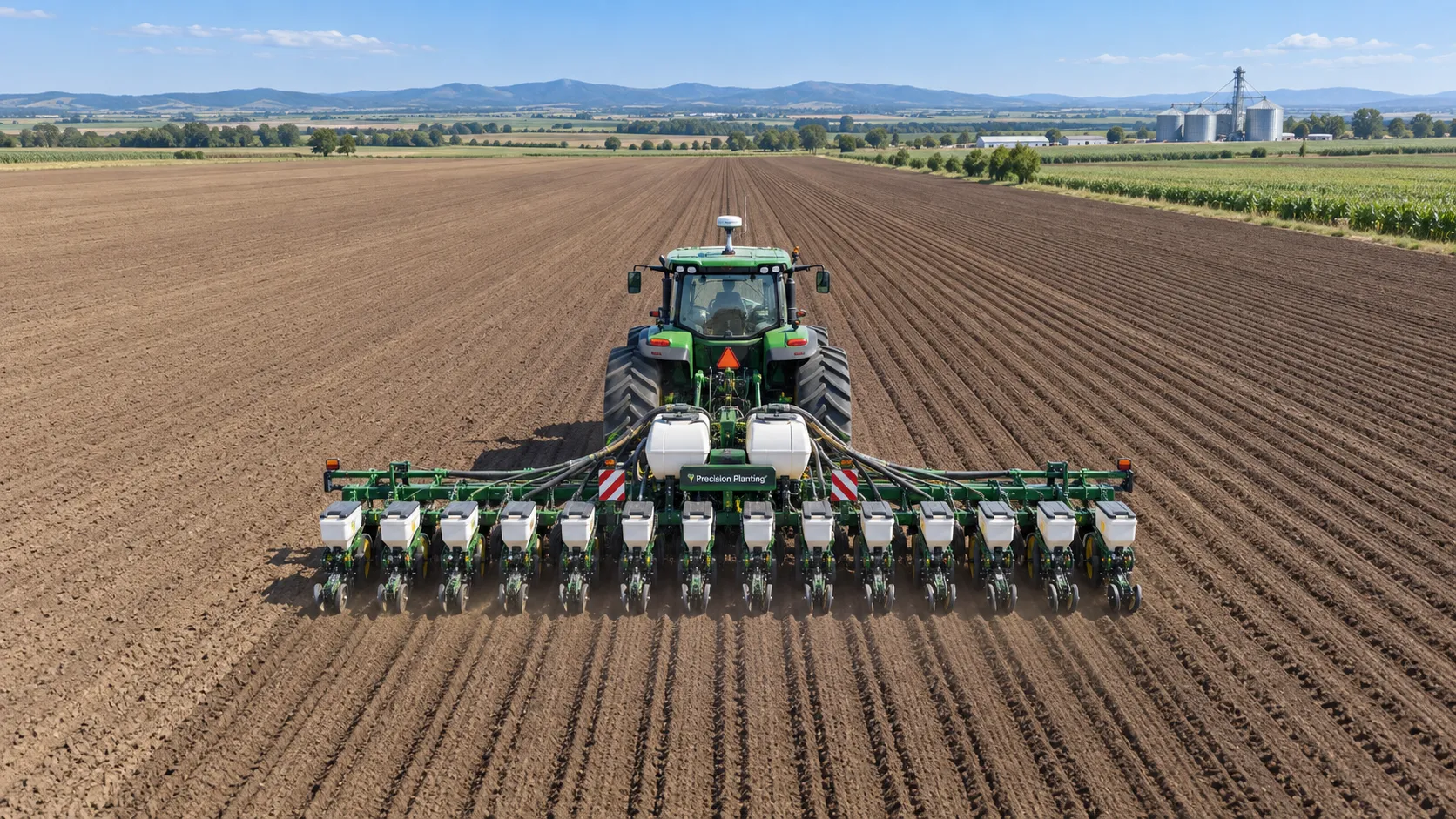
GPS-Guided Farm Machinery: Where It Delivers Measurable Field Efficiency Gains
Agri-mechanization GPS guided systems deliver measurable field efficiency gains through reduced overlap, precise planting, smarter inputs, and reliable farm data.
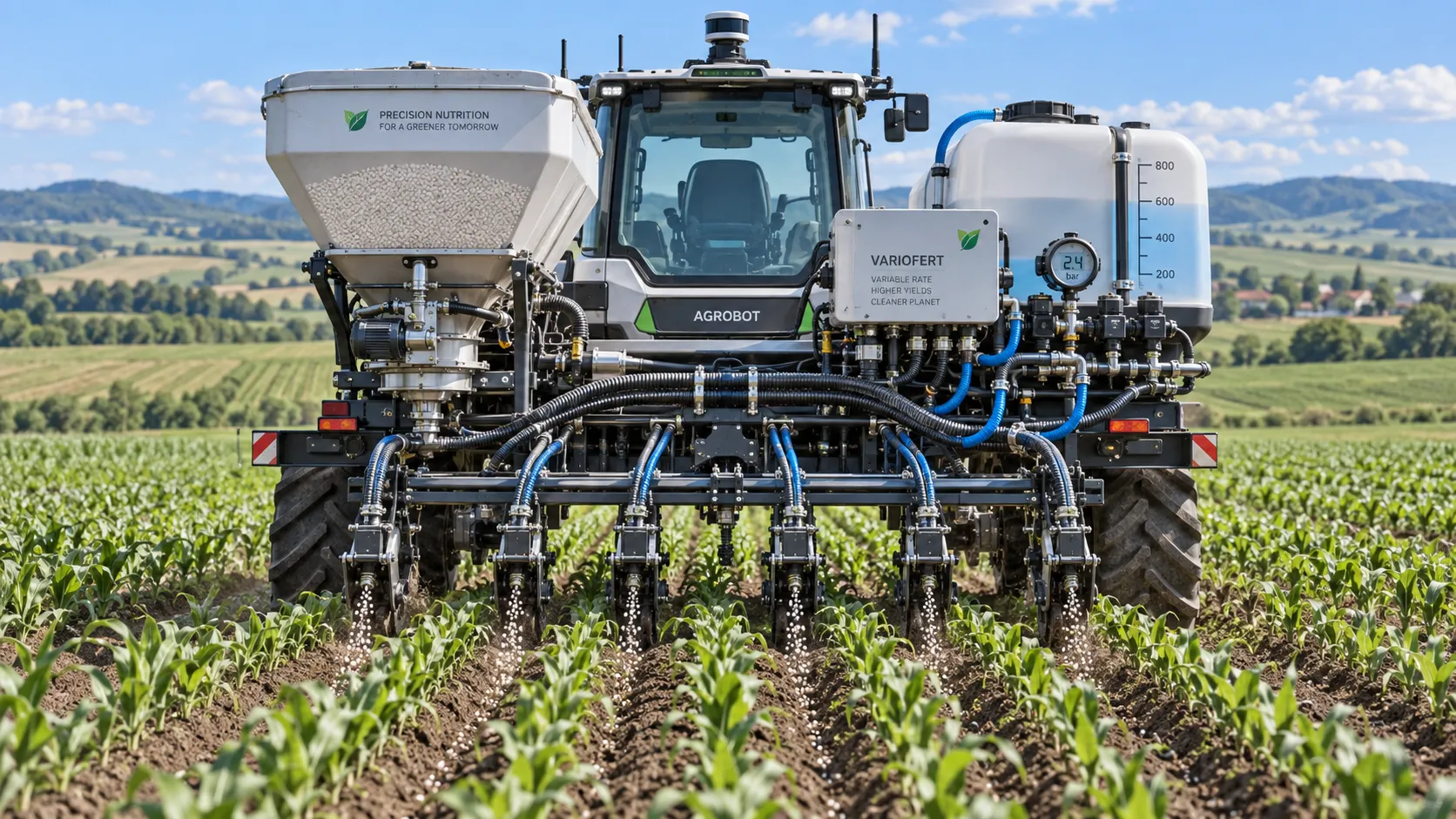
How Sensor Feedback Enables Accurate Variable-Rate Fertilization in Field Conditions
Precision fertilization systems with sensor feedback improve variable-rate accuracy by verifying flow, managing latency, and ensuring reliable field application.
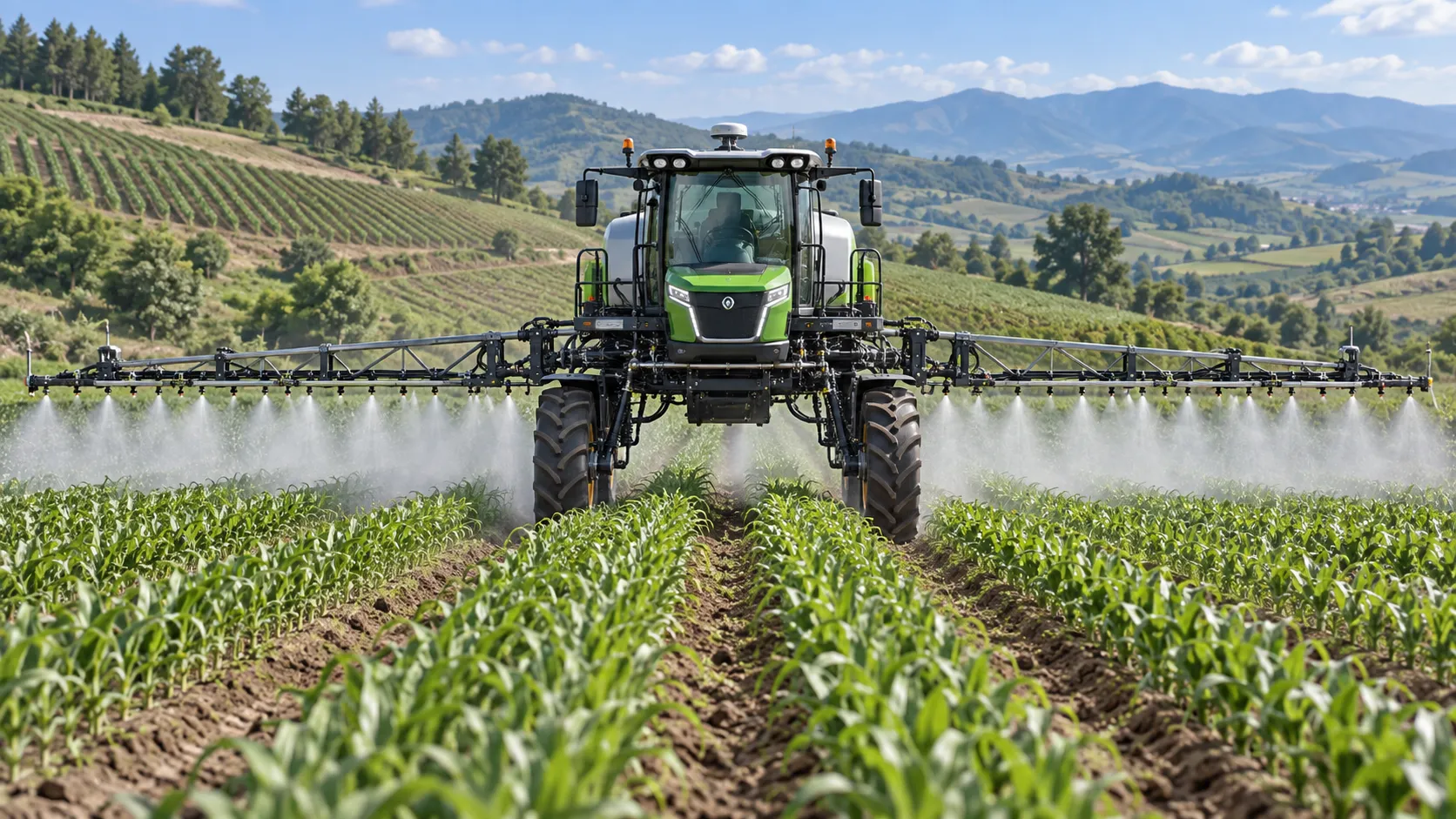
How to Select Precision Crop Protection Equipment for Variable Field Conditions
Precision crop protection equipment selection made simple: compare terrain, canopy, weather, control accuracy, and data workflows for reliable applications.

When Does Agricultural Machinery Leasing Cost Less Than Owning Equipment?
Agricultural machinery leasing can lower farm costs when use is seasonal or uncertain. Compare utilization, maintenance, cash flow, and risk to make a smarter equipment decision.

How to Evaluate Precision Fertilization System Suppliers for Farm-Scale Deployment
Precision fertilization systems suppliers: learn how to compare accuracy, integration, uptime, service, and total cost for confident farm-scale deployment.

ISOBUS for Smart Agriculture: How It Connects Tractors, Implements, and Farm Data
ISOBUS for smart agriculture connects tractors, implements, terminals, and farm data—helping growers improve precision, documentation, and smarter field decisions.
Related News
- 00
0000-00
Food Security Risks in Modern Supply Chains: What Businesses Should Track First - 00
0000-00
Farm Machinery Innovations Worth Tracking in 2025: ROI, Adoption Barriers, and Use Cases - 00
0000-00
What agricultural environmental policies mean for compliance - 00
0000-00
Why hybrid farm machinery is gaining serious traction - 00
0000-00
Japan's April CPI Up 1.4%: Pricing Strategy Adjustment Urged for Farm Machinery Exports
Popular Tags
Dr. Alistair Vaughn
Weekly Insights
Stay ahead with our curated technology reports delivered every Monday.