
What to check before buying electric agri-equipment
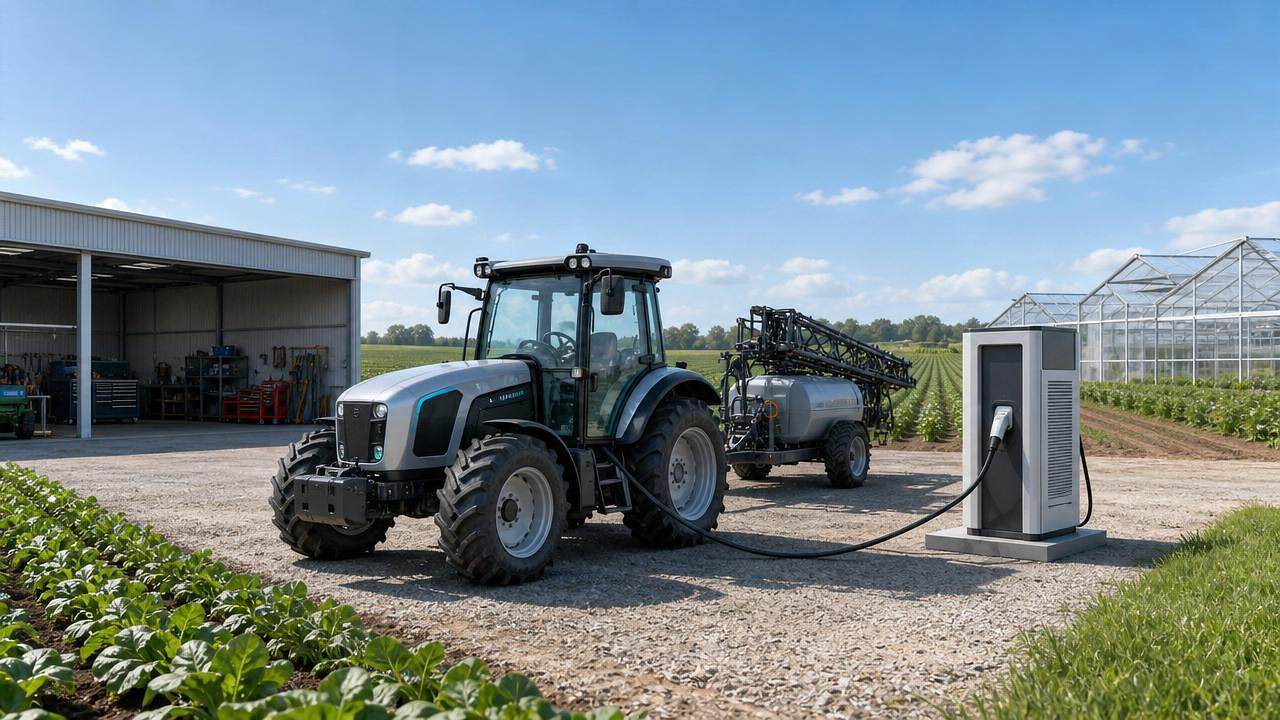




Before investing in electric agri-equipment, a simple price check is not enough. Buyers need to review battery endurance, charging access, terrain fit, software support, service readiness, and long-term operating value.
This guide explains what to check before buying electric agri-equipment. It focuses on practical decision points that reduce downtime, protect return on investment, and support sustainable field operations.
What counts as electric agri-equipment, and why does that definition matter?
Electric agri-equipment includes battery-electric tractors, utility vehicles, sprayers, loaders, robotic weeders, and irrigation support machines powered partly or fully by electricity.
Some models are fully electric. Others are hybrid systems with electric drive components, smart power management, or electric attachments connected to conventional machines.
This distinction matters because performance, charging needs, maintenance profiles, and subsidy eligibility can differ sharply between full-electric and hybrid platforms.
When assessing electric agri-equipment, confirm the power architecture first. Ask whether the machine replaces diesel operation entirely or only reduces fuel use in specific tasks.
A vineyard shuttle, greenhouse carrier, and field tractor may all be labeled electric agri-equipment. Yet their duty cycles, load demands, and charging patterns are completely different.
Key definition checks
- Is the machine full battery-electric, hybrid, or electric-assist?
- Does it power traction only, or traction plus implements?
- Is the battery swappable, fixed, or modular?
- Which farm tasks is the machine designed to replace?
How should battery performance be evaluated in real farm conditions?
Battery claims on brochures often reflect controlled testing. Real agricultural workloads involve slopes, dust, soft soil, stop-start movement, heavy attachments, and changing temperatures.
The most important question is not maximum range. It is whether electric agri-equipment can complete a full work window without disrupting field schedules.
Review battery capacity, discharge rate, peak torque delivery, and energy consumption under actual implement loads. A machine may travel well unloaded yet struggle during cultivation or hauling.
Temperature sensitivity also matters. Cold mornings and high summer heat can affect charging speed, battery efficiency, and usable operating time.
Ask for field-tested endurance data across comparable crops, terrain, and working hours. Independent trials are more useful than headline range figures.
Battery questions worth asking
- How many hours does the machine operate with the intended attachment?
- What is the battery warranty in years, cycles, and retained capacity?
- How does performance change on slopes or in muddy fields?
- What happens when battery health declines after repeated seasons?
- Is there thermal management for hot and cold weather?
Can your charging infrastructure support electric agri-equipment without slowing operations?
Charging is often the hidden bottleneck. Electric agri-equipment performs best when energy planning matches work rhythms, site power availability, and seasonal peaks.
Start by checking electrical supply at storage yards, workshops, remote sheds, and irrigation stations. Many sites lack sufficient capacity for fast charging multiple machines.
Charging time must fit turnaround windows. If equipment works in two intensive daily shifts, overnight charging alone may not be enough.
Also review connector standards, charger durability, cable protection, and weather exposure. Rural charging points face dust, moisture, unstable power quality, and accidental vehicle contact.
For larger fleets, load balancing software and on-site energy storage may improve reliability. In some cases, solar integration can reduce long-term energy costs.
Charging readiness checklist
Is the machine compatible with your field conditions, tools, and workflow?
Not all electric agri-equipment is suited to open-field work, orchard lanes, greenhouse paths, or mixed-terrain transport routes. Compatibility must be checked beyond power ratings.
Look at machine weight, ground pressure, wheel configuration, turning radius, and clearance. Battery placement can change stability and soil compaction behavior.
Implement matching is equally important. Confirm PTO alternatives, hydraulic output, hitch category, control interfaces, and sensor integration with existing farm tools.
Software compatibility should not be overlooked. Many electric agri-equipment platforms connect with telematics, route planning, task logging, and precision farming systems.
A strong fit means the machine works inside current operations with minimal redesign. A weak fit creates hidden labor, charging interruptions, and underused capacity.
Field-fit warning signs
- Battery weight increases rutting in wet soil.
- Hydraulic flow cannot support existing implements.
- Turning radius is too wide for orchards or narrow rows.
- Ground clearance is unsuitable for crop stage requirements.
- Farm software cannot exchange task or machine data.
What maintenance, service, and safety risks should be reviewed before purchase?
Electric agri-equipment usually has fewer moving engine parts than diesel models. That can reduce routine service, but it does not remove maintenance risk.
High-voltage systems require trained technicians, insulated tools, and clear safety procedures. Service access becomes critical in remote agricultural areas.
Review spare parts lead times, battery replacement policy, software update support, and remote diagnostics capability. Digital downtime can be as damaging as mechanical failure.
Ingress protection matters too. Dust, washdown water, vibration, and chemical exposure can affect connectors, sensors, and battery enclosures.
Safety planning should cover charging zones, emergency shutdown steps, fire response guidance, and battery transport rules during servicing or replacement.
Service and risk control points
How do you compare total cost, ROI, and long-term value?
The purchase price of electric agri-equipment may be higher than conventional alternatives. Yet acquisition cost alone does not show true economic value.
A better comparison includes electricity cost, charger installation, battery aging, maintenance savings, labor efficiency, possible subsidies, and residual value.
Also calculate opportunity cost. If charging delays reduce seasonal task completion, lower fuel spend may not compensate for lost productivity.
On the positive side, electric agri-equipment can deliver quieter operation, lower emissions, better control precision, and stronger alignment with sustainability reporting goals.
For many operations, the smartest path is phased adoption. Start where duty cycles are predictable, charging is easy, and emissions reduction delivers immediate value.
Quick ROI comparison guide
What are the most common mistakes when buying electric agri-equipment?
One common mistake is choosing electric agri-equipment based on headline innovation rather than operational fit. New technology only pays off when it performs consistently in real conditions.
Another mistake is ignoring infrastructure costs. Charging upgrades, site wiring, and downtime planning can reshape the economics of the project.
Some buyers also assume all low-maintenance claims are equal. Service support, parts access, and software reliability vary significantly between brands and models.
Finally, short demos can mislead. A machine should be tested with actual implements, field loads, weather conditions, and daily work durations before a final decision.
Fast FAQ summary
The best electric agri-equipment decision combines field reality, energy planning, service readiness, and lifecycle economics. Strong choices come from testing claims against daily agricultural demands.
Use this checklist to compare models, validate charging strategy, and identify hidden cost drivers. A structured review now can prevent expensive mismatches later.
For deeper insight into electrification, mechanization trends, and intelligent farm systems, continue tracking high-authority analysis from AP-Strategy as Agriculture 4.0 moves from promise to practice.
Related News
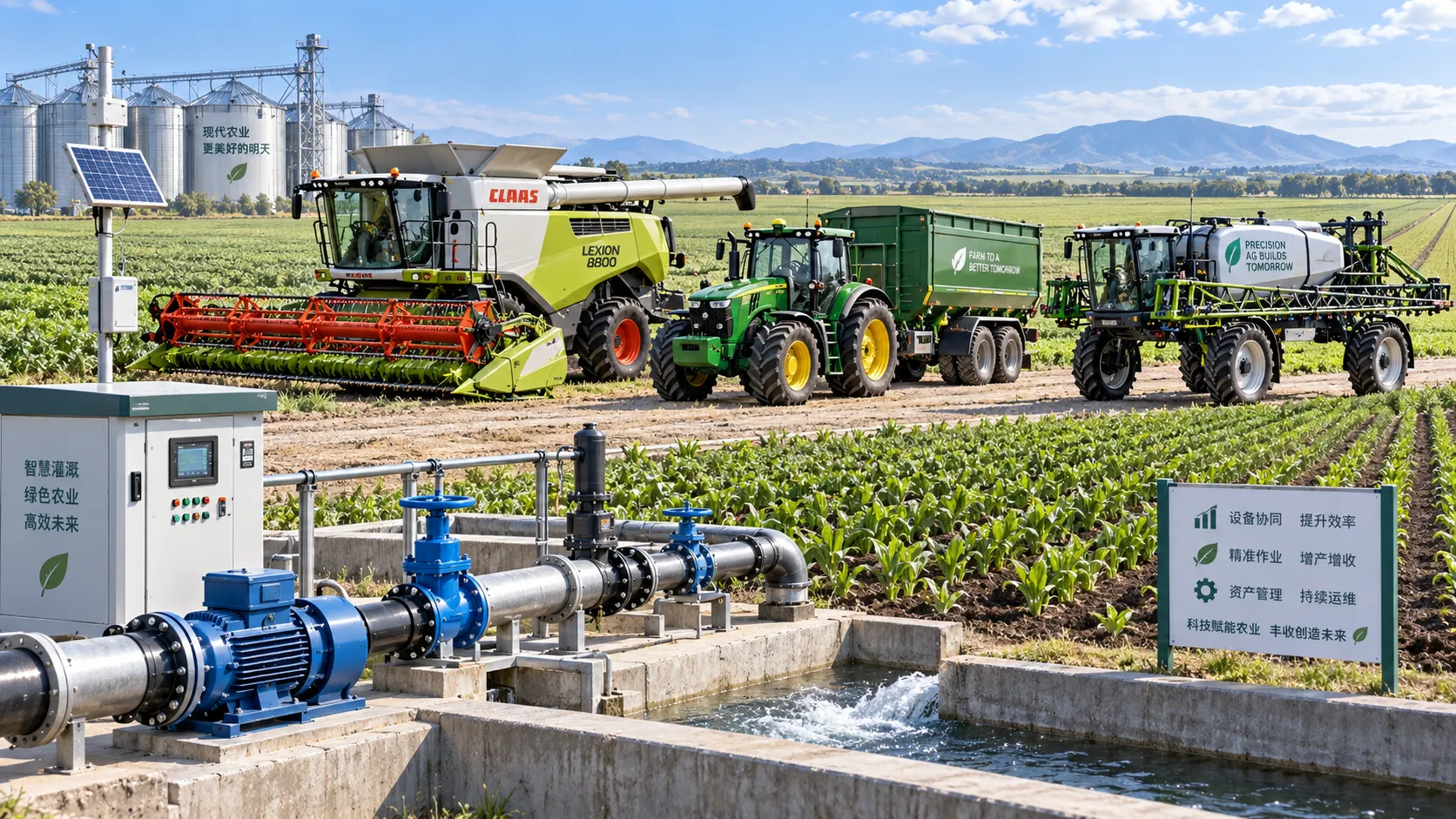
How to Compare Agricultural Equipment Platforms for Fleet Management and ROI
Agricultural equipment platform comparison: evaluate fleet data, maintenance, precision workflows, and ROI to choose a system that delivers measurable results.
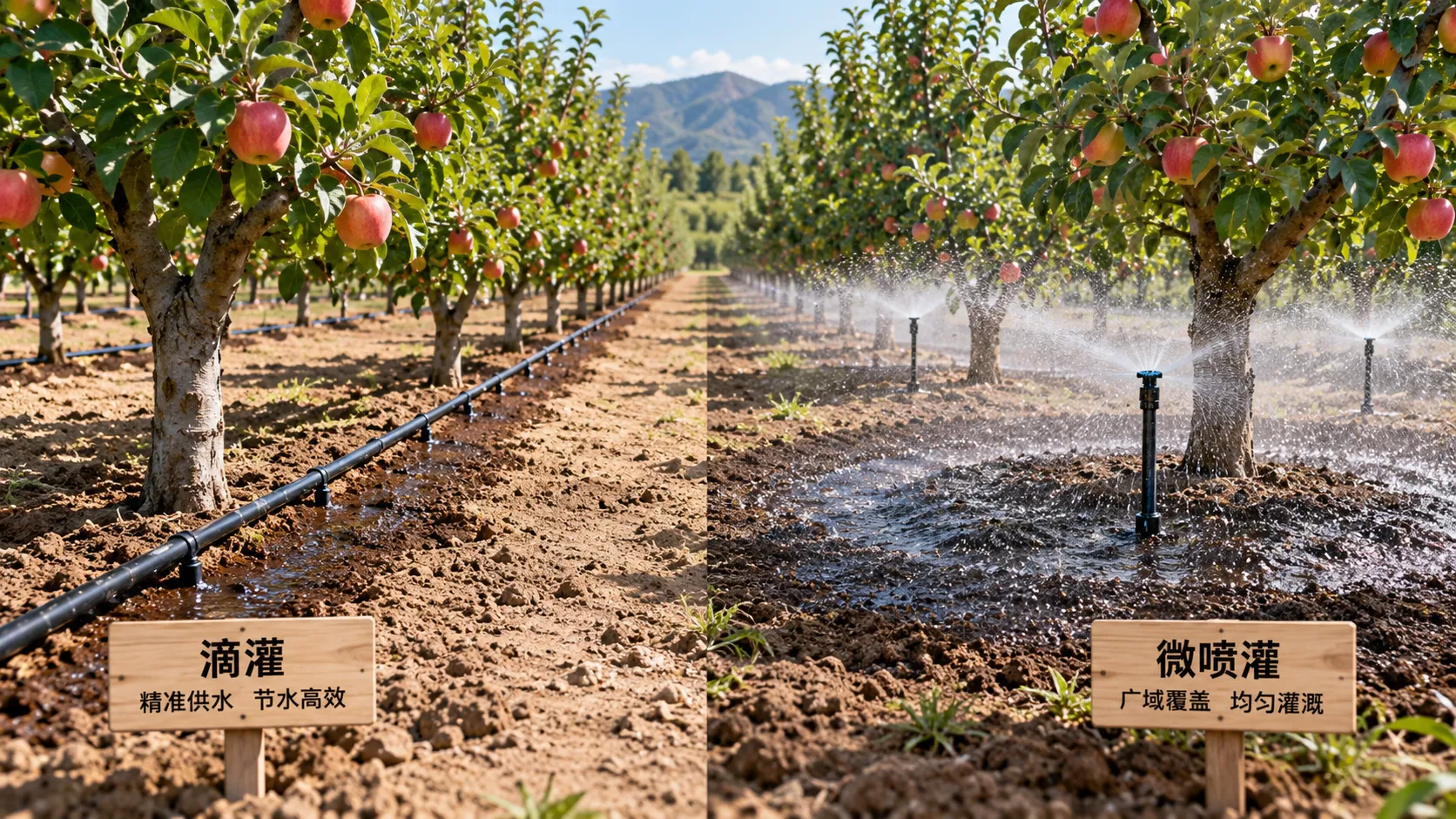
Drip vs. Micro-Sprinkler Irrigation: Which System Fits Your Orchard?
Irrigation solution comparison for orchards: discover whether drip or micro-sprinklers best match your water, soil, roots, fertigation, and frost needs.
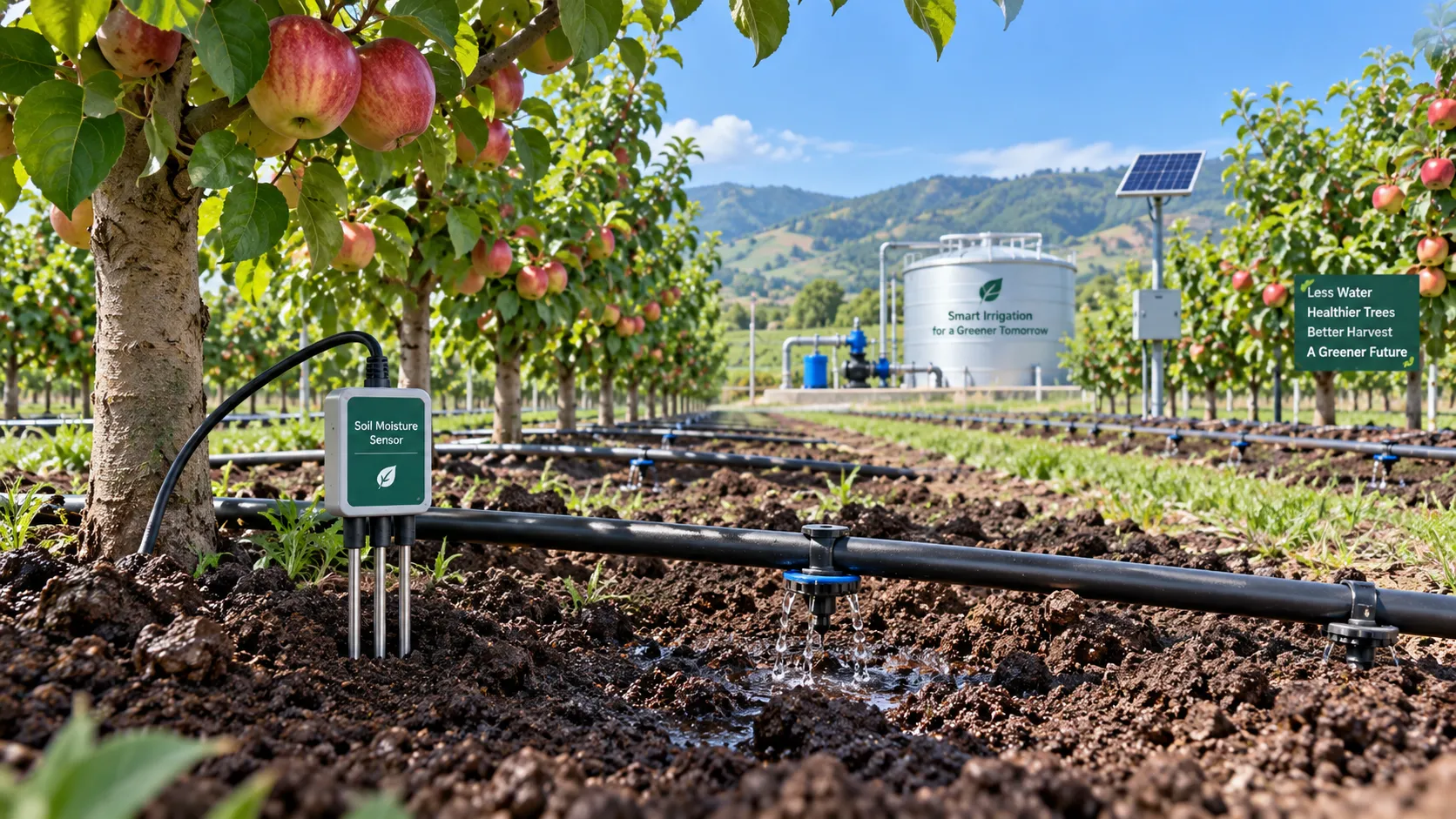
Orchard Water Management: Using Soil Moisture Data to Schedule Irrigation
Agricultural water management for orchards made practical: use soil moisture data to optimize irrigation timing, protect yield, reduce costs, and improve resilience.
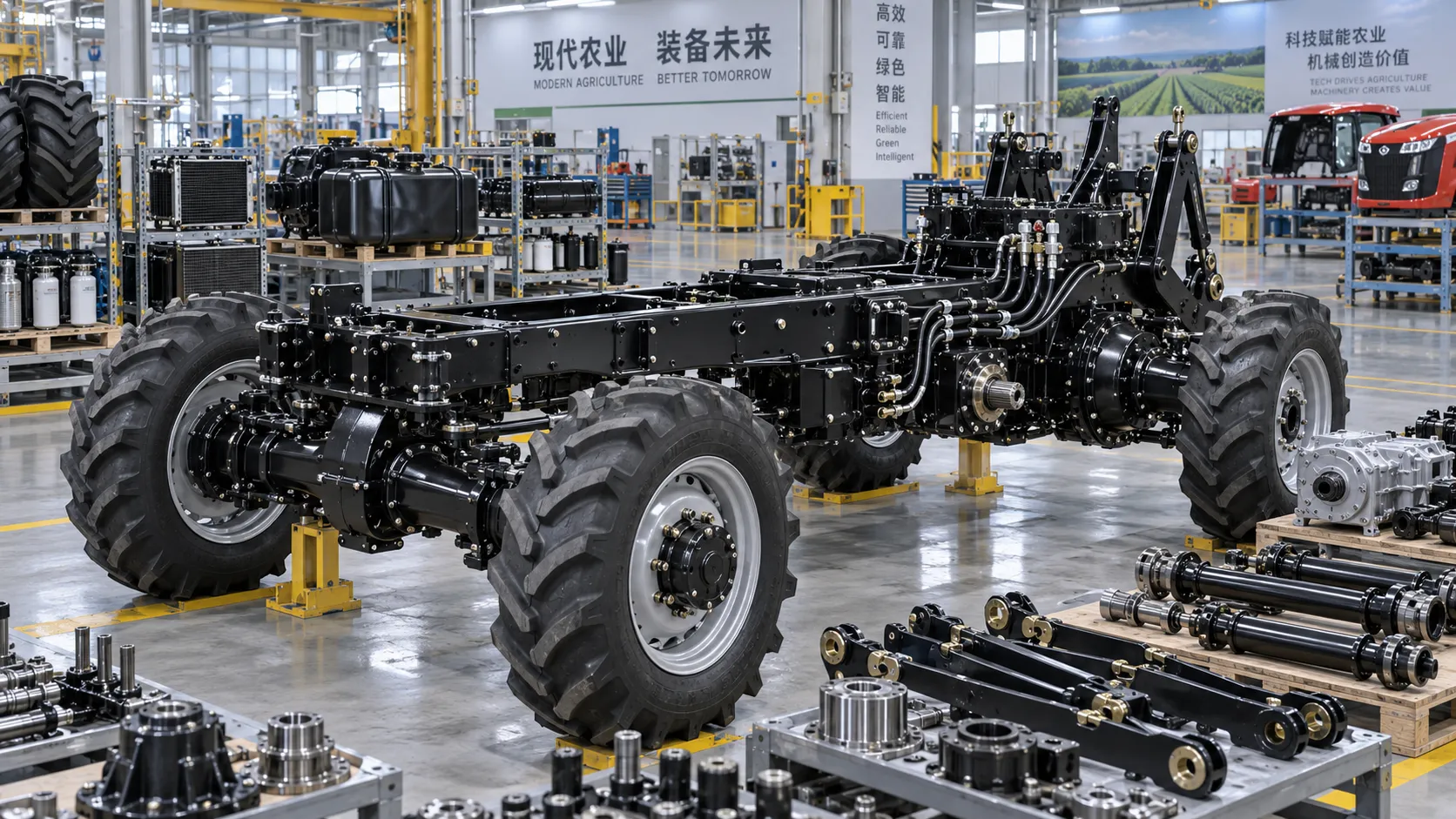
Tractor Chassis Price: What Buyers Should Compare Beyond the Initial Quote
Tractor chassis price is only the start. Compare load capacity, compatibility, durability, and lifecycle costs to choose a reliable, high-value chassis.
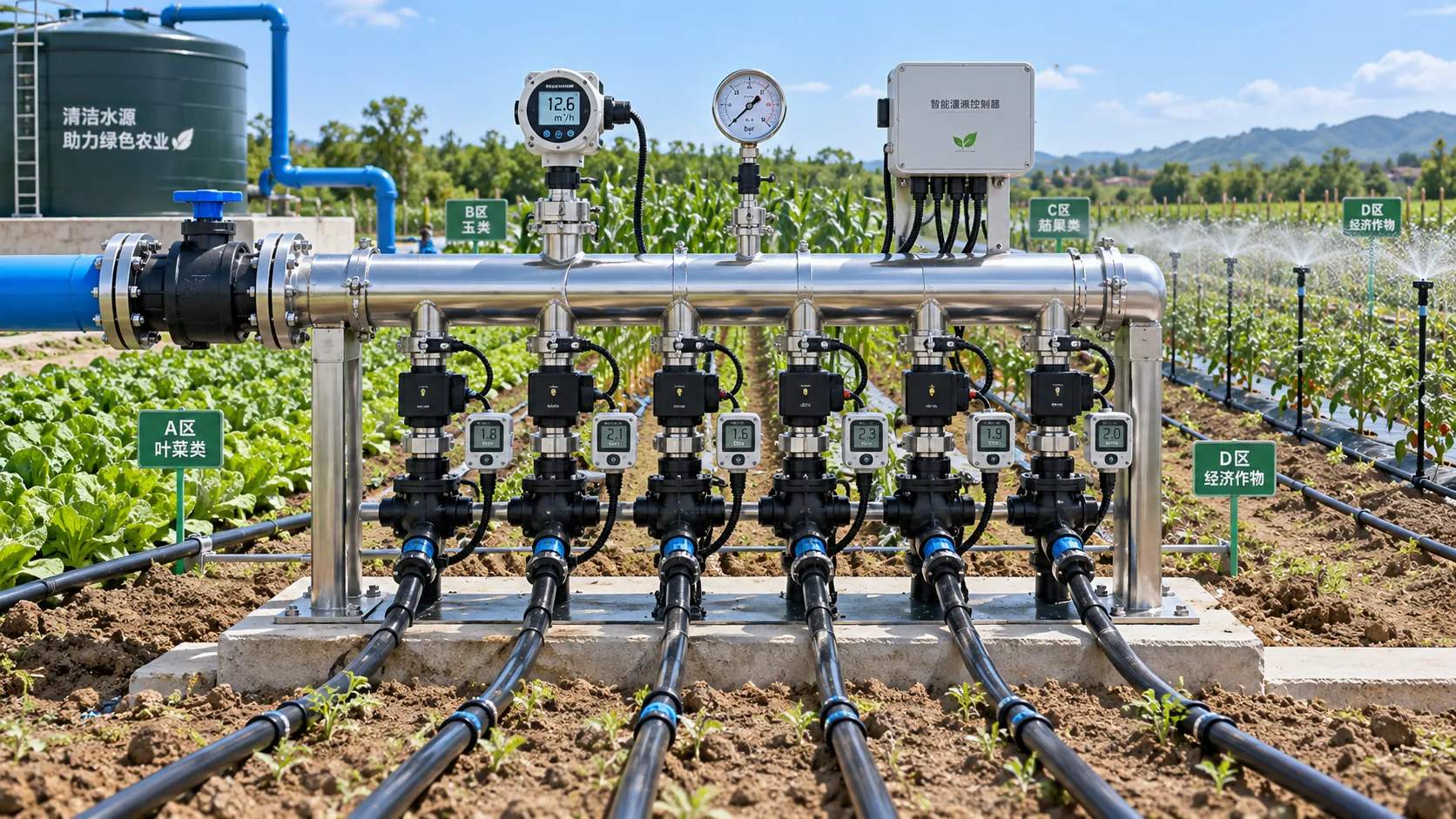
How to Select Smart Irrigation Valves for Multi-Zone Water Management?
Intelligent irrigation systems valves: learn how to match smart valves with multi-zone flow, pressure, control, feedback, and communication needs for reliable water management.
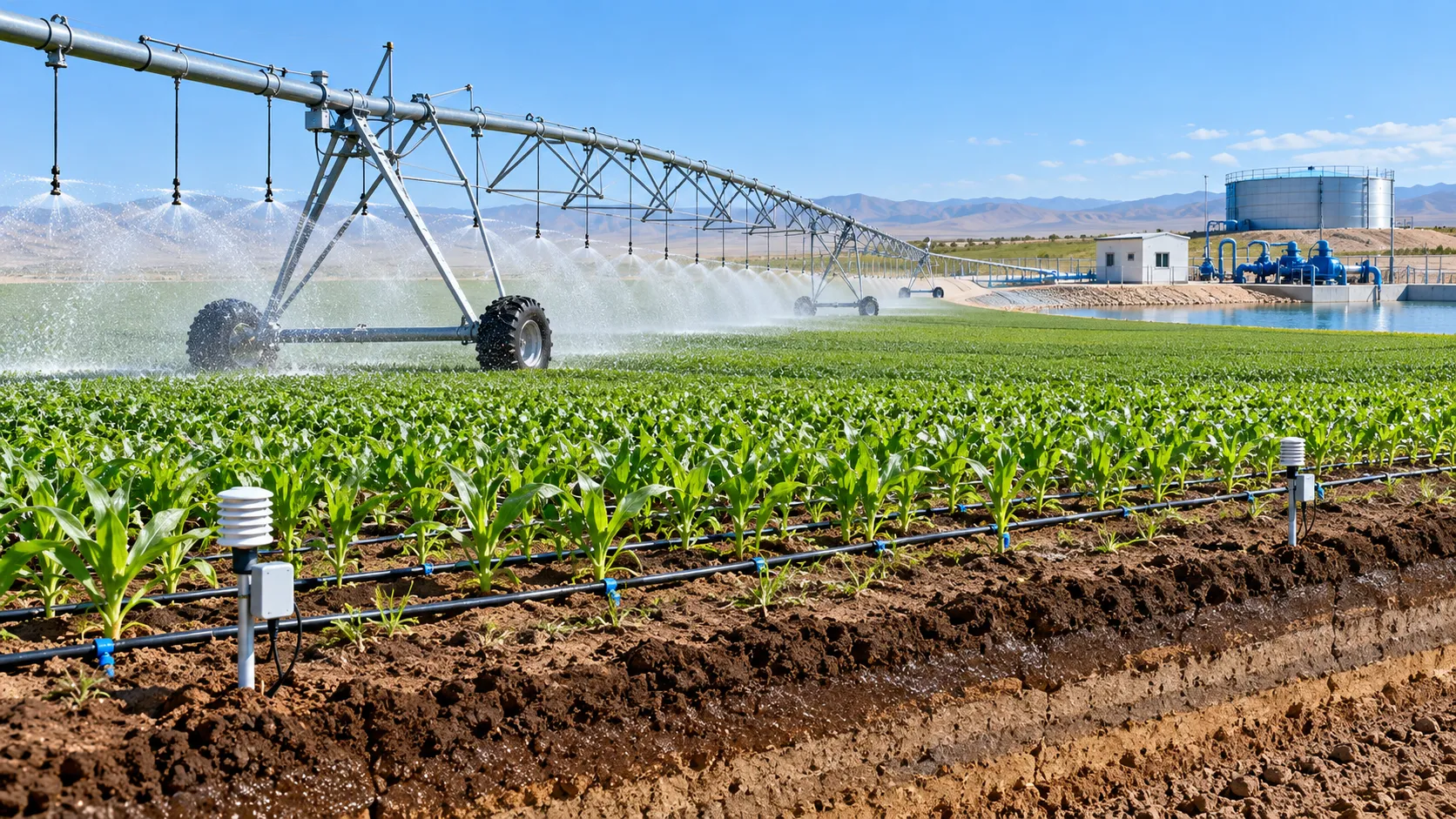
Climate-Smart Farming for Drought: A Practical Plan for Protecting Yields
Climate-smart farming for drought: build smarter water budgets, protect critical crop stages, improve irrigation uniformity, and safeguard yields with practical field-proven strategies.
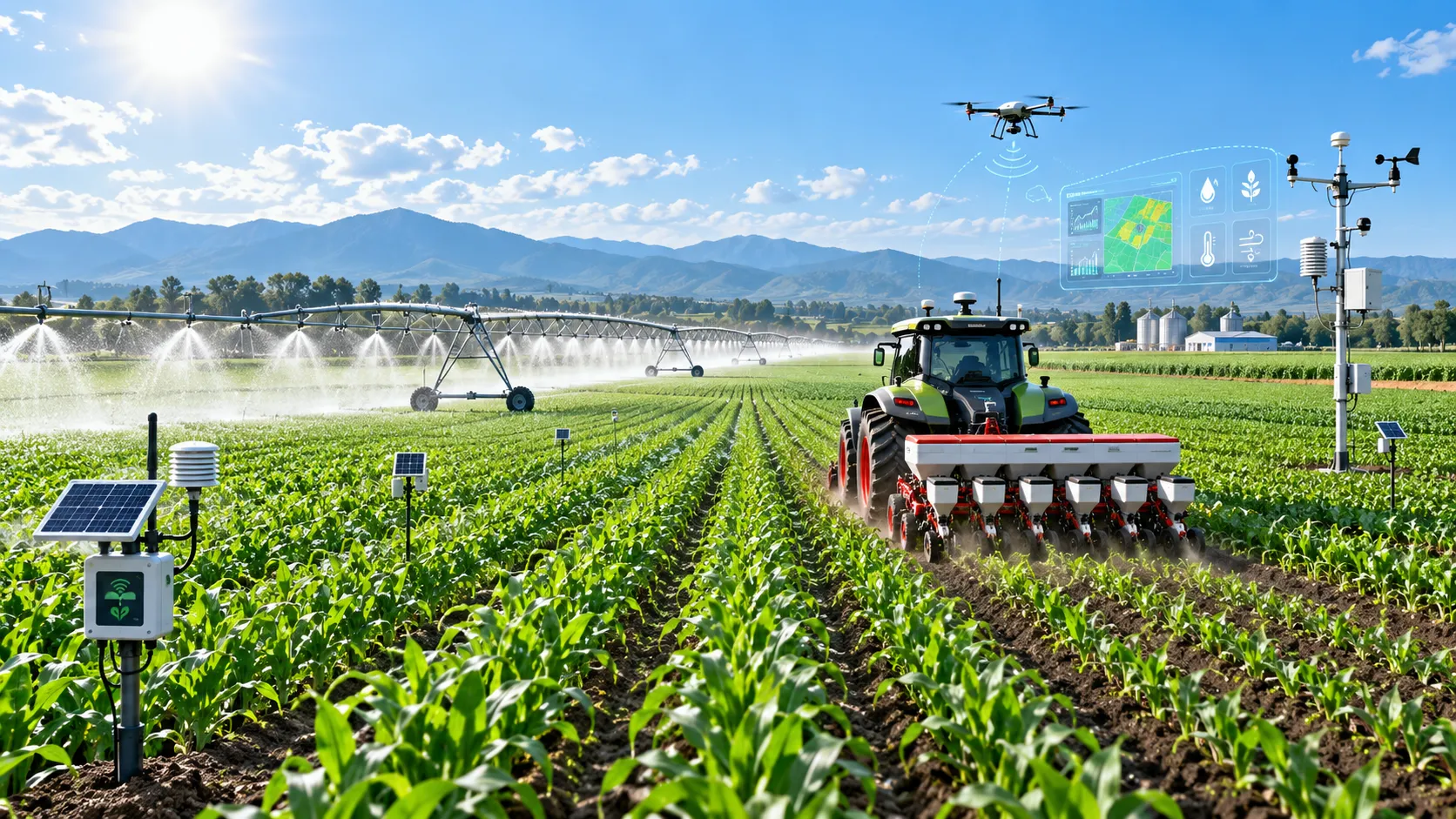
How Digital Agriculture Platforms Turn Field Data Into Better Input Decisions
Digital agriculture platforms turn field data into smarter fertilizer, water, seed, and equipment decisions—helping farms cut risk, improve margins, and scale sustainability.
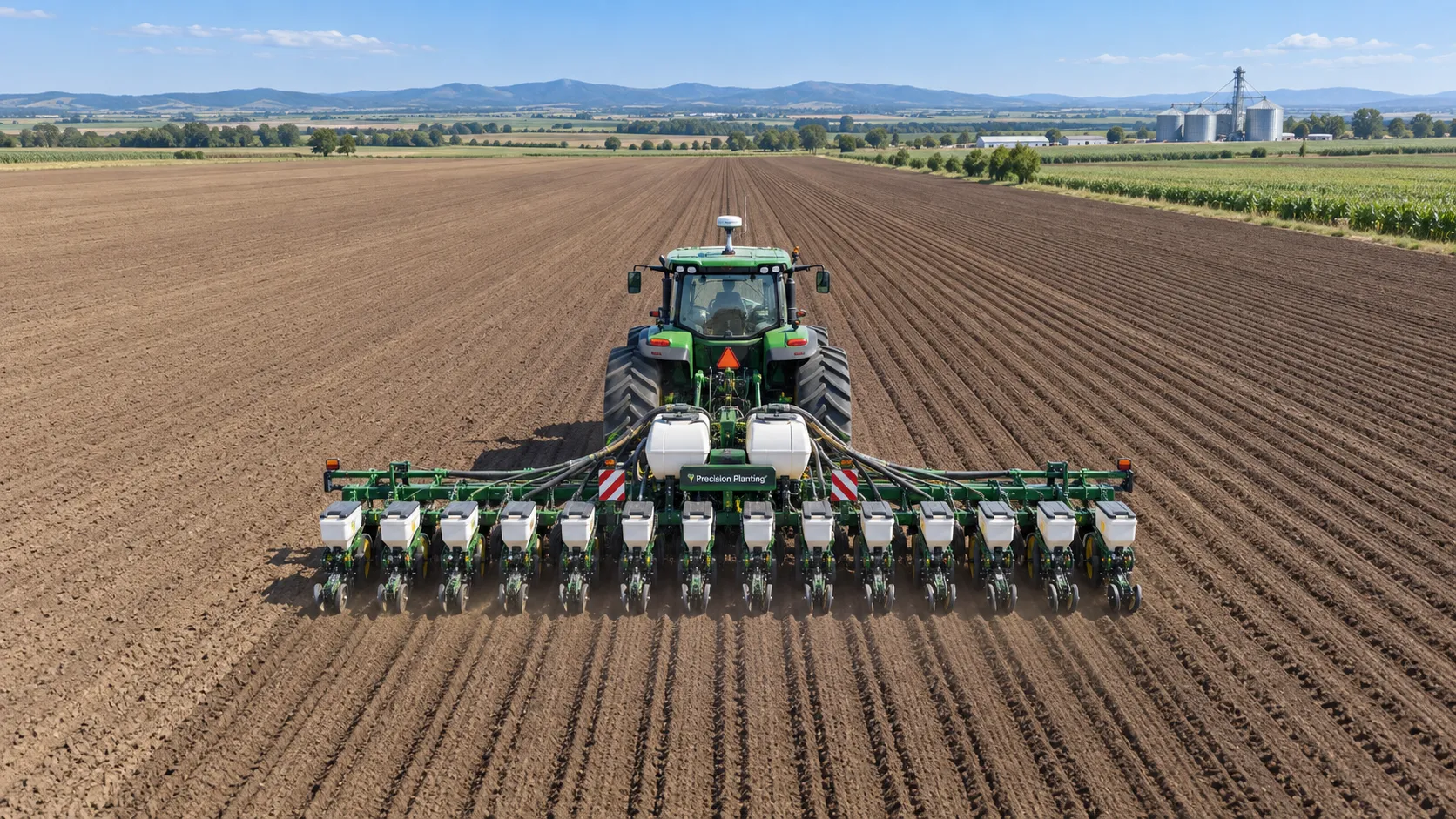
GPS-Guided Farm Machinery: Where It Delivers Measurable Field Efficiency Gains
Agri-mechanization GPS guided systems deliver measurable field efficiency gains through reduced overlap, precise planting, smarter inputs, and reliable farm data.
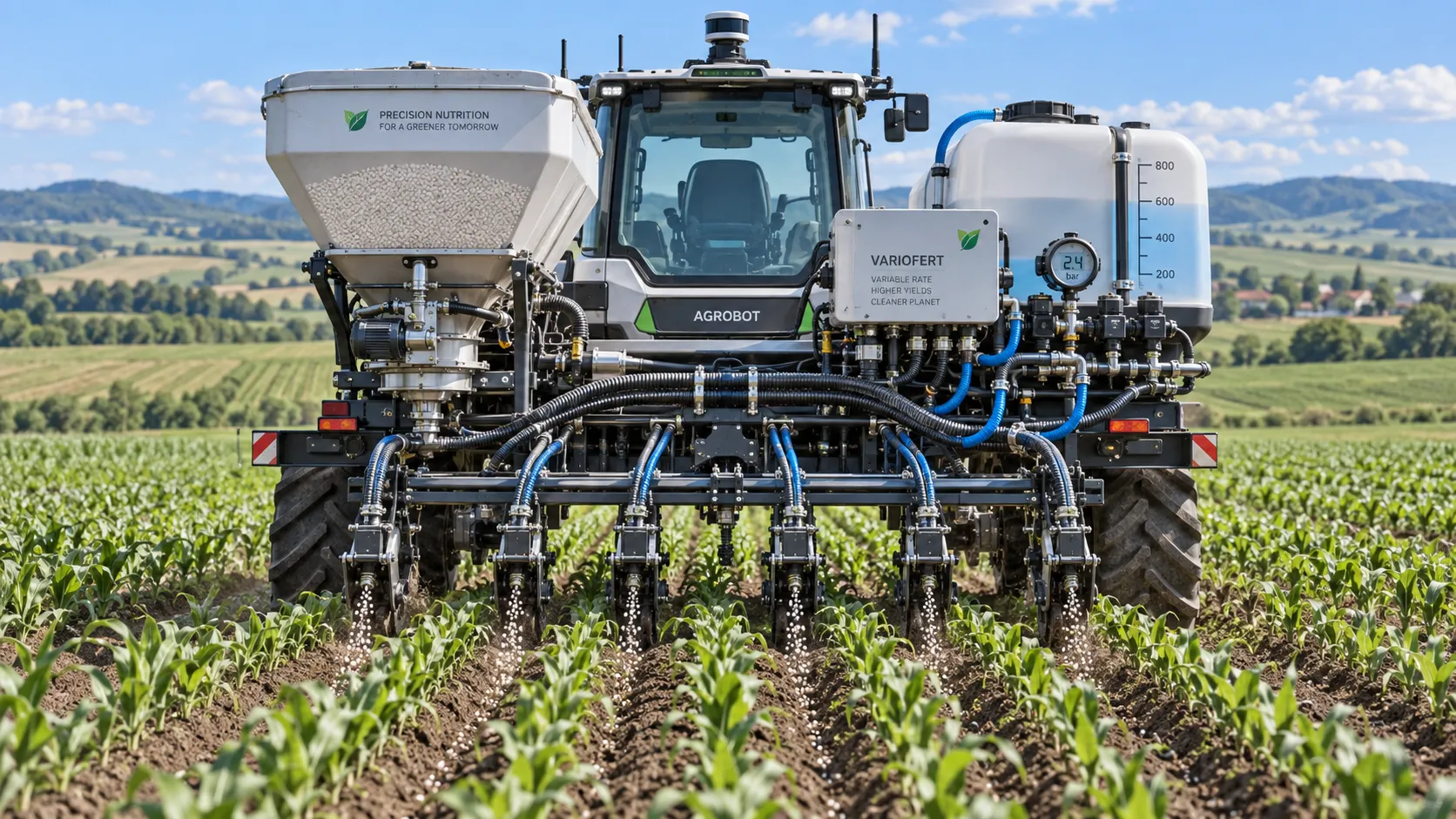
How Sensor Feedback Enables Accurate Variable-Rate Fertilization in Field Conditions
Precision fertilization systems with sensor feedback improve variable-rate accuracy by verifying flow, managing latency, and ensuring reliable field application.
Related News
- 00
0000-00
How to Compare Agricultural Equipment Platforms for Fleet Management and ROI - 00
0000-00
Tractor Chassis Price: What Buyers Should Compare Beyond the Initial Quote - 00
0000-00
How Digital Agriculture Platforms Turn Field Data Into Better Input Decisions - 00
0000-00
When Does Agricultural Machinery Leasing Cost Less Than Owning Equipment? - 00
0000-00
Selecting Grain Farm Equipment by Acreage, Crop Mix, and Harvest Window
Popular Tags
Ms. Elena Rodriguez
Weekly Insights
Stay ahead with our curated technology reports delivered every Monday.