
What digital farming platforms do well and where they fail
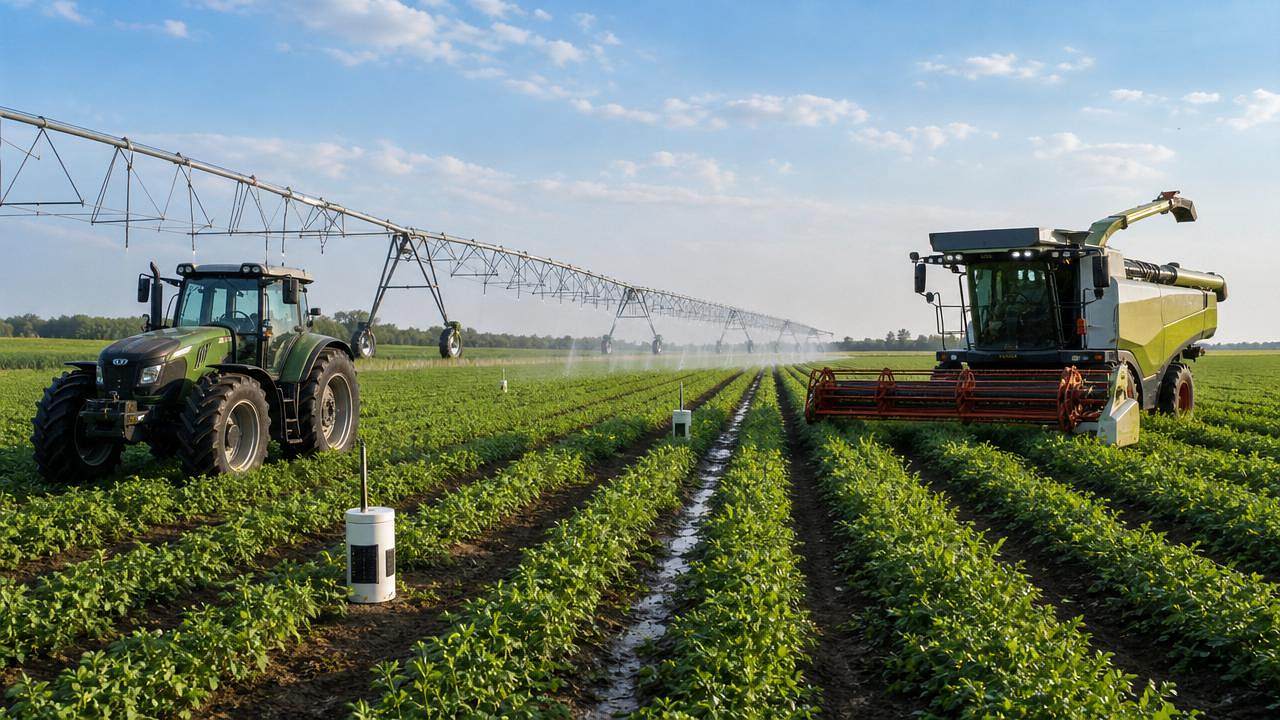




Digital farming platforms are now central to precision agriculture decisions, machine coordination, irrigation timing, and field-level traceability. Yet the phrase often hides a hard truth. A platform is only useful when agronomic logic, equipment data, and operational workflows actually connect.
For farms, integrators, and technical evaluators, the real question is not whether digital farming platforms matter. It is where they create measurable value, where they introduce friction, and which deployment scenarios justify long-term investment.
This matters strongly across Agriculture 4.0 environments linked to tractors, combine harvesters, intelligent farm tools, and water-saving irrigation systems. In these settings, platform success depends on interoperability, timing accuracy, local agronomy, and clean feedback from the field.
Why digital farming platforms perform differently across field scenarios
Not every farm operation asks the same thing from digital farming platforms. A broadacre grain system values machine logistics and yield mapping. A water-stressed region cares more about irrigation control, forecast confidence, and leak detection.
Mixed fleets also change the equation. If a farm runs different tractor, harvester, and implement brands, platform value rises when data standards are open. It falls quickly when one vendor locks key machine files behind closed interfaces.
Weather variability, labor skill, mobile coverage, and field size also shape results. That is why evaluating digital farming platforms by feature lists alone often leads to poor decisions. Context decides performance.
Scenario 1: digital farming platforms do well in machine-intensive broadacre operations
Large-scale grain farming is where digital farming platforms often show their strongest value. Repeated field passes, large fuel budgets, and tight planting or harvest windows generate rich operational data.
In this scenario, platforms help coordinate guidance lines, field boundaries, job records, machine utilization, and application maps. They can reduce overlap, improve route planning, and support post-season analysis across many fields.
Where they work especially well
- Centralized machine data from tractors, sprayers, and combines
- Task documentation for seeding, fertilizing, and spraying
- Yield map comparison against input zones and hybrid choices
- Operator visibility during narrow weather windows
These strengths are practical, not theoretical. When harvest losses rise, a well-connected platform can compare combine settings, moisture, travel speed, and yield variation faster than manual notebooks ever could.
Where they still fail
The same operations expose weaknesses. Machine files may arrive late, coverage can fail in remote blocks, and naming conventions can become chaotic. If the platform cannot normalize data cleanly, dashboards become misleading.
Another common failure is weak agronomic interpretation. A platform may display attractive maps but offer poor guidance on why variability occurred or which action should change next season.
Scenario 2: digital farming platforms add value in precision irrigation, but only with trusted field inputs
Water-saving irrigation is one of the most promising use cases for digital farming platforms. Here, software can connect weather feeds, soil moisture sensors, evapotranspiration models, and pump schedules.
When the system is reliable, the platform supports irrigation timing, pressure monitoring, sectional control, and water-use benchmarking. This is especially useful where climate volatility or water regulation increases operating pressure.
What digital farming platforms do well here
- Combine sensor readings with forecast-driven irrigation plans
- Flag underperforming zones and possible emitter or valve issues
- Create historical water application records for compliance and review
- Support resource-saving decisions across multiple fields
This is where a platform can move beyond recordkeeping. It can influence actual resource efficiency, especially when irrigation systems are expensive, energy-intensive, or tied to regional sustainability targets.
Why failures happen fast
Irrigation decisions break down when sensors drift, probes are poorly placed, or forecast models are too generic. A clean dashboard cannot compensate for bad field inputs.
Digital farming platforms also struggle when hydraulic realities are ignored. Pressure losses, maintenance issues, and uneven topography often distort the model. Software may recommend ideal irrigation amounts that the physical system cannot deliver evenly.
Scenario 3: digital farming platforms underperform in fragmented, multi-brand equipment environments
Many farms do not operate a clean single-vendor stack. They run older tractors, newer harvesters, aftermarket sensors, and different farm management tools. This is the real-world stress test for digital farming platforms.
In theory, the platform should unify everything. In practice, import formats, telematics access, and compatibility limits often create manual work. Teams end up exporting, renaming, and reconciling data across several systems.
Typical friction points
- Closed APIs or limited file portability
- Different coordinate systems and boundary mismatches
- Machine events logged with inconsistent timestamps
- Duplicate field names and poor operator data discipline
This is where digital farming platforms often fail the user expectation of one source of truth. They become partial truth systems, useful in slices but weak as a unified operating layer.
How scenario needs differ when evaluating digital farming platforms
This comparison shows why digital farming platforms should be judged by fit, not promise. A strong irrigation platform may be average at harvest analytics. A fleet platform may look polished but remain weak in agronomic modeling.
Practical fit checks before choosing digital farming platforms
A better evaluation starts with operating reality. The platform should match machinery, data maturity, irrigation infrastructure, and the speed of decisions required during the season.
- Test data import from every major machine and sensor source
- Check whether field boundaries stay stable across seasons
- Compare model recommendations against measured outcomes
- Review offline capability for low-connectivity areas
- Measure how much manual cleanup is still required weekly
- Confirm export rights before committing to long contracts
These checks matter because the hidden cost of digital farming platforms is rarely the subscription alone. It is the labor spent fixing data, retraining workflows, and compensating for incomplete integration.
Common misjudgments when digital farming platforms look stronger than they are
One frequent mistake is confusing interface quality with operational quality. A modern dashboard can still rest on delayed telematics, weak field validation, or agronomic assumptions imported from another region.
Another mistake is assuming more data automatically means better decisions. Without clear thresholds, exception alerts, and accountable workflows, digital farming platforms simply generate more noise.
A third blind spot is underestimating physical equipment behavior. Tractor traction, harvester losses, sensor fouling, and irrigation pressure instability can all damage platform output if the field system is not mechanically sound.
What to do next with digital farming platforms
The best next step is to define one high-value scenario first. That may be harvest performance tracking, fleet documentation, or irrigation scheduling. Then score the platform against actual field tasks instead of brochure claims.
For organizations tracking Agriculture 4.0 developments, a reliable intelligence view also matters. AP-Strategy highlights where machine performance, precision algorithms, and sustainability targets intersect, especially across combines, tractor systems, smart tools, and water-saving irrigation.
In the end, digital farming platforms do well when they reduce decision delay, connect machines cleanly, and reflect field reality. They fail when interoperability is weak, models drift from local conditions, or software ignores mechanical constraints. The difference is not digital ambition. It is operational fit.
Related News
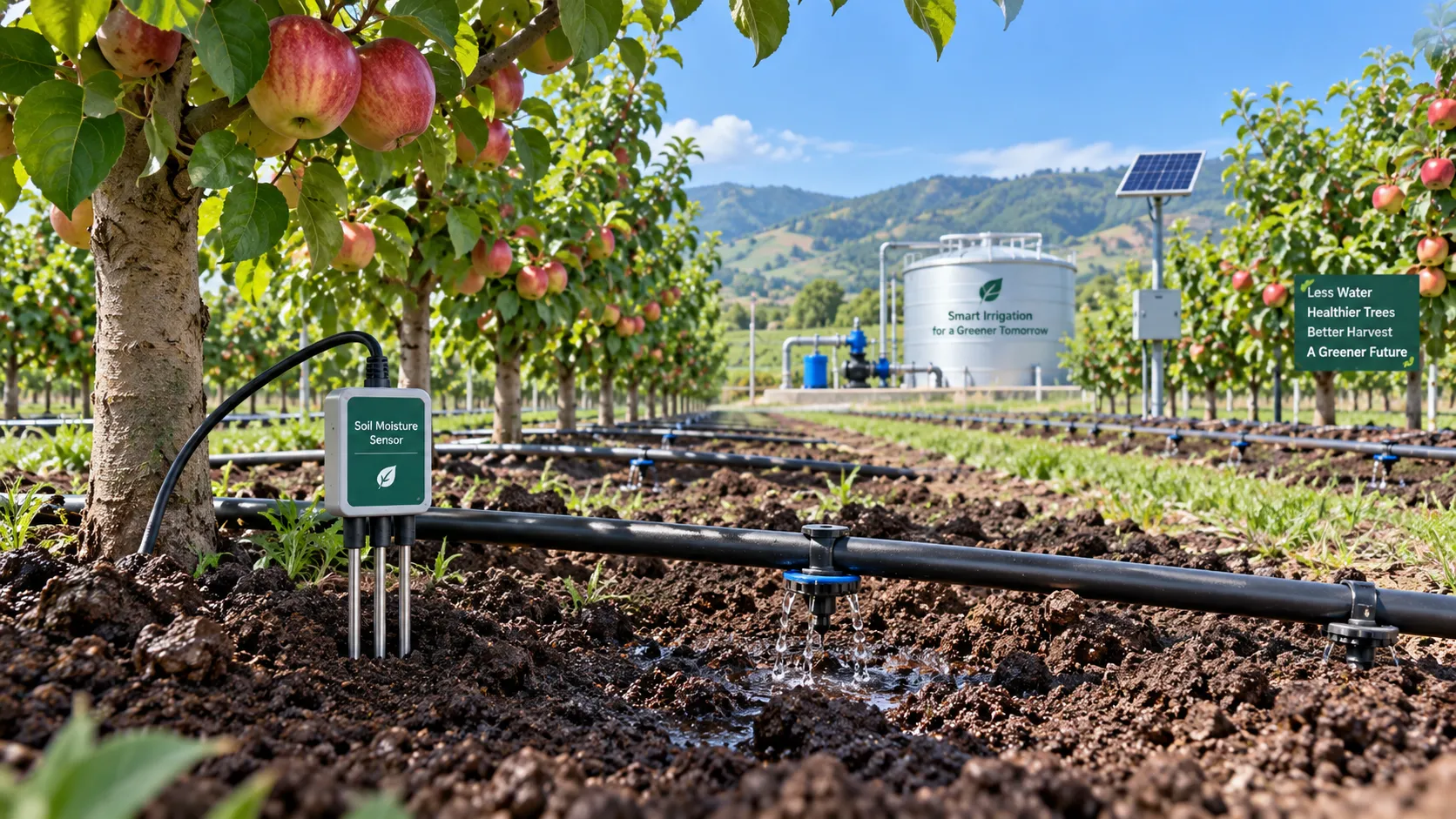
Orchard Water Management: Using Soil Moisture Data to Schedule Irrigation
Agricultural water management for orchards made practical: use soil moisture data to optimize irrigation timing, protect yield, reduce costs, and improve resilience.
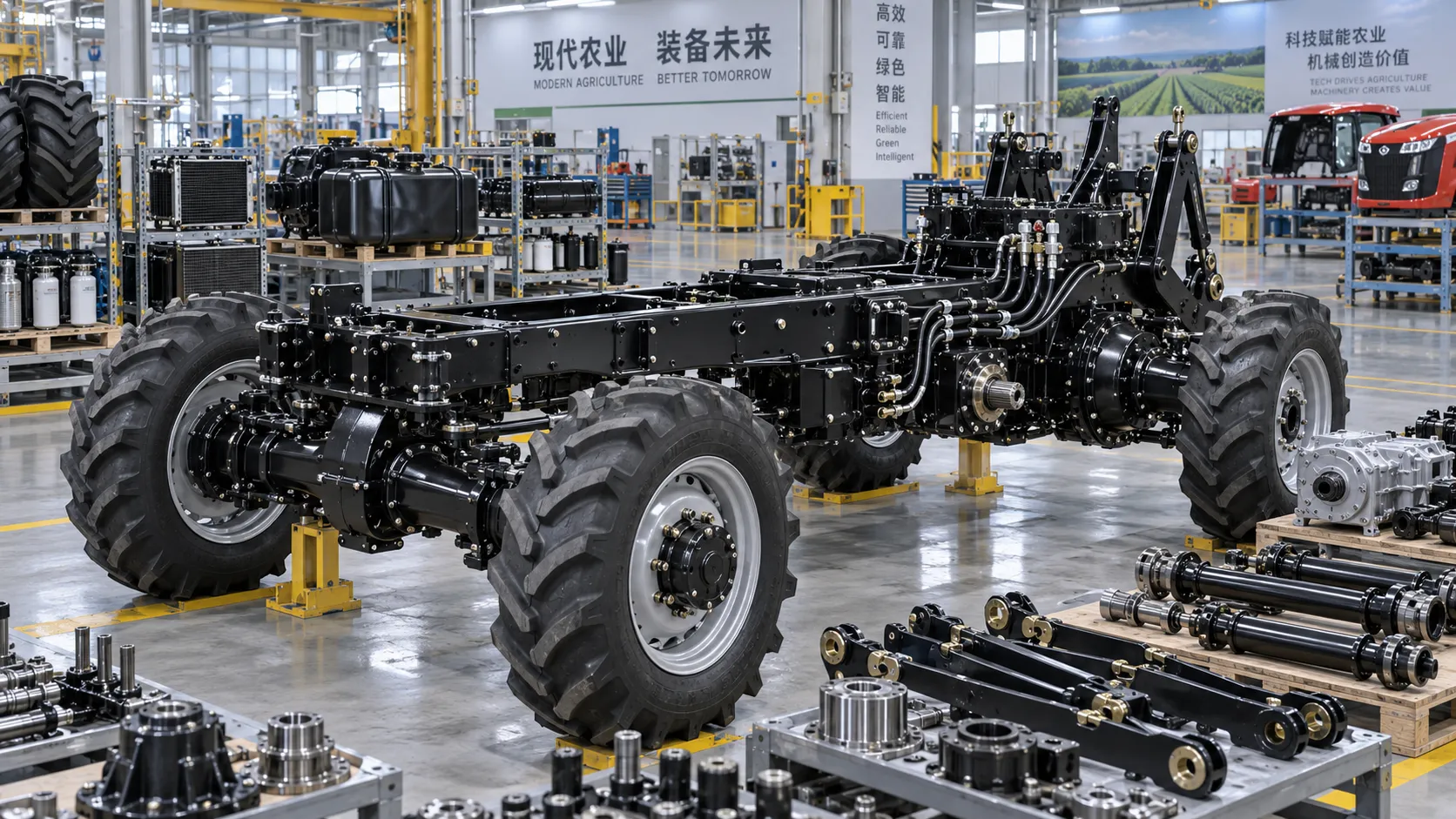
Tractor Chassis Price: What Buyers Should Compare Beyond the Initial Quote
Tractor chassis price is only the start. Compare load capacity, compatibility, durability, and lifecycle costs to choose a reliable, high-value chassis.
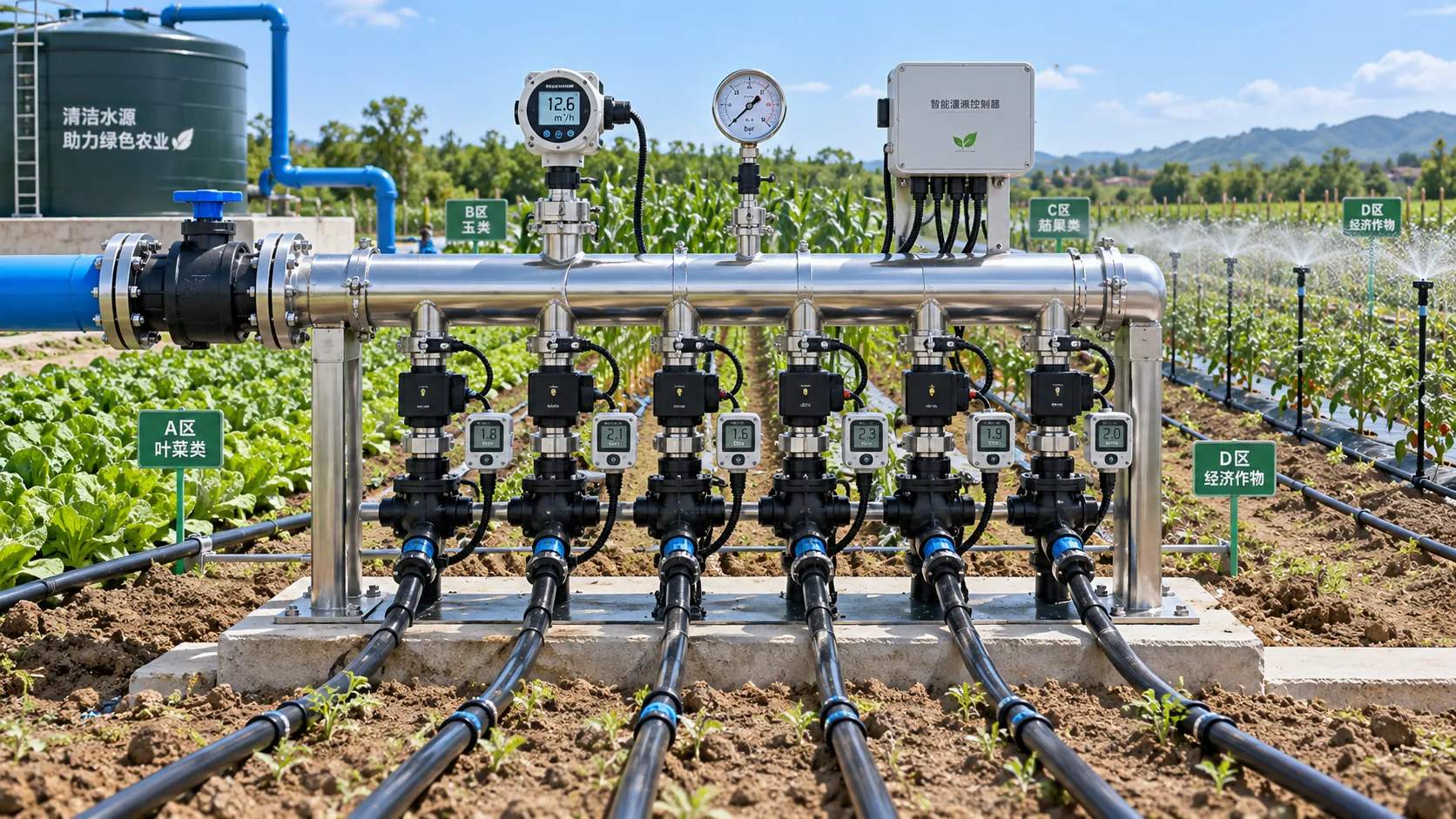
How to Select Smart Irrigation Valves for Multi-Zone Water Management?
Intelligent irrigation systems valves: learn how to match smart valves with multi-zone flow, pressure, control, feedback, and communication needs for reliable water management.
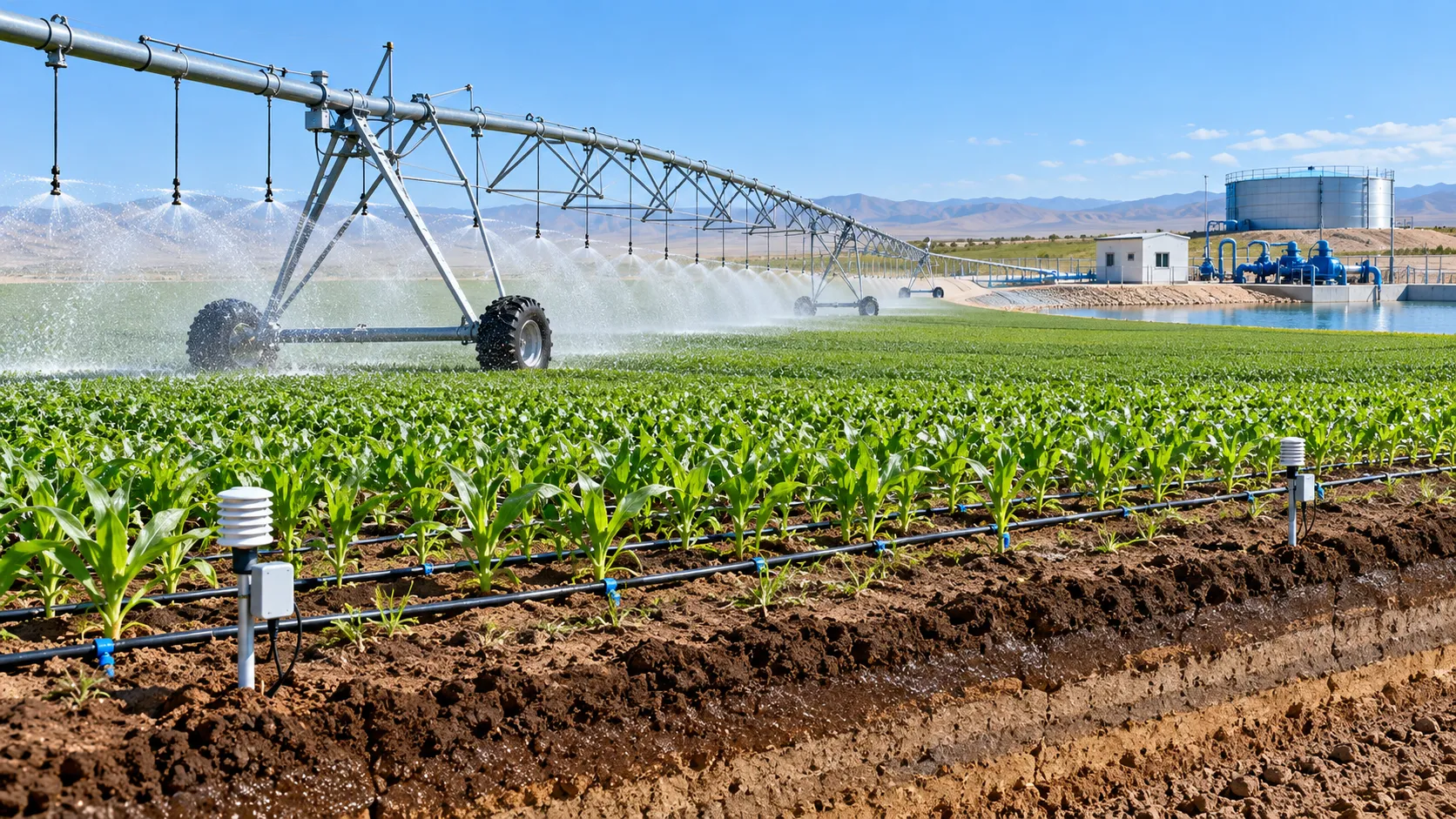
Climate-Smart Farming for Drought: A Practical Plan for Protecting Yields
Climate-smart farming for drought: build smarter water budgets, protect critical crop stages, improve irrigation uniformity, and safeguard yields with practical field-proven strategies.
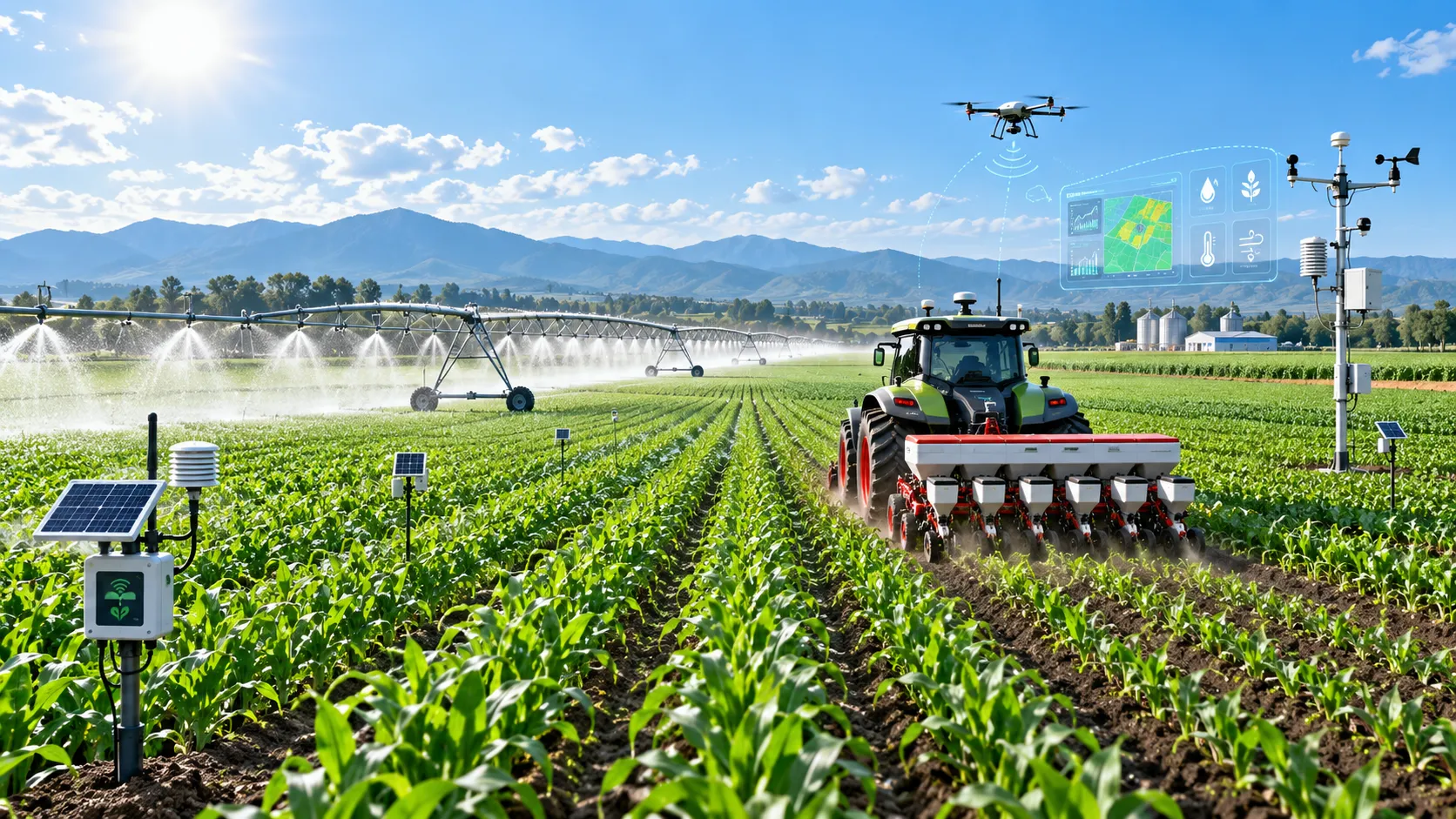
How Digital Agriculture Platforms Turn Field Data Into Better Input Decisions
Digital agriculture platforms turn field data into smarter fertilizer, water, seed, and equipment decisions—helping farms cut risk, improve margins, and scale sustainability.
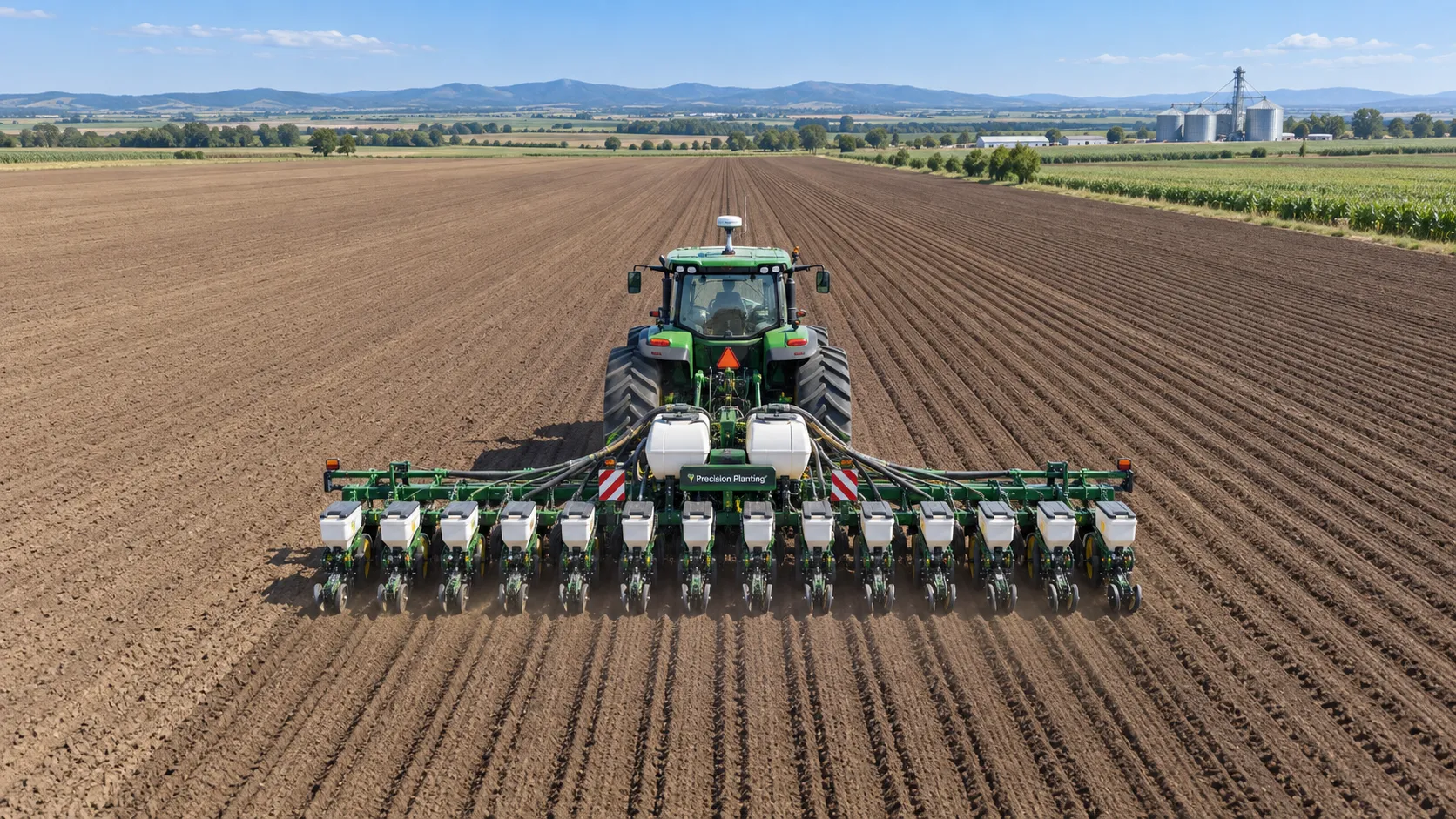
GPS-Guided Farm Machinery: Where It Delivers Measurable Field Efficiency Gains
Agri-mechanization GPS guided systems deliver measurable field efficiency gains through reduced overlap, precise planting, smarter inputs, and reliable farm data.
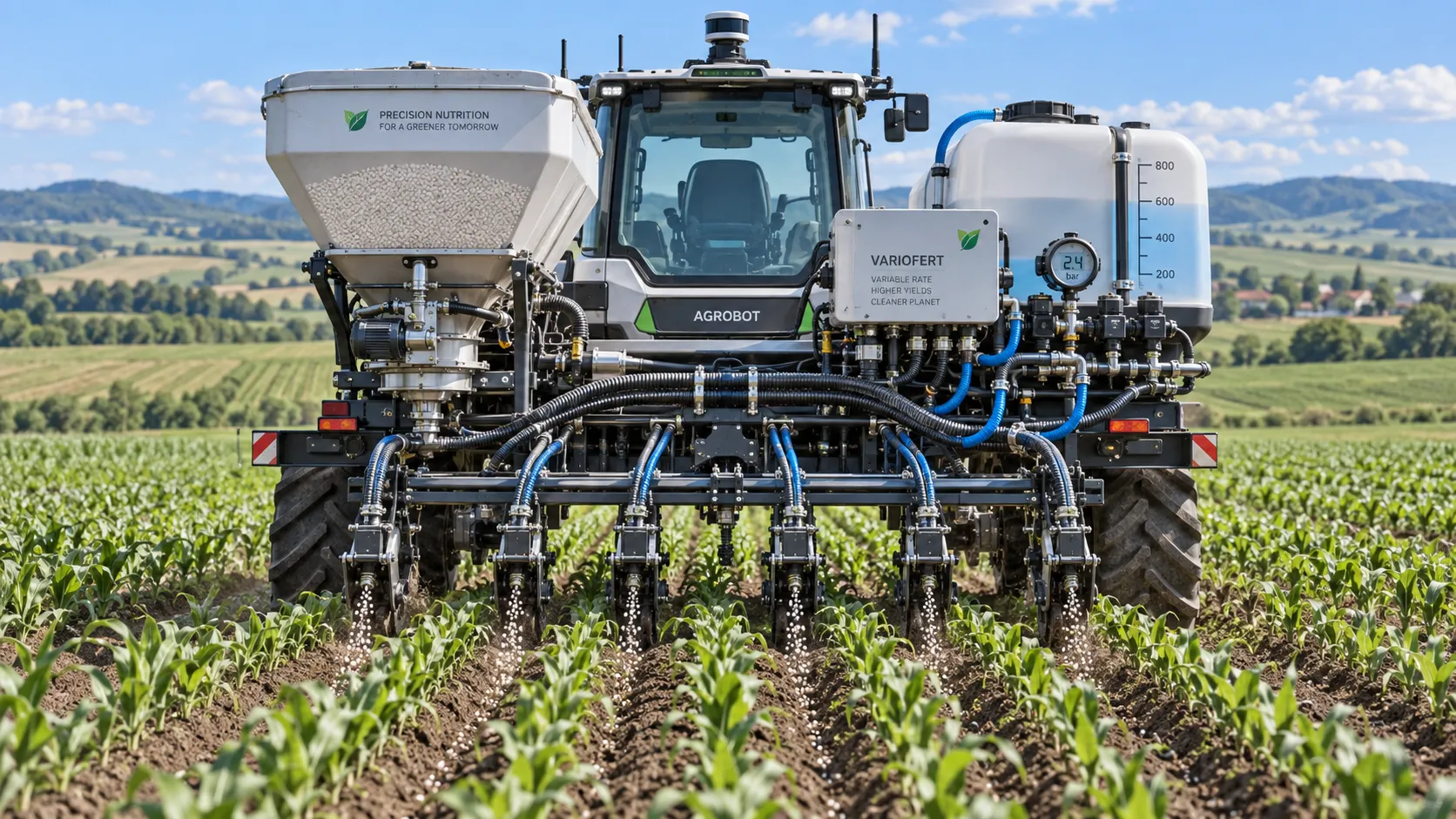
How Sensor Feedback Enables Accurate Variable-Rate Fertilization in Field Conditions
Precision fertilization systems with sensor feedback improve variable-rate accuracy by verifying flow, managing latency, and ensuring reliable field application.
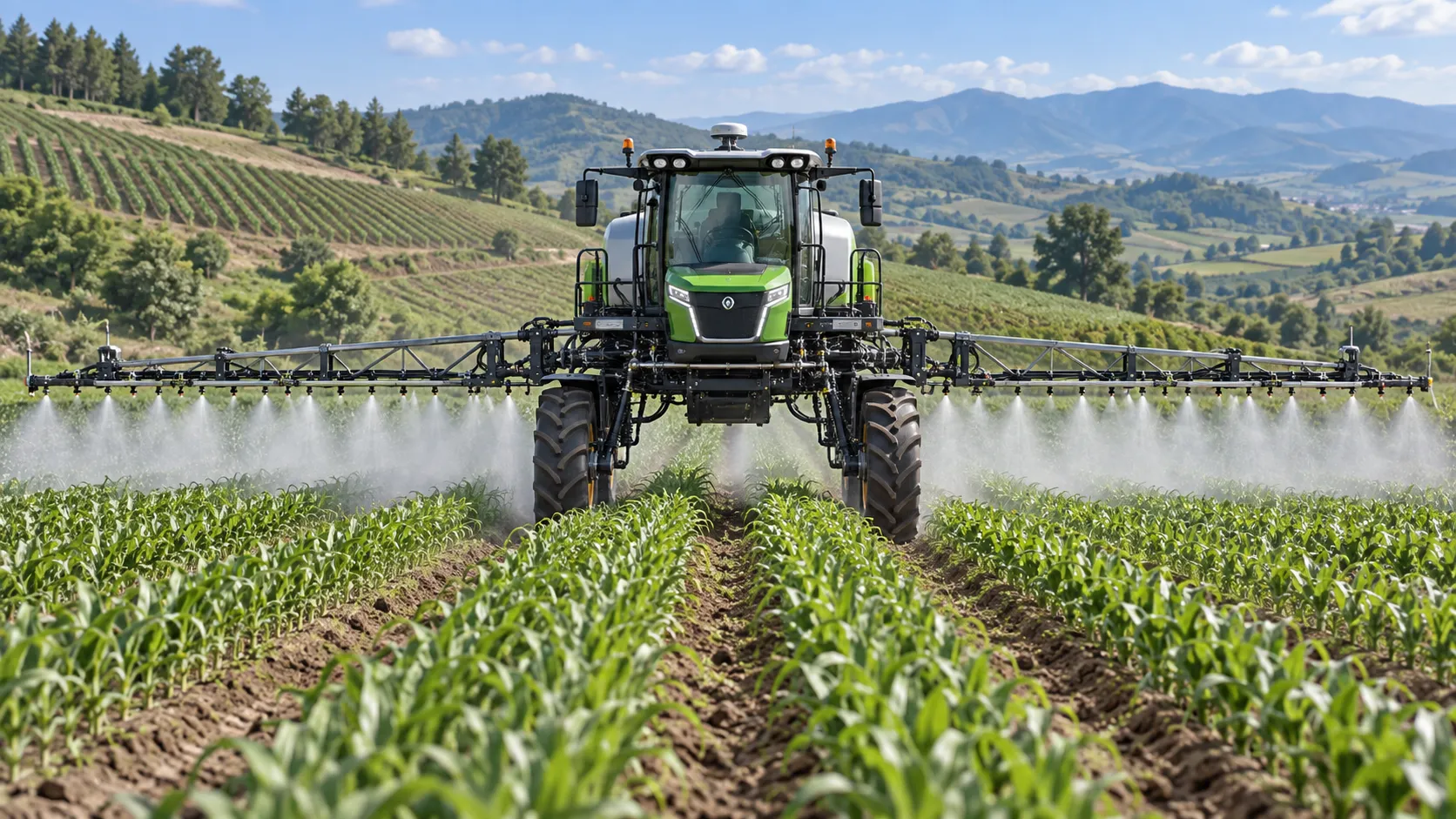
How to Select Precision Crop Protection Equipment for Variable Field Conditions
Precision crop protection equipment selection made simple: compare terrain, canopy, weather, control accuracy, and data workflows for reliable applications.
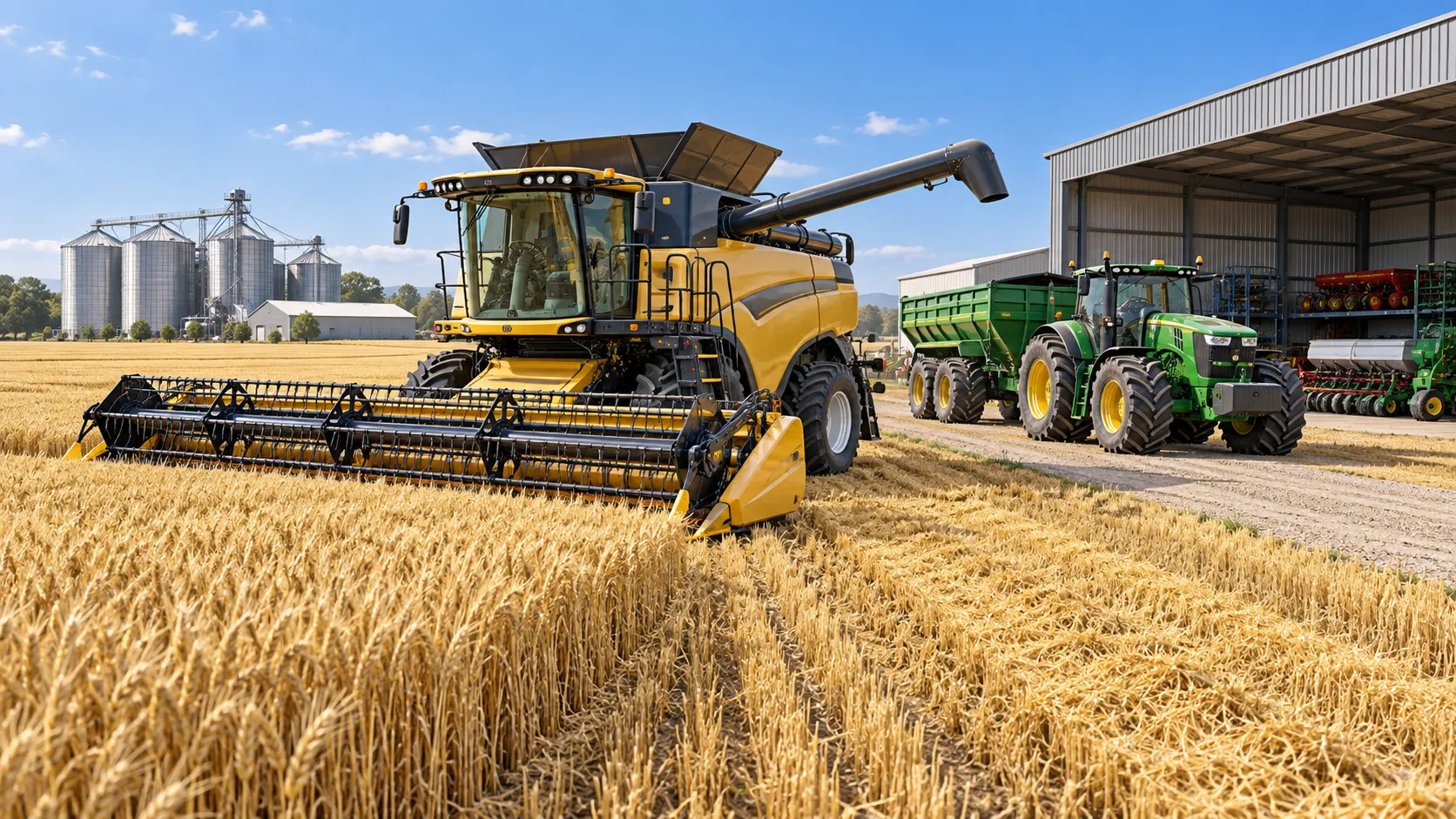
When Does Agricultural Machinery Leasing Cost Less Than Owning Equipment?
Agricultural machinery leasing can lower farm costs when use is seasonal or uncertain. Compare utilization, maintenance, cash flow, and risk to make a smarter equipment decision.
Related News
- 00
0000-00
Tractor Chassis Price: What Buyers Should Compare Beyond the Initial Quote - 00
0000-00
How Digital Agriculture Platforms Turn Field Data Into Better Input Decisions - 00
0000-00
When Does Agricultural Machinery Leasing Cost Less Than Owning Equipment? - 00
0000-00
Selecting Grain Farm Equipment by Acreage, Crop Mix, and Harvest Window - 00
0000-00
Poultry Equipment Selection: Evaluating Durability, Cleaning, and Compatibility
Popular Tags
Ms. Elena Rodriguez
Weekly Insights
Stay ahead with our curated technology reports delivered every Monday.