
How agri-mechanization technology cuts labor costs today
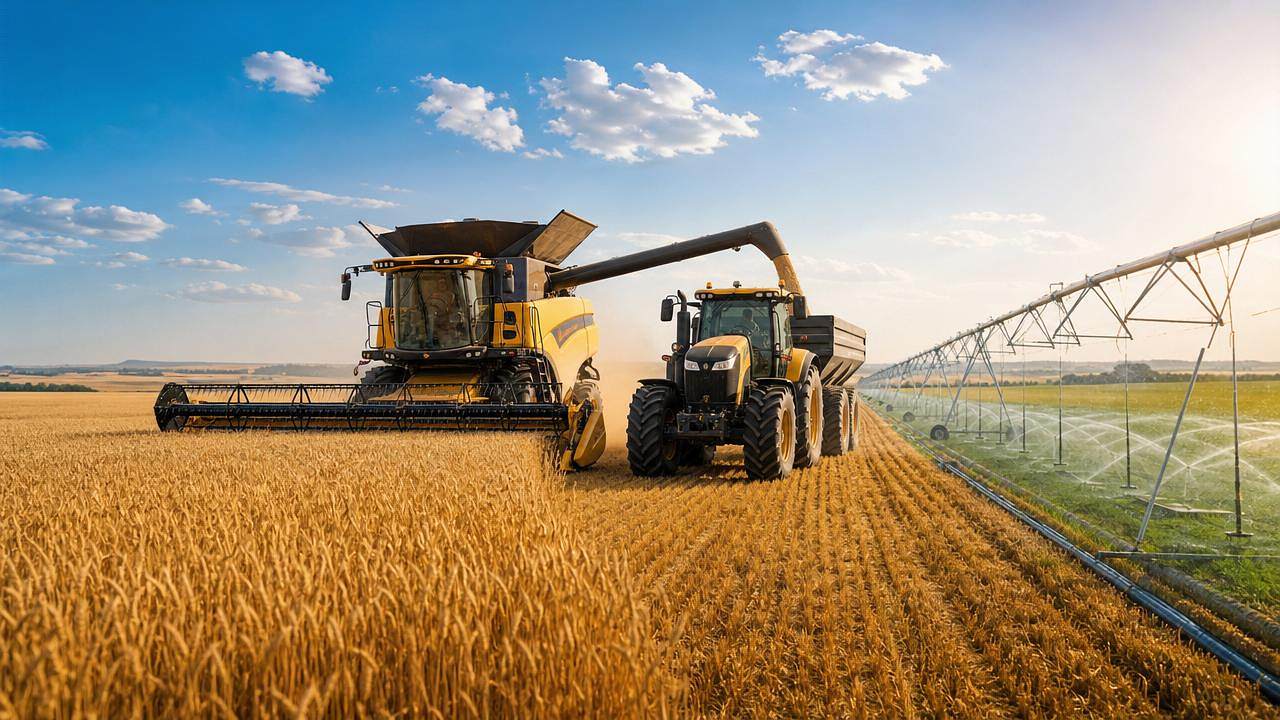




For business evaluators tracking farm productivity and capital efficiency, agri-mechanization technology is no longer a future concept but a measurable cost lever today.
From high-capacity harvesters to precision tractor systems, modern equipment reduces labor dependency, improves consistency, and supports clearer return-on-investment analysis across large agricultural operations.
In global agriculture, labor costs rise alongside seasonal shortages, compliance pressure, and unpredictable weather windows.
That is why agri-mechanization technology now matters as both an operating tool and a strategic cost-control framework.
Understanding agri-mechanization technology in current operations
Agri-mechanization technology refers to integrated machinery, digital controls, and field automation used to perform agricultural tasks with higher speed and lower manual input.
It covers soil preparation, planting, crop care, harvesting, transport, and irrigation management.
The concept is broader than buying a larger machine.
It includes telematics, GPS guidance, sensor feedback, hydraulic optimization, variable-rate application, and automated work sequencing.
When these systems work together, labor cost reduction happens through fewer machine passes, less operator fatigue, lower rework, and tighter timing.
For large farms, labor savings also come from better equipment utilization across many hectares.
AP-Strategy closely tracks this transition across combine harvesting technology, tractor chassis development, intelligent farm tools, and water-saving irrigation systems.
Its strategic intelligence work helps connect mechanical performance with precision farming algorithms and sustainability pressure.
Why labor costs are under pressure across agriculture
Labor cost inflation in agriculture is rarely caused by wages alone.
It often comes from low availability, overtime during narrow field windows, inconsistent skills, supervision burdens, and losses from delayed operations.
Agri-mechanization technology addresses these hidden cost layers by improving speed, repeatability, and planning control.
Current signals shaping investment decisions
- Seasonal labor is harder to secure in many producing regions.
- Field tasks must be completed faster because climate variability shortens ideal working windows.
- Input costs make inefficient field passes more expensive than before.
- Data-driven management requires machine-generated records and operational traceability.
- Food security goals favor scalable systems that maintain output under labor constraints.
How agri-mechanization technology cuts labor costs today
The strongest savings rarely come from replacing every worker.
They come from redesigning labor around machines that complete more work per hour with fewer interruptions.
1. Higher field capacity per operator
A larger combine or smarter tractor system allows one operator to cover more land in less time.
This lowers labor hours per hectare and reduces the need for temporary crews.
2. Better timing reduces expensive delays
Missed planting or harvesting windows can create hidden labor costs through overtime, emergency hiring, and yield losses.
Agri-mechanization technology improves timing discipline and lowers those downstream costs.
3. Precision systems reduce duplicate work
GPS guidance and section control reduce overlap in seeding, spraying, and fertilizing.
Fewer repeat passes mean fewer labor hours, less fatigue, and lower supervision demands.
4. Automation improves consistency
Automated steering, cleaning-loss monitoring, and hydraulic control reduce operator error.
Consistent execution lowers rework, which directly cuts labor and maintenance exposure.
5. Smart irrigation reduces manual monitoring
Intelligent irrigation systems use sensors, scheduling logic, and networked controls to reduce routine field checks.
That frees labor for higher-value tasks while improving water-use efficiency.
Typical technology areas and their business value
This is where AP-Strategy offers practical intelligence value.
Its sector monitoring links mechanical capability with market shifts, environmental policy, and long-cycle equipment demand.
That supports better capital planning around autonomous machinery, precision tools, and irrigation modernization.
Representative scenarios across large-scale farming
Agri-mechanization technology creates different labor outcomes depending on crop systems, terrain, and management maturity.
Broadacre grain production
Large tractors, high-capacity seeders, and advanced combines reduce the number of operators required during planting and harvest peaks.
Telematics also improve fleet coordination across dispersed fields.
Water-constrained regions
Smart irrigation reduces manual valve handling and field inspection frequency.
It also supports labor planning by automating watering decisions with weather and soil data.
Mixed equipment fleets
Where farms operate machines from different generations, targeted upgrades often deliver stronger labor returns than total replacement.
Examples include retrofit guidance kits, monitoring sensors, and data-linked implement controls.
Practical evaluation points before adoption
Not every machine upgrade produces immediate labor savings.
A disciplined evaluation process is necessary to identify true cost impact.
- Measure labor hours per hectare, not just machine purchase price.
- Track downtime, overlap, and seasonal overtime before selecting equipment.
- Assess whether operator training will limit the expected labor savings.
- Compare fuel, maintenance, and yield protection alongside payroll reduction.
- Review data compatibility across tractors, harvesters, and irrigation systems.
The most effective agri-mechanization technology strategy usually starts with one operational bottleneck.
That may be harvest delay, irrigation labor, or too many field passes during crop care.
Focused deployment makes savings easier to verify and scale.
Operational next steps for better cost control
Agri-mechanization technology is most valuable when treated as a system-level productivity investment.
The goal is not only fewer workers in the field.
The goal is more reliable output, tighter timing, lower waste, and stronger decision visibility.
AP-Strategy supports this transition through intelligence on combine harvesting, tractor chassis evolution, intelligent farm tools, and water-saving irrigation systems.
Its Strategic Intelligence Center helps connect equipment performance with market direction and long-term agricultural competitiveness.
To move forward, map current labor-intensive tasks, quantify cost leakages, and compare them with the measurable gains available from modern agri-mechanization technology.
That approach turns mechanization from a capital expense discussion into a disciplined productivity decision.
Related News
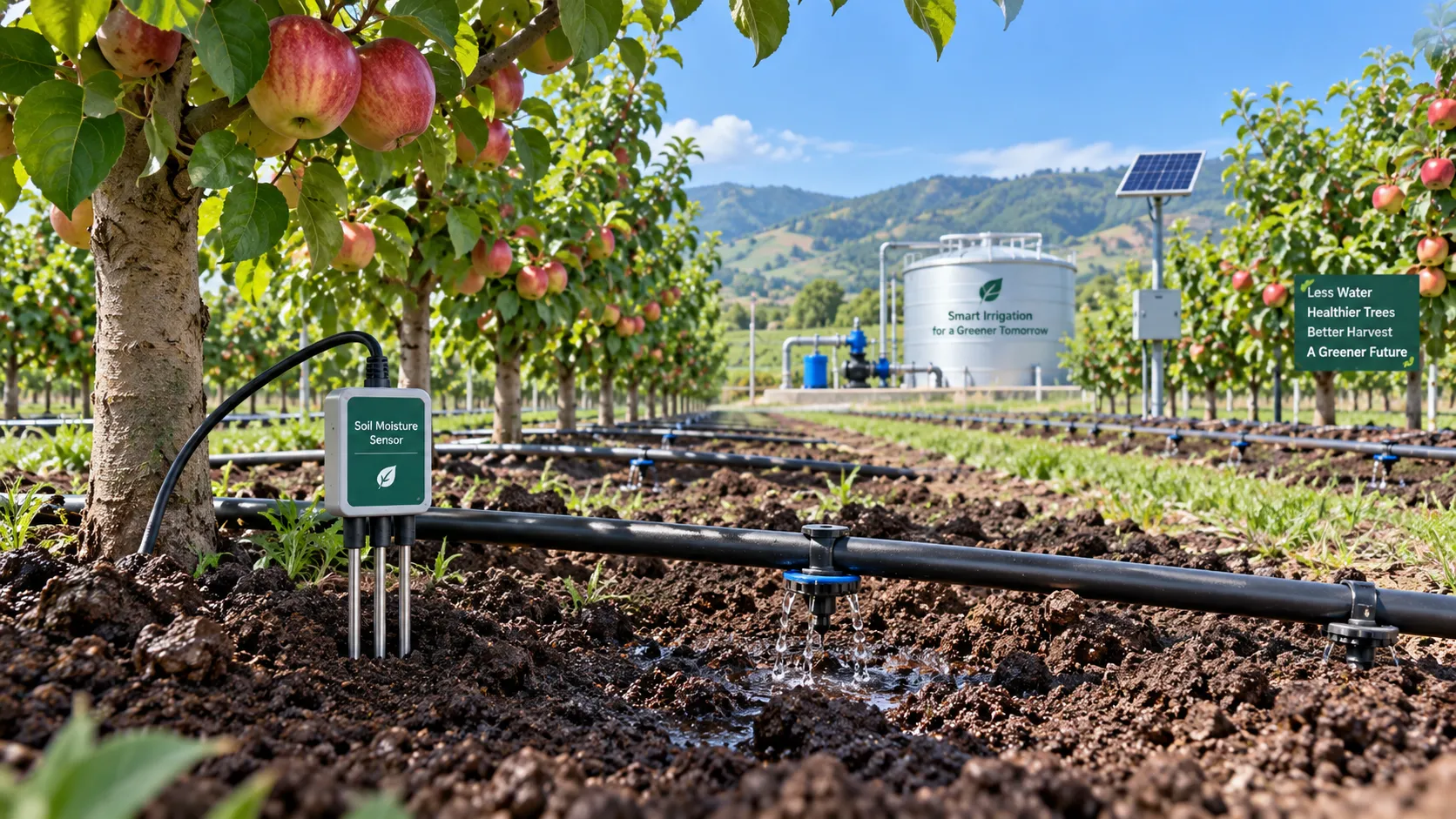
Orchard Water Management: Using Soil Moisture Data to Schedule Irrigation
Agricultural water management for orchards made practical: use soil moisture data to optimize irrigation timing, protect yield, reduce costs, and improve resilience.
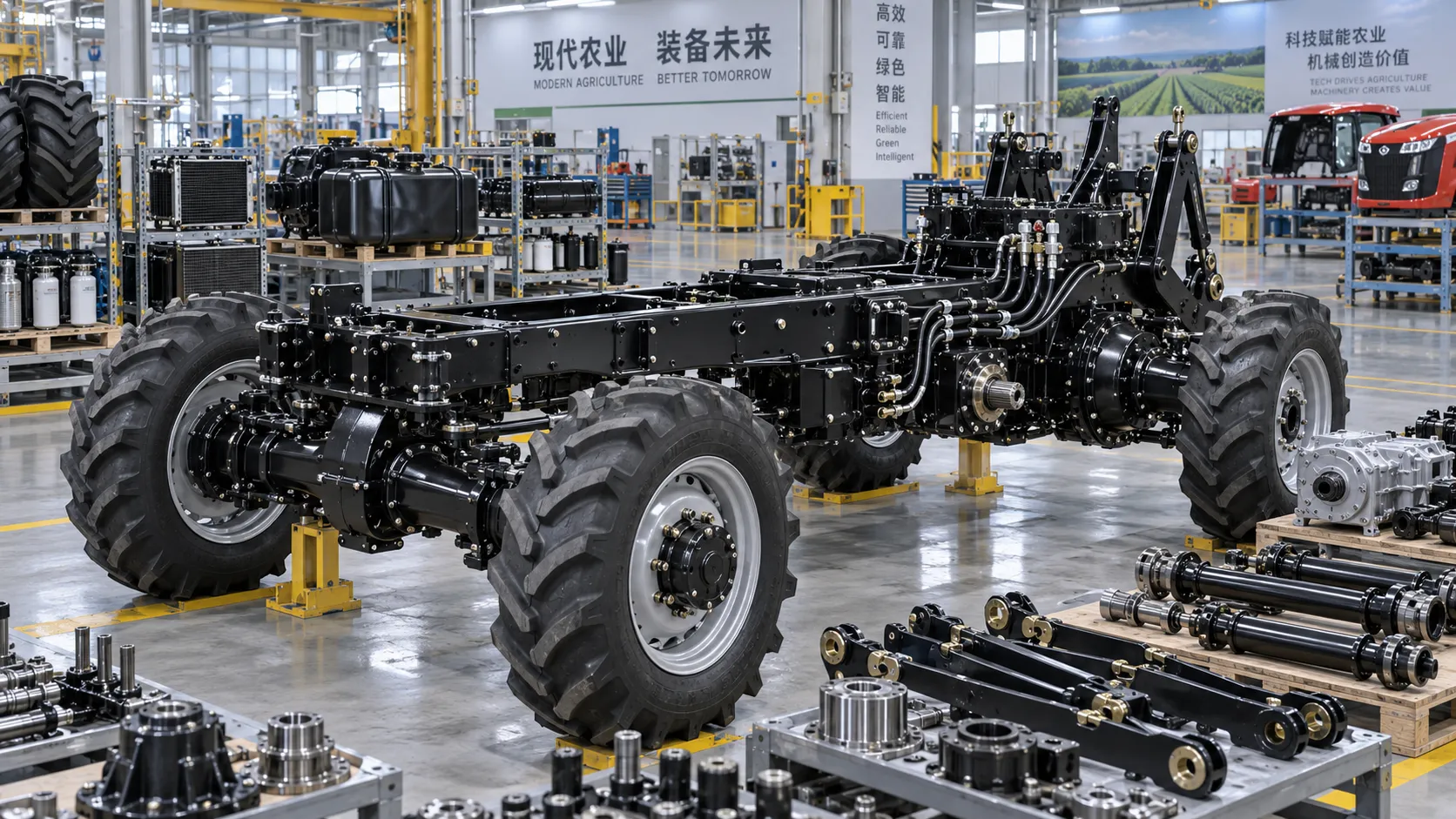
Tractor Chassis Price: What Buyers Should Compare Beyond the Initial Quote
Tractor chassis price is only the start. Compare load capacity, compatibility, durability, and lifecycle costs to choose a reliable, high-value chassis.
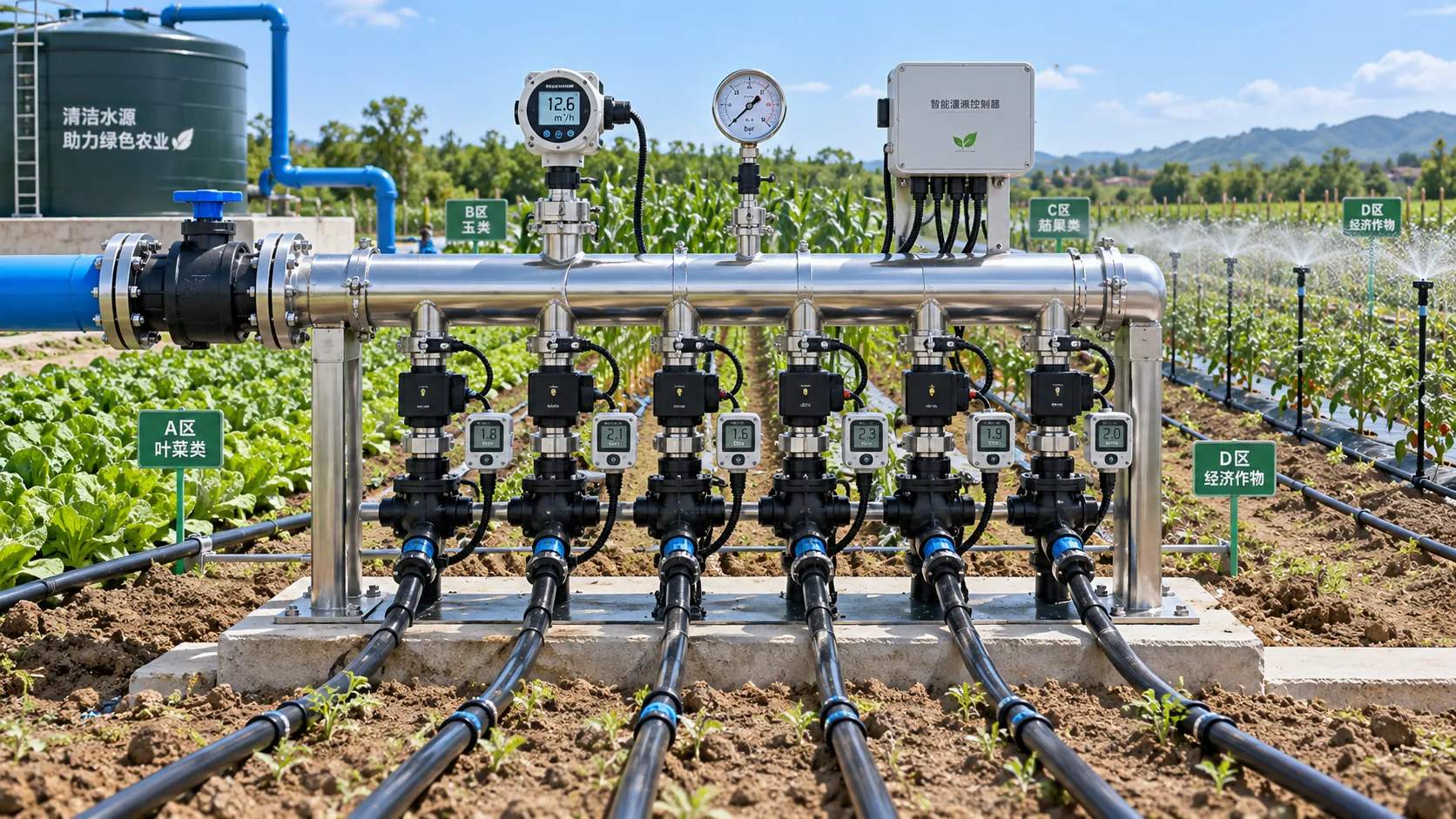
How to Select Smart Irrigation Valves for Multi-Zone Water Management?
Intelligent irrigation systems valves: learn how to match smart valves with multi-zone flow, pressure, control, feedback, and communication needs for reliable water management.
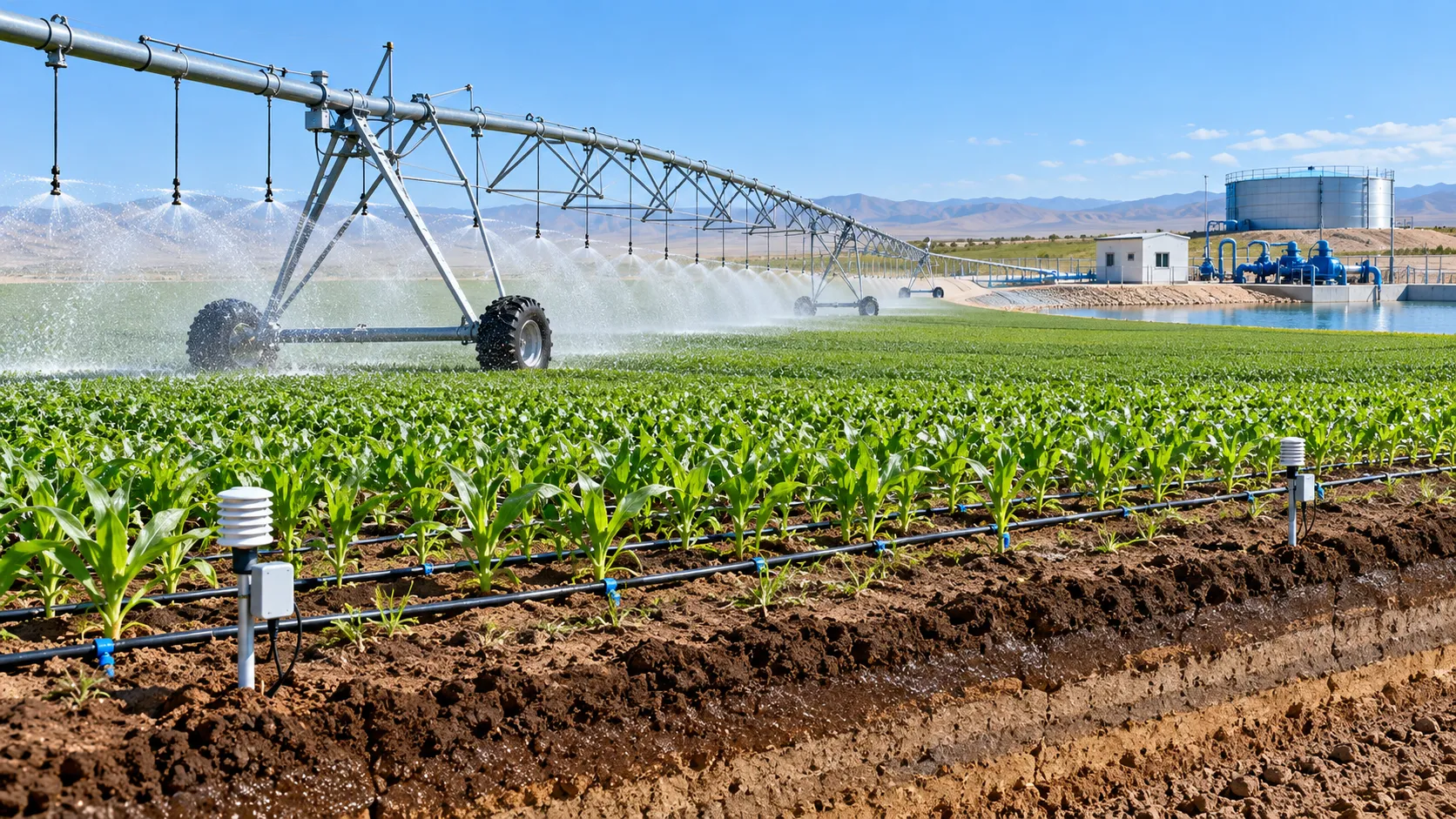
Climate-Smart Farming for Drought: A Practical Plan for Protecting Yields
Climate-smart farming for drought: build smarter water budgets, protect critical crop stages, improve irrigation uniformity, and safeguard yields with practical field-proven strategies.
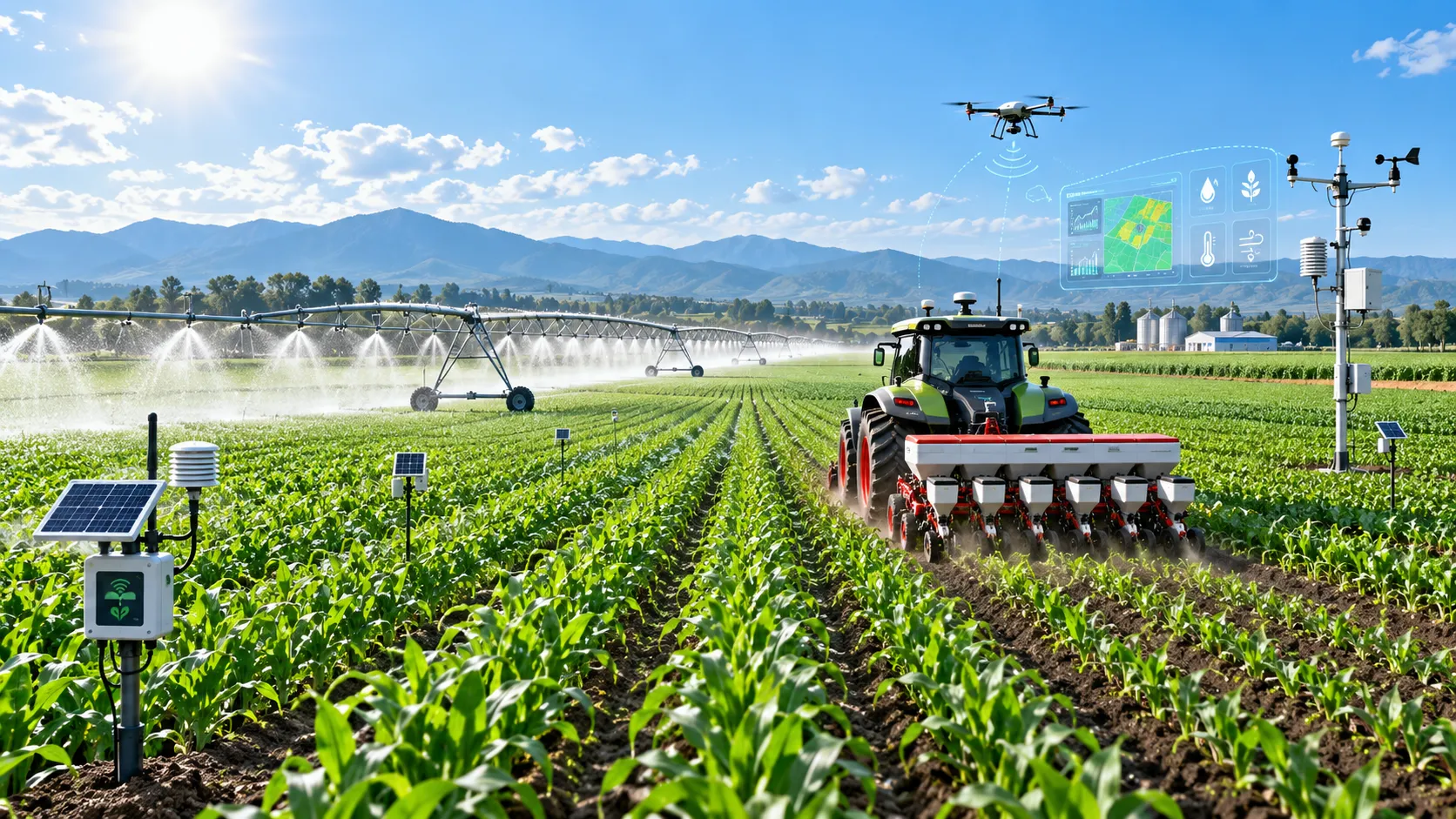
How Digital Agriculture Platforms Turn Field Data Into Better Input Decisions
Digital agriculture platforms turn field data into smarter fertilizer, water, seed, and equipment decisions—helping farms cut risk, improve margins, and scale sustainability.
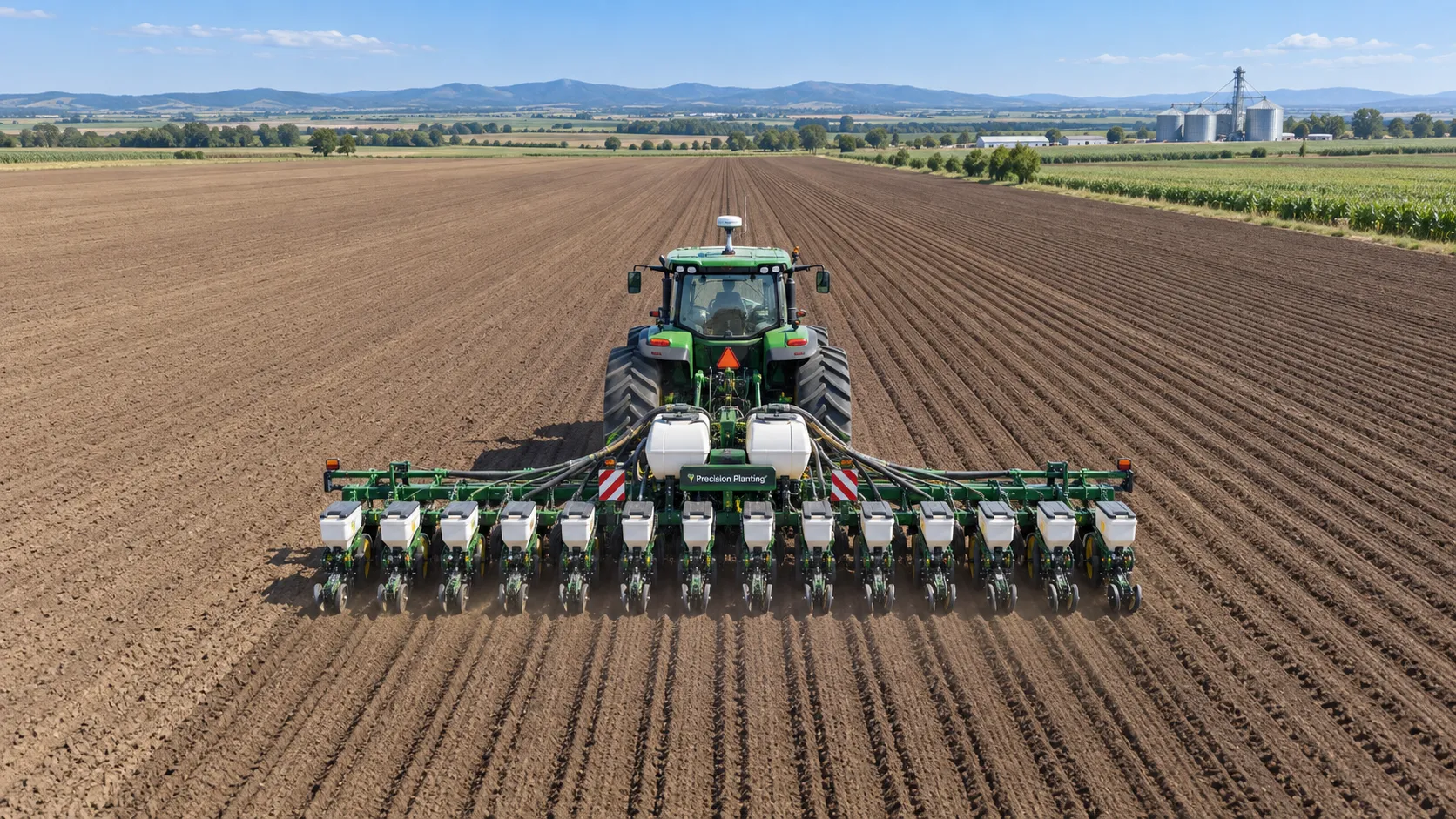
GPS-Guided Farm Machinery: Where It Delivers Measurable Field Efficiency Gains
Agri-mechanization GPS guided systems deliver measurable field efficiency gains through reduced overlap, precise planting, smarter inputs, and reliable farm data.
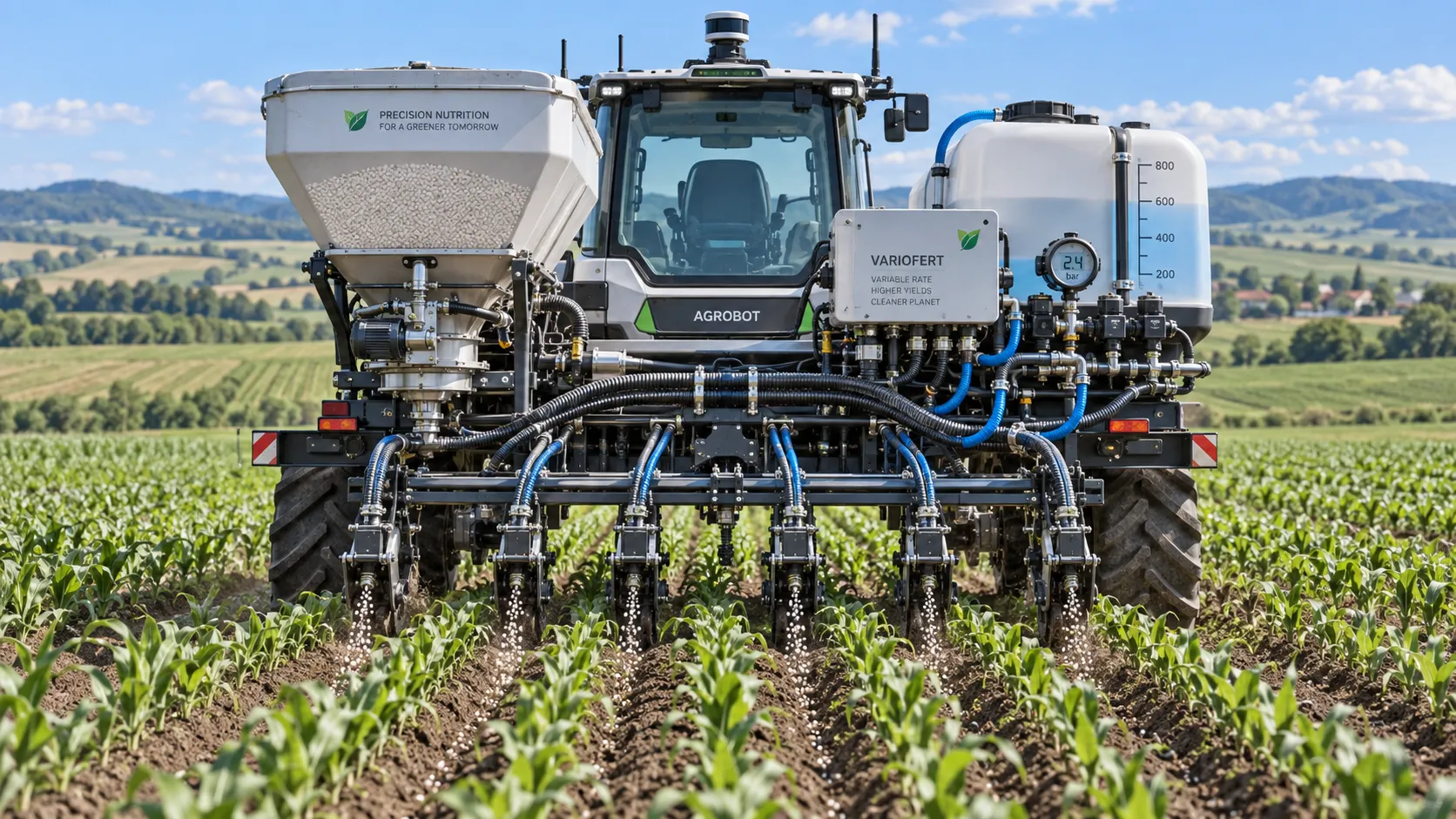
How Sensor Feedback Enables Accurate Variable-Rate Fertilization in Field Conditions
Precision fertilization systems with sensor feedback improve variable-rate accuracy by verifying flow, managing latency, and ensuring reliable field application.
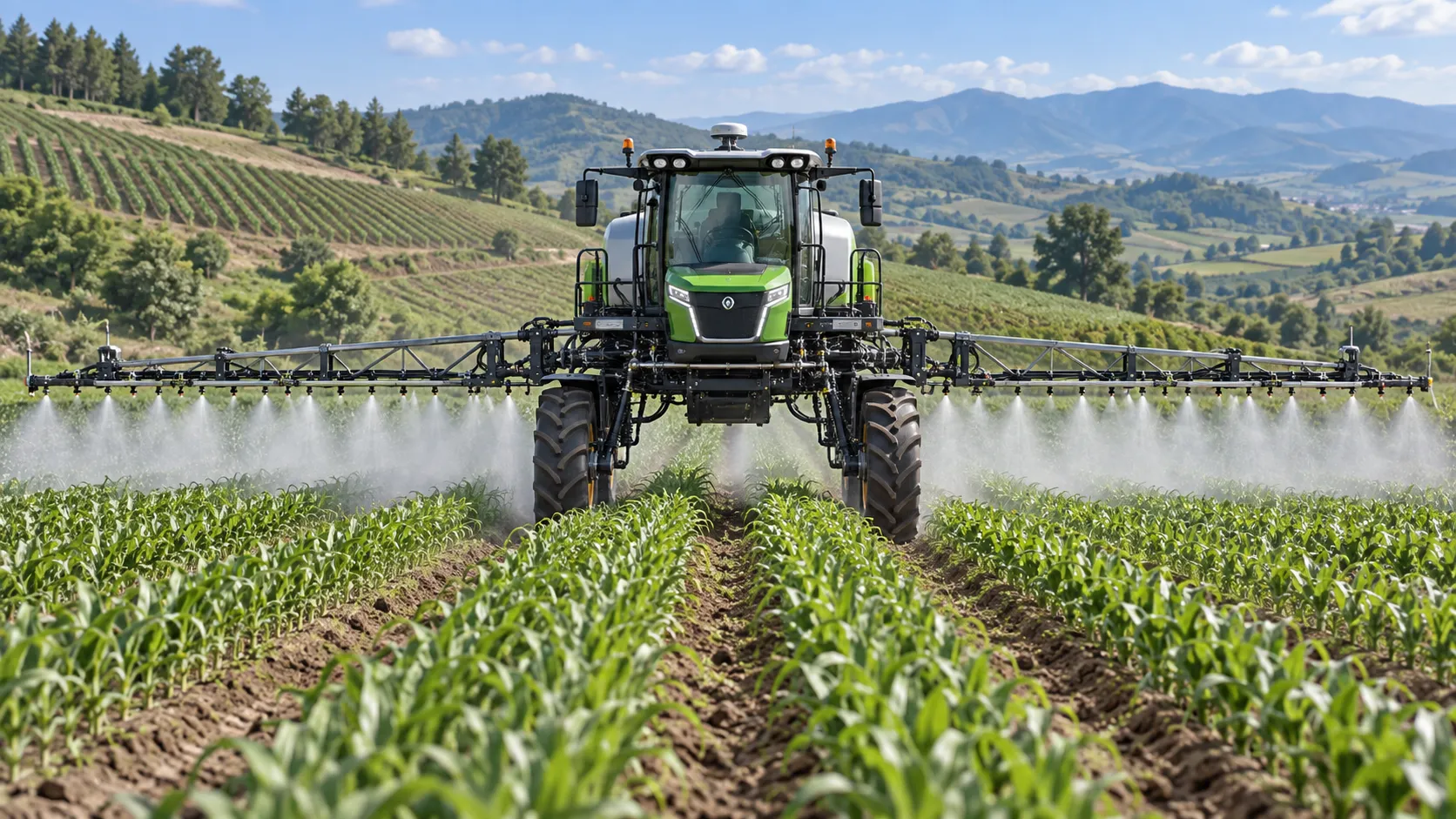
How to Select Precision Crop Protection Equipment for Variable Field Conditions
Precision crop protection equipment selection made simple: compare terrain, canopy, weather, control accuracy, and data workflows for reliable applications.
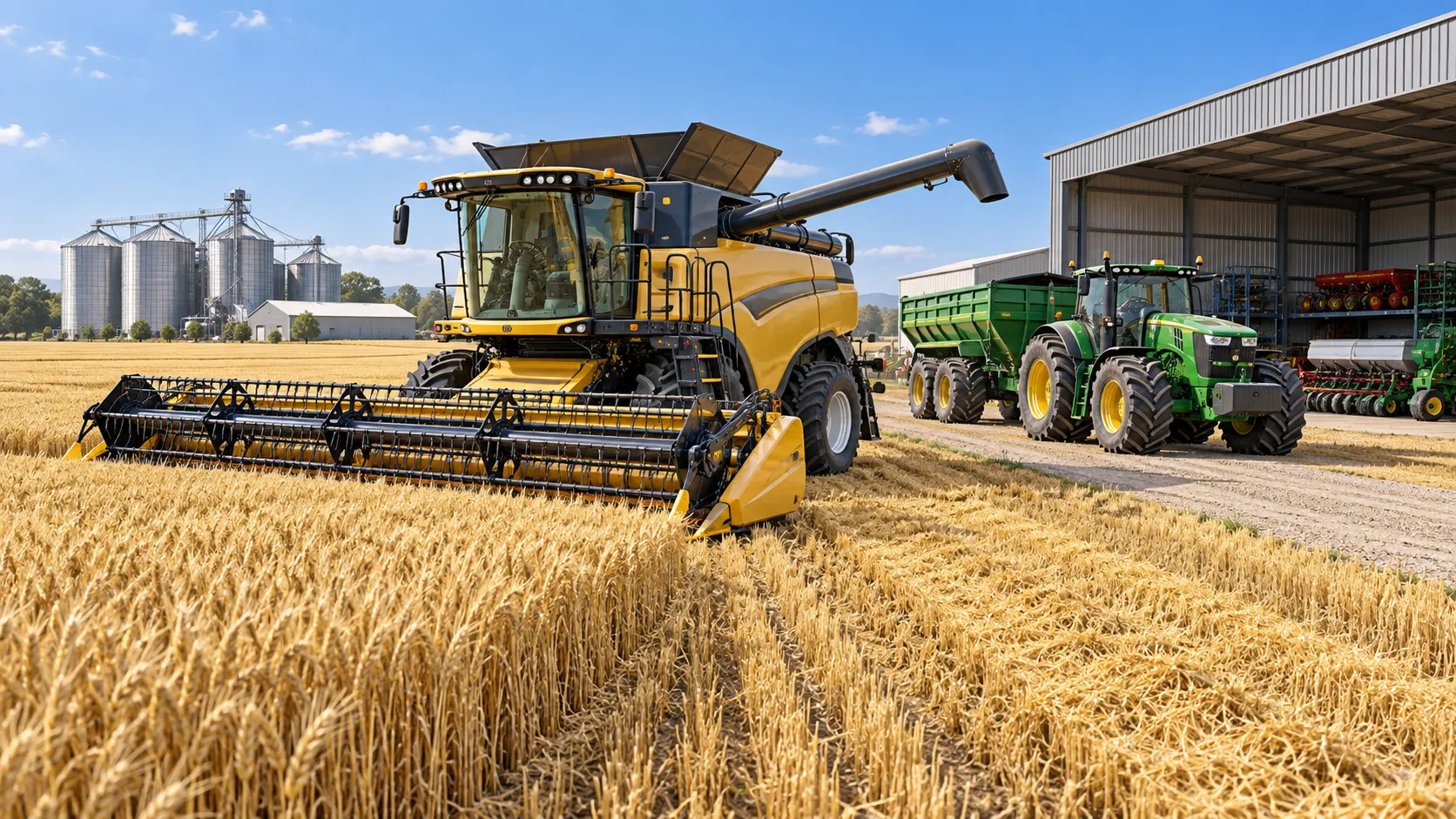
When Does Agricultural Machinery Leasing Cost Less Than Owning Equipment?
Agricultural machinery leasing can lower farm costs when use is seasonal or uncertain. Compare utilization, maintenance, cash flow, and risk to make a smarter equipment decision.
Related News
- 00
0000-00
Tractor Chassis Price: What Buyers Should Compare Beyond the Initial Quote - 00
0000-00
How Digital Agriculture Platforms Turn Field Data Into Better Input Decisions - 00
0000-00
When Does Agricultural Machinery Leasing Cost Less Than Owning Equipment? - 00
0000-00
Selecting Grain Farm Equipment by Acreage, Crop Mix, and Harvest Window - 00
0000-00
Poultry Equipment Selection: Evaluating Durability, Cleaning, and Compatibility
Popular Tags
Ms. Elena Rodriguez
Weekly Insights
Stay ahead with our curated technology reports delivered every Monday.