
Can crop monitoring systems catch yield risks early
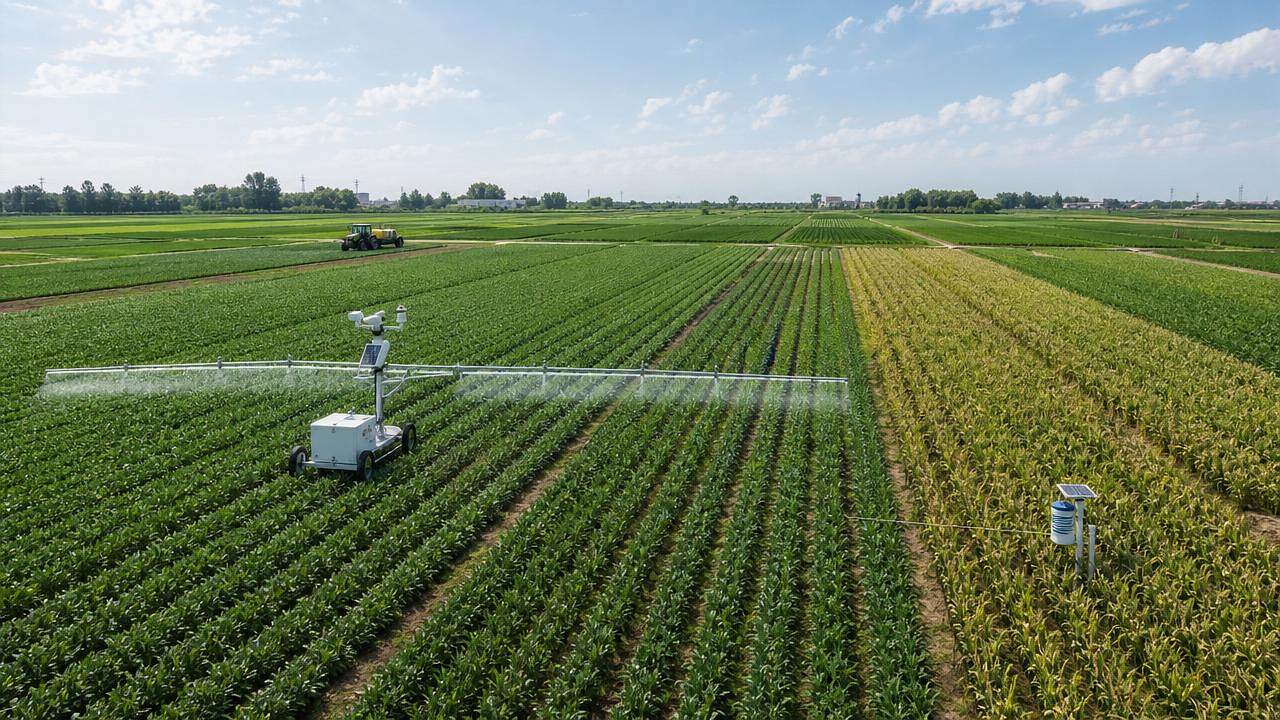




Can crop monitoring systems catch yield risks before losses spread across the field? In modern agriculture, they increasingly can.
By combining sensor feeds, satellite images, weather layers, and machine data, crop monitoring systems reveal weak signals early.
That early visibility matters across large-scale equipment planning, irrigation scheduling, crop protection, and harvest timing.
For an intelligence platform like AP-Strategy, the value is clear: better decisions begin with better field awareness.
The real question is not whether data exists, but whether crop monitoring systems turn data into timely action.
What are crop monitoring systems, and what do they actually track?
Crop monitoring systems are digital tools that observe field conditions continuously or at regular intervals.
They often combine remote sensing, in-field sensors, equipment telemetry, agronomic records, and weather forecasts.
Their goal is simple: identify stress patterns before visible damage becomes irreversible.
A capable crop monitoring system may track:
- Soil moisture and irrigation uniformity
- Plant vigor through NDVI or similar vegetation indices
- Canopy temperature and heat stress signals
- Emergence gaps and uneven stand development
- Disease-prone zones and drainage issues
- Machine performance linked to seeding, spraying, or harvesting quality
This makes crop monitoring systems more than scouting dashboards. They are risk-detection engines tied to field operations.
In mixed operations, they also connect agronomy with tractors, irrigation networks, and combine harvesting strategy.
How can crop monitoring systems catch yield risks early?
Yield loss rarely starts as a dramatic event. It usually begins with small, scattered signals.
A stressed zone may first show lower reflectance, warmer canopy temperature, or slower biomass growth.
Crop monitoring systems detect those changes faster than manual observation across large acreage.
Here is how early detection typically works:
- Baseline creation from planting records, historical yield maps, and normal growth curves
- Continuous updates from satellite passes, field probes, and equipment sensors
- Anomaly detection when a zone deviates from expected moisture, vigor, or temperature
- Priority ranking so high-risk areas receive fast inspection or intervention
- Feedback loops after irrigation, fertilization, or crop protection action
This matters because delays increase cost. Water stress today can become flowering loss next week.
Likewise, blocked nozzles, uneven fertilizer delivery, or compaction may reduce yield potential long before harvest reveals the problem.
Crop monitoring systems shorten the gap between risk emergence and operational response.
Which yield risks are easiest to detect, and which remain difficult?
Not every threat is equally visible. Some yield risks generate strong data signatures. Others remain subtle.
Risks crop monitoring systems often detect well
- Moisture deficits and irrigation non-uniformity
- Waterlogging after rainfall or poor drainage
- Stand gaps after planting
- Heat stress in sensitive growth stages
- Delayed development in field zones with weak vigor
Risks that usually need confirmation
- Nutrient deficiencies with overlapping symptoms
- Early disease pressure before clear spatial patterns appear
- Pest outbreaks hidden below canopy or localized at field edges
- Herbicide drift or chemical injury resembling drought stress
The lesson is important. Crop monitoring systems are strongest when they guide where to inspect, not when they replace agronomic judgment.
The best results come from pairing digital alerts with targeted field checks and machine performance review.
Where do crop monitoring systems add the most value in large-scale operations?
Large fields create a visibility problem. Small issues become expensive when they remain unnoticed across many hectares.
That is where crop monitoring systems deliver practical value.
They are especially useful in four operating areas:
1. Irrigation management
They reveal dry zones, pressure imbalance, emitter underperformance, and overwatering before water waste reduces root health.
2. Equipment quality control
Telemetry linked to crop response can expose planter skips, uneven spraying, or inconsistent input delivery.
3. Harvest preparation
Spatial maturity tracking helps organize combine harvesting routes, reduce losses, and prioritize vulnerable fields.
4. Resource allocation
Operations can focus labor, scouting, and service interventions on zones with the highest yield risk.
For comprehensive intelligence platforms, this supports the broader Agriculture 4.0 goal of aligning machines, data, and sustainability.
How should you compare crop monitoring systems before adoption?
Many tools look similar in demos. The real difference appears in field resolution, alert quality, and workflow fit.
Use the table below to compare crop monitoring systems on practical decision criteria.
The strongest crop monitoring systems do not just visualize fields. They help prioritize action at the right time.
What common mistakes reduce the value of crop monitoring systems?
The technology can be powerful, but poor implementation weakens results quickly.
Several mistakes appear repeatedly across operations:
- Using crop monitoring systems without a response protocol
- Expecting one data layer to explain every stress signal
- Ignoring equipment logs that explain agronomic anomalies
- Checking dashboards often, but not validating alerts in the field
- Measuring success by images collected, not losses avoided
A good operating rule is simple: every alert should lead to inspection, adjustment, or documented dismissal.
That creates a learning loop. Over time, crop monitoring systems become more trusted and more useful.
What is a realistic implementation timeline and return expectation?
Crop monitoring systems rarely deliver full value on day one. Benefits build in stages.
Early phase: first season
Expect improved field visibility, faster scouting, and better documentation of recurring problem zones.
Middle phase: one to two seasons
Expect stronger irrigation timing, cleaner intervention prioritization, and more informed equipment adjustments.
Advanced phase: multi-season use
Expect trend analysis, zone-specific strategies, and clearer links between operational practice and final yield.
Return should be judged across several dimensions, not yield alone.
When measured this way, crop monitoring systems often justify themselves through avoided losses and tighter resource control.
FAQ summary: can crop monitoring systems really reduce yield risk?
Yes, but only when they are connected to action.
Crop monitoring systems are most effective when they detect early stress, rank priorities, and guide equipment or irrigation decisions.
They do not eliminate uncertainty. They reduce blind spots.
For operations shaped by mechanization, precision farming, and sustainability goals, that reduction in blind spots is strategic.
The next step is practical: map the main sources of yield variability, identify which data streams already exist, and evaluate crop monitoring systems against those needs.
With the right setup, crop monitoring systems can catch yield risks early enough to protect both harvest outcomes and operational efficiency.
Related News
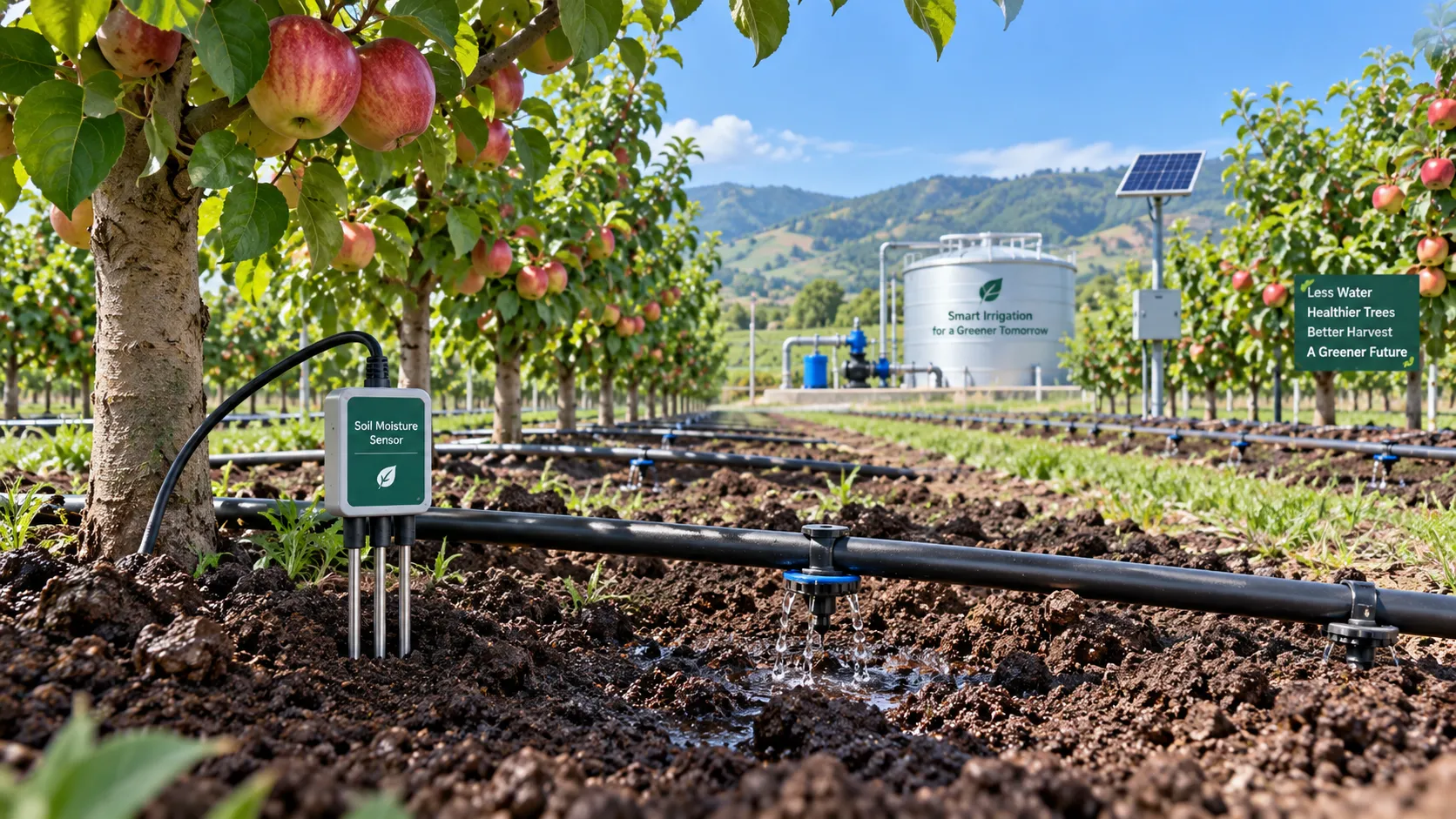
Orchard Water Management: Using Soil Moisture Data to Schedule Irrigation
Agricultural water management for orchards made practical: use soil moisture data to optimize irrigation timing, protect yield, reduce costs, and improve resilience.
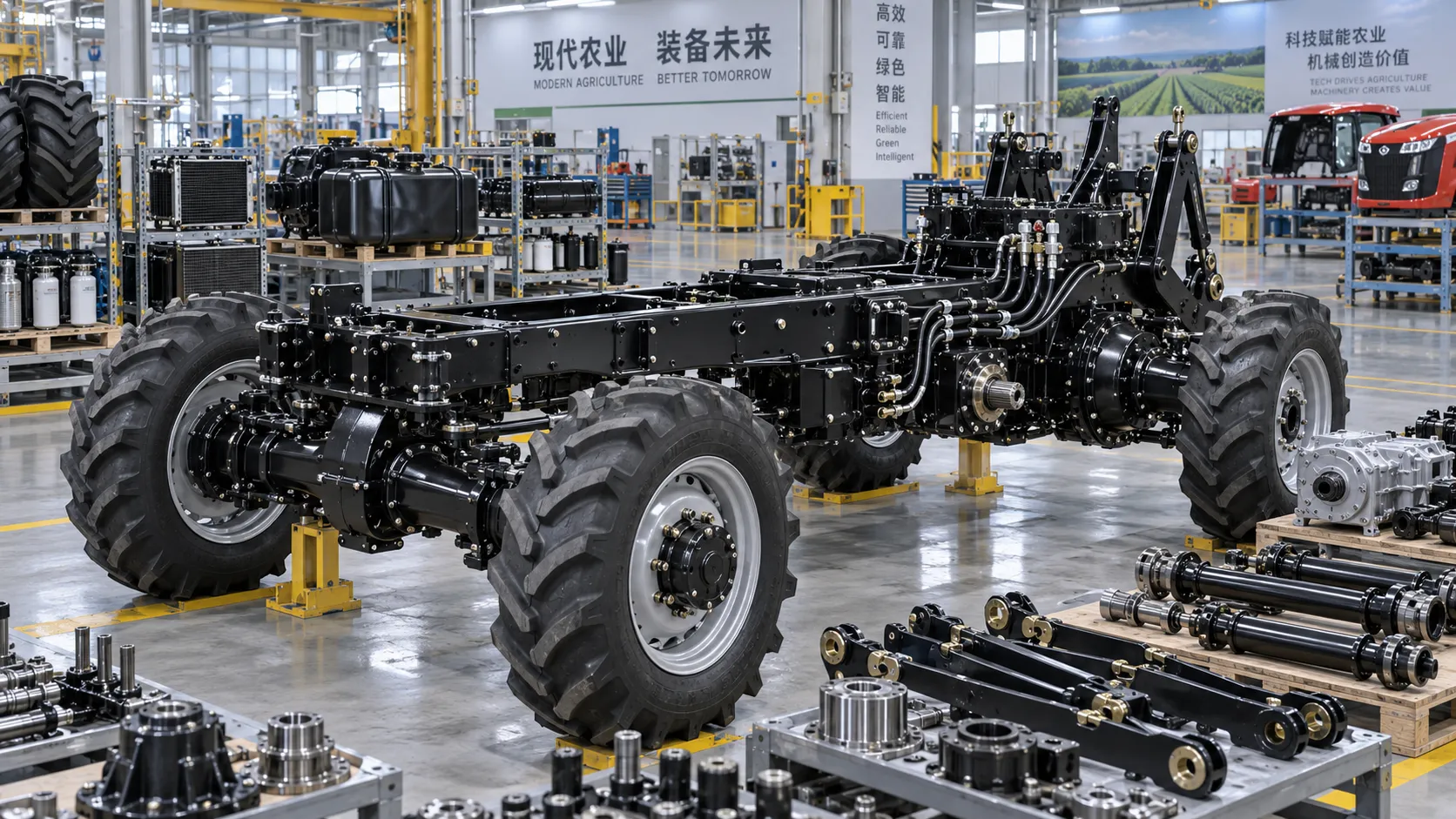
Tractor Chassis Price: What Buyers Should Compare Beyond the Initial Quote
Tractor chassis price is only the start. Compare load capacity, compatibility, durability, and lifecycle costs to choose a reliable, high-value chassis.
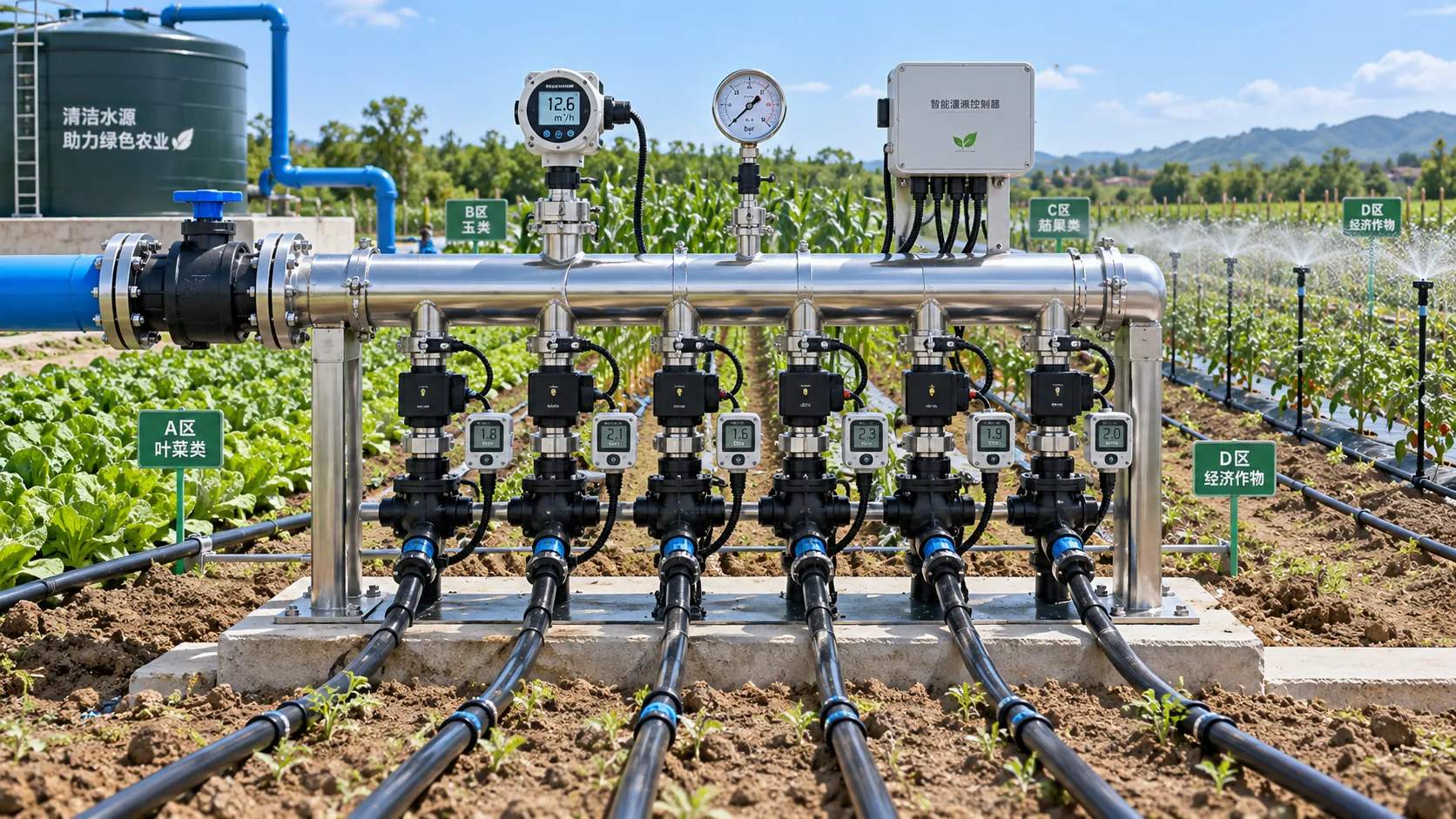
How to Select Smart Irrigation Valves for Multi-Zone Water Management?
Intelligent irrigation systems valves: learn how to match smart valves with multi-zone flow, pressure, control, feedback, and communication needs for reliable water management.
Climate-Smart Farming for Drought: A Practical Plan for Protecting Yields
Climate-smart farming for drought: build smarter water budgets, protect critical crop stages, improve irrigation uniformity, and safeguard yields with practical field-proven strategies.
How Digital Agriculture Platforms Turn Field Data Into Better Input Decisions
Digital agriculture platforms turn field data into smarter fertilizer, water, seed, and equipment decisions—helping farms cut risk, improve margins, and scale sustainability.
GPS-Guided Farm Machinery: Where It Delivers Measurable Field Efficiency Gains
Agri-mechanization GPS guided systems deliver measurable field efficiency gains through reduced overlap, precise planting, smarter inputs, and reliable farm data.
How Sensor Feedback Enables Accurate Variable-Rate Fertilization in Field Conditions
Precision fertilization systems with sensor feedback improve variable-rate accuracy by verifying flow, managing latency, and ensuring reliable field application.
How to Select Precision Crop Protection Equipment for Variable Field Conditions
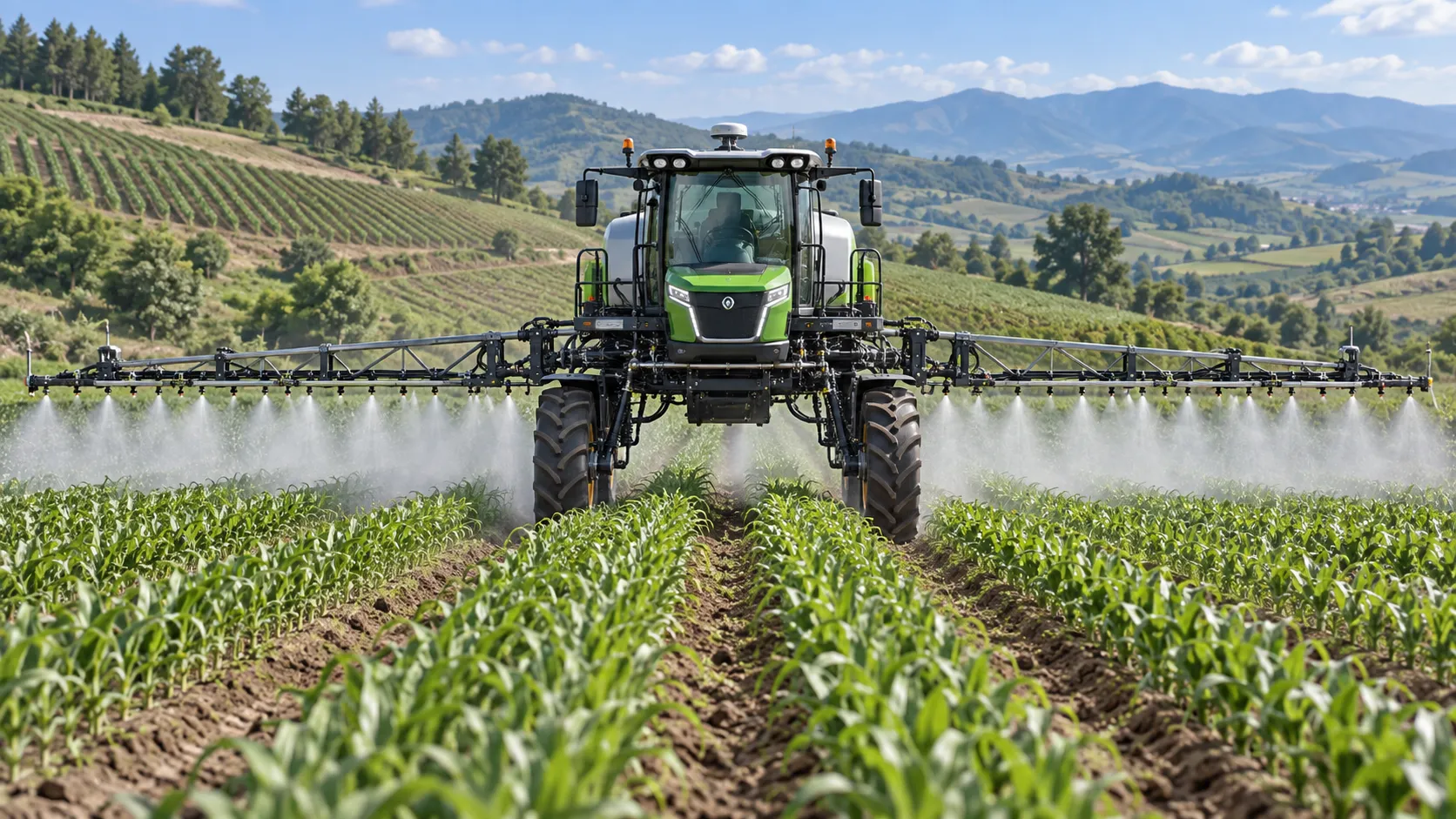
Precision crop protection equipment selection made simple: compare terrain, canopy, weather, control accuracy, and data workflows for reliable applications.

When Does Agricultural Machinery Leasing Cost Less Than Owning Equipment?
Agricultural machinery leasing can lower farm costs when use is seasonal or uncertain. Compare utilization, maintenance, cash flow, and risk to make a smarter equipment decision.
Related News
- 00
0000-00
Orchard Water Management: Using Soil Moisture Data to Schedule Irrigation - 00
0000-00
Climate-Smart Farming for Drought: A Practical Plan for Protecting Yields - 00
0000-00
Selecting Real-Time Soil Moisture Sensors for Irrigation Zone Control - 00
0000-00
How Does Climate-Smart Farming Reduce Water Use in Semi-Arid Areas? - 00
0000-00
USDA Rule Takes Effect: Dual FCC and NRCS Approval for Soil Moisture Sensors
Popular Tags
Hydrological Resource Strategist
Weekly Insights
Stay ahead with our curated technology reports delivered every Monday.