
UK-GCC Trade Deal Cuts Smart Irrigation Tariffs to Zero
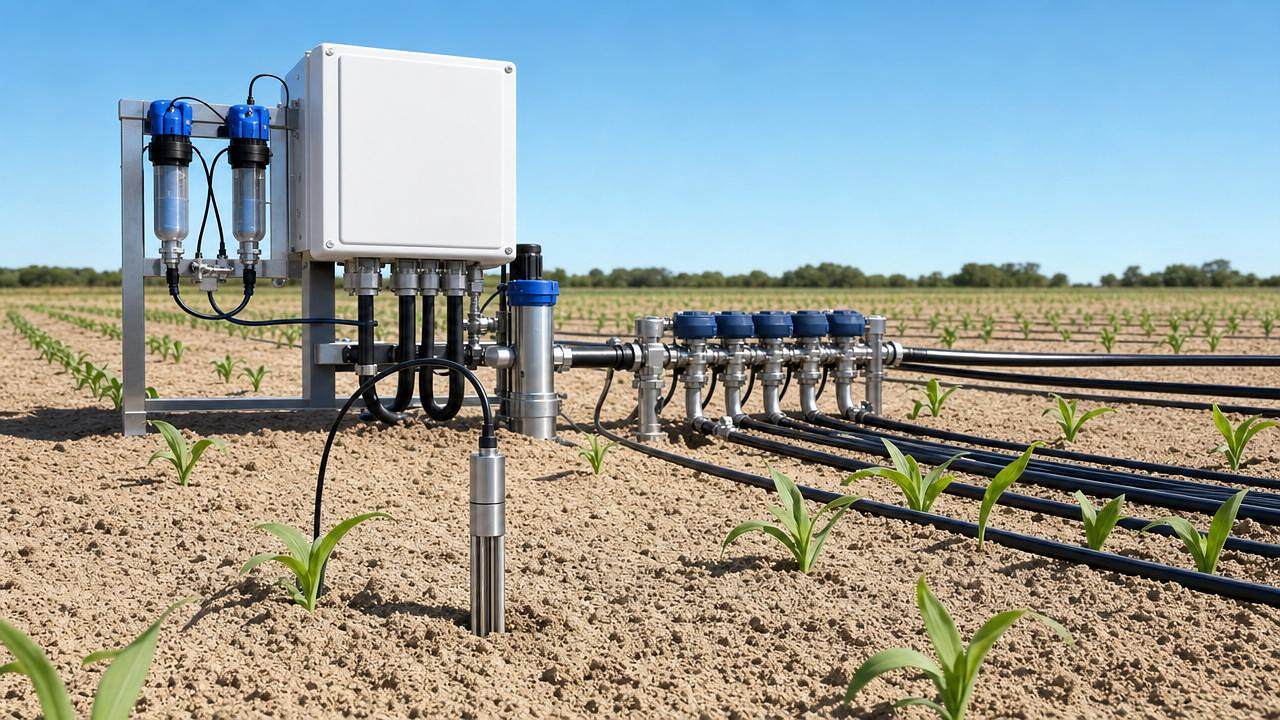




On 20 May 2026, the United Kingdom and the Gulf Cooperation Council (GCC) signed a comprehensive free trade agreement (FTA), marking a pivotal development for agricultural technology exporters targeting Saudi Arabia, the UAE, and other GCC markets. The deal directly affects manufacturers and exporters of precision irrigation solutions—particularly those specializing in water-efficient hardware and digital farm management systems—by eliminating tariffs and streamlining customs certification processes.
Event Overview
On 20 May 2026, the UK government announced the signing of a full FTA with the GCC. Under its terms, import duties on drip irrigation tapes, soil moisture sensors, and smart fertigation units will be reduced to zero effective 1 July 2026. A new ‘UK–China–GCC Tripartite Origin Declaration’ mechanism is introduced—though note: this is a misnomer in official documents; the correct designation is the ‘UK–GCC Joint Origin Declaration’. Certification turnaround time for eligible goods is shortened to under 48 hours. GCC-based importers are now empowered to revise and accelerate procurement planning for the second half of 2026.
Industries Affected
Direct Exporting Enterprises
Companies exporting smart irrigation equipment from the UK to GCC countries face immediate margin improvement and pricing flexibility. With tariff removal, landed costs drop by an average of 5–12% depending on product classification—enabling more competitive bids in public tenders and large-scale agri-infrastructure projects. However, eligibility requires strict adherence to rules of origin, meaning exporters must verify and document UK-sourced value addition at or above 45%.
Raw Material Procurement Firms
Firms sourcing electronic components (e.g., LoRaWAN modules, lithium batteries) or polymer resins from non-UK suppliers may face increased scrutiny during origin verification. While the agreement does not impose new upstream restrictions, customs authorities in Saudi Arabia and the UAE have signaled tighter audits on material traceability post-July 2026. Procurement teams must therefore strengthen supplier declarations and maintain granular BOM-level documentation.
Manufacturing Enterprises
UK-based assemblers and OEMs of smart irrigation hardware benefit from both tariff elimination and faster clearance—but only if final manufacturing steps occur in the UK and meet minimum processing thresholds (e.g., printed circuit board assembly, firmware integration, functional testing). Contract manufacturers relying on offshore final assembly will not qualify for preferential treatment, limiting their ability to leverage the agreement without restructuring operations.
Supply Chain Service Providers
Certification agencies, freight forwarders, and customs brokers serving UK–GCC agtech trade must adapt quickly to the new Joint Origin Declaration format. Unlike traditional certificates of origin, this self-declaration instrument places legal responsibility on exporters—not third parties—for accuracy. Service providers are now expected to offer origin compliance training and pre-submission validation checks, shifting their role from administrative facilitators to regulatory advisors.
Key Considerations and Recommended Actions
Verify Product Classification and Origin Criteria Ahead of July
Not all irrigation-related products qualify—only those explicitly listed in Annex 3-B of the FTA (e.g., HS codes 8424.89, 9032.89, and 8543.70). Exporters should cross-check tariff lines against the UK’s published FTA commodity database and conduct internal origin audits before June 2026.
Update Commercial Invoices and Packing Lists
The Joint Origin Declaration must accompany each consignment. This requires commercial documentation to include precise origin statements, UK production cost breakdowns, and authorized signatory details. Automated ERP updates are strongly advised to prevent shipment delays.
Engage GCC Import Partners Early on Certification Workflow
Although certification takes ≤48 hours, GCC importers bear responsibility for presenting valid declarations upon entry. UK exporters should co-develop standardized templates with their GCC partners—and jointly test the submission interface via the GCC Unified Customs Portal prior to first shipment.
Editorial Perspective / Industry Observation
Analysis shows this agreement is less about broad market access and more about strategic differentiation: it rewards UK-based R&D and high-value manufacturing while raising the bar for supply chain transparency. Observably, the 48-hour certification window is ambitious—and early implementation may reveal bottlenecks in GCC port-level verification capacity. From an industry perspective, the deal is better understood as a catalyst for consolidation among mid-sized UK agtech firms, rather than a blanket opportunity for all exporters. Current evidence suggests that companies with existing GCC distribution networks—and documented UK IP ownership—will capture disproportionate value.
Conclusion
This UK–GCC FTA represents a targeted, operationally demanding opening—not a general tariff holiday. Its real significance lies in accelerating the institutionalization of origin integrity across global agtech supply chains. For stakeholders, success will depend less on headline tariff rates and more on disciplined documentation, proactive partner alignment, and readiness to treat compliance as a core competency rather than a logistical afterthought.
Source Attribution
Official texts published by the UK Department for Business and Trade (DBT), 20 May 2026; GCC Secretariat Joint Press Release No. GCC/FTA/2026/07; UK Trade Tariff Tool v3.2 (updated 18 May 2026). Note: Implementation guidelines for the Joint Origin Declaration remain pending—official technical circulars are expected by 15 June 2026 and warrant close monitoring.
Related News
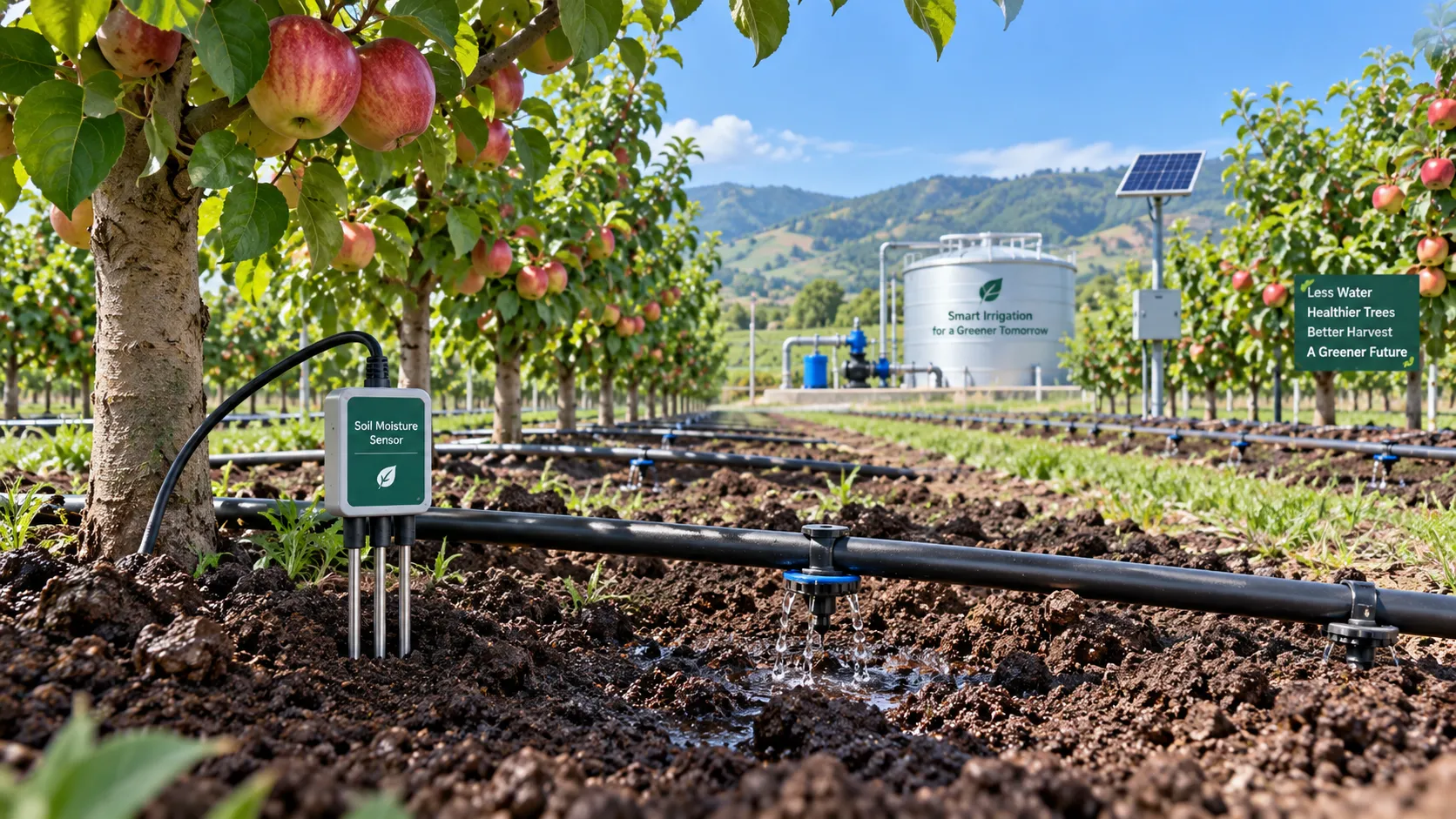
Orchard Water Management: Using Soil Moisture Data to Schedule Irrigation
Agricultural water management for orchards made practical: use soil moisture data to optimize irrigation timing, protect yield, reduce costs, and improve resilience.
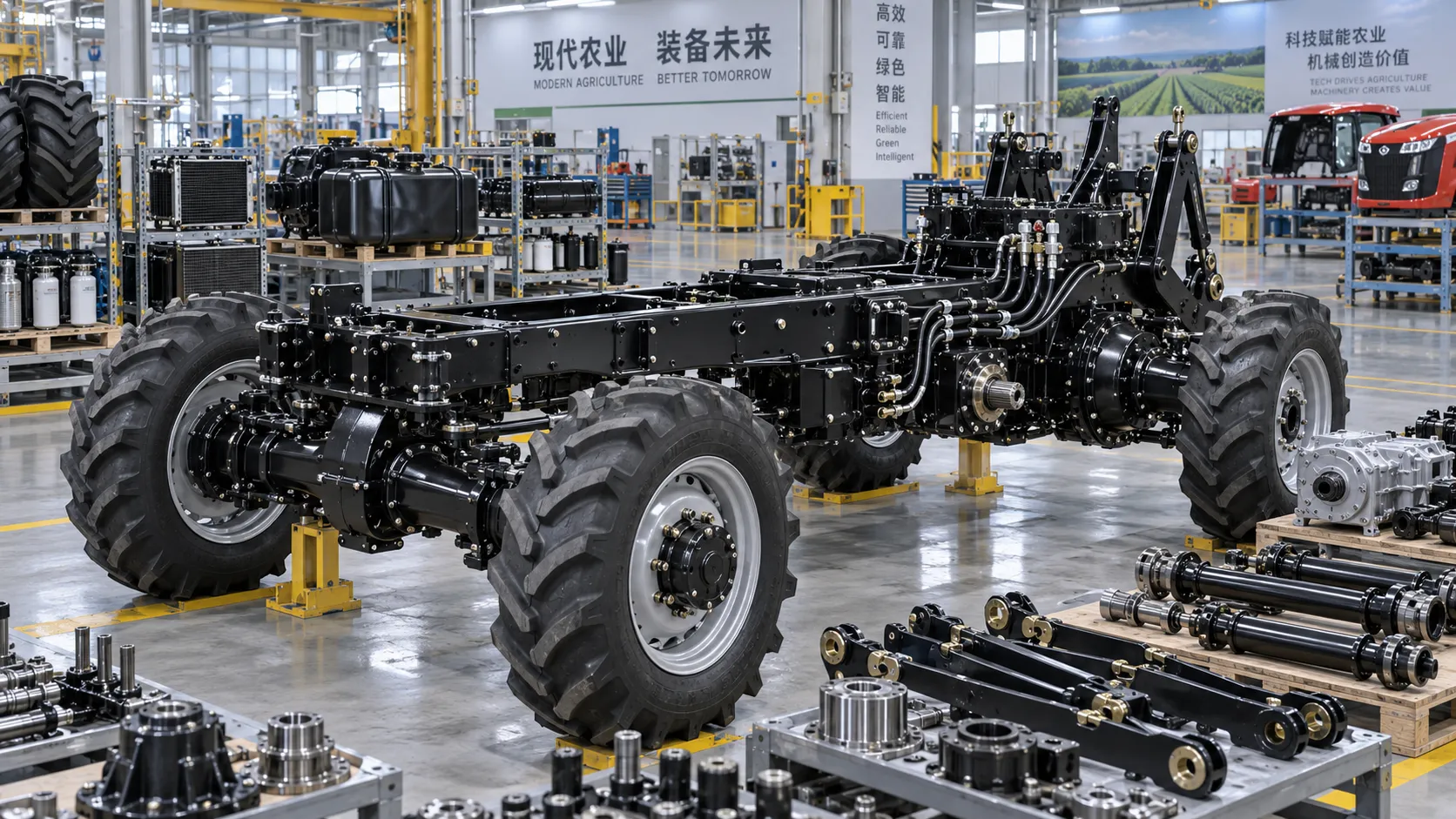
Tractor Chassis Price: What Buyers Should Compare Beyond the Initial Quote
Tractor chassis price is only the start. Compare load capacity, compatibility, durability, and lifecycle costs to choose a reliable, high-value chassis.
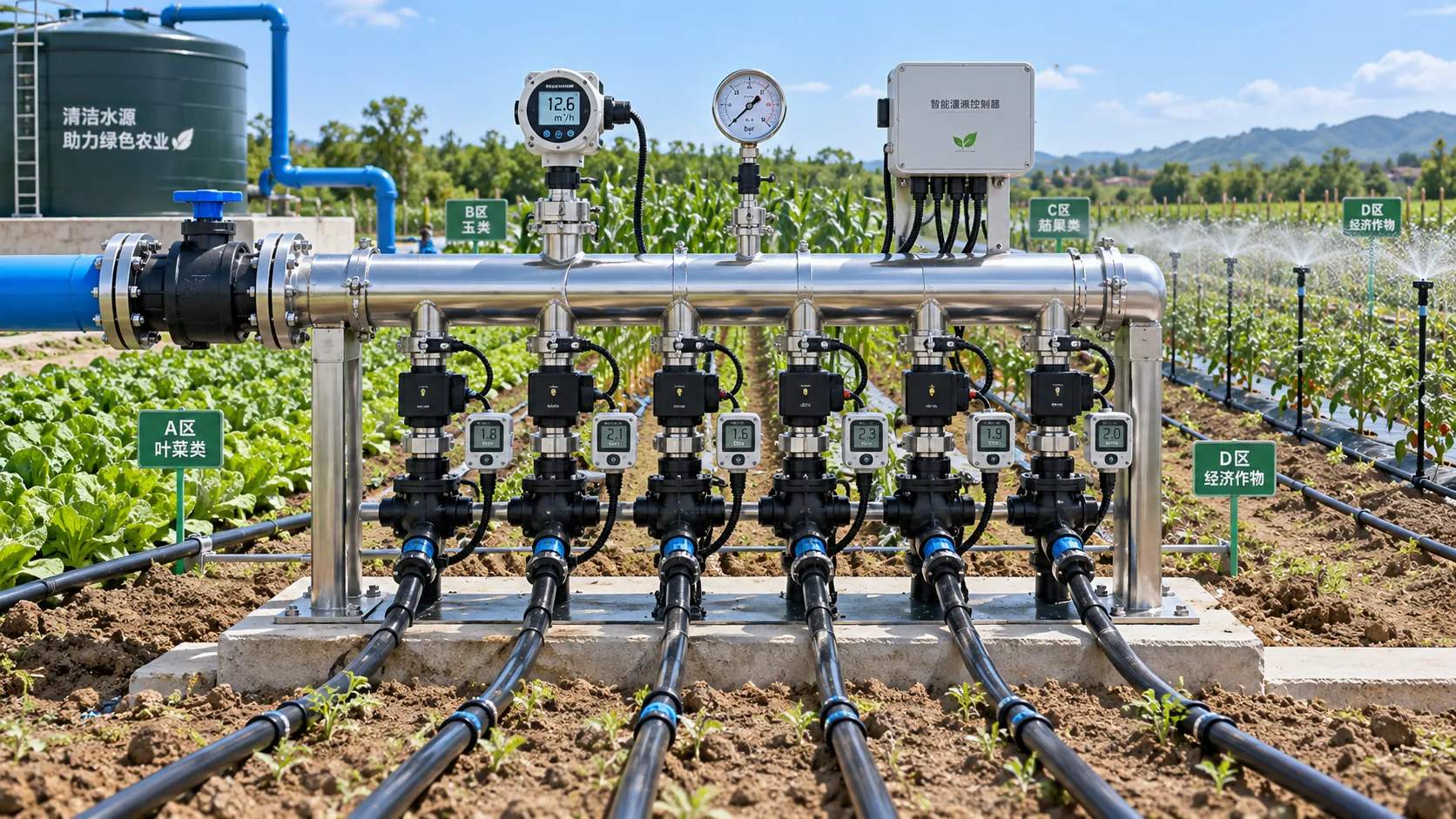
How to Select Smart Irrigation Valves for Multi-Zone Water Management?
Intelligent irrigation systems valves: learn how to match smart valves with multi-zone flow, pressure, control, feedback, and communication needs for reliable water management.
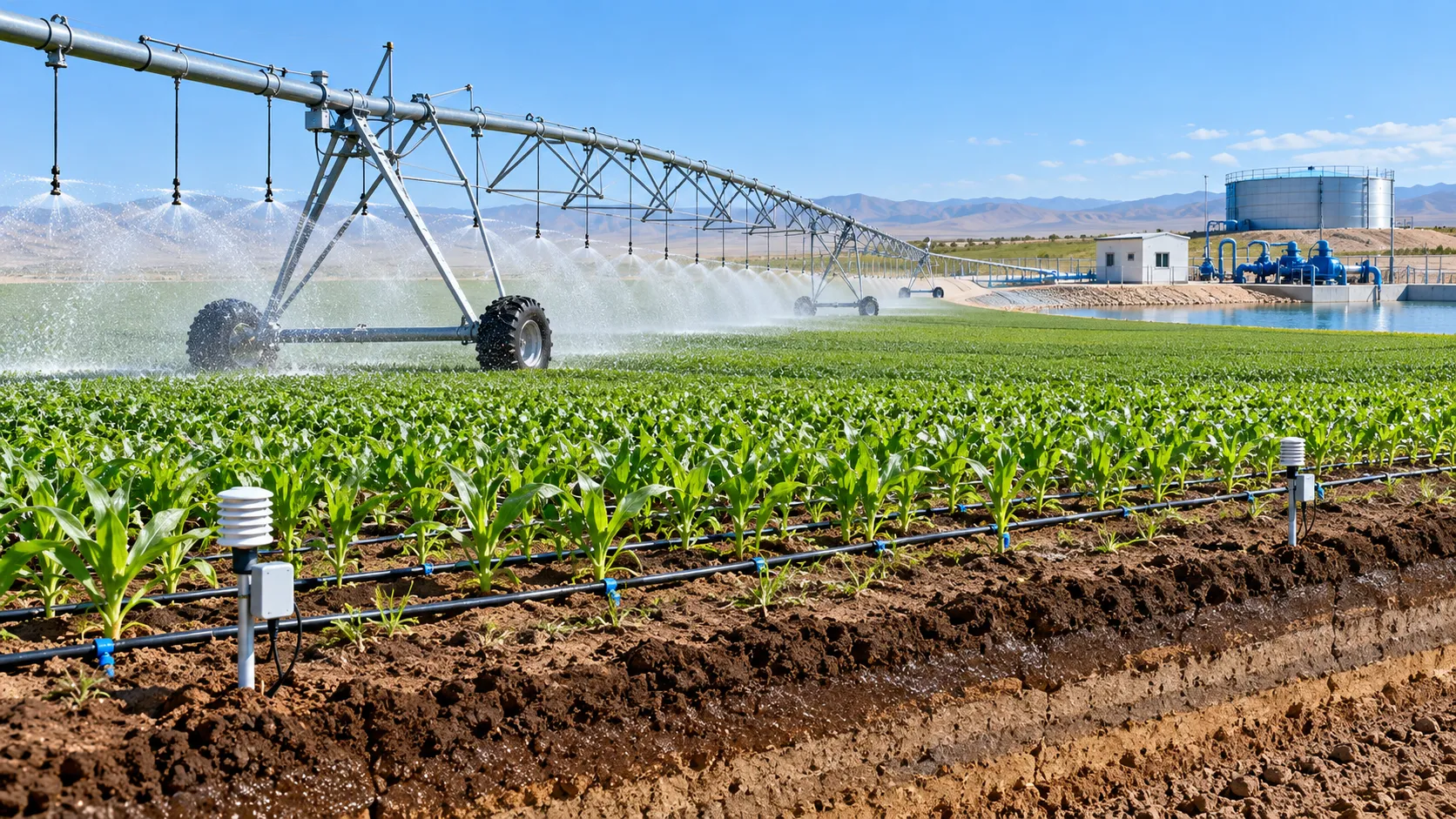
Climate-Smart Farming for Drought: A Practical Plan for Protecting Yields
Climate-smart farming for drought: build smarter water budgets, protect critical crop stages, improve irrigation uniformity, and safeguard yields with practical field-proven strategies.
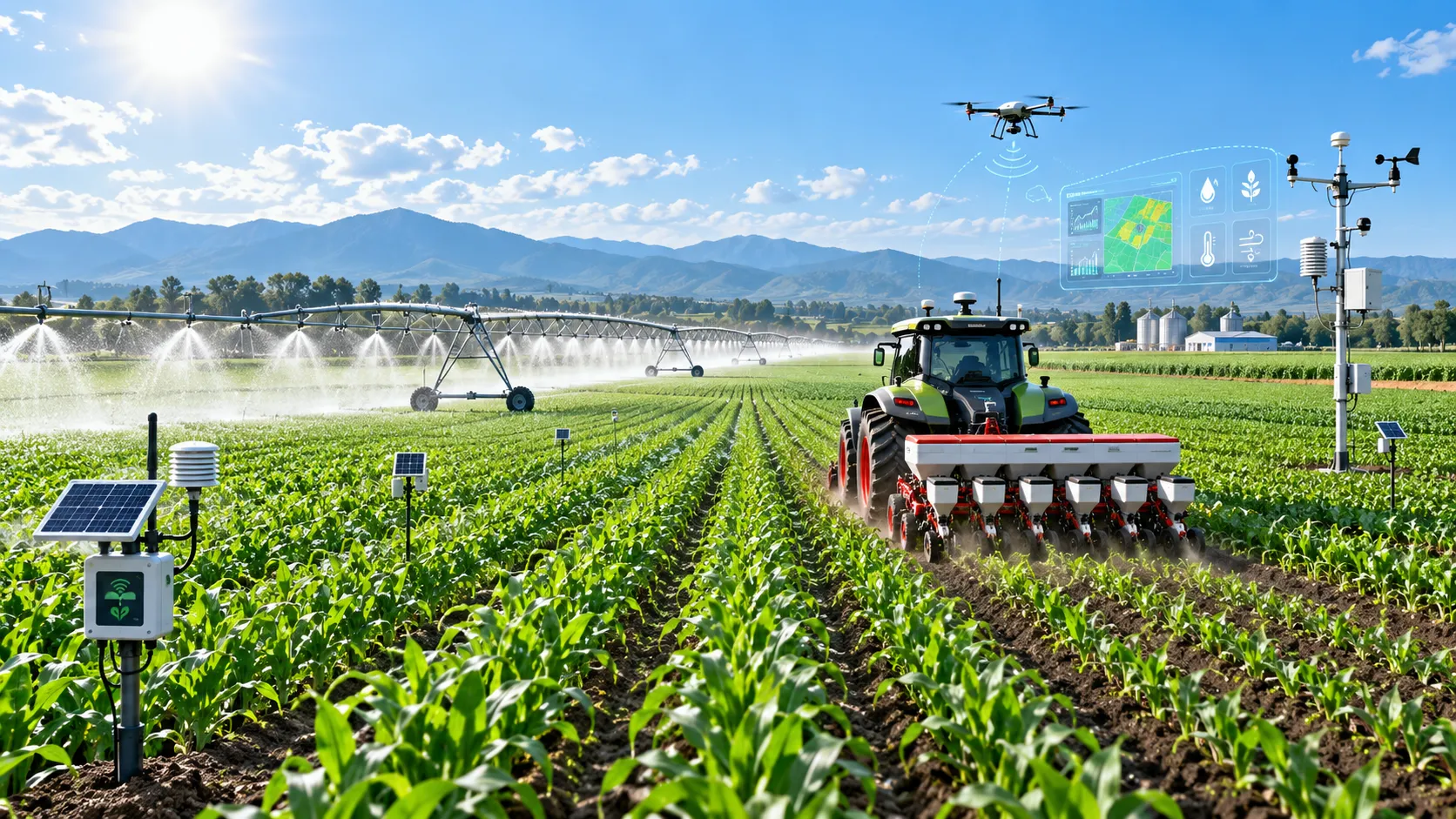
How Digital Agriculture Platforms Turn Field Data Into Better Input Decisions
Digital agriculture platforms turn field data into smarter fertilizer, water, seed, and equipment decisions—helping farms cut risk, improve margins, and scale sustainability.
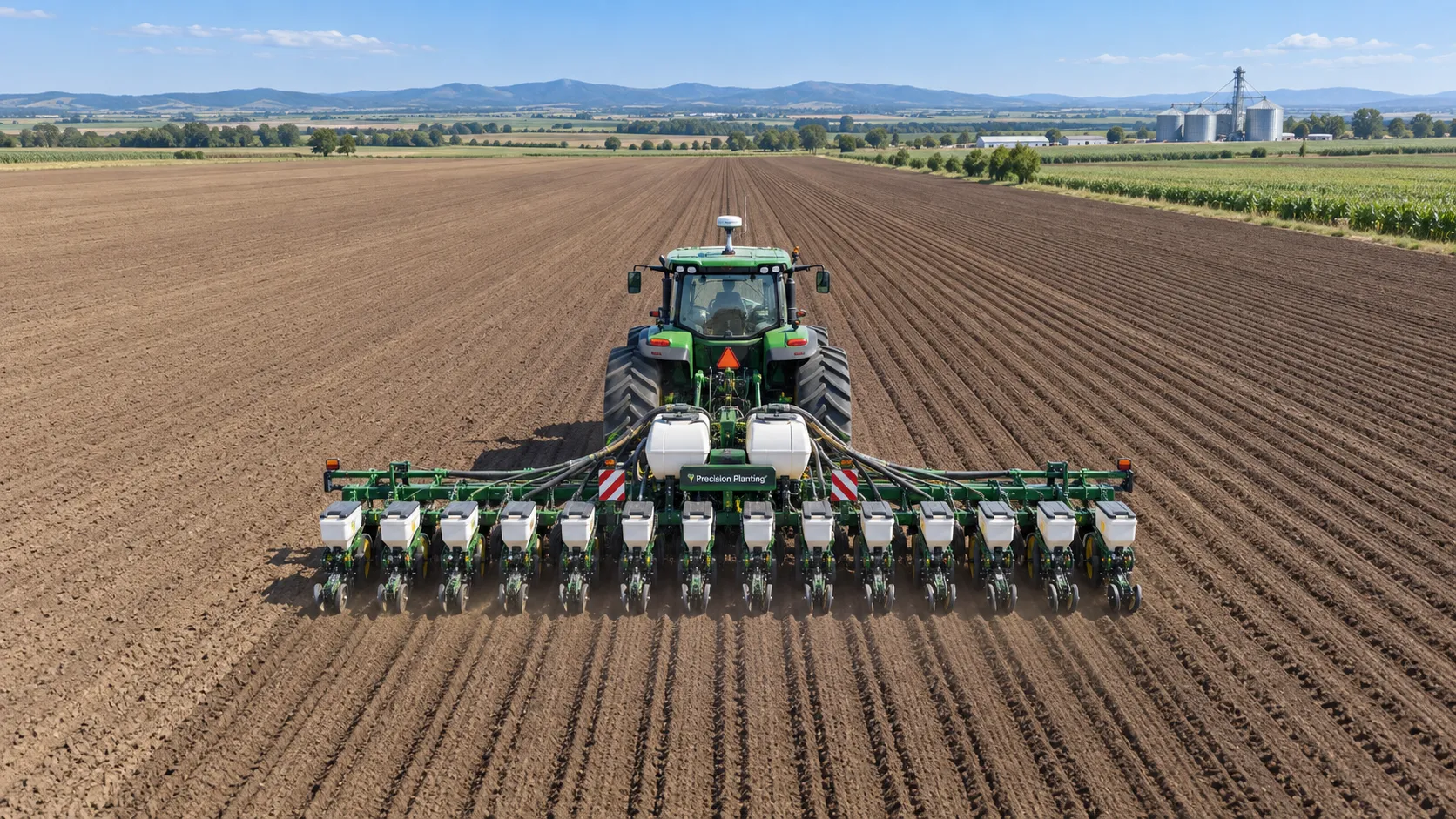
GPS-Guided Farm Machinery: Where It Delivers Measurable Field Efficiency Gains
Agri-mechanization GPS guided systems deliver measurable field efficiency gains through reduced overlap, precise planting, smarter inputs, and reliable farm data.
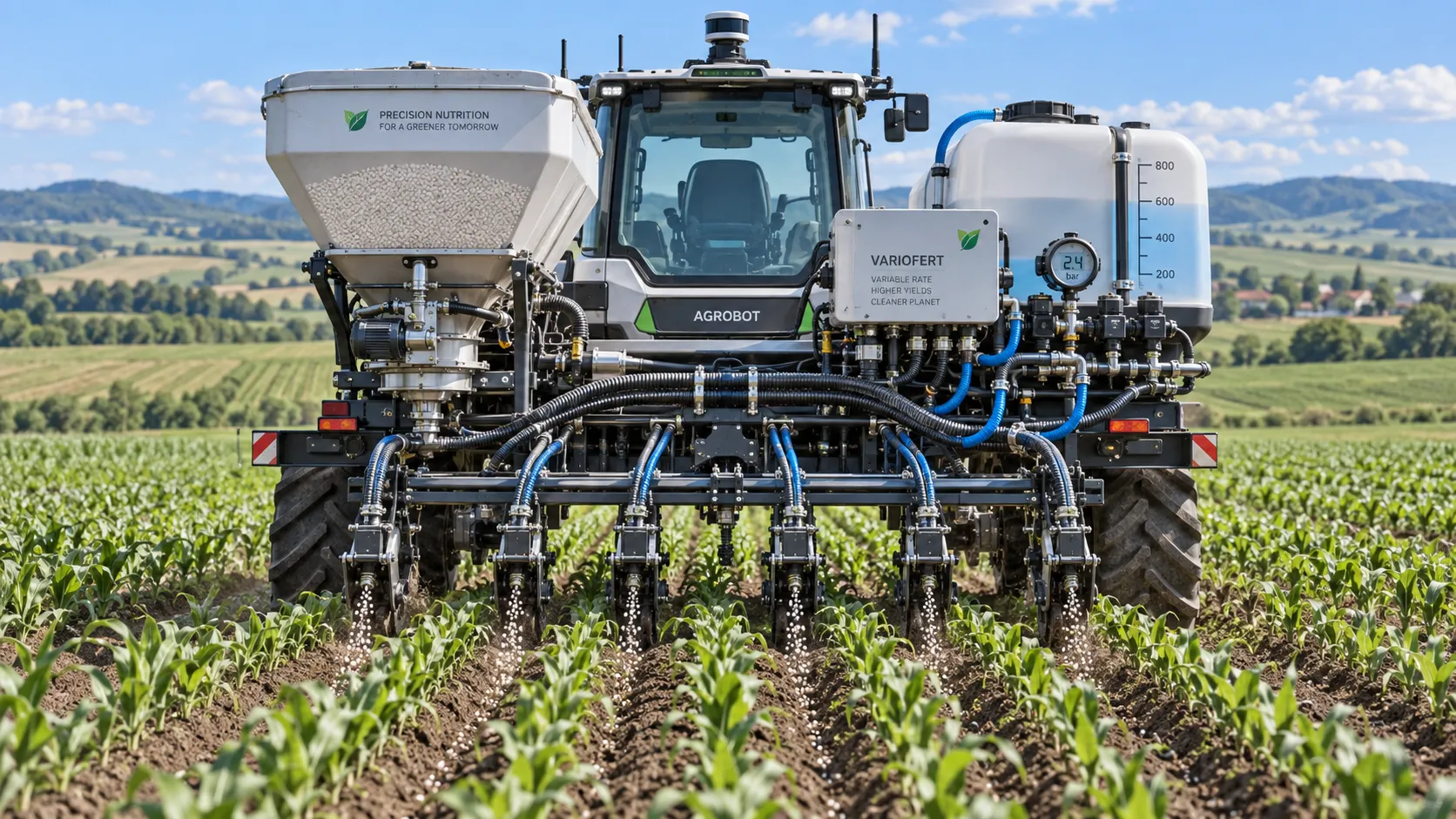
How Sensor Feedback Enables Accurate Variable-Rate Fertilization in Field Conditions
Precision fertilization systems with sensor feedback improve variable-rate accuracy by verifying flow, managing latency, and ensuring reliable field application.
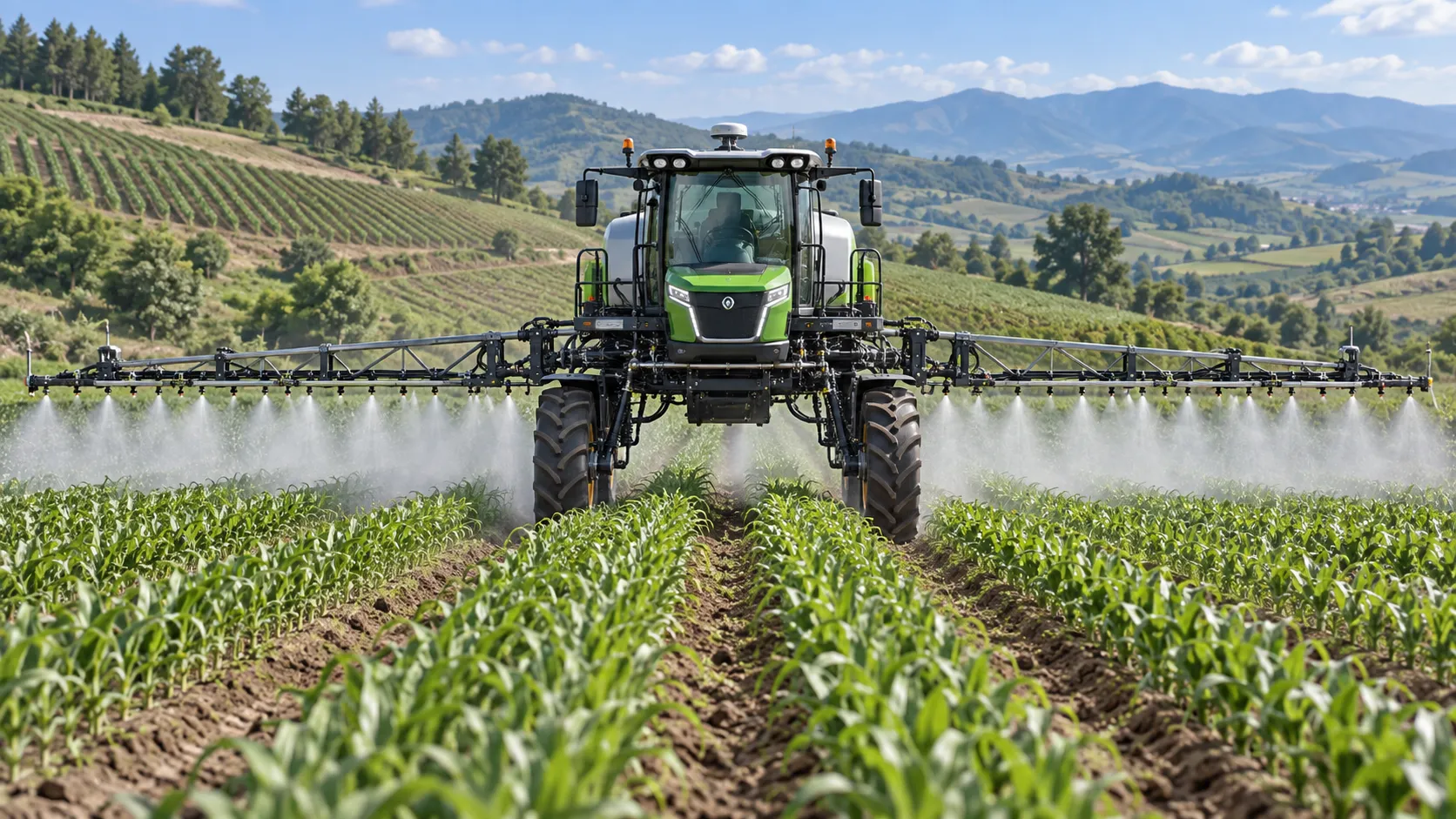
How to Select Precision Crop Protection Equipment for Variable Field Conditions
Precision crop protection equipment selection made simple: compare terrain, canopy, weather, control accuracy, and data workflows for reliable applications.

When Does Agricultural Machinery Leasing Cost Less Than Owning Equipment?
Agricultural machinery leasing can lower farm costs when use is seasonal or uncertain. Compare utilization, maintenance, cash flow, and risk to make a smarter equipment decision.
Related News
- 00
0000-00
Orchard Water Management: Using Soil Moisture Data to Schedule Irrigation - 00
0000-00
Climate-Smart Farming for Drought: A Practical Plan for Protecting Yields - 00
0000-00
Selecting Real-Time Soil Moisture Sensors for Irrigation Zone Control - 00
0000-00
How Does Climate-Smart Farming Reduce Water Use in Semi-Arid Areas? - 00
0000-00
USDA Rule Takes Effect: Dual FCC and NRCS Approval for Soil Moisture Sensors
Popular Tags
Hydrological Resource Strategist
Weekly Insights
Stay ahead with our curated technology reports delivered every Monday.